Quick Answer
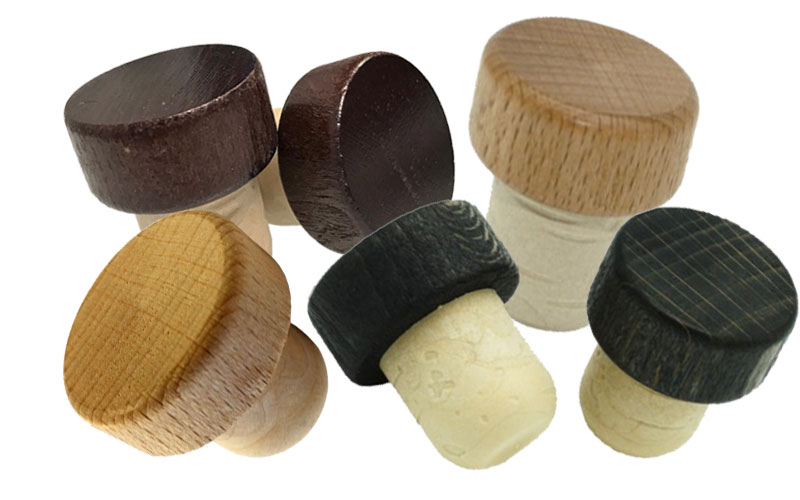
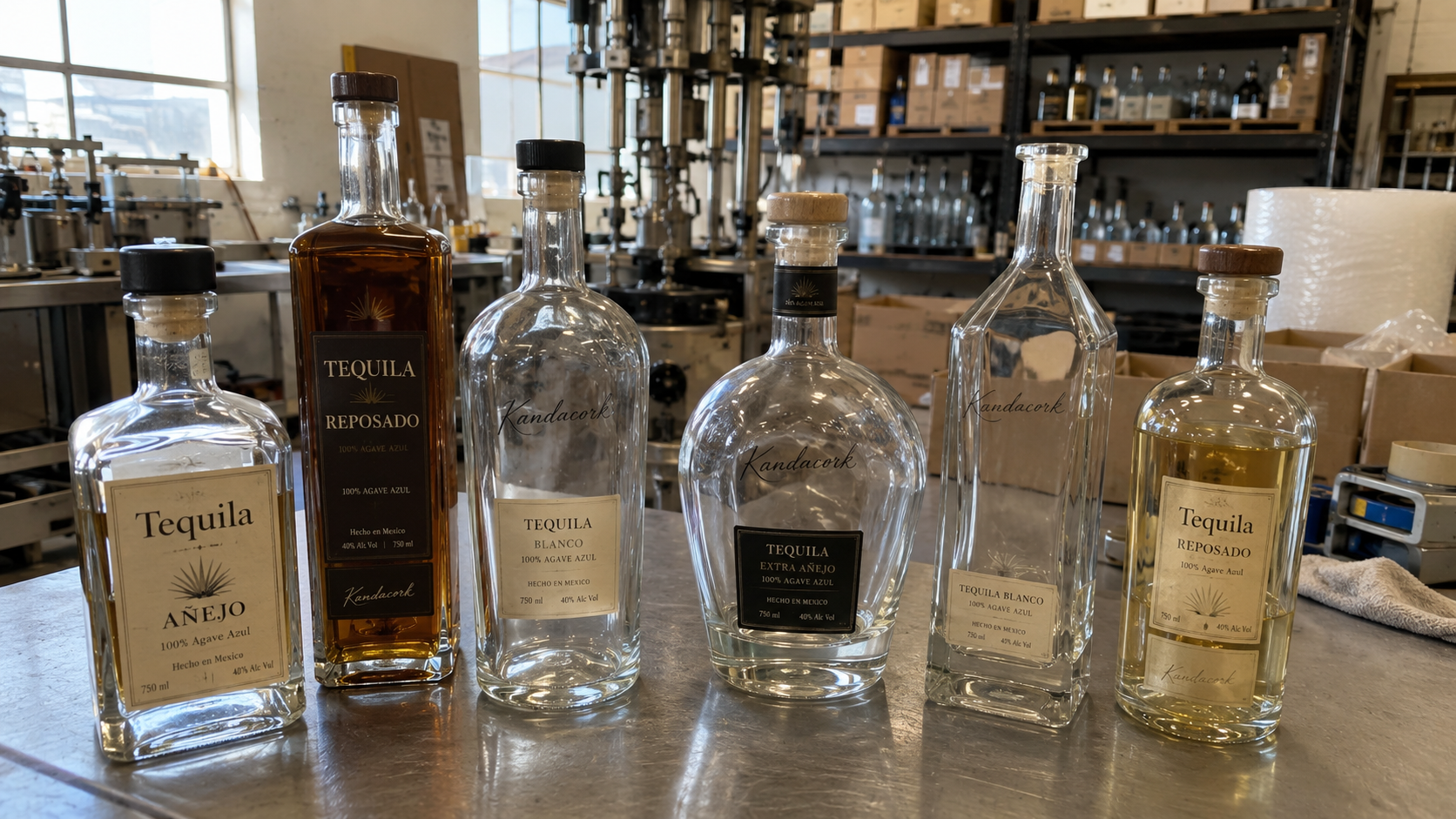
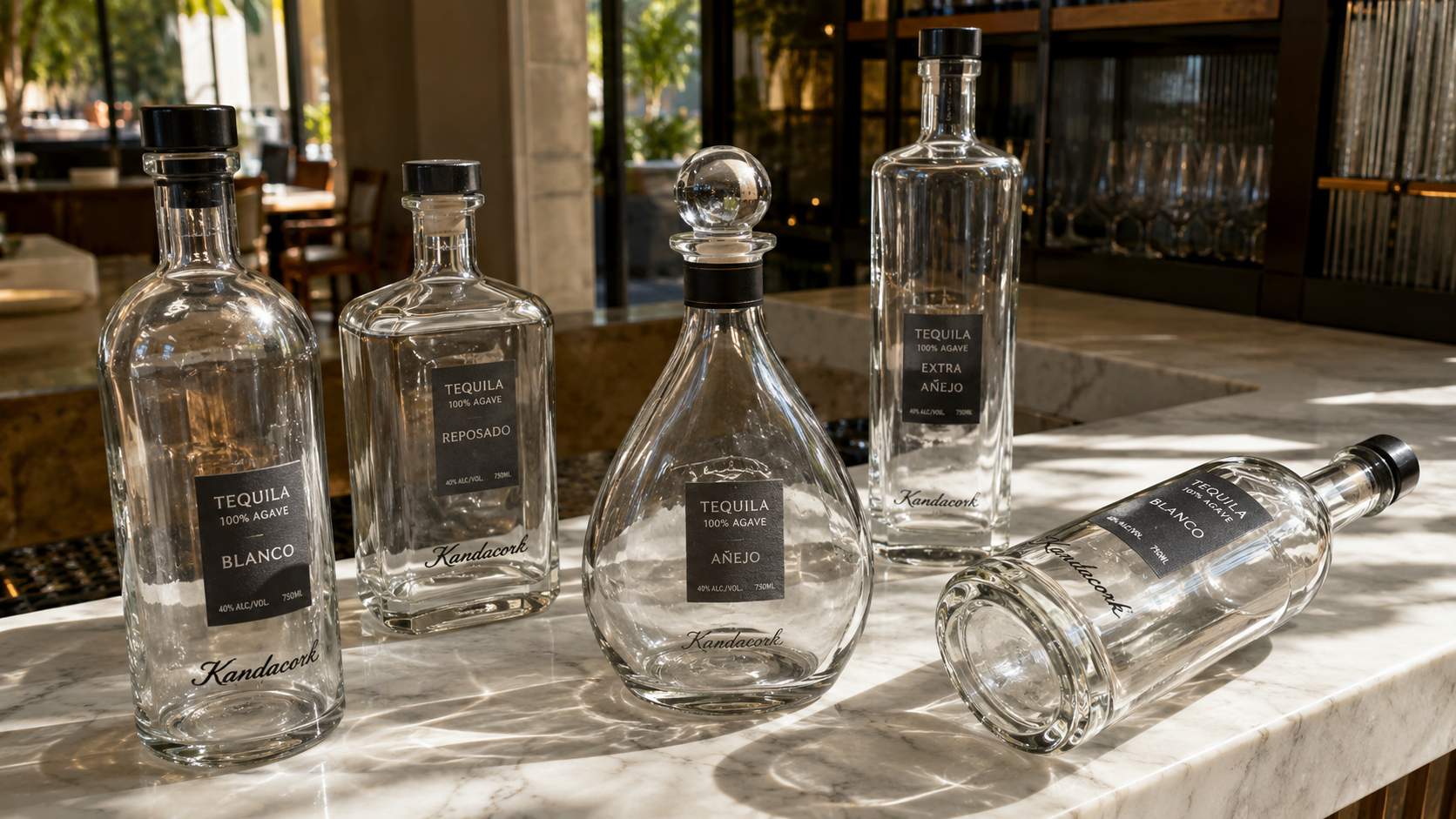
To match closures for multi-SKU bottle families, start with the bottle neck finish and inner bore. Then create a SKU-by-SKU closure matrix covering bottle size, closure type, shank material, top material, decoration, and test status. Approve each closure on real bottles before bulk ordering.
This process is especially important for spirits brands, distilleries, private label buyers, importers, distributors, bottlers, and packaging procurement teams because one bottle family may include miniatures, 700 ml bottles, 750 ml bottles, 1 L export formats, premium gift bottles, seasonal flavors, and private label SKUs.
Each product should look consistent on shelf, but every closure must still match the bottle neck, liquid type, filling method, target market, and brand position.
Kandacork Closures & Stoppers helps brands build practical, brand-consistent, and repeatable closure systems for multi-SKU spirits packaging.
Send your bottle drawings and SKU list to Kandacork for an initial closure-fit review.
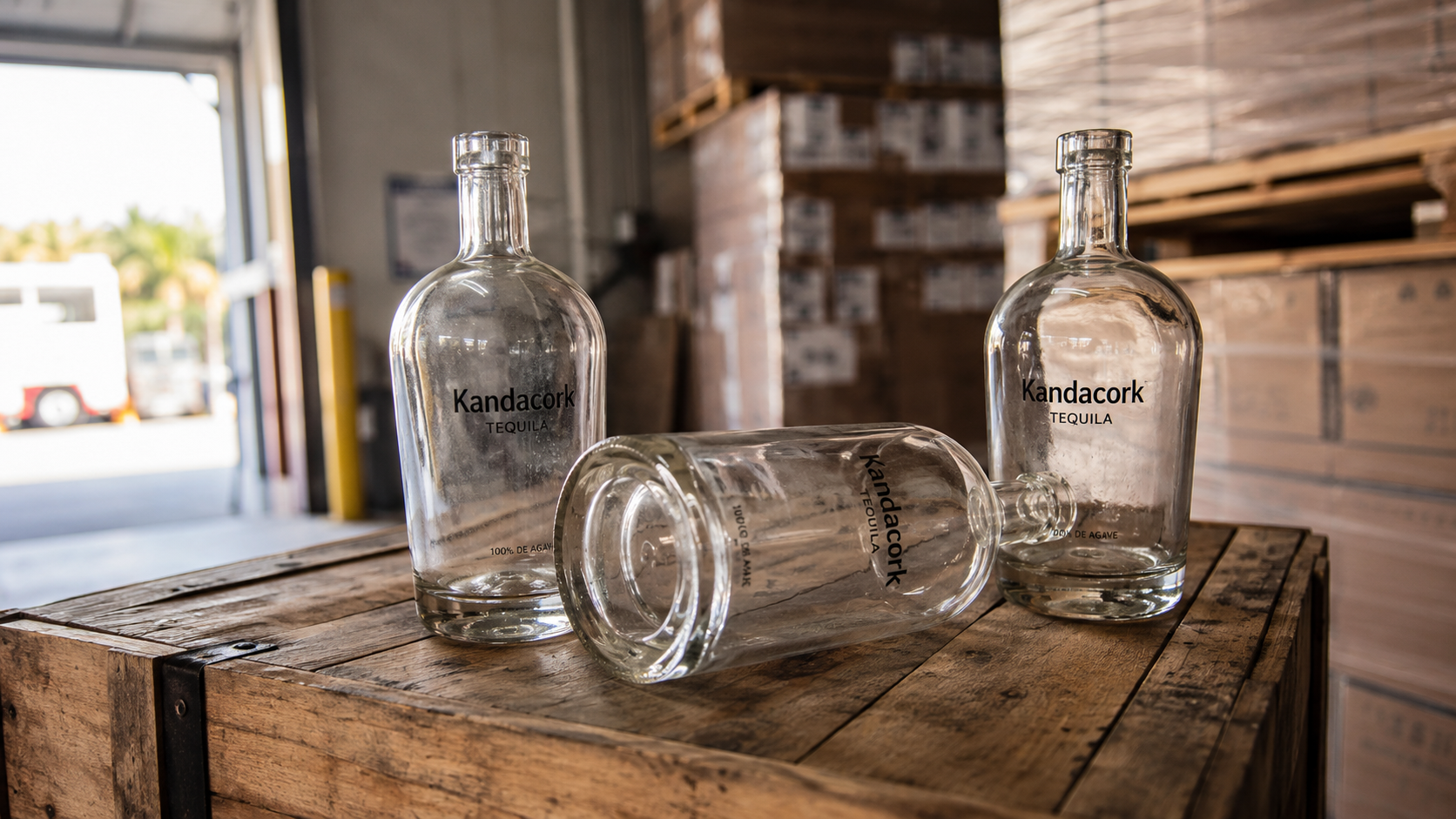
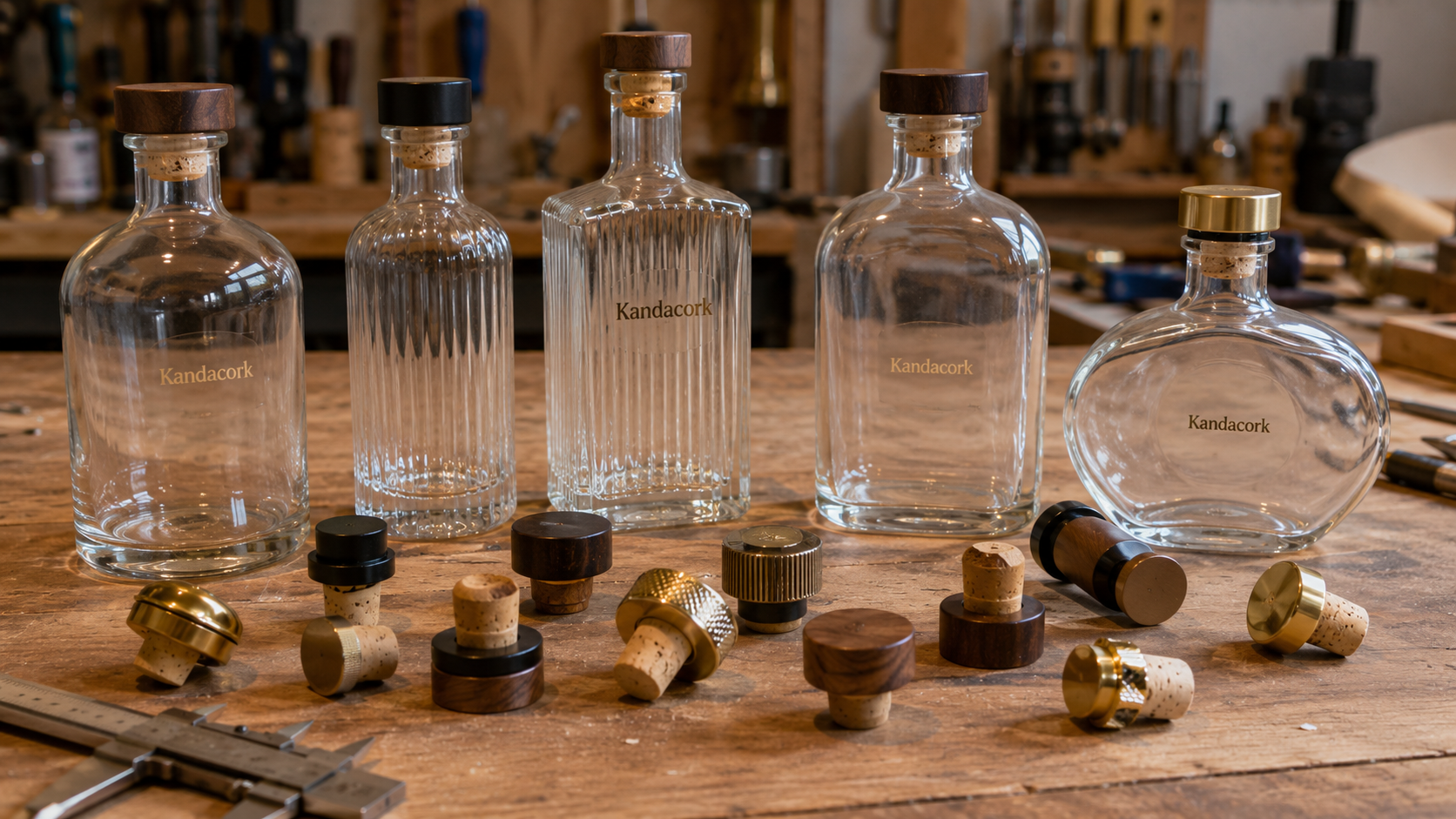
Image ALT suggestion: multi-SKU spirits bottle family with matched closures
In This Guide
- Bottle neck finish and inner bore
- Common shank size starting points
- Closure fit matrix
- Closure strategy by project type
- Material comparison
- Testing checklist
- Supplier capability checklist
- RFQ information
- Common mistakes
- Kandacork closure support
Why Multi-SKU Bottle Families Need a Closure System
A multi-SKU spirits range is not just a group of similar bottles. It is a packaging system.
A whisky brand may use a 750 ml core bottle, a 700 ml export bottle, a 50 ml miniature, and a premium gift edition. A gin brand may keep one bottle silhouette but use different closure colors for citrus, berry, botanical, and seasonal SKUs. A private label buyer may need one closure platform across vodka, rum, tequila, whisky, and liqueur products.
Without a planned closure system, brands often face problems such as:
- one stopper fits the core bottle but not the miniature;
- different bottle suppliers use similar-looking necks with different inner bores;
- premium closures look good but create poor pull-out feel;
- color-coded closures vary between batches;
- cartons mix similar closures for different SKUs;
- repeat orders fail because approved samples were not documented.
A strong closure system helps buyers keep brand consistency, reduce sourcing complexity, control leakage risk, simplify repeat orders, and prepare clearer sample requests.
For buyers planning a full closure project, Kandacork can support custom spirits bottle closures from early concept to sample testing and bulk production. If the project also includes glass bottles, decoration, and export packing, a complete spirits packaging program can be coordinated through Kandacork Glass.
Start With Bottle Neck Finish and Inner Bore
The safest way to match closures is to confirm the bottle neck finish before selecting the closure appearance.
Different closures require different bottle finishes:
| Closure Type | Common Use | Key Matching Factor |
|---|---|---|
| Bar-top / T-top stopper | Whisky, rum, gin, vodka, tequila, liqueur | Inner neck bore and stopper shank diameter |
| Natural cork stopper | Premium and craft spirits | Cork grade, compression, extraction feel |
| Synthetic cork stopper | Multi-SKU and export spirits | Dimensional stability and repeatability |
| ROPP cap | Vodka, brandy, value spirits | Roll-on pilfer-proof neck finish |
| Screw cap | Miniatures, liqueurs, lower-cost SKUs | Thread finish and torque |
| Non-refillable closure | Export spirits and anti-counterfeit packaging | Dedicated neck, insert, pourer, and cap system |
| Specialty closure | Gift packs, decanter bottles, limited editions | Project-specific fit and handling |
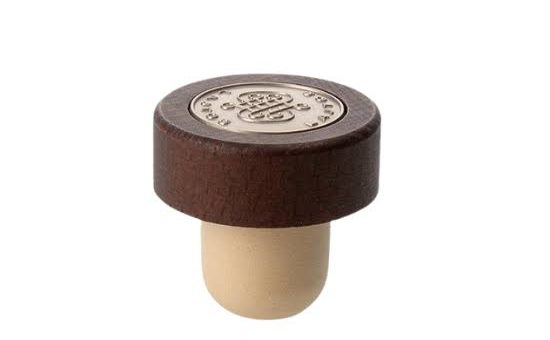
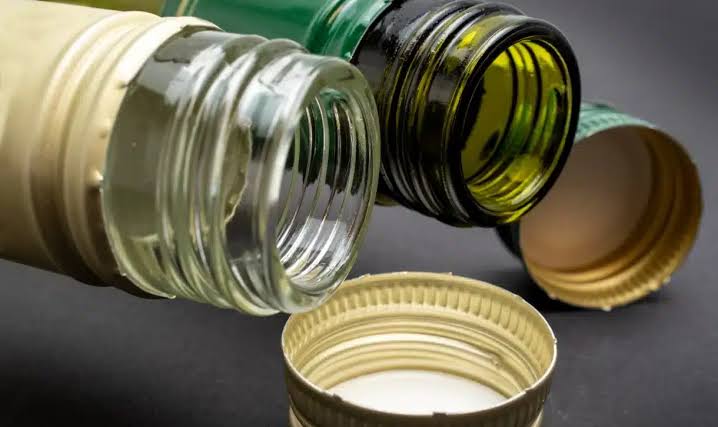
For bar-top spirits closures, the inner bore is especially important. Two bottles may look almost identical from the outside but require different stopper shank sizes because the internal neck diameter, taper, or depth is different.
This is why a closure should never be selected by appearance alone. Bottle drawings, neck finish data, and physical bottle samples should be reviewed before final sample approval. For projects that require technical confirmation, Kandacork can provide closure sampling and neck-fit review.
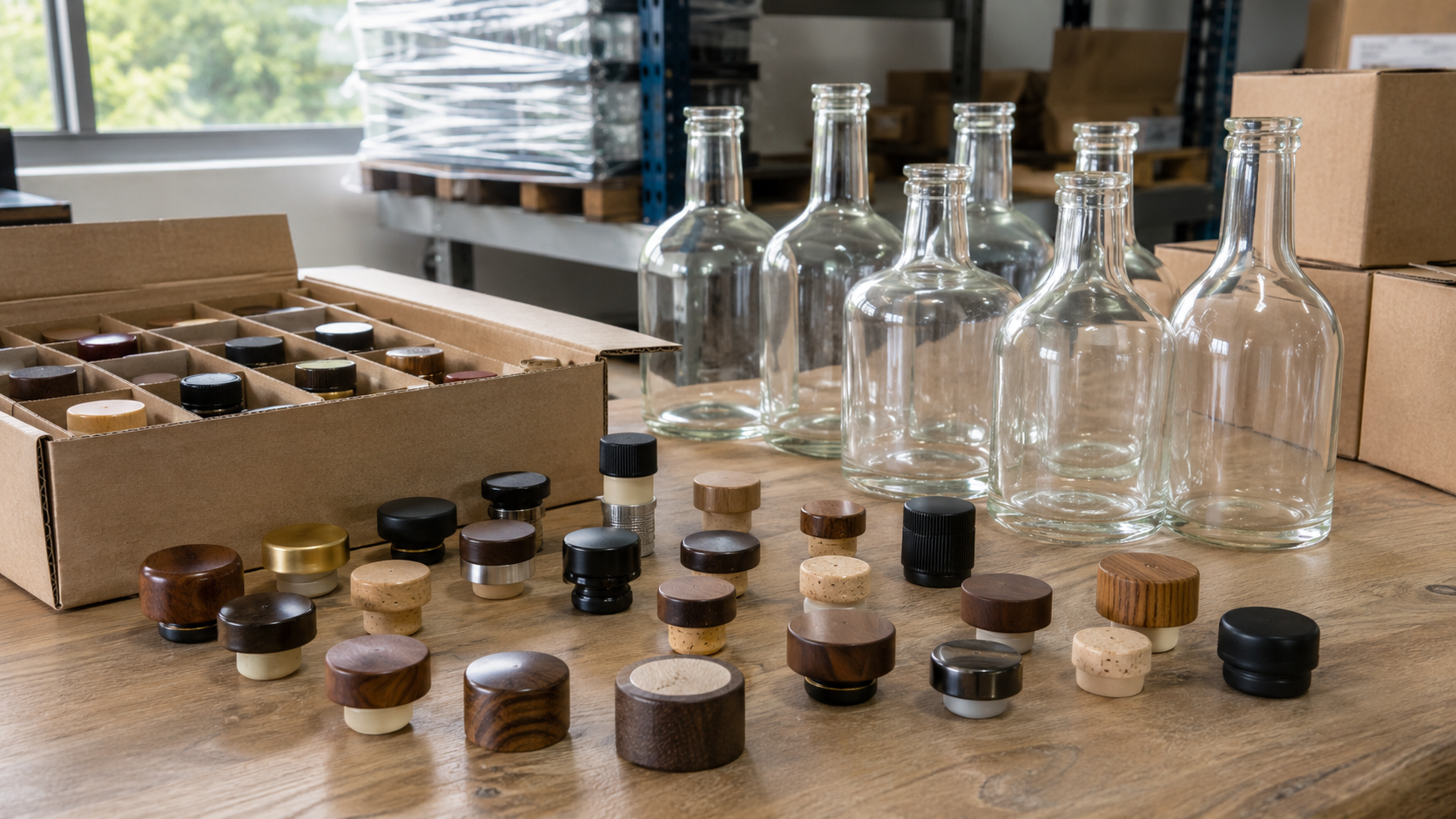
Image ALT suggestion: bar-top stopper shank matching bottle neck bore
Common Neck Bore and Shank Size Starting Points
For many bar-top spirits bottles, 18.5 mm and 21.5 mm are common neck bore references. A 19.5 mm or 22.5 mm stopper shank may be used as a starting point, but final approval should always be based on real bottle samples.
| Bottle Neck Bore Reference | Possible Starting Shank Size | Typical Use Case | Approval Notes |
|---|---|---|---|
| 18.5 mm | 19.5 mm | Some spirits bottles, smaller formats, specialty bottles | Confirm insertion force and pull-out feel |
| 21.5 mm | 22.5 mm | Common bar-top spirits bottles | Test leakage, resealing, and bottle tolerance |
| Project-specific bore | Custom shank size | Miniatures, luxury molds, custom bottles | Requires drawing review and physical sample testing |
These numbers should not be treated as universal rules. Bottle neck tolerance, glass supplier, filling method, shank material, cork compression, and closure top weight can all affect final performance.
For related technical reading, see Kandacork’s guide to bar-top stoppers for gin bottles and its buyer guide on how bar-top stoppers fit spirits bottle necks.
Build a Closure Fit Matrix for Every SKU
The most practical way to match closures for multi-SKU bottle families is to create a closure fit matrix before ordering samples.
This matrix gives the brand owner, packaging engineer, procurement manager, bottler, and closure supplier one shared reference point.
| SKU | Bottle Size | Bottle Source | Neck Finish / Bore | Closure Type | Shank Material | Top Material | Decoration | Test Status |
|---|---|---|---|---|---|---|---|---|
| Core Whisky | 750 ml | Stock bottle | 21.5 mm bore | Bar-top stopper | Synthetic cork | Wood | Laser logo | Sample testing |
| Premium Whisky | 700 ml | Private mold | To be measured | Bar-top stopper | Micro-agglomerated cork | Metal / wood | Engraved logo | Drawing review |
| Mini Gin | 50 ml | Stock bottle | Project-specific | Mini stopper | Synthetic | Plastic | Color-coded | Pending sample |
| Rum Gift Edition | 750 ml | Heavy glass | 21.5 mm bore | Bar-top stopper | Synthetic cork | Zamak | Embossed logo | Pull-out test |
| Liqueur Range | 500 ml | Stock bottle | To be confirmed | Screw cap or stopper | Project-specific | Aluminum / plastic | Printed color | RFQ stage |
A closure fit matrix reduces guessing. It also helps buyers decide which SKUs can share one closure platform and which SKUs require separate development.
For private label buyers and importers, this matrix is especially useful because the same product family may include different bottle sizes, different launch markets, and different price tiers.
Download the Multi-SKU Closure Fit Matrix Template and use it to organize bottle sizes, neck data, materials, decoration, and sample approval status before requesting a quotation.
Which Closure Strategy Fits Your Bottle Family?
The best closure strategy depends on whether your SKUs share the same neck finish, brand tier, launch schedule, and target market.
| Project Type | Best Closure Strategy | Why It Works |
|---|---|---|
| Multi-flavor gin or vodka | Shared top shape with color coding | Keeps the family consistent while separating flavors |
| Whisky range with premium tiers | Tiered wood, aluminum, or metal tops | Shows price ladder and premium upgrade |
| Private label export program | Standardized synthetic cork platform | Controls cost, repeatability, and reorder risk |
| Limited-edition gift bottle | Custom metal, glass, or decorated top | Creates collectible shelf impact |
| Miniature + full-size family | Same design language with adjusted shank size | Keeps brand unity while fitting different bottles |
| Multi-market spirits launch | Documented closure specification by SKU | Reduces confusion across markets, cartons, and repeat orders |
Shared Closure Platform
A shared closure platform uses the same closure shape, similar shank construction, and consistent logo placement across the bottle family. SKU differentiation can be created through color, finish, or small decorative changes.
This works well for private label spirits programs, distributor-owned brands, multi-flavor vodka or gin ranges, high-volume export projects, and brands planning future SKU extensions.
Tiered Closure System
A tiered closure system keeps the same overall design language but upgrades the closure material by product level.
| Product Tier | Closure Direction |
|---|---|
| Entry-level SKU | Plastic top with synthetic cork shank |
| Core SKU | Wood top with synthetic or micro-agglomerated cork shank |
| Premium SKU | Aluminum or decorated wood top |
| Ultra-premium SKU | Zamak, glass, or custom sculpted top |
This approach is useful when the brand wants a clear premium ladder while keeping the product family recognizable.
Custom SKU-Specific Closures
A custom system gives each SKU a unique shape, material, color, or decorative feature.
This can work well for luxury spirits, collectible bottles, seasonal editions, and gift packs. However, it also requires stronger sample control, separate approvals, clearer carton labels, and more detailed repeat-order documentation.
Compare Closure Materials for Multi-SKU Spirits Brands
Closure material should be selected based on fit, brand positioning, cost, repeatability, decoration options, and target market requirements.
| Closure Material | Best For | Multi-SKU Advantage | Buyer Watch Point |
|---|---|---|---|
| Natural cork | Heritage spirits, craft whisky, premium rum | Traditional look and natural story | Natural variation and grade control |
| Micro-agglomerated cork | Premium core ranges | More uniform than natural cork | Still requires fit and sensory testing |
| Synthetic cork | Multi-SKU spirits, export, private label | Stable dimensions and repeatable fit | Confirm sensory neutrality and compliance |
| Plastic top | Flavor ranges, private label, high-volume SKUs | Strong color control and cost efficiency | Needs good design to avoid low-value perception |
| Wood top | Whisky, rum, gin, craft spirits | Warm, premium, natural appearance | Wood grain and color may vary |
| Aluminum top | Vodka, tequila, modern premium spirits | Clean metallic finish and decoration flexibility | Surface treatment must remain consistent |
| Zamak / metal top | Luxury spirits and gift editions | Heavy hand feel and premium perception | Higher cost and bonding validation |
| Glass top | Decanter-style bottles and ultra-premium packaging | Distinctive luxury presentation | Fragility, weight, and packing protection |
For multi-SKU projects, synthetic cork, plastic tops, aluminum tops, and controlled wood finishes are often easier to repeat across variants. Natural cork, glass tops, and heavy metal tops can create stronger premium value, but they need more careful approval and specification control.
For multi-SKU color systems, Kandacork’s plastic stopper planning guide for multi-SKU spirits brands can help buyers plan color, logo, and repeat-order consistency.
Match Closure Design With Brand Family Logic
A closure is not only a functional sealing component. It is also part of the product’s shelf identity and first opening experience.
A good multi-SKU closure system can communicate product tier, flavor, liquid type, limited-edition status, brand identity, price level, gift-pack value, and category cue.
For example, a gin brand may use the same top shape across all SKUs but apply different botanical colors. A whisky brand may use wood tops for the core range and metal-top closures for aged expressions. A tequila brand may keep one closure silhouette but change the finish for blanco, reposado, and añejo.
The goal is balance. If every SKU uses a completely different closure, the family may look fragmented. If every SKU looks identical, customers may struggle to identify product differences. The best closure system creates unity while allowing clear SKU differentiation.
Validate Closure Fit Before Bulk Ordering
A closure should not be approved by appearance alone. It should be tested on the actual bottle, with the actual neck finish, and under conditions close to real production and distribution.
Before bulk ordering, review:
| Test Area | What to Check |
|---|---|
| Neck measurement | Inner bore, depth, taper, finish consistency |
| Insertion force | Whether the stopper can be inserted smoothly |
| Pull-out force | Whether the consumer can open the bottle comfortably |
| Leakage | Inversion, side-lay, vibration, temperature exposure |
| Resealing | Performance after repeated opening and closing |
| Top-shank bonding | Bond strength under pull and twist |
| Decoration durability | Logo, coating, plating, printing, embossing |
| Capsule / wax clearance | Whether secondary seals interfere with the top |
| Filling-line trial | Compatibility with manual, semi-auto, or automatic bottling |
| Packing review | Protection during carton and pallet handling |
Packaging should be tested as a complete system, not as separate parts. A stopper that works during hand testing may still need validation during filling, sealing, warehousing, and export shipping.
Practical Notes From Multi-SKU Closure Projects
In multi-SKU closure projects, the most common issue is often not the top material but the relationship between bottle neck tolerance and stopper shank compression. A closure may look correct visually but still feel too loose, too tight, or inconsistent across bottle batches.
Kandacork usually recommends reviewing bottle drawings first, then testing physical bottle samples before approving bulk production. For brands using both miniature and full-size bottles, the closure top can follow the same design language while the shank size, shank material, and packing method are adjusted by SKU.
For repeat orders, approved samples and written specifications should be kept as production references. This helps reduce variation when the brand adds new flavors, launches a market-specific bottle size, or switches to a new glass supplier.
Check Market and Compliance Requirements
For export spirits projects, closure materials should be reviewed for food-contact suitability, destination-market requirements, tamper-evident expectations, and carton traceability. The FDA provides information on food-contact substances used in packaging, including materials that may contact food or beverages.
For multi-SKU projects, buyers should confirm whether each bottle size is treated as a separate commercial SKU, whether cartons are labeled clearly by SKU and batch, and whether the same closure family can be used across all target markets.
Supplier Capability Checklist
Not every closure supplier is suitable for complex bottle family projects. Buyers should evaluate supplier capability before confirming production.
Ask these questions:
- Can the supplier review bottle drawings before sampling?
- Can the supplier test closures on physical bottle samples?
- Can one closure design be adapted across several bottle sizes?
- Can the supplier recommend shank materials for different neck bores?
- Can the supplier provide plastic, wood, aluminum, metal, glass, natural cork, synthetic cork, or micro-agglomerated cork options?
- Can the supplier control color consistency across repeat orders?
- Can the supplier provide pre-production samples for every SKU?
- Can the supplier document approved dimensions, materials, finishes, and packing methods?
- Can mixed-SKU orders be packed with clear carton labels?
- Can the supplier help troubleshoot loose fit, tight fit, leakage, or decoration issues?
This checklist turns closure sourcing from a simple product purchase into a controlled packaging development process.
RFQ Information to Send Before Requesting Samples
A strong RFQ helps the closure supplier recommend the right solution faster.
Before requesting samples from Kandacork Closures & Stoppers, prepare the following information:
| RFQ Item | Why It Matters |
|---|---|
| Bottle drawings | Confirms neck finish, dimensions, and bottle structure |
| Empty bottle samples | Allows real fit testing |
| SKU list | Shows how many closures need to be matched |
| Bottle sizes | Helps balance closure proportion |
| Neck inner bore | Guides stopper shank recommendation |
| Closure type preference | Bar-top, screw cap, ROPP, non-refillable, etc. |
| Liquid type and ABV | Helps assess material suitability |
| Target material | Wood, plastic, aluminum, metal, glass, cork, synthetic |
| Logo and artwork files | Needed for engraving, embossing, printing, or inserts |
| Color references | Supports consistent SKU color coding |
| Annual quantity by SKU | Affects tooling, unit cost, and production planning |
| Filling method | Manual, semi-auto, or automatic line |
| Secondary seal | Capsule, wax, shrink sleeve, tamper band |
| Target markets | Helps define documentation needs |
| Sample deadline | Aligns development schedule |
| Bulk order timeline | Supports production and export planning |
Instead of asking only for “custom cork stoppers,” send a complete closure brief. This reduces misunderstanding and improves sample accuracy.
If you already have bottle samples, Kandacork can review the neck finish, recommend starting shank sizes, and prepare matched samples for testing.
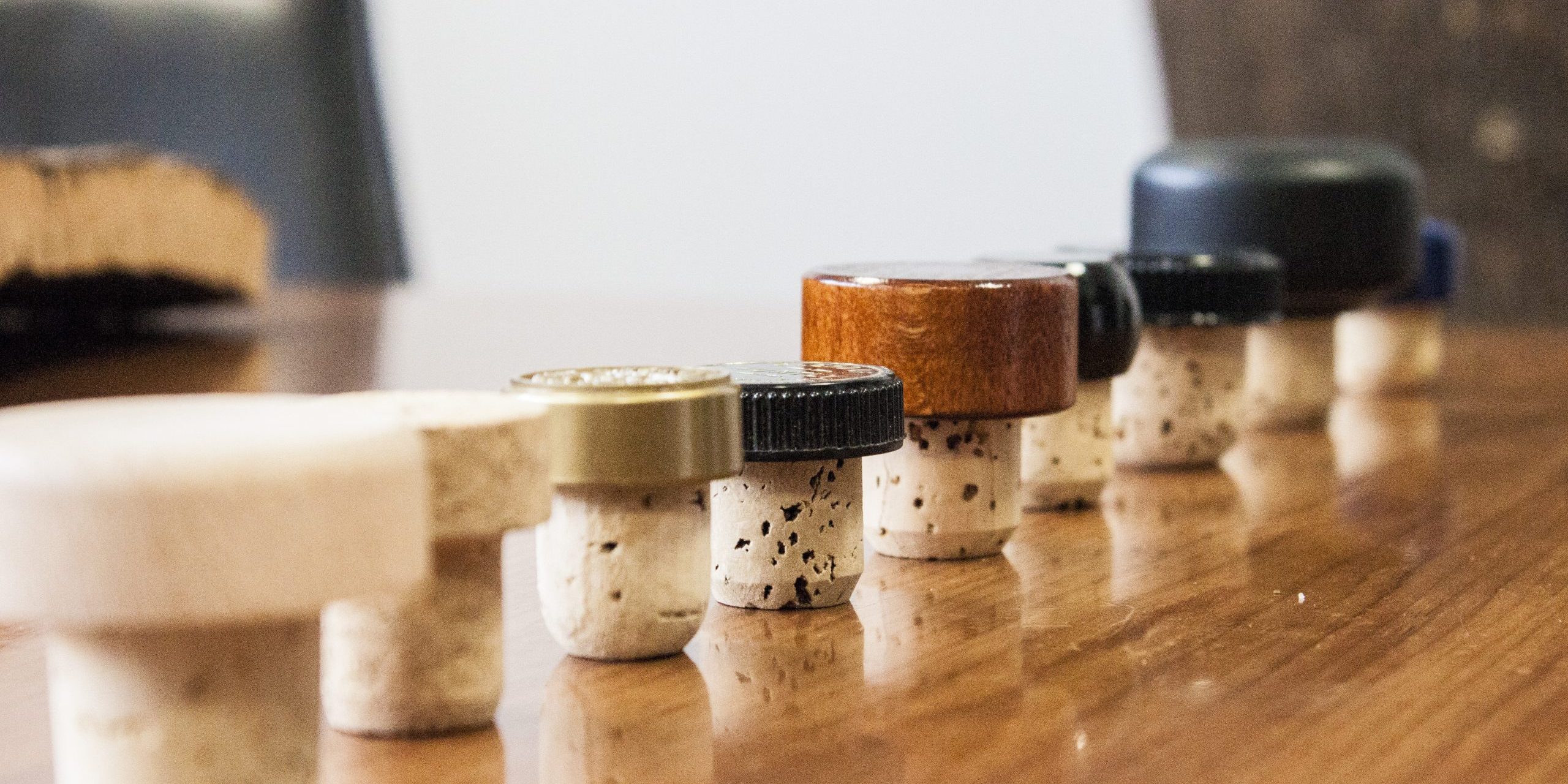
Image ALT suggestion: closure RFQ checklist for spirits bottle samples
Common Mistakes to Avoid
Assuming Every Bottle Has the Same Neck
Similar-looking bottles may have different inner bores, tapers, or finish tolerances. Always check each SKU.
Choosing Appearance Before Fit
A premium-looking stopper is not suitable if it leaks, feels loose, or requires too much force to remove.
Ignoring Miniature Bottles
Mini bottles often need different closure proportions, smaller shanks, and separate fit testing.
Changing Bottle Suppliers Without Retesting
Even small dimensional differences can affect closure performance. If the bottle source changes, revalidate the closure.
Over-Customizing Every SKU
Too many unique closures can increase tooling cost, inventory pressure, approval time, and reorder risk.
Forgetting SKU Separation in Packing
Mixed closures should be packed and labeled clearly by SKU, color, size, batch, and destination.
How Kandacork Supports Multi-SKU Closure Matching
Kandacork Closures & Stoppers supports spirits brands, distilleries, private label buyers, importers, distributors, bottlers, and packaging procurement teams that need coordinated closure systems.
Kandacork can support:
- bottle drawing and neck information review;
- stopper shank and closure type recommendation;
- wood, plastic, aluminum, metal, glass, natural cork, and synthetic cork options;
- color-coded and logo-customized closure development;
- multi-SKU sample preparation;
- fit review across different bottle sizes;
- specification control for bulk production and repeat orders.
Whether you are launching a new spirits brand, refreshing a private label line, or expanding an existing bottle family, Kandacork can help match closures to both technical bottle requirements and commercial brand goals.
FAQ
What is the best way to match closures for multi-SKU bottle families?
The best way is to start with neck finish and inner bore, then create a closure fit matrix for every SKU. Compare materials, test samples on real bottles, and document approved specifications before bulk production.
Can one closure fit multiple spirits SKUs?
Yes, one closure may fit multiple SKUs if the bottles share compatible neck dimensions and finish requirements. However, every bottle should still be tested before approval.
What is the most important measurement for bar-top stoppers?
The inner neck bore is one of the most important measurements. It determines how the stopper shank compresses inside the bottle neck and affects sealing, pull-out feel, and leakage risk.
Are synthetic cork stoppers good for multi-SKU brands?
Yes. Synthetic cork stoppers can be a strong option for multi-SKU brands because they offer stable dimensions, repeatable fit, and consistent appearance. They should still be tested for fit, sensory neutrality, and product compatibility.
What causes leakage in spirits closures?
Common causes include incorrect shank diameter, inconsistent neck bore, insufficient compression, poor top-shank bonding, wrong closure type, temperature variation, or lack of sample testing.
What should I send to Kandacork before requesting samples?
Send bottle drawings, empty bottle samples, SKU list, neck finish data, inner bore measurements, target closure material, logo artwork, color references, annual quantity, liquid type, ABV, sample deadline, and bulk order timeline.