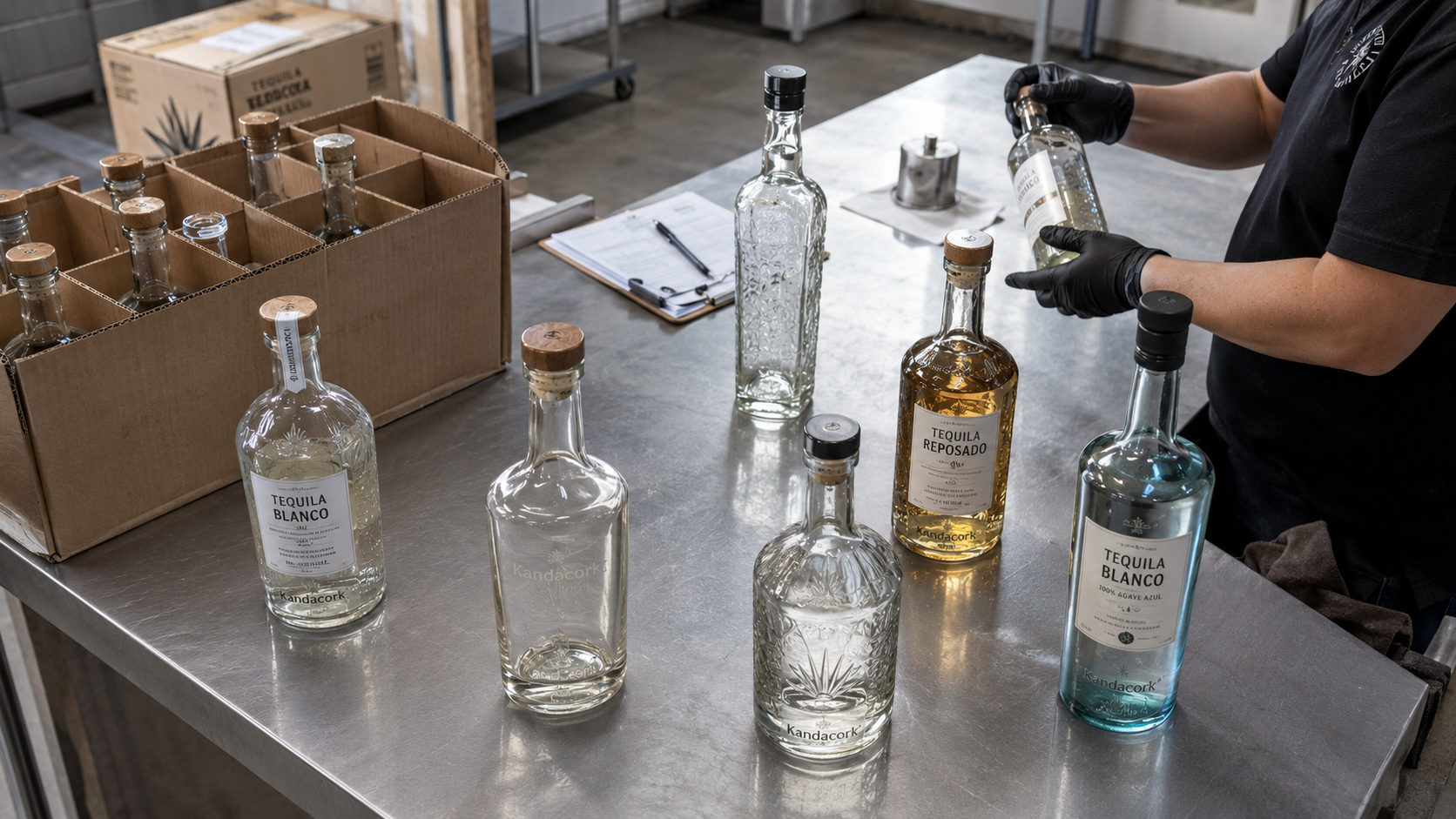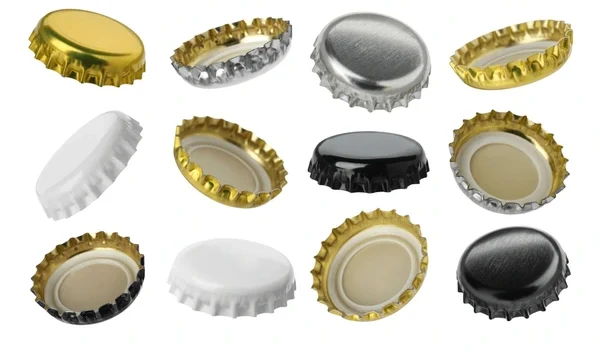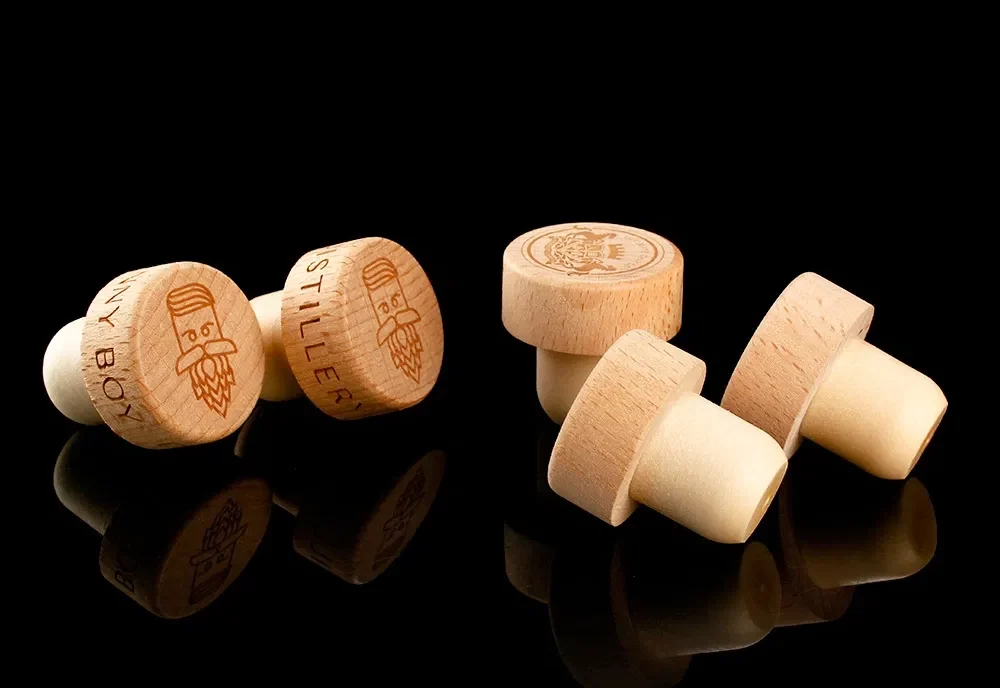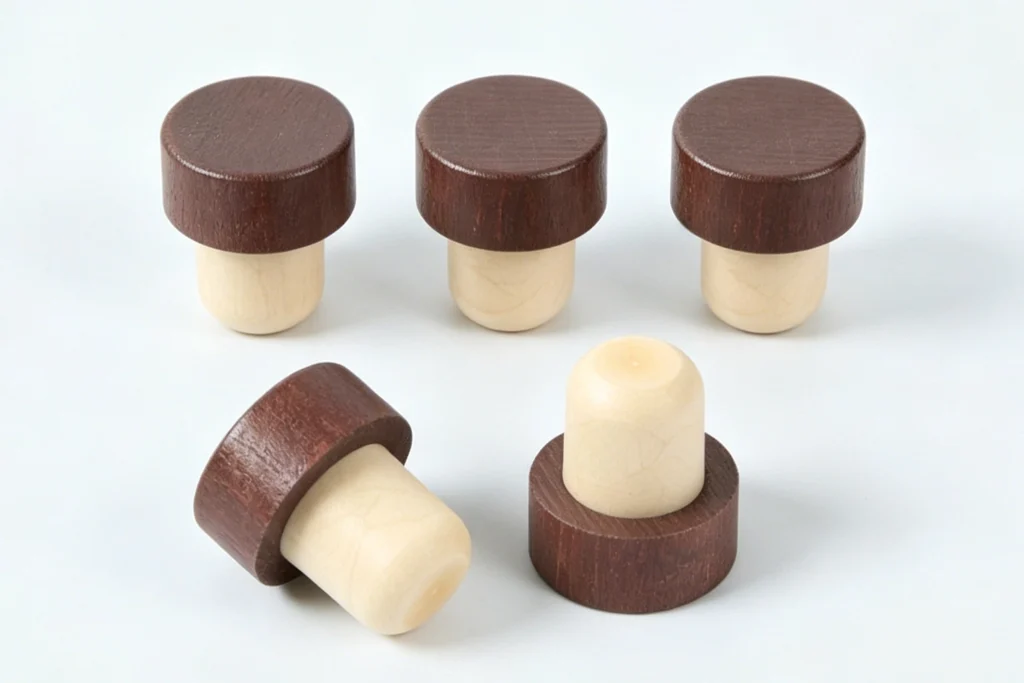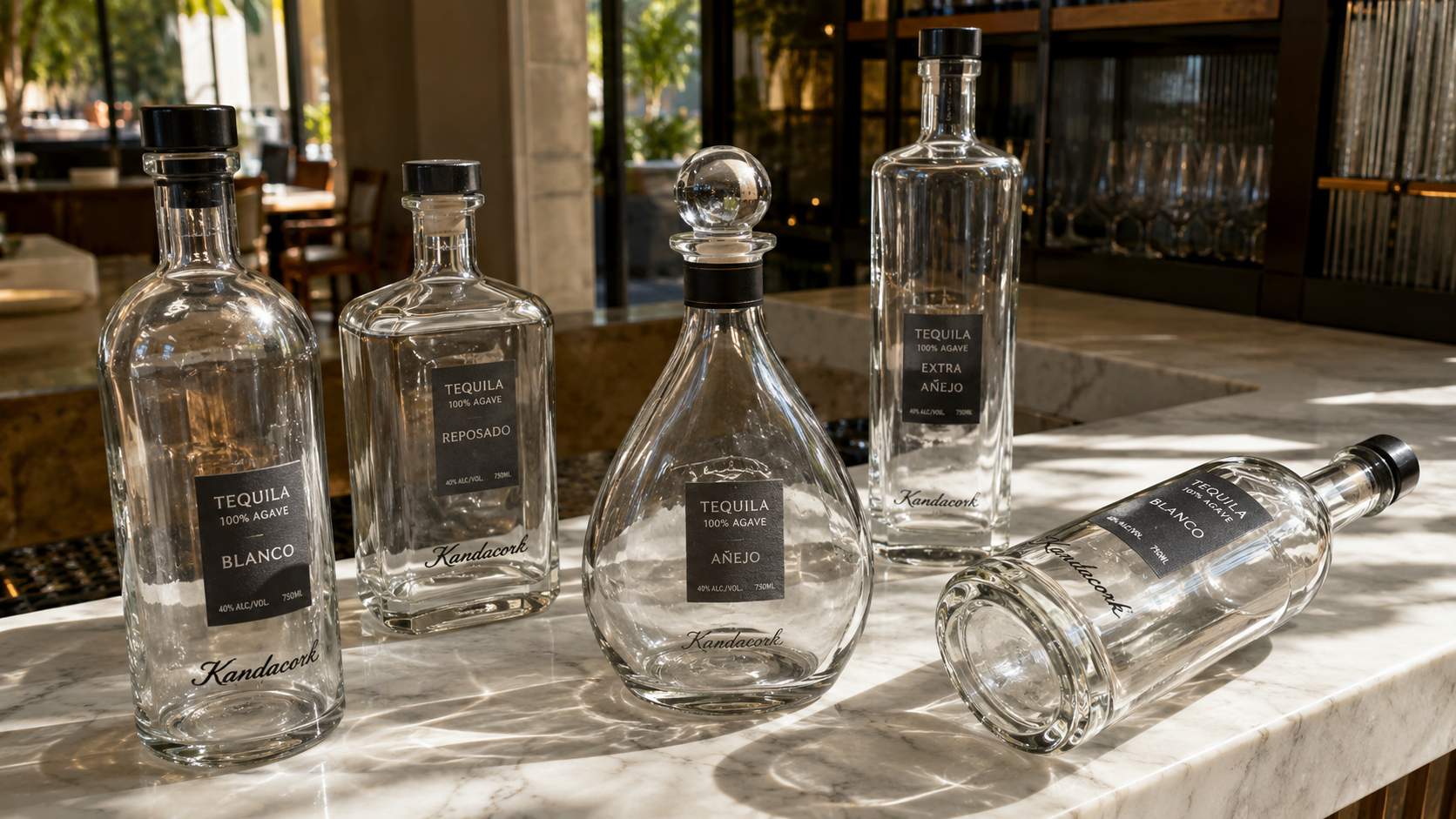
Export spirits closure projects require more than a good-looking cap or stopper. Buyers also need to confirm fit, assembly, inspection, carton protection, labeling and shipment readiness. This guide outlines the main checks before moving from samples to bulk export packing.
B2B Spirits Packaging Supplier Services
A professional spirits packaging supplier provides more than individual components. The supplier helps buyers evaluate how each part of the pack works together, including the bottle body, neck finish, closure structure, decoration method, secondary packaging, carton strength, and shipment requirements.
Typical services include glass bottle sourcing, closure matching, stopper customization, screw cap development, ROPP cap confirmation, non-refillable closure support, sample preparation, decoration feasibility review, bulk production planning, and export packing coordination.
A reliable supplier should also help buyers confirm details that are easy to overlook during early sourcing. These include fill level, bottle weight, capping method, cork compression, liner type, cap torque, label panel dimensions, carton quantity, pallet loading, and repeat-order specification control.
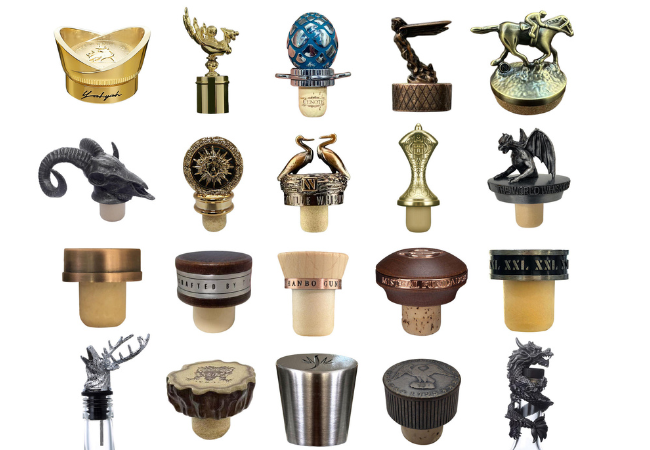
For buyers who need dedicated closure options, Kandacork’s closure and stopper range includes bar-top stoppers, screw caps, ROPP closures, synthetic stoppers, glass stoppers, metal stoppers, capsules, and shrink sleeves for spirits and specialty bottle projects.
Integrated Bottle and Closure Sourcing
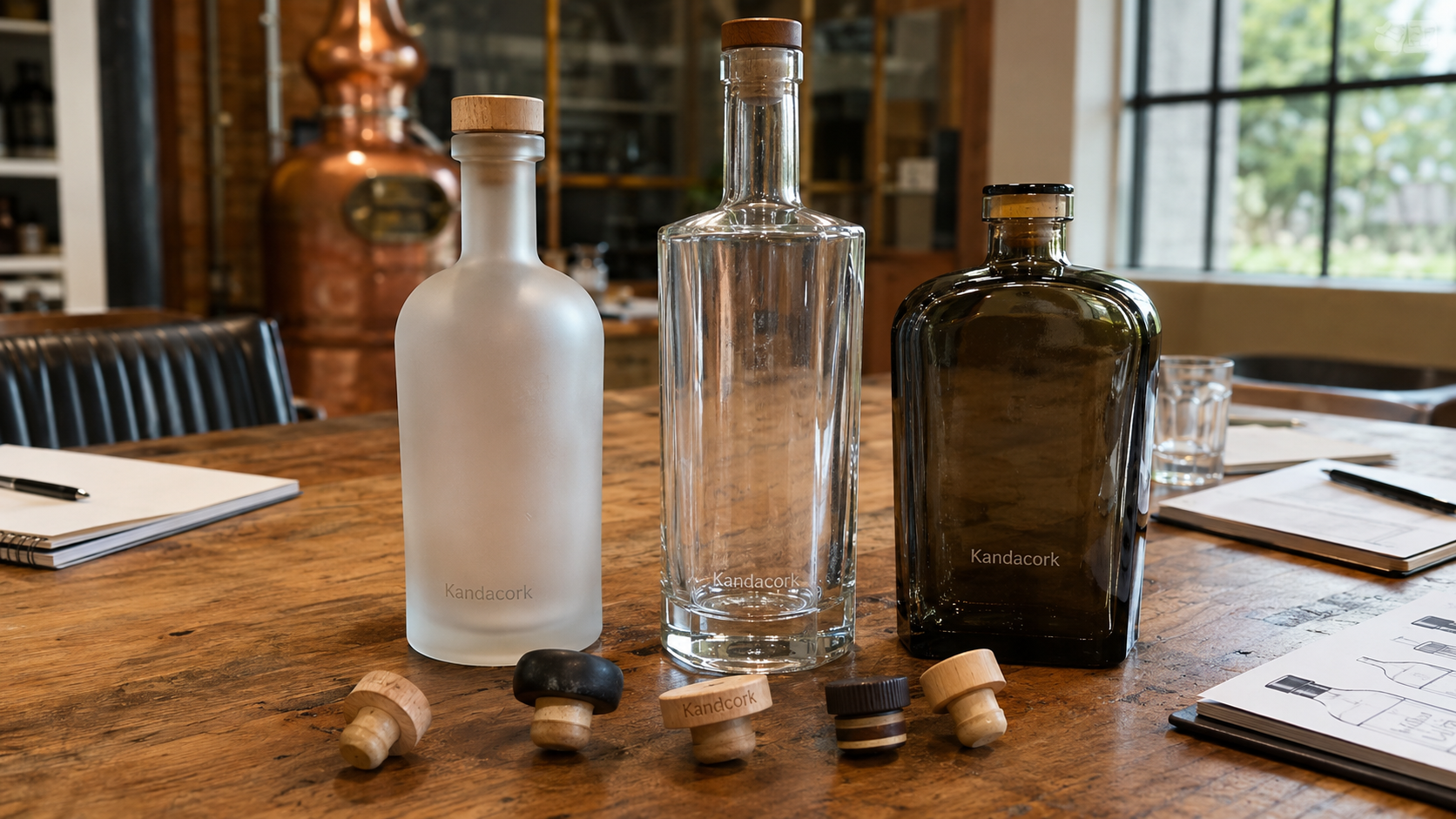
Spirits packaging performs best when the bottle and closure are developed as one system. A premium whisky bottle can lose value if the stopper feels loose. A vodka bottle may look clean and modern, but the wrong cap finish can create capping-line issues. A tequila or mezcal bottle may use a decorative stopper, but the stopper still needs accurate shank sizing, stable insertion force, and a secure seal.
Integrated sourcing reduces the risk of these problems. Instead of sourcing bottles from one supplier, closures from another, and decoration from a third partner, buyers can coordinate the full packaging structure earlier in the project.
This is especially valuable for new brand launches, private-label spirits, limited editions, premium bottle upgrades, export programs, and multi-market product ranges. For structural bottle development, buyers can also coordinate with the group’s spirits bottle development platform when the project requires custom glass shape, neck finish planning, or full bottle-and-closure alignment.
Good integration helps answer practical questions before production begins. The buyer can confirm whether the closure fits the neck finish, whether the bottle shape supports the label design, whether the decoration method works on the selected surface, and whether the pack can survive international logistics.
Packaging Components for Spirits Brands
A complete spirits packaging project may include bottles, stoppers, caps, capsules, labels, decoration, cartons, dividers, and pallets. The right mix depends on the spirit category, price point, distribution channel, destination market, and brand story.
Glass Spirits Bottles
Glass remains one of the most important packaging materials for premium spirits because it provides clarity, weight, shelf presence, decoration flexibility, and a high-quality hand feel. Common bottle types include whisky bottles, vodka bottles, gin bottles, rum bottles, tequila bottles, brandy bottles, liqueur bottles, miniatures, and large-format bottles.
Buyers usually need to confirm bottle capacity, weight, wall thickness, shoulder shape, base design, punt depth, label panel size, neck finish, glass color, and mold type. Standard molds are useful for faster launches and lower development cost, while custom molds create stronger brand ownership and shelf differentiation.
Spirits Closures and Stoppers
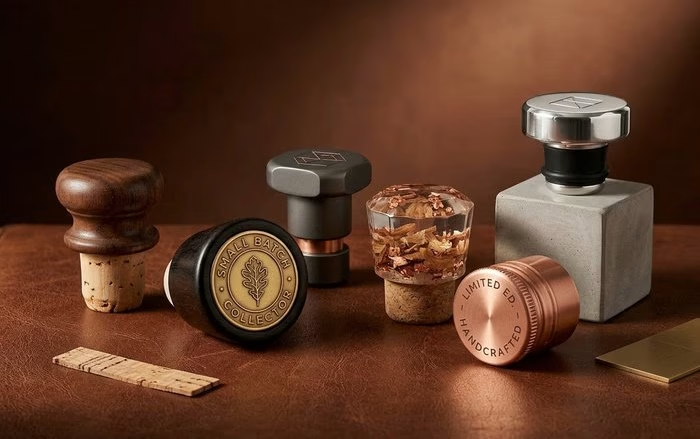
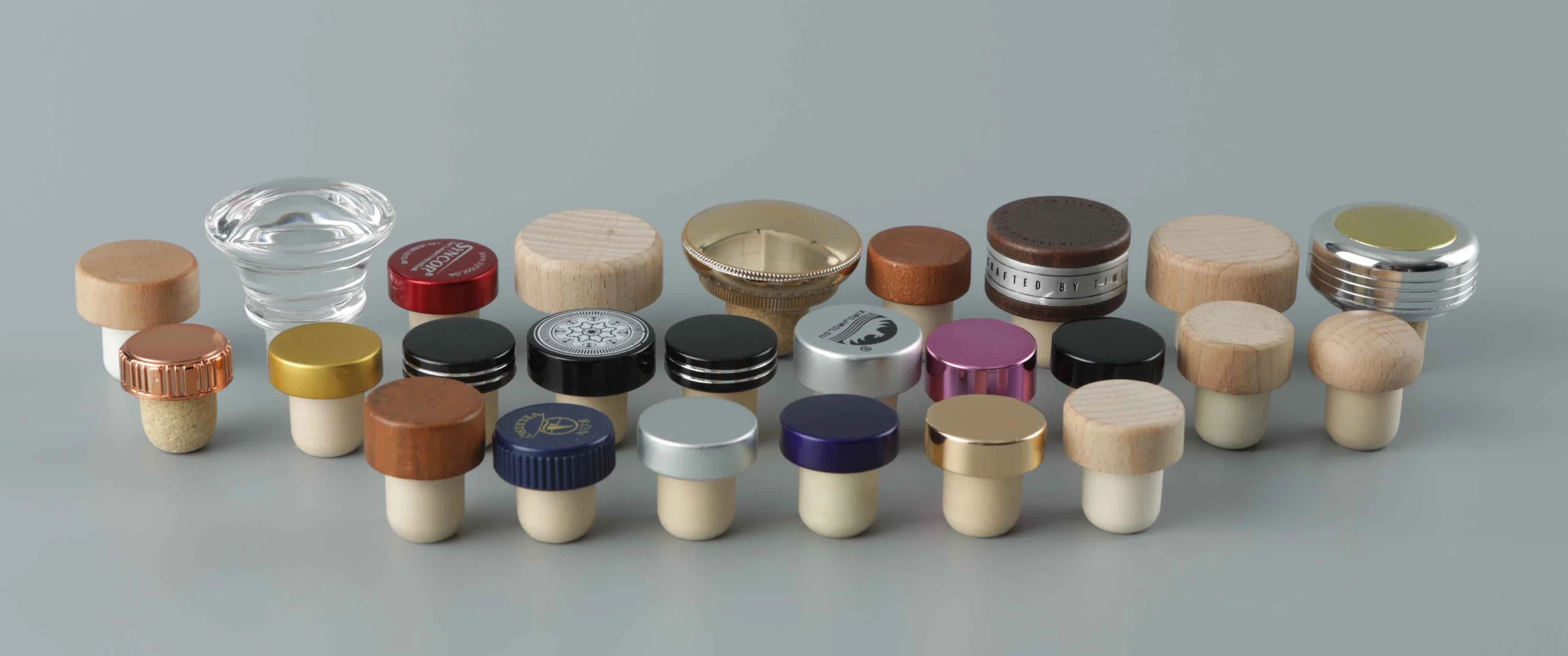
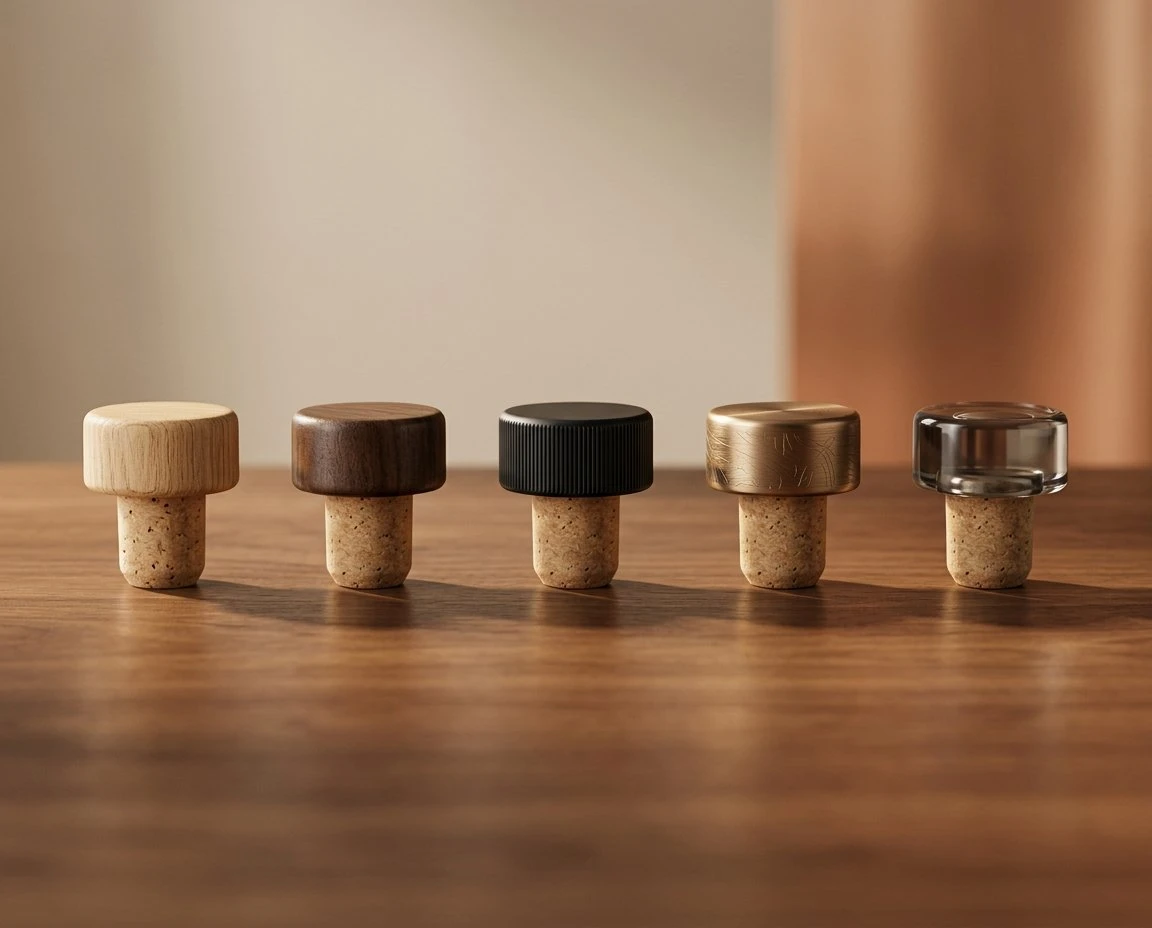
Closures affect sealing, opening experience, brand perception, and line performance. Common options include wooden bar-top stoppers, synthetic cork stoppers, natural cork stoppers, glass stoppers, metal stoppers, plastic T-top stoppers, screw caps, ROPP caps, capsules, and shrink sleeves.
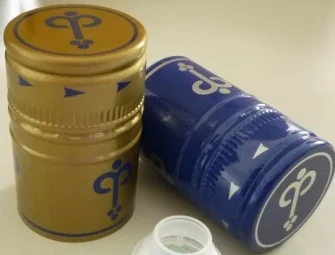
Wooden stoppers are often used for whisky, rum, tequila, mezcal, brandy, and premium liqueurs. Screw caps and ROPP closures are common for vodka, gin, RTD spirits, and other lines where efficient production and consistent resealing are important. Buyers using roll-on pilfer-proof caps can review Kandacork’s ROPP closures when they need tamper evidence, liner selection, torque control, and capping-line compatibility.
Decoration and Brand Presentation
Decoration turns a bottle or closure into a brand asset. Common decoration methods include screen printing, hot foil stamping, frosting, color coating, embossing, debossing, decals, metallic effects, medallions, top-surface logos, sidewall branding, and custom closure colors.
For surface branding, buyers can coordinate with custom bottle decoration support when a project requires frosting, printing, coating, foil, or other bottle-level branding treatments. Closure-level branding can also be developed through Kandacork’s colors and finishes for spirits closures, especially when the cap, stopper, capsule, and label need to follow the same visual system.
Supplier Selection Checklist for Spirits Packaging Buyers
A B2B spirits packaging supplier should be evaluated on more than unit price. The lowest quote may not be the best value if the supplier cannot control closure fit, decoration quality, export packing, or repeat-order stability.
| Buyer Need | What to Confirm | Why It Matters |
|---|---|---|
| Bottle selection | Capacity, weight, shape, glass color, mold status | Supports brand positioning and launch planning |
| Neck finish | Inner diameter, outer diameter, height, tolerance | Determines closure compatibility |
| Closure fit | Cork size, cap thread, liner, torque, pull-out force | Reduces leakage and opening problems |
| Decoration | Artwork file, print area, color tolerance, surface finish | Protects brand consistency |
| Sampling | Available samples, custom samples, approval process | Prevents production mistakes |
| MOQ | Standard item MOQ and custom item MOQ | Helps control budget and inventory |
| Lead time | Mold, sample, decoration, production, packing | Supports launch deadlines |
| Export packing | Cartons, dividers, pallets, loading method | Reduces breakage and logistics risk |
| Repeat supply | Specification records, artwork records, approved samples | Supports stable reorder quality |
A supplier that can discuss these points clearly is more likely to support real B2B purchasing requirements.
Standard, Semi-Custom and Fully Custom Packaging
Different projects require different development paths. A private-label vodka launch may need a standard bottle with a clean screw cap and simple decoration. A premium whisky release may need a heavy-base bottle, custom stopper, metallic logo, gift box, and tighter visual control. A tequila or mezcal brand may need a distinctive silhouette and stopper profile that supports a craft identity.
| Packaging Path | Best For | Advantages | Considerations |
|---|---|---|---|
| Standard bottle and closure | Fast launches, pilot runs, regional programs | Lower cost, faster sampling, proven production | Less exclusive appearance |
| Semi-custom packaging | Private label, brand refresh, mid-range spirits | Flexible branding through decoration and closures | Bottle shape may not be unique |
| Fully custom packaging | Premium spirits, luxury releases, limited editions | Strong differentiation and brand ownership | Longer timeline, tooling cost, higher MOQ |
A capable supplier should not push every buyer toward full customization. Standard and semi-custom options can be the right choice when speed, cost control, and stable supply are more important than exclusive mold ownership. Fully custom packaging becomes more valuable when brand identity, shelf impact, and long-term market positioning justify the extra development work.
Kandacork Closures Project Workflow
A clear workflow helps buyers avoid confusion and delays. Kandacork Closures usually begins by reviewing the buyer’s bottle reference, spirit category, target capacity, closure type, decoration idea, order quantity, destination market, and timeline.
After the initial review, the team helps confirm practical details such as bottle neck finish, closure structure, stopper material, decoration feasibility, available molds, sample cost, estimated MOQ, and production schedule. If the project requires custom development, technical requirements are clarified before sample preparation.
Once samples are prepared, the buyer can check appearance, hand feel, closure fit, surface finish, decoration effect, and packing method. After sample approval, the project moves into bulk production based on confirmed specifications and artwork. For complex group-level packaging programs, buyers may also use integrated Kandacork Glass packaging support to coordinate bottles, closures, decoration, and related packaging resources through a broader platform.
This workflow is designed for real-world sourcing, where buyers need practical communication, production clarity, and repeatable results rather than vague catalog options.
Typical Spirits Packaging Project Timeline
Actual lead time depends on product availability, customization level, mold requirements, decoration complexity, order quantity, and factory schedule. Still, a general planning framework helps buyers prepare more realistic launch timelines.
| Project Stage | Standard Packaging | Custom Packaging |
|---|---|---|
| Requirement review | 1–3 working days | 2–5 working days |
| Existing sample recommendation | 3–10 working days | 7–20 working days |
| Mold or tooling development | Usually not required | Project-specific |
| Decoration test | 3–10 working days | 7–20 working days |
| Pre-production confirmation | After sample approval | After sample and tooling approval |
| Bulk production | Based on quantity | Based on quantity and complexity |
| Export packing preparation | Based on order details | Based on order details |
Buyers should plan earlier for custom spirits bottles, custom bar-top stoppers, non-standard caps, special decoration, and multi-component packaging systems. Early planning gives more time for sampling, testing, artwork adjustments, and shipment coordination.
RFQ Template for Spirits Packaging Buyers
A clear request for quotation helps the supplier respond faster and more accurately. Buyers should provide enough information for the supplier to evaluate function, design, cost, and production feasibility.
| RFQ Item | Example Information |
|---|---|
| Spirit category | Whisky, vodka, gin, rum, tequila, brandy, liqueur |
| Bottle capacity | 500ml, 700ml, 750ml, 1L |
| Bottle style | Round, square, heavy base, custom shape, clear glass, amber glass |
| Closure type | Wooden stopper, synthetic cork, screw cap, ROPP cap, non-refillable closure |
| Decoration | Frosting, printing, hot stamping, coating, embossing |
| Artwork file | AI, PDF, EPS, or high-resolution logo file |
| Quantity | Trial order, launch order, annual demand |
| Destination market | USA, EU, UK, Australia, Canada, Middle East, Asia |
| Timeline | Sample target date and expected shipment date |
| Packing requirement | Cartons, dividers, pallets, export packing |
A complete RFQ makes it easier to confirm bottle options, closure compatibility, decoration feasibility, MOQ, sample cost, and production schedule.
Technical Details for Custom Spirits Bottles and Closures
Before bulk production, buyers should confirm the packaging specification in writing. This protects both sides and reduces misunderstandings during manufacturing, inspection, and shipment.
Important details include product category, bottle capacity, fill level, bottle weight, bottle dimensions, glass color, neck finish, closure material, cap or stopper size, liner type, decoration method, artwork position, label panel dimensions, MOQ, sample lead time, bulk lead time, carton dimensions, pallet loading plan, and inspection standard.
For custom stopper projects, the shank diameter and length should be matched to the bottle neck. For screw caps and ROPP caps, the cap profile, thread or roll-on finish, liner, skirt height, and torque range should be reviewed. For brand protection, non-refillable closure systems may be considered when the target market has higher refill fraud risk or stronger tamper-evidence expectations.
Packaging Solutions by Spirits Category
Each spirits category has different packaging expectations. The supplier should understand the category’s shelf language and technical needs.
Whisky and Whiskey Packaging
Whisky packaging often emphasizes heritage, weight, craftsmanship, and premium value. Heavy-base bottles, short-neck profiles, deep punts, textured glass, wooden stoppers, and metallic details are common choices. The closure should feel secure and refined because the opening moment is part of the consumer experience.
Vodka Packaging
Vodka packaging often uses clean geometry, transparent glass, frosted finishes, minimal labels, and modern caps. Clear or extra-clear glass can support a purity message, while frosting and screen printing can create a premium look without overcomplicating the bottle.
Gin Packaging
Gin brands often use botanical storytelling, color, illustration, and expressive decoration. The bottle surface should provide enough visual space for brand personality, flavor cues, and label artwork. Distinctive closures can also help the bottle stand out on a back bar.
Rum Packaging
Rum packaging can range from heritage craft to modern premium. Amber-style glass, textured label panels, dark closures, wood-top stoppers, and embossed details can create depth and authenticity. For flavored or cocktail-focused rum, production efficiency and repeatable decoration may be more important.
Tequila and Mezcal Packaging
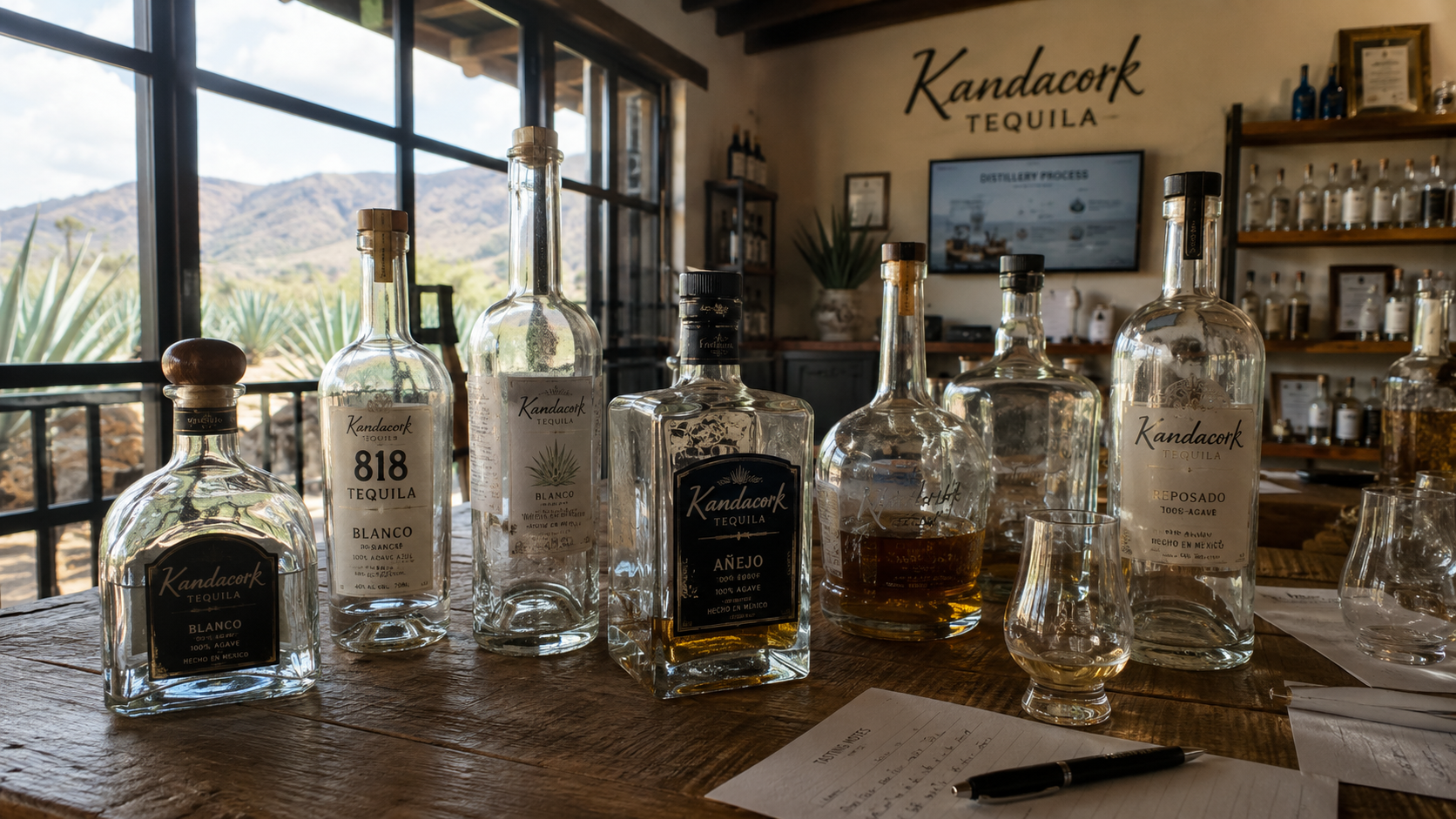
Tequila and mezcal packaging often benefits from distinctive silhouettes, thick glass, handcrafted visual cues, and decorative stoppers. The visual balance between bottle body and closure is especially important because many premium tequila bottles rely on a strong top profile.
Brandy and Cognac Packaging
Brandy and cognac packaging usually focuses on elegance, tradition, and luxury. Heavy glass, refined decoration, clear label panels, metallic finishes, and premium closures help improve perceived value.
Liqueur and RTD Spirits Packaging
Liqueurs and ready-to-drink spirits often require scalable packaging. Buyers may prioritize efficient filling, lightweight options, consistent caps, strong carton packing, and fast repeat supply. For broader multi-category glass programs, buyers can also explore broader glass packaging programs when the project includes spirits, gourmet, fragrance, or other glass packaging categories.
Quality Control for B2B Spirits Bottles, Closures and Export Packaging
Quality control should begin before production, not after goods are finished. Samples, drawings, artwork files, specifications, and packing requirements should be approved before bulk manufacturing.
Key inspection points may include bottle dimensions, bottle weight, glass defects, neck finish accuracy, closure fit, cap torque, stopper insertion force, decoration position, logo clarity, color consistency, carton strength, and random shipment checks.
For export buyers, repeat quality matters as much as first-order quality. A dependable supplier should keep approved samples, drawings, artwork versions, and packaging specifications on record so reorder quality remains stable.
Export-Ready Spirits Packaging for Global Buyers
International buyers need more than attractive packaging. They need specification confirmation, sample approval, production planning, inspection, export cartons, pallet packing, shipping documents, and communication that supports overseas procurement.
Export-ready support is especially important for importers, distributors, private-label companies, and brand owners sourcing from China. Clear drawings, approved samples, artwork files, tolerance details, packing requirements, and shipment planning can reduce delays and avoid expensive mistakes.
Buyers should also consider destination-market requirements. In the United States, the TTB distilled spirits labeling guidance is relevant for alcohol labeling review. For Europe, the EU food-contact materials framework provides important context for materials intended to contact food or beverages.
Compliance, Standards and Industry References
A packaging supplier is not a substitute for legal or regulatory counsel, but an experienced supplier can help buyers prepare technical information for internal review. Common documents may include product specifications, technical drawings, material descriptions, sample approval records, packing lists, commercial invoices, inspection reports, artwork confirmations, and material compliance statements where applicable.
For quality management expectations, ISO 9001 quality management provides a widely recognized framework for consistent processes and customer-focused quality systems. For product identification and logistics, GS1 barcode standards are relevant to retail, distribution, and trade item data. For broader glass packaging context, the Glass Packaging Institute provides industry information related to glass containers, recycling, and packaging education.
These entities help buyers understand why packaging decisions should consider more than visual design. Material suitability, documentation, labeling, product identification, and supply-chain communication all influence how smoothly a spirits product reaches the market.
Common Buyer Mistakes in Spirits Packaging Sourcing
Many packaging problems happen because key details are not confirmed early enough. A knowledgeable supplier helps buyers avoid common mistakes before they affect cost, quality, or launch schedules.
Common mistakes include selecting a bottle before confirming the closure, approving artwork before checking the printable area, choosing a heavy bottle without reviewing shipping cost, using a closure that does not match the neck finish, ignoring carton strength for export shipment, ordering custom packaging without confirming MOQ, comparing supplier prices without checking specifications, skipping sample review, and failing to keep approved samples for repeat orders.
The best way to avoid these issues is to work from a clear specification sheet, confirm samples before bulk production, and keep communication focused on both brand appearance and technical performance.
Why Choose Kandacork Closures
Kandacork Closures focuses on practical packaging solutions for spirits brands, bottlers, importers, and private-label buyers. The company’s value is not only in supplying closures, but in helping buyers coordinate the functional and visual details that make a spirits package production-ready.
Kandacork can support projects involving custom spirits bottles, wooden stoppers, synthetic cork stoppers, aluminum caps, ROPP caps, screw caps, non-refillable closures, decoration effects, and export-ready packing.
Buyers choose Kandacork when they need bottle and closure matching, custom stopper development, closure branding, spirits-focused sourcing communication, export coordination, sampling guidance, and repeat-order consistency.
For brands developing a new launch or upgrading an existing packaging system, Kandacork provides a practical path from packaging idea to sample review and from sample approval to bulk production.
Frequently Asked Questions
What is a B2B spirits packaging supplier?
A B2B spirits packaging supplier provides commercial packaging solutions for spirits brands, distilleries, importers, bottlers, distributors, and private-label buyers. Services may include glass bottles, closures, stoppers, caps, decoration, sampling, export packing, and production coordination.
What is the best packaging for spirits?
The best packaging for spirits depends on the product category, price positioning, destination market, and production requirements. Premium whisky may need a heavy glass bottle and wooden stopper, while vodka may use clear or frosted glass with a clean screw cap. A supplier can help match bottle type, closure, decoration, and packing method to the brand’s commercial goals.
How do buyers choose a spirits packaging supplier?
Buyers should choose a supplier that understands bottle specifications, neck finishes, closure matching, decoration methods, sampling, bulk production, export packing, and repeat-order control. Unit price matters, but it should be compared together with technical support, quality consistency, and communication efficiency.
Can spirits bottles and closures be customized?
Yes. Spirits bottles can be customized through mold development, glass color, embossing, frosting, screen printing, hot stamping, coating, and decorative accessories. Closures can be customized with wood tops, aluminum tops, synthetic shanks, engraved logos, printed branding, color matching, and special finishes.
What information should buyers send for a quote?
Buyers should send the bottle capacity, reference images, target quantity, preferred closure type, decoration requirements, destination market, timeline, and any available technical drawings or samples. The more complete the project brief is, the easier it is to recommend suitable packaging options.
Request a Quote for Custom Spirits Bottles and Closures
If you are developing a new spirits brand, upgrading an existing package, or sourcing packaging for a private-label project, Kandacork Closures can help review practical options for bottles, closures, decoration, and export packing.
To begin, send a custom closure quote request with your bottle reference, closure idea, logo artwork, target quantity, and destination market. Kandacork will help you move from concept to sample review and from sample approval to bulk production.