Custom Olive Oil Closures for Secure, Branded Olive Oil Packaging
Olive oil closure branding should work together with bottle shape, label style and pouring function. This guide explains logo methods, cap finishes, pourer structures, color consistency and sample approval points for olive oil packaging projects.
What Are Custom Olive Oil Closures?
Custom olive oil closures are sealing and dispensing components designed specifically for olive oil bottles. They can include aluminum screw caps, plastic screw caps, ROPP caps, anti-drip pourer inserts, tamper-evident bands, liners, non-refillable valves, T-cap heads, and branded surface finishes.
A standard cap may simply close the bottle. A custom closure is selected or developed around the full packaging system, including bottle neck finish, thread profile, oil viscosity, filling method, storage conditions, shipment route, market requirements, and brand positioning.
For B2B buyers, “custom” should mean more than logo printing. It should answer practical questions: Will the cap fit the neck? Will it seal during transport? Will it pour cleanly? Can it run on the filling line? Will it support the price position of the oil? Can the supplier repeat the same quality across future batches?
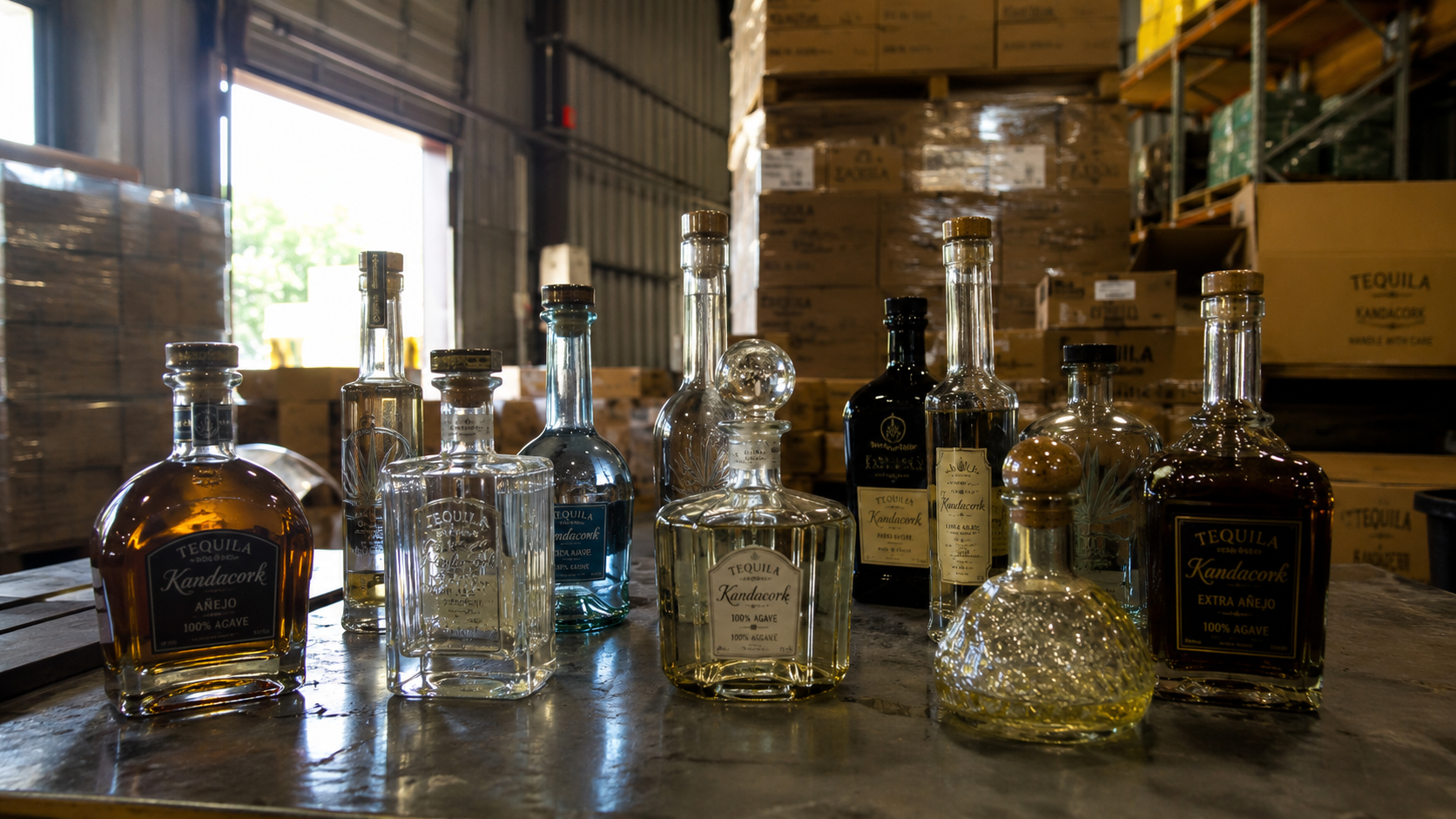
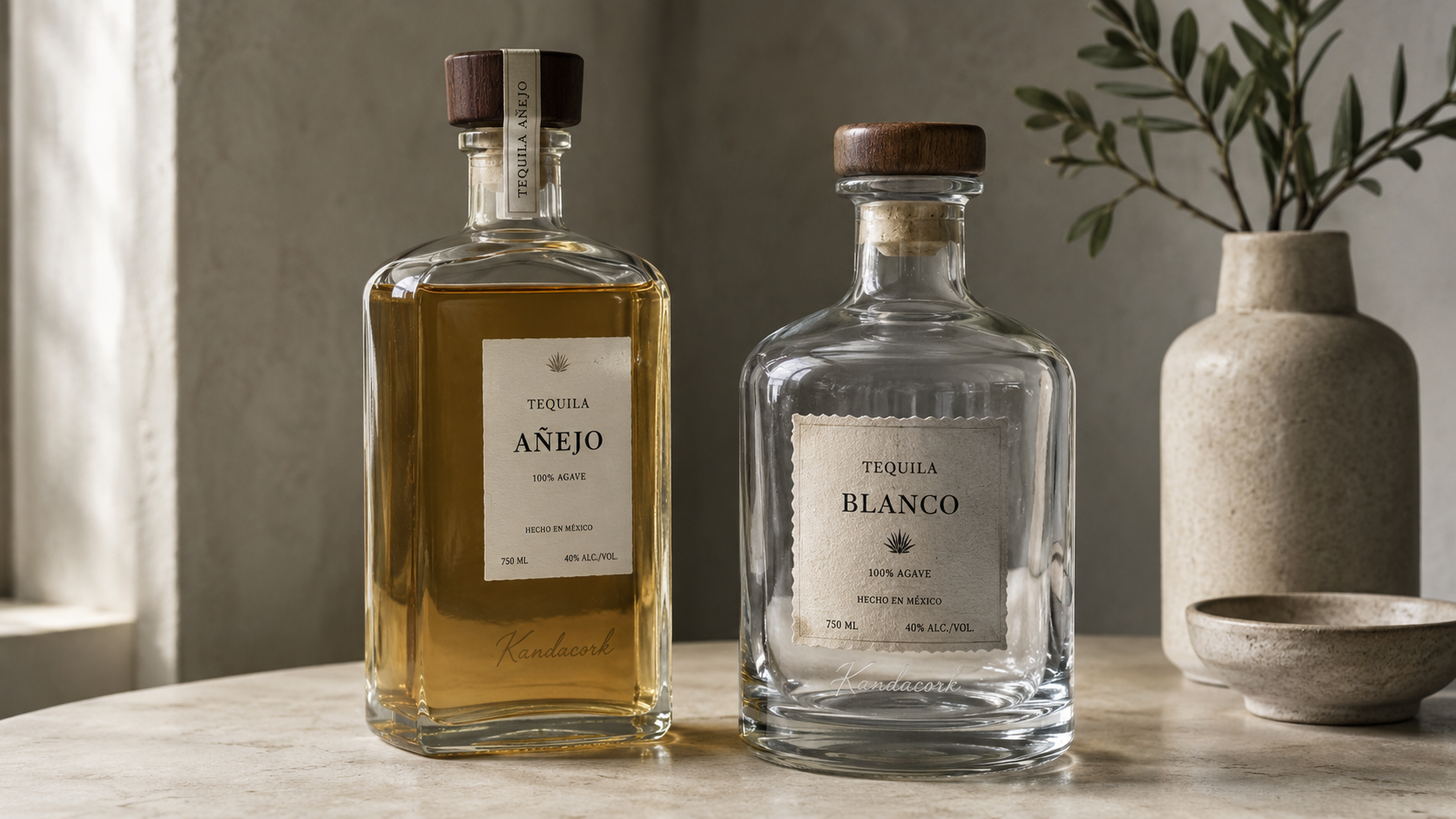
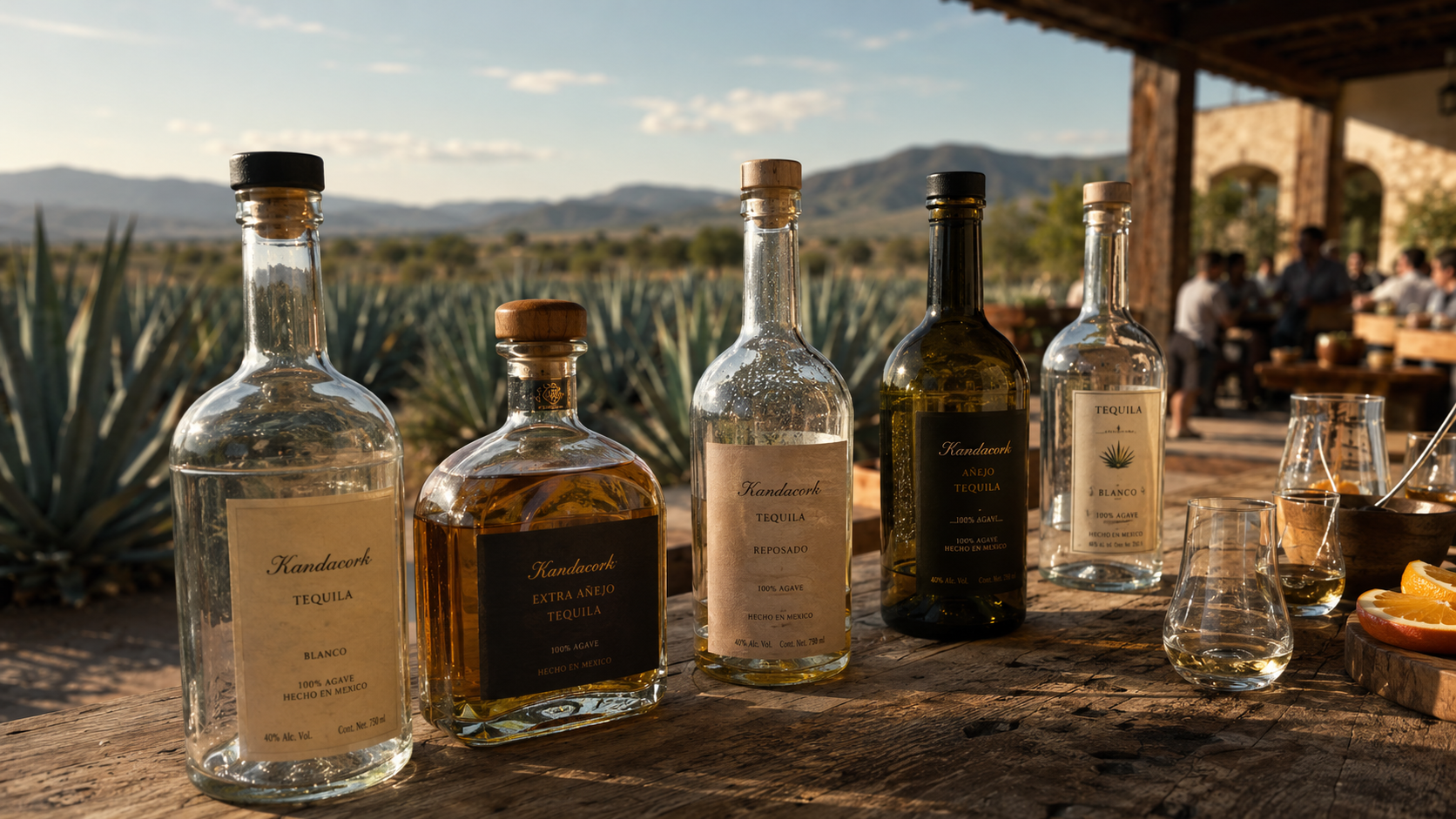
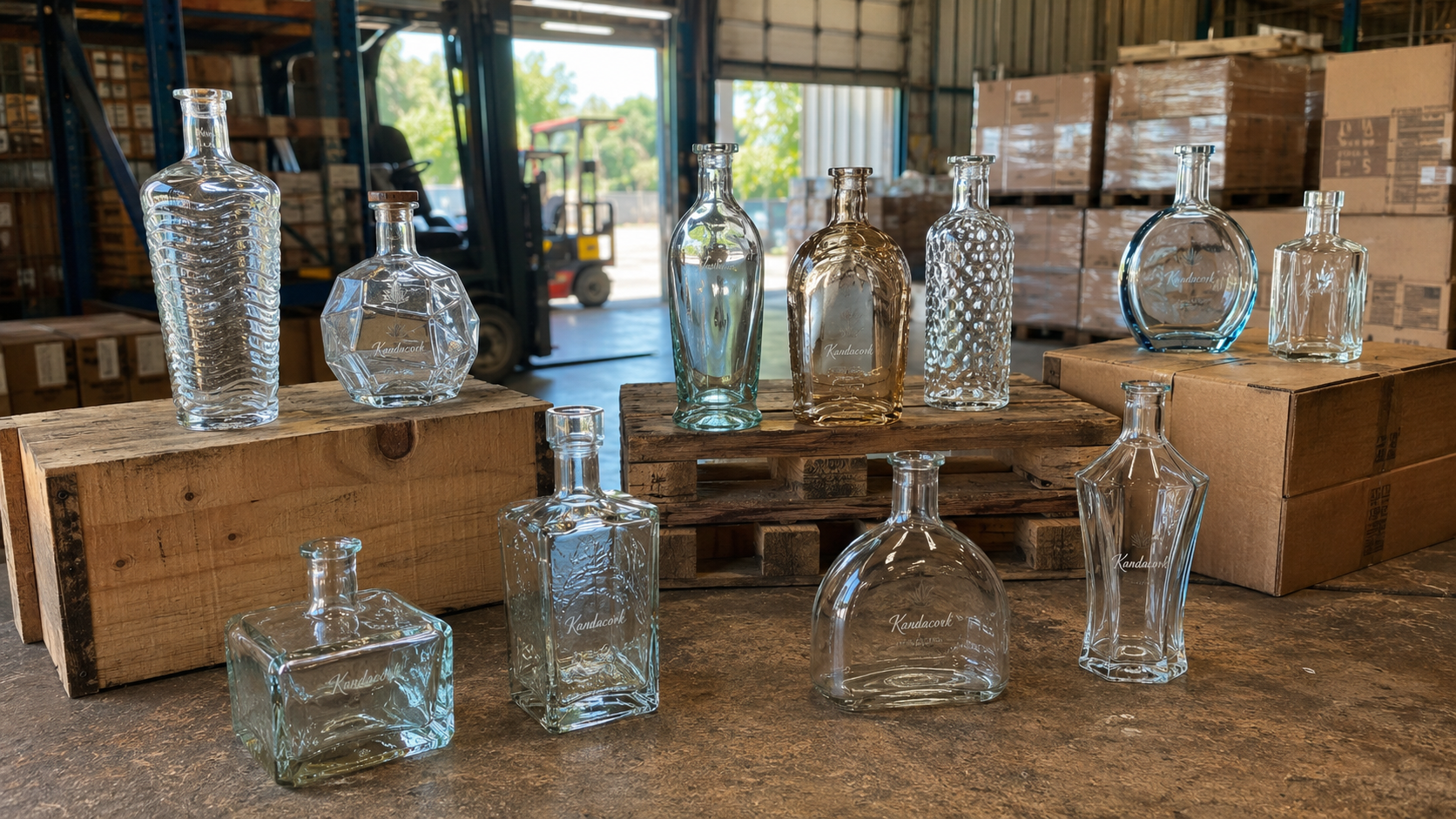
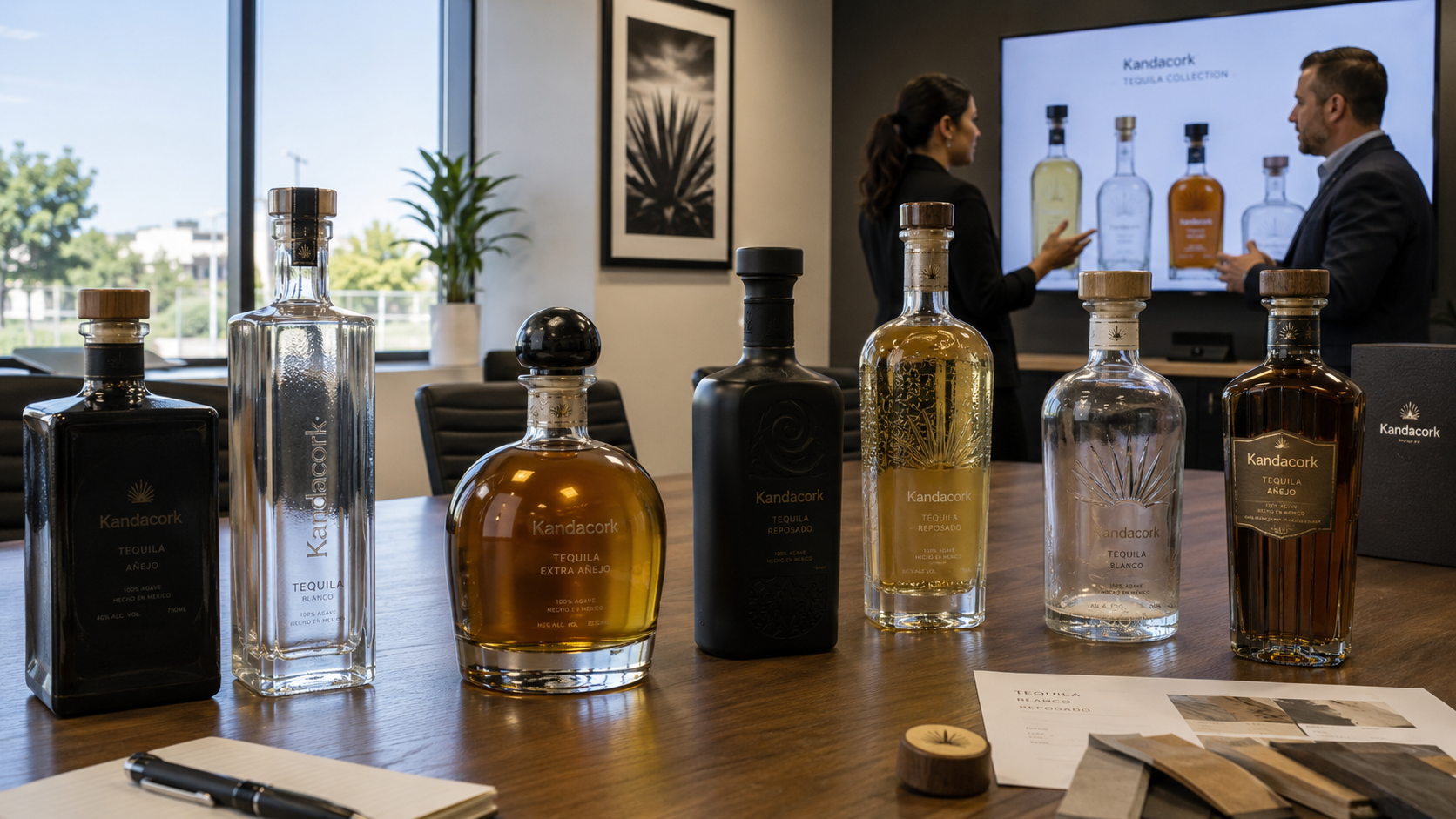
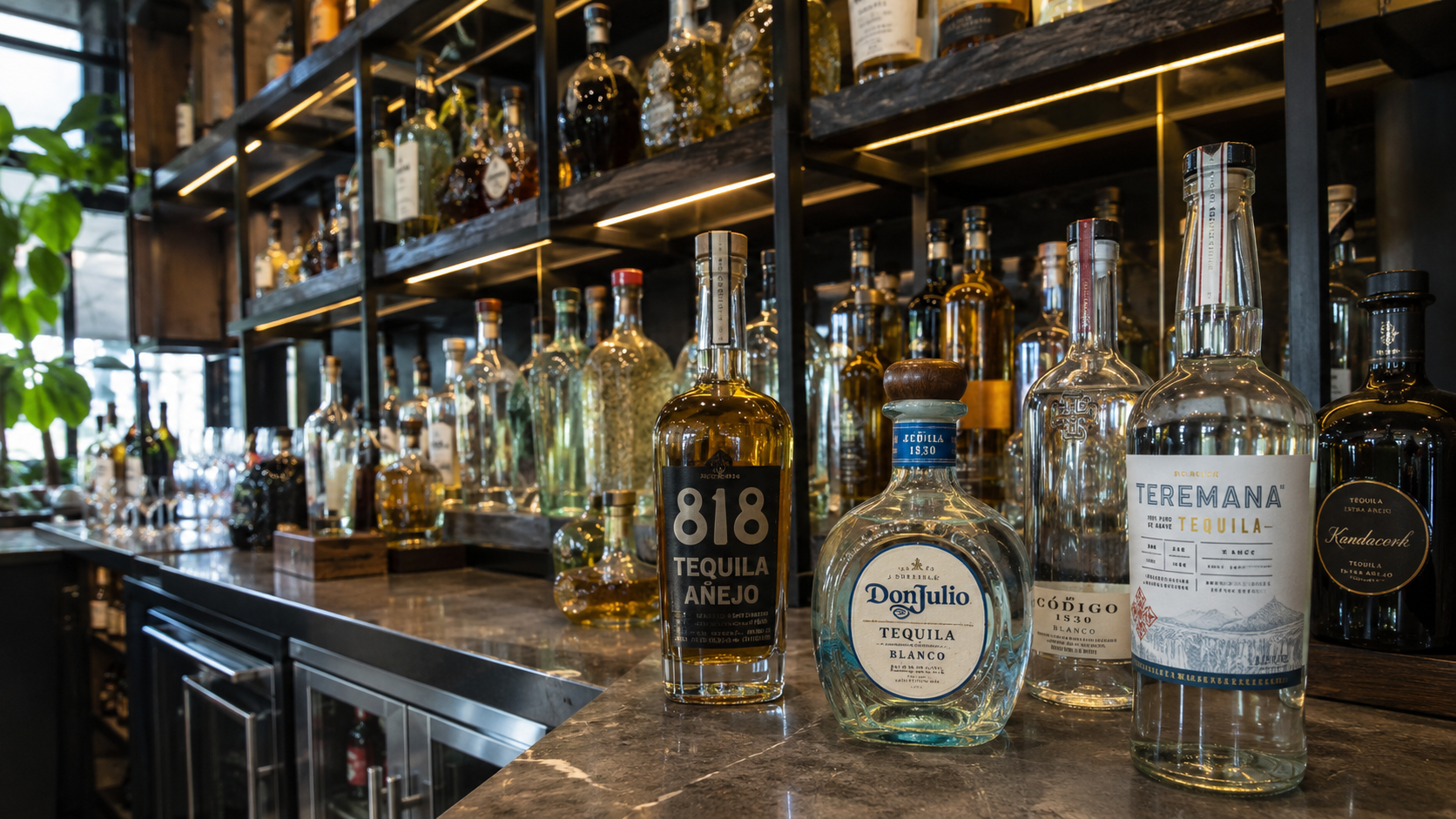
Brands that already use a coordinated custom bottle family for spirits and specialty packaging often apply the same thinking to olive oil: bottle, closure, label, decoration, and carton should work as one complete brand system.
Why Olive Oil Brands Need Custom Closures
Olive oil is often sold in glass bottles where packaging strongly influences perceived quality. Customers notice the bottle shape, glass color, label texture, cap finish, and opening experience before they taste the product.
Custom olive oil closures help solve several common packaging problems.
They improve bottle-to-cap fit by matching the closure to neck diameter, thread finish, sealing surface, insert depth, and tolerance range.
They improve pouring performance by controlling flow rate, reducing oil residue around the neck, and supporting cleaner table or kitchen use.
They support product integrity through tamper-evident bands, secure liners, non-refillable functions, and stable closure application.
They strengthen shelf identity through custom logo decoration, color matching, embossing, debossing, hot foil stamping, matte finishes, metallic effects, and premium T-cap materials.
They improve production control by matching the closure to the filling method, torque range, capping equipment, packing orientation, and shipment conditions.
For buyers who are unsure where to begin, professional closure matching support can reduce the risk of choosing a cap that looks suitable in photos but fails during sampling, filling, or transport.
Main Types of Custom Olive Oil Closures
| Closure type | Best for | Key benefit | Buyer concern |
|---|---|---|---|
| Screw cap | Retail and private label olive oil | Cost-effective resealing and easy use | Thread fit, liner choice, torque control |
| ROPP cap | Commercial filling lines and export bottles | Tamper evidence and secure sealing | Neck finish and capping equipment compatibility |
| Pourer closure | Premium retail, table use, infused oils | Clean dispensing and controlled flow | Pour rate, anti-drip performance, insert seating |
| T-cap closure | Gift packaging and boutique oils | Premium tactile appearance | Insertion force, stopper fit, upright storage |
| Non-refillable closure | Hospitality, export, brand protection | Helps reduce unauthorized refilling | Valve function, flow control, market suitability |
Screw Caps for Olive Oil Bottles
Screw caps are widely used for olive oil packaging because they are practical, familiar, and efficient for commercial production. They may be made from aluminum or plastic and can include liners or integrated pourer inserts.
A good olive oil screw cap should engage the thread smoothly, apply consistently, open predictably, reclose securely, and keep the bottle neck clean after repeated use. For custom olive oil bottle caps, common branding options include top printing, sidewall printing, color coating, embossing, debossing, metallic finishes, and matte coatings.
Screw caps are suitable for supermarket olive oil, private label packaging, everyday gourmet food lines, and export projects where reliable performance and flexible branding are both required.
ROPP Caps for Olive Oil Bottles
ROPP means roll-on pilfer proof. ROPP caps are usually made from aluminum and applied by a capping head that forms the closure onto the bottle neck thread. When opened, the tamper-evident band separates to show that the bottle has been opened.
ROPP closures are a strong option for olive oil brands that need secure sealing, tamper evidence, and professional retail presentation. They are often used for extra virgin olive oil, flavored oils, vinegar, condiments, and premium food products in glass bottles.
Before selecting ROPP custom olive oil closures, buyers should confirm cap diameter, cap height, thread profile, pilfer band design, liner requirements, application torque, and whether a pourer insert is needed.
Olive Oil Pourer Closures
Olive oil pourer closures are designed to improve dispensing. They may include anti-drip lips, slow-flow inserts, controlled-pour valves, flap systems, or integrated pourer fitments.
Pour control matters because olive oil is often used directly at the table or during cooking. A poor pourer can cause oil to run down the bottle, stain the label, and weaken the user experience. A well-matched pourer supports clean dispensing, controlled flow, and better product handling.
When comparing olive oil pourer closures, test the closure with the actual bottle and oil. Important factors include flow rate, drip behavior, insert retention, resealing performance, opening feel, and performance when the bottle is full, half full, and nearly empty.
T-Cap Closures for Premium Olive Oil
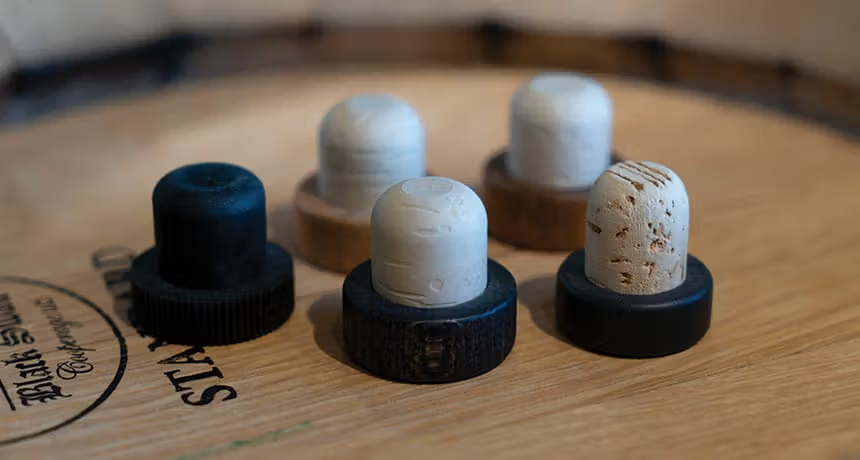
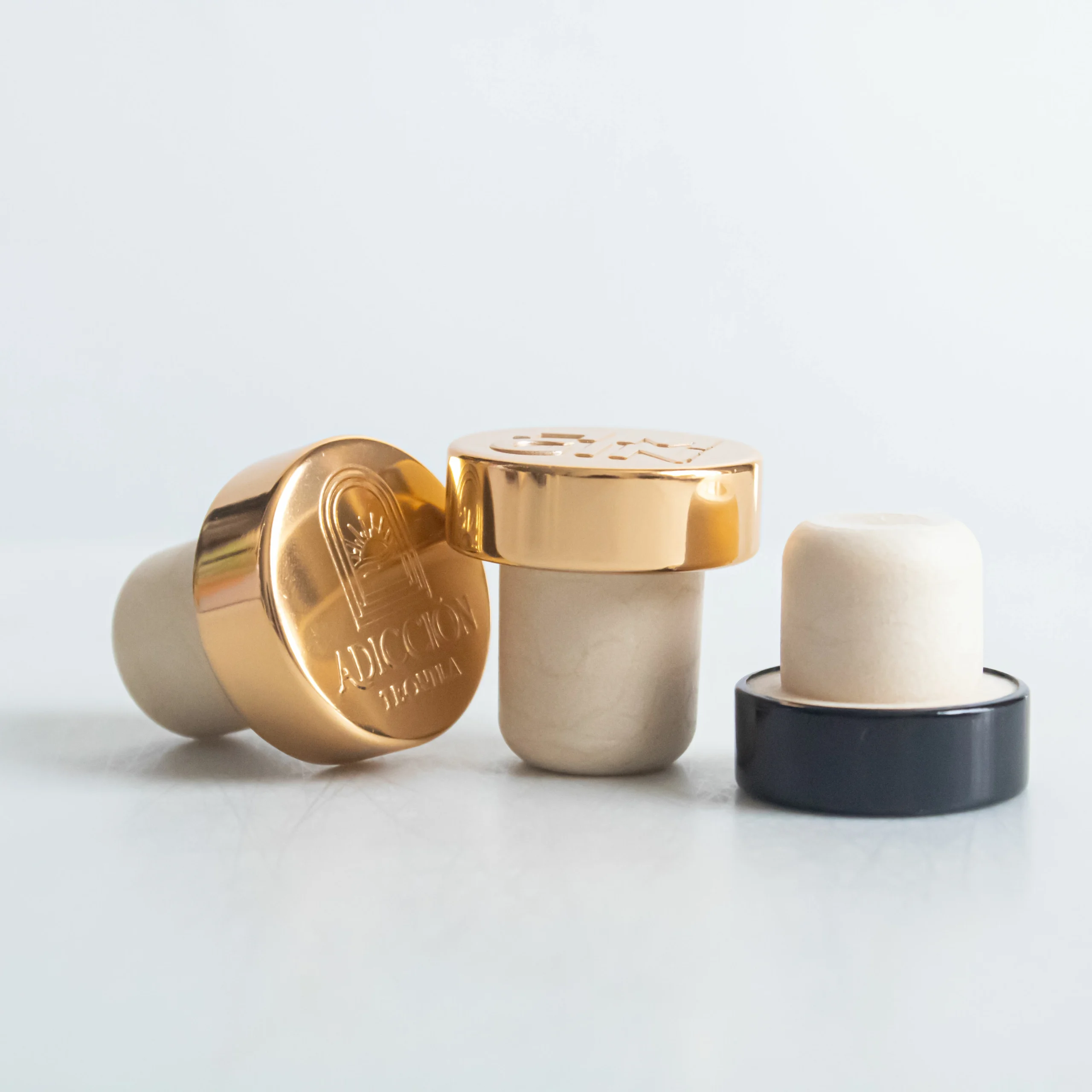
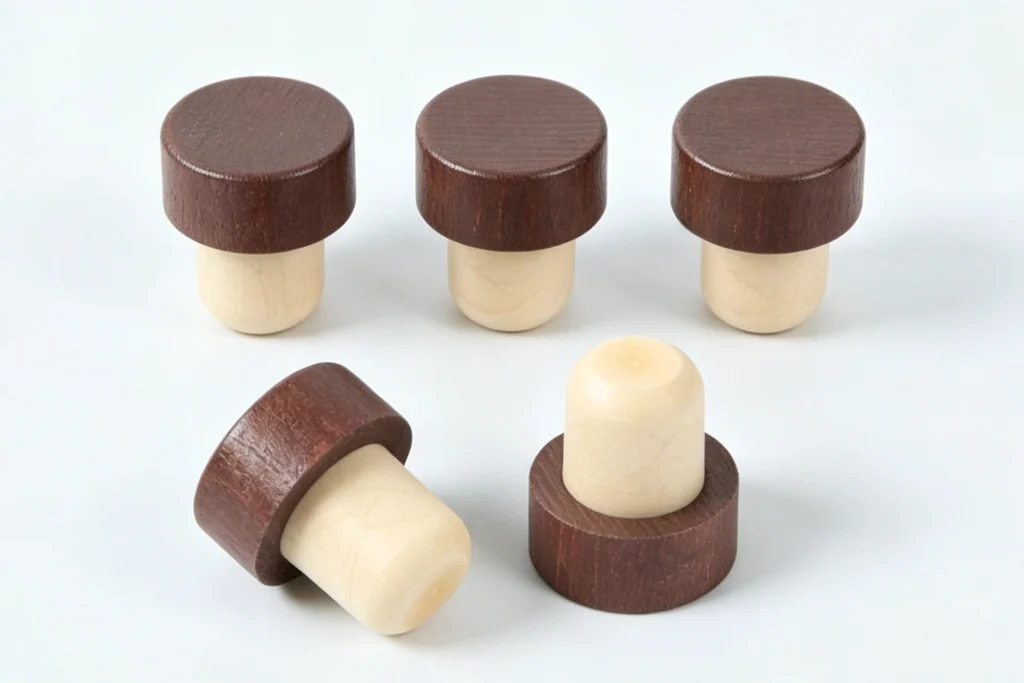
T-cap closures combine a decorative top with a stopper, shank, or pourer component. They are often selected for premium olive oil, boutique food products, tasting rooms, gift packaging, and specialty infused oils.
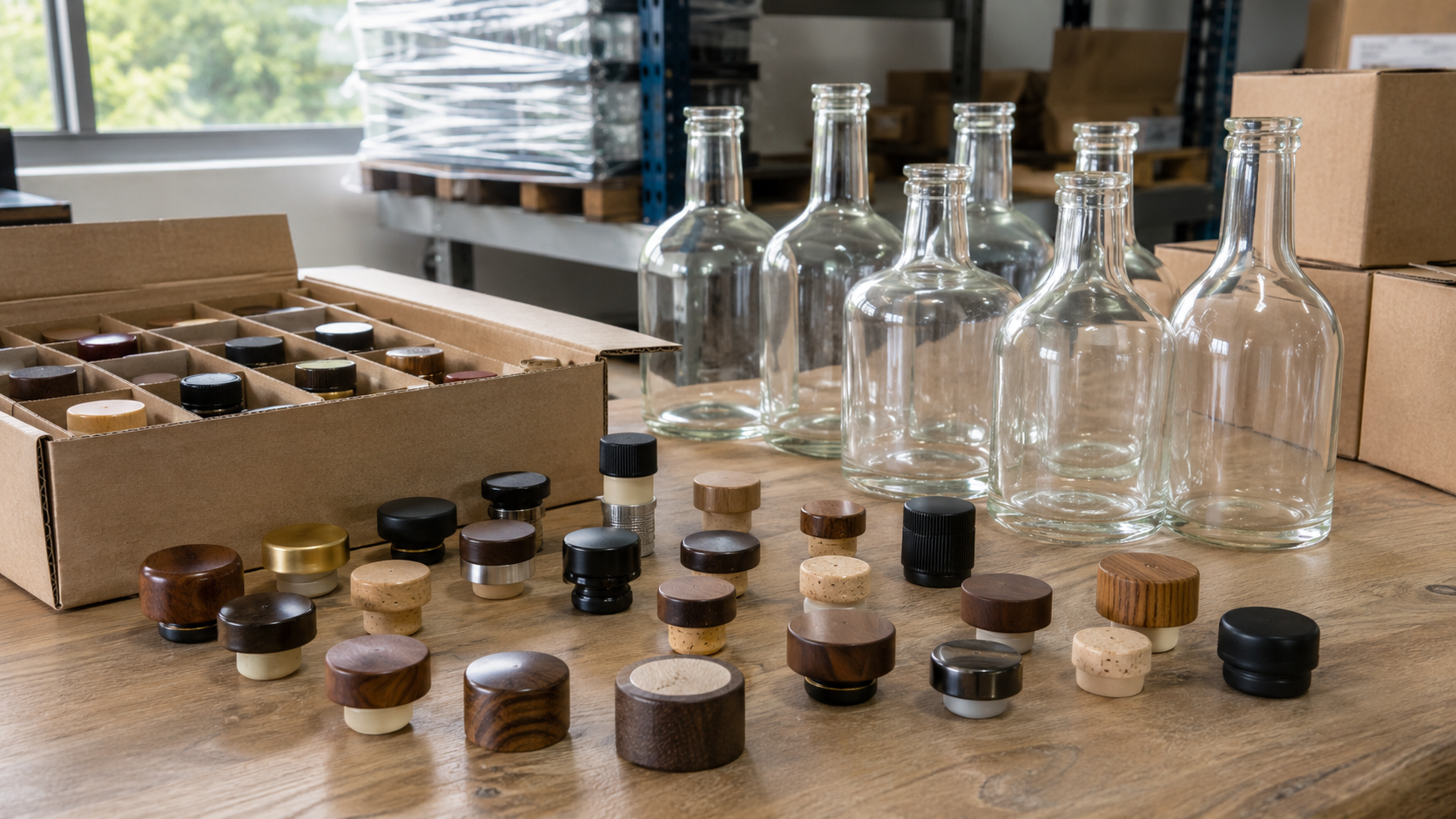
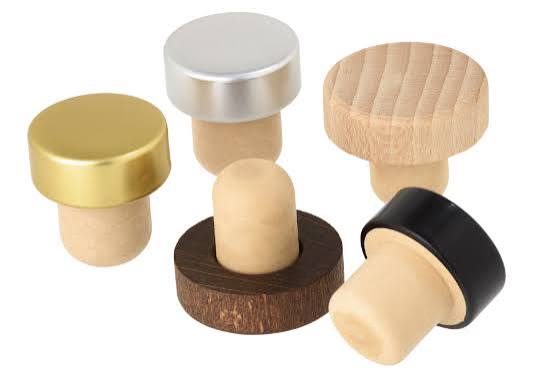
T-cap heads can use wood, synthetic materials, polymer structures, metallic finishes, or custom molded shapes. They add tactile value because the consumer feels the closure when opening the bottle.
For premium custom olive oil closures, appearance matters, but fit remains critical. Buyers should confirm insertion force, stopper diameter, neck compatibility, sealing behavior, and whether the bottle will be shipped upright, stored long-term, or packed in gift boxes.
Non-Refillable Olive Oil Closures
Non-refillable closures are designed to reduce unauthorized refilling after opening. They are especially useful for hospitality, export markets, premium retail, controlled distribution, and brand-protection applications.
These closures may include valves, internal fitments, or flow-control systems that make refilling difficult while still allowing controlled pouring. For high-value extra virgin olive oil, a non-refillable system can help protect authenticity and maintain trust after the bottle leaves the producer.
Best Custom Olive Oil Closure by Use Case
| Use case | Recommended closure | Why it works |
|---|---|---|
| Supermarket olive oil | Screw cap or ROPP cap | Cost-effective, scalable, familiar to consumers, and suitable for retail tamper evidence |
| Premium extra virgin olive oil | ROPP cap with pourer or premium T-cap | Combines controlled pouring with stronger shelf presentation |
| Restaurant and hospitality | Non-refillable pourer closure | Helps reduce refilling risk and supports table-service trust |
| Private label olive oil | Custom logo screw cap or ROPP cap | Builds brand recognition without requiring a fully custom bottle mold |
| Export packaging | Leak-tested ROPP cap or pourer closure | Supports transport protection, tamper evidence, and retail presentation |
| Gift and specialty oils | Decorative T-cap or premium metallic closure | Improves tactile value, unboxing experience, and perceived quality |
This use-case approach helps buyers avoid choosing a closure only by appearance. The best custom olive oil closures should match the bottle, oil category, customer setting, distribution channel, and brand promise.
How to Choose the Right Custom Olive Oil Closure
Start With the Bottle Neck Finish
Closure selection should start with the bottle neck, not the color or logo. The neck finish determines whether the cap can fit, seal, apply correctly, and open consistently.
Buyers should provide a bottle drawing or physical bottle sample. Key details include outer diameter, inner diameter, thread profile, neck height, bead shape, sealing surface, and insert depth.
Common olive oil projects may use sizes such as 31.5 mm or 31.5×24 mm, but size alone is not enough. Two bottles with similar nominal dimensions may require different closure structures because of thread design, glass tolerance, or pourer seating.
For this reason, cap and neck compatibility should be reviewed before bulk production.
Confirm Pouring Performance
A visually attractive closure is not enough if the pour is messy. The closure should control oil flow, reduce dripping around the bottle neck, and keep the label area clean.
During sample testing, buyers should evaluate flow rate at different fill levels, drip control after pouring, insert stability, reclosing behavior, opening comfort, and cleanliness after repeated use.
For premium retail and table-service packaging, pouring behavior is part of the brand experience. For hospitality and foodservice, it also affects cleanliness and operational efficiency.
Evaluate Sealing and Leak Resistance
Leakage can damage cartons, stain labels, cause product loss, and create buyer complaints. It is one of the most expensive closure problems in olive oil packaging.
Leak resistance depends on bottle finish, closure material, liner design, cap torque, insert fit, oil-contact behavior, packing orientation, and shipping environment. Vibration, temperature changes, pressure changes, stacking, and carton compression can all affect performance.
Before approving custom olive oil closures, buyers should complete practical sealing and leakage testing using actual samples. Useful checks may include upright storage, side storage, inverted positioning, vibration simulation, temperature exposure, carton compression review, and repeated handling.
For export, e-commerce, and gift packaging, these checks are especially important because products may experience longer transit routes and less predictable handling.
Match the Closure to the Filling Line
The best closure for a hand-filled boutique oil may not be the best closure for an automatic filling line. Filling method affects cap structure, application pressure, torque control, and production consistency.
For screw caps and ROPP caps, application torque and capping head compatibility are critical. For push-in pourers and T-caps, insertion force and seating consistency matter. For non-refillable systems, valve function and repeatable application should be checked before approval.
Buyers should share filling method, line speed, capping equipment, cap application process, and production environment when requesting custom olive oil closures.
Materials, Food Contact and Compliance Planning
Olive oil closures may include aluminum shells, PP or PE inserts, liners, coatings, inks, adhesives, synthetic stoppers, wooden tops, or decorative components. Some parts may come into direct or indirect contact with oil, while others are mainly decorative.
For U.S. market planning, the FDA food-contact substance resources are useful when reviewing packaging components, liners, coatings, and other materials that may contact food.
For the European market, the European Commission food contact materials framework provides important context for safety and inertness expectations for materials intended to contact food.
Packaging buyers should also consider process control. The ISO 22000 food safety management standard is relevant across the food chain and can help buyers understand why supplier process discipline, documentation, and risk control matter in food-related packaging.
These references do not replace project-specific compliance review, but they help buyers ask better sourcing questions about food-contact suitability, intended use, target market, and documentation needs.
Custom Logo Olive Oil Caps and Branding Options
Custom olive oil closures are highly visible. On retail shelves, customers may see the bottle from above, from the side, or at an angle before they read the full label.
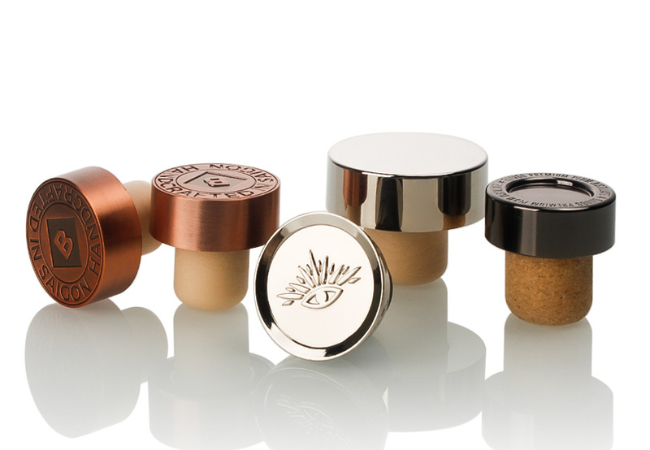
Branding options may include custom cap color, logo printing, sidewall printing, embossing, debossing, hot foil stamping, matte coatings, gloss coatings, brushed aluminum effects, metallic finishes, wood tops, synthetic decorative tops, and coordinated color systems.
For private label projects, cap branding should align with label material, bottle color, carton design, and shelf position. A premium extra virgin olive oil may use a dark matte cap with subtle foil details. A Mediterranean-inspired gourmet oil may use warm natural tones. A modern private label line may use clean monochrome caps with simple top printing.
When a project needs more advanced bottle graphics or coordinated surface finishing, decoration and branding support can help align closure color, logo treatment, label style, and overall packaging presentation.
The goal is not to overdecorate the cap. The goal is to make the closure support the product’s price position, visual identity, and brand recognition.
Technical Checklist for Closure Testing
Before approving custom olive oil closures for production, buyers should review technical details that affect real-world performance.
| Test area | What to check | Why it matters |
|---|---|---|
| Neck fit | Diameter, thread profile, insert depth, sealing surface | Prevents mismatch and unstable application |
| Torque | Opening torque and application torque | Supports consistent opening and secure sealing |
| Pour control | Flow rate, drip behavior, angle of pour | Improves user experience and label cleanliness |
| Leak resistance | Upright, inverted, side, vibration, temperature exposure | Reduces shipping damage and complaints |
| Decoration | Color tolerance, logo placement, coating adhesion | Protects brand consistency |
| Filling-line performance | Manual, semi-automatic, or automatic application | Reduces downtime and production waste |
| Packing | Carton orientation, palletization, export handling | Supports safe transport and storage |
For shipment planning, the ASTM D4169 distribution testing standard is a useful reference because it focuses on evaluating shipping units against distribution hazards. Olive oil exporters may not need every laboratory test for every order, but the principle is important: packaging should be reviewed under realistic storage and transport conditions, not only by visual inspection.
Production samples should be compared with approved samples for color, logo position, cap height, finish consistency, decoration quality, opening feel, pour performance, and sealing behavior. For repeat orders, approved specifications help reduce batch-to-batch variation.
How to Choose an Olive Oil Closure Supplier
Choosing an olive oil closure supplier should not be based only on unit price. A low-cost cap can become expensive if it causes leakage, poor pouring, line stoppage, weak tamper evidence, inconsistent decoration, or delayed delivery.
A capable supplier should understand bottle drawings, neck finish review, closure structures, food-contact expectations, decoration limits, filling-line compatibility, export packing, and repeat-order consistency.
When comparing suppliers, buyers should consider experience with olive oil bottle closures, access to screw cap and ROPP options, non-refillable closure capability, custom logo decoration, sample support, fit testing, communication quality, order stability, and export documentation experience.
For buyers managing a wider glass packaging program, Kandacork Glass can support integrated thinking across bottle design, closure matching, decoration, and export-ready packaging.
Custom Olive Oil Closure Development Process
Share the Bottle Drawing or Sample
The most accurate recommendation starts with real packaging data. Buyers should provide a bottle drawing, bottle sample, neck finish details, closure reference, desired style, target quantity, filling method, market requirements, and decoration needs.
If a drawing is unavailable, physical samples and clear bottle photos can help the supplier evaluate thread fit, insert seating, cap height, and visual balance.
Select the Closure Structure
The next step is choosing the closure format. The project may need a screw cap, ROPP cap, pourer closure, T-cap, non-refillable system, or combined structure.
At this stage, buyers should avoid choosing by appearance alone. Two closures may look similar but perform differently during capping, pouring, storage, and shipment.
Develop the Decoration
After the structure is confirmed, the visual design can be developed. Buyers may provide Pantone references, logo files, label artwork, brand guidelines, foil preferences, embossing requirements, or packaging renders.
A strong design review considers how the closure looks on the bottle, in cartons, under retail lighting, in product photography, and in the customer’s hand.
Test Samples Before Production
Sample testing should include fit, opening behavior, reclosing, torque, insertion force, pour control, leakage, decoration quality, and packing conditions.
For larger orders, a filling-line trial is recommended. The goal is to confirm that the closure performs consistently before mass production begins.
Approve Production and Export Packing
After sample approval, final details include color tolerance, decoration placement, carton quantity, pallet layout, inspection standards, lead time, and export packing requirements.
If the olive oil line also requires lightweight or sustainability-focused glass packaging, Kandacork Eco Glass can support broader packaging development around bottle selection and glass packaging direction.
Custom Olive Oil Closures for Different Packaging Scenarios
Premium Retail Olive Oil
Premium retail olive oil needs closures that reinforce value. Matte finishes, metallic caps, controlled-pour inserts, T-caps, and subtle logo decoration can help create a higher-end appearance.
The International Olive Council standards and methods are useful quality references for the olive oil sector, while packaging buyers still need practical closure testing to protect the final product presentation after filling.
Private Label Olive Oil
Private label buyers need reliable supply, cost control, and visual differentiation. Custom olive oil bottle caps can make a standard bottle look more distinctive without requiring a fully custom bottle mold.
Color matching, top printing, and a dependable pourer insert are often enough to create a professional private label presentation.
Export Olive Oil Packaging
Export packaging requires extra attention to sealing, tamper evidence, carton strength, palletization, and documentation. Closures should be tested under practical transport conditions before large shipments.
A closure that works for local delivery may not be suitable for long-distance export or e-commerce fulfillment.
Hospitality and Foodservice
Restaurants, hotels, tasting rooms, and foodservice buyers often prioritize non-refillable systems, clean pouring, and bottle integrity after opening.
A suitable closure helps maintain trust when the bottle is used outside the original retail environment. For hospitality programs, non-refillable olive oil closures can support authenticity and reduce misuse after bottles enter table-service settings.
Gift and Specialty Oil Packaging
Gift sets and specialty oils often need more tactile and decorative closures. T-caps, metallic finishes, natural textures, and coordinated color systems can make the package feel more gift-ready.
For these projects, the closure should match the label material, bottle shape, carton design, and unboxing experience.
Buyer Checklist Before Requesting a Quote
Prepare these details before requesting custom olive oil closures:
- Bottle drawing or physical bottle sample
- Bottle neck finish and key dimensions
- Preferred closure type
- Required pour function
- Tamper-evident or non-refillable needs
- Cap color and surface finish
- Logo artwork and decoration method
- Filling method and capping equipment
- Target market and food-contact expectations
- Trial quantity and annual forecast
- Packing, shipping, and delivery requirements
The more complete the RFQ, the more accurate the closure recommendation, pricing, sample plan, and production schedule will be.
Why Work With Kandacork Closures?
Kandacork Closures supports olive oil brands, private label buyers, importers, and packaging distributors that need closures with both technical reliability and branded presentation.
The team can assist with closure structure selection, bottle neck matching, pourer options, T-cap development, non-refillable closure selection, custom logo decoration, sampling, testing, and commercial production planning.
If you are launching a new olive oil line, upgrading a leaking cap, developing a premium gift package, or sourcing custom logo olive oil caps for private label packaging, Kandacork Closures can help recommend a solution based on your bottle, filling method, target market, and design goals.
Send your bottle drawing, neck finish, preferred closure style, logo artwork, target quantity, filling method, and packaging requirements to begin the matching and sampling process.
FAQ
What is the best closure for an olive oil bottle?
The best closure depends on bottle neck finish, product positioning, filling method, pouring requirement, and target market. Screw caps are practical for many retail products. ROPP caps are useful for secure tamper-evident packaging. Pourer closures improve dispensing control. T-caps and non-refillable closures are often selected for premium, hospitality, export, or brand-protection applications.
Are ROPP caps suitable for olive oil bottles?
Yes. ROPP caps are suitable for many olive oil bottles when the bottle neck finish and capping equipment are compatible. They offer secure sealing, tamper evidence, and a professional retail appearance. Buyers should confirm cap size, thread profile, application torque, and whether a pourer insert is required.
What size cap is used for olive oil bottles?
Many olive oil bottles use closure sizes such as 31.5 mm or 31.5×24 mm, but the exact size depends on the bottle neck finish. Diameter alone is not enough. Buyers should confirm thread profile, neck height, sealing surface, and insert depth before ordering custom olive oil closures.
How do I prevent olive oil bottle caps from leaking?
To reduce leakage, match the closure to the bottle neck finish, use the correct liner or insert, control application torque, test the closure on the actual bottle, and check performance under realistic shipping conditions. Leak testing is especially important for export, e-commerce, and premium gift packaging.
Can olive oil closures be customized with a logo?
Yes. Custom logo olive oil caps can use top printing, side printing, embossing, debossing, hot foil stamping, color matching, matte finishes, metallic effects, or decorative T-cap tops. The best decoration method depends on the closure material, order quantity, artwork, and desired brand image.
What is the difference between a screw cap and a pourer cap?
A screw cap mainly seals and recloses the bottle. A pourer cap controls how the oil dispenses. Some systems combine both functions by using a screw cap with an internal pourer insert. For clean table use and premium retail packaging, a pourer closure often improves the customer experience.
What is the difference between a tamper-evident cap and a non-refillable closure?
A tamper-evident cap shows whether the bottle has been opened. A non-refillable closure helps reduce unauthorized refilling after opening. Some packaging projects may require one function, while premium, hospitality, or export projects may benefit from both.
When should I use a non-refillable olive oil closure?
A non-refillable olive oil closure is useful when the brand wants to protect authenticity and reduce unauthorized refilling. It is often selected for hospitality, premium retail, export markets, tasting rooms, and controlled distribution.
Can I order custom olive oil bottle caps for private label packaging?
Yes. Private label olive oil projects often use custom cap colors, logo printing, pourer inserts, tamper-evident bands, and coordinated finishes to create a branded look without developing a fully custom bottle mold.
How long does it take to develop custom olive oil closures?
Development time depends on closure type, decoration method, sampling, artwork approval, and testing requirements. Simple custom color or logo projects are usually faster than new structural development, non-refillable systems, or premium T-cap projects. Buyers should prepare bottle drawings, artwork, and target quantities early to reduce delays.
What information is needed for a custom olive oil closure quote?
A useful quote request should include the bottle drawing or sample, neck dimensions, closure type, target quantity, logo artwork, color requirements, filling method, target market, food-contact expectations, and packing requirements. This information helps the supplier recommend a closure that is technically and commercially suitable.
Conclusion
Custom olive oil closures should be chosen with the same care as the bottle, label, and outer packaging. The right closure improves sealing, pouring, tamper evidence, shelf appeal, and brand recognition.
For olive oil brands, private label programs, importers, and packaging distributors, closure selection affects production efficiency, transport safety, customer experience, and perceived product value.
Kandacork Closures helps buyers develop custom olive oil closures that balance function, branding, and commercial reliability. Share your bottle drawing, neck finish, preferred closure style, logo artwork, target quantity, filling method, and market requirements to begin the matching and sampling process.