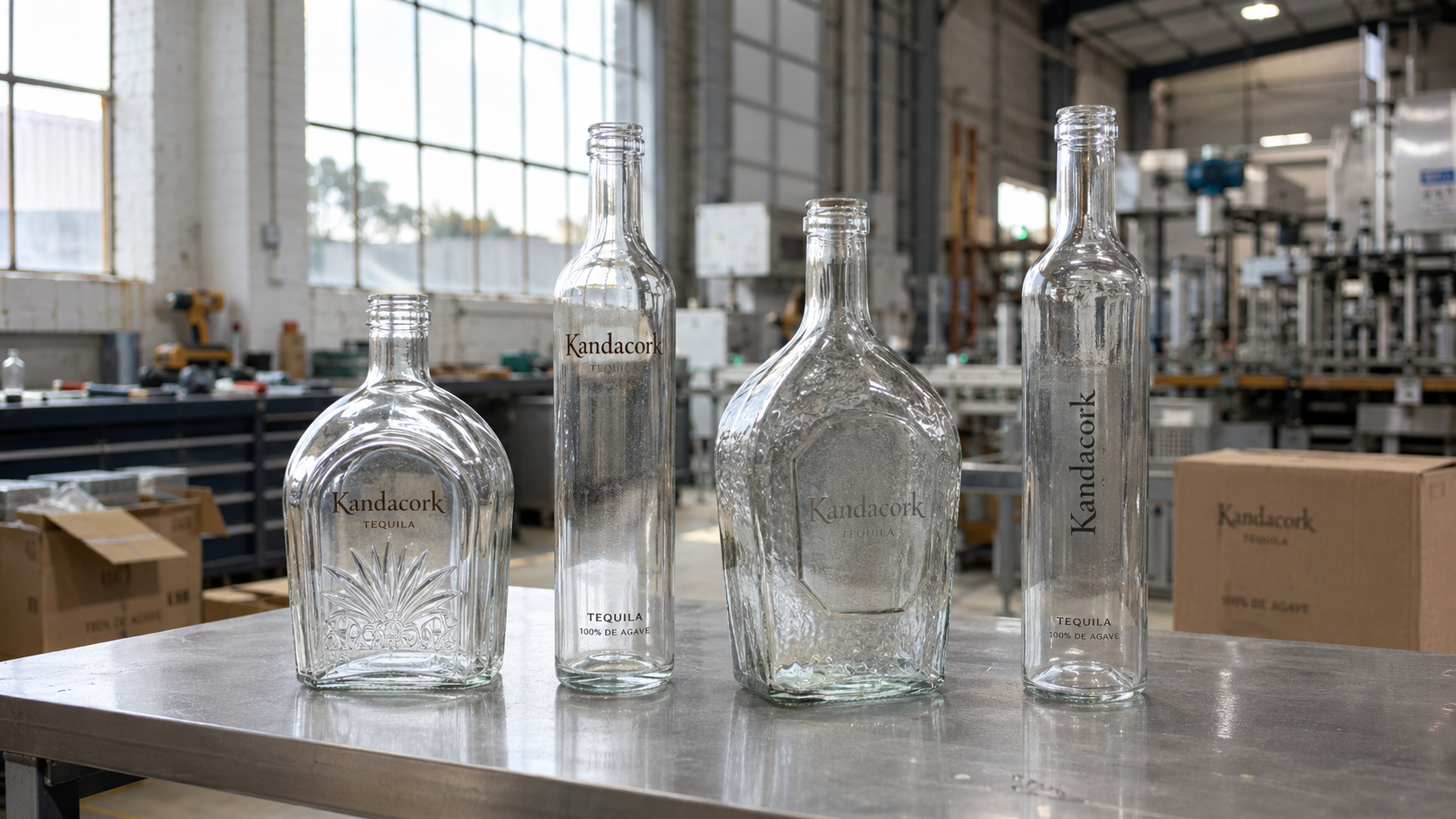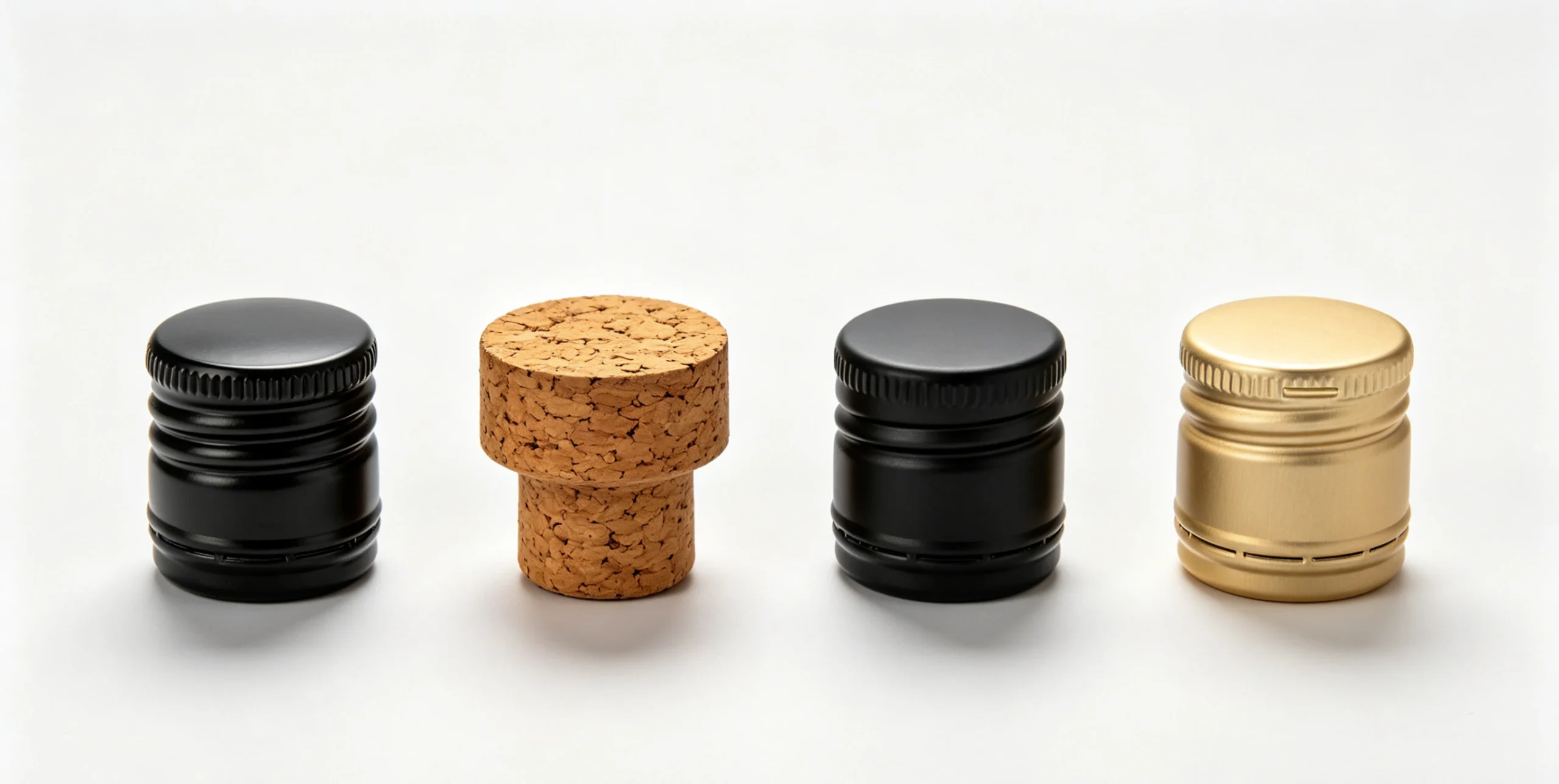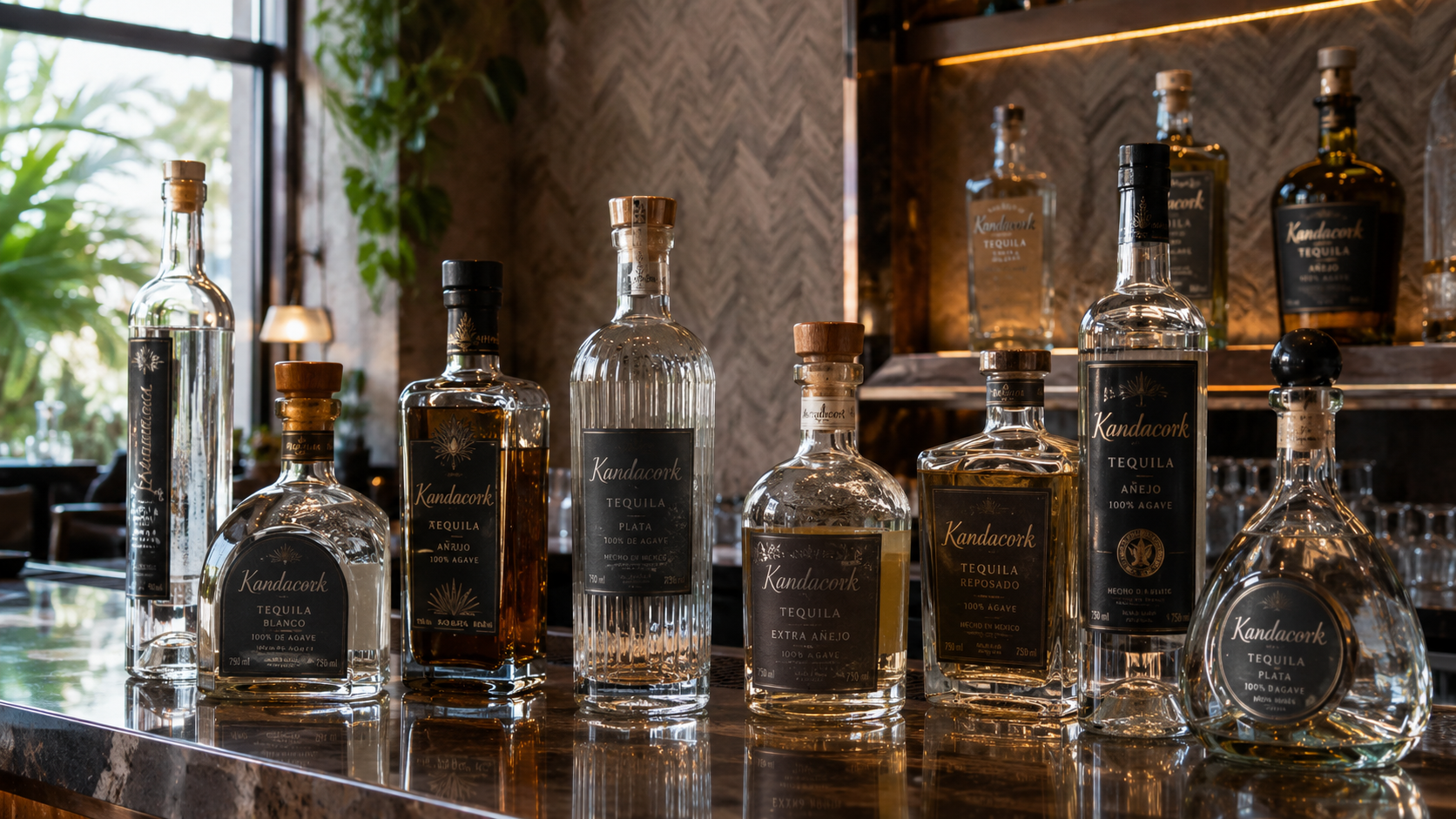
Quick Answer
Choosing bar-top stoppers for rum bottles starts with the bottle neck. Buyers should confirm the internal bore diameter, neck depth, shank material, top material, tamper-evident packaging plan, and sample testing requirements before placing a bulk order. For brands comparing closure structures, material options, and stopper formats, Kandacork Closures provides a focused range of custom bar-top stoppers and bottle closures for spirits packaging projects.
For white rum, aluminium or plastic tops with synthetic cork shanks often provide a clean look and stable fit. For aged rum, wood or metal tops with cork-style shanks can support a more traditional premium image. For reserve rum or gift-pack rum, Zamak, glass, ceramic, or custom-molded tops can create stronger shelf value and a more distinctive opening experience.
The final stopper should always be approved with bottle drawings, physical bottle samples, insertion-force checks, extraction-force checks, leakage testing, sleeve clearance review, and sample approval before mass production.
Best Stopper Choice by Rum Type
| Rum Type | Recommended Stopper Direction | Why It Works |
|---|---|---|
| White rum | Aluminium or plastic top with synthetic cork shank | Clean look, stable fit, practical cost |
| Dark rum | Wood or warm metal top with cork-style shank | Traditional appearance and richer shelf feel |
| Aged rum | Natural wood, stained wood, or Zamak top | Premium hand feel and barrel-aged cues |
| Spiced rum | Color-matched top with synthetic cork shank | Strong shelf visibility and brand color control |
| Premium reserve rum | Zamak, glass, ceramic, or custom-molded top | Luxury value and collectible presentation |
| Private label rum | Standard wood, aluminium, or plastic bar-top stopper | Faster sampling and easier cost control |
This table is a starting point. The same rum category may still need different stopper specifications depending on bottle shape, glass neck tolerance, target sales market, filling process, packaging budget, and brand positioning.
What Is a Bar-Top Stopper?
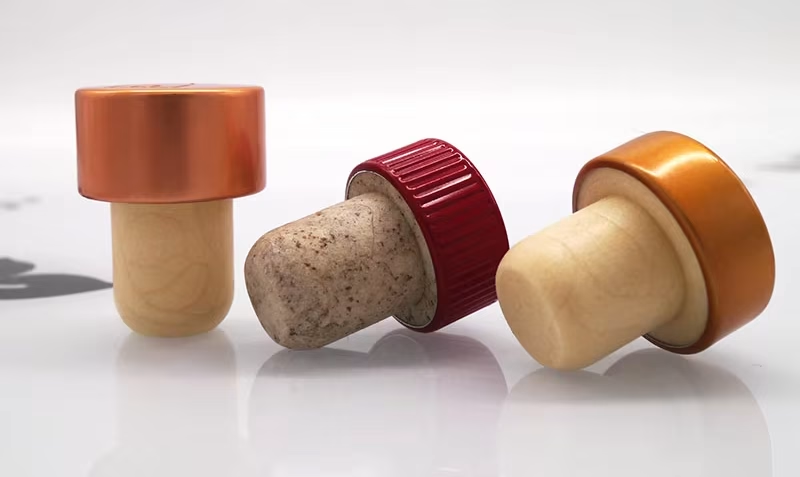
A bar-top stopper, also called a T-top closure, bartop cork, spirits stopper, or liquor bottle stopper, is a closure with two main parts: the top and the shank.
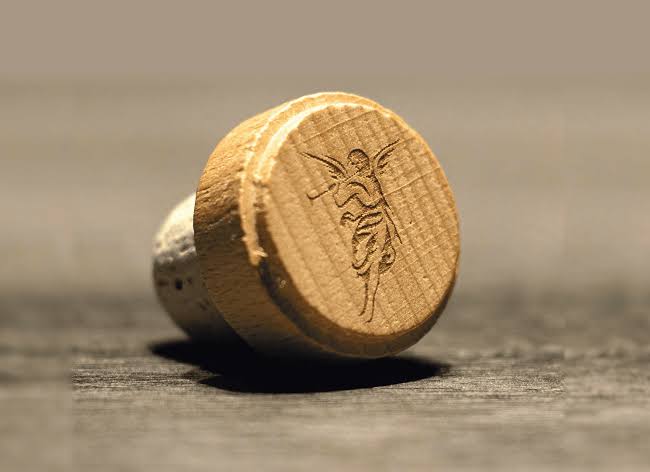
The top, or head, is the visible part above the bottle neck. It may be made from wood, aluminium, plastic, glass, ceramic, resin, or Zamak zinc alloy. This part affects shelf appearance, hand feel, decoration options, and brand identity.
The shank, also called the leg or cork body, is inserted into the bottle neck. It may be made from synthetic cork, natural cork, micro-agglomerated cork, or polymer. This part creates the friction fit against the internal bottle finish and helps form the seal.
Bar-top stoppers are commonly used for rum bottles because they combine resealing function with a more premium opening experience than many standard screw caps.
Why Bar-Top Stoppers Matter for Rum Packaging
Rum packaging must communicate product quality, category identity, and price level. A white rum may need a clean and modern closure. A dark or aged rum may need wood, warm metal, or cork-style material cues. A spiced rum may need color impact. A premium reserve rum may need more weight, decoration detail, and stronger gift-pack value.
Bar-top stoppers for rum bottles support these goals because the closure is one of the first physical touchpoints consumers notice. Material, weight, grip, finish, logo decoration, and opening feel all affect perceived quality.
For commercial buyers, the stopper must also perform reliably. It should fit the bottle neck, seal during transport, support filling and capping operations, and meet importer or distributor expectations. This is why stopper selection should be treated as both a design decision and an engineering decision.
Match Stopper Design to Rum Category
White Rum and Modern Rum Brands
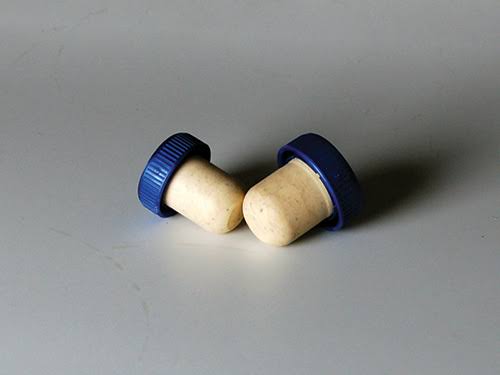
White rum usually works well with clean, simple, and cost-controlled closure designs. Aluminium tops, matte plastic tops, and synthetic cork shanks are practical options for cocktail-focused brands, private label programs, and modern retail packaging.
Good design directions include brushed aluminium, silver, matte white, matte black, clear polymer, or minimalist printed tops. These options keep the packaging clean while supporting stable production and easier cost control.
Dark Rum and Aged Rum
Dark rum and aged rum often need warmer visual cues. Wood tops, stained wood, micro-agglomerated cork shanks, and warm metallic finishes can support a more traditional image.
A natural wood bar-top stopper may pair well with amber glass, textured labels, gold foil, kraft paper, or vintage-inspired bottle shapes. For buyers developing the bottle and closure together, a full-package partner such as Kandacork Spirits can help coordinate glass bottle structure, neck finish planning, and closure compatibility.
For aged rum, the stopper should feel secure but not too tight. Opening force should be tested before approval.
Spiced Rum and Flavored Rum
Spiced rum often competes through flavor identity and shelf visibility. In this case, the stopper can become part of the brand color system.
Color-matched tops, printed logos, embossed icons, and decorative sleeves can connect the closure with the label and bottle design. Synthetic cork or polymer shanks are often useful because they provide consistent dimensions and appearance.
Because spiced rum may include aromatic ingredients or flavoring components, buyers should confirm material compatibility and storage performance during sample testing.
Premium Reserve and Gift Rum Bottles
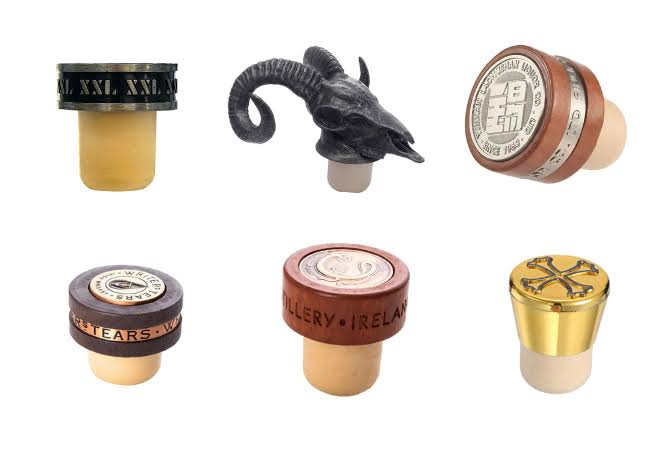
Premium reserve rum, limited editions, and gift-pack bottles often need a heavier and more distinctive closure. Zamak, zinc alloy, glass, ceramic, resin, and custom-molded tops can support a higher-value presentation.
These options are suitable for embossed crests, medallion inserts, antique plating, sculpted shapes, or engraved branding. However, heavier tops require careful testing. The stopper must remain balanced, easy to remove, and secure during shipping.
Choose the Right Shank Material
The shank is the functional sealing part of the stopper. It affects compression, extraction force, resealing behavior, and leakage resistance.
| Shank Material | Best For | Advantages | Buyer Considerations |
|---|---|---|---|
| Synthetic cork | White rum, spiced rum, private label rum, large-volume production | Consistent size, stable appearance, repeatable fit | Confirm alcohol compatibility and opening feel |
| Natural cork | Craft rum, aged rum, traditional rum | Natural look and heritage value | Natural variation requires stronger quality control |
| Micro-agglomerated cork | Aged rum, mid-premium rum, export rum | Natural appearance with better consistency | Check density, diameter tolerance, and extraction force |
| Polymer shank | Modern rum, color-controlled packaging | Clean appearance and controlled performance | Check sealing behavior and beverage-contact suitability |
Synthetic cork is often selected when consistency and repeatability are priorities. Natural cork and micro-agglomerated cork are better suited when the brand wants traditional material cues. Polymer shanks can support modern packaging designs that require color control or a smooth technical appearance.
Choose the Right Top Material
The top material should match the rum’s price point, bottle design, and brand identity.
Wood is suitable for aged rum, craft rum, and traditional rum because it communicates warmth and natural quality. Aluminium works well for modern rum, white rum, and private label projects because it is lightweight, clean, and easy to customize. Zamak or zinc alloy is useful for premium reserve rum because it creates weight, custom shape potential, and a more substantial hand feel.
Plastic tops can be practical for promotional rum, entry-level rum, or large-volume projects where cost control matters. Glass, ceramic, and resin tops are better suited for limited editions, decanter-style bottles, or gift packaging.
Buyers should not select top material by appearance alone. They should also review top weight, grip, decoration durability, capping method, packaging protection, tooling cost, MOQ, lead time, and total landed cost. For visual identity work such as coating, metallic finishes, logo methods, and surface samples, Kandacork Closures can support custom closure colors and finishes before bulk approval.
How to Size Bar-Top Stoppers for Rum Bottles
Stopper sizing is one of the most important technical steps. Many closure problems happen when buyers choose a stopper based only on the outer neck finish or a general bottle description.
For bar-top stoppers for rum bottles, the key measurement is the internal bore diameter. This is the inside diameter of the bottle mouth where the shank contacts the glass. The shank is often selected slightly larger than the internal bore to create a secure friction fit, but this is only a starting point. Final size must be confirmed through physical testing.
| Technical Parameter | What to Check | Why It Matters |
|---|---|---|
| Internal bore diameter | Measure the inside neck opening and internal profile | Determines the correct shank diameter |
| Neck depth | Confirm how far the shank can enter the neck | Prevents unstable fit or over-insertion |
| Shank diameter | Match to bore diameter and compression behavior | Controls sealing and extraction force |
| Shank length | Match bottle neck depth and closure style | Affects stability and appearance |
| Insertion force | Test hand or machine application | Prevents bottling-line problems |
| Extraction force | Test consumer opening feel | Avoids loose fit or difficult opening |
| Fill height | Confirm liquid level below closure | Reduces pressure and contact risks |
| Capsule or sleeve clearance | Check tamper-evident packaging fit | Prevents assembly conflict |
The safest approach is to provide bottle drawings and physical bottle samples before mass production. If the glass bottle supplier changes, the stopper should be tested again. Buyers comparing rum-specific stopper options can also review Kandacork Closures’ guide to custom rum bottle closures for broader closure selection context.
3-Step Fitment Logic for Rum Bottle Stoppers
A practical fitment process includes three steps.
First, measure the internal bore diameter and neck depth of the actual rum bottle. Do not rely only on the outer neck finish, bottle capacity, or visual comparison with another bottle.
Second, select the shank diameter, shank material, and insertion depth based on compression, sealing needs, and target opening feel. A stopper that is too loose can leak or detach during transport. A stopper that is too tight can create difficult opening or bottling-line issues.
Third, test real samples for insertion force, extraction force, leakage, reclosure, fill-height compatibility, and tamper-evident sleeve clearance. This step is especially important for custom rum bottle stoppers, private label rum projects, and premium bottles using heavy tops.
Testing, Tamper Evidence, and Documentation
A stopper sample should not be approved only because it looks good on the bottle. It should also pass functional testing and documentation review.
Before bulk orders, buyers should check:
- Visual fit on the bottle
- Insertion force
- Extraction force
- Reclosure performance
- Inverted leakage
- Side-position leakage
- Temperature-change behavior
- Transport vibration resistance
- Decoration durability
- Fill-height compatibility
- Alcohol-contact suitability
- Tamper-evident capsule, sleeve, or overcap fit
For the U.S. market, rum brands, bottlers, and importers should plan tamper-evident packaging because rum is a distilled spirit. The U.S. Alcohol and Tobacco Tax and Trade Bureau explains that distilled spirits bottles or containers require a securely affixed tamper-evident closure or similar device, so closure and sleeve planning should be reviewed before export or distribution.
For the European Union and other export markets, food-contact material documentation may also be requested. Buyers may need information related to cork, polymer, adhesives, coatings, inks, or decorative components used in the closure system. The European framework for food-contact materials, including Regulation EC 1935/2004, is often referenced when buyers review safety and inertness expectations for packaging components.
Buyer Documentation Checklist
For export rum projects, documentation helps importers, distributors, bottlers, and compliance teams confirm that the closure material, decoration method, and tamper-evident system are suitable for the target market.
Useful documents may include:
- Food-contact material declaration
- Material specification sheet
- Stopper drawing or dimension sheet
- Decoration method confirmation
- Batch inspection report
- Tamper-evident sleeve or capsule compatibility confirmation
- Packaging and export carton details
Kandacork Closures can help buyers prepare relevant documentation based on the closure material, decoration method, target market, and project requirements.
Bar-Top Stopper vs Screw Cap vs ROPP Closure
Not every rum bottle needs a bar-top stopper. Buyers should compare closure systems before confirming the packaging direction.
| Closure Type | Best For | Advantages | Limitations |
|---|---|---|---|
| Bar-top stopper | Premium rum, craft rum, aged rum, gift bottles | Premium appearance, resealable, strong opening experience | Requires careful fit testing and tamper-evidence planning |
| Screw cap | Entry-level rum, practical retail formats | Convenient, economical, easy to apply | May look less premium |
| ROPP closure | High-volume spirits, export programs | Strong tamper evidence and production efficiency | Less traditional premium feel |
| Non-refillable closure | Markets needing anti-refill protection | Security and controlled pouring | Higher complexity and cost |
Bar-top stoppers for rum bottles are usually best when the brand wants shelf presence, tactile quality, and a more premium consumer experience.
They may not be the best choice when the project requires the lowest unit cost, very high-speed automated closure application, integrated anti-refill protection, or a closure format already specified by the importer or local market. In these cases, screw caps, ROPP closures, or non-refillable closures may be more suitable.
Branding and Decoration Options
A bar-top stopper is also a branding surface. For rum bottles, the closure can reinforce the label, glass color, capsule, secondary packaging, and brand identity.
Common customization options include:
- Laser engraving
- Hot stamping
- Pad printing
- Embossing
- Debossing
- Color matching
- Brushed metal effects
- Matte or glossy finishes
- Antique plating
- Wood staining
- Custom molded logos
- Medallion inserts
For aged rum, a stained wood top with engraved branding can support a craft or barrel-aged image. For premium reserve rum, a heavy Zamak top with an embossed crest can increase perceived value. For spiced rum, a color-matched top can connect the closure to the label, capsule, and flavor identity. Buyers comparing premium material direction can use Kandacork Closures’ discussion of metal vs wooden stoppers to evaluate weight, finish, visual warmth, and production considerations.
Decoration should be tested for durability before approval. Printing, plating, engraving, or coating should withstand handling, packing, shipping, and retail display.
How Kandacork Closures Supports Rum Stopper Projects
Kandacork Closures supports rum packaging buyers from early selection to bulk production. The process usually begins with bottle information, brand requirements, and target market details.
Buyers can send bottle drawings, bottle samples, internal bore diameter, rum type, alcohol strength, target sales market, preferred top material, shank preference, logo artwork, order quantity, and launch timeline.
Based on this information, Kandacork Closures can review stopper fit, recommend material combinations, prepare custom samples, support logo decoration, and help buyers compare options before mass production.
Typical support includes:
- Bottle neck fit review
- Top and shank material recommendation
- Custom logo decoration
- Color and surface finish matching
- Prototype or pre-production samples
- Leakage and opening-feel evaluation support
- Food-contact documentation support when required
- Bulk quotation and lead time planning
- Export packing support
This process is useful for distilleries, private label buyers, importers, distributors, bottlers, and packaging buyers who need custom rum bottle stoppers with reliable technical performance.
Request Rum Bottle Stopper Samples from Kandacork Closures
Send your bottle drawing, internal bore diameter, rum type, target market, preferred top material, shank preference, logo file, order quantity, and launch timeline to Kandacork Closures.
Our team can review bottle fit, recommend bar-top stopper materials, prepare custom samples, support documentation, and quote for bulk production.
To receive more accurate stopper recommendations, prepare:
- Bottle drawing
- Internal bore diameter
- Physical bottle samples or bottle sample photos
- Rum type
- Alcohol strength
- Target sales market
- Preferred top material
- Preferred shank material
- Logo file
- Order quantity
- Launch timeline
With these details, Kandacork Closures can recommend suitable bar-top closures for aged rum, white rum, spiced rum, private label rum, premium reserve rum, and custom rum packaging projects. Buyers ready to start sampling or bulk quotation can request a custom closure quote.
Common Mistakes When Choosing Rum Bottle Stoppers
Many stopper problems can be avoided during the early sourcing stage.
Common mistakes include:
- Choosing a stopper by appearance only
- Ignoring internal neck diameter
- Treating the +1 mm shank rule as a universal answer
- Skipping sample testing
- Selecting a heavy top without checking opening force
- Forgetting tamper-evidence requirements
- Requesting pricing without bottle drawings
- Changing bottle suppliers without retesting the closure
For rum bottle projects, even a small difference in glass neck tolerance can affect sealing, capping efficiency, leakage resistance, and consumer opening experience.
FAQ
Are bar-top stoppers suitable for rum bottles?
Yes. Bar-top stoppers are suitable for many rum bottles, especially premium rum, craft rum, aged rum, spiced rum, and gift-pack rum. The stopper should be tested with the actual bottle to confirm fit, sealing, and opening feel.
What stopper material is best for premium rum?
Premium rum often uses wood, Zamak, zinc alloy, aluminium, glass, ceramic, or custom-molded tops. The shank may be synthetic cork, natural cork, micro-agglomerated cork, or polymer depending on the required sealing performance and brand positioning.
How do I know what size stopper my rum bottle needs?
Measure the internal bottle bore, review the bottle neck drawing, confirm shank diameter and length, and test physical samples. Do not rely only on the external bottle neck finish.
Do rum bottles with bar-top stoppers need tamper evidence?
Many markets and distributors require tamper-evident packaging for distilled spirits. Bar-top stoppers can be combined with shrink bands, capsules, sleeves, overcaps, or other visible tamper-evident devices.
What is the difference between bar-top stoppers and ROPP closures?
Bar-top stoppers are resealable closures often used for premium appearance and consumer opening experience. ROPP closures are roll-on pilfer-proof caps commonly used for tamper evidence and high-volume bottling efficiency.
What information should I send to Kandacork Closures for a quotation?
Send the bottle drawing, internal neck diameter, physical bottle samples or photos if available, rum type, alcohol strength, target market, desired top material, shank preference, logo artwork, order quantity, and launch timeline.
Conclusion
Choosing bar-top stoppers for rum bottles requires more than selecting an attractive top. The stopper must match the bottle neck, seal reliably, open smoothly, support tamper-evident packaging, and reflect the rum brand’s market position.
For rum brands, distilleries, private label buyers, importers, distributors, bottlers, and packaging buyers, the best approach is to evaluate design and engineering together. Start with the bottle neck. Confirm the shank material. Choose a top material that matches the rum category. Test samples before bulk production.
Kandacork Closures can support rum packaging projects with material selection, bottle fit review, custom logo decoration, sample development, documentation support, and quotation planning. To begin, prepare your bottle drawing, neck diameter, rum type, target market, branding requirements, and expected order volume. With the right information, Kandacork Closures can recommend suitable bar-top stoppers for rum bottles and help move the project from concept to production.