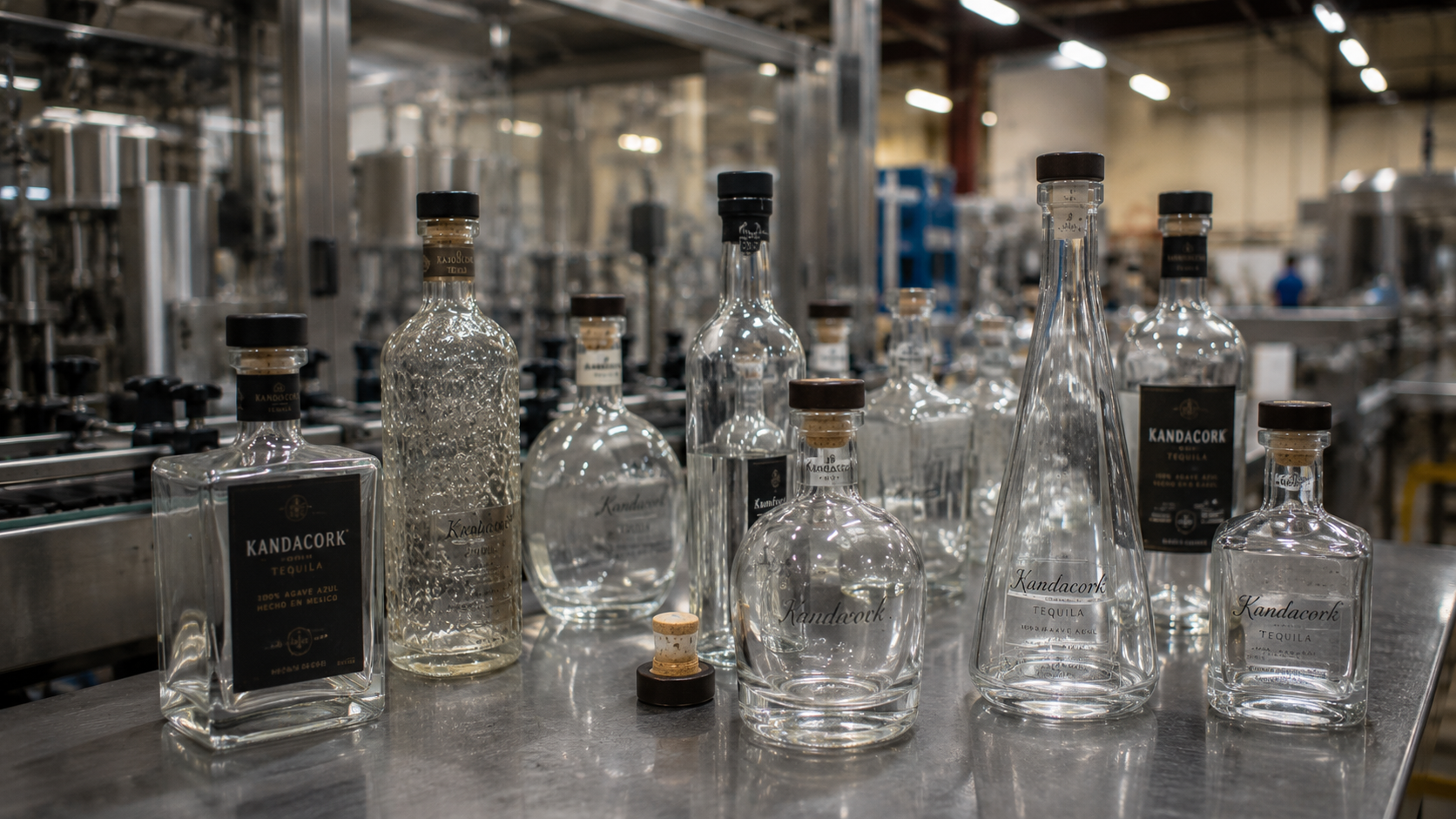
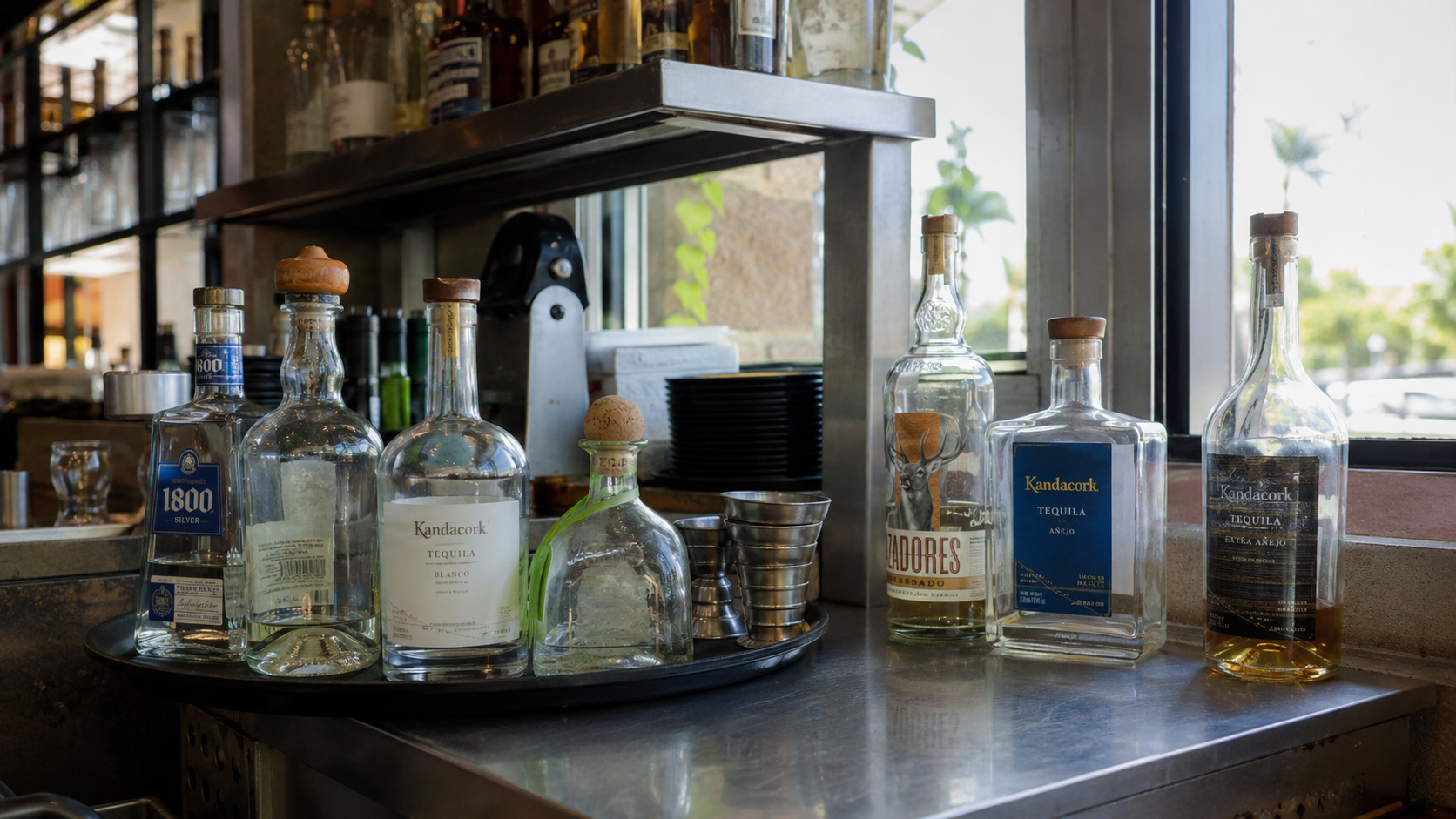
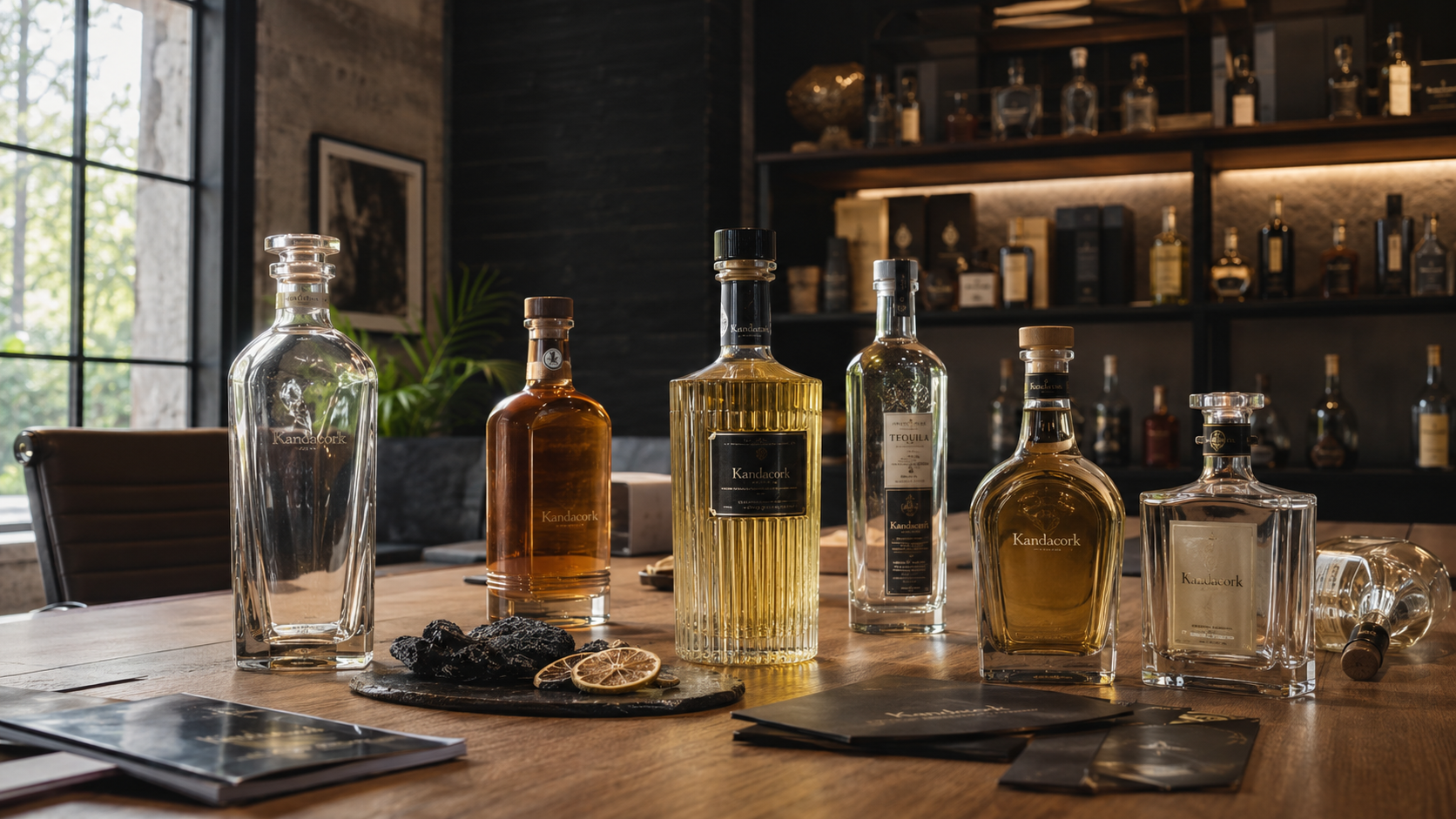
Wooden bar-top stoppers are a common choice for whisky bottles because they support a classic and premium closure style. This guide explains how wood type, stopper shape, shank fit, logo method and surface finish affect whisky packaging projects.
What Are Wooden Bar-Top Stoppers for Whisky?
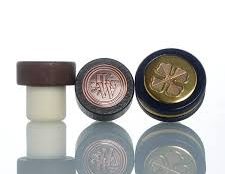
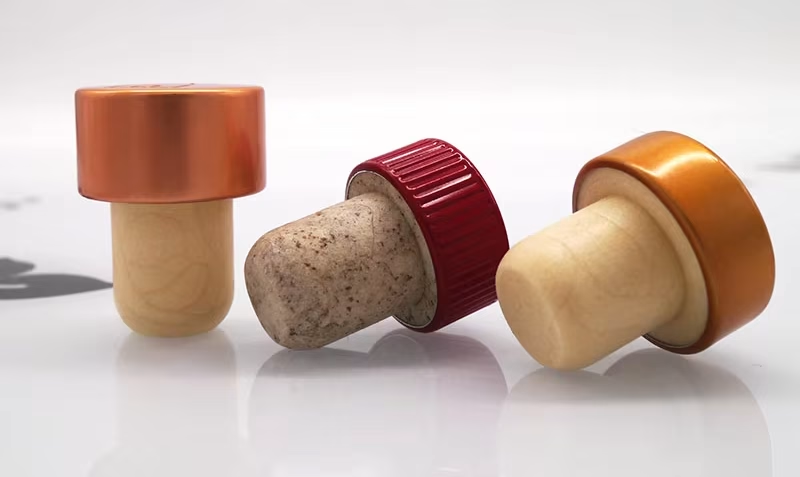
Wooden bar-top stoppers for whisky are closures made from two main parts: a visible wooden top and a sealing shank. The wooden top provides grip, branding space, and shelf impact. The shank fits inside the bottle neck and creates the resealing function.
These closures are also known as wooden T-top closures, wood head cork stoppers, bar-top corks, bartop closures, T-shape bottle stoppers, or custom wooden whisky bottle stoppers.
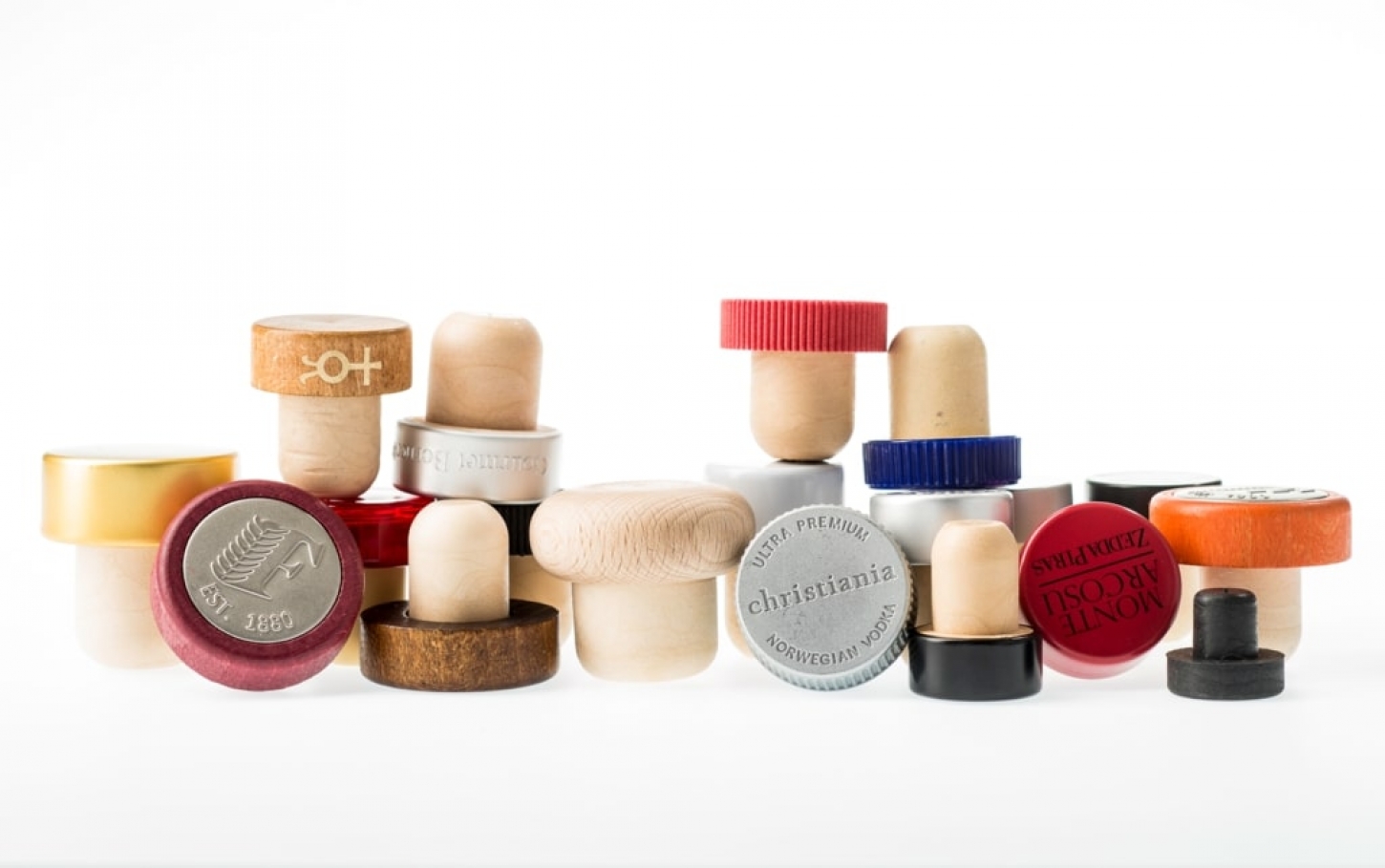
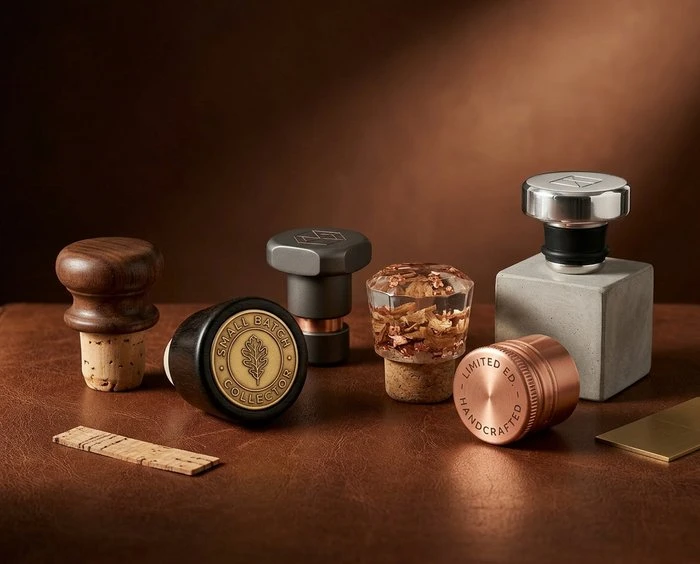
The wooden top may be flat, domed, beveled, cylindrical, rounded, stained, painted, varnished, engraved, printed, or shaped to match a packaging concept. The shank may be natural cork, micro-agglomerated cork, synthetic material, or another engineered closure material.
For whisky packaging, this two-part structure is valuable because it allows brands to combine premium visual design with controlled technical performance.
Are Wooden Bar-Top Stoppers Good for Whisky?
Yes. Wooden bar-top stoppers are good for whisky because they provide a premium opening experience, strong resealing convenience, and a natural visual connection to wood aging, barrels, and craft production.
Compared with basic plastic closures, wooden bar-top stoppers for whisky feel more tactile and brandable. Compared with purely functional screw caps, they often create a more traditional and gift-ready appearance. Compared with glass stoppers, they can offer more decoration flexibility and easier grip.
For most whisky brands, the right wooden bar-top stopper depends on four factors: bottle-neck fit, shank material, wood finish, and brand decoration method.
They are especially suitable for craft whisky, small-batch bourbon, premium scotch, single malt whisky, cask-finished releases, private-label whisky, limited editions, heavy-base bottles, vintage-style bottles, and multi-SKU brown spirits families.
Why Wooden Bar-Top Stoppers Improve Whisky Packaging
Wooden bar-top stoppers for whisky support both emotional value and technical usability.
They create premium shelf presence. A natural wood closure adds texture, height, and visual weight to the bottle. This helps the product stand out in retail displays, tasting rooms, gift boxes, and duty-free environments.
They improve the opening ritual. Whisky is often consumed slowly and resealed many times after purchase. A wooden bar-top closure gives the customer a more satisfying grip and a more memorable open-close experience.
They support brand storytelling. Wood naturally connects with oak barrels, aging warehouses, maturation, smoke, cask finishing, and traditional distilling. This makes wooden whisky bottle stoppers especially relevant for aged spirits.
They provide customization space. The top surface can carry a logo, monogram, icon, batch mark, age statement, brand symbol, or edition mark. For broader bottle and closure planning, brands often coordinate the stopper with custom spirits bottle packaging so the glass shape, neck finish, closure profile, and label system work together.
They also work across many bottle styles. Wooden bar-top stoppers can be developed for round bottles, square bottles, heavy-base bottles, decanter-style bottles, shoulder bottles, and custom whisky packaging.
How Whisky Stoppers Differ from Closures for Other Spirits
Whisky closures often use warmer wood tones, darker stains, heavier profiles, and barrel-inspired finishes because these design cues align with aged brown spirits. By contrast, gin and vodka closures may use brighter colors, clearer materials, metallic finishes, or lighter visual styles to communicate freshness, purity, or botanical character.
For whisky, the stopper should usually feel substantial, tactile, and connected to maturation. A natural wood top, dark-stained beech head, oak-style finish, or engraved brand mark can reinforce the perception of age, craft, and value.
This is why wooden bar-top stoppers for whisky should be designed around the full bottle identity, not chosen only from a standard closure catalog.
Wood Type Comparison for Whisky Stoppers
Different woods create different visual and commercial effects. The best choice depends on the whisky brand’s price point, bottle design, decoration method, and production volume.
| Wood type or finish | Best for | Visual style | Commercial advantage |
|---|---|---|---|
| Beech wood | Core whisky lines and premium spirits | Clean, smooth, consistent | Reliable machining and balanced cost |
| Birch wood | Larger runs and simple custom designs | Light, smooth, understated | Good surface for printing or staining |
| Oak-style finish | Aged whisky, bourbon, scotch | Barrel-inspired, warm, traditional | Strong link to cask aging |
| Maple or premium hardwood | Limited editions and gift packs | Refined, dense, premium | Higher perceived value |
| Dark-stained wood | Premium whisky and luxury lines | Mature, bold, classic | Strong shelf contrast |
| Natural wood finish | Craft whisky and small-batch brands | Authentic, warm, handmade | Supports natural brand identity |
| Black painted wood | Modern whisky startups | Minimalist, sharp, contemporary | Works well with premium labels |
| Varnished wood | Classic spirits packaging | Smooth, polished, durable | Enhances handling and finish protection |
Beech is a practical and popular choice for custom wooden bar-top stoppers because it machines cleanly, provides a smooth decoration surface, and supports a wide range of stains and finishes. A craft bourbon brand may choose beech with a medium brown stain and laser-engraved logo to create a warm, approachable identity. A premium whisky brand may use darker stained beech with a beveled top to create a more refined look.
Birch is often selected when brands need a clean wooden appearance with efficient production economics. It has a smooth surface and can work well with simple engraving, pad printing, or coating. For a modern whisky startup, birch with a black or natural matte finish can create a clean premium look without appearing overly traditional.
Oak-inspired finishes are highly relevant for whisky packaging because whisky buyers already associate oak with aging, maturation, and cask character. A dark oak-style stain can make the stopper feel connected to barrel warehouses and aged spirits. This is suitable for single malt whisky, cask-strength releases, bourbon, rye, and premium aged blends.
Limited-edition whisky packaging often needs a closure that feels more collectible. Maple, darker hardwoods, oversized wooden heads, special profiles, and decorative inserts can help create that impression. A limited-edition rye release, for example, may use a larger custom-shaped wooden top, laser engraving, a dark stain, and a premium cork shank.
Shank Options for Wooden Bar-Top Stoppers for Whisky
The wooden head creates visual value, but the shank is critical for fit and sealing performance. When buying wooden bar-top stoppers for whisky, shank selection should be based on bottle fit, brand positioning, filling-line requirements, and target cost.
| Shank type | Best use | Main advantage | Watch point |
|---|---|---|---|
| Natural cork | Premium whisky and traditional spirits | Classic feel and natural identity | Natural variation should be managed |
| Micro-agglomerated cork | Mid-premium whisky and stable production | More uniform cork-based performance | Requires proper fit testing |
| Synthetic shank | Larger runs and high consistency needs | Controlled dimensions and repeatable performance | May feel less traditional |
| Special engineered shank | Custom spirits projects | Can be tailored to performance needs | Requires technical validation |
Natural cork shanks are often used for premium whisky closures because they support a traditional spirits image. They pair well with heritage labels, vintage bottle shapes, and aged whisky positioning. However, natural cork is a biological material, so buyers should discuss grade, appearance, compression behavior, odor control, and dimensional consistency before approval.
Micro-agglomerated cork uses processed cork granules to create a more uniform structure. It can be a strong choice for whisky brands that want a cork-based identity with better consistency than many natural cork options.
Synthetic bottle stoppers are useful when dimensional consistency and production repeatability are priorities. They can work well for high-volume whisky programs, private-label spirits, or packaging lines that require predictable insertion and extraction force.
How to Choose the Right Size for Whisky Bottle Neck Fit
The correct stopper size depends on the bottle neck, not only on the visible wooden top. Wooden bar-top stoppers for whisky should be matched to the inner bore, neck finish, insertion depth, shank diameter, shank length, and expected pull-out force.
A loose stopper may create leakage risk or weak resealing. An overly tight stopper may slow the bottling line, damage the closure, or create a poor user experience.
Before production, buyers should confirm the bottle neck drawing, inner bore tolerance, cork mouth finish, shank diameter, shank length, insertion depth, target pull-out force, leak testing method, capsule compatibility, tamper-evident requirement, and carton clearance.
A common mistake is assuming that one standard size fits all whisky bottles. Glass tolerances, mold differences, neck finish variations, and closure material behavior can all affect fit.
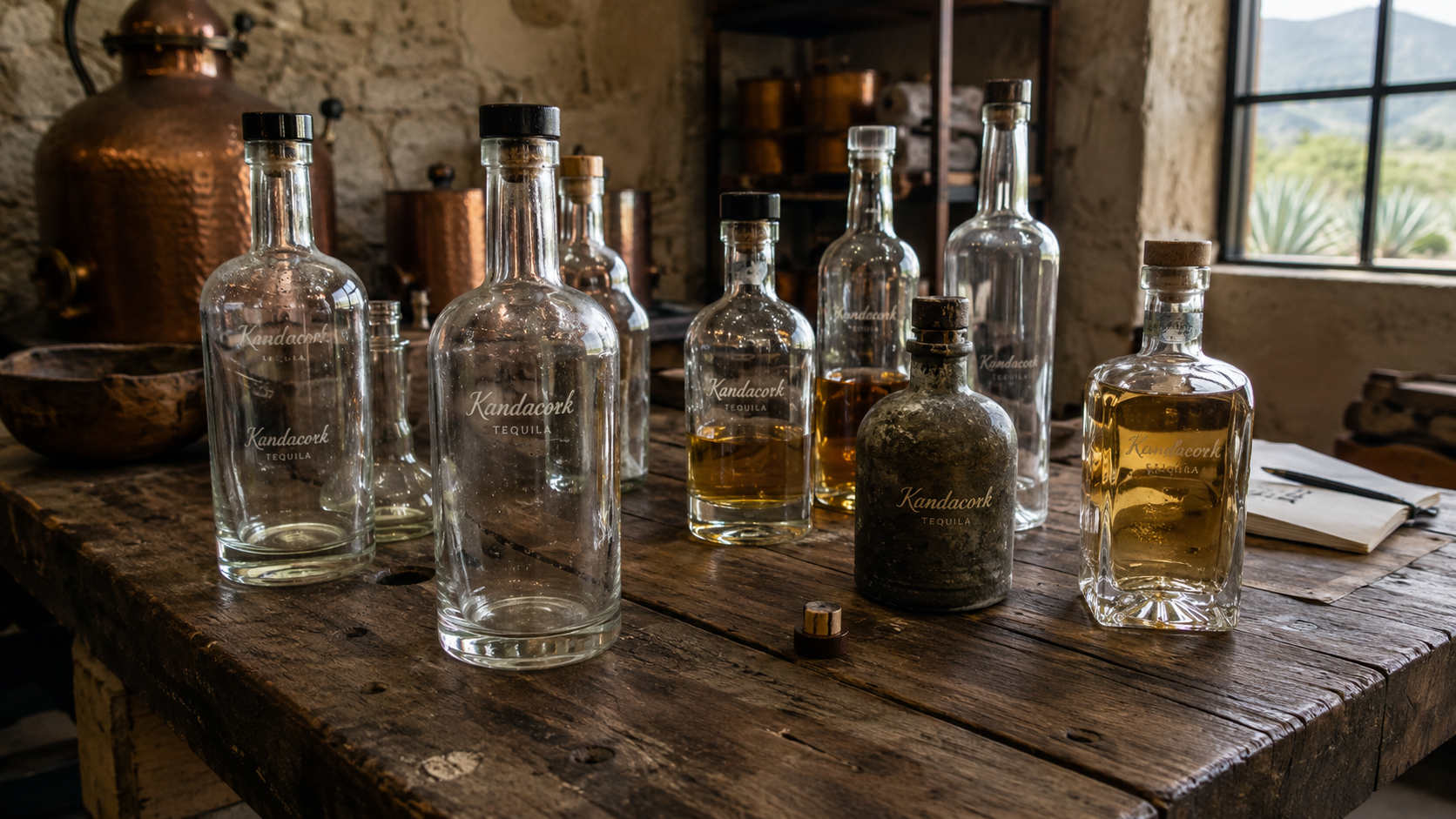
Kandacork Closures can review bottle drawings, physical samples, shank requirements, and branding goals before preparing custom wooden bar-top stopper samples.
Production Problems the Right Stopper Can Prevent
A good closure specification helps prevent real bottling and distribution problems.
If the shank is too loose, the bottle may leak during shipping, lose resealing confidence after opening, or feel low quality when the customer handles it.
If the shank is too tight, operators may struggle during insertion, semi-automatic filling may slow down, and customers may find the bottle difficult to open.
If the extraction force is inconsistent, some bottles may open too easily while others feel stuck. This creates uneven customer experience and can lead to complaints.
If the wooden top coating is not alcohol-compatible, the surface may develop odor, discoloration, stickiness, cracking, or finish failure.
If the stopper height is not checked with the carton, the finished bottle may not fit correctly in the gift box, shipper, or display packaging.
For whisky brands, these issues affect more than production efficiency. They affect perceived quality, retail presentation, and consumer trust.
Custom Branding Options for Wooden Whisky Stoppers
Custom branding is one of the main reasons buyers choose wooden bar-top stoppers for whisky. The stopper is touched every time the bottle is opened, so it can become a memorable brand asset.
Laser engraving is ideal for clean, permanent, natural-looking logos. It works especially well for craft whisky, bourbon, scotch, and premium spirits.
Burned logo effects can create a rustic, barrel-inspired identity. This suits brands that want to emphasize smoke, charred oak, aging, or small-batch production.
Pad printing and screen printing allow color logos, icons, or decorative marks. This is helpful when the stopper must match a label color, capsule color, or brand system.
Embossed or debossed details can create tactile value. These details are useful for premium whisky bottles where every touchpoint should feel intentional.
Decorative inserts, medallions, epoxy domes, and metal badges can support limited editions and gift sets.
Sidewall grooves, ribs, painted bands, or stained rings can help create a consistent bottle family across several whisky SKUs. For more complex visual systems, stopper design can be coordinated with custom spirits bottle decoration so the closure, label, print finish, and secondary packaging feel consistent.
Kandacork Closures also supports custom colors and finishes for spirits closures across wooden bar-top stoppers, screw caps, ROPP closures, capsules, and other bottle-finishing components.
Whisky Brand Positioning Examples
Different whisky products require different closure strategies. Wooden bar-top stoppers for whisky should be designed around the brand’s market position.
| Whisky brand type | Recommended stopper style | Reason |
|---|---|---|
| Craft bourbon | Natural or medium-stained wood with laser engraving | Communicates authenticity and small-batch character |
| Premium scotch | Dark-stained beveled wood with natural cork shank | Supports heritage and refined shelf presence |
| Modern whisky startup | Flat-top black or natural wood with minimalist branding | Creates clean, contemporary packaging |
| Limited-edition rye | Oversized custom wood head with decorative insert | Enhances collectability and gifting value |
| Private-label whisky | Standard wood top with controlled shank specification | Balances brand appeal and scalable sourcing |
| Gift-pack whisky | Coordinated stopper, capsule, and carton design | Improves premium unboxing experience |
A craft bourbon may benefit from natural beech, a slightly rounded top, and a simple engraved mark. A premium scotch may need a darker, more refined stopper with a natural cork shank and matching capsule. A private-label whisky program may prioritize repeatable dimensions, consistent finish, and scalable supply. A limited-edition release may justify a more distinctive head shape, decorative insert, or gift-pack coordination.
Sealing Performance and Bottling Line Considerations
A whisky closure must be attractive, but it must also work reliably. Buyers should evaluate sealing performance before approving wooden bar-top stoppers for whisky.
Important checks include dimensional tolerance, compression behavior, insertion force, extraction force, leak resistance, alcohol compatibility, coating durability, odor control, transit performance, capsule compatibility, and filling-line speed compatibility.
For semi-automatic bottling, the stopper should be easy for operators to insert repeatedly. For faster lines, closure consistency becomes even more important because small variations can cause stoppages, rejection, or uneven sealing.
The closure should also be checked with the final bottle, capsule, shrink band, carton, shipper, and pallet configuration. A stopper that looks beautiful in a sample box may still create problems if it is too tall for the carton or too wide for the packing layout.
Quality management principles such as ISO 9001 quality management help buyers evaluate whether a supplier can control repeat production, documentation, and process consistency. Packaging test methods from ASTM International packaging standards can also help teams think more systematically about distribution performance, handling, and packaging validation.
Food-Contact, Sustainability, and Compliance Considerations
Whisky packaging buyers should evaluate closures as part of the full packaging system. Food-contact suitability, material documentation, coating selection, and market requirements all matter.
The European Union’s framework for food contact material legislation, including Regulation EC 1935/2004, emphasizes safety and inertness for materials intended to contact food. For spirits closures, this makes material selection, coating control, odor management, and documentation important parts of the sourcing process.
For the U.S. distilled spirits market, the Alcohol and Tobacco Tax and Trade Bureau provides guidance through its Beverage Alcohol Manual for distilled spirits, including packaging and closure considerations that brands should review when preparing products for sale.
For wood sourcing, the Forest Stewardship Council is a widely recognized entity for responsible forest management certification. Whisky brands that value sustainability may request FSC-certified wood options, responsible sourcing documentation, low-odor coatings, or low-VOC finish options.
Sustainability claims should be specific and verifiable. Instead of using vague phrases such as “fully eco-friendly,” a stronger product page or packaging brief should explain the actual material, certification, sourcing standard, or packaging benefit.
Wooden Bar-Top Stoppers vs Other Whisky Closures
Wooden bar-top stoppers for whisky are often the best choice when the brand wants premium appearance, resealing convenience, natural texture, and custom branding. However, they should be compared with other closure formats before final selection.
| Closure type | Premium perception | Resealable | Best use | Main limitation |
|---|---|---|---|---|
| Wooden bar-top stopper | High | Yes | Premium whisky, craft spirits, gift packs | Requires accurate bottle-neck fit |
| Aluminum bar-top stopper | Medium to high | Yes | Modern spirits and color-matched packaging | Less natural feel |
| Plastic bar-top stopper | Medium to low | Yes | Cost-sensitive spirits lines | Lower premium perception |
| Glass stopper | High | Yes | Decanter-style bottles and luxury gifts | Requires careful compatibility testing |
| ROPP screw cap | Medium | Yes | High-control production and tamper-evident systems | Less traditional whisky feel |
| Straight cork | Medium to high | Limited by design | Traditional bottle formats | Less grip and branding surface |
For whisky brands that need pilfer evidence, torque control, and strong line compatibility, custom ROPP closures may be a better solution than a bar-top stopper. For brands selling high-value products in markets where refill fraud is a concern, non-refillable spirits closures can add an additional layer of brand protection.
For many premium whisky projects, however, wooden bar-top stoppers offer the strongest balance of shelf impact, brand customization, tactile experience, and practical reuse.
Bottle, Decoration, and Packaging Coordination
A wooden stopper should not be developed in isolation. It should be reviewed with the bottle shape, glass weight, neck finish, label material, capsule, carton, shipper, and retail channel.
For whisky brands developing custom bottle structures, Kandacork Glass liquor packaging can support broader glass bottle planning, including bottle shape, decoration, and closure compatibility. For brands that also manage fragrance, home, or beauty packaging lines, Kandacork Eco Glass offers additional glass packaging resources that may help maintain a coordinated supplier ecosystem across product categories.
This kind of coordination matters because a closure that looks right on a rendering may perform differently on a real bottle. Head diameter, stopper height, bottle shoulder shape, capsule diameter, and gift-box clearance should be checked together before production approval.
What Information Is Needed to Quote Custom Wooden Bar-Top Stoppers?
To quote wooden bar-top stoppers for whisky accurately, a supplier needs details about the bottle, closure design, branding method, volume, and market requirements.
Prepare the bottle drawing or physical bottle sample, bottle neck inner diameter and tolerance, desired stopper head shape, head diameter and height, preferred wood type or target finish, shank material preference, logo file, target order quantity, annual volume estimate, destination market, bottling line type, capsule requirement, tamper-evident need, packaging method, target unit cost, and sample approval timeline.
If the buyer does not know the ideal shank size or wood type, that is normal. Kandacork Closures can help narrow the specification based on bottle measurements, design goals, production requirements, and brand positioning.
Why Work with Kandacork Closures
Kandacork Closures supports custom wooden bar-top stoppers for whisky brands that need both premium appearance and reliable functional fit.
The company can assist with wood selection, stopper shape, shank material, logo decoration, finish matching, sample development, bottle-fit testing, and production coordination.
For whisky packaging projects, this matters because closure decisions affect more than appearance. The stopper must match the bottle neck, work with the filling process, support tamper-evident packaging, protect the brand experience, and meet commercial expectations.
Kandacork Closures can develop wooden stoppers for whisky, bourbon, scotch, rye, rum, tequila, gin, brandy, liqueurs, and other premium spirits. For multi-SKU brands, coordinated stopper designs can help create a consistent packaging family across different bottle formats and product tiers.
FAQ
What are wooden bar-top stoppers for whisky?
Wooden bar-top stoppers for whisky are closures with a wooden head and a sealing shank that fits inside the bottle neck. The wooden top provides grip, branding, and premium appearance, while the shank provides resealing performance.
Are wooden bar-top stoppers suitable for aged whisky?
Yes. Wooden bar-top stoppers are suitable for many aged whisky products when the shank material, bottle neck fit, and sealing performance are properly tested. They are especially effective for premium, craft, and gift-oriented whisky packaging.
Which shank material is best for whisky closures?
The best shank depends on the brand position and production needs. Natural cork is traditional and premium. Micro-agglomerated cork offers cork-based consistency. Synthetic shanks provide controlled dimensions and repeatable performance.
Can wooden whisky stoppers be engraved with a logo?
Yes. Wooden whisky stoppers can usually be laser engraved, burned, printed, stained, painted, or combined with decorative details. Laser engraving is especially popular because it creates a permanent, natural-looking brand mark
How do I know which stopper size fits my whisky bottle?
The correct size should be confirmed with the bottle neck drawing, inner bore measurement, target insertion depth, and physical samples. Line trials and leak testing are recommended before mass production.
Are FSC-certified wooden stoppers available?
FSC-certified wood options may be available depending on the project requirements, material selection, and supply chain. Buyers should request certification documentation when sustainability claims are part of the brand or retail requirement.
Can wooden bar-top stoppers be used with tamper-evident capsules?
Yes. Wooden bar-top stoppers are often used together with capsules, shrink bands, seals, or other tamper-evident solutions. The final system should be tested with the actual bottle and market requirements.
What is the MOQ for custom wooden whisky stoppers?
MOQ depends on the wood type, stopper size, shank material, decoration method, and customization level. A simple engraved wooden stopper may have a different MOQ from a custom-shaped stopper with a special finish or decorative insert.
How long does sampling and production usually take?
Timing depends on design complexity, sample approval, material availability, decoration method, and order volume. Buyers should prepare bottle drawings, logo files, and target specifications early to reduce development time.
Can Kandacork Closures match an existing whisky bottle stopper?
Yes. If a buyer provides an existing stopper sample, bottle sample, or technical drawing, Kandacork Closures can evaluate size, material, shape, decoration, and fit requirements to develop a matched or improved custom closure.
Build a Whisky Closure That Looks Premium and Seals Reliably
Wooden bar-top stoppers for whisky should be selected with both design and performance in mind. The right stopper can strengthen brand identity, improve shelf presence, support the opening experience, and help the bottle feel more premium.
However, the closure must also fit the bottle neck, perform during bottling, reseal properly after opening, work with tamper-evident packaging, and meet the expectations of the target market.
For whisky brands developing a new bottle or upgrading an existing package, Kandacork Closures can help turn a closure idea into a production-ready solution.
Send Kandacork Closures your whisky bottle drawing, neck dimensions, stopper sample, logo file, target quantity, preferred wood finish, shank material, and destination market. The team can recommend shank options, prepare custom wooden bar-top stopper samples, and help confirm bottle-fit performance before production.