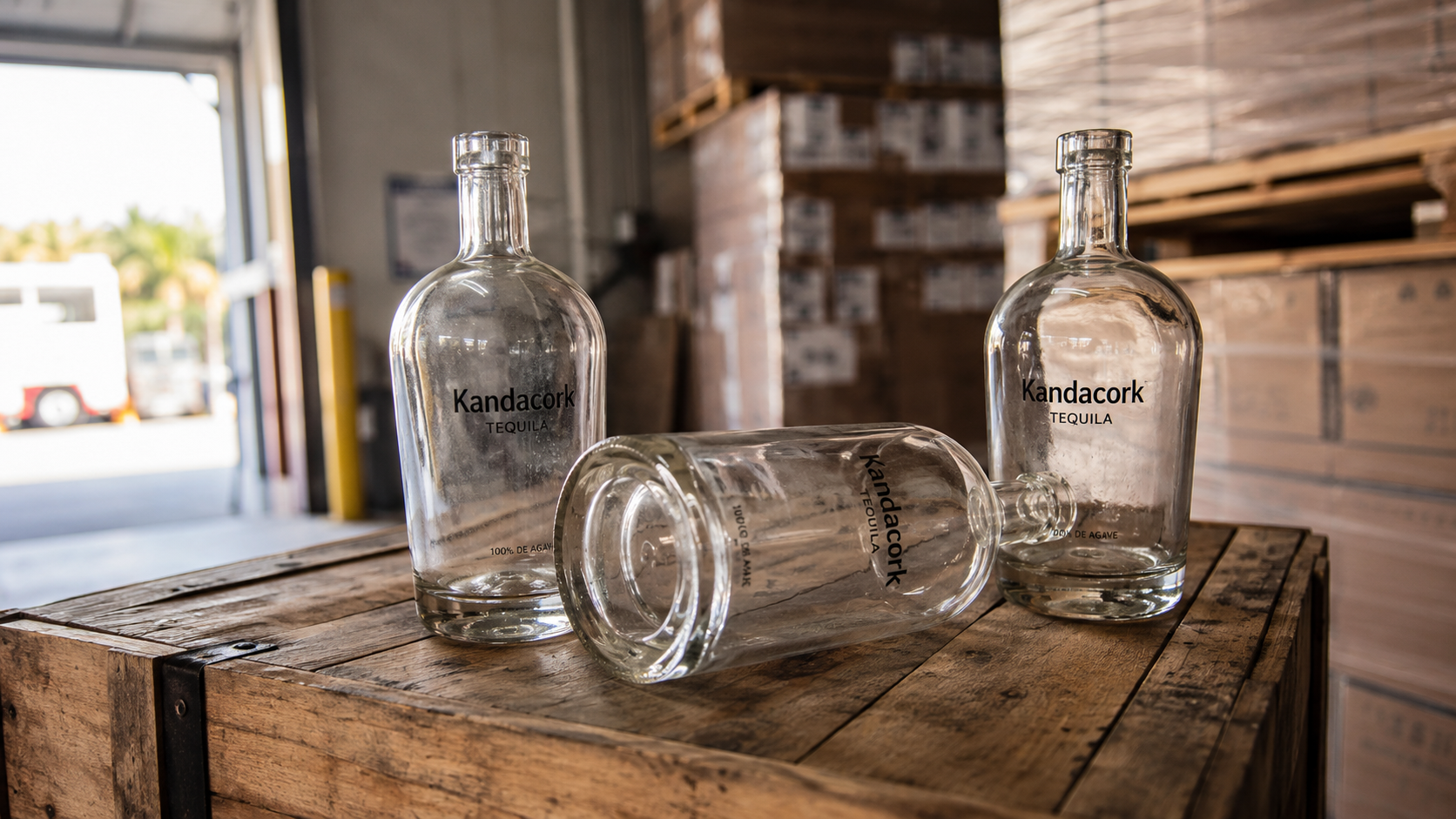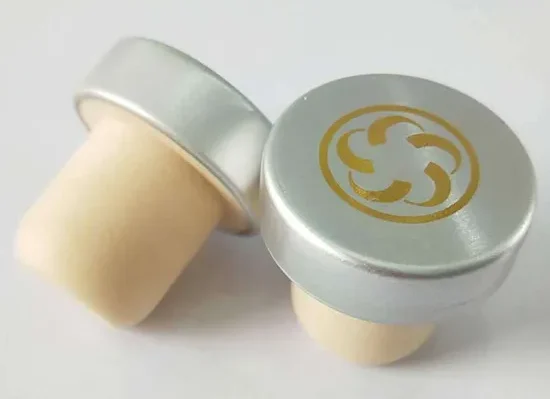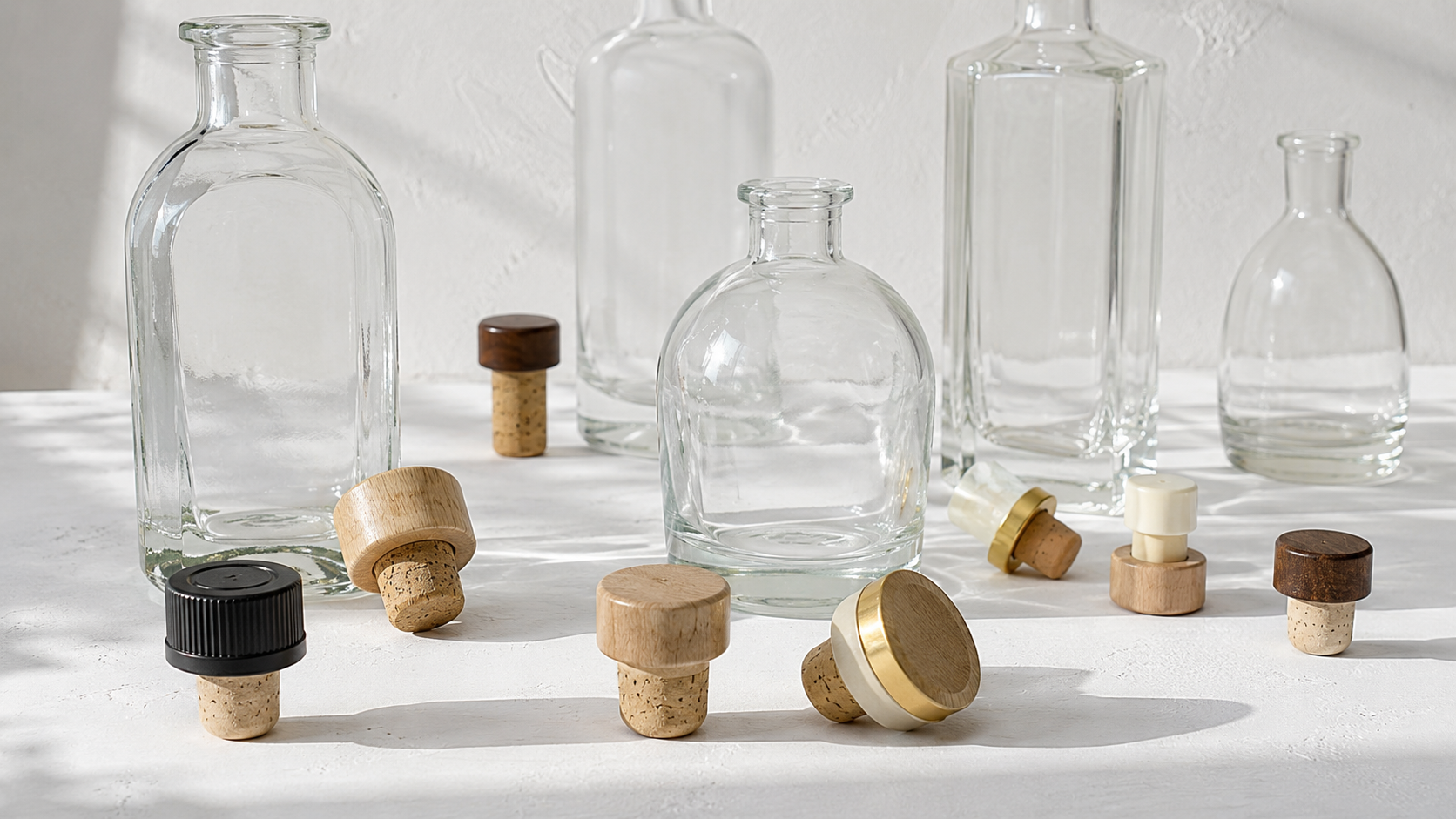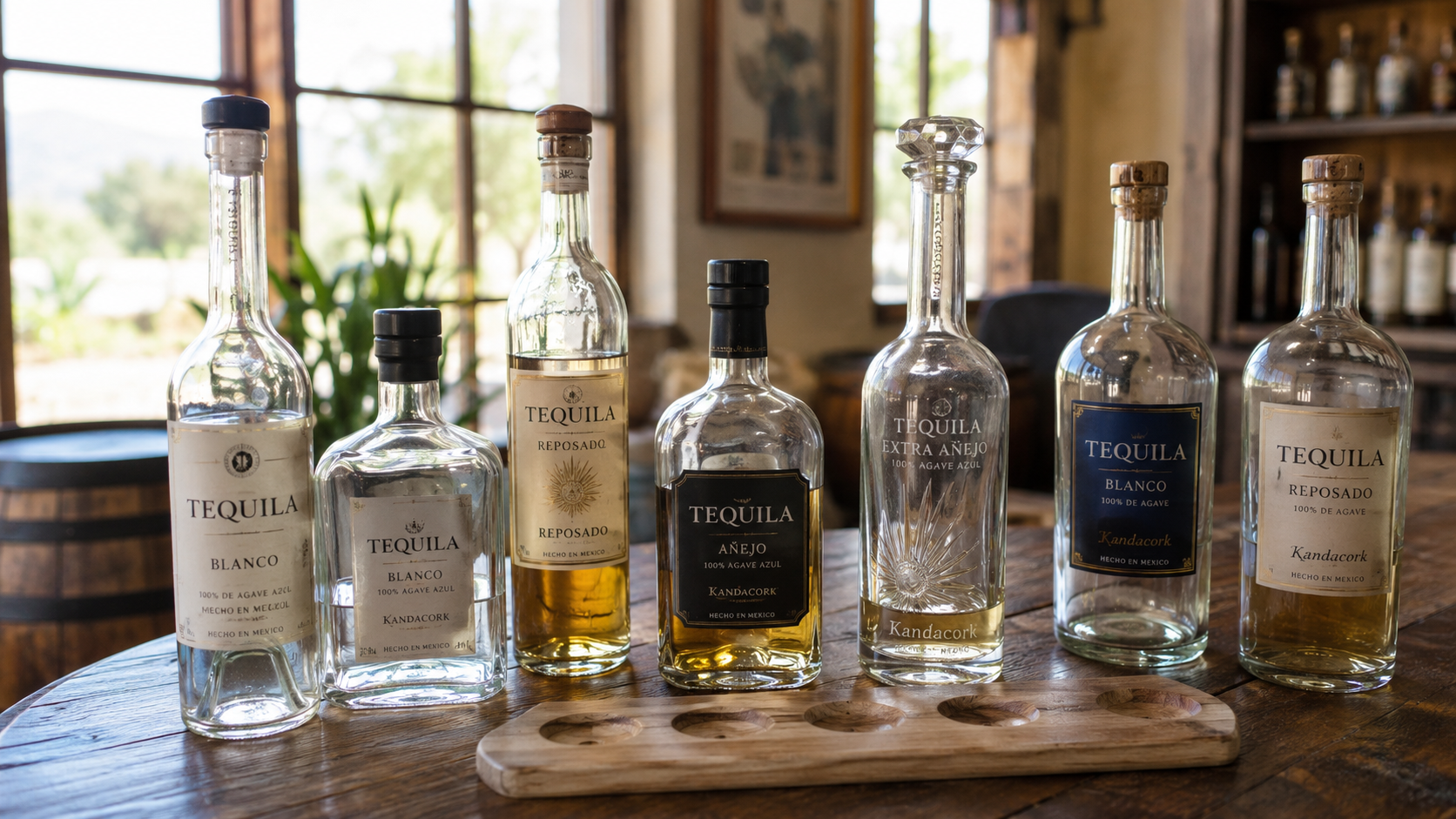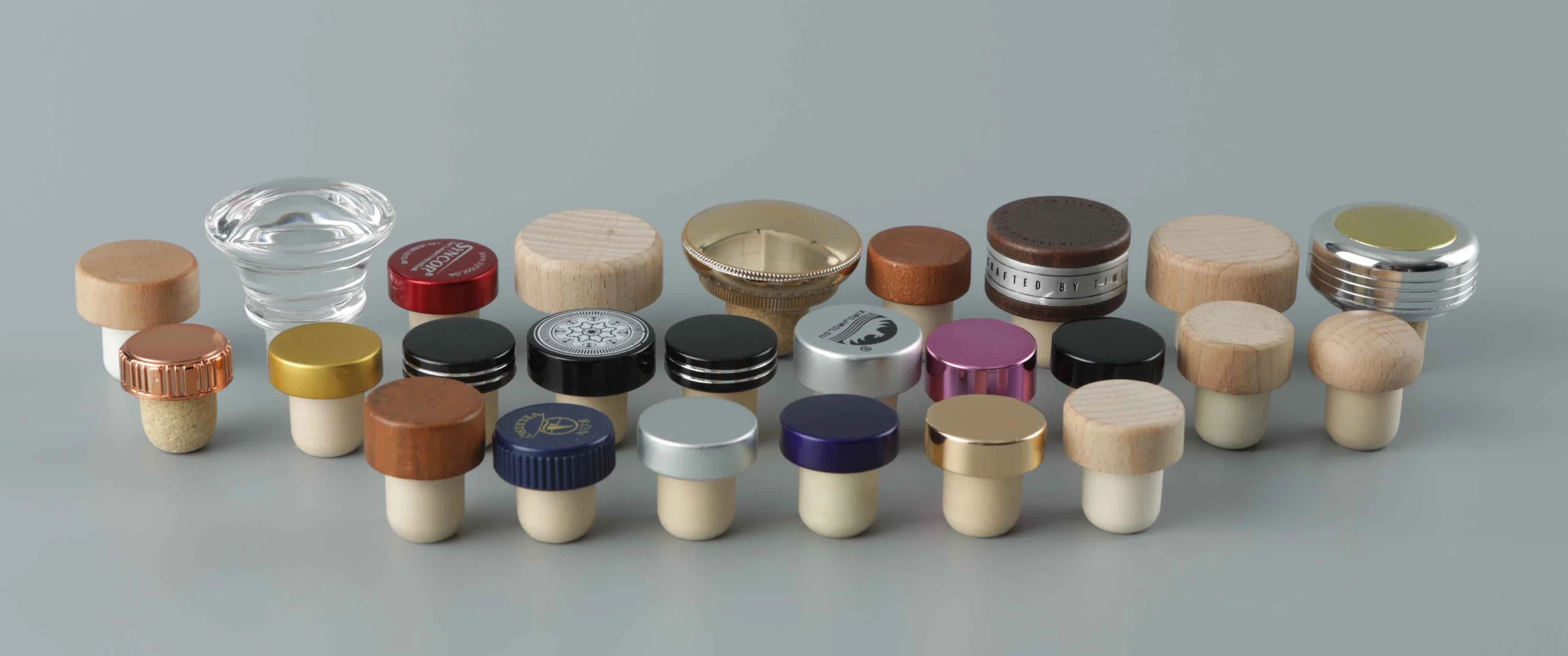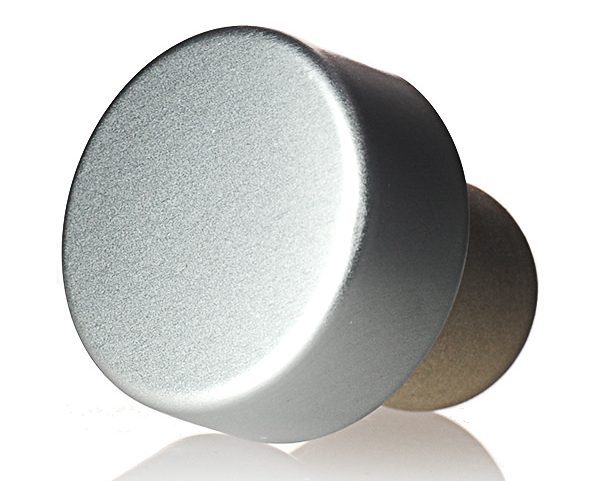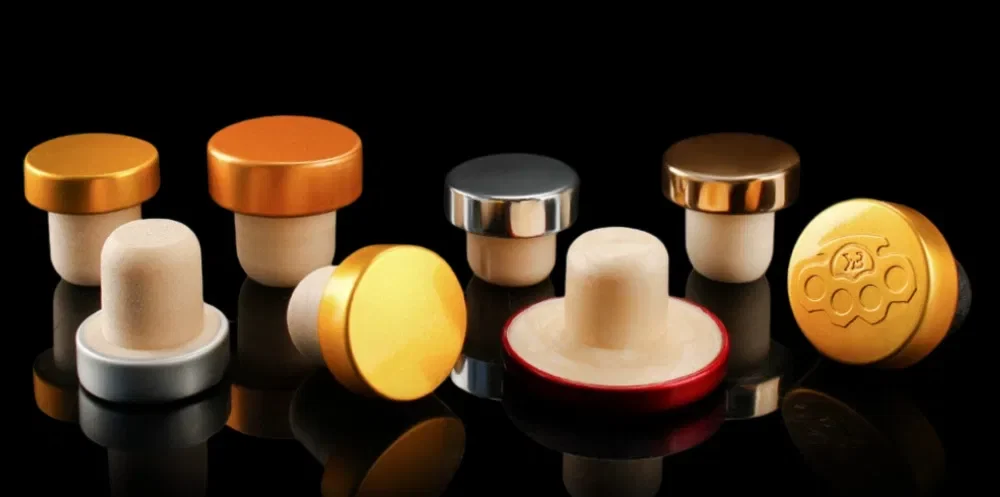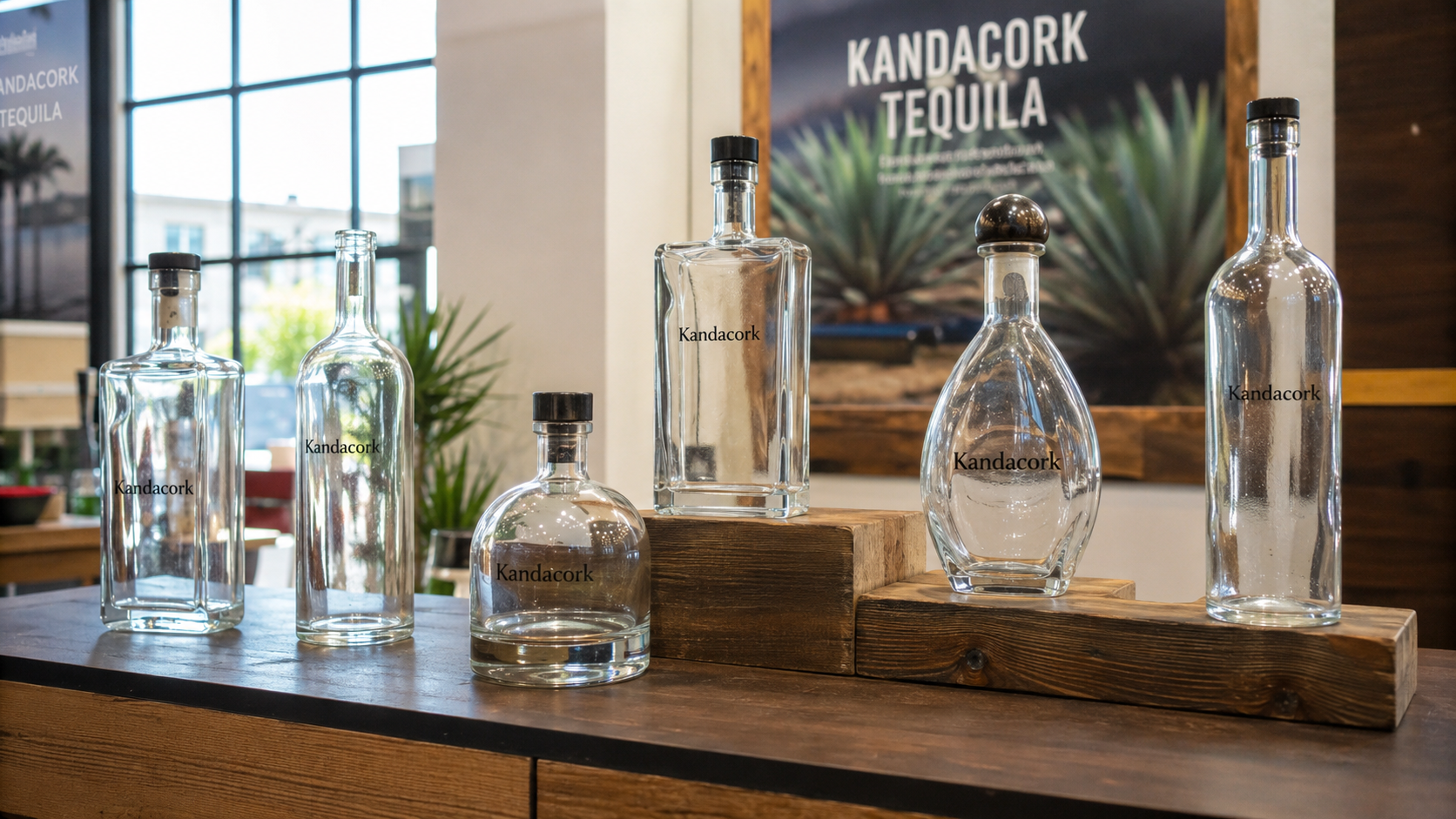
Metal stopper selection should consider appearance, handling feel, production stability and bottle compatibility. This checklist helps spirits brands compare material options, top weight, surface finish, logo method, shank structure and inspection requirements.
What Are Metal Stoppers for Spirits Bottles?
Metal stoppers for spirits bottles are premium bar-top closures made with a decorative metal head and a cork, synthetic, or micro-agglomerated shank. They are used to improve bottle appearance, resealing performance, brand recognition, and perceived product value.
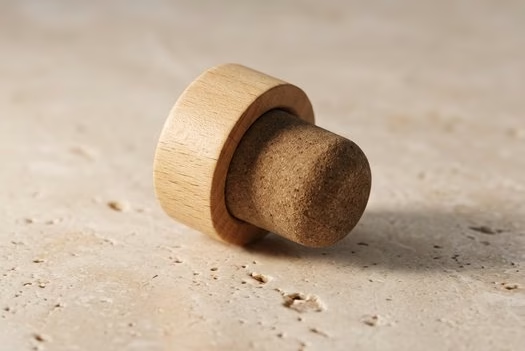
A typical metal stopper includes a visible top made from zinc alloy, Zamak, aluminum, stainless steel, or another metal material. Under the metal head, a shank enters the bottle neck and creates the friction needed for resealing. This structure is often called a bar-top stopper, T-top stopper, liquor bottle stopper, or spirits bottle closure.
Production-grade metal stoppers are different from decorative barware stoppers. They must match the bottle neck inner diameter, maintain stable insertion and extraction force, resist transport damage, support filling-line handling, and remain consistent during bulk production. For brands comparing different bottle stoppers and closures, metal is usually selected when the closure needs stronger shelf presence, weight, durability, and custom branding potential.
Why Premium Spirits Brands Use Metal Stoppers
Spirits buyers often judge a product before tasting it. Bottle shape, glass weight, label texture, capsule finish, and closure design all influence perceived quality. A metal stopper can immediately make a bottle feel more premium, giftable, and suitable for higher-value retail positioning.
Metal stoppers for spirits bottles are especially effective when a brand wants to communicate craftsmanship, luxury, modernity, or limited-edition value. A heavy zinc alloy stopper can support a mature whisky, aged rum, tequila, or cognac. A brushed aluminum stopper can create a clean identity for vodka or gin. A stainless steel stopper can give a minimalist premium look to clear spirits and bar-focused products.
These closures also give brands more design control. The stopper head can carry an engraved logo, embossed crest, stamped pattern, printed top insert, medallion, knurled sidewall, or sculptural brand symbol. This turns the closure into a visible brand asset instead of a generic component.
How to Choose Metal Stoppers for Spirits Bottles
Choosing metal stoppers for spirits bottles should start with both brand positioning and technical fit. A closure that looks attractive can still fail if the shank is too loose, too tight, too short, or incompatible with the bottle finish.
The best selection process reviews bottle structure, spirits category, stopper material, shank type, decoration method, filling-line needs, packing method, and destination-market requirements.
| Decision Area | What to Check | Why It Matters |
|---|---|---|
| Bottle neck | Inner diameter, tolerance, finish height, neck shape | Determines shank size and sealing feel |
| Spirit category | Whisky, gin, rum, vodka, tequila, brandy, liqueur | Influences material, weight, finish, and style |
| Brand tier | Standard, premium, super-premium, limited edition | Helps balance cost and perceived value |
| Stopper material | Zinc alloy, aluminum, stainless steel, hybrid material | Affects weight, finish, cost, and design detail |
| Shank type | Natural cork, micro-agglomerated cork, synthetic shank | Controls compression, consistency, and opening feel |
| Decoration | Engraving, embossing, debossing, plating, printing | Builds brand recognition and visual differentiation |
| Production needs | MOQ, lead time, sample approval, packing method | Reduces sourcing risk and launch delays |
For commercial spirits packaging, the best closure is the one that balances visual identity, bottle fit, production efficiency, regulatory expectations, and total packaging cost.
Metal Stopper Specification Checklist
Before requesting a quotation or sample, buyers should prepare a clear specification. This helps the supplier recommend the correct structure and reduces delays during development.
| Specification | Recommended Information |
|---|---|
| Bottle volume | 50ml, 100ml, 200ml, 375ml, 500ml, 700ml, 750ml, 1L, or custom size |
| Bottle neck inner diameter | Measurement from bottle drawing or physical sample |
| Bottle finish | Neck height, opening tolerance, top bead, and finish shape |
| Shank type | Natural cork, micro-agglomerated cork, synthetic shank |
| Metal head material | Zinc alloy, Zamak, aluminum, stainless steel, or hybrid structure |
| Stopper finish | Brushed, polished, matte, antique, plated, anodized, or custom color |
| Logo method | Laser engraving, embossing, debossing, printing, insert, medallion |
| Functional testing | Fit, leakage, insertion force, extraction force, resealing feel |
| Packing method | Tray, divider, sleeve, protective bag, carton, pallet |
| Destination market | Domestic, U.S., EU, UK, Asia-Pacific, duty-free, or export market |
A complete specification allows the closure supplier to evaluate both appearance and performance. It also helps buyers compare quotations more accurately because each supplier is working from the same technical requirements.
Main Materials for Metal Spirits Bottle Stoppers
Different metal materials create different packaging effects. The right choice depends on bottle design, market position, decoration method, and budget. Brands working on complete spirits bottle packaging should evaluate the stopper together with the bottle shape, label area, shoulder profile, capsule height, and carton or gift-box structure.
| Material | Best For | Main Strengths | Watchouts |
|---|---|---|---|
| Zinc alloy / Zamak | Whisky, rum, tequila, brandy, cognac, luxury editions | Heavy feel, sculptural shapes, premium detail, strong logo relief | Higher cost and heavier shipping weight |
| Aluminum / Aluminium | Vodka, gin, rum, liqueurs, modern spirits | Lightweight, clean finish, scalable production, good for color and engraving | Less heavy luxury feel than zinc alloy |
| Stainless steel | Premium vodka, gin, minimalist spirits, bar-focused brands | Durable, clean, refined, corrosion-resistant appearance | Higher processing cost and less flexible for complex shapes |
| Hybrid metal stopper | Private label, seasonal spirits, mid-premium ranges | Balances cost, appearance, and customization | Requires careful material and assembly control |
Zinc Alloy and Zamak Metal Stoppers
Zinc alloy, often called Zamak in closure manufacturing, is one of the strongest options for premium metal stoppers. It is widely used when brands want weight, depth, and a sculptural look.
Zamak is suitable for whisky, bourbon, aged rum, tequila, mezcal, brandy, cognac, and collectible spirits packaging. It can support deep embossing, debossing, antique plating, brand crests, coin-style medallions, and custom-molded shapes.
A premium tequila brand may use a heavy Zamak stopper with an embossed agave pattern. A rum brand may choose antique bronze or copper plating to match an aged liquid profile. A whisky brand may use gunmetal or black nickel to communicate strength, maturity, and barrel-aged character.
The main consideration is cost. Zinc alloy metal stoppers for spirits bottles usually cost more than basic plastic, wood, or lightweight aluminum options. They may also need stronger packing protection to avoid scratches, dents, or finish damage during export shipping.
Aluminum Metal Stoppers
Aluminum metal stoppers are a strong option for brands that want a premium appearance with lower weight. They work especially well for modern spirits packaging where clean lines, color consistency, and efficient production matter.
Aluminum stoppers are common for vodka, gin, rum, flavored spirits, liqueurs, and private-label projects. They can be brushed, polished, anodized, printed, laser engraved, or finished in matte colors. Silver, black, gold, copper, and custom brand colors are popular choices. Buyers comparing metallic closure structures can also review aluminium bar-top stoppers when the project calls for a lighter metallic look and repeatable brand presentation.
For a craft gin launch, aluminum can support a contemporary botanical identity without making the closure too heavy. For vodka, it can reinforce a clean and pure design language. For private-label spirits, it can offer a strong balance of appearance, MOQ, and cost control.
Aluminum also has a strong recycling profile when properly collected and processed; the Aluminum Association notes that aluminum can be recycled repeatedly without changing its fundamental properties. For spirits closures, however, buyers should still review the complete structure, including shank material, adhesive, coatings, inserts, and separability.
Stainless Steel Metal Stoppers
Stainless steel stoppers are best for brands that want a precise, durable, and minimalist appearance. They are often used for modern vodka, gin, premium bar products, and clean luxury packaging.
The surface can look polished, brushed, or satin depending on the design. Stainless steel gives a technical and refined impression, which can work well for spirits brands that do not want ornate decoration.
The limitation is flexibility. Stainless steel is not always the best option for complex sculptural shapes or deep relief logos. It can also be more expensive to process. For this reason, stainless steel is usually selected when the design goal is clean, strong, and controlled rather than decorative or heavily molded.
Shank Options: Cork, Synthetic, and Micro-Agglomerated
The shank is the functional part of the stopper. It enters the bottle neck and determines how the closure feels during insertion, opening, and resealing.
Natural cork shanks provide a traditional premium feel. They are common for whisky, rum, brandy, cognac, and classic spirits packaging. Natural cork has a familiar texture and supports a heritage image, but it can have more natural variation.
Micro-agglomerated cork shanks offer a more uniform structure. They can improve consistency across larger production runs while still giving a cork-based appearance and feel.
Synthetic shanks are selected when dimensional consistency and controlled compression are priorities. They can be useful for brands that want predictable fit, repeatable extraction force, and a clean visual appearance. For projects that prioritize controlled dimensions, synthetic bottle stoppers can also help packaging teams compare performance options before confirming the final bar-top structure.
The shank should be chosen after reviewing the bottle neck inner diameter, neck tolerance, stopper insertion depth, storage conditions, and desired opening resistance.
How to Match a Metal Stopper to a Bottle Neck
Metal stoppers for spirits bottles must be tested on the actual bottle. Bottle volume alone does not determine stopper size. A 700ml bottle and a 750ml bottle may require different shank dimensions depending on the neck finish and glass mold.
Buyers should confirm the bottle neck inner diameter, neck finish height, neck opening tolerance, shank diameter, shank taper, shank length, stopper head diameter, total closure height, insertion force, extraction force, and compatibility with capsules, labels, sleeves, cartons, and gift boxes.
Fit testing should include both visual and functional review. The stopper should insert smoothly, hold securely, open with a premium feel, reseal correctly, and remain stable after handling. For export orders, vibration and temperature variation should also be considered.
A good supplier should test the stopper as part of the full packaging system, not as an isolated accessory. The bottle, stopper, capsule, label, gift box, and shipping carton should work together.
Custom Branding and Finish Options
One of the biggest advantages of metal stoppers for spirits bottles is the ability to create strong brand recognition. The stopper can be customized to match the bottle, label, capsule, and secondary packaging.
Common branding options include laser engraving, embossing, debossing, printed top inserts, epoxy dome inserts, stamped metal medallions, knurled sidewalls, brushed finishes, polished plating, antique finishes, matte black, silver, gold, copper, bronze, and gunmetal effects.
The best decoration method depends on the logo file and brand style. Fine-line artwork may perform better with engraving or printing. Large crests may look stronger with embossing or debossing. Premium limited editions may benefit from custom-molded zinc alloy heads or plated medallions. Brands that need coordinated bottle decoration, closure decoration, and brand detailing can align the stopper program with broader decoration and branding decisions.
Finish consistency is especially important for repeat orders. Buyers should approve a master sample for color, gloss level, logo depth, surface texture, and overall appearance before mass production.
Best Metal Stopper Choices by Spirits Category
| Spirits Category | Recommended Stopper Direction | Suitable Finish Ideas |
|---|---|---|
| Whisky and bourbon | Heavy Zamak or zinc alloy stopper | Gunmetal, antique brass, black nickel, copper |
| Vodka | Aluminum or stainless steel stopper | Brushed silver, polished steel, matte white, matte black |
| Gin | Aluminum, stainless steel, or custom metal hybrid | Botanical engraving, colored insert, brushed silver, soft gold |
| Rum | Zinc alloy or warm-tone aluminum stopper | Bronze, copper, antique gold, dark plating |
| Tequila and mezcal | Sculptural Zamak stopper | Embossed logo, agave motif, antique silver, bold black |
| Brandy and cognac | Refined zinc alloy or polished metal stopper | Gold, copper, bronze, elegant engraving |
| Liqueurs and RTD spirits | Lightweight aluminum or hybrid stopper | Color-matched finish, printed insert, simple logo top |
Whisky and bourbon brands usually benefit from heavier stoppers because the closure reinforces craftsmanship and maturity. Vodka and gin brands often perform better with clean, modern finishes. Rum, tequila, brandy, and cognac can use warmer or more sculptural metal designs to support premium storytelling.
Metal Stoppers vs Wooden, Plastic, Glass, and Synthetic Stoppers
Metal stoppers are not always the lowest-cost option, but they can deliver stronger premium value.
Wooden stoppers provide warmth, craft character, and natural texture. They work well for artisanal spirits, but wood grain and color can vary.
Plastic stoppers are lightweight and cost-effective. They are suitable for high-volume or entry-level products, but they usually do not create the same premium feel as metal.
Glass stoppers can look elegant and decorative. They are often used for decanter-style bottles, but they may require careful handling and fit control. For brands comparing closure choices with bottle design and glass supply, Kandacork Glass provides broader packaging context across glass bottle development and related packaging needs.
Synthetic stoppers are consistent and practical. They are useful when technical repeatability is more important than a luxury appearance.
Metal stoppers for spirits bottles are best when brands want strong shelf presence, durable handling, premium weight, and high-impact customization.
Common Metal Stopper Problems and How to Prevent Them
| Problem | Likely Cause | How to Prevent It |
|---|---|---|
| Loose stopper | Shank diameter is too small or cork compression is weak | Test the neck inner diameter and approve shank samples before production |
| Difficult opening | Shank is too large or compression is too high | Check insertion and extraction force during sampling |
| Leakage risk | Poor neck fit, unstable shank, or inconsistent tolerance | Test stopper fit on real bottles and confirm sealing performance |
| Scratched metal head | Weak packing protection or direct metal-to-metal contact | Use trays, sleeves, dividers, or protective wrapping |
| Inconsistent plating color | Poor finish control or lack of approved standard sample | Approve a master color sample and inspect production batches |
| Weak logo detail | Wrong decoration method for the artwork | Match logo style to engraving, embossing, printing, or medallion design |
| Capsule mismatch | Stopper head or height conflicts with capsule design | Test the complete bottle, stopper, capsule, label, and box system |
| Transport damage | Insufficient carton or pallet protection | Use export-ready packing and pre-shipment inspection |
These problems can usually be avoided with proper specification review, sample development, and quality control. A supplier should not only quote a price, but also help confirm the stopper structure before mass production.
Compliance and Food-Contact Considerations
Spirits closures can include several materials: metal head, shank, adhesive, coating, plating, colorant, ink, liner, or insert. Any material that may contact the product or influence product safety should be reviewed carefully.
For U.S. market projects, the U.S. Food and Drug Administration explains that food packaging and its components can be considered food-contact substances when they contact food and are not intended to have a technical effect in the food. For European market projects, the European Commission food-contact materials framework highlights that materials intended to contact food should meet safety and inertness expectations so they do not negatively affect food, health, taste, smell, or appearance.
Packaging teams may also refer to EFSA food-contact material guidance when reviewing safety assessment principles in the European context. In practical sourcing, buyers should request material specification sheets, food-contact declarations where applicable, coating and plating information, shank material details, adhesive information, migration or safety documentation when required, approved samples, signed specifications, and batch consistency records for repeat orders.
This process helps reduce compliance risk and supports smoother export documentation. It also gives brand owners more confidence before launching a new spirits packaging project.
Sustainability and Recyclability Considerations
Sustainability claims should be accurate and specific. A metal stopper can support a premium and durable packaging strategy, but the full closure structure must be considered.
Aluminum, zinc alloy, and stainless steel can have material recovery potential depending on local systems. However, most spirits stoppers are mixed-material components because the metal head is combined with cork, synthetic material, adhesive, inserts, or coatings.
For packaging recoverability, ISO 18604 specifies requirements for packaging to be classified as recoverable in the form of material recycling. For spirits brands, this reinforces the need to consider separability, local recovery systems, material combinations, finish durability, packaging weight, transport efficiency, and documentation.
Instead of using vague terms such as “eco-friendly,” brands should describe material choices clearly and support claims with reliable documentation. If sustainability is a priority, the stopper should be reviewed alongside the bottle, label, capsule, carton, and shipper. Brands developing more responsible glass packaging strategies can also compare material choices with Kandacork Eco Glass when planning a broader packaging system.
Custom Metal Stopper Development Workflow
A professional development workflow helps prevent delays, quality issues, and mismatched closures.
Share the bottle drawing, bottle sample, target spirit category, logo file, finish preference, order quantity, destination market, and launch timeline.
Select the stopper material based on the brand tier and design goal. Zinc alloy works well for heavy luxury stoppers. Aluminum works well for lightweight premium projects. Stainless steel works well for clean and durable minimalist designs.
Confirm the shank material and size based on the bottle neck inner diameter and tolerance. This step is essential for sealing feel and resealing performance.
Approve the design details, including top shape, stopper height, logo method, side texture, plating color, surface finish, and packing method.
Produce samples for visual and functional review. Samples should be tested on the real bottle, not evaluated as separate accessories.
Approve the final specification before bulk production. This should include drawings, material details, finish standards, logo artwork, shank size, packing method, and inspection requirements.
Inspect finished goods before shipment. For metal stoppers, quality control should include surface appearance, logo clarity, color consistency, assembly strength, shank fit, carton protection, and pallet condition.
What to Ask a Metal Stopper Supplier Before Ordering
Before placing a bulk order for metal stoppers for spirits bottles, buyers should ask practical technical and commercial questions.
Which metal material is best for my spirit category and brand tier?
Which shank diameter fits my bottle neck?
Can you test insertion and extraction force?
Do you offer natural cork, micro-agglomerated cork, and synthetic shanks?
Which logo method works best for my artwork?
Can you provide plating, brushing, matte, antique, or custom color finishes?
What is the MOQ for custom metal stoppers?
What is the sample lead time?
What is the bulk production lead time?
Can you provide material or food-contact documentation?
Can the stopper be matched with capsules, sleeves, cartons, and gift boxes?
How are polished or plated stoppers protected during shipping?
Can you maintain finish consistency for repeat orders?
A reliable closure supplier should provide technical recommendations, not only a unit price. The best supplier helps buyers reduce risk from concept development to mass production.
Why Work with Kandacork Closures
Kandacork Closures helps spirits brands develop custom metal stoppers that match bottle shape, neck dimensions, product category, brand identity, and commercial requirements.
The team can support material selection, stopper structure, shank matching, bottle neck fit review, logo decoration, surface finish development, sample approval, quality control, and export-ready packing. This is valuable for whisky, rum, gin, vodka, tequila, mezcal, brandy, cognac, liqueur, and private-label spirits packaging.
For brands developing a premium bottle, the stopper should not be treated as a final accessory. It should be engineered as part of the full packaging system. A well-matched metal stopper can make the bottle look better, feel better, seal more reliably, and support stronger purchase confidence.
For projects that require a complete neck-finish presentation, bottle capsules and shrink sleeves can be coordinated with metal bar-top closures to improve tamper presentation, shelf finish, and gift-pack consistency.
Need custom metal stoppers for an existing spirits bottle? Send Kandacork Closures your bottle drawing, bottle neck inner diameter, logo file, target quantity, and finish preference to receive a practical stopper recommendation and sample-development plan.
FAQ
Are metal stoppers suitable for all spirits bottles?
Metal stoppers are suitable for many spirits bottles, but they must be matched to the bottle neck. The most important factors are neck inner diameter, neck tolerance, shank diameter, compression, stopper height, and sealing feel. Testing samples on the real bottle is the safest way to confirm fit before bulk production.
What is the difference between Zamak and aluminum stoppers?
Zamak stoppers are heavier and better for sculptural, luxury, and limited-edition spirits packaging. Aluminum stoppers are lighter and often better for modern, minimalist, and cost-efficient premium packaging. Zamak is strong for embossed detail and hand weight, while aluminum is strong for clean finishes and scalable production.
Can metal stoppers be customized with a logo?
Yes. Metal stoppers can be customized with laser engraving, embossing, debossing, printed inserts, epoxy dome tops, medallions, sidewall textures, and plated finishes. The best method depends on the logo style, production quantity, target finish, and desired premium effect.
What stopper size do I need for a 700ml or 750ml spirits bottle?
Bottle volume does not determine stopper size. A 700ml or 750ml spirits bottle may have different neck dimensions depending on the glass mold and finish. The key measurement is the bottle neck inner diameter. Buyers should provide drawings or bottle samples so the correct shank size can be tested.
Are metal stoppers more expensive than wooden or plastic stoppers?
Metal stoppers are usually more expensive than basic wooden or plastic stoppers, but they can add stronger shelf impact, better tactile value, and more premium customization. For luxury, gifting, private-label, and limited-edition spirits, the added cost may be justified by stronger brand presentation.
How do I prevent leakage with metal bar-top stoppers?
Leakage can be reduced by confirming the neck inner diameter, choosing the correct shank material, testing shank compression, and approving samples before bulk production. The stopper should be tested on real bottles under normal handling, storage, and transport conditions.
What MOQ should I expect for custom metal stoppers?
MOQ depends on the material, mold requirements, decoration method, surface finish, and supplier setup. Custom zinc alloy or aluminum stoppers often require higher minimum quantities than stock closures because molds, plating, logo tooling, and production setup may be involved.
Can metal stoppers be matched with capsules and gift boxes?
Yes. Stopper head diameter, total closure height, capsule size, bottle shoulder, label position, and gift-box insert should be checked together. Testing the complete packaging system helps prevent capsule interference, box-fit problems, sleeve mismatch, and inconsistent retail presentation.
How long does custom metal stopper sampling take?
Sampling time depends on material, tooling, logo method, and finish complexity. Simple aluminum samples may be faster, while custom Zamak molds, special plating, embossing, debossing, or medallion designs usually require more development time. Buyers should confirm the sample schedule before setting a launch date.
Which metal stopper finish is best for premium whisky or tequila bottles?
Premium whisky often works well with gunmetal, antique brass, copper, black nickel, or deep bronze finishes. Tequila and mezcal brands may prefer sculptural Zamak heads, antique silver, matte black, embossed agave motifs, or bold metallic finishes that support strong shelf identity.
Can Kandacork Closures develop metal stoppers for existing bottles?
Yes. Kandacork Closures can review existing bottle samples or drawings, recommend suitable materials and shank dimensions, develop custom branding, produce samples, and support fit testing before bulk production. This helps brands avoid closure mismatch, leakage risk, and production delays.