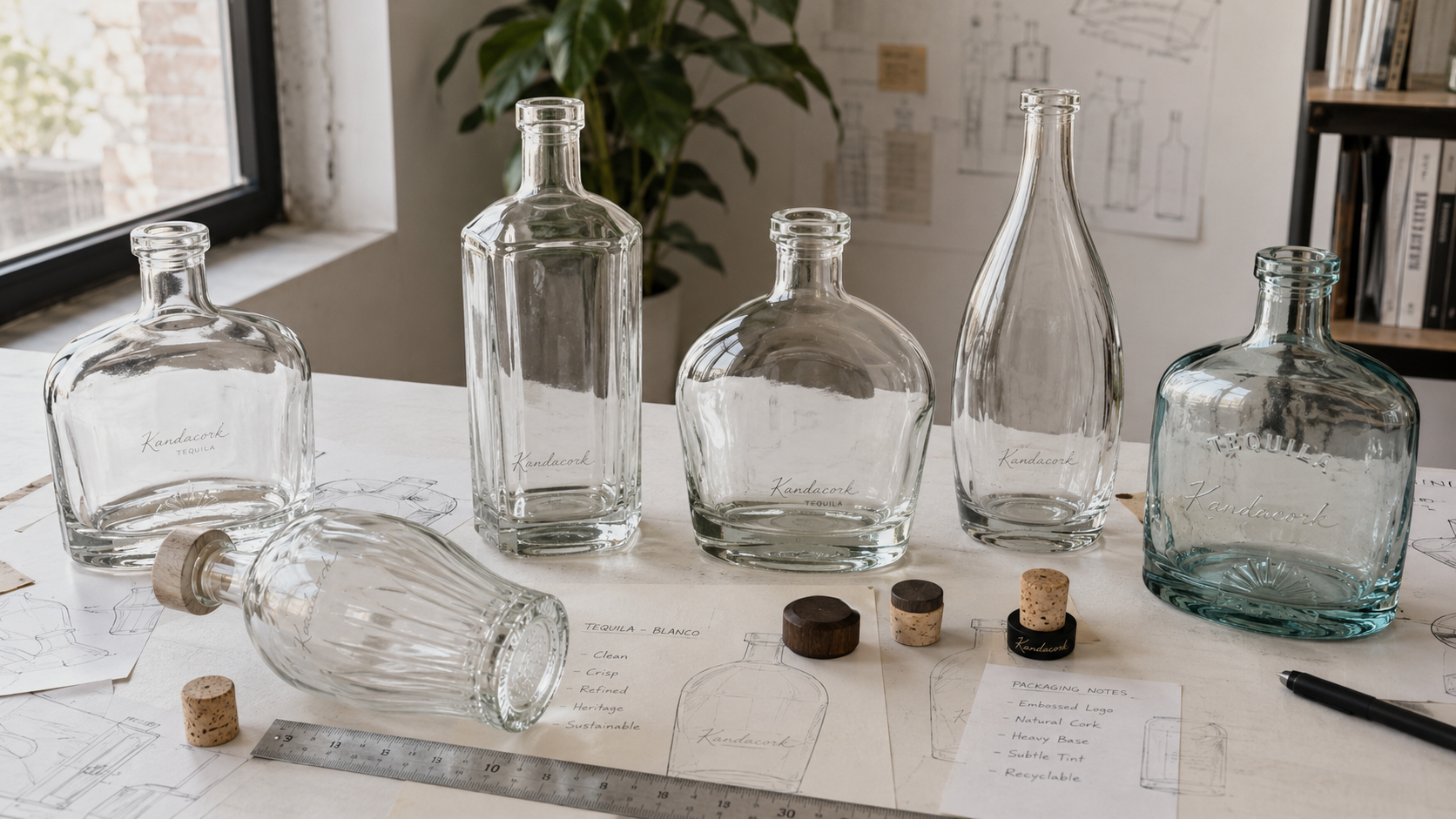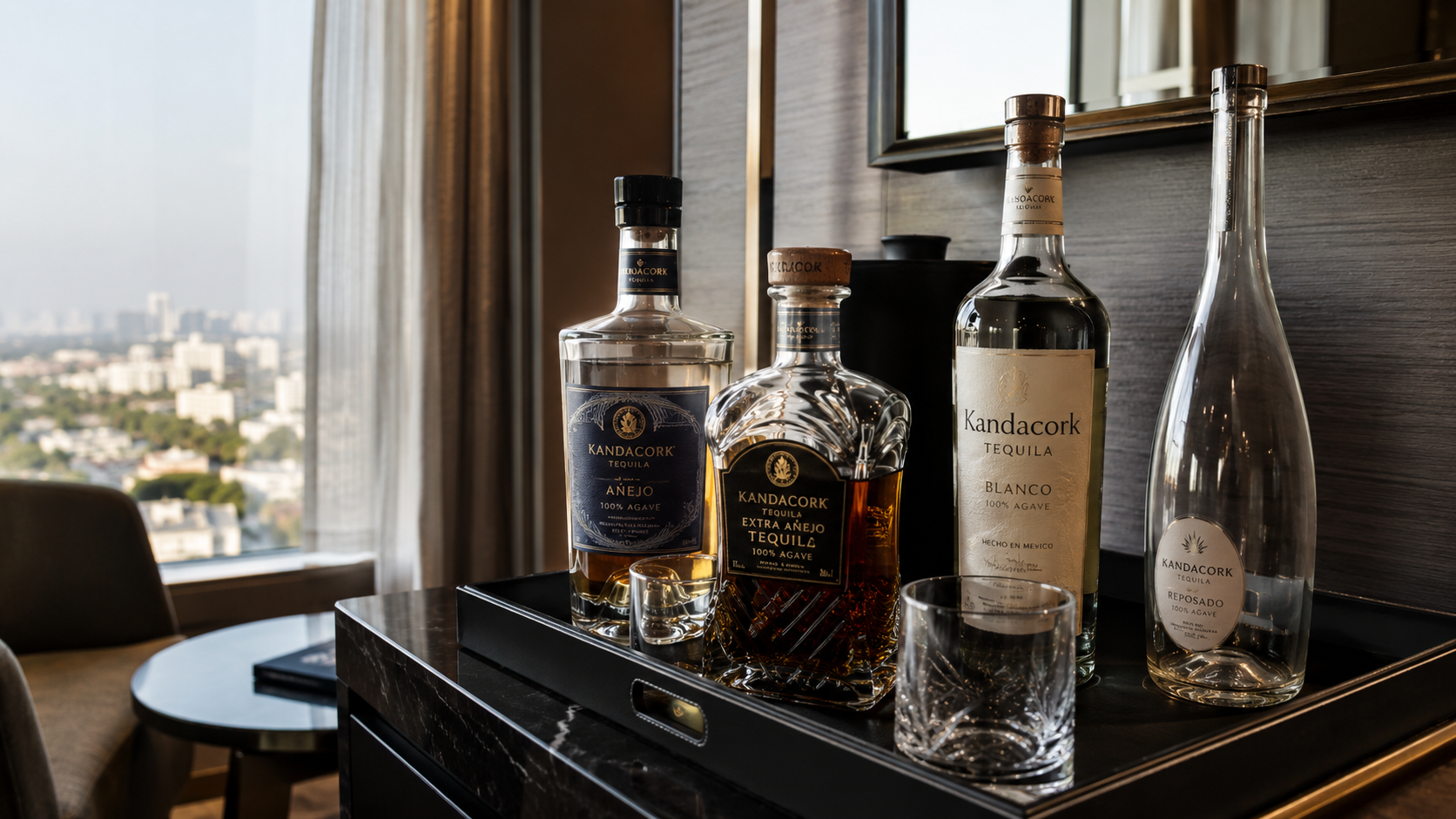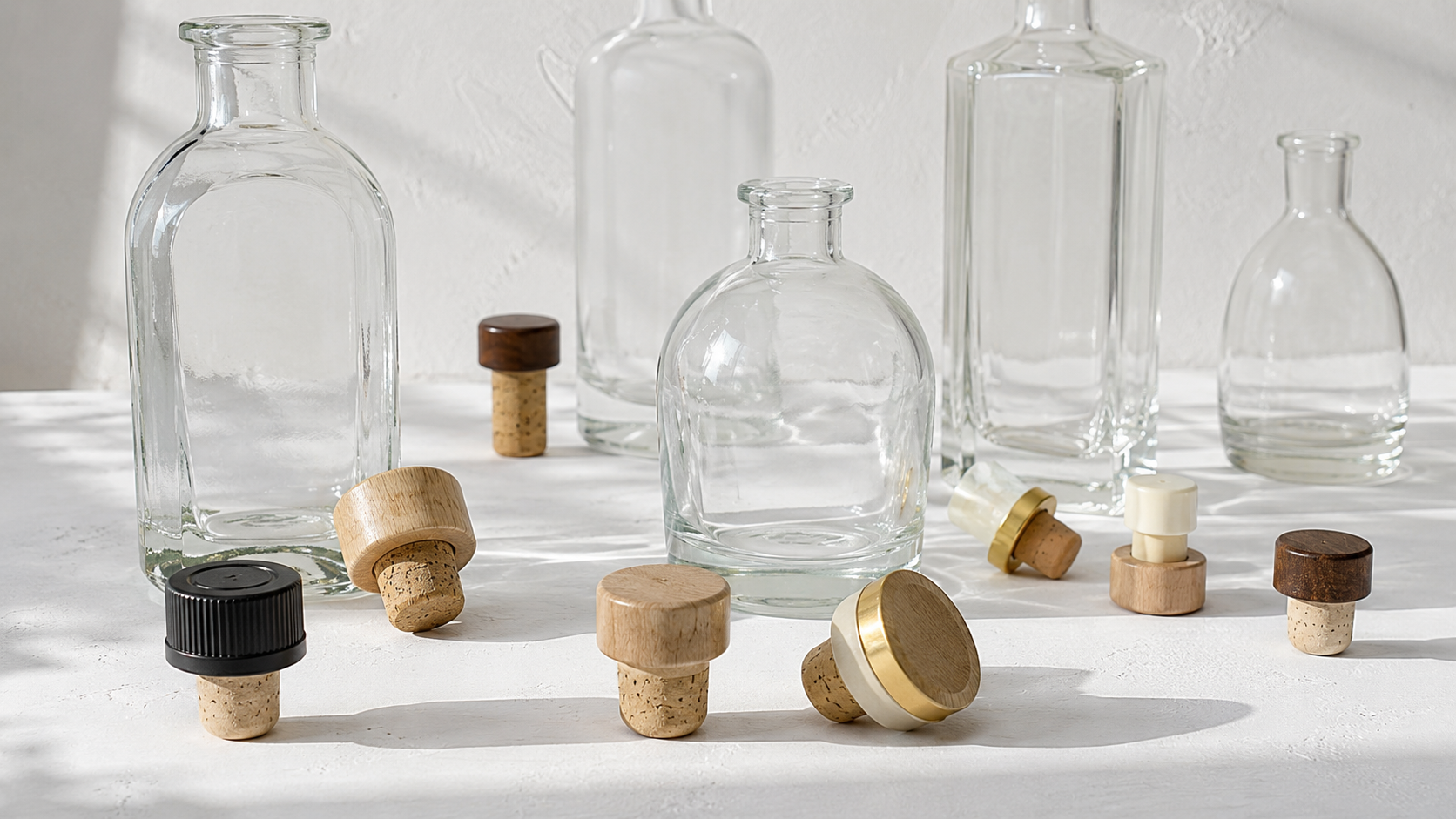
Custom closure projects usually move through bottle review, material selection, artwork confirmation, sampling, testing and bulk production. This guide explains the typical timeline and key approval points spirits brands should plan before ordering custom closures.
Why Bottle Closures Matter in Spirits Packaging
The closure is one of the first physical details a customer touches. For premium spirits, that small detail can communicate craftsmanship, quality, and trust before the bottle is opened.
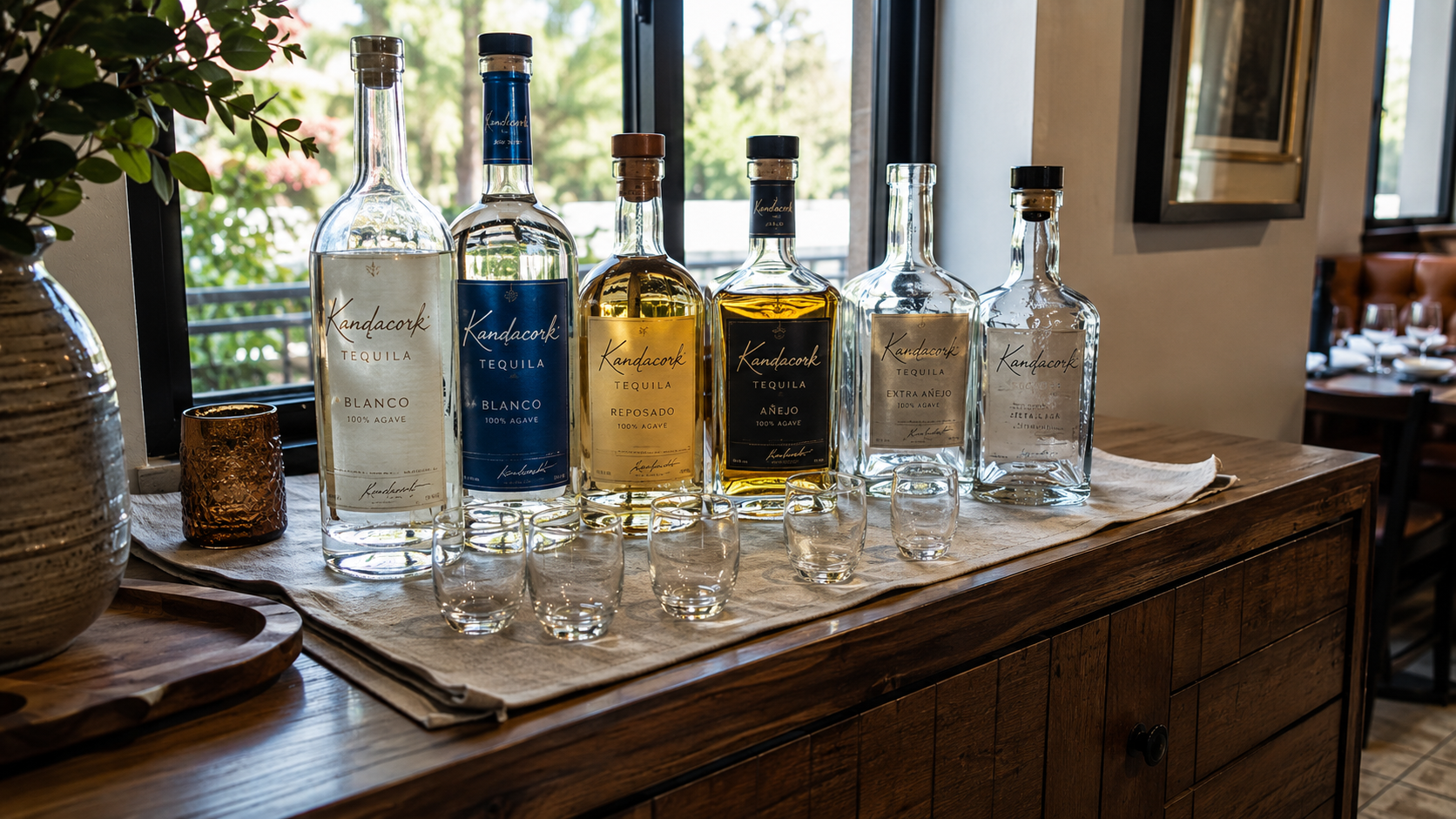
A craft whiskey brand may choose a dark wooden bar-top cork to create a warm, heritage-style impression. A vodka or gin brand may prefer aluminum or glass for a clean, modern look. A tequila, rum, or liqueur brand may use a heavier decorative stopper to create stronger shelf impact. For export spirits or duty-free channels, tamper-evident or non-refillable closures may be used to support brand protection.
Sealing performance matters as much as appearance. A closure should help reduce leakage risk, support aroma retention, fit the bottle neck correctly, and withstand normal shipping and handling conditions. For commercial spirits packaging, the best closure is the one that balances visual appeal with reliable line performance and consistent bulk supply.
Material suitability is also part of responsible packaging design. Buyers should evaluate materials that may contact beverages with reference to recognized food-contact frameworks such as the FDA food-contact packaging guidance in the United States and the European Commission food-contact material framework in the European Union.
For distilled spirits sold in regulated markets, closure selection should also be reviewed alongside packaging and label compliance. In the United States, the TTB distilled spirits labeling guidance is an important reference for brand owners, importers, and bottlers preparing products for sale.
Main Types of Custom Bottle Closures
A professional custom bottle closure supplier should offer multiple closure structures because bottle shape, filling method, product positioning, price target, and destination market can vary widely.
Bar-Top Cork Stoppers
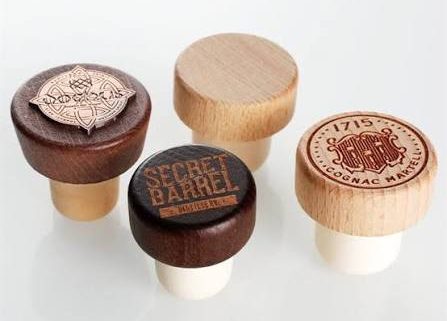
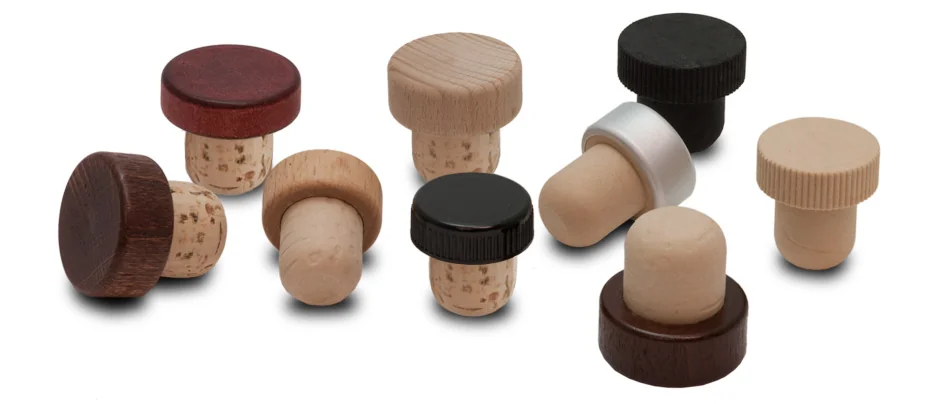
Bar-top cork stoppers are widely used for whiskey, bourbon, rum, tequila, gin, brandy, cognac, and liqueur bottles. A typical structure includes a decorative top and a cork, synthetic cork, or polymer shank that fits into the bottle neck.
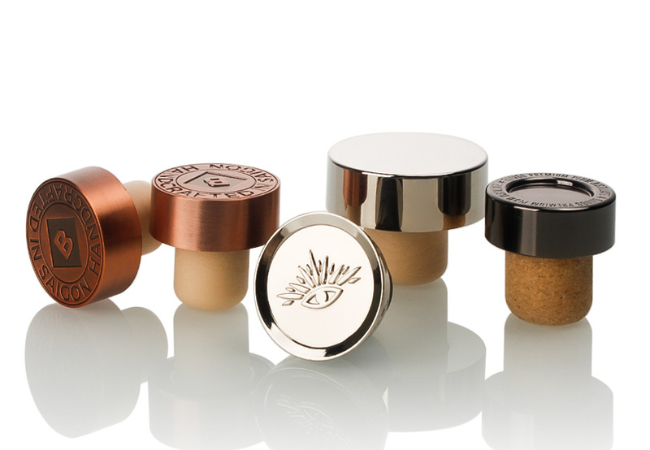
Common top materials include wood, aluminum, zamac, glass, plastic, and composite materials. Decoration options may include laser engraving, embossing, debossing, printing, color coating, hot stamping, and custom top profiles.
For bar-top stoppers, fit and feel are critical. The shank should insert smoothly, hold securely, and allow repeated opening without feeling loose or excessively tight. Sample testing is recommended before bulk production, especially when the bottle is newly developed or the closure requires a custom shape.
Wooden Bottle Stoppers
Wooden bottle stoppers are suitable for brands that want a natural, warm, handcrafted, or heritage-style appearance. They are especially popular for whiskey, rum, brandy, craft gin, tequila, and limited-edition spirits packaging.
Wooden tops can be paired with natural cork, synthetic cork, or polymer shanks. The surface can be stained, painted, varnished, laser engraved, debossed, or printed with a brand logo. For premium projects, wood tone, grain, surface finish, and logo placement should be reviewed carefully so the closure matches the label, bottle color, and gift box design.
Aluminum and Metal Closures
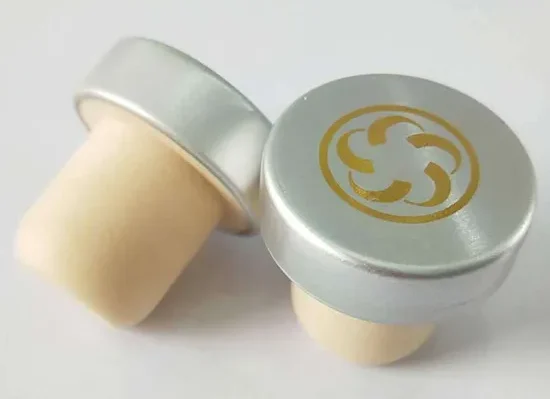
Aluminum and metal closures are suitable for brands that want a clean, modern, and premium look. They are often used for vodka, gin, tequila, wine, olive oil, and specialty beverage packaging.
Metal closures can be finished in matte, glossy, brushed, plated, anodized, embossed, debossed, or color-coated styles. For heavier luxury packaging, custom metal stoppers can add a solid hand feel and collectible impression, especially for limited-edition spirits, gift packs, and travel retail products.
Glass and Crystal Stoppers
Glass and crystal stoppers are often selected for luxury spirits, premium vodka, gin, tequila, brandy, perfume-style bottles, and collectible packaging. They create a strong display effect and can make the closure itself part of the brand story.
Custom glass stoppers can be developed with clear, frosted, colored, molded, or faceted effects. When used with a synthetic shank or engineered insert, they can combine visual value with practical bottle fit.
ROPP Caps and Screw Caps
ROPP caps, or roll-on pilfer-proof caps, are commonly used when brands need tamper evidence, consistent application, and efficient filling-line performance. Screw caps can also be used for spirits, wine, olive oil, vinegar, and specialty bottles.
Custom ROPP closures should be reviewed around the bottle neck finish, cap height, thread profile, liner choice, sealing surface, torque range, and capping equipment. For high-volume production, this technical review helps reduce problems during filling and closing.
Plastic and Composite T-Top Stoppers
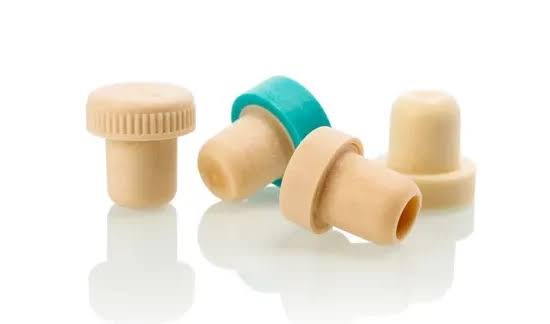
Plastic and composite stoppers are practical options when brands need consistent dimensions, flexible color matching, and controlled production cost. They can be used for mainstream spirits, RTDs, private-label liquor, promotional ranges, and multi-SKU packaging programs.
Plastic T-top stoppers can be paired with cork or synthetic shanks and customized with molded color, printing, logo details, or surface textures. They are useful when a buyer needs reliable fit and repeatable appearance across large order quantities.
Non-Refillable Closures
Non-refillable closures are used to reduce unauthorized refilling and support brand protection. They are especially relevant for liquor brands selling in markets where counterfeiting, channel control, or product authentication is a concern.
Non-refillable systems may include tamper-evident elements, valve structures, controlled-pour designs, anti-pull-out components, and branded security details. These solutions require more technical review than standard stoppers because the closure must match the bottle neck, product flow, user experience, and market requirements.
Custom Bottle Closure Comparison
The table below helps buyers compare common custom closure options before requesting samples.
| Closure Type | Best Applications | Common Materials | Custom Options | Buyer Notes |
|---|---|---|---|---|
| Bar-top cork stopper | Whiskey, rum, gin, tequila, brandy, liqueur | Wood, cork, synthetic cork, aluminum, zamac, glass | Logo engraving, embossing, color coating, custom top shape | Requires neck-fit testing and pull-out force review |
| Wooden bottle stopper | Craft spirits, premium whiskey, heritage packaging | Wood, natural cork, synthetic cork, polymer shank | Laser engraving, staining, varnishing, debossing, printing | Strong natural look with flexible branding options |
| Aluminum closure | Vodka, gin, wine, olive oil, modern spirits packaging | Aluminum, liner, plastic insert | Anodizing, embossing, hot stamping, printing, color matching | Good for clean visual identity and scalable production |
| Glass stopper | Luxury vodka, gin, tequila, gift bottles | Glass, synthetic shank, polymer insert | Frosted finish, molded shape, color effect, logo detail | Strong premium appearance and higher packaging value |
| ROPP cap | Spirits, wine, olive oil, vinegar, high-volume bottling | Aluminum, liner | Printing, embossing, color coating, tamper-evident band | Suitable for automated filling and tamper evidence |
| Screw cap | Beverage, food, specialty bottles, private label | Aluminum, plastic, liner | Logo printing, color matching, liner selection | Practical, cost-efficient, and easy to use |
| Non-refillable closure | Spirits markets with brand-protection needs | Aluminum, plastic, valve system, composite parts | Tamper-evident design, anti-refill structure, brand decoration | Useful for anti-counterfeiting and controlled pouring |
A comparison table is useful during early sourcing because it helps brand owners and purchasing teams choose a direction before investing in molds, samples, and decoration trials. Kandacork Closures can recommend a suitable option after reviewing the bottle drawing, neck size, product category, target market, and desired visual effect.
Technical Specification Checklist for Custom Bottle Closures
The right closure should be evaluated by both appearance and technical fit. A beautiful stopper may still create problems if the bottle neck, shank, liner, or filling process is not reviewed before mass production.
| Specification Item | Why It Matters |
|---|---|
| Bottle neck inner diameter | Determines shank or plug fit for bar-top closures |
| Bottle neck outer diameter | Affects cap balance, top diameter, and visual proportion |
| Neck finish or thread type | Required for ROPP caps, screw caps, and threaded closures |
| Closure top diameter | Affects grip, shelf appearance, and brand style |
| Closure height | Influences bottle proportion and packing design |
| Shank material | Affects insertion feel, sealing, compression, and pull-out force |
| Liner material | Important for screw caps, ROPP caps, sealing surface, and product compatibility |
| Surface finish | Supports brand identity and premium positioning |
| Logo method | Determines decoration clarity, durability, and cost |
| Color standard | Helps maintain batch-to-batch appearance consistency |
| Packing method | Protects closures during export shipment |
| Sample approval | Reduces production risk before bulk order confirmation |
For custom spirits packaging, early technical review can help avoid leakage, loose fit, excessive tightness, color mismatch, decoration errors, and filling-line problems.
Kandacork Custom Closure Capabilities
Kandacork Closures supports B2B buyers that need custom bottle closures for premium spirits, beverage packaging, private-label projects, and packaging distribution.
| Capability | Kandacork Support |
|---|---|
| Closure types | Bar-top corks, wooden stoppers, aluminum caps, glass stoppers, ROPP caps, screw caps, non-refillable closures |
| Materials | Wood, natural cork, synthetic cork, aluminum, zamac, glass, plastic, polymer, composite structures |
| Decoration | Laser engraving, embossing, debossing, printing, hot stamping, color coating, surface finishing |
| Technical support | Bottle drawing review, neck-size review, shank matching, liner selection, sample development |
| Production support | Standard options, custom mold options, bulk order production, inspection coordination |
| Buyer types | Spirits brands, distilleries, packaging distributors, private-label liquor projects |
| Export support | Protective carton packing, pallet packing, shipping document coordination, destination-market discussion |
The goal is to help buyers balance appearance, sealing performance, cost, MOQ, and production feasibility. A well-designed closure should look premium and work reliably in real commercial packaging projects.
Materials, Decoration, and Brand Presentation
A strong custom bottle closure supplier should help buyers choose materials that match technical needs, price targets, and brand positioning.
Natural cork gives a traditional and premium impression. Synthetic cork can provide more consistent shape, color, and compression. Wood creates a warm and craft-oriented appearance. Aluminum gives a clean, modern, and high-end feel. Zamac adds weight and a luxury hand feel. Glass creates a decorative and collectible effect. Plastic and polymer components can support functionality, cost control, and complex closure structures.
For projects that involve bottle decoration, label design, closure colors, capsules, foils, and packaging identity, brands can coordinate with Kandacork bottle decoration and branding to keep the closure style aligned with the bottle and outer packaging.
Common closure branding methods include:
- Laser engraving
- Embossing
- Debossing
- Screen printing
- Pad printing
- Hot stamping
- Color coating
- Anodized finish
- Metal badge application
- Custom molded logo
- Top insert decoration
- Side logo decoration
The best decoration method depends on closure material, logo complexity, order quantity, surface shape, and target price. For premium spirits packaging, the closure should visually match the bottle shape, label material, carton design, and overall brand story.
Packaging Engineering Details for Custom Bottle Closures
For spirits packaging, closure development should consider shank compression, insertion feel, cap diameter, bottle-neck tolerance, closure height, liner compatibility, filling-line speed, carton protection, and export shipment conditions.
For bar-top cork stoppers, the focus is usually neck fit, pull-out feel, top appearance, and repeat opening. For ROPP caps, the focus is neck finish, liner compatibility, cap application, tamper-evident band behavior, and filling-line performance. For non-refillable closures, the focus is security structure, controlled pouring, tamper evidence, and market requirements.
Packaging sustainability can also be considered during material selection and logistics planning. The ISO 18601 packaging and environment standard provides a recognized framework for considering packaging and environmental requirements, while buyers using wooden components may also consider whether responsible forestry claims or documentation are relevant to their market through systems such as the FSC responsible forestry system.
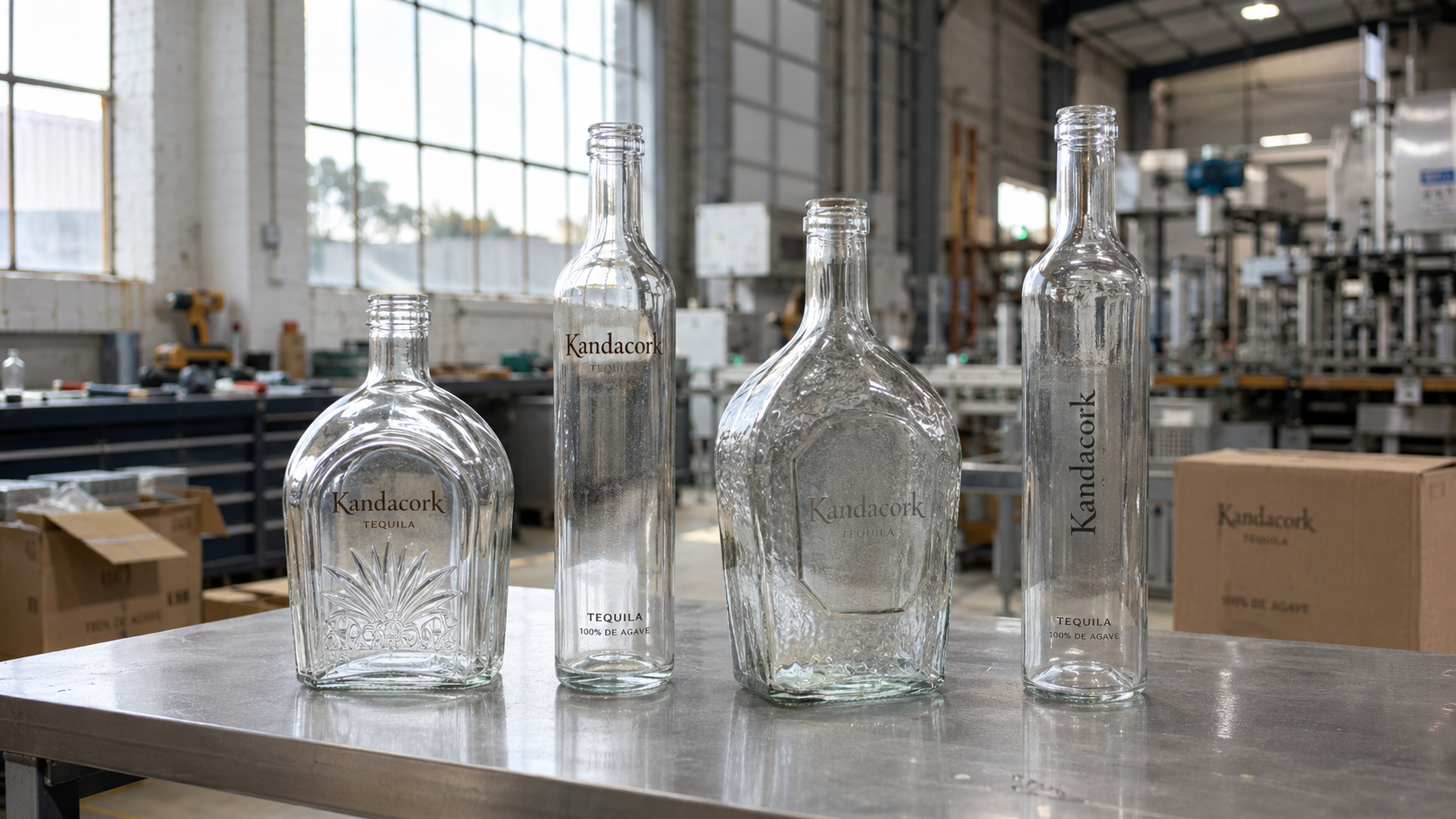
For brands developing bottles and closures together, Kandacork Spirits can support spirits bottle development, neck-finish planning, closure fit, and packaging coordination for whiskey, vodka, gin, rum, tequila, liqueur, and related categories.
Kandacork Closures Custom Project Workflow
Kandacork Closures supports buyers from early concept development to bulk shipment. The workflow is designed to make sourcing clearer for spirits brands, distilleries, private-label companies, and packaging distributors.
Project Briefing
The buyer sends bottle drawings, product category, preferred closure style, logo file, target quantity, destination market, and expected launch schedule.
Closure Recommendation
Kandacork Closures reviews the bottle neck, brand positioning, budget, and target application. The team recommends suitable closure structures, materials, decoration methods, and sample options.
Design and Sampling
A sample plan is created based on available standard parts or custom tooling requirements. The buyer can review material, color, logo position, surface finish, and closure fit before moving to bulk production.
Fit and Appearance Testing
Samples are checked for bottle-neck compatibility, insertion feel, pull-out performance, appearance, decoration accuracy, and packing protection. For ROPP caps or screw caps, liner and sealing compatibility should also be reviewed.
Bulk Production
After sample approval, production is arranged according to confirmed specifications. Important details include material, dimensions, decoration method, color standard, packing method, carton requirements, and inspection criteria.
Inspection and Export Packing
Finished closures are checked for appearance consistency, logo accuracy, surface quality, size tolerance, packing protection, and carton labeling. Export packing can be arranged according to order size and delivery schedule.
MOQ, Sample, and Lead Time Considerations
MOQ and lead time depend on closure material, mold requirements, decoration method, order quantity, and production complexity. Standard wooden or synthetic stoppers usually have simpler sampling requirements. Custom molded glass, zamac, aluminum, and non-refillable closures may require additional tooling and longer preparation time.
| Closure Project Type | Sampling Complexity | MOQ Consideration | Lead Time Consideration |
|---|---|---|---|
| Standard wooden or synthetic stopper | Lower | Usually more flexible | Faster if standard components are available |
| Custom logo wooden stopper | Medium | Depends on decoration method | Sampling needed for logo, color, and surface finish |
| Aluminum ROPP cap or screw cap | Medium | Depends on size, color, and printing | Requires neck finish and liner confirmation |
| Glass or crystal stopper | Higher | Usually higher for custom shapes | May require mold or special finishing time |
| Zamac luxury stopper | Higher | Usually higher due to material and tooling | Requires sample confirmation and surface finishing |
| Non-refillable closure | Higher | Depends on structure and components | Requires technical review and compatibility testing |
For B2B buyers, it is better to confirm expected quantity, launch schedule, and target price early. This allows Kandacork Closures to recommend a practical option instead of overdesigning the closure or choosing a process that does not match the order size.
Quality Control and Export Packaging
Quality control is essential because small closure defects can affect sealing, shelf appearance, filling-line performance, and brand reputation.
Kandacork Closures can support practical QC checks such as:
- Material confirmation
- Dimension inspection
- Bottle-fit review
- Surface finish check
- Color consistency check
- Logo position check
- Printing or engraving quality check
- Pull-out force review
- Liner or shank compatibility review
- Packing protection review
- Carton marking confirmation
For projects that require bottles, jars, closures, accessories, and export-ready packing beyond spirits-only applications, Kandacork Glass Packaging can support broader custom glass packaging programs for beverage, gourmet, beauty, personal care, and home fragrance categories.
Real-World Closure Examples for Spirits Brands
Different spirits categories often need different closure solutions. These examples show how brands may choose closures based on product positioning and packaging goals.
Whiskey and Bourbon
A whiskey or bourbon brand may choose a dark wooden bar-top cork with laser engraving. This creates a heritage-style look and gives the consumer a warm, premium opening experience. A heavier zamac-top stopper can also be used for limited-edition whiskey packaging.
Vodka and Gin
A vodka or gin brand may prefer a glass stopper, aluminum closure, or minimalist bar-top cork. These options support a clean, modern, and premium visual identity. Clear glass, frosted glass, silver aluminum, and matte black finishes are common directions for this category.
Tequila and Mezcal
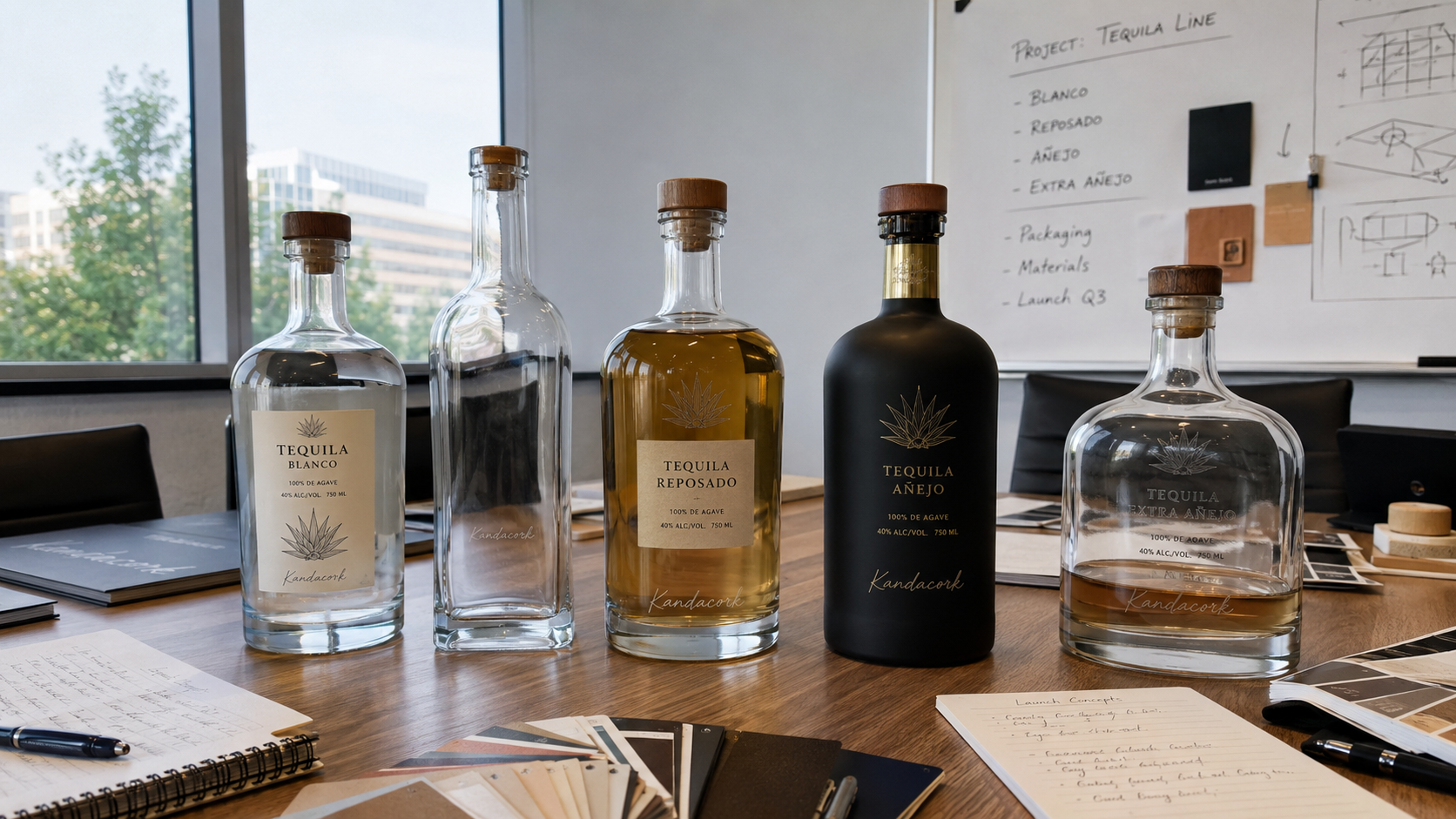
A tequila or mezcal brand may use a custom molded stopper, decorative wooden top, or metal-top cork to create strong shelf recognition. For premium tequila, a heavier closure can make the bottle feel more collectible and gift-ready.
Rum, Brandy, Cognac, and Liqueurs
Rum, brandy, cognac, and liqueur brands often use premium cork stoppers, aluminum tops, zamac tops, or color-matched closures. These options support rich packaging themes, gift cartons, limited editions, and premium retail displays.
Wine, Olive Oil, Vinegar, and Specialty Bottles
ROPP caps, screw caps, cork stoppers, and decorative closures can also be used for wine, olive oil, vinegar, and specialty food packaging. These categories may require different liner choices, cap sizes, and filling-line considerations.
RFQ Requirements for Faster Quotation
A clear RFQ helps a custom bottle closure supplier provide faster and more accurate recommendations.
Prepare the following details before requesting a quote:
- Bottle drawing or bottle sample
- Bottle neck inner diameter
- Bottle neck outer diameter
- Bottle neck finish or thread type
- Closure type
- Top material preference
- Shank or liner material preference
- Logo file
- Decoration method
- Surface finish
- Estimated order quantity
- Target market
- Required compliance documents
- Packing requirements
- Delivery deadline
- Shipping destination
If the closure structure is not yet confirmed, Kandacork Closures can review bottle photos, product category, and brand positioning to suggest suitable options.
FAQ
What is a custom bottle closure supplier?
A custom bottle closure supplier provides bottle caps, corks, stoppers, and closure systems designed around a brand’s bottle size, product type, sealing needs, logo design, and order quantity. For spirits brands, this may include bar-top corks, wooden stoppers, aluminum caps, glass stoppers, ROPP caps, screw caps, and non-refillable closures.
How do I choose the right bottle closure for spirits?
Choose the right spirits closure by matching the bottle neck, product type, sealing requirement, brand style, filling process, and target market. Premium spirits brands often compare wooden stoppers, bar-top corks, aluminum caps, glass stoppers, ROPP caps, and non-refillable closures before ordering samples.
Can I add my logo to a custom bottle closure?
Yes. Logo decoration can be applied through laser engraving, embossing, debossing, screen printing, pad printing, hot stamping, metal badges, color coating, or custom mold development. The best method depends on closure material, logo complexity, order quantity, and budget.
What is the MOQ for custom bottle closures?
MOQ depends on closure type, material, mold requirement, decoration process, and order volume. Standard wooden or synthetic stoppers may have lower MOQs, while custom molded glass, zamac, aluminum, or non-refillable closures usually require higher quantities.
Can Kandacork Closures match closures with my bottle?
Yes. Kandacork Closures can review bottle drawings, bottle neck measurements, photos, or physical samples to recommend suitable closure options. For custom spirits packaging projects, sample testing is recommended before bulk production.
Are custom closures suitable for export spirits brands?
Yes. Custom closures are suitable for export spirits brands when they are designed with proper bottle fit, material selection, food-contact consideration, packing protection, and market requirements. Buyers should confirm local compliance details with importers, testing partners, or regulatory consultants.
What information should I send for a fast quote?
Send your bottle drawing, neck size, closure type, material preference, logo file, decoration method, estimated order quantity, destination market, packing requirements, and delivery schedule. This helps Kandacork Closures recommend suitable options and prepare a more accurate quotation.