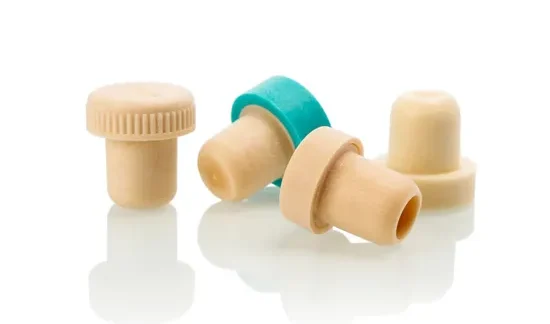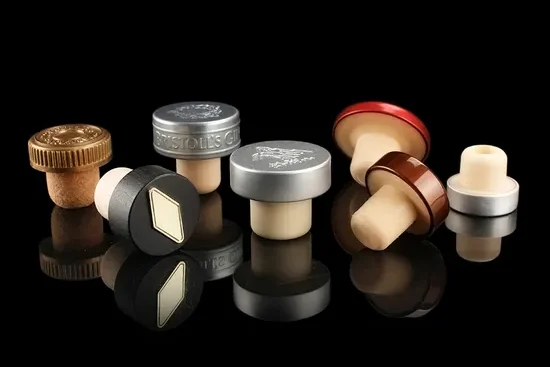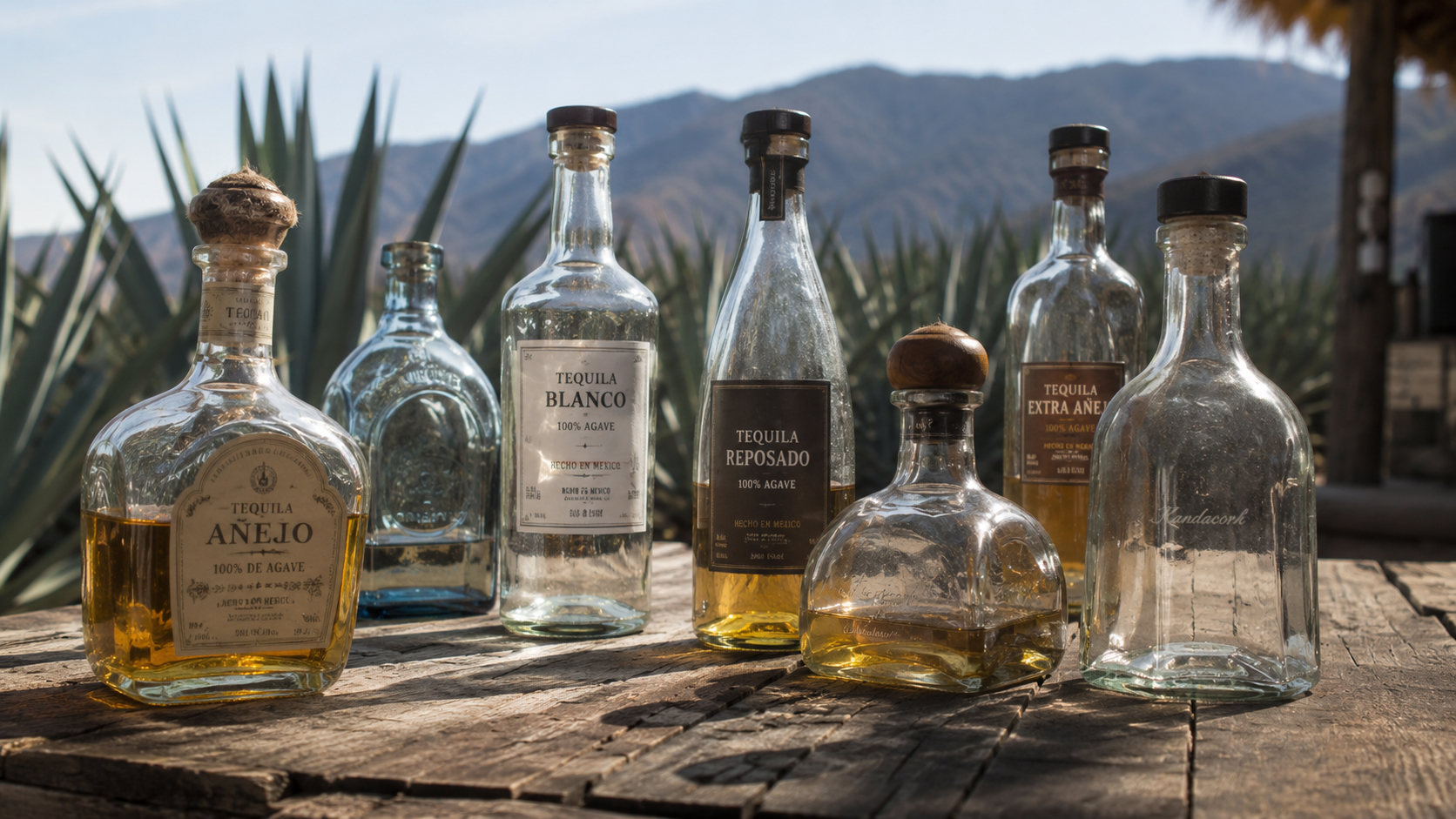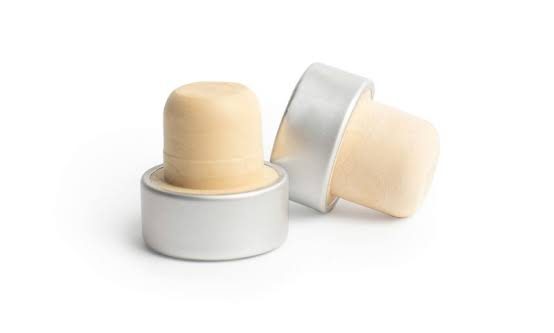
Quick Answer: What Are Non-Refillable Closures?
Non-refillable closures are secure bottle caps or pourer systems that allow liquid to pour out while making unauthorized refilling difficult, impractical, or visibly detectable. They are widely used for spirits, liqueurs, premium olive oil, and other high-value liquid products where authenticity, tamper evidence, controlled pouring, and brand protection matter.
In the packaging industry, they may also be called NRF closures, NRC closures, anti-refill closures, anti-counterfeit bottle caps, security pourer caps, or non-refillable pourer closures. For spirits brands, these systems are not just packaging accessories. They help protect the value of the liquid, the bottle, the label, and the reputation behind the brand.
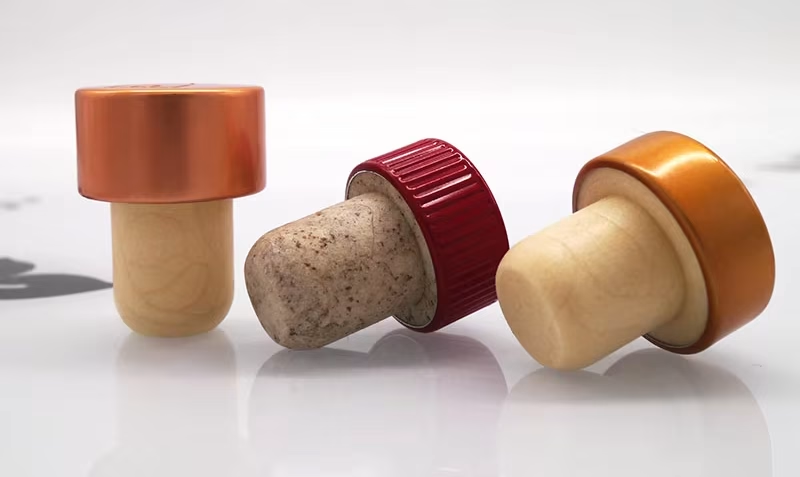
Kandacork develops non-refillable closures for spirits brands that need anti-refill protection, tamper-evident opening, controlled pour performance, custom decoration, and reliable bottle-neck fit.
Why Non-Refillable Closures Matter for Spirits Brands
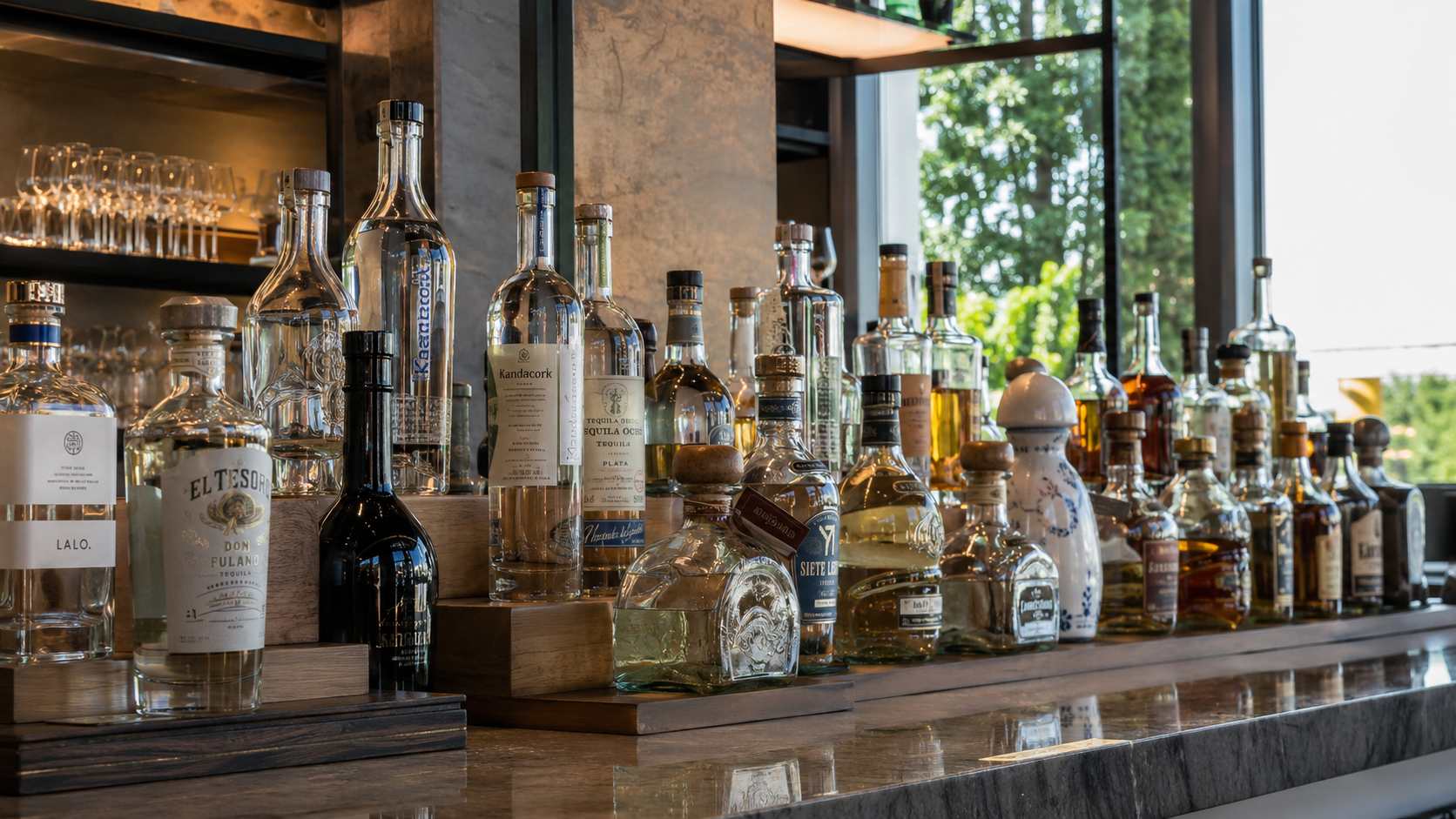
Premium spirits packaging can retain value after the original product has been consumed. A distinctive whisky bottle, a luxury tequila decanter, a decorated rum bottle, or a recognizable vodka package may be reused if the closure does not restrict refilling. When an empty branded bottle is filled with a lower-quality or unsafe liquid, the original brand may still be blamed for poor taste, inconsistent alcohol strength, leakage, or a suspicious drinking experience.
This is why anti-refill packaging is especially important in retail, hospitality, duty-free, export, and distributor-heavy markets. In these channels, the bottle may pass through multiple hands before and after opening. A secure closure creates a physical barrier at the bottle mouth, helping make bottle reuse harder and tampering easier to notice.
The purpose is not only to block counterfeit activity. A well-selected closure also improves trade confidence. Importers, distributors, retailers, hotels, restaurants, and bars all want packaging that feels professional, opens predictably, pours cleanly, and supports brand trust from shelf to service.
How Non-Refillable Closures Work
Most anti-refill closures combine several functions: sealing, tamper evidence, controlled flow, mechanical restriction, and secure fit inside or around the bottle neck. The exact structure depends on the closure format, bottle finish, filling line, spirit type, and market risk.
Internal Pourer Insert
An internal pourer insert sits inside the bottle neck and controls liquid flow. It can reduce glugging, limit splashing, improve pour consistency, and support a cleaner serving experience for bartenders and consumers.
In many security designs, the insert also supports the anti-refill function. Once applied, it is difficult to remove without damaging the closure or making tampering visible. This helps prevent the bottle from being opened, cleaned, and reused without obvious evidence.
One-Way Valve or Ball-Cage System
Some non-refillable closures use a one-way valve, ball-cage structure, or flow-control mechanism. These components allow liquid to flow outward when the bottle is tilted, but they restrict reverse filling when someone attempts to pour another liquid back into the bottle.
This structure is useful for premium spirits sold in high-exposure environments such as bars, clubs, hotels, secondary distribution channels, travel retail, and export markets.
Tamper-Evident Band or Breakable Bridge
Tamper evidence shows whether the closure has been opened. Common features include breakable bridges, pilfer-proof bands, tear-off rings, security strips, or visible first-opening indicators.
Tamper evidence and non-refillability are related but different. A tamper-evident cap can show that a bottle has been opened, but it may not stop refilling after opening. A true anti-refill system adds a mechanical barrier to restrict reuse. For premium spirits, the strongest approach usually combines both.
Aluminum Shell, Insert, Liner, and Sealing Parts
Many spirits closures use an aluminum outer shell with internal plastic, polymer, or liner components. The shell provides structure and decoration. The insert controls pouring and refill resistance. Liners, plugs, sealing surfaces, and internal bore fitments help manage leakage and bottle compatibility.
Important engineering details include inner bore diameter, outer neck diameter, thread profile, bead height, sealing land, liner compression, bridge break force, application torque, opening torque, cap skirt height, and capping-head compatibility.
Non-Refillable Closures vs Other Bottle Closures
| Closure Type | Main Function | Refill Protection | Best Use Case |
|---|---|---|---|
| Standard screw cap | Sealing and resealing | Low | Low-risk beverages and simple retail packaging |
| Tamper-evident cap | Shows first opening | Medium | Retail spirits, wine, olive oil, and beverage products |
| ROPP closure | Aluminum cap with pilfer-proof function | Depends on structure | High-speed bottling and export packaging |
| Non-refillable ROPP closure | Tamper evidence plus anti-refill insert | High | Spirits brands needing line efficiency and security |
| Bar-top stopper | Premium resealing experience | Low unless combined with extra security | Craft spirits, luxury releases, and gift packaging |
| Security pourer closure | Controlled pour plus refill resistance | High | Premium liquor bottles, hospitality, and duty-free markets |
A standard screw cap is mainly designed to seal and reseal the bottle. It may be cost-effective and familiar, but it does not usually stop someone from refilling the bottle after opening.
A tamper-evident cap shows first opening, but the bottle may still be refillable after the band breaks. This is useful for retail safety, but it may not be enough for spirits brands exposed to refill fraud.
A roll-on pilfer-proof closure can be a strong technical choice for bottling efficiency. Kandacork’s custom ROPP closures can be matched to glass finish, liner requirements, torque range, and capping-line setup, and anti-refill functions can be added where the project requires stronger security.
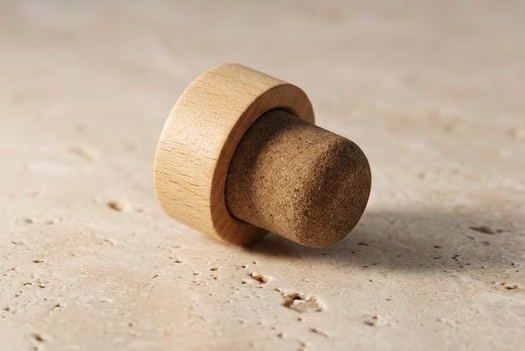
Bar-top stoppers create a premium opening and resealing experience, especially for craft spirits and luxury bottles. However, most standard stoppers are not designed to prevent refilling unless paired with added tamper-evident or anti-refill packaging.
Main Types of Anti-Refill Closures
Non-Refillable ROPP Closures
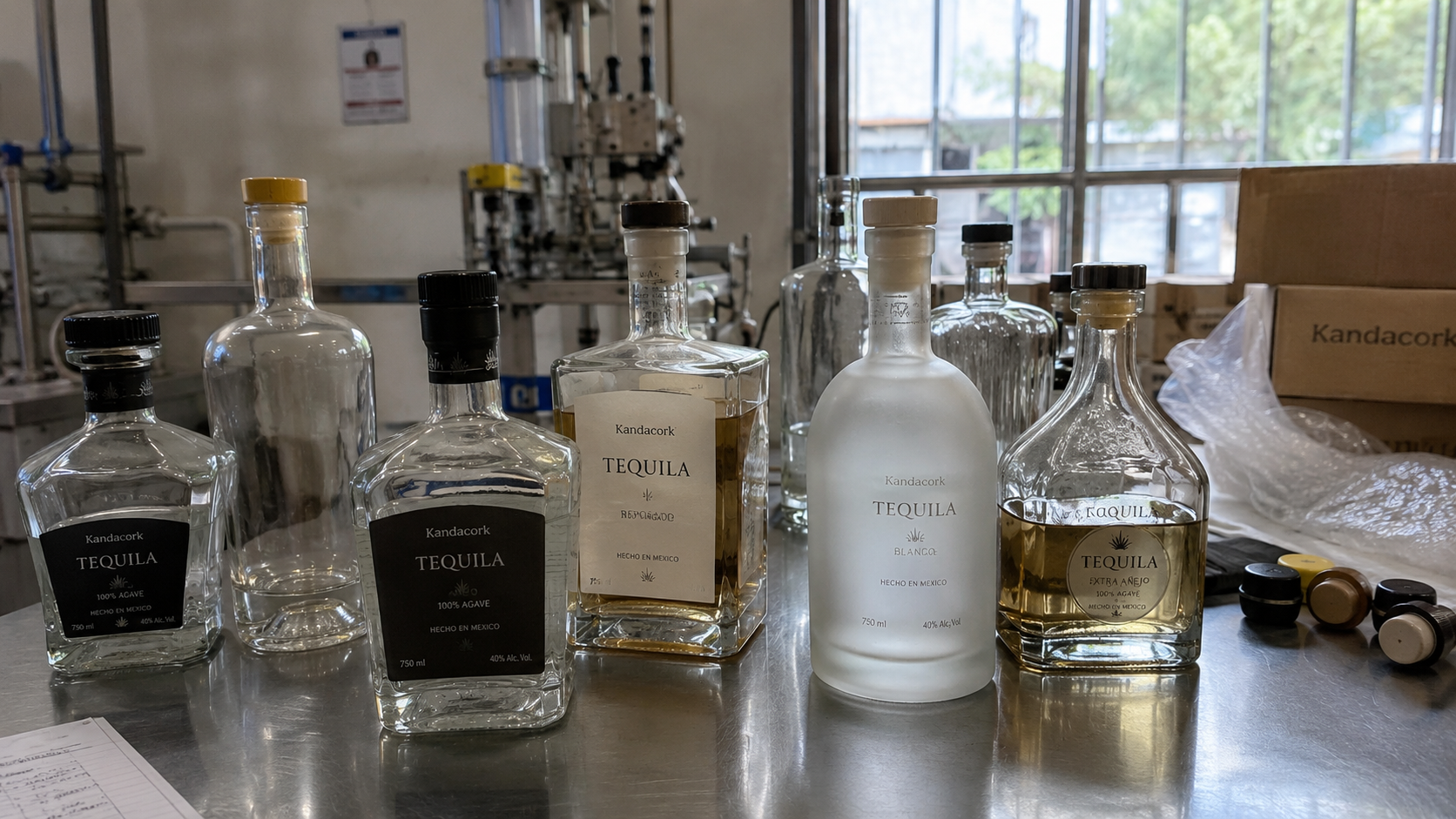
Non-refillable ROPP closures are suitable for spirits brands that need aluminum cap appearance, high-speed application, pilfer-proof opening, and internal refill resistance. They are commonly used for vodka, whisky, rum, gin, tequila, brandy, liqueurs, and export spirits.
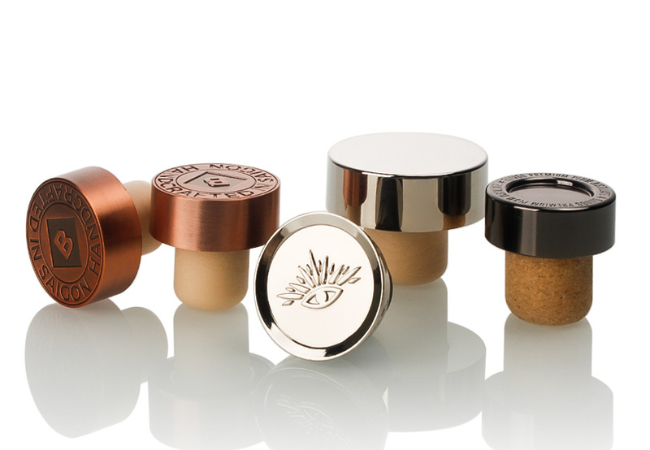
These closures can support color coating, top printing, side printing, embossing, debossing, matte finishes, metallic finishes, and brand-specific decoration. They are practical when the buyer wants both technical security and strong shelf presentation.
Non-Refillable Screw Cap Closures
Secure screw cap closures provide a familiar twist-off experience while adding internal anti-refill features. They can work well for mainstream spirits, private-label alcohol, selected RTD beverage extensions, and export bottles where convenience and controlled opening behavior are important.
Snap-On Security Closures
Snap-on anti-refill caps are designed to lock onto specific bottle necks. They can be useful when the closure needs strong mechanical engagement rather than relying only on threads.
Because snap-on systems depend heavily on neck dimensions, buyers should provide bottle drawings, production bottle samples, and tolerance information before tooling or bulk production.
Hidden Pourer Insert Systems
Some brands place a security pourer under a decorative capsule, sleeve, or outer closure. This helps preserve a traditional premium appearance while adding internal refill resistance.
This approach can be useful for brands that want a clean luxury look without making the bottle appear overly technical. It also allows closure security to work alongside broader packaging decisions, such as custom glass structure, label design, and neck decoration.
Which Products Should Use Non-Refillable Closures?
Anti-refill closures are most useful for liquid products with high brand value, refill risk, or authenticity requirements. Common applications include whisky, vodka, rum, gin, tequila, mezcal, brandy, cognac, liqueurs, bitters, aperitifs, premium olive oil, duty-free spirits, hotel channel bottles, export spirits, and limited-edition releases.
A brand should consider a secure closure system when the bottle itself has resale value, the product moves through complex distribution channels, or the target market has known risks of counterfeit activity and unauthorized refilling.
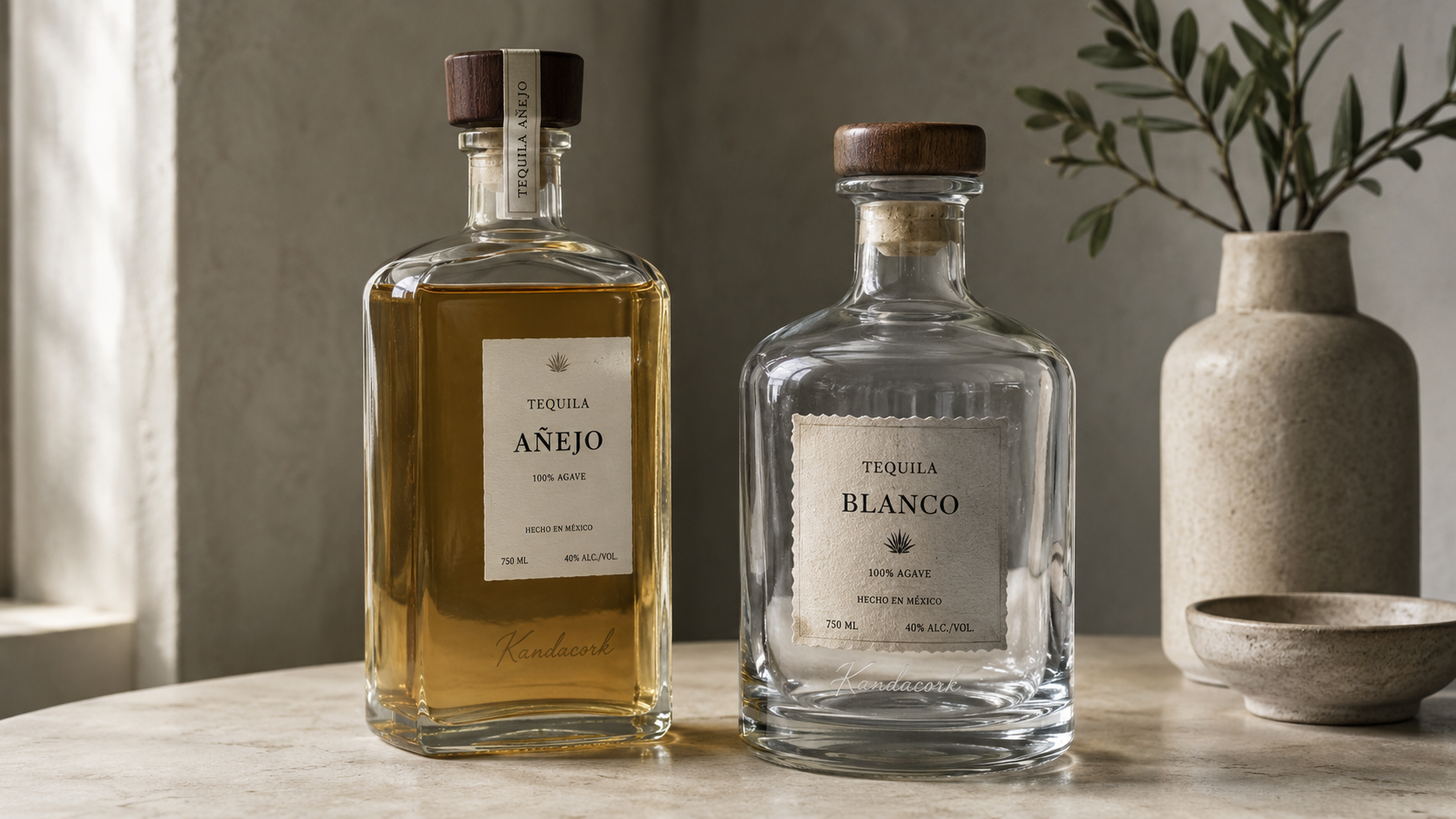
The bottle also matters. A distinctive custom glass shape can increase shelf recognition, but it can also make the empty bottle more attractive for misuse. Brands developing custom spirits bottles should review closure security early so the bottle neck, closure structure, and decoration plan are aligned before sampling.
Best Closure Direction by Buyer Need
| Buyer Need | Recommended Direction |
|---|---|
| High-volume spirits production | Non-refillable ROPP closure |
| Premium shelf appearance | Decorated aluminum security closure |
| Smooth bartender pouring | Controlled-flow pourer insert |
| High-risk export market | Tamper-evident anti-refill system |
| Luxury bottle design | Hidden pourer insert under decorative closure |
| Cost-sensitive retail spirits | Tamper-evident cap with selected security features |
| Distributor-heavy market | Visible first-opening evidence plus refill restriction |
| Private-label spirits launch | Customizable closure with reliable sampling support |
This table should be used as a starting point. Final closure selection should always be based on bottle-neck finish, liquid compatibility, capping equipment, market risk, decoration requirements, compliance needs, and bulk production testing.
Key Buying Factors for Non-Refillable Closures
Bottle Neck Finish
The bottle neck finish controls closure compatibility. Important details include outer diameter, inner bore, thread profile, bead height, sealing land, neck height, and tolerance range.
Buyers should provide technical drawings whenever possible. Physical bottle samples are strongly recommended because actual production bottles may vary slightly from drawings, especially across different glass molds or suppliers.
Liquid and Alcohol Compatibility
Spirits contain alcohol, botanicals, sugars, acids, oils, colorants, aroma compounds, and other ingredients that may interact with closure materials. A closure used for neutral vodka may not face the same compatibility conditions as one used for cream liqueur, spiced rum, herbal bitters, or botanical gin.
For closures or inserts that may contact the liquid, buyers should review relevant food-contact expectations. In the United States, the FDA packaging and food contact substances program provides information for substances used in food packaging and related contact applications. For European market projects, buyers may also need to consider the European Commission food contact materials framework.
Pour Flow and Drip Control
A secure closure should not create a poor user experience. Bartenders and consumers expect clean pouring, controlled flow, and minimal dripping.
Testing should review pour-flow rate, glugging, splash behavior, air return, drip control, and performance at different fill levels. A closure that protects against refilling but pours too slowly may not be suitable for hospitality use.
Capping-Line Compatibility
The closure must run correctly on the filling line. Buyers should confirm whether the cap will be applied with ROPP equipment, screw capping machines, snap-on applicators, semi-automatic equipment, or manual sampling tools.
Production factors include application torque, roller profile, capping-head pressure, vertical alignment, bottle stability, cap feeding, line speed, and defect rate. A closure that works during hand sampling may still need line trials before mass production.
Decoration and Brand Presentation
Security should not weaken shelf appeal. Many anti-refill caps can be customized with printing, color coating, embossing, debossing, hot stamping, top discs, metallic effects, matte textures, glossy finishes, and premium surface treatments.
Buyers planning premium packaging can coordinate closure color, cap finish, bottle shape, label design, and secondary packaging. For projects that require more advanced neck and cap presentation, dedicated closure decoration and branding support can help align technical function with visual identity.
Common Closure Selection Mistakes
One common mistake is choosing a closure before confirming the bottle neck finish. A cap may look suitable in a catalog but fail during testing if the inner bore, thread profile, bead height, or sealing land does not match the closure structure.
Another mistake is assuming that tamper-evident means non-refillable. A tamper-evident band can show first opening, but it may not prevent the bottle from being refilled after opening. Brands facing refill risk should confirm whether the closure includes a true anti-refill insert, valve, or flow-restriction system.
Some buyers approve decoration before confirming technical fit. This can create delays if the closure needs structural adjustment after artwork, color matching, or embossing preparation has already started.
Skipping bottle sample testing is another major risk. Even when drawings look correct, real production bottles may have small dimensional differences. Those differences can affect liner compression, torque, leakage, pour flow, or tamper-evident break behavior.
Ignoring filling-line compatibility can also create production problems. A closure that works during manual sampling may not run smoothly at full line speed. Buyers should check capping-head setup, roller profile, cap feeding, vertical pressure, torque consistency, and bottle stability before confirming bulk production.
Technical Problems a Strong Closure Partner Helps Prevent
Closure problems often appear only after real testing. If the inner bore is too narrow, a pourer insert may deform during application. If the sealing land is uneven, the closure may look correct but fail an inversion leak test. If torque is inconsistent, the tamper-evident band may break too early or become difficult for consumers to open.
Poor bridge design can create weak first-opening evidence. A cap may open without a clear visual break, reducing consumer confidence. In other cases, the bridge may be too strong, creating a frustrating opening experience.
Pour-flow problems can also affect user satisfaction. A badly matched insert may cause slow pouring, dripping, splashing, glugging, or inconsistent flow at different fill levels. For bars and restaurants, these issues can affect service speed and perceived product quality.
Decoration problems are another risk. Metallic finishes, matte coatings, printed logos, and embossed details should remain consistent after capping, packing, transport, and handling. If the cap surface scratches easily or the print alignment varies, the product may lose its premium appearance before reaching the shelf. Buyers working on integrated bottle programs can reduce risk by coordinating closure selection with custom glass bottle manufacturing and decoration planning from the start.
How to Evaluate a Non-Refillable Closure Supplier
Choosing the right supplier is as important as choosing the right cap structure. A capable closure partner should support both technical validation and brand presentation.
A qualified supplier should be able to review bottle-neck drawings, recommend suitable structures, provide samples, explain capping requirements, support decoration development, and help identify risks before bulk production. Buyers should also ask about quality control, inspection standards, repeat-order consistency, and export packaging experience.
Quality management matters because closure performance depends on repeatability. The ISO 9001 quality management standard is widely used by manufacturers to structure quality systems and improve consistency, customer satisfaction, and continual improvement.
Important supplier evaluation criteria include bottle-neck engineering support, sample testing process, experience with spirits closures, decoration capability, food-contact documentation support, export packaging knowledge, capping-line compatibility review, clear MOQ communication, and practical guidance on leakage, torque, pour flow, and tamper-evident performance.
For business buyers, the cheapest cap is not always the best option. A poor-fitting closure can create leakage, failed tamper evidence, inconsistent opening force, production stoppages, or customer complaints. A technically matched closure can reduce these risks and support smoother commercialization.
Testing Checklist Before Bulk Production
Before placing a large order, brands should test the closure under real production and distribution conditions.
| Test Item | Purpose |
|---|---|
| Bottle fit test | Confirms dimensional compatibility |
| Leak test | Checks sealing performance |
| Inversion test | Reviews leakage under storage stress |
| Opening-force test | Confirms consumer usability |
| Torque review | Checks capping and opening consistency |
| Tamper-evident break test | Confirms first-opening visibility |
| Anti-refill function check | Reviews refill resistance |
| Pour-flow test | Confirms smooth dispensing |
| Drip-control test | Evaluates cleanliness after pouring |
| Transport simulation | Reviews shipping durability |
| Capping-line trial | Confirms production compatibility |
| Visual inspection | Checks printing, color, scratches, and dents |
Testing is especially important for export spirits, heavy glass bottles, unusual neck finishes, high-ABV products, long-distance shipping, and products sold through hospitality channels. For packed goods that face vibration, impact, temperature variation, and long transport routes, buyers may use recognized packaging test references such as ISTA test procedures when developing broader transport validation plans.
Traceability, Channel Control, and Brand Protection
Non-refillable closures work best when they are part of a wider brand protection strategy. Closure security can be combined with batch coding, label serialization, carton control, distributor management, and clear inspection procedures.
Traceability helps brands respond faster if a quality issue, diversion concern, or channel dispute appears. The GS1 Global Traceability Standard provides a framework that organizations can use when designing traceability systems across supply chains.
For spirits brands, this does not mean every closure project needs advanced digital security. It means the closure should fit into a practical system: bottle identification, batch control, distributor documentation, and packaging that makes misuse more difficult.
Sustainability Considerations
Sustainability is becoming more important in spirits packaging. Buyers increasingly ask whether closures can reduce plastic use, support recyclability, lower weight, simplify material separation, or improve packaging circularity.
Anti-refill closures may include multiple components, especially when they use internal inserts, valves, liners, or ball systems. This creates a trade-off between security performance and material simplicity. A high-risk export spirit may justify a more complex anti-refill system because product protection and consumer trust are critical. A lower-risk local product may use a simpler tamper-evident cap or recyclable aluminum closure.
For aluminum-based packaging, design choices should consider how added materials may affect recycling. The Aluminum Association’s Aluminum Container Design Guide highlights the importance of limiting non-aluminum materials where possible in container design. Spirits brands can apply the same design thinking by discussing lightweighting, removable components, plastic reduction, and material separation with suppliers.
Sustainability should not be treated as a slogan. The best closure is the one that balances security, compliance, usability, cost, visual identity, supply reliability, and end-of-life considerations for the actual market.
What Buyers Should Prepare Before Requesting a Quote
A complete inquiry helps the supplier recommend the right closure faster and avoid unnecessary sampling delays.
Buyers should prepare the bottle drawing or neck finish specification, physical bottle samples if available, product type, ABV, fill volume, bottle size, target market, expected annual quantity, preferred closure format, decoration requirements, capping equipment details, compliance documentation needs, target launch date, and current packaging problems.
For custom spirits packaging, early technical communication is essential. It helps the supplier evaluate feasibility, recommend suitable structures, confirm sampling needs, and reduce the risk of production-stage problems. For projects that require matched bottles, caps, cartons, and accessories, broader glass packaging support can help align the closure decision with the full packaging system.
Request a Non-Refillable Closure Recommendation
Send Kandacork Closures your bottle drawing, physical bottle sample, spirit type, ABV, filling-line details, target market, annual volume, and decoration requirements. The team can help recommend a closure structure for fit testing, leak testing, pour-flow review, tamper-evident performance, anti-refill protection, and brand customization.
This process is useful for new spirits launches, packaging upgrades, export projects, premium bottle development, private-label programs, and brands experiencing closure problems with existing suppliers.
A detailed request allows Kandacork Closures to evaluate the correct cap format, internal insert design, decoration method, sampling path, and bulk production requirements before the project moves forward.
Why Work With Kandacork Closures
Kandacork Closures supports spirits brands, beverage producers, packaging buyers, and private-label projects that need secure, functional, and brand-ready closure solutions. The full closure and stopper range includes bar-top stoppers, screw caps, ROPP closures, capsules, sleeves, pourers, and non-refillable systems for premium bottle programs.
For anti-refill packaging, the value is not only the cap itself. The real value is matching the closure system to the bottle neck, filling process, product category, market risk, visual identity, and commercial launch plan.
Kandacork Closures can support projects requiring anti-refill pourers, tamper-evident systems, non-refillable ROPP formats, custom aluminum shells, branded top finishes, technical fit review, and sample validation. Brands that need specific color systems, metallic effects, matte finishes, or logo treatments can also review custom colors and finishes for closure branding options.
For buyers comparing suppliers, the key question is not only “Which cap is cheapest?” A better question is: “Which closure protects the product, fits the bottle, works on the filling line, supports the brand image, and reduces market risk?”
A properly selected secure closure can help protect authenticity, reduce refill fraud, improve channel confidence, and strengthen the premium experience from shelf to pour. Buyers can learn more about the company’s closure development approach through the Kandacork Closures manufacturer profile and related closure resources.
Glossary of Key Closure Terms
| Term | Meaning |
|---|---|
| NRF | Non-refillable closure, a cap or pourer system designed to restrict bottle refilling |
| ROPP | Roll-on pilfer-proof closure, an aluminum cap formed onto the bottle neck during capping |
| TE band | Tamper-evident band that shows whether a bottle has been opened |
| ABV | Alcohol by volume, a key factor in closure material compatibility |
| Neck finish | The bottle-mouth dimensions and structure that determine closure fit |
| Inner bore | The internal opening of the bottle neck where inserts or pourers may fit |
| Sealing land | The surface where the closure seals against the bottle |
| Torque | Rotational force used when applying or opening a closure |
| Pour-flow rate | The speed and consistency of liquid dispensing |
| Bridge break force | The force needed to break a tamper-evident bridge or band |
FAQ
What does NRF closure mean?
NRF closure means non-refillable closure. It is a secure bottle closure system designed to help prevent a bottle from being refilled after opening. NRF closures are commonly used for spirits, liqueurs, olive oil, and other premium liquid products.
Are non-refillable closures the same as tamper-evident closures?
No. A tamper-evident closure shows whether a bottle has been opened. A non-refillable closure helps prevent or restrict refilling after opening. Many premium spirits closures combine both functions for stronger protection.
Can non-refillable closures be customized?
Yes. Secure anti-refill closures can often be customized with colors, printing, embossing, debossing, hot stamping, matte finishes, glossy finishes, metallic effects, top discs, and brand-specific decoration. Available options depend on the closure structure and order quantity.
Do non-refillable closures need bottle samples?
Bottle samples are strongly recommended. These closures depend on neck dimensions, bore fit, sealing surface, thread profile, bead height, and capping behavior. Physical samples help confirm performance before bulk production.
Are non-refillable closures suitable for export spirits?
Yes. Anti-refill closures are often used for export spirits because long distribution chains can increase the risk of refilling, tampering, and product substitution. Export projects should also review food-contact and packaging requirements for the destination market.
What is the best closure for premium spirits?
The best closure depends on the bottle neck finish, spirit type, brand positioning, capping equipment, decoration goals, and market risk. Premium spirits often use decorated aluminum anti-refill caps, non-refillable ROPP closures, or concealed pourer systems that combine security with strong shelf appearance.
Can a non-refillable closure still offer smooth pouring?
Yes. A well-designed anti-refill closure should protect against refilling while still offering smooth, controlled pouring. Pour-flow testing is important before bulk production to confirm the user experience.
What information should I provide when requesting a quote?
Provide bottle drawings, bottle samples, spirit type, ABV, fill volume, target market, annual quantity, preferred closure style, decoration requirements, capping equipment details, and launch timeline. This allows Kandacork Closures to recommend a suitable technical solution.
Conclusion
Non-refillable closures help spirits brands protect product authenticity, reduce refill fraud, improve consumer confidence, and strengthen packaging security. They are especially valuable for premium bottles, export markets, duty-free retail, hospitality channels, distributor-heavy supply chains, and high-risk regions.
The right closure should be selected based on bottle-neck finish, liquid compatibility, capping-line setup, decoration goals, compliance requirements, sustainability priorities, and market risk. A secure cap must do more than look attractive. It must fit correctly, seal reliably, pour smoothly, show tamper evidence, and support the brand’s commercial goals.
Kandacork Closures helps spirits brands and packaging buyers develop secure closure solutions that combine technical fit, anti-refill performance, tamper evidence, custom branding, and practical production support. To begin a project, prepare your bottle drawing, bottle samples, product details, target market, and decoration requirements, then request a closure recommendation based on your real packaging needs.