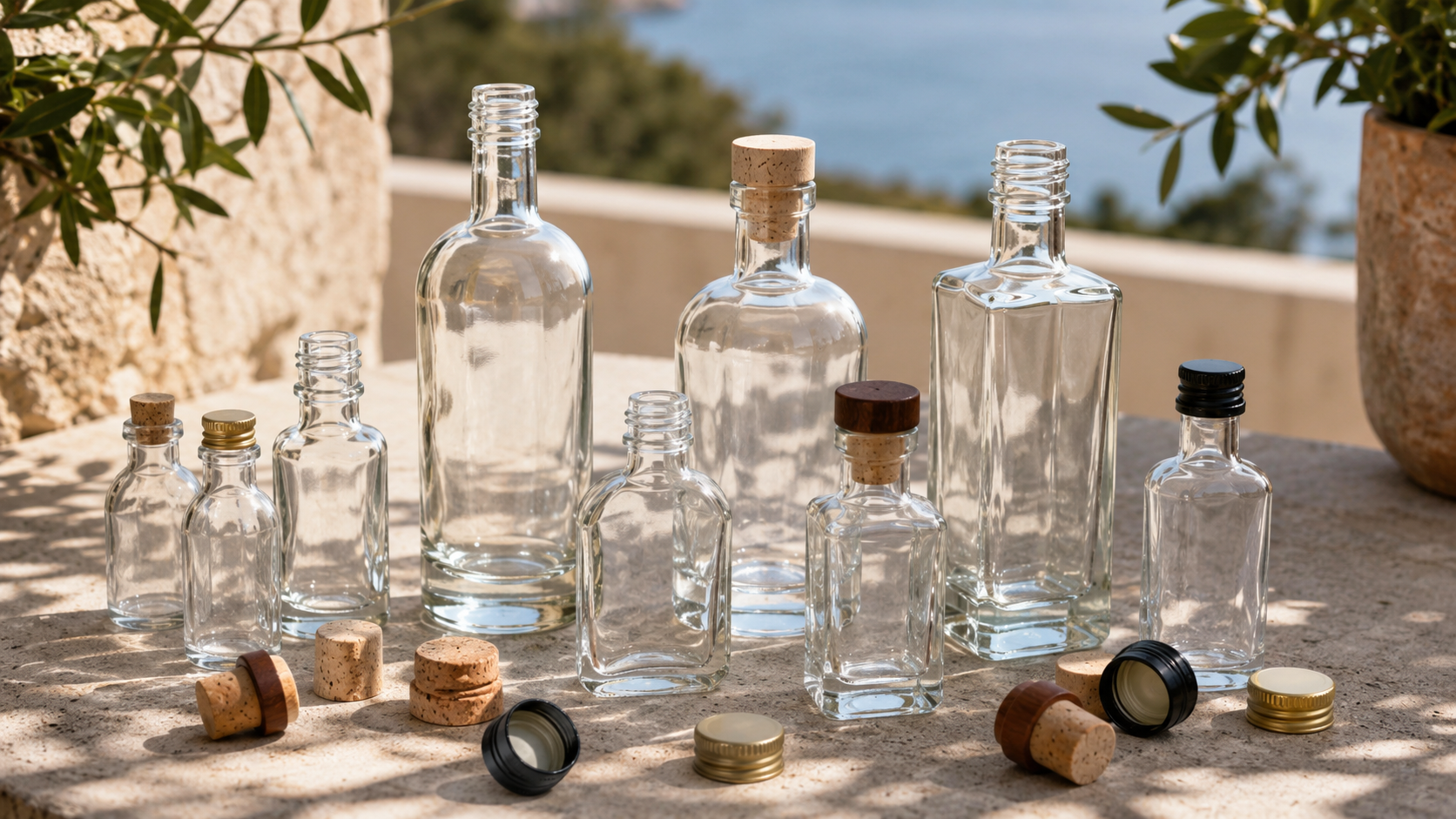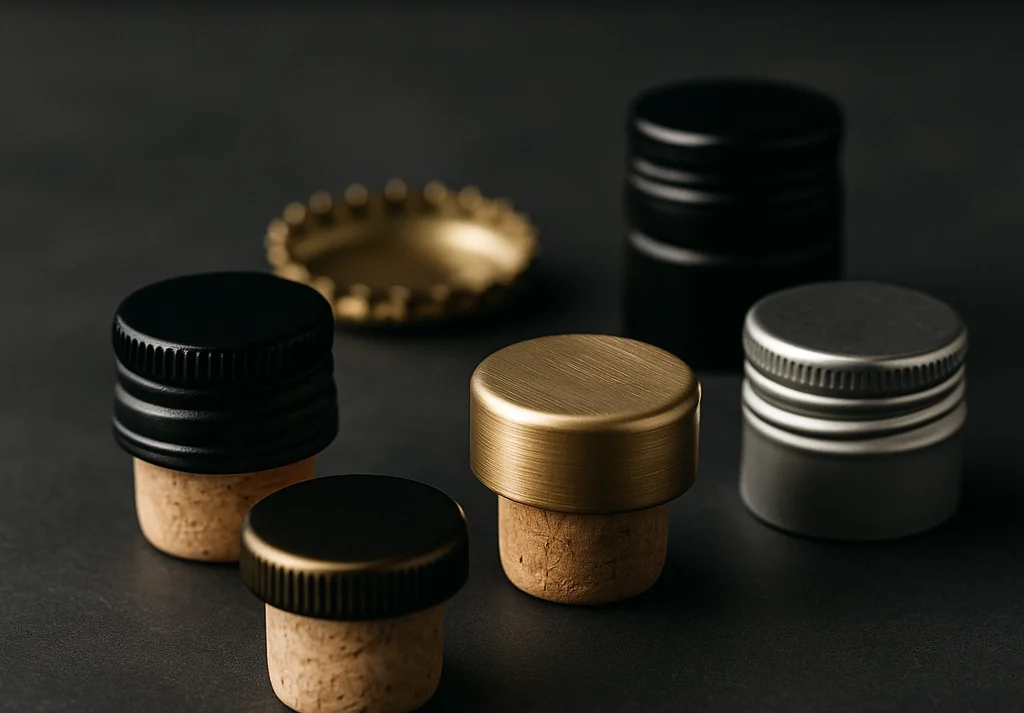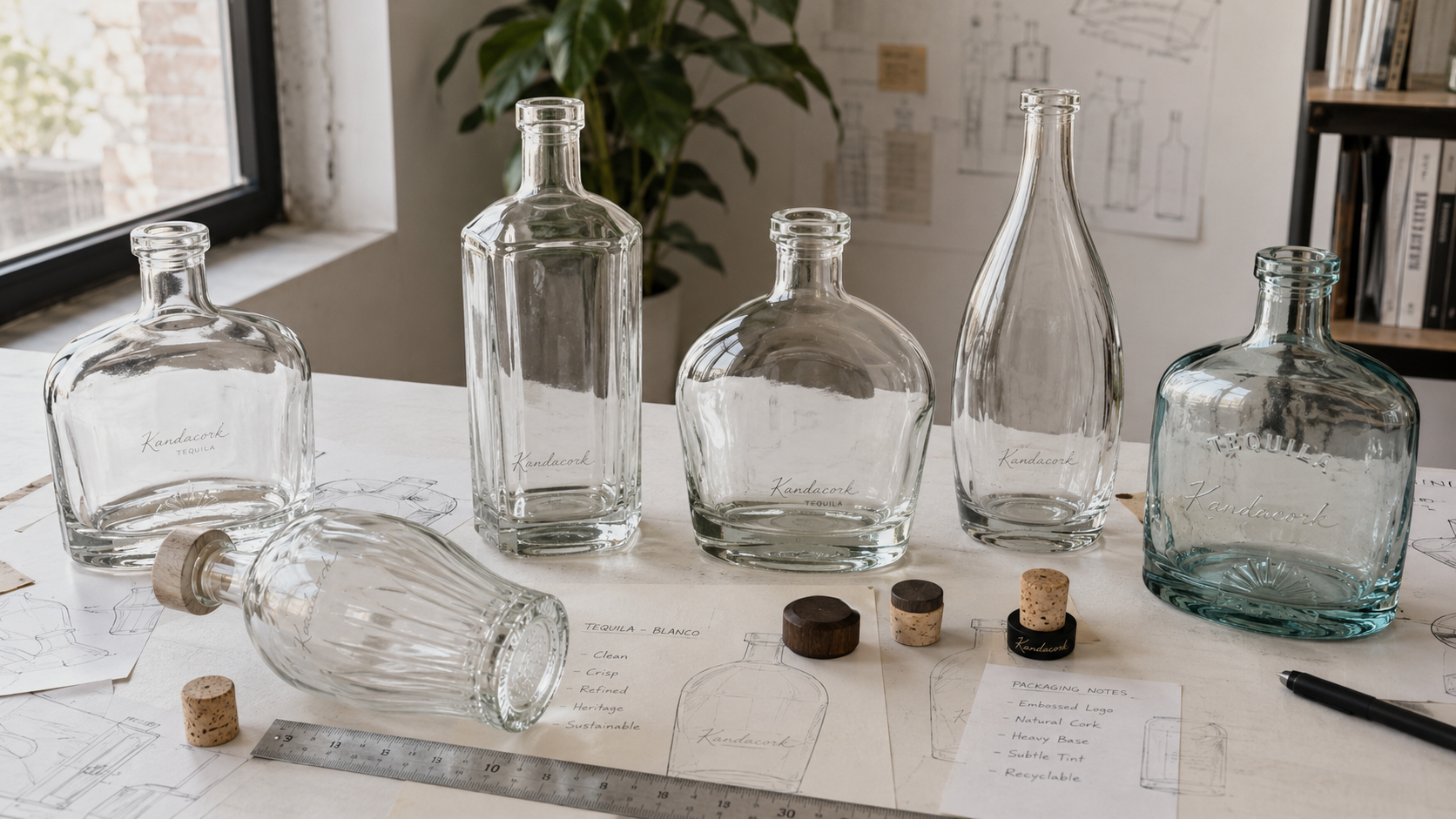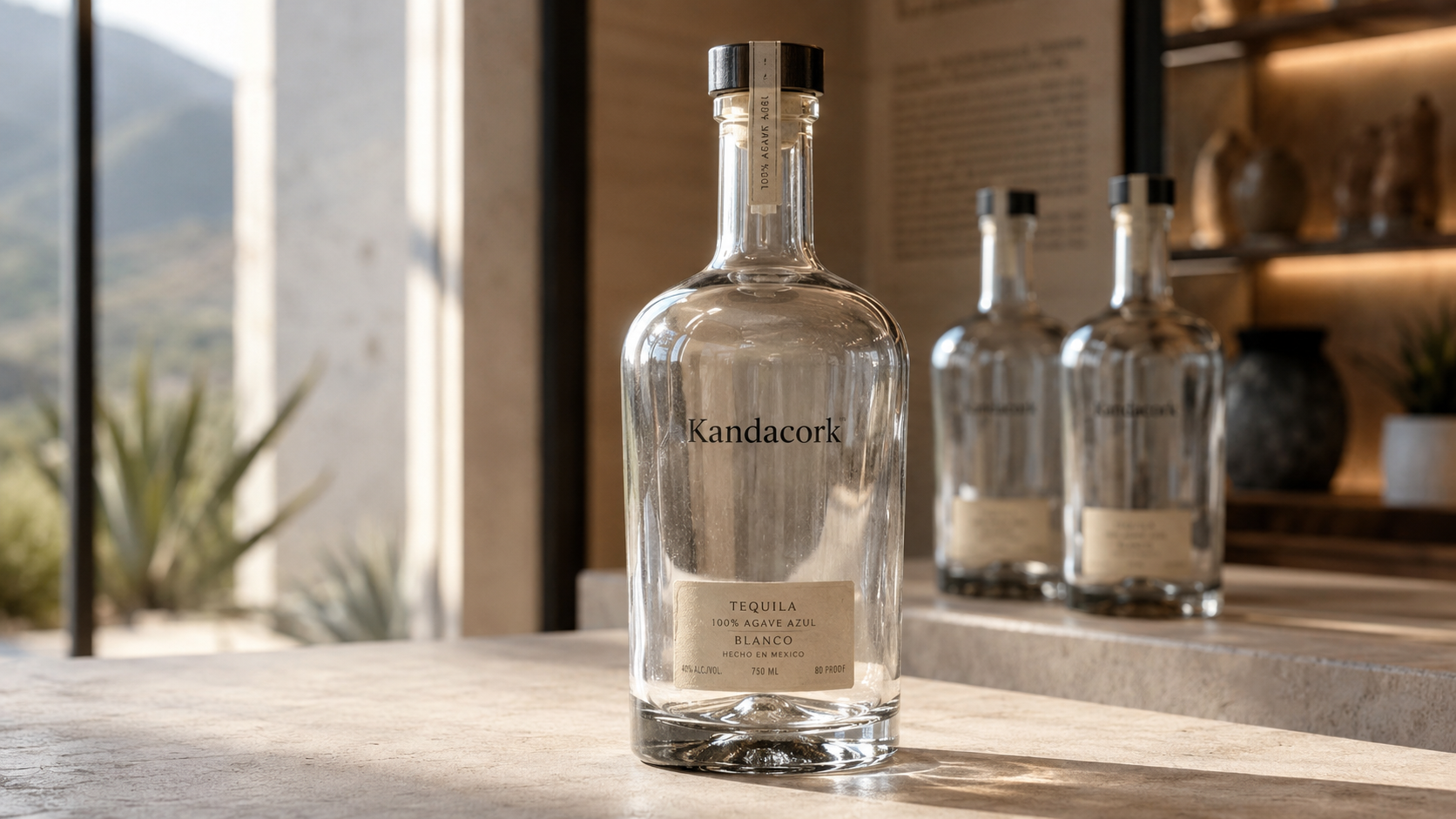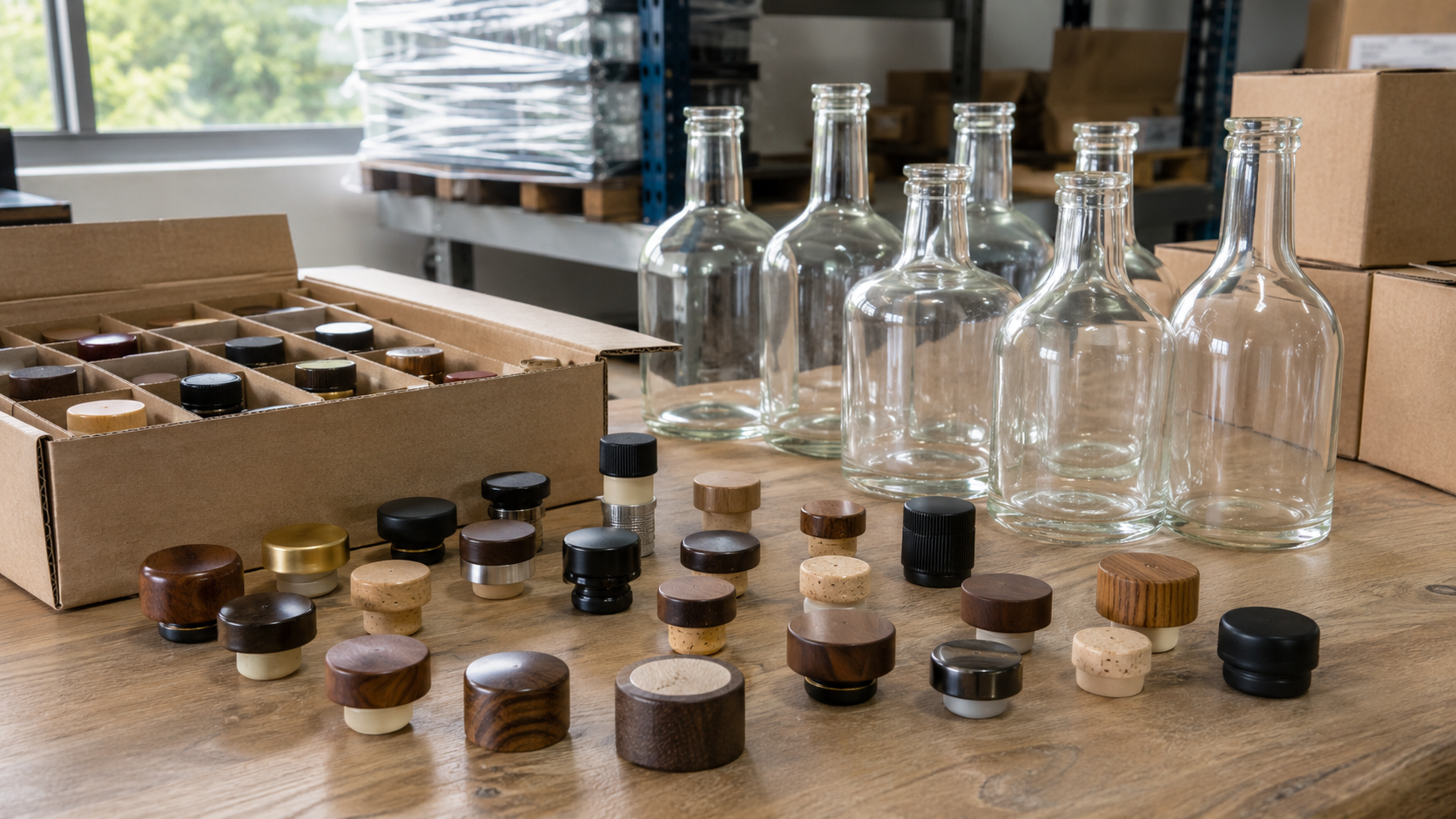
Premium liquor closures require clear specifications before design and production begin. This guide helps brands plan material choice, stopper structure, cap finish, logo method, neck fit, testing requirements and export packing details.
What Are Custom Spirits Closure Solutions?
Custom spirits closure solutions combine the physical closure, sealing component, decorative finish, and bottle-neck compatibility review into one coordinated packaging decision. A complete solution may include the stopper or cap, cork or synthetic shank, liner, tamper-evident band, capsule, anti-refill insert, color finish, logo treatment, and export packing method.
This matters because spirits packaging has to perform in several environments. A bottle may be filled on a production line, packed in cartons, shipped internationally, stored in warehouses, displayed on retail shelves, opened behind a bar, and resealed many times by the consumer. A closure that looks premium but fits poorly can create leakage, unstable pull force, poor torque, evaporation risk, or customer complaints.
For buyers comparing bottle stoppers and closures, the first question should not be “Which cap looks best?” The better question is “Which closure fits the bottle, protects the spirit, supports the brand position, and works with our production process?”
Why the Right Spirits Closure Matters
The closure affects product safety, logistics performance, brand presentation, and consumer trust. If the closure does not fit correctly, the brand may face leakage, evaporation, loose fit, inconsistent torque, excessive pull force, damaged decorative tops, or poor resealing performance.
Tamper evidence is also a practical packaging requirement in many spirits markets. For U.S.-market distilled spirits, TTB guidance on tamper-evident closures states that distilled spirits plants and importers must securely affix a tamper-evident closure or similar device to bottles or containers of distilled spirits. Brands selling into regulated markets should consider this requirement early, before bottle and closure specifications are finalized.
Food-contact review is another important consideration. The U.S. FDA explains that food contact substances may include packaging and packaging components, as well as substances applied to packaging surfaces, such as adhesives and colorants. For spirits buyers, this means liners, coatings, inks, adhesives, and decorative materials should be reviewed as part of the complete closure system.
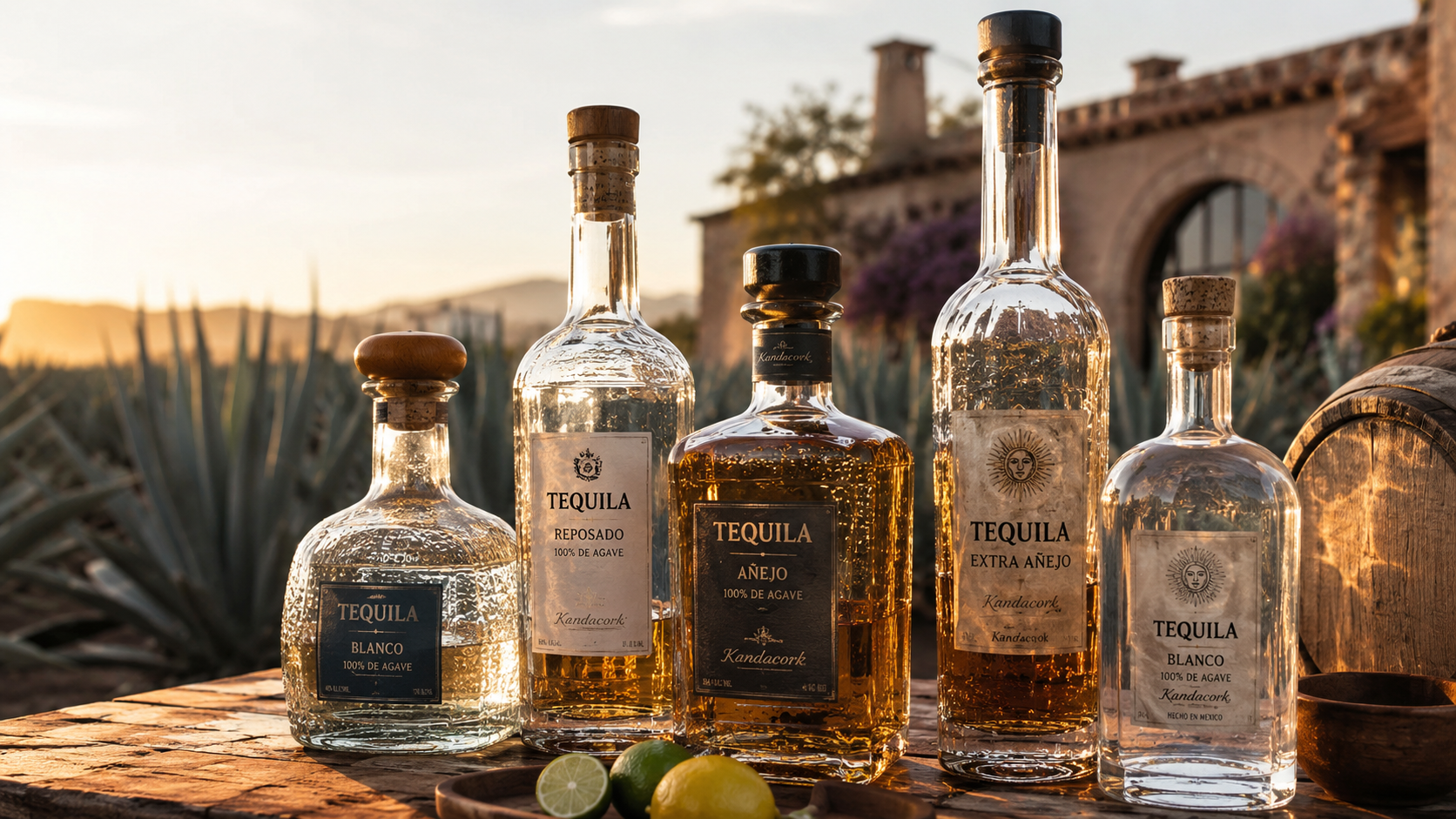
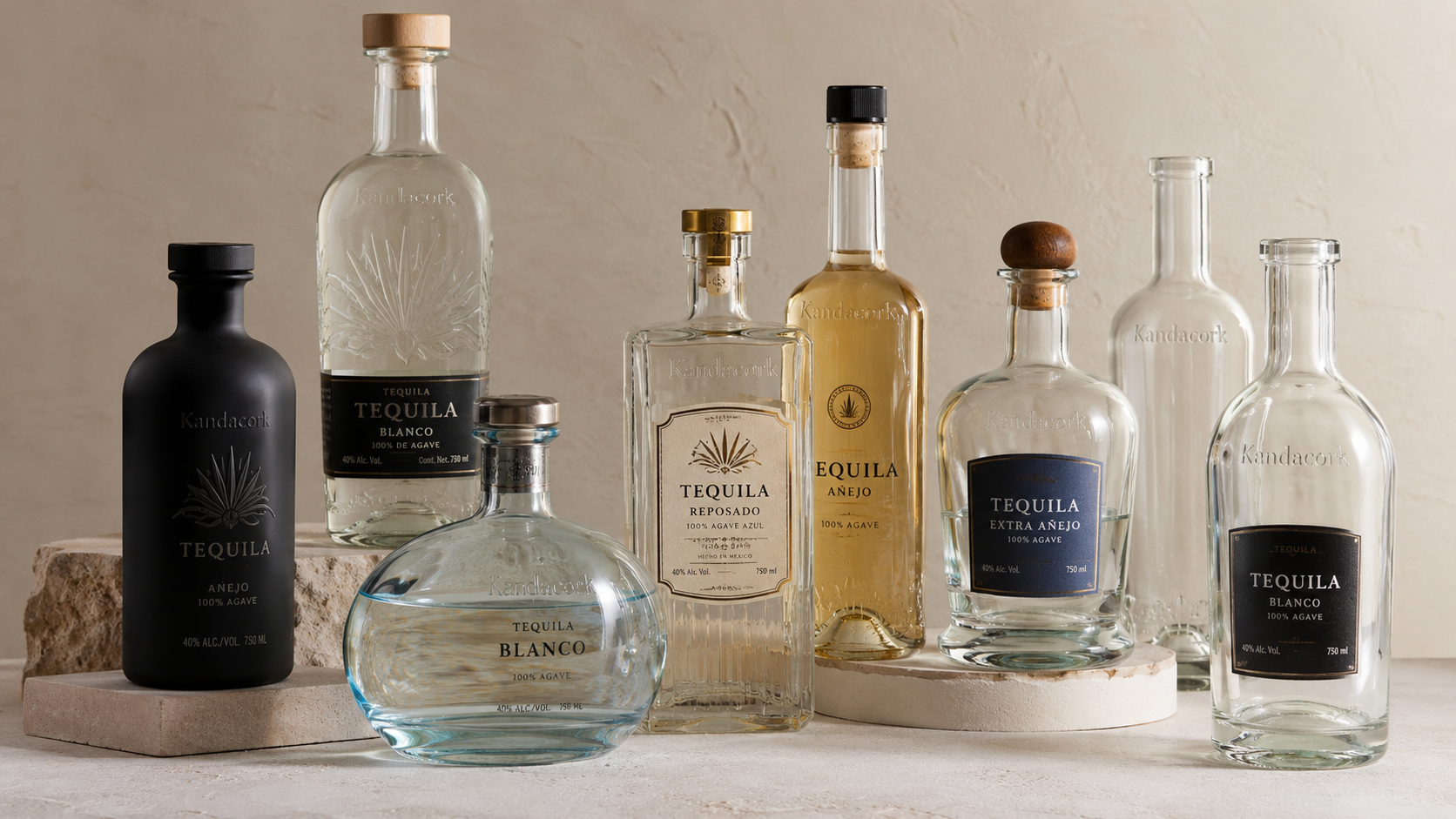
A well-matched closure can also improve perceived value. A wood-top cork stopper can make a whisky bottle feel traditional and crafted. A metal-top stopper can add weight and prestige to tequila or brandy packaging. A clean aluminium screw cap can support modern vodka or gin positioning. The best custom spirits closure solutions balance technical fit with the emotional cues that help a bottle stand out.
Main Types of Spirits Bottle Closures
Different spirits categories require different closure structures. A closure should be selected according to bottle design, spirit type, alcohol content, price point, filling process, target market, and brand story.
Bar-Top and T-Top Stoppers
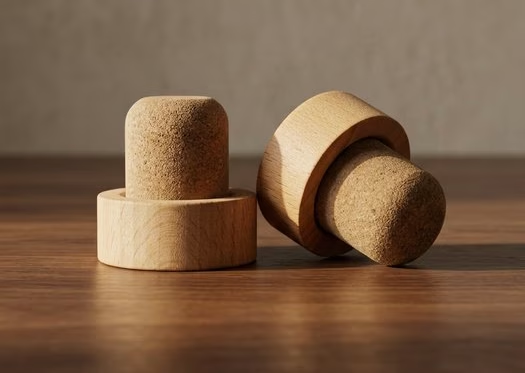
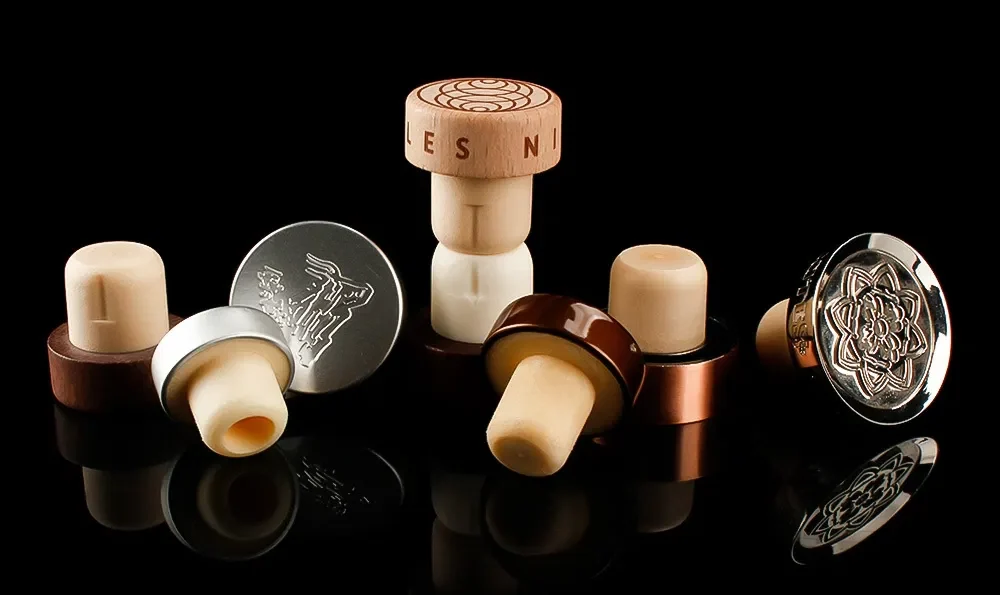
Bar-top stoppers are widely used for premium whisky, bourbon, rum, gin, tequila, mezcal, brandy, and limited-edition spirits. They usually combine a decorative top with a cork, synthetic, or polymer shank.
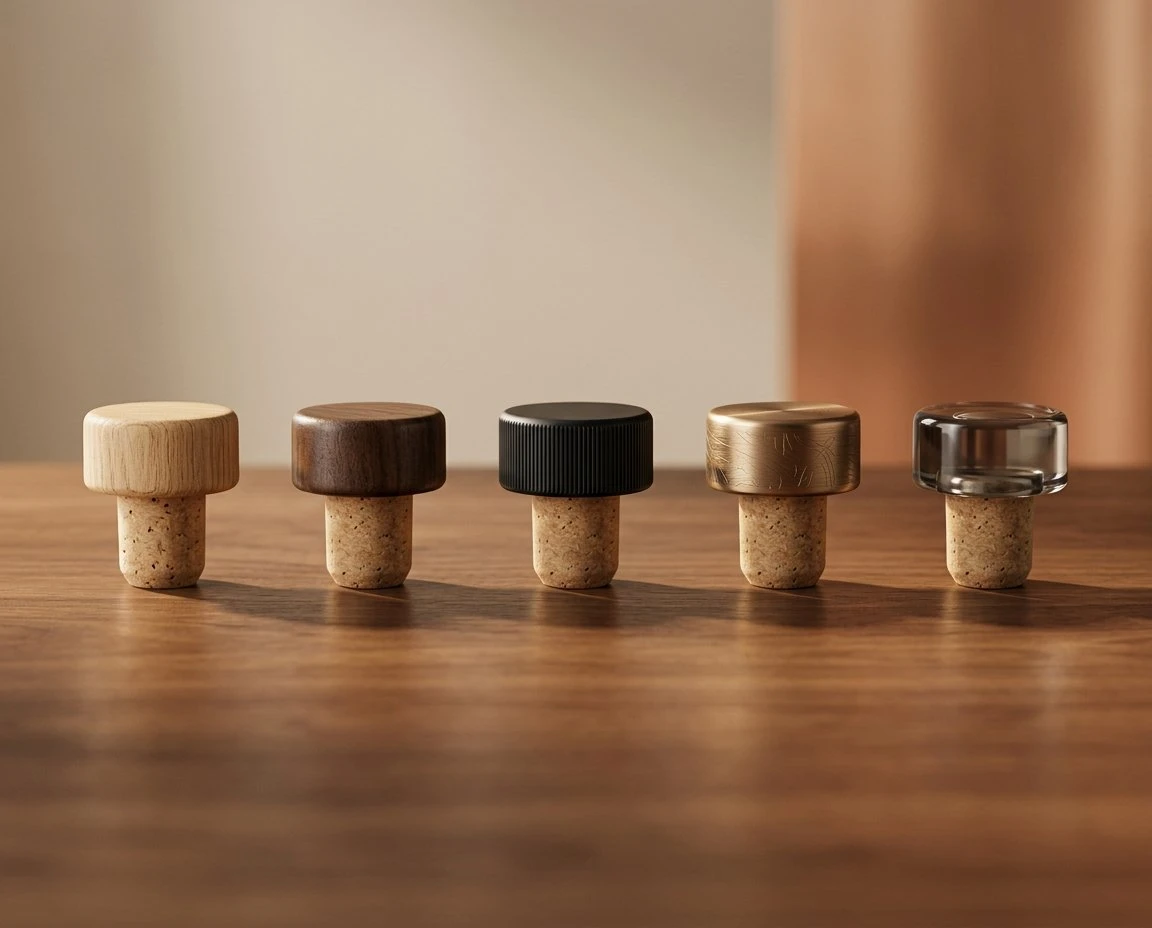
Common top materials include wood, aluminium, zamak, plastic, glass-style components, crystal-style components, and composite structures. Common shank materials include natural cork, agglomerated cork, micro-agglomerated cork, synthetic cork, and polymer materials.
Bar-top stoppers are popular because they create a premium pull-and-pour ritual. A wooden top can express warmth and craft. A metal top can add weight and luxury. A colored synthetic top can support modern gin, flavored vodka, or creative liqueur brands.
Screw Caps
Screw caps are practical, consistent, and suitable for vodka, gin, rum, liqueur, mini bottle, and ready-to-drink spirits projects. They support easy resealing, efficient capping, repeatable opening torque, and cost control.
A screw cap does not need to look low-end. With the right bottle shape, sidewall texture, logo detail, liner selection, and finish, it can support a clean and premium packaging style.
ROPP Closures
ROPP means roll-on pilfer-proof. ROPP closures are commonly used for spirits brands that need secure sealing, tamper evidence, and efficient machine application. During application, capping equipment forms the aluminium closure around the bottle thread. The pilfer band breaks on first opening, helping show whether the bottle has already been opened.
For high-volume vodka, gin, rum, liqueur, mini spirits, and export projects, ROPP closures for spirits bottles can offer a strong balance of performance, tamper evidence, and production efficiency.
Non-Refillable Closures
Non-refillable closures are designed to reduce unauthorized refilling and support brand authenticity. They are especially relevant for premium spirits, export markets, duty-free channels, high-value bottles, and regions where counterfeiting or bottle reuse may be a concern.
Not every spirits project needs a non-refillable system. A small craft gin may only require a branded bar-top stopper and capsule. A premium export tequila, whisky, or rum may need anti-refill functionality, tamper evidence, and a stronger security story.
Capsules, Shrink Sleeves, and Neck Decoration
A complete spirits closure system may also include capsules, shrink sleeves, security labels, tax strips, or decorative neck bands. These components finish the neck area and can add visual refinement or another layer of tamper evidence.
When brands need to coordinate bottles, closures, pumps, caps, and accessories as one system, integrated bottle and closure systems can help reduce compatibility issues and make packaging development more efficient.
Choosing the Right Closure by Project Need
| Buyer Need | Best Closure Direction |
|---|---|
| Premium hand feel | Bar-top stopper, wood top, zamak top, heavy decorative cap |
| High-speed bottling | ROPP closure or screw cap |
| Tamper evidence | ROPP closure, pilfer-proof cap, capsule, shrink sleeve |
| Anti-refill protection | Non-refillable closure or valve-based closure |
| Clean modern branding | Aluminium screw cap or minimalist synthetic stopper |
| Craft positioning | Wood-top cork stopper or natural cork-style closure |
| Export liquor project | Fit-tested closure with secure carton protection |
| Limited-edition packaging | Custom metal, glass-style, or decorated bar-top stopper |
The best closure is the one that fits the bottle neck correctly, seals reliably, works with the filling process, meets the target market’s expectations, and supports the visual language of the brand.
Closure Selection by Spirit Category
| Spirit Category | Suitable Closure Options | Main Buyer Priority |
|---|---|---|
| Whisky and bourbon | Bar-top cork, wood stopper, premium synthetic stopper | Tradition, weight, premium hand feel |
| Vodka | Aluminium screw cap, ROPP cap, clean synthetic stopper | Clean appearance, tight seal, consistency |
| Gin | Bar-top stopper, screw cap, colored decorative cap | Brand personality and shelf recognition |
| Rum | Bar-top cork, synthetic cork, ROPP closure | Warm visual style and secure resealing |
| Tequila and mezcal | Heavy bar-top, wood top, zamak top, non-refillable closure | Premium ritual and authenticity |
| Brandy | Wood stopper, cork stopper, decorative cap | Classic premium presentation |
| Liqueurs | Screw cap, ROPP closure, plastic or aluminium cap | Convenience, resealing, cost efficiency |
| Mini spirits | Small ROPP cap, screw cap, compact closure | Fast filling, secure seal, easy handling |
Premium spirits usually benefit from bar-top stoppers or decorative closures because they create a stronger brand experience. High-volume spirits often use screw caps or ROPP closures because they support speed, consistency, and production control.
Technical Fit and Bottle Neck Compatibility
Bottle neck compatibility determines whether the closure can seal correctly, open properly, run on the filling line, and survive storage or export transport. A small mismatch in diameter, thread, liner, or shank can create leakage, high pull force, poor torque, or tamper-evident failure.
For glass bottle projects, neck finish accuracy is especially important. The Glass Packaging Institute represents the North American glass container industry and promotes packaging education and industry standards, making it a useful reference point for buyers who want to understand why glass finish consistency matters in closure compatibility.
Before recommending custom spirits closure solutions, Kandacork reviews technical details such as:
- Bottle drawing or physical sample bottle
- Neck finish specification
- Inner neck diameter and tolerance
- Thread profile or corking area
- Sealing surface condition
- Spirit type and alcohol by volume
- Filling temperature and filling method
- Manual or automatic capping equipment
- Required opening torque or pull force
- Tamper-evident or anti-refill requirement
- Destination market and export conditions
- Decoration method and packaging budget
For bar-top stoppers, the technical review may include shank diameter, compression, insertion force, extraction force, top alignment, cork material, and long-term fit stability. For screw caps and ROPP closures, the review may include thread match, liner choice, application torque, removal torque, pilfer-band break, bridge strength, and leak resistance.
Closure Testing Factors for Spirits Packaging
Testing helps confirm whether the closure performs correctly before mass production. It is especially important for custom liquor bottle closures, export spirits packaging, and premium bottle projects with decorative tops.
| Closure Type | Suggested Test Item | Why It Matters |
|---|---|---|
| Bar-top stopper | Insertion force | Confirms the stopper can be inserted without damaging the bottle or closure |
| Bar-top stopper | Extraction force | Prevents loose fit or difficult opening |
| Bar-top stopper | Shank compression | Supports sealing stability and resealing feel |
| Screw cap | Application torque | Helps confirm correct capping force |
| Screw cap | Removal torque | Supports consumer usability and seal performance |
| ROPP closure | Pilfer-band break | Confirms visible tamper-evident function |
| ROPP closure | Bridge strength | Reduces risk of premature breakage or poor opening performance |
| Non-refillable closure | Pouring performance | Supports controlled flow and consumer experience |
| Non-refillable closure | Anti-refill function | Helps reduce unauthorized refilling risk |
| Decorative closure | Abrasion and packing review | Reduces scratches, dents, and transport damage |
These checks help buyers avoid costly problems before mold confirmation, artwork approval, and bulk production.
Common Problems When Buying Spirits Closures
Many closure problems happen because the closure is selected too early in the packaging process. Buyers may choose a beautiful cap before confirming the bottle neck, filling line, or sealing requirement.
Common problems include:
- The closure looks premium but does not fit the bottle neck correctly
- The cork shank is too loose and creates leakage risk
- The cork shank is too tight and creates excessive pull force
- Screw cap torque is inconsistent after capping
- The ROPP pilfer band does not break cleanly
- The decorative coating scratches during transport
- The closure color does not match the capsule, label, or carton
- The same closure is used on different bottles without fit testing
- The supplier receives artwork before receiving the bottle drawing
- Export cartons do not protect heavy or decorative tops properly
Kandacork helps buyers avoid these issues by reviewing the bottle, closure type, material, decoration, and packing method together. This approach is especially useful for premium spirits brands, private-label alcohol projects, and distributors developing multiple bottle formats.
Materials, Finishes, and Brand Differentiation
Closure materials influence how consumers perceive the product. Natural wood can communicate craft and tradition. Aluminium can create a clean and modern effect. Zamak or metal alloy can add weight and luxury. Glass-style or crystal-style tops can support premium gift packaging. Synthetic materials can offer color flexibility and dimensional consistency.
Common materials for custom spirits closure solutions include natural cork, agglomerated cork, micro-agglomerated cork, synthetic cork, wood, aluminium, plastic, zamak, glass-style components, and composite structures.
Decoration options may include logo embossing, logo debossing, laser engraving, hot stamping, pad printing, screen printing, Pantone color matching, brushed metal effects, matte or glossy coating, textured sidewall design, and limited-edition numbering.
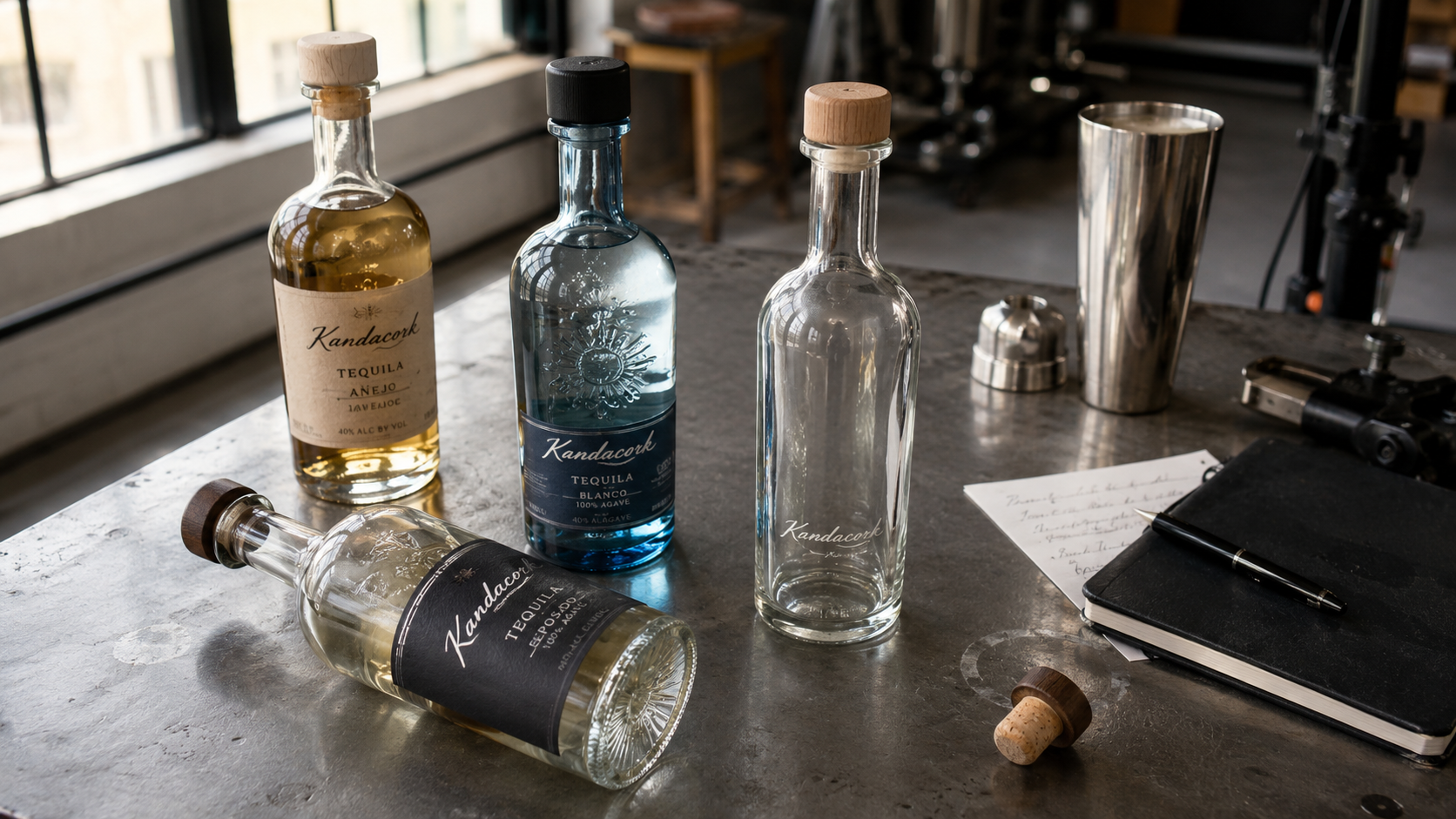
For closure-focused design work, Kandacork can support custom branding for spirits closures so the stopper, screw cap, ROPP cap, capsule, label, and carton feel like one coherent brand system. For bottle-level surface treatments such as coating, frosting, screen printing, foil, decals, badges, and neck charms, brands can also coordinate decoration and branding support with the wider package design.
How Kandacork Reduces Closure Project Risk
Kandacork reduces closure project risk by checking the bottle drawing, neck finish, inner diameter, alcohol content, filling method, capping equipment, decoration method, and export packing before bulk production.
For bar-top stoppers, the focus is shank fit, pull force, top alignment, material consistency, and decorative finish. For screw caps and ROPP closures, the focus is thread compatibility, liner performance, torque control, pilfer-band break, and leak resistance. For non-refillable closures, the focus is pouring function, anti-refill structure, tamper evidence, and market suitability.
Quality planning also matters beyond the closure itself. ISO describes ISO 9001 as a quality management systems standard that specifies requirements for establishing, maintaining, and improving a quality management system. For packaging buyers, this reinforces the value of documented specifications, approved samples, inspection records, and repeat-order control.
Typical Project Details Reviewed Before Sampling
Kandacork reviews each project according to closure structure, bottle type, decoration method, and target market. Final MOQ, lead time, mold cost, sample timeline, and packing method depend on the selected closure type and customization level.
| Project Detail | What Kandacork Reviews |
|---|---|
| Bottle drawing | Neck finish, inner diameter, thread or corking area |
| Physical bottle sample | Real fit, visual proportion, sealing surface |
| Closure type | Bar-top, screw cap, ROPP, non-refillable, capsule |
| Material selection | Cork, synthetic cork, wood, aluminium, plastic, zamak, composite |
| Decoration method | Embossing, debossing, printing, laser engraving, hot stamping |
| Functional requirement | Torque, pull force, leak resistance, pilfer-band break, anti-refill function |
| Market requirement | Tamper evidence, export conditions, packaging expectations |
| Packing method | Scratch prevention, divider protection, carton strength |
| Repeat-order control | Approved sample, specification record, color reference, artwork file |
This practical review helps transform a closure idea into a production-ready specification.
Sustainability Options in Spirits Closures
Sustainability is increasingly important in spirits packaging, but the best choice depends on material, production method, recyclability, component separation, transport weight, and local recycling infrastructure.
The Ellen MacArthur Foundation describes a circular economy as a system where products and materials are kept in circulation through reuse, repair, refurbishment, remanufacture, recycling, and composting. For spirits closures, this means buyers should consider not only whether a material sounds sustainable, but whether the full packaging system can be collected, separated, reused, recycled, or responsibly recovered in the target market.
Possible sustainability directions include natural cork-based stoppers, responsibly sourced wood tops, recyclable aluminium closures, lightweight structures, reduced secondary packaging, separable components, mono-material choices where possible, and reusable gift packaging.
For brands developing refill, reuse, lightweighting, or recycled-glass strategies beyond the closure itself, eco and refill packaging design can help align the bottle, closure, decoration, and secondary packaging with broader sustainability goals.
Bulk Supply for Liquor Brands and Packaging Buyers
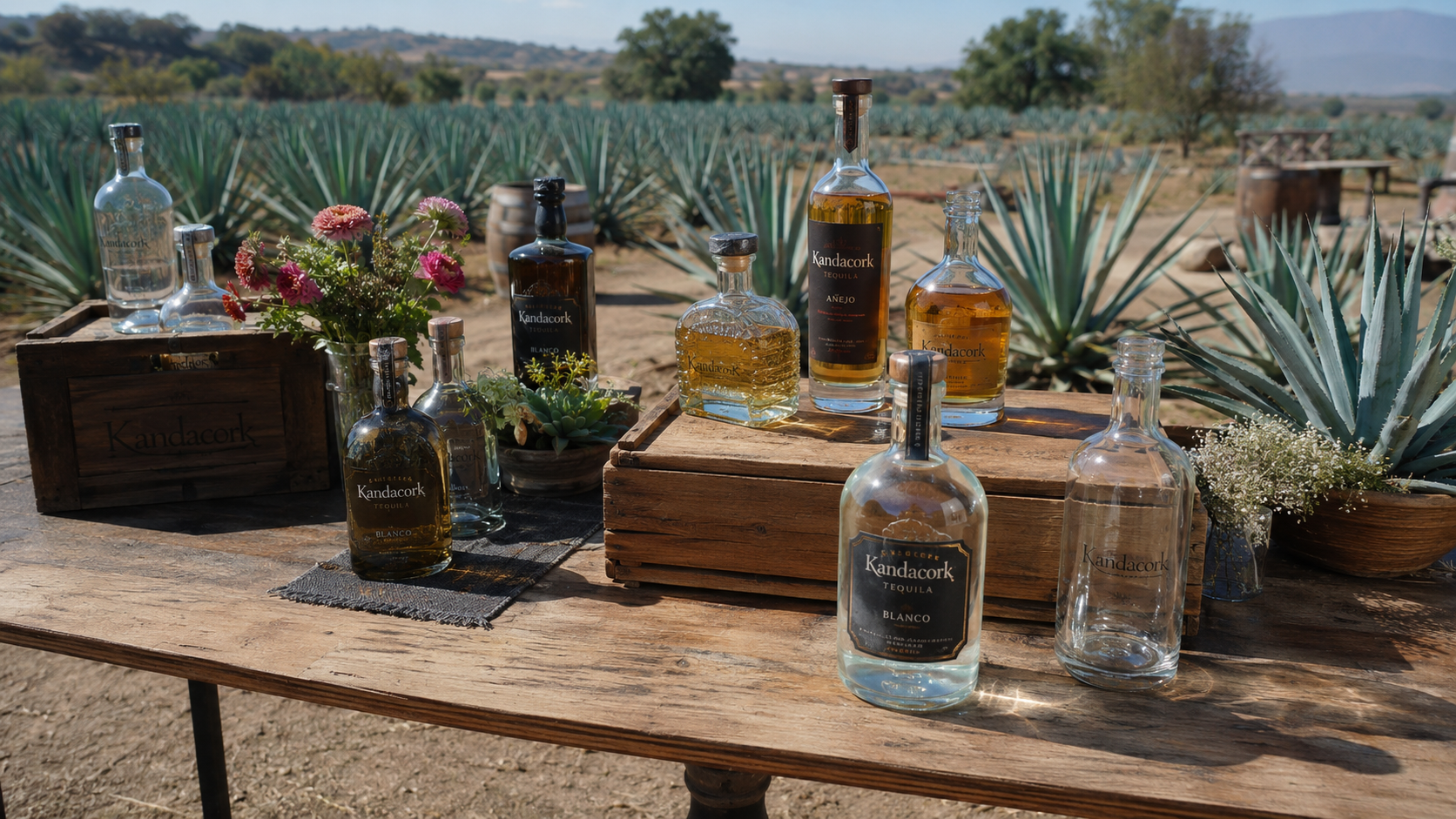
Kandacork Closures supports B2B buyers that need custom liquor bottle closures for bulk spirits projects. This includes distilleries, brand owners, importers, distributors, packaging companies, private-label alcohol programs, and OEM/ODM liquor packaging projects.
Kandacork can support bulk bar-top stoppers, custom cork stoppers, synthetic spirits stoppers, aluminium screw caps, ROPP closures, non-refillable liquor closures, decorative bottle caps, logo customization, color matching, capsule coordination, export-ready carton packing, and repeat-order specification management.
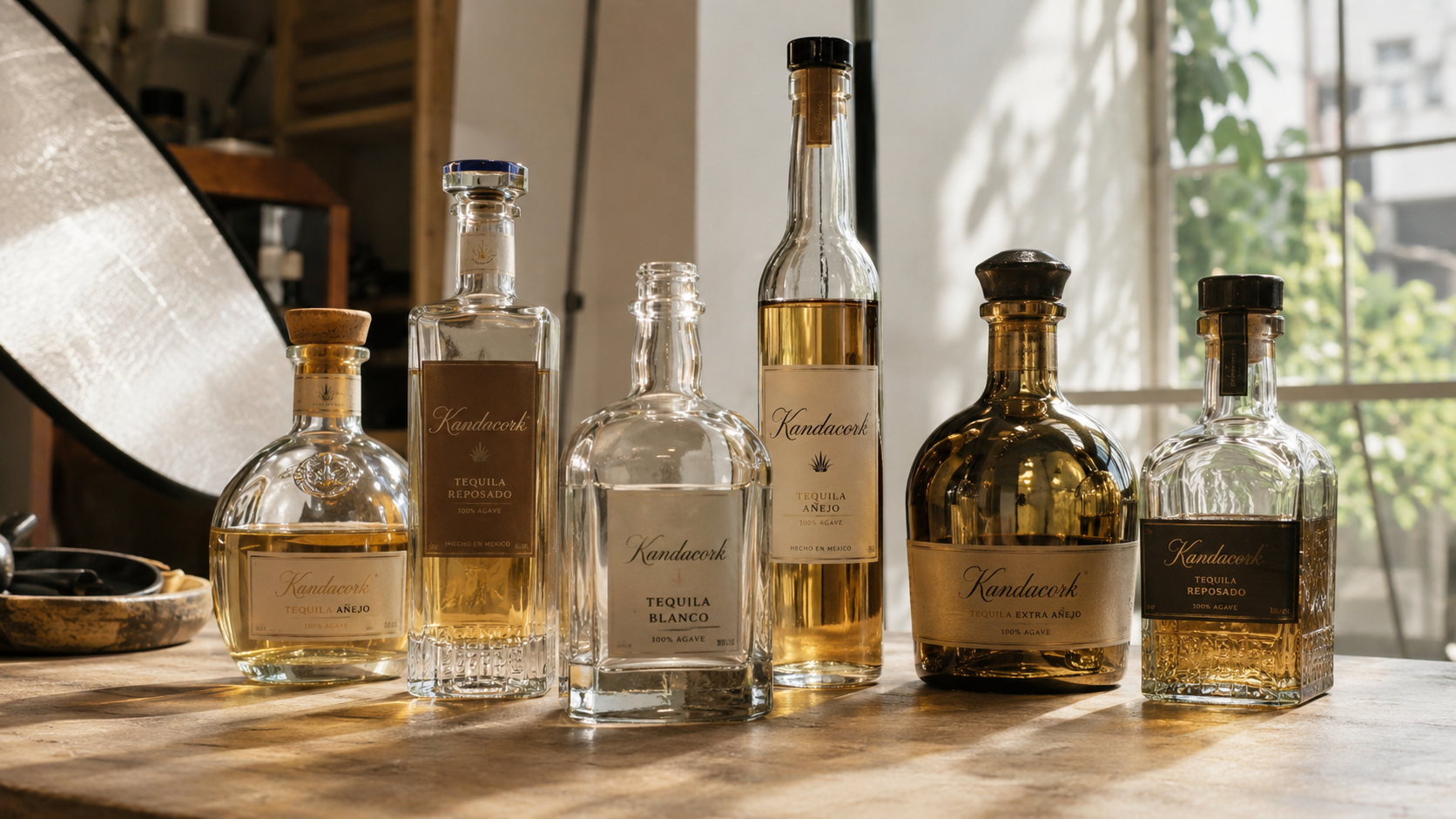
For buyers developing multiple SKUs, Kandacork can help create a consistent closure family across whisky, gin, rum, vodka, tequila, and liqueur bottle lines. When bottle sourcing, closure fit, and decoration need to be coordinated across a wider packaging program, Kandacork Glass can support integrated bottle, closure, and decoration planning for global spirits brands.
Custom Spirits Closure Quote Checklist
Before requesting a custom closure quote, buyers should prepare as much project information as possible. A clear brief helps shorten communication time, improve quotation accuracy, and reduce sampling mistakes.
Useful information includes:
- Bottle drawing or physical sample
- Neck finish and inner diameter
- Spirit type and alcohol by volume
- Closure style preference
- Preferred material and finish
- Logo file or branding direction
- Decoration method preference
- Target order quantity
- Destination market
- Tamper-evident or anti-refill requirement
- Sample requirement
- Bulk delivery schedule
- Packaging and carton requirements
If some details are not ready, Kandacork can still review the project and recommend next steps. Early communication is especially valuable when the bottle is still under development, because closure fit, capsule profile, decoration area, and carton protection can be planned together.
Kandacork Custom Spirits Closure Development Process
Kandacork supports B2B buyers through a practical development process designed for packaging buyers, liquor brands, distilleries, and private-label spirits projects.
| Stage | What Happens |
|---|---|
| Project brief | Buyer shares spirit type, bottle design, market, order quantity, and closure goal |
| Bottle and neck review | Kandacork checks drawing, sample bottle, neck finish, thread, or corking area |
| Closure recommendation | Suitable bar-top, screw cap, ROPP, non-refillable, or capsule options are suggested |
| Material and finish selection | Buyer confirms top material, shank material, logo method, color, and finish |
| Sampling and fit review | Samples are checked for fit, appearance, sealing, torque, pull force, and packing protection |
| Artwork confirmation | Logo placement, decoration file, mold detail, and color standard are confirmed |
| Bulk production | Production follows the approved sample and confirmed specification |
| Inspection and packing | Dimensions, appearance, fit, decoration, carton packing, and batch consistency are reviewed |
| Reorder support | Approved specifications are kept for future repeat orders |
This process helps reduce project risk and gives buyers a clearer path from concept to production-ready closure.
FAQ
What are custom spirits closure solutions?
Custom spirits closure solutions are bottle sealing and decoration systems designed for alcoholic spirits. They may include bar-top stoppers, screw caps, ROPP caps, non-refillable closures, cork shanks, synthetic shanks, liners, tamper-evident bands, capsules, and branded decoration.
What is the best closure for premium spirits bottles?
The best closure depends on the spirit category, bottle design, target price, and brand image. Premium whisky, rum, tequila, mezcal, and brandy often use bar-top stoppers or decorative cork closures. Vodka, gin, liqueurs, and high-volume spirits may use screw caps or ROPP closures for consistency and production efficiency.
Are ROPP closures suitable for spirits?
Yes. ROPP closures are suitable for many spirits because they support secure sealing, tamper evidence, and efficient machine application. They are commonly used for vodka, gin, rum, liqueurs, mini spirits bottles, and export projects.
What information is needed to quote custom spirits closures?
A supplier usually needs the bottle drawing, neck finish, inner neck diameter, spirit type, alcohol content, closure style, logo requirements, finish requirements, order quantity, destination market, and delivery schedule.
Can Kandacork customize the logo and color?
Yes. Kandacork can support logo embossing, debossing, laser engraving, printing, hot stamping, color matching, matte finishes, glossy finishes, metallic effects, and custom top shapes depending on the selected closure structure.
Can one closure fit different bottle designs?
Sometimes, but not always. A closure must match the bottle neck finish, inner diameter, thread profile, corking area, and tolerance range. Testing with the actual bottle is recommended before bulk production.
Can Kandacork supply bottles and closures together?
Yes. Kandacork can help coordinate bottle, closure, capsule, decoration, and packaging direction for a more consistent spirits packaging system.