Bottling lines need closures that work consistently during filling, capping, insertion, inspection and packing. This guide explains the key closure requirements contract bottlers should confirm, including bottle neck finish, torque range, insertion feel, liner performance and batch consistency.
Who This Page Is For
This guide is for spirits bottlers, beverage brands, contract bottlers, private label buyers, packaging distributors, importers, and product development teams that need custom closures matched to real bottles, filling conditions, branding goals, and export requirements.
If you are developing a whisky bottle, tequila bottle, vodka bottle, olive oil bottle, mini spirits bottle, beverage bottle, or private label packaging project, this article explains how to choose the right closure and what information to prepare before requesting samples or bulk pricing.
For projects where the bottle itself is still under development, coordinating with a dedicated custom spirits bottle manufacturer can help ensure that the neck finish, closure type, decoration, and secondary packaging are considered together before tooling or bulk production begins.
Closure Support for Bottling Projects
A professional closure supplier for bottlers helps buyers match the correct cap, stopper, liner, shank, thread, finish, and decoration method to a specific bottle and product application. This includes technical compatibility, appearance, sealing performance, capping-line suitability, and export packaging requirements.
The challenge is rarely just finding a cap that looks good. Bottlers need a closure that works with the bottle neck finish, product type, filling process, tamper-evident requirement, retail positioning, and target market. A premium whisky bottle, a tequila bottle, an olive oil bottle, and a mini spirits bottle may all require different closure structures.
Kandacork Closures supports bottlers by helping confirm practical details before mass production. These details may include bottle drawings, neck finish dimensions, cork or synthetic shank fit, liner selection, cap material, decoration requirements, torque expectations, sample approval, packaging method, and shipping conditions.
A reliable closure partner should reduce risk, not add uncertainty. The right supplier helps prevent leakage, loose fit, decoration mismatch, delayed production, unstable tamper bands, and inconsistent repeat orders.
Bottling Problems the Right Closure Can Prevent
The right closure can prevent leakage, poor fit, tamper-band failure, filling-line disruption, decoration mismatch, and inconsistent repeat orders. These problems often appear when the closure is selected only by appearance instead of technical compatibility.
Common bottling closure issues include:
- Closure mismatch with the bottle neck finish
- Cork shank fit that is too tight or too loose
- Leakage during storage or export transport
- Liner material that is not suitable for the liquid
- Tamper-evident band failure
- Excessive or insufficient opening torque
- Poor compatibility with automatic capping equipment
- Decoration color mismatch between closure, label, and carton
- Inconsistent bulk production compared with approved samples
For spirits, beverages, oils, and liquid food products, closure performance affects product protection, consumer trust, retail acceptance, and repeat purchasing. This is why many professional buyers prefer to work with a closure supplier for bottlers that understands both packaging performance and brand presentation.
Main Closure Options for Bottlers
Different bottles require different closure systems. The best option depends on the product, bottle design, market positioning, distribution channel, and filling process. Kandacork’s bottle stoppers and closures range includes bar-top stoppers, screw caps, ROPP closures, non-refillable systems, capsules, and shrink sleeves for spirits, olive oil, and specialty bottle projects.
| Closure Type | Best For | Main Advantages | Technical Points to Confirm |
|---|---|---|---|
| Bar-top stopper | Premium spirits and gift packaging | Strong shelf appeal, premium opening experience, high customization | Shank diameter, compression, bottle mouth, material compatibility |
| Screw cap | Resealable bottles and scalable production | Easy opening, efficient filling, wide material options | Thread finish, liner, application torque, tamper band |
| ROPP closure | Spirits, wine, oils, and beverages | Tamper evidence, secure fit, production efficiency | Bottle finish, capper setup, liner, band break |
| Non-refillable closure | Premium spirits and export channels | Anti-refill protection, authenticity support, controlled pouring | Inner valve, pouring system, neck finish, assembly testing |
| Capsule or shrink sleeve | Decorative neck protection | Improved appearance, added tamper evidence, branding support | Size, shrink ratio, cutting line, artwork, material |
Bar-Top Stoppers for Premium Bottling
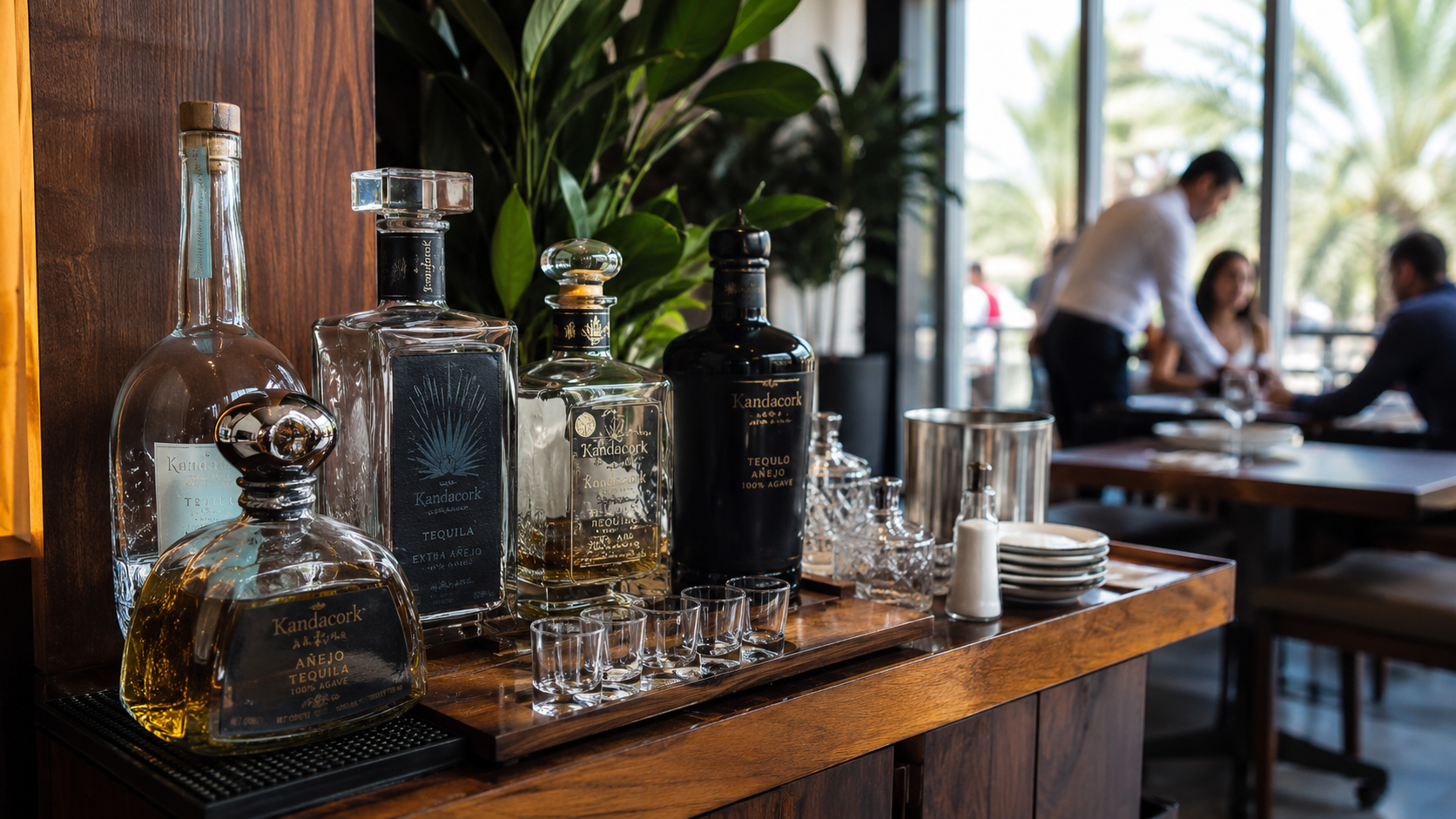
Bar-top stoppers are commonly used when a bottle needs a premium opening experience, strong shelf appeal, and custom brand presentation. They are especially popular for whisky, rum, vodka, gin, tequila, mezcal, brandy, cognac, liqueurs, and gift packaging.
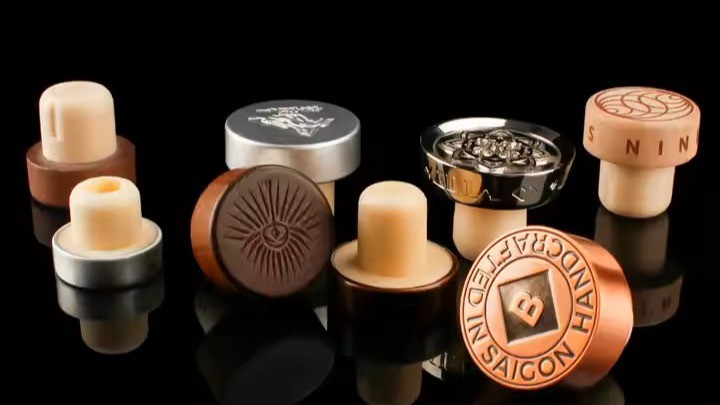
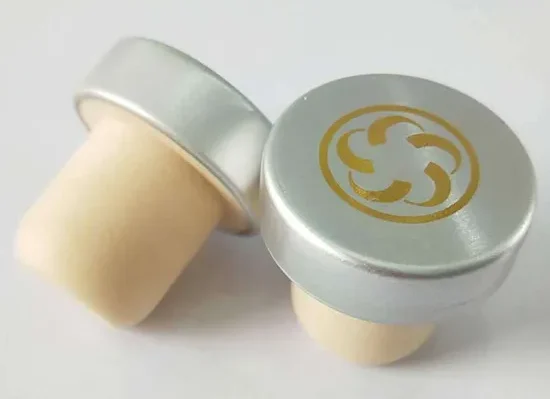
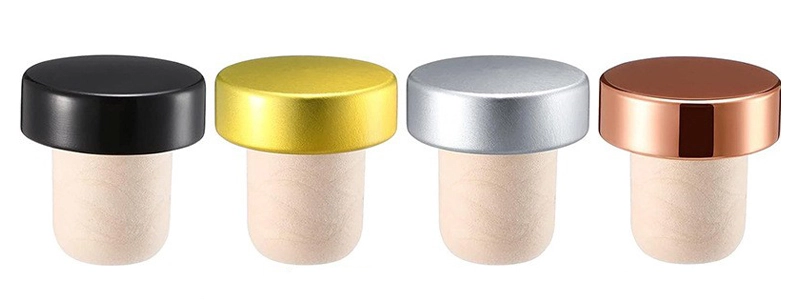
A bar-top stopper usually combines a decorative top with a cork, synthetic, or polymer shank. The top can be made from wood, plastic, glass, aluminum, metal, or custom composite materials. The shank is selected according to the bottle mouth and sealing requirement.
For premium spirits brands, bar-top stoppers are popular because they create a strong tactile impression and can be customized with logos, colors, shapes, textures, and finishes. A wood-top stopper may fit a craft whisky or rum brand, while a metalized or glass-top stopper may suit vodka, gin, tequila, or modern premium spirits.
A specialized bottle closure supplier should help confirm the correct shank diameter, insertion depth, compression, material compatibility, and decorative finish before mass production. These details are especially important for custom bottles and luxury spirits packaging.
Screw Caps for Efficient and Resealable Packaging
Screw caps are a practical choice for bottles that need resealing convenience, efficient application, and broad material flexibility. They are used for spirits, wine, mini bottles, beverages, oils, sauces, liquid condiments, and specialty packaging.
Screw caps can be made from aluminum, plastic, or other materials depending on the project. They may include liners, tamper-evident bands, printing, embossing, hot stamping, or color-matched decoration.
For bottlers, screw cap performance depends on thread compatibility, liner selection, torque control, and filling-line setup. If the cap is under-applied, leakage may occur. If it is over-applied, the consumer may find the bottle difficult to open or the thread may be damaged.
Screw caps are often a good option for private label projects because they can balance cost, customization, production speed, and user convenience. Kandacork Closures can help compare standard screw caps and custom screw cap options based on bottle type, order volume, and branding requirements.
ROPP Closures for Secure Bottling Lines
ROPP closures provide tamper evidence, secure sealing, and efficient production for many spirits, wine, oil, beverage, and liquid food applications. ROPP means roll-on pilfer-proof, and this closure type is commonly used when bottlers need consistent performance on capping equipment.
Kandacork’s custom ROPP closures are designed around bottle finish, liner selection, shell dimensions, skirt height, torque range, and line-trial performance. This makes them suitable for bottlers that need a closure system that is secure, recloseable, brandable, and production-ready.
When choosing ROPP closures, buyers should confirm bottle neck finish, cap diameter, liner material, application torque, tamper-band behavior, and compatibility with the capping machine. A sample that works by hand should still be tested under real production conditions when possible.
For export projects, ROPP closures can be useful because they combine product protection, tamper evidence, and scalable application. They are often selected for spirits, wine, olive oil, vinegar, and other products that need a clean, secure closure format.
Non-Refillable Closures for Brand Protection
Non-refillable closures help protect premium spirits brands by reducing the risk of refilling, counterfeiting, and unauthorized reuse. They are especially relevant for export markets, high-value spirits, and brands that need stronger channel protection.
A non-refillable closure may combine pouring control, tamper evidence, internal valve structures, decorative outer caps, and brand-specific design. These closures can support authenticity protection while still contributing to the bottle’s premium appearance.
For bottlers, non-refillable closures require careful sample testing because the internal structure, pouring behavior, bottle neck compatibility, and assembly process must all be confirmed before bulk production.
Kandacork Closures can help bottlers review whether non-refillable spirit closures are appropriate for the product, bottle design, destination market, filling line, and brand protection strategy.
Capsules and Shrink Sleeves for Neck Decoration
Capsules and shrink sleeves improve bottle neck appearance and can add visible tamper-evident protection. They are often used for spirits, wine, olive oil, vinegar, and premium beverage packaging.
Capsules may be made from aluminum, PVC, PET, polylaminate, or other materials. Shrink sleeves can be clear, printed, matte, glossy, metallic, or customized to match brand colors.
For bottlers, capsules and sleeves should be checked for fit, shrink performance, cutting line, color consistency, artwork alignment, and compatibility with labels, cartons, and retail display. When the closure, label, glass color, capsule, and carton need to work as one visual system, a dedicated bottle decoration and branding partner can support a more consistent retail presentation.
A closure supplier for bottlers that also supports capsules and shrink sleeves can help buyers create a more complete packaging system. This reduces mismatch between closure, neck decoration, label design, and carton presentation.
Best Closure Types by Bottling Application
The best closure depends on the bottled product, user experience, filling process, security requirement, and brand positioning. Spirits may need premium shelf appeal and authenticity protection, while oils and sauces may need controlled pouring and food-contact suitability.
| Bottling Application | Recommended Closure Options | Why It Works |
|---|---|---|
| Whisky and bourbon | Bar-top stopper, capsule, custom stopper | Premium appearance and strong opening experience |
| Rum and brandy | Bar-top stopper, non-refillable closure, capsule | Brand protection and luxury presentation |
| Vodka and gin | Screw cap, bar-top stopper, ROPP closure | Clean branding, resealing convenience, production efficiency |
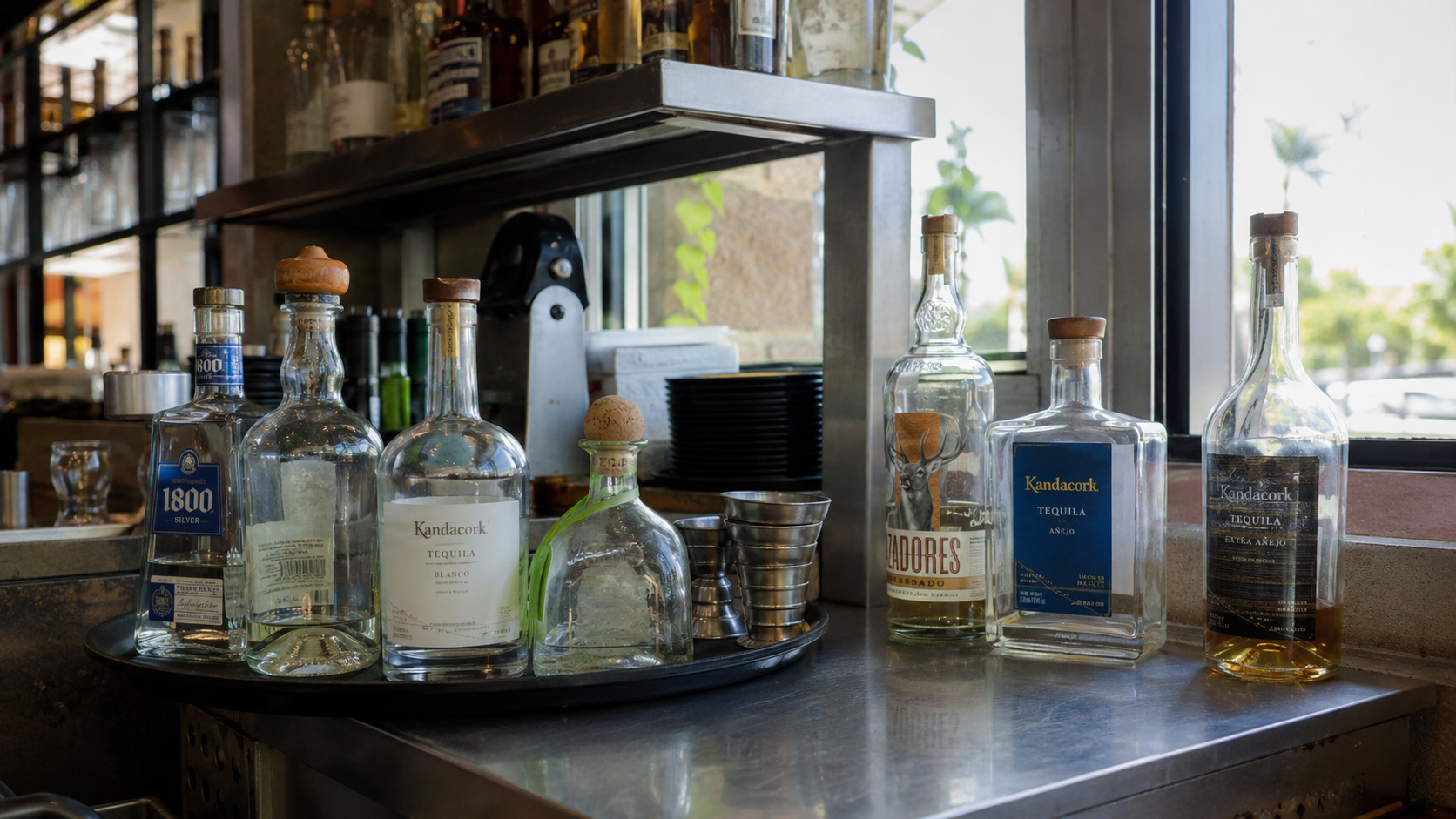
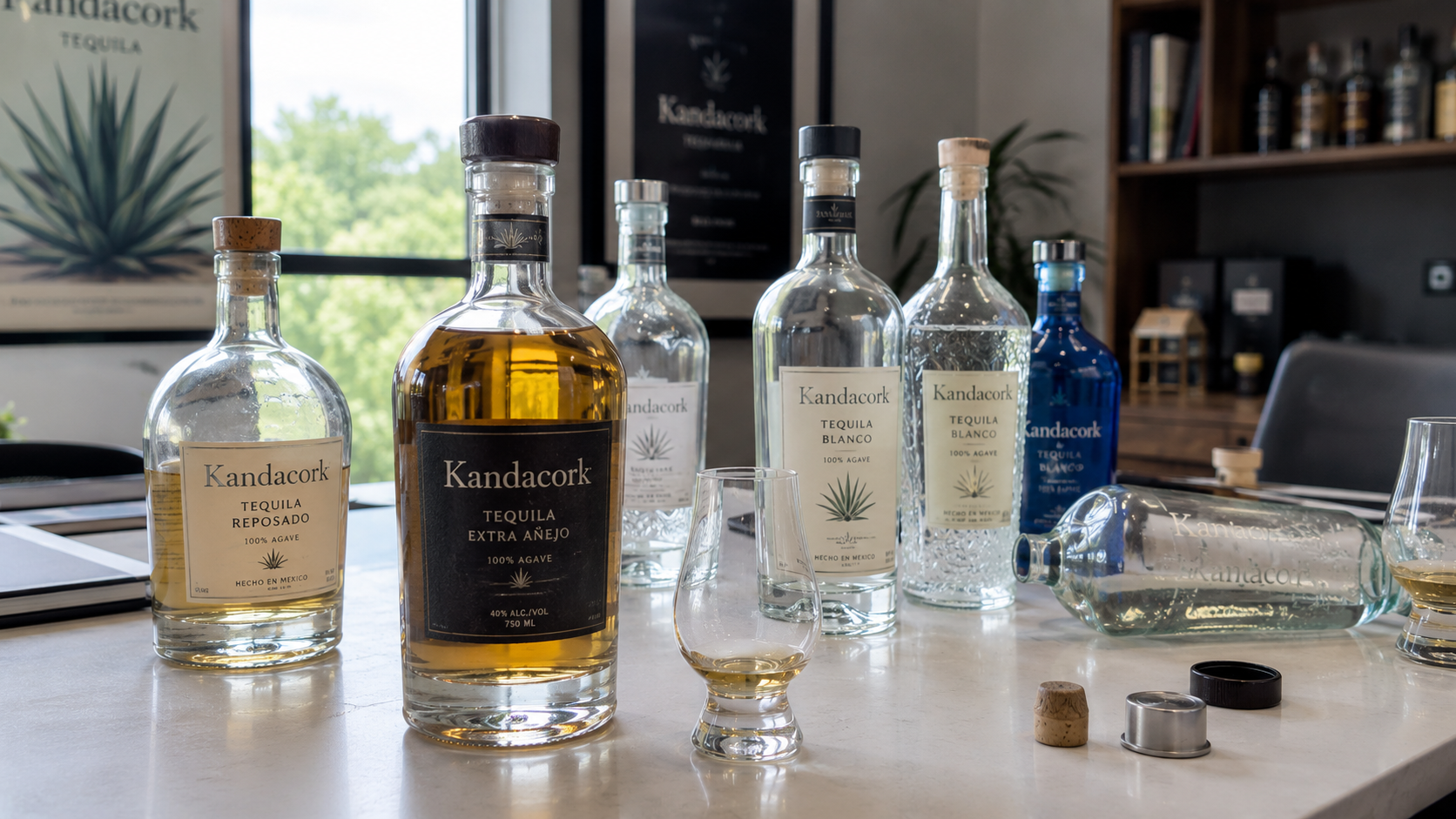
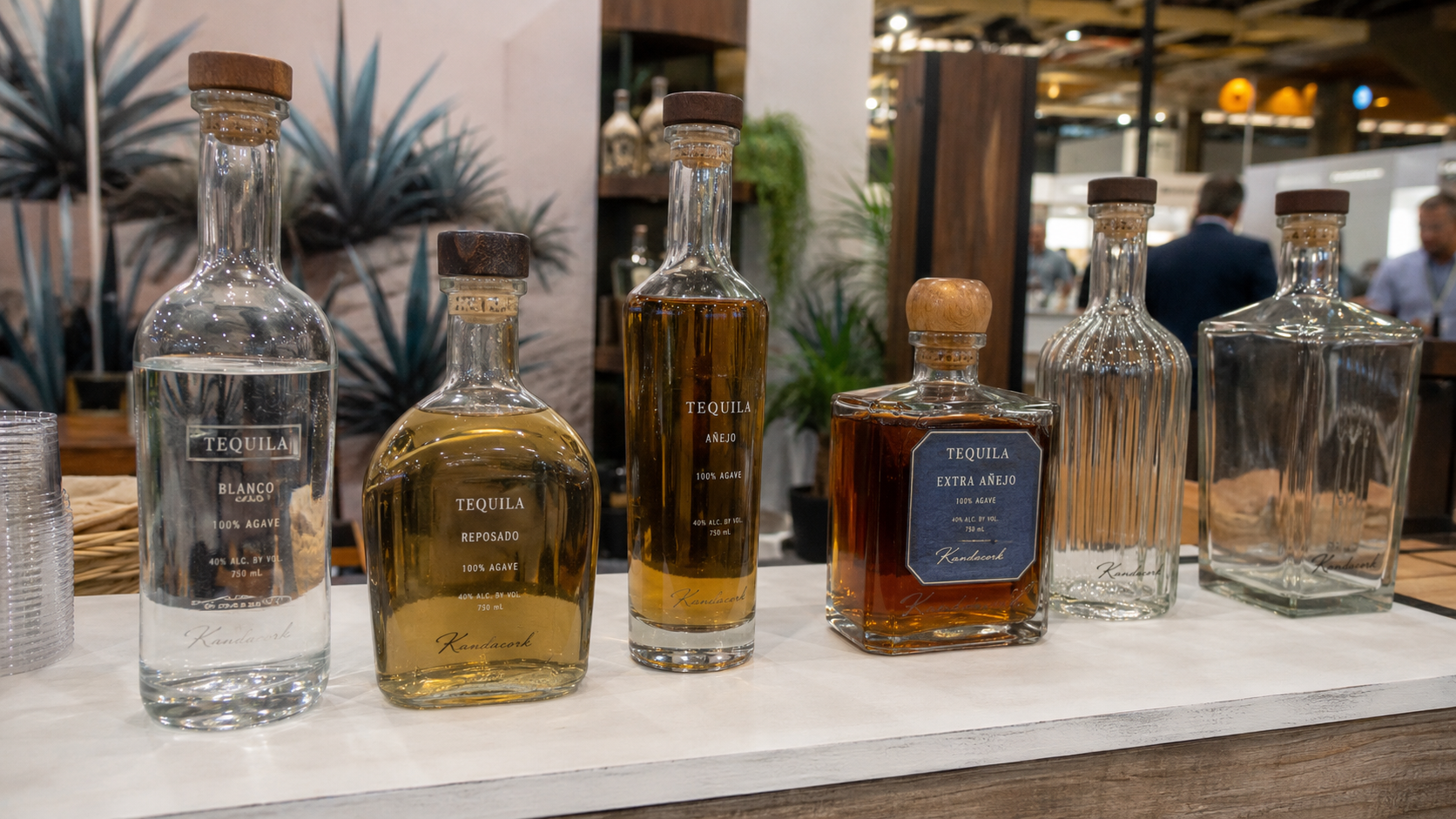
| Tequila and mezcal | Bar-top stopper, non-refillable closure | Strong shelf identity and authenticity support |
| Mini spirits bottles | Screw cap, small ROPP closure | Efficient filling and compact packaging format |
| Wine and aperitifs | ROPP closure, screw cap, capsule | Tamper evidence and efficient application |
| Olive oil and vinegar | ROPP closure, pourer closure, capsule | Controlled pouring and secure sealing |
| Sauces and condiments | Screw cap, liner cap, dispensing closure | Product protection and consumer convenience |
| Private label projects | Custom screw cap, stopper, capsule, sleeve | Flexible branding and repeat-order consistency |
This type of selection process helps bottlers choose closures based on actual use conditions rather than appearance alone.
Standard vs Custom Closures for Bottlers
Standard closures are suitable for fast, cost-sensitive projects, while custom closures are better for brand differentiation, premium packaging, and private label programs that require a unique appearance or structure.
| Option | Best For | Advantages | Limitations |
|---|---|---|---|
| Standard closure | Fast projects, simple packaging, cost control | Shorter lead time, lower development cost, easier repeat orders | Limited branding, fewer shape and finish options |
| Semi-custom closure | Private label projects, moderate branding needs | Logo, color, finish, or capsule customization without full structural development | Some design limitations remain |
| Fully custom closure | Premium spirits, gift packaging, exclusive brand identity | Custom shape, material, finish, logo, and structure | Requires sample approval and longer development time |
| Full packaging solution | Bottle, closure, decoration, capsule, sleeve, and carton projects | Reduces mismatch risk and simplifies sourcing | Requires more project details at the beginning |
For many bottlers, the best choice is not always the most complex closure. The best choice is the closure that fits the bottle, protects the product, supports the brand, works with the filling line, and stays consistent across repeat production.
Technical Factors Bottlers Should Confirm
Bottlers should confirm bottle neck finish, liner selection, torque, tamper evidence, filling-line compatibility, product chemistry, and shipping conditions before approving a closure. These factors determine whether the closure will perform correctly in real production and distribution.
A closure supplier for bottlers should review practical project details before recommending a solution. Important factors include liquid type, alcohol percentage, filling temperature, filling-line speed, capping equipment, liner needs, tamper-evident requirements, storage conditions, export route, and consumer opening expectations.
Bottle Neck Finish
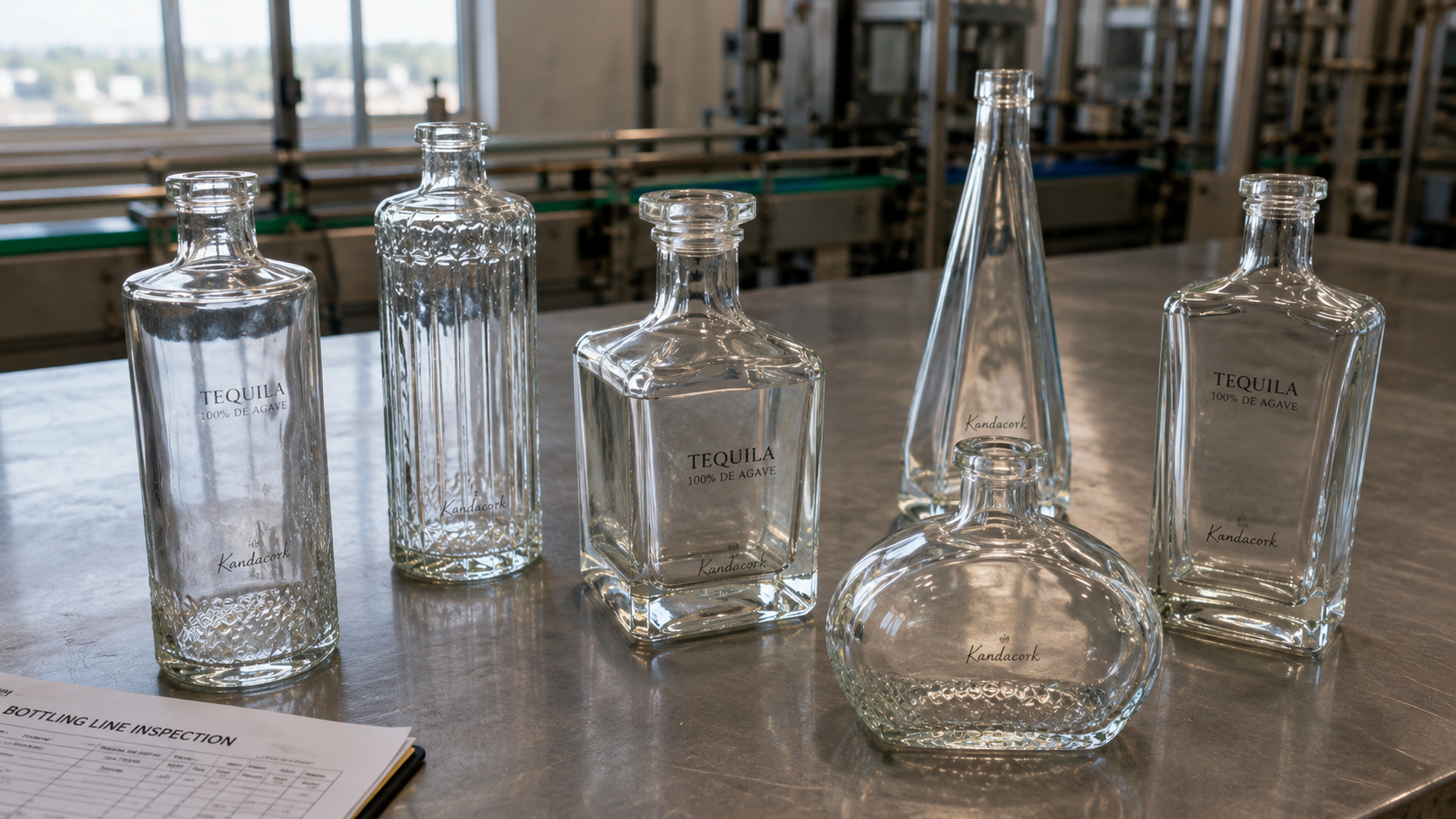
Bottle neck finish is the most important fit point between the bottle and closure because it determines sealing, thread engagement, tamper-band behavior, and capping-line performance.
The neck finish includes the threads, bead, opening, and sealing surface. For screw caps and ROPP closures, the neck finish determines whether the cap can engage correctly and seal properly.
Bottlers should provide drawings, technical specifications, or physical bottle samples whenever possible. If the bottle is custom-made, the closure should be considered during bottle development, not after the mold is finalized. Industry resources such as ISBT Threadspecs help beverage packaging teams communicate finish guidelines more clearly, although final cap design and performance still depend on the closure supplier, bottle producer, and line conditions.
Liner Selection
Liner selection affects sealing performance, product compatibility, shelf life, and consumer safety. The liner must be suitable for the liquid, storage condition, filling process, and destination market.
Liners help create a seal between the closure and bottle. Bottlers may need liners suitable for alcohol, oil, acidic products, carbonated beverages, sauces, or food-contact applications.
For food, beverage, oil, and sauce projects entering the U.S. market, buyers should consider whether packaging components fall under FDA food contact substance expectations. For products sold in Europe, the European Commission’s guidance on food contact materials is also relevant when reviewing materials, migration, and compliance documentation.
Torque and Opening Experience
Torque affects both sealing performance and consumer experience. Application torque controls how securely the closure is applied, while removal torque affects how easily the consumer can open the bottle.
If torque is too low, leakage and tamper-band failure may occur. If torque is too high, consumers may struggle to open the bottle. Professional bottlers should test closures under real production conditions whenever possible.
The opening experience is also part of brand perception. A premium spirits closure should feel secure, smooth, and intentional. A closure that is difficult to open or feels unstable can reduce consumer confidence.
Tamper Evidence
Tamper evidence helps show whether a bottle has been opened or interfered with before purchase. It supports consumer trust, retail acceptance, and compliance expectations in many markets.
Tamper evidence may come from a breakaway band, capsule, shrink sleeve, strip seal, or other device. The closure should show visible evidence once opened and should not interfere with normal consumer use.
For distilled spirits sold in the United States, the Alcohol and Tobacco Tax and Trade Bureau explains that bottles of distilled spirits require a tamper-evident closure or similar device. Requirements vary by product category and destination market, so buyers should confirm applicable rules before finalizing closure construction.
Filling-Line Compatibility
Filling-line compatibility determines whether a closure can be applied consistently during real production. A closure may work well in a hand sample but fail on an automatic or semi-automatic bottling line.
Bottlers should confirm whether the closure can run on the intended equipment, including feeding, orientation, application, torque control, and rejection systems.
This is especially important for contract bottlers, high-volume beverage producers, and private label programs that need repeatable performance. Filling-line compatibility should be checked early because changes to closure structure, bottle finish, or capping equipment can affect timing and cost.
Custom Decoration and Brand Presentation
Custom decoration turns a closure into a visible brand asset. The closure affects first impression, shelf image, opening experience, and perceived product value.
Custom decoration options may include:
- Logo printing
- Embossing or debossing
- Hot stamping
- Custom color matching
- Wood, metal, glass, plastic, or aluminum top designs
- Matte, glossy, satin, metallic, or natural finishes
- Custom top shapes
- Matching capsules, shrink sleeves, labels, and cartons
Kandacork’s colors and finishes guide supports projects where closure color, surface texture, metallic effect, lacquer, and brand finish need to coordinate with the bottle and label. For luxury packaging, the closure should match the full visual system rather than appear as a separate component.
Supplier-Side Checks Before Sample Approval
Sample approval should confirm technical fit, sealing performance, decoration, packaging, and production repeatability. Experienced packaging suppliers do not approve closures based only on appearance.
Kandacork Closures can help review:
- Bottle drawing and neck finish
- Physical bottle sample if available
- Closure diameter and height
- Cork or synthetic shank size
- Liner material and sealing surface
- Cap thread or ROPP compatibility
- Application torque and removal torque
- Tamper-evident band behavior
- Decoration artwork and color matching
- Packaging method for export shipment
- Carton strength and handling requirements
- Consistency between approved sample and bulk production
These checks help reduce common sourcing mistakes and improve confidence before production. For custom packaging, early confirmation is usually more efficient than correcting problems after components have already been manufactured.
Common Closure Sourcing Mistakes
Many bottling delays are caused by avoidable closure sourcing mistakes. These mistakes often happen when the closure is treated as a decorative accessory instead of a technical packaging component.
Frequent mistakes include:
- Choosing a closure before confirming the bottle neck finish
- Assuming all caps with the same diameter will fit the same bottle
- Ignoring liner compatibility with alcohol, oil, or acidic products
- Approving decoration without checking bulk production tolerance
- Testing the closure by hand but not on the actual filling line
- Overlooking export shipping conditions
- Ordering bottles and closures from separate suppliers without fit confirmation
- Waiting too long to request samples
- Not keeping a clear specification for repeat orders
A strong closure supplier for bottlers should help buyers avoid these problems by asking the right questions before production starts.
Quality Control and Production Consistency
Quality control starts with a clear specification. A good closure specification should define the closure type, material, dimensions, liner, color, decoration method, finish, application requirements, packaging method, and acceptable tolerance.
For custom closures, buyers should keep approved samples, artwork files, color standards, production records, and packaging specifications. This helps ensure repeat orders remain consistent.
Quality management frameworks such as ISO 9001 are useful references for buyers who want repeatable processes, documented specifications, and continual improvement across supplier relationships. For bottling projects, the practical goal is simple: the bulk closure should match the approved sample and continue performing consistently across repeat orders.
Benefits of Sourcing Bottles and Closures Together
Sourcing bottles and closures together helps reduce mismatch risk between the bottle neck, cap structure, decoration, capsule, label, carton, and export packaging. It is especially useful for custom bottles, private label projects, and premium spirits packaging.
Many bottling problems happen because bottles and closures are sourced separately without enough technical coordination. The bottle supplier may focus on glass shape, while the closure supplier focuses on cap appearance. If the two components are not checked together, the buyer may discover problems too late.
For buyers that need a broader packaging program, Kandacork Glass helps coordinate bottles, closures, decoration, and export-ready packaging across spirits projects. For brands with sustainability goals, Kandacork Eco Glass can support glass packaging discussions where bottle weight, design, decoration, and logistics need to be reviewed together.
Key benefits include:
- Better matching between bottle neck finish and closure
- Easier communication during sample development
- Faster appearance confirmation
- Better coordination between closure, label, capsule, sleeve, and carton
- Fewer delays caused by component mismatch
- More consistent repeat orders
- Stronger support for private label and custom packaging programs
Kandacork Closures can support closure sourcing as part of a wider packaging solution. This is valuable for bottlers that need bottles, closures, decoration, capsules, shrink sleeves, labels, cartons, and export packaging support from one coordinated supplier.
Quote Information for Faster Recommendations
Clear project information helps the supplier recommend the right closure faster. The more complete the details, the easier it is to confirm fit, sealing, decoration, and production feasibility.
Please prepare:
- Bottle drawing or neck finish specification
- Bottle photos or physical sample if available
- Product type, such as spirits, beverage, oil, sauce, or liquid food
- Alcohol percentage or special liquid characteristics if relevant
- Preferred closure type
- Cap size, material, color, and decoration requirements
- Logo file or artwork if customization is needed
- First order quantity and estimated annual volume
- Filling method and capping equipment information
- Destination market
- Packaging and shipping requirements
- Target timeline
If you are not sure which closure type is best, Kandacork Closures can review your bottle and product application first. As an experienced closure supplier for bottlers, our team can recommend suitable options for sample testing and bulk production.
Kandacork Closures Advantages
Kandacork Closures serves B2B buyers that need practical, brand-ready, and export-ready closure solutions. Our products are designed for bottlers, spirits brands, beverage companies, packaging distributors, private label buyers, and importers that need consistent quality and professional communication.
Key advantages include:
- Custom caps, stoppers, ROPP closures, non-refillable closures, capsules, and shrink sleeves
- Support for whisky, vodka, gin, rum, tequila, brandy, cognac, liqueur, wine, olive oil, beverage, and specialty bottles
- Bottle and closure matching support
- Custom logo, color, shape, and finish options
- Sample confirmation before bulk production
- B2B communication for sourcing teams and packaging buyers
- Export packaging support
- Coordination with bottles, labels, capsules, cartons, and full packaging projects
A closure supplier for bottlers should understand both the technical and commercial sides of packaging. Kandacork Closures helps buyers move from concept to sample approval and from sample approval to repeatable production.
FAQ
What is a closure supplier for bottlers?
A closure supplier for bottlers provides caps, stoppers, liners, capsules, shrink sleeves, and technical matching support for bottled products. The supplier helps confirm bottle neck fit, sealing performance, tamper evidence, branding, capping-line compatibility, and bulk production consistency.
What is the best closure for spirits bottling?
The best closure depends on the spirit type, bottle neck, brand positioning, and market requirement. Premium whisky, rum, tequila, brandy, and cognac often use bar-top stoppers. Vodka, gin, mini spirits, and some export projects may use screw caps, ROPP closures, capsules, or non-refillable closures.
Can Kandacork Closures match a closure to my existing bottle?
Yes. Please send the bottle drawing, neck finish specification, photos, or physical samples. Kandacork Closures can review the bottle and recommend suitable caps, stoppers, liners, or closure structures for testing.
Do bottlers need samples before bulk production?
Yes. Samples are strongly recommended. Bottlers should check fit, sealing, appearance, torque, tamper evidence, and compatibility with filling or capping equipment before confirming mass production.
Can I customize the logo and color of the closure?
Yes. Custom options may include logo printing, embossing, debossing, hot stamping, color matching, custom top shape, matte finish, glossy finish, metallic finish, wood finish, or matching capsules and shrink sleeves.
What information is needed for a closure quotation?
For a fast quote, send the bottle drawing, neck finish, product type, closure type, decoration requirements, order quantity, destination market, packaging requirements, and target timeline.
Can Kandacork Closures supply both bottles and closures?
Yes. Kandacork Closures can help coordinate bottles, closures, capsules, shrink sleeves, labels, cartons, and export packaging. This helps reduce mismatch risk and simplifies sourcing for bottlers.
Why work with a specialized closure supplier for bottlers instead of buying standard caps?
Standard caps may work for simple projects, but custom bottling often requires better fit, branding, sealing, tamper evidence, and filling-line compatibility. A specialized closure supplier for bottlers can help reduce technical risk and support a more professional packaging result.
Final CTA
Need a closure supplier for bottlers? Send Kandacork Closures your bottle drawing, neck finish, liquid type, closure style, quantity, branding requirements, and destination market through the custom closure quote page. We can help recommend custom caps, bar-top stoppers, ROPP closures, non-refillable closures, capsules, shrink sleeves, and complete packaging solutions for sample approval and bulk production.