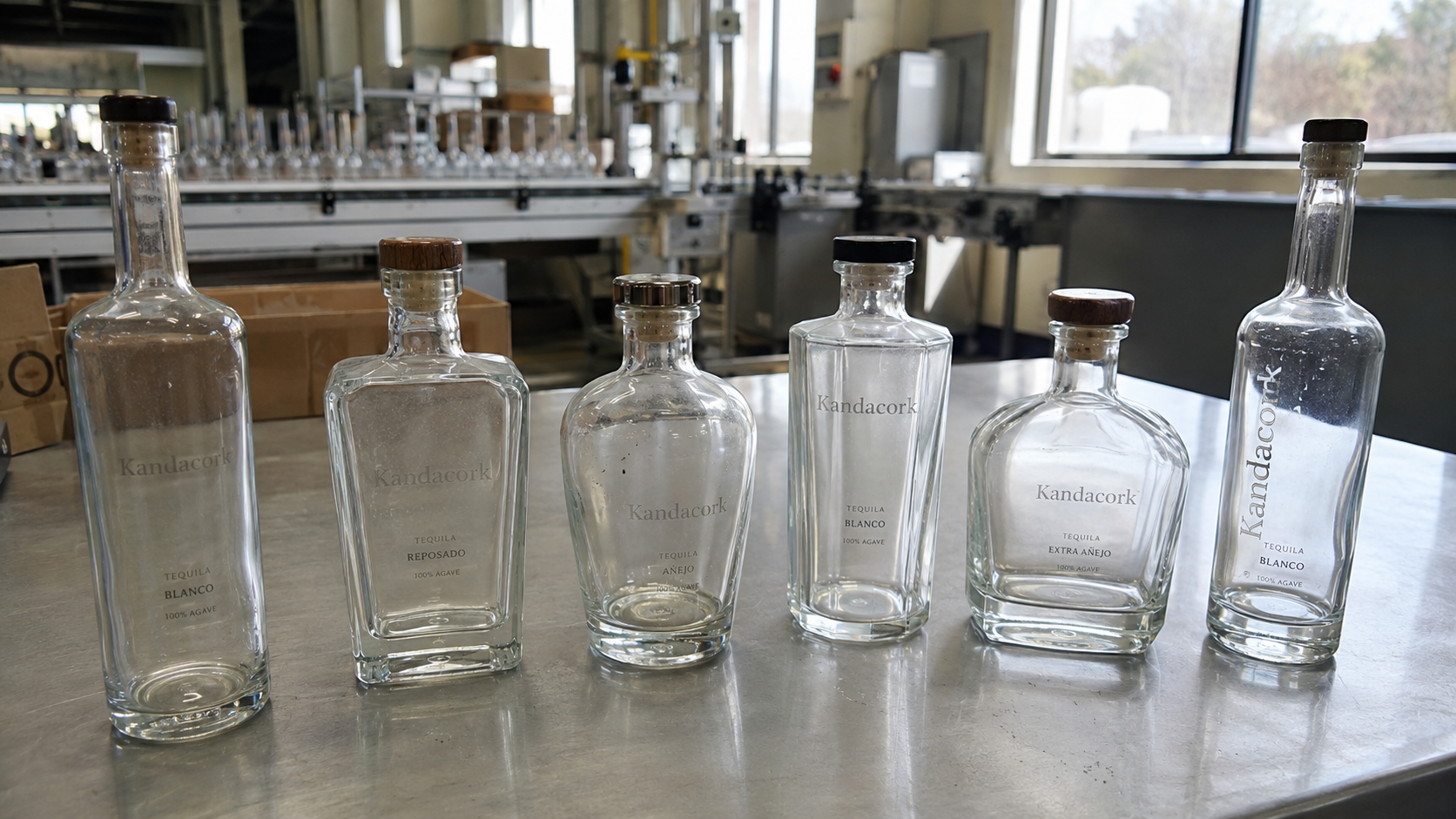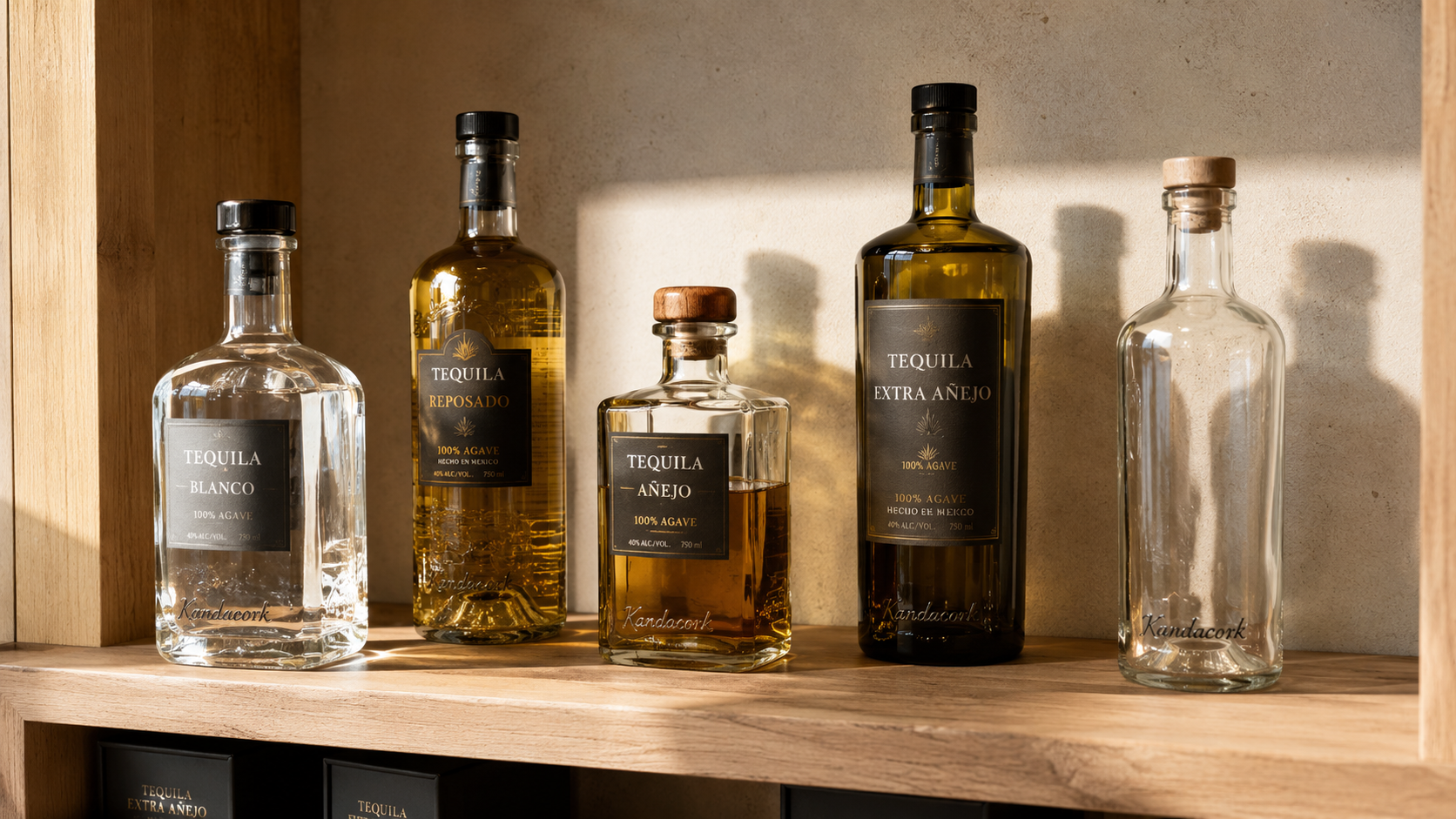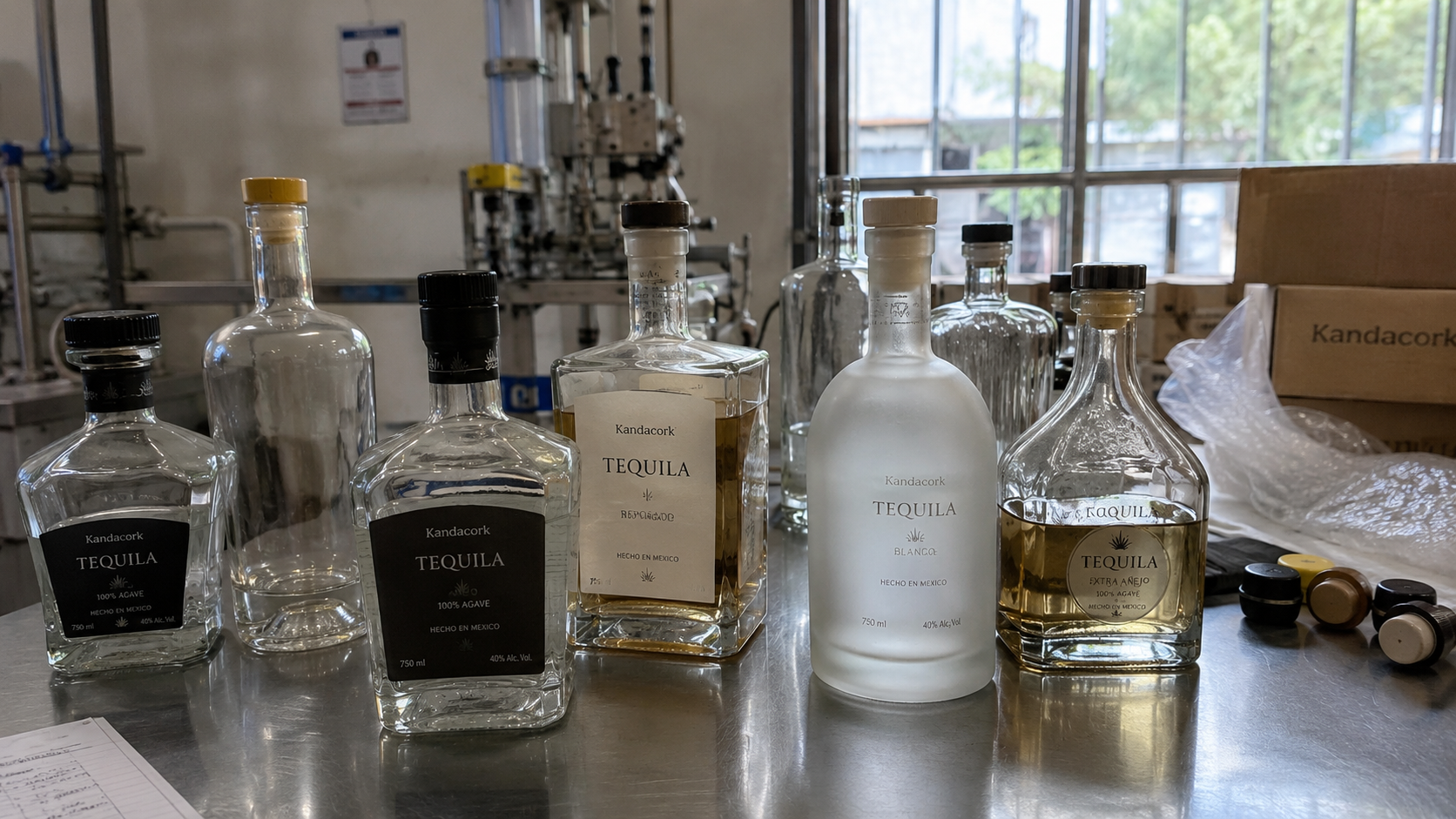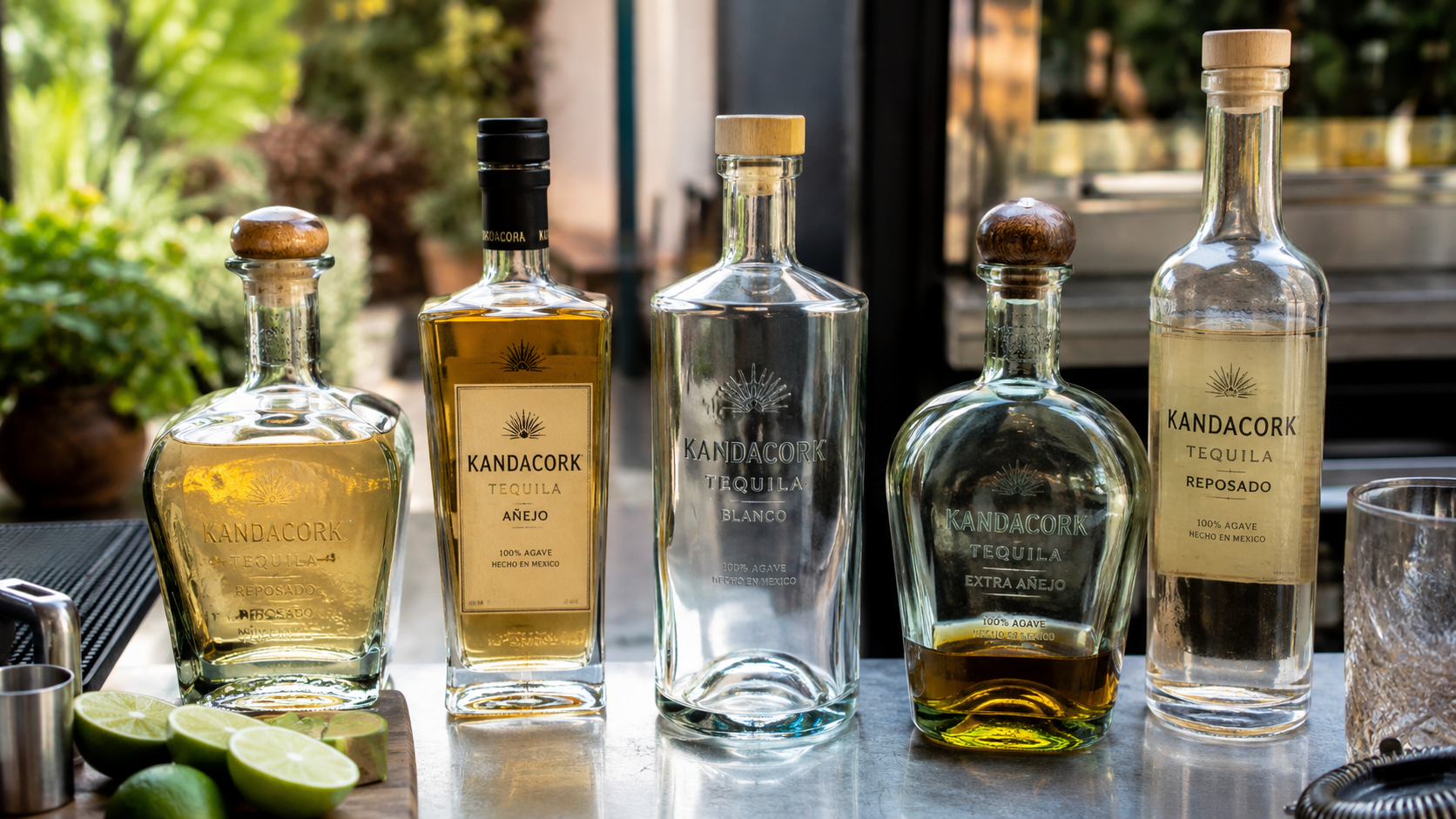
Bulk synthetic stopper orders should be reviewed for consistent dimensions, compression, appearance and packing quality. This guide explains the key inspection points buyers should confirm before approving shipment for spirits packaging projects.
Quick Answer
Synthetic bottle stoppers are available in bulk for spirits, wine, liqueur, oils, vinegars and specialty beverage packaging. Buyers should confirm bottle neck inner diameter, stopper shank size, insertion depth, pull-out feel, material suitability, logo decoration, MOQ and sample approval before mass production.
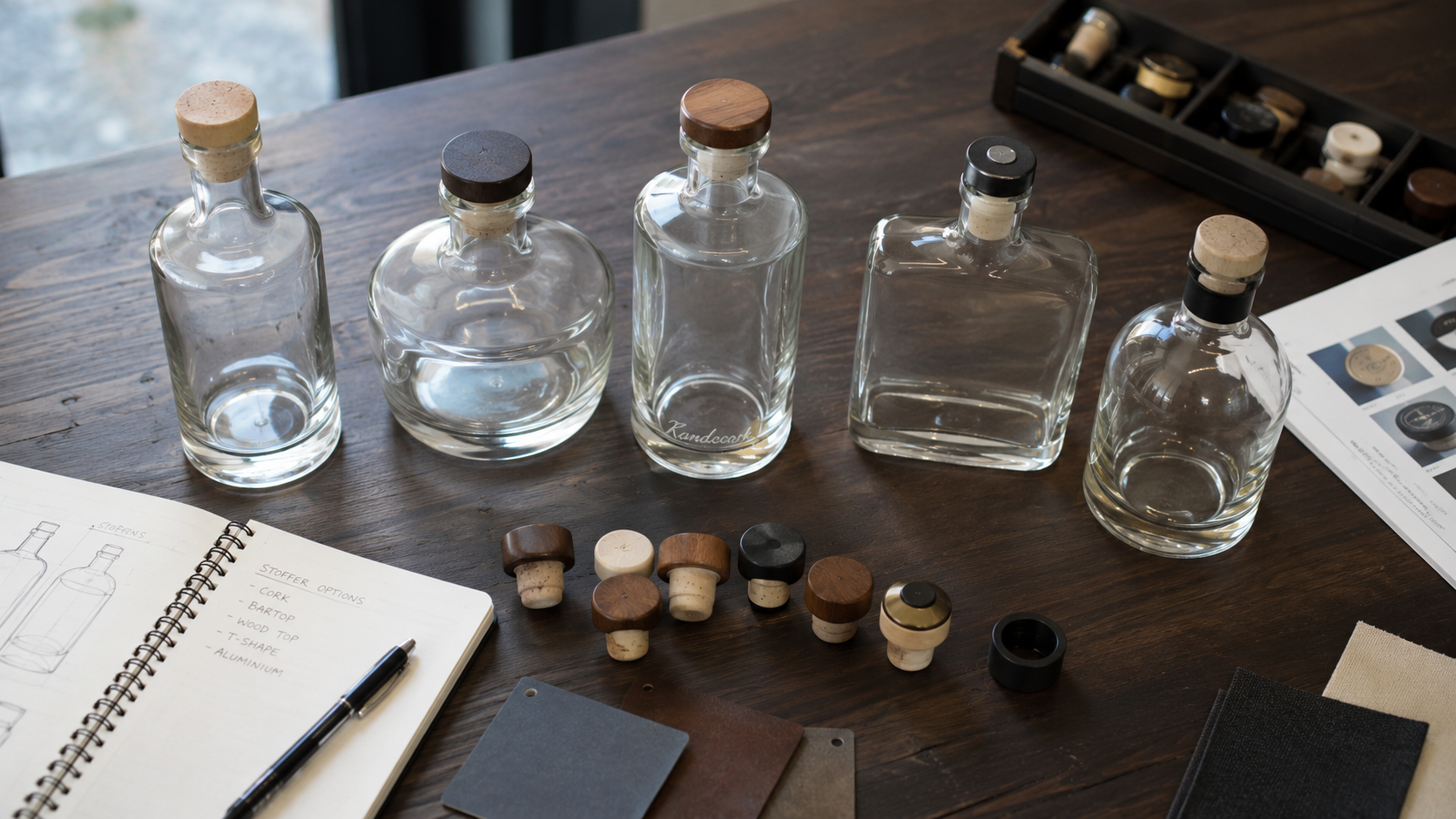
If you are developing a new whisky, vodka, gin, rum, tequila, brandy or liqueur bottle, start with the bottle drawing or physical bottle sample. The stopper should be tested as part of the complete packaging system, not selected only from a catalog image.
What Are Synthetic Bottle Stoppers?
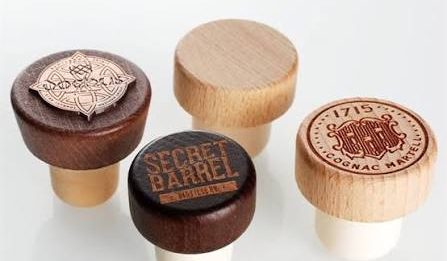
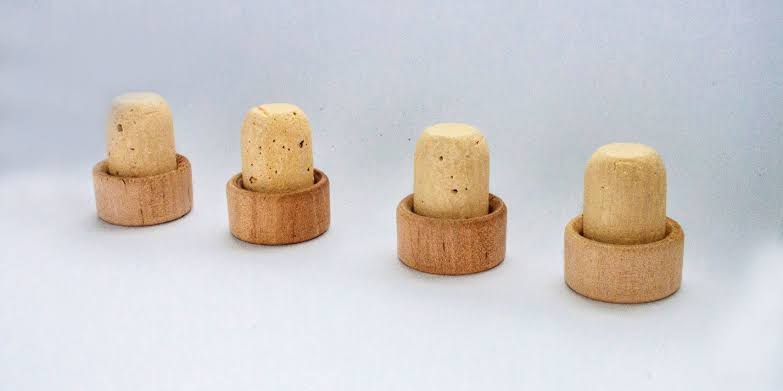
Synthetic bottle stoppers are engineered closures made with polymer-based, synthetic cork-style or composite stopper materials. In spirits packaging, the most common format is the bar-top stopper, also called a T-top stopper. It usually includes a decorative cap on top and an insert shank that fits into the bottle neck.
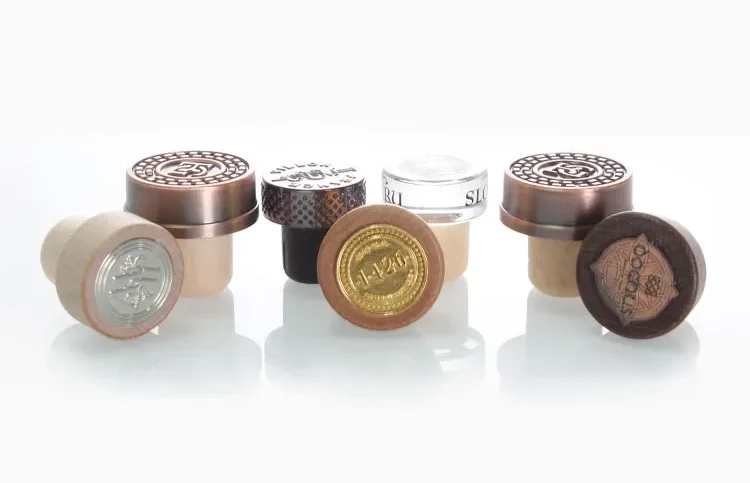
The cap may be made from plastic, resin, wood-effect material, metal-effect material or a custom molded structure. The shank may be synthetic cork, polymer or another engineered material designed to create stable contact with the glass neck.
Synthetic stoppers are often selected when buyers need consistent dimensions, predictable appearance, flexible cap decoration and scalable supply. They are especially useful for commercial packaging programs where the same closure must be repeated across batches, markets and SKUs.
Synthetic Bottle Stoppers vs Synthetic Cork Stoppers
Synthetic cork stoppers usually imitate the appearance and function of natural cork while reducing some natural material variation. They are commonly used for wine, spirits, oils and specialty bottles.
Synthetic bottle stoppers is a broader term. It may include synthetic cork-style shanks, polymer inserts, plastic-head bar-top closures, molded decorative caps and complete custom stopper systems for branded packaging.
For a buyer searching for synthetic bottle stoppers bulk, the real need is often a complete closure solution. Fit, cap shape, logo method, color accuracy, shank behavior, packing method and reorder stability all matter. A stopper must work with the bottle and the brand, not simply seal the opening.
Why Brands Buy Synthetic Bottle Stoppers in Bulk
Bulk sourcing helps beverage brands control cost, appearance and supply continuity. A stopper used on a spirits bottle may remain part of the brand identity for years, so it should be stable enough for repeat production.
Bulk synthetic stoppers help buyers manage unit price, MOQ planning, color consistency, logo placement, carton packing, production lead time and bottle compatibility. For private-label spirits, one stopper family can often be adapted across vodka, gin, rum and liqueur lines by changing cap color, logo decoration or surface finish.
This approach also supports integrated packaging development. A buyer working on bottle shape, neck finish and closure fit through Kandacork Spirits can coordinate the stopper earlier in the design process, reducing the risk of discovering fit problems after the glass mold or decoration plan is already fixed.
Common Applications for Bulk Synthetic Bottle Stoppers
Whisky and bourbon bottles often use bar-top stoppers to create a premium opening experience. A 750 ml whisky bottle with a heavy glass base may need a wider cap, stronger visual proportion and controlled pull-out force. If the stopper feels too light or loose, the premium impression is weakened.
Vodka packaging often favors clean, modern and precise closure design. White, clear, frosted, metallic-effect or monochrome caps can match minimalist bottle structures. For a premium vodka range, the stopper should look sharp and feel consistent across every batch.
Gin brands often use color, botanical storytelling and decorative glass. A green or blue gin bottle may need a cap color that matches the glass, label and capsule. Physical color samples are important because screen colors rarely show the final packaging effect accurately.
Rum packaging may use dark glass, vintage silhouettes, textured labels and warm cap finishes. Brown, black, copper, gold or wood-effect synthetic stoppers can reinforce the craft, heritage or aged-spirit positioning of a rum brand.
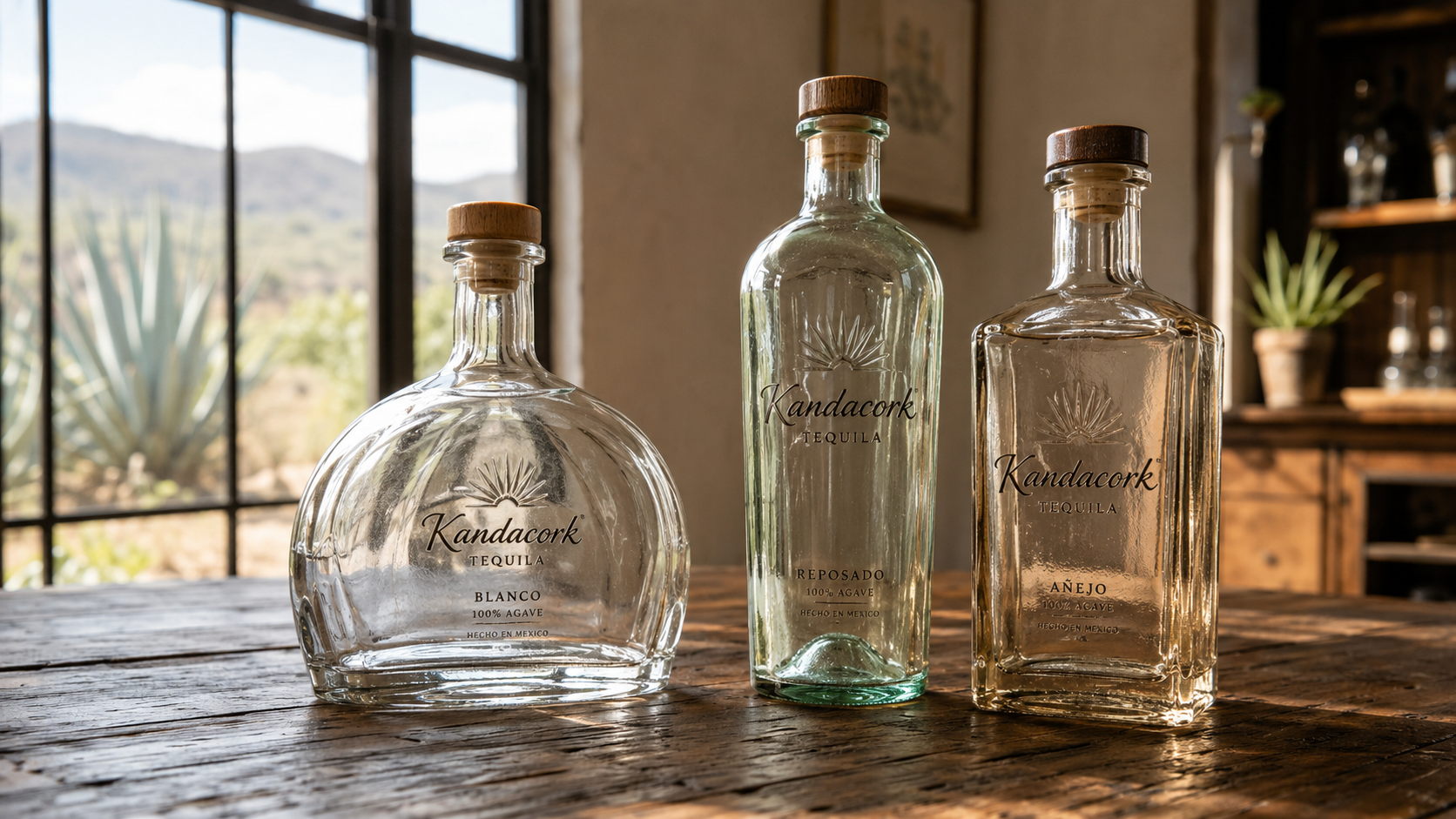
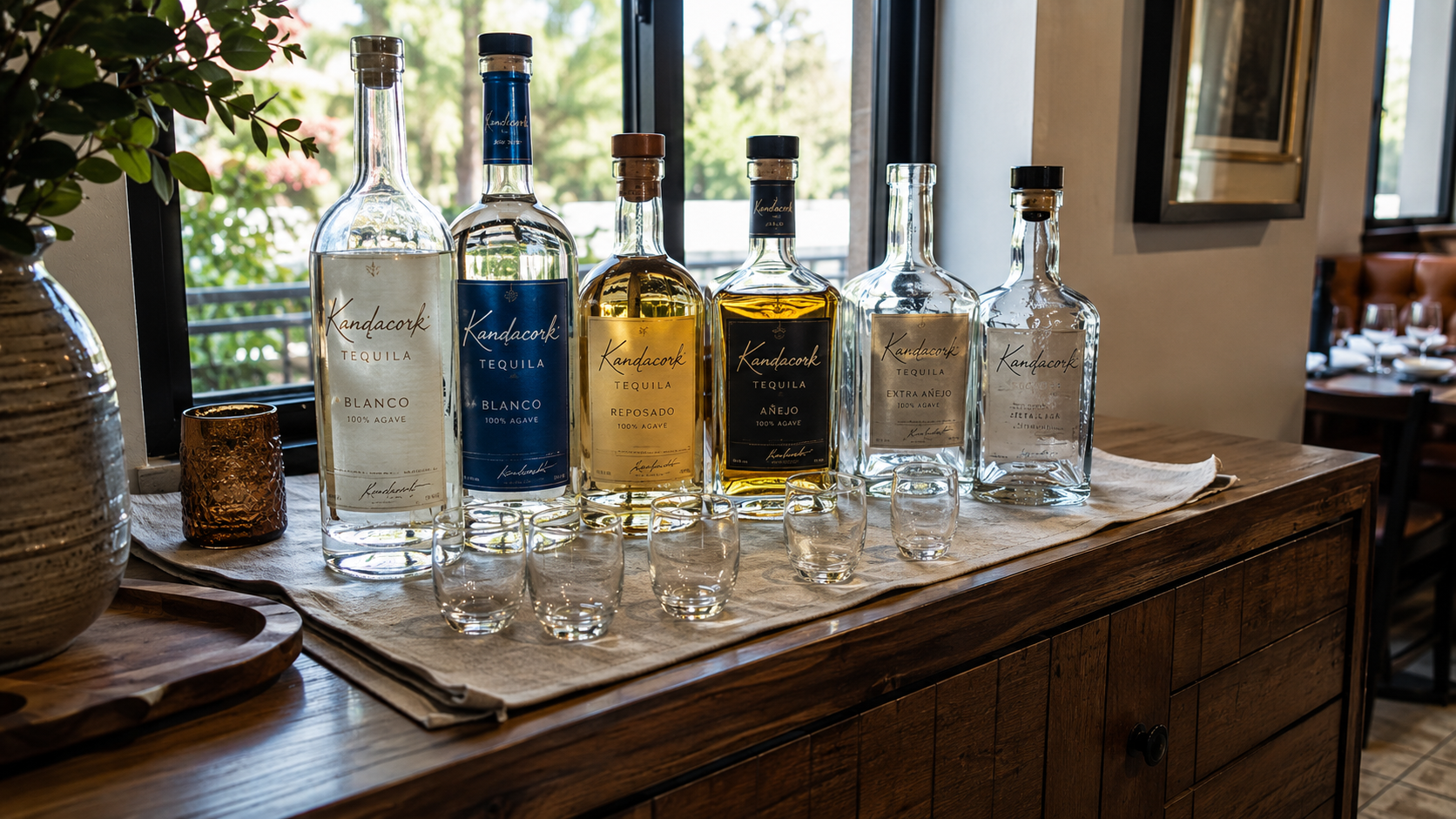
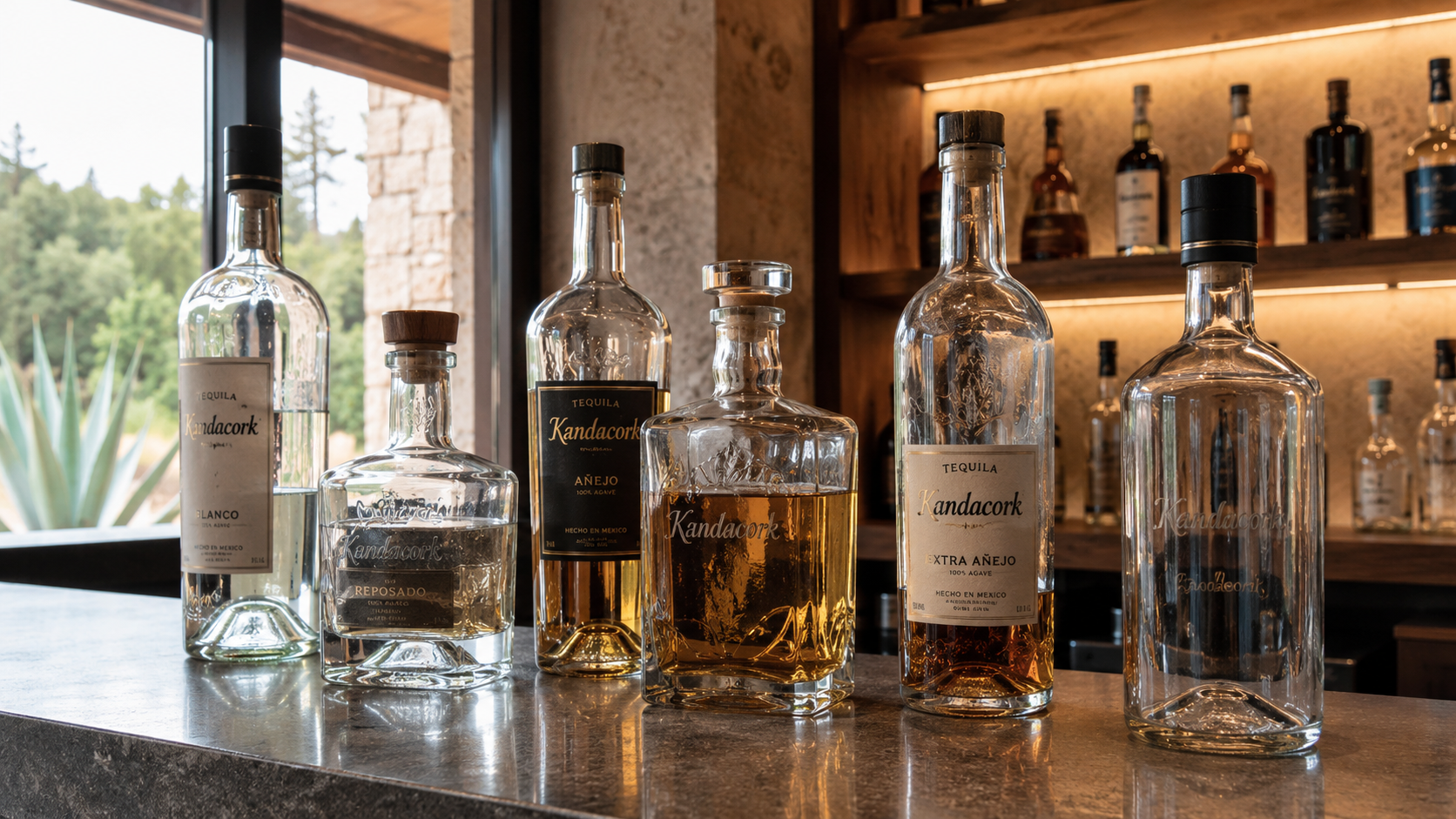
Tequila, mezcal, brandy and liqueur brands may require distinctive cap shapes to stand out on the shelf. For these categories, a stopper can become a strong identity element when cap profile, top logo and sidewall texture are developed together.
Stopper Material Comparison for Bulk Orders
| Stopper Type | Best For | Advantages | Buying Considerations |
|---|---|---|---|
| Synthetic bottle stoppers | Spirits, liqueurs, private-label beverages | Consistent dimensions, flexible branding, scalable supply | Must be matched carefully with neck size and liquid requirements |
| Synthetic cork stoppers | Wine, spirits, oils, vinegars | Cork-like appearance with controlled production | Appearance may be less traditional than natural cork |
| Natural cork stoppers | Classic wine and craft packaging | Natural look, heritage value, tactile texture | More variation in texture, color and performance |
| Wooden stoppers | Premium whisky, rum, brandy | Warm, premium, tactile presentation | Requires careful assembly with the shank and bottle |
| Plastic stoppers | Cost-sensitive or high-volume projects | Color flexibility, light weight, practical cost | Needs good finishing to avoid a low-value appearance |
| Aluminum or metal stoppers | Modern premium spirits | Metallic look, strong shelf impact | Cost and decoration method should be reviewed early |
| Glass stoppers | Decorative premium bottles | Elegant, reusable, high-end look | Requires precise bottle compatibility |
A standard synthetic stopper may be enough for a straightforward project. A custom stopper is usually better when the brand needs a special cap shape, exact color, premium finish or distinctive logo treatment.
Plastic, Synthetic and Hybrid Stopper Options
Some projects need a synthetic shank with a decorative cap. Others need a lightweight plastic cap, a synthetic cork-style insert or a hybrid structure that balances cost, feel and appearance. Kandacork’s plastic stoppers can be useful for brands that want flexible shapes, stable color and controlled cost in mid-size or high-volume programs.
The best option depends on the product tier. A value private-label spirit may prioritize cost and stable supply. A craft gin may need a custom color and detailed logo. A luxury whisky may need a heavier cap profile and more tactile surface finish. Each decision should be made with the bottle, label, capsule and carton in mind.
How to Match Synthetic Stoppers With Bottle Necks
The correct stopper size is determined by the bottle neck, not by bottle capacity alone. Two 750 ml bottles can require different stopper diameters because their inner neck dimensions and tolerances may differ.
Key fit details include bottle neck inner diameter, neck tolerance, shank diameter, insertion depth, cap head diameter, total closure height, pull-out force and sealing contact area. If the bottle will use a capsule, shrink sleeve or gift box insert, those components should be reviewed at the same time.
Packaging teams should also consider glass finish consistency. The Glass Packaging Institute is a useful industry entity for understanding how glass container standards and packaging compatibility affect bottle and closure systems, especially when buyers coordinate glass bottles, neck finishes and closures from different production sources.
How to Measure a Bottle Neck Before Ordering
Measure the inner diameter of the bottle neck at the opening. This helps determine the stopper shank diameter needed for secure insertion.
Review the bottle drawing if available. Neck tolerance is important because glass bottles can vary slightly between batches. A stopper that fits one sample may feel different if the neck tolerance range is not considered.
Confirm usable insertion depth. The shank should insert far enough to remain stable, but not so deeply that it interferes with the bottle structure or creates poor opening feel.
Check the cap diameter against the bottle shoulder and neck finish. A cap that is too wide may look bulky; a cap that is too narrow may look weak on a premium bottle.
Test the stopper with physical samples before bulk production. Drawings are useful, but real fit, insertion force and pull-out feel should be confirmed on actual bottles.
Customization Options for Bulk Synthetic Bottle Stoppers
Customization turns a functional stopper into a visible brand asset. Cap shape, color, texture, logo placement and finish should support the bottle design and target price tier.
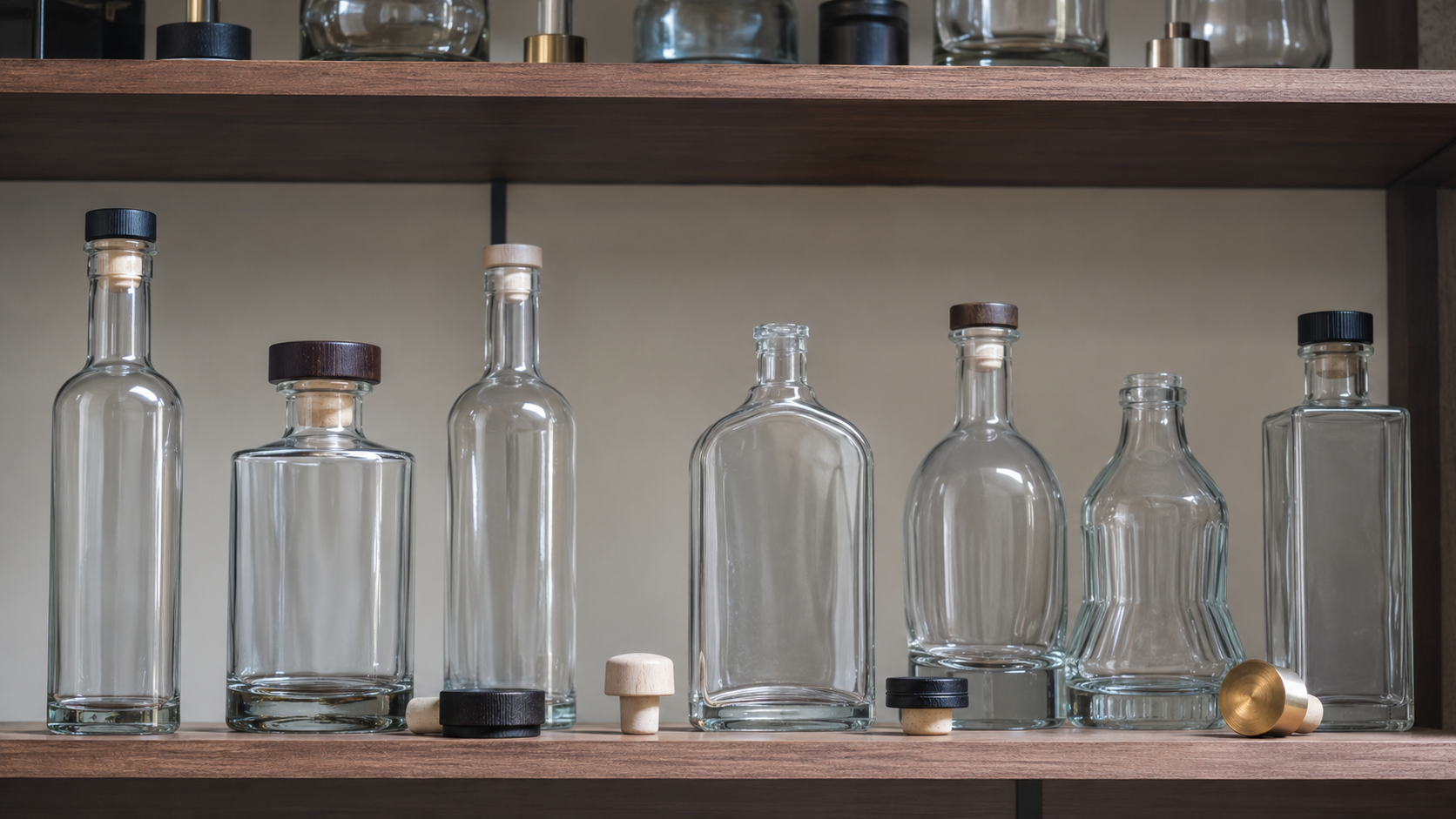
Cap shapes may include flat-top, round-top, cylindrical, tapered, ribbed, square, oval or custom molded forms. A whisky brand may prefer a heavier cap. A vodka brand may prefer a clean cylinder. A gin or liqueur brand may need a more decorative color story.
Color and finish options may include matte black, gloss black, white, beige, metallic-effect, transparent-effect, frosted, wood-effect, copper, gold or custom color matching. Kandacork’s colors and finishes support helps buyers coordinate the closure with the bottle, label, capsule and outer packaging.
Logo decoration may include printing, hot foil stamping, embossing, debossing, molded branding, top decoration or side decoration. For more complex bottle graphics, brands can coordinate with Kandacork Decor so glass decoration and closure decoration support the same visual identity instead of competing with each other.
Standard Model or Custom Mold?
A standard stopper may be faster and more cost-effective when the bottle neck is common, the cap shape is simple and the decoration requirements are light. It can be a practical choice for testing a new SKU, building a private-label range or controlling launch cost.
A custom mold may be better when the stopper needs a unique shape, exact sidewall texture, special cap weight, molded logo or premium brand signature. Custom tooling can also help a long-term product family maintain consistency across several bottle formats.
For buyers developing glass and closure together, Kandacork Glass can support broader packaging coordination, including bottle structure, closure matching, decoration planning and export-ready production.
ROPP, Non-Refillable and Bar-Top Stopper Choices
Synthetic bar-top stoppers are ideal when brands want a premium cork-style opening experience. However, some projects may require other closure systems.
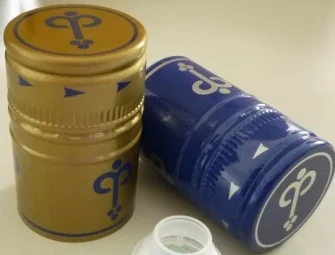
For high-speed filling lines, pilfer-evident screw-cap formats such as ROPP closures may be more suitable. These closures can provide reclosable performance, line efficiency and visible tamper evidence for specific neck finishes.
For premium spirits or markets where refill protection matters, non-refillable closures can help add anti-refill functionality and security. In the United States, the Alcohol and Tobacco Tax and Trade Bureau provides TTB closure guidance explaining that distilled spirits bottles require a securely affixed tamper-evident closure or similar device.
The right choice depends on the product category, bottling equipment, destination market, brand positioning and security needs.
Quality, Food Contact and Compliance Considerations
Bottle closures for beverage packaging should be reviewed for material suitability, sealing performance and destination-market requirements. The material should be appropriate for the liquid, alcohol level, storage conditions and transportation environment.
For U.S. market planning, buyers can review the FDA food-contact material framework to understand how substances that may contact food or beverages are regulated. For the European market, Regulation (EC) No 1935/2004 is an important framework for materials intended to come into contact with food.
Quality management is also part of supplier evaluation. ISO 22000 food safety management is relevant when buyers want to understand risk control, traceability and food-chain responsibility. These frameworks do not replace product-specific review, but they help buyers ask better questions before confirming bulk production.
Kandacork Closures can support material discussion, production documentation review and packaging-development communication. Final compliance should always be verified according to the buyer’s liquid type, market, regulatory requirements and intended product use.
Sampling Before Bulk Production
Sample testing reduces risk before mass production. A closure can look correct in a photo but fail during insertion, storage, shipment or consumer opening.
Samples should be reviewed for bottle fit, insertion resistance, pull-out feel, sealing contact, cap proportion, logo position, surface finish, color accuracy, capsule compatibility, carton fit and filling-line handling.
For a whisky bottle, the sample should confirm that the stopper feels premium and secure. For a gin bottle with a shrink capsule, the sample should confirm that cap diameter and closure height allow clean capsule application. For a multi-SKU private-label line, samples should confirm that one stopper family can work across several bottle formats without visual or technical problems.
Cost Factors for Synthetic Bottle Stoppers Bulk
Bulk stopper cost depends on material, cap size, shank structure, cap weight, tooling, color matching, logo method, surface finish, quantity, packing method, inspection requirements and shipping destination.
A standard cap with simple printing usually costs less than a custom molded cap with metallic finish and embossed branding. However, the cheapest option may not deliver the best value if it creates packaging inconsistency, weak shelf impact or higher rejection risk during bottling.
For sustainability-focused projects, buyers may also want to consider bottle weight, packaging efficiency, recyclability goals and supply-chain coordination. Projects using Kandacork Eco Glass can align closure planning with broader glass packaging and sustainability discussions.
Information to Prepare for a Quote
| Information to Provide | Why It Matters |
|---|---|
| Bottle drawing or physical bottle sample | Confirms neck dimensions, fit and visual proportion |
| Bottle capacity and shape | Helps match closure size and design style |
| Neck inner diameter and tolerance | Determines suitable shank diameter and fit range |
| Target stopper style | Guides cap shape, material and finish |
| Cap color or color reference | Supports accurate color matching |
| Logo artwork | Determines decoration method and feasibility |
| Estimated order quantity | Affects MOQ, unit price and production planning |
| Destination market | Supports compliance and export-packing review |
| Timeline | Helps plan sampling, approval, production and shipment |
| Capsule, sleeve or gift-box details | Prevents compatibility issues with secondary packaging |
To start a project, buyers can contact Kandacork Closures with drawings, samples, artwork and quantity requirements. Complete information helps the team recommend a suitable standard model, modified option or custom stopper solution.
Common Mistakes When Ordering Bulk Stoppers
One common mistake is choosing by appearance only. A stopper may look correct in a catalog but fail because the shank is too large, too small, too rigid or poorly matched to bottle-neck tolerance.
Another mistake is approving color from a digital image. Cap color can change under factory lighting, retail lighting and photography conditions. Physical color review is much safer for brand-critical closures.
A third mistake is ignoring secondary packaging. A stopper may fit the bottle but create problems with capsules, shrink sleeves, cartons, gift boxes or display trays.
The best approach is to treat the stopper as an engineered packaging component. Fit, seal, feel, decoration and packing should all be reviewed before mass production.
FAQs
What are synthetic bottle stoppers used for?
Synthetic bottle stoppers are used to seal and decorate spirits bottles, wine bottles, liqueur bottles, specialty beverage bottles, oils, vinegars and private-label packaging. In spirits packaging, they are commonly used as bar-top stoppers for whisky, vodka, gin, rum, tequila, brandy and liqueur bottles.
Can synthetic bottle stoppers be ordered in bulk?
Yes. Synthetic bottle stoppers can be ordered in bulk for commercial bottling, private-label packaging, distributor inventory and repeat production programs. Bulk ordering helps improve unit cost, color consistency, decoration control and supply stability.
Are synthetic bottle stoppers suitable for spirits bottles?
Yes. Synthetic bottle stoppers can be suitable for spirits bottles when the material, shank size, cap structure and bottle fit are properly reviewed. The stopper should be tested with the actual bottle and liquid before mass production.
How do I choose the right stopper size?
Choose the stopper size based on bottle neck inner diameter, stopper shank diameter, insertion depth, cap size and desired pull-out force. Do not choose only by bottle capacity. Bottle samples or technical drawings are recommended before confirming a bulk order.
What is the difference between synthetic cork and synthetic bottle stoppers?
Synthetic cork usually refers to a cork-like engineered stopper material. Synthetic bottle stoppers is a broader term that may include synthetic cork-style shanks, polymer inserts, plastic-head caps, molded bar-top closures and custom branded stopper systems.
Can synthetic bottle stoppers be customized with a logo?
Yes. Logo options may include printing, hot foil stamping, embossing, debossing, molded branding, top decoration or side decoration. The best method depends on cap material, artwork detail, order quantity and desired brand effect.
What is the MOQ for custom synthetic bottle stoppers?
MOQ depends on stopper structure, material, cap shape, logo method, color requirements, tooling needs and production setup. Standard models usually have a lower MOQ than fully custom molded designs.
Can I request samples before bulk production?
Yes. Samples are recommended before bulk production. Sample review helps confirm bottle fit, sealing feel, opening experience, logo effect, cap color, surface finish and packaging compatibility.
Can one stopper fit multiple bottle sizes?
One stopper may fit multiple bottles only if the bottle neck dimensions and tolerances are compatible. Bottle capacity alone is not enough to confirm fit. Each bottle neck should be reviewed before production.
Can synthetic bottle stoppers be used with shrink capsules?
Yes. Many synthetic bottle stoppers can be used with shrink capsules or decorative sleeves. Cap diameter, closure height, capsule size and heat-shrinking process should be checked during sample testing.
Conclusion: Source Synthetic Bottle Stoppers in Bulk With Confidence
Searching for synthetic bottle stoppers bulk is only the starting point. The real goal is to build a closure system that fits correctly, supports the brand, performs during bottling and remains consistent across repeat orders.
For spirits brands and packaging buyers, the best stopper is not simply the cheapest available option. It is the stopper that matches the bottle neck, protects the product, improves shelf presentation and can be produced reliably at commercial scale.
Kandacork Closures helps buyers develop custom synthetic bottle stoppers for whisky, vodka, gin, rum, tequila, brandy, liqueur, RTD spirits, wine, oils, vinegars and private-label packaging. Share your bottle drawings, samples, logo artwork and quantity requirements to begin stopper matching, sample review and bulk production planning.