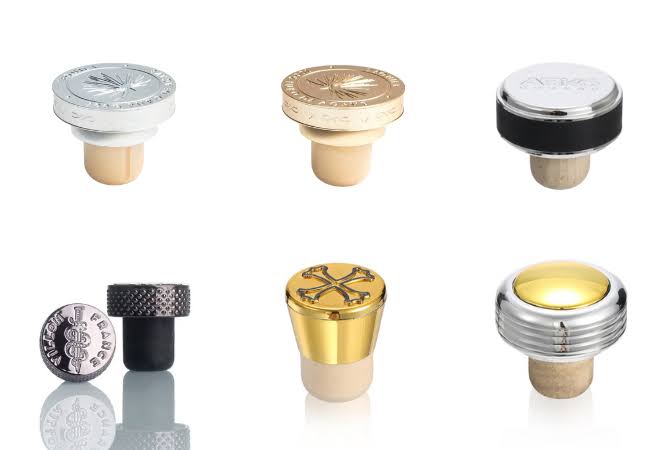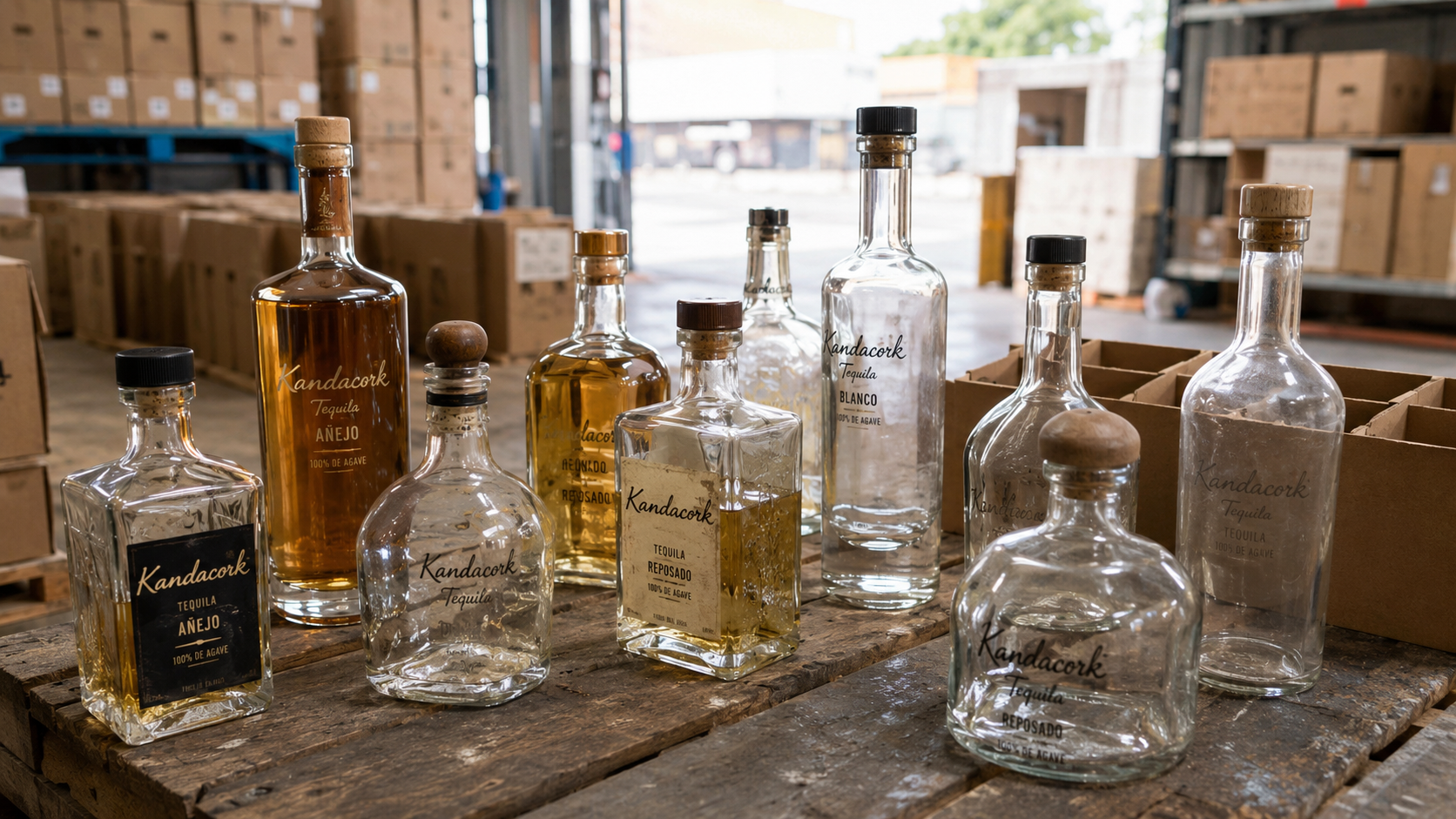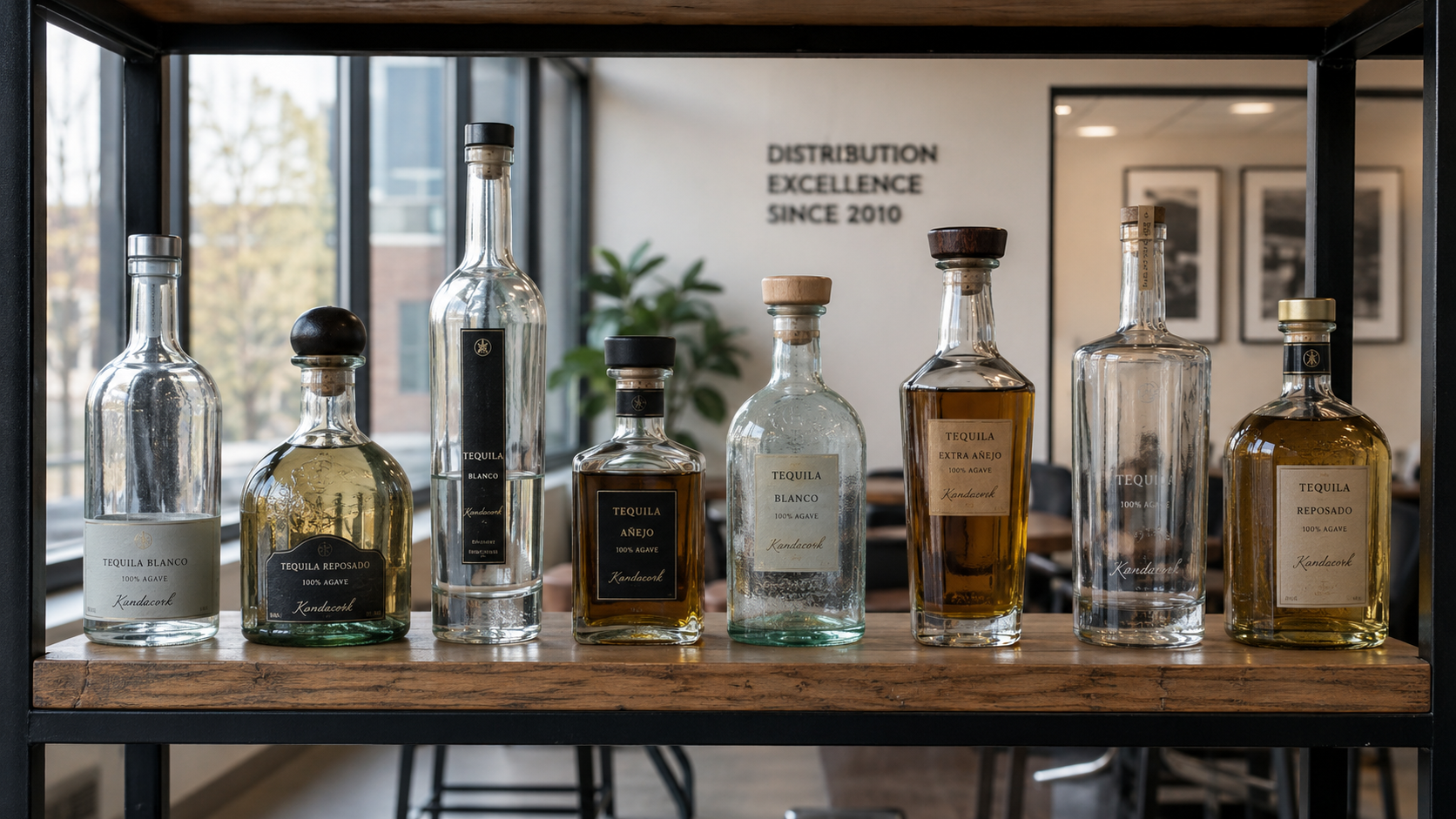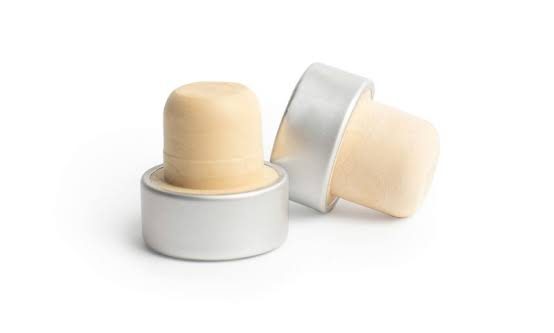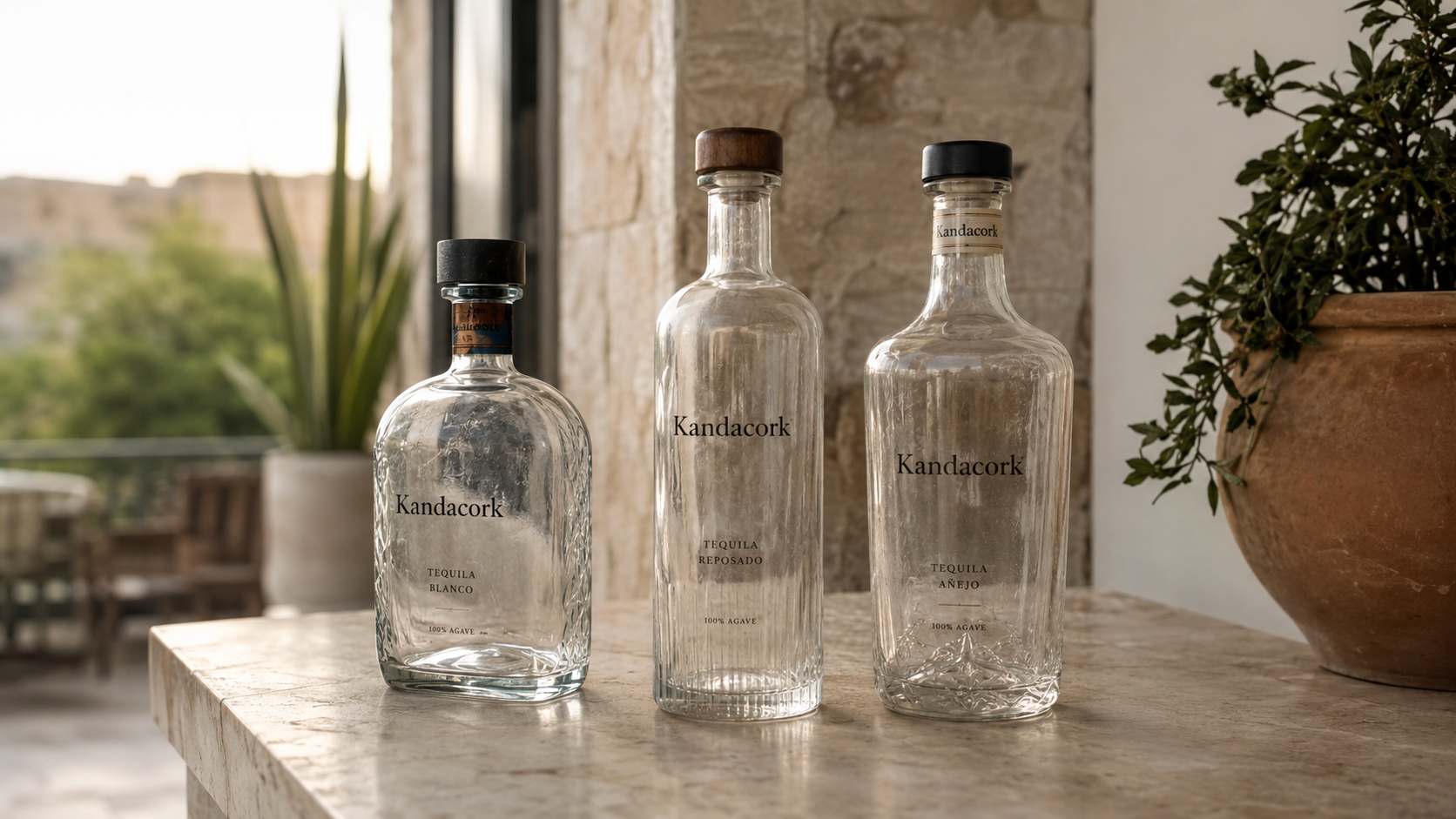
Metal stopper weight, plating, and assembly directly affect how a premium spirits bottle looks, feels, opens, and performs in bulk production. For whisky, rum, gin, vodka, tequila, brandy, cognac, liqueur, and private label spirits, the right custom metal closure must balance premium hand feel, plated finish durability, cork or synthetic shank fit, and export-ready assembly quality.
A stopper is not only a decorative bottle top. It is part of the complete spirits packaging system. It influences shelf appeal, consumer touchpoint, bottle sealing confidence, gift-box compatibility, shipping safety, and repeat opening experience. A beautiful metal head can lose value if the plating scratches easily, the shank fits poorly, or the assembly becomes unstable after transport.
Kandacork Closures supports custom metal bar-top stoppers for spirits brands, distilleries, packaging buyers, bottling companies, and private label suppliers. This guide explains how to evaluate metal stopper weight plating assembly from a practical buyer perspective, so your closure looks premium and performs reliably from sampling to bulk delivery.
What Is a Metal Bar-Top Stopper?
A metal bar-top stopper is a reusable closure commonly used for premium spirits bottles. It usually includes a metal head and a shank. The metal head creates visual impact and hand feel, while the shank enters the bottle neck and provides the functional fit.
The metal head may be made from zamak, zinc alloy, aluminium, stainless steel, or a hybrid structure. The shank may be natural cork, micro-agglomerated cork, synthetic cork, or a technical polymer material. The final closure must fit the bottle neck, match the brand design, support the target price point, and survive packing and transport.
For spirits packaging, metal bar-top stoppers are often used when the bottle needs to communicate quality, craftsmanship, limited-edition value, or luxury positioning. They are common in whisky, whiskey, rum, tequila, mezcal, gin, vodka, brandy, cognac, and premium liqueur packaging. Buyers comparing complete closure options can also review the broader bottle stoppers and closures range to match material, finish, neck fit, and brand style.
Key Buyer Decisions in Metal Stopper Development
Metal stopper development should begin with the complete bottle, not the loose stopper sample. A heavy stopper may look premium, but it still needs the right shank. A beautiful plated finish may support luxury branding, but it needs suitable packing protection. A custom logo may look attractive in a drawing, but it must remain clear after molding, polishing, plating, and final assembly.
| Decision Area | Buyer Question | Recommended Check |
|---|---|---|
| Stopper weight | Does the closure feel premium without making the bottle top-heavy? | Compare bottle weight, head size, target hand feel, carton weight, and retail positioning |
| Metal material | Should the project use zamak, aluminium, stainless steel, or another metal? | Match material to category, cost target, logo detail, finish type, and weight requirement |
| Plating finish | Will the surface finish match the bottle, label, foil, capsule, and carton? | Approve physical finish samples under different lighting conditions |
| Shank material | Should the stopper use natural cork, micro-agglomerated cork, or synthetic shank? | Test bottle neck fit, compression, opening feel, and market preference |
| Assembly quality | Will the metal head and shank remain aligned and bonded? | Check centering, adhesive strength, pull resistance, and repeated opening performance |
| Packing protection | Will the plated surface arrive without scratches? | Confirm trays, dividers, wrapping, carton strength, and pallet structure |
The most successful projects connect closure engineering with bottle design, decoration, filling-line handling, retail presentation, and export logistics. This is especially important for high-value spirits, where one small mismatch between bottle, closure, label, capsule, or gift box can weaken the full packaging experience.
Why Stopper Weight Matters
Stopper weight matters because it changes how the product feels in the customer’s hand. In premium packaging, weight is a sensory signal. A heavier metal stopper can make the bottle feel more valuable, stable, and gift-worthy. This is why many luxury whisky, aged rum, tequila, brandy, and limited-edition spirits use zamak or zinc alloy closures.
However, the heaviest option is not always the best option. Stopper weight must match the bottle body, glass thickness, neck finish, label style, gift box, shipping route, and brand story. If the head is too heavy for a tall slim bottle, the package may feel unbalanced. If the closure is too light for a luxury bottle, the final product may feel less premium than expected.
A practical stopper weight review should consider the full package, not only the loose closure sample. Buyers should test the stopper on the actual bottle with the label, capsule, carton, and gift box when possible.
| Spirits Category | Typical Packaging Goal | Recommended Stopper Direction |
|---|---|---|
| Whisky and whiskey | Mature, premium, collectible, giftable | Heavier zamak or zinc alloy head with embossed, debossed, or antique finish |
| Aged rum | Warm, crafted, heritage-inspired | Medium-to-heavy metal head with copper, bronze, antique gold, or gunmetal finish |
| Gin | Botanical, modern, craft, colorful, or minimalist | Medium or lighter metal head with brushed, matte, engraved, or decorative insert detail |
| Vodka | Clean, pure, minimal, modern | Aluminium or stainless steel-style head with polished, brushed, matte, or silver finish |
| Tequila and mezcal | Bold, sculpted, cultural, artisanal | Zamak or zinc alloy head with custom shape, relief logo, or antique surface |
| Brandy and cognac | Refined, elegant, premium | Medium-to-heavy metal head with gold, copper, bronze, or polished metallic tone |
| High-volume private label | Cost-effective but premium-looking | Balanced-weight metal or hybrid stopper with efficient finish and stable assembly |
For brands developing a full bottle family, stopper weight should also be reviewed across different bottle sizes. A closure that feels balanced on a 750 ml bottle may feel oversized on a 375 ml bottle or underwhelming on a large-format gift bottle.
Zamak, Aluminium, and Stainless Steel: Which Material Should You Choose?
Material choice has a major impact on stopper weight, tooling cost, logo detail, surface finishing, and overall brand impression.
Zamak and zinc alloy are widely used for premium metal bottle stoppers because they offer a heavy feel and can support detailed shapes. They are suitable for sculpted designs, embossed logos, debossed logos, antique plating, and luxury packaging effects. For whisky, rum, tequila, mezcal, brandy, and limited-edition spirits, zamak is often selected when the brand wants a strong tactile impression.
Aluminium is lighter and often works well for modern packaging. It can support clean shapes, brushed textures, matte effects, and minimalist designs. For gin, vodka, RTD spirits, and contemporary private label projects, aluminium bar-top stoppers can provide a premium look while helping control total closure weight.
Stainless steel-style stoppers provide a refined metallic appearance. They are often used when a brand wants a durable, technical, or modern luxury impression. They may be suitable for vodka, gin, and selected high-end minimalist spirits packaging.
| Material | Weight Feel | Design Strength | Common Finish Options | Best Use Cases | Buyer Notes |
|---|---|---|---|---|---|
| Zamak / zinc alloy | Heavy and premium | Excellent for sculpted forms and detailed logos | Antique gold, copper, bronze, gunmetal, polished silver, black nickel | Whisky, rum, tequila, brandy, luxury editions | Strong choice for high perceived value and custom shapes |
| Aluminium | Light to medium | Good for clean, modern forms | Brushed silver, matte black, anodized-style colors, polished effects | Gin, vodka, RTD, minimalist bottles | Good for lighter packaging and modern design language |
| Stainless steel-style metal | Medium and refined | Best for precise, clean forms | Polished, brushed, satin, silver-tone finishes | Vodka, gin, premium minimalist spirits | Suitable for brands seeking a technical or durable look |
| Hybrid metal structure | Adjustable | Depends on design | Custom plated or coated finishes | Private label, mid-range premium spirits | Useful when balancing cost, weight, and appearance |
The best choice is not based on material alone. A successful stopper also depends on plating quality, shank fit, assembly strength, and export packing.
Plating and Surface Finish Options
Plating is one of the most visible parts of a custom metal stopper. It determines color, brightness, texture, and the way the closure interacts with bottle glass, label paper, foil stamping, capsule color, and carton design.
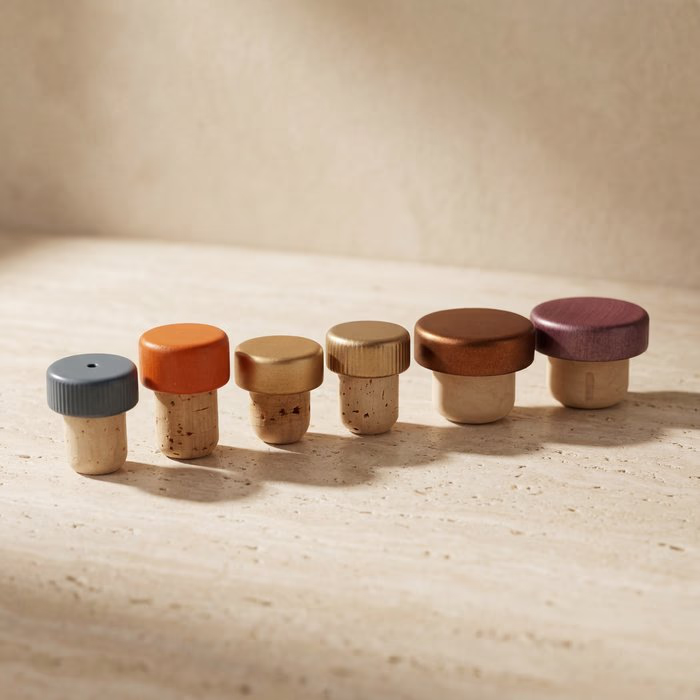
Common metal stopper finishes include polished silver, brushed silver, matte black, bright gold, antique gold, rose gold, copper, bronze, gunmetal, champagne gold, black nickel, nickel tone, and custom plated colors. Some projects also use enamel detail, color filling, printed inserts, epoxy domes, or decorative top medallions.
A finish should be approved with physical samples, not only digital renderings. Gold in a photo may look different under retail lighting, daylight, or studio photography. A warm copper stopper may match an aged rum label beautifully, while the same finish may look too heavy for a clean botanical gin bottle.
Surface finish should also be coordinated with bottle decoration. Brands that need foil stamping, screen printing, ceramic color, frosting, engraving, or medallion effects can align the closure with specialized decoration and branding support so the metal stopper, label, capsule, and bottle body read as one complete premium package.
For plated finishes, request a physical color sample before approving bulk production. This helps reduce the risk of color mismatch, weak logo visibility, or inconsistent metallic tone.
Plating Risks Buyers Should Prevent
Plating can create a premium effect, but it also brings production and handling risks. These risks should be discussed before sample approval and bulk production.
Common plating risks include color inconsistency between batches, visible scratches on polished surfaces, dullness, fingerprints, oxidation-like surface changes, weak coverage around edges, poor finish inside detailed relief areas, and mismatch with label foil or gift-box stamping.
Polished finishes often show scratches more clearly than brushed or matte finishes. Dark finishes such as black nickel or gunmetal can look premium, but they need consistent process control to avoid uneven color. Gold and copper finishes require careful comparison with label foil, carton foil, capsule color, and other metallic packaging elements.
For export shipments, packing is part of plating protection. If plated stoppers rub against each other in cartons, surface damage can occur before the product reaches the filling line. Protective trays, dividers, soft wrapping, inner bags, and stable pallet packing can reduce this risk.
Logo and Branding Options for Metal Stoppers
A custom metal stopper can carry brand identity on the top, sidewall, insert, or complete head shape. The right branding method depends on logo complexity, stopper geometry, surface finish, tooling budget, and the desired tactile effect.
Common branding methods include embossing, debossing, engraving, laser marking, printed inserts, enamel color filling, epoxy domes, metal medallions, sidewall texture, and fully custom molded shapes.
Embossing creates raised logo detail and a strong tactile effect. Debossing creates a recessed mark that can look refined and understated. Engraving works well for premium identity and detailed sidewall decoration. Laser marking is suitable for clean, modern designs. Printed inserts and medallions are useful when the brand needs color detail or a central decorative element.
Logo approval should happen before mold confirmation. Fine lines may become less visible after polishing and plating. A curved stopper top may distort a flat logo. A deep relief design may need radius adjustment to avoid plating or polishing issues. These details are easier to solve during sample development than after bulk production begins.
Assembly: How the Metal Head and Shank Work Together
Assembly connects the metal head to the shank. It is one of the most important parts of metal stopper performance, but it is often overlooked because buyers focus first on appearance.
A good assembly must keep the shank centered, bonded, straight, and compatible with the bottle neck. If the shank is crooked, the stopper may sit unevenly. If the bonding is weak, the head may separate from the shank. If the shank diameter is wrong, the stopper may be too loose or too difficult to remove.
Important assembly checkpoints include head flatness, shank centering, shank diameter, shank taper, shank length, adhesive bonding strength, vertical alignment, compression level, insertion force, extraction force, and final height after insertion.
A stable metal stopper weight plating assembly process should include fit testing on real bottles. Drawings are useful, but real bottle samples reveal tolerance, glass finish, mouth shape, capsule clearance, and opening feel more accurately. Where a project requires repeatable dimensions and controlled compression, buyers may also compare cork shanks with synthetic bar-top stoppers to decide which structure best supports the bottle neck and target market.
For custom stopper assembly, confirm shank centering, bonding strength, and opening feel before mass production.
Bottle Neck Fit and Closure Performance
Bottle neck fit is the most important functional checkpoint in stopper development. A stopper that looks perfect as a loose sample may fail if the shank does not match the bottle neck.
Buyers should confirm bottle neck inner diameter, neck height, mouth finish, opening tolerance, shank diameter, shank length, shank taper, head diameter, total closure height, capsule clearance, shrink sleeve clearance, and gift box clearance.
The stopper should insert smoothly and stay secure. It should not fall out, wobble, lean, or require excessive force to remove. The opening experience should feel controlled and premium, especially for spirits products positioned as gifts or luxury purchases.
Testing should include several bottle samples when possible. Glass bottle tolerances can vary, especially across production batches. A stopper that fits one sample may feel slightly different on another bottle from the same mold or supplier. For brands developing new bottle formats, coordination with spirits bottle programs can help align bottle shape, neck finish, stopper structure, and decoration from the beginning.
Practical Testing Points Before Approval
Custom metal stoppers should be tested with project-specific acceptance criteria. Exact values depend on the bottle, shank material, filling line, spirits category, and buyer requirements, but the testing direction should be clear before bulk production.
| Testing Point | What to Check | Why It Matters |
|---|---|---|
| Insertion feel | Stopper enters the neck smoothly without excessive pressure | Protects consumer opening experience and filling-line handling |
| Extraction feel | Stopper removes with controlled force | Prevents difficult opening or accidental product movement |
| Shank retention | Shank remains bonded to the metal head after repeated handling | Reduces risk of head separation |
| Alignment | Shank remains centered and vertical under the head | Prevents leaning, uneven height, and poor appearance |
| Surface inspection | Plating has no obvious scratches, stains, dull areas, or color mismatch | Protects premium shelf appeal |
| Height after insertion | Stopper sits at the intended visual position | Ensures consistency across bottles and gift boxes |
| Packing simulation | Stoppers remain protected during handling and transport | Reduces shipping damage and surface defects |
For high-value projects, sample approval should include appearance samples, fit samples, and packing samples. A stopper that passes visual approval still needs functional confirmation on the actual bottle.
Common Buyer Mistakes in Metal Stopper Projects
Many metal stopper problems can be avoided during the development stage. The most common mistakes are not design mistakes alone; they are process and testing mistakes.
One common mistake is choosing the heaviest stopper without checking bottle balance, carton weight, or gift-box structure. A heavy stopper may feel premium, but it must work with the total package.
Another mistake is approving plating from photos instead of physical samples. Metallic finishes change under different lighting conditions, and small color mismatches can be obvious next to label foil or carton stamping.
A third mistake is testing only one bottle. Bottle neck tolerance matters. Buyers should test multiple bottles when possible, especially before high-volume production.
Buyers may also forget to check capsule or shrink sleeve clearance. A stopper that fits the bottle neck may still interfere with a capsule, tamper band, or gift box insert.
Packing is another frequent risk. Premium plated stoppers need anti-scratch protection. Without proper dividers or trays, surface damage can occur during transport even when production quality is good.
Common Metal Stopper Failure Modes and How to Prevent Them
| Failure Mode | Likely Cause | Prevention |
|---|---|---|
| Stopper feels loose | Shank diameter is too small or bottle neck tolerance was not checked | Test several bottle samples before approval and adjust shank size |
| Stopper is hard to remove | Shank compression is too high or taper is unsuitable | Adjust shank diameter, taper, length, or material |
| Plating scratches | Poor packing or metal-to-metal contact during transport | Use trays, dividers, soft wrapping, or individual protection |
| Logo detail looks weak | Fine lines are lost after molding, polishing, or plating | Adjust artwork, line thickness, depth, and surface process before tooling |
| Head separates from shank | Weak bonding, unsuitable adhesive, or poor assembly control | Test pull strength, adhesive stability, and repeated opening performance |
| Stopper sits unevenly | Shank is not centered or bottle mouth variation affects fit | Check alignment, head flatness, and sample fit across multiple bottles |
| Finish color does not match packaging | Plating approved from photos or without full package comparison | Compare physical samples with label foil, capsule, glass, and carton |
| Gift box does not close correctly | Stopper height was not checked with the box insert | Test total bottle height with final stopper and packaging structure |
This section is important because buyers often discover these issues after sample approval or even after bulk production. Early testing reduces rework, delays, and packaging waste.
Quality Control Before Bulk Production
Quality control should cover appearance, dimension, assembly, function, and packing. A metal stopper is both a visual part and a functional closure, so inspection must include more than surface appearance.
Appearance inspection should review plating color, surface brightness, scratches, stains, fingerprints, logo clarity, edge coverage, polishing marks, and batch consistency.
Dimensional inspection should review head diameter, total height, shank diameter, shank length, shank taper, and alignment between the metal head and shank.
Functional inspection should review bottle fit, insertion feel, extraction force, shank bonding strength, vertical alignment, stopper height after insertion, and repeated opening performance.
Packing inspection should review inner protection, carton strength, divider structure, tray design, pallet stability, label identification, and export handling requirements.
For B2B buyers, the goal is not only to receive attractive samples. The goal is to make sure bulk production matches the approved sample and can arrive safely at the filling line. Quality programs can be aligned with ISO 9001 quality management principles, especially when buyers need controlled sampling, inspection records, corrective actions, and repeat-order consistency.
Food-Contact, Closure, and Packaging Considerations
Spirits packaging buyers often need to coordinate internal quality teams, filling partners, importers, and brand owners. For this reason, metal stopper development should consider recognized quality and packaging references, especially when shanks, inserts, adhesives, liners, or other components may contact the product.
For U.S. market planning, buyers may review FDA guidance on packaging and food contact substances. For European market planning, the EU food-contact material framework is a useful reference when evaluating materials intended to come into contact with food or beverages.
Closure performance should also be evaluated as part of the bottle-and-closure system. CETIE notes that closures may need to do more than seal, including supporting opening, resealing, tamper evidence, anti-refill behavior, anti-drip function, dosage, aesthetics, and brand communication. This makes CETIE closure guidance relevant for buyers who want a more technical view of closure expectations.
Sustainability can also influence stopper and packing decisions. The U.S. EPA’s sustainable packaging guidance highlights the importance of understanding packaging materials across their life cycle. For metal stoppers, this can mean reviewing material selection, weight efficiency, reusable closure experience, packing reduction, carton protection, and compatibility with the full bottle packaging strategy.
How to Order Custom Metal Stoppers from Kandacork Closures
To start a custom metal stopper project, prepare your bottle drawing or physical bottle sample. The bottle neck information is essential because shank fit controls functional performance.
Next, confirm the spirits category, target market, and desired packaging level. A luxury whisky closure may require a different material and weight than a clean vodka closure or a botanical gin stopper.
After that, choose the preferred metal material and target stopper weight. Kandacork Closures can help compare zamak, aluminium, stainless steel-style options, and hybrid structures based on your design and cost target.
Then select the plating finish and logo method. Physical finish samples should be reviewed before bulk production. Logo files should be checked for molding, engraving, embossing, debossing, laser marking, or insert decoration.
Once the design direction is confirmed, sample testing should include bottle fit, insertion feel, extraction force, head-to-shank alignment, surface finish, logo clarity, and packing protection.
Before mass production, approve a pre-production sample and define packing requirements. For premium plated finishes, anti-scratch packing is especially important.
Buyer Checklist Before Requesting a Quotation
Prepare the bottle drawing or physical bottle sample.
Confirm the bottle neck inner diameter and neck height.
Share the target spirits category and retail positioning.
Define the preferred stopper weight or desired hand feel.
Choose the preferred metal material, such as zamak, aluminium, or stainless steel-style metal.
Select the shank material, such as natural cork, micro-agglomerated cork, or synthetic cork.
Provide the plating finish reference, such as gold, copper, gunmetal, brushed silver, matte black, or custom color.
Send the logo artwork in a production-ready format.
Clarify the preferred branding method, such as embossing, debossing, engraving, laser marking, or printed insert.
Share the order quantity, sample deadline, and bulk delivery timeline.
Confirm whether the stopper must fit a capsule, shrink sleeve, tamper band, gift box, or carton insert.
Specify export packing requirements and surface protection expectations.
Share any testing, documentation, or compliance requirements for the target market.
Best Metal Stopper Choices by Spirits Category
Whisky and Whiskey
Whisky packaging often benefits from a heavier zamak or zinc alloy stopper. Antique gold, bronze, gunmetal, polished silver, and engraved or embossed logos can support a mature premium image. For collectible bottles, the stopper can become part of the product identity.
Rum
Rum brands often use warm metal tones such as copper, bronze, antique gold, and dark gunmetal. A medium-to-heavy stopper can support aged rum, spiced rum, and gift packaging. Textured sidewalls or embossed marks can add a craft feeling.
Gin
Gin packaging can be botanical, colorful, minimalist, or experimental. Medium or lighter metal heads often work well. Brushed silver, matte black, decorative inserts, engraved botanical details, or colored accents can support modern gin branding.
Vodka
Vodka often uses clean and precise packaging language. Aluminium, stainless steel-style metal, polished silver, brushed silver, matte black, or white finishes can match a purity-focused brand image. The closure should look refined without feeling visually heavy.
Tequila and Mezcal
Tequila and mezcal packaging often allows stronger sculptural design. Zamak and zinc alloy are useful for custom shapes, relief logos, cultural design details, and antique finishes. The stopper can become a highly visible brand signature.
Brandy and Cognac
Brandy and cognac packaging usually works well with elegant metallic tones such as gold, copper, bronze, and polished metal. The stopper should feel premium, balanced, and refined rather than oversized.
Matching Metal Stoppers with the Full Packaging System
Metal stoppers perform best when they are designed together with the full bottle package. The stopper should not compete with the bottle shape, label, closure height, or decoration language. It should complete the package.
A heavy zamak stopper can work beautifully with a thick-base whisky bottle, but it may not be the right choice for a lightweight bottle family. A brushed aluminium stopper may look clean on a vodka bottle, but it may need more visual detail for a high-value gift SKU. A copper-toned stopper can support aged rum storytelling, but the finish should be compared with label foil, glass color, and carton stamping before approval.
Brands that want a different premium material expression can also compare metal closures with glass bar-top stoppers for a cleaner luxury look or wooden bar-top stoppers for a warmer craft presentation. When bottle structure, closure, and branding need to be sourced together, Kandacork Glass can support integrated spirits packaging development across bottle form, closure direction, and shelf presentation.
For sustainability-oriented projects, packaging teams may also review lightweight bottle design, recycled-content potential, carton efficiency, and export packing choices with glass packaging support. This is especially useful when brands want premium presentation while controlling material use and shipping impact.
FAQ
What is the best metal for a premium spirits stopper?
Zamak or zinc alloy is usually the best choice when a brand needs a heavy premium feel, sculpted shape, and detailed logo decoration. Aluminium is better for lighter, modern, and cost-controlled designs. Stainless steel-style metal is suitable for refined minimalist packaging.
How much should a metal stopper weigh?
The right metal stopper weight depends on bottle size, glass weight, spirits category, target price, shipping requirements, and desired hand feel. Premium whisky, rum, tequila, and brandy bottles often use heavier stoppers, while gin and vodka may use medium or lighter designs.
What plating finish is best for premium spirits bottles?
The best plating finish is the one that matches the bottle, label, capsule, carton, and brand story. Gold, copper, bronze, gunmetal, polished silver, brushed silver, matte black, and black nickel can all look premium when used in the right packaging system.
Is zamak better than aluminium for metal bottle stoppers?
Zamak is better for heavy luxury stoppers, sculpted designs, and strong tactile value. Aluminium is better for lightweight, modern, and minimalist spirits closures. The best choice depends on the bottle design, brand positioning, budget, and finish requirement.
How are metal bottle stoppers assembled?
Metal bottle stoppers are assembled by connecting the metal head to a cork, synthetic cork, or technical shank. The assembly should be checked for bonding strength, shank centering, vertical alignment, bottle neck fit, insertion feel, extraction force, and final appearance.
Why is bottle neck testing necessary?
Bottle neck testing is necessary because the shank must fit securely without being too loose or too tight. Testing on actual bottle samples helps confirm compression, opening comfort, stopper height, capsule clearance, and repeat-use performance before bulk production.
What causes plating scratches during shipping?
Plating scratches often happen when metal parts rub against each other during packing, vibration, or transport. Protective trays, dividers, soft wrapping, inner bags, strong cartons, and stable pallets can reduce the risk of surface damage.
Can a metal stopper be customized with a logo?
Yes. Metal stoppers can be customized with embossing, debossing, engraving, laser marking, printed inserts, enamel detail, medallions, epoxy domes, sidewall texture, or fully custom molded shapes. The best method depends on logo complexity, stopper shape, finish, and budget.
What information should I send before ordering custom metal stoppers?
Send the bottle drawing, bottle sample if available, neck inner diameter, target stopper weight, preferred metal material, shank preference, plating finish reference, logo artwork, order quantity, sample deadline, export market, and packing requirements.
Conclusion: Build the Stopper Around the Complete Bottle
Metal stopper weight plating assembly should be planned around the complete spirits bottle, not only the stopper design. The right closure must balance premium hand feel, plated finish quality, logo detail, shank fit, assembly strength, bottle neck compatibility, and export packing protection.
For premium spirits brands, the stopper is part of the consumer experience. It affects how the bottle looks on the shelf, how it feels in the hand, how smoothly it opens, and how confidently it performs after repeated use.
Kandacork Closures can support custom metal bar-top stopper projects from material selection and finish development to bottle neck review, sample testing, logo customization, assembly control, and bulk supply. To begin a project, prepare your bottle drawing, bottle sample, logo file, target finish, preferred stopper weight, and order quantity for technical review.