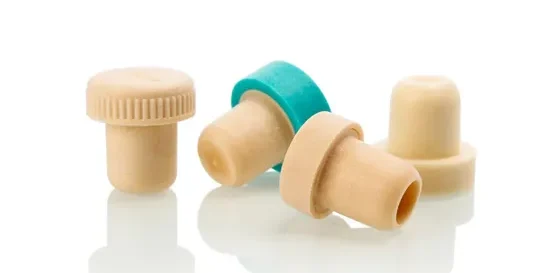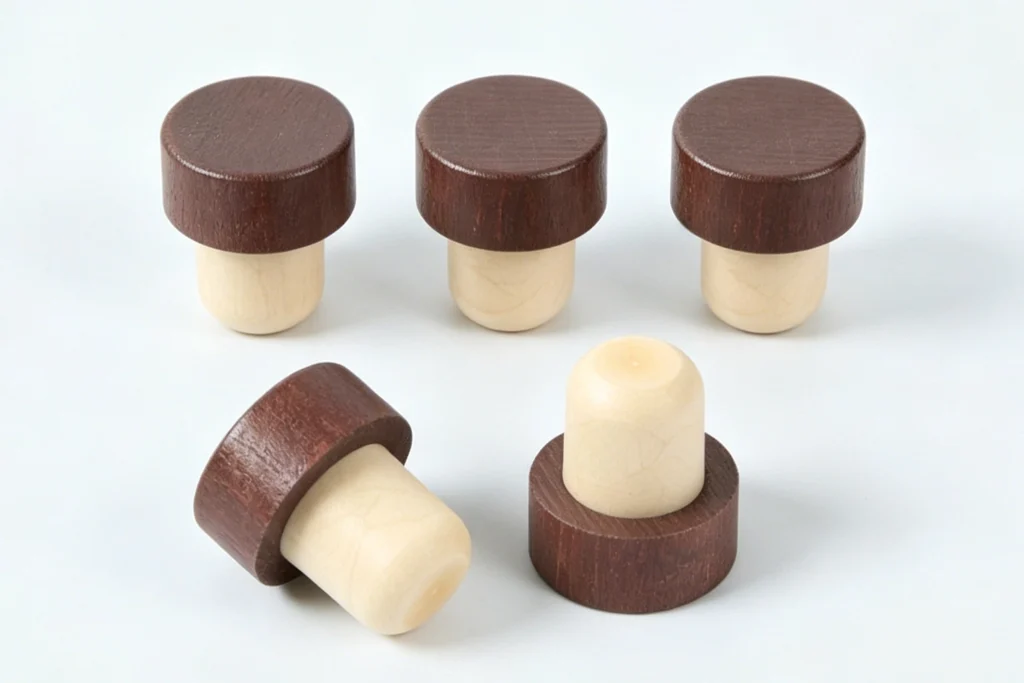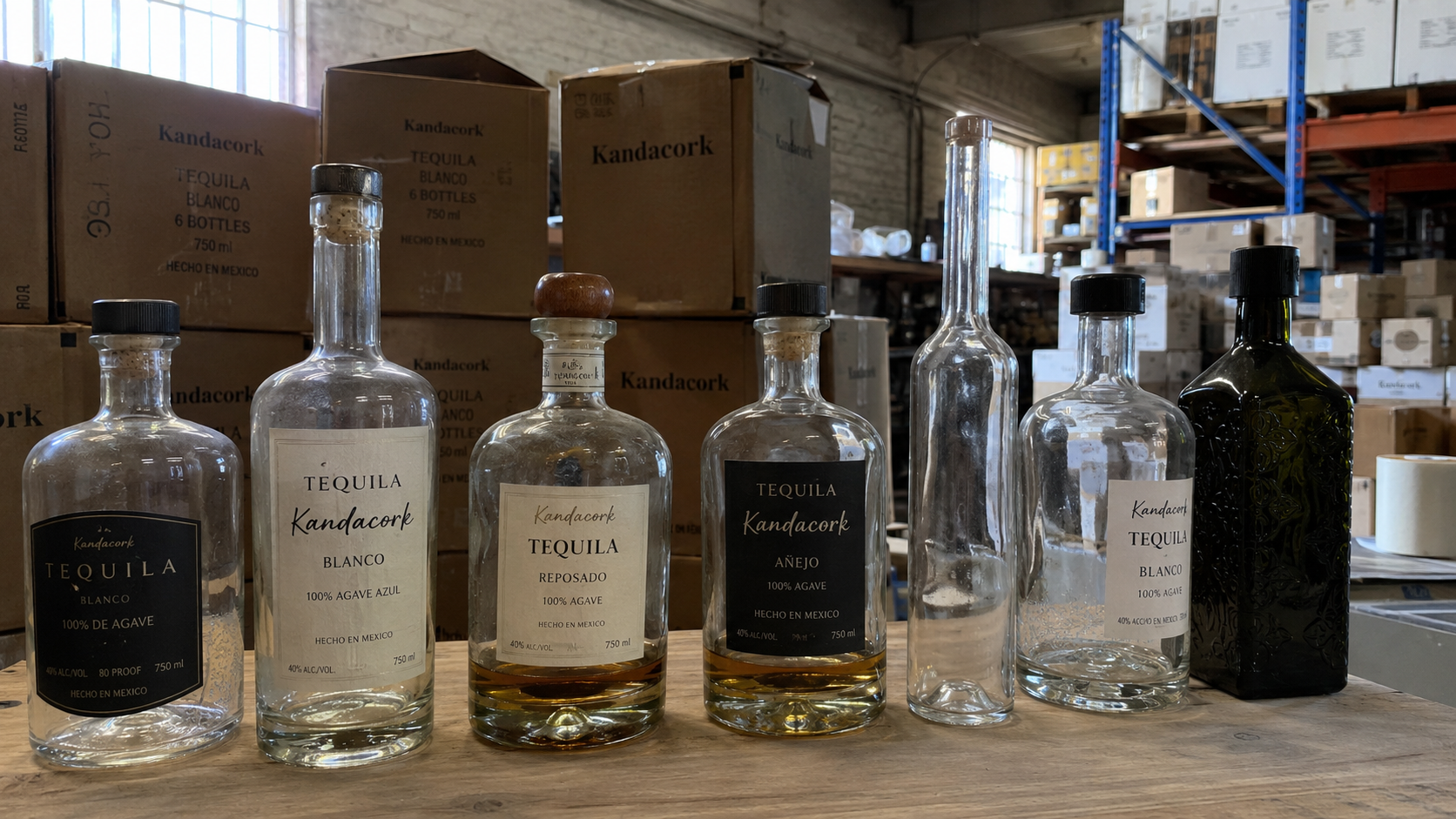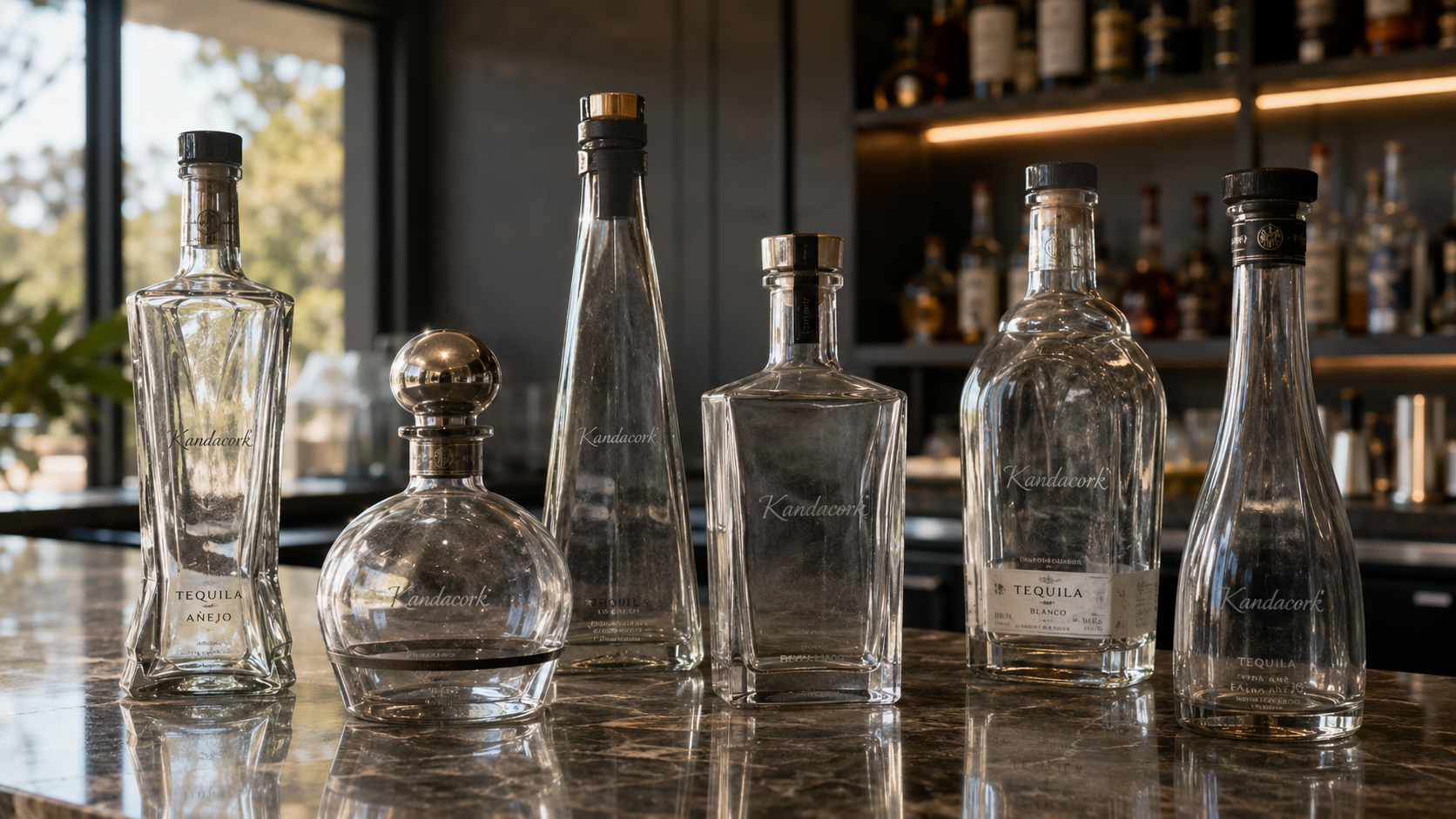
Stopper weight can influence how premium a spirits bottle feels in the customer’s hand, but it also affects assembly, shipping protection and cost. This guide explains how buyers should evaluate weight, balance, material choice and packing risk.
What Are Premium Weighted Metal Stoppers?
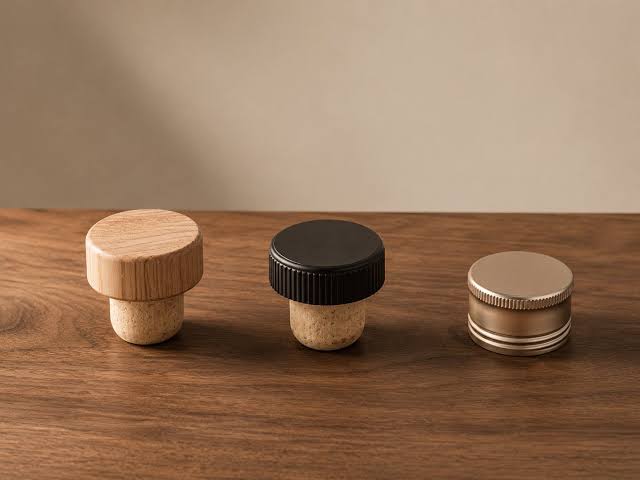
Premium weighted metal stoppers are bar-top or T-top closures designed for spirits bottles. They usually include a metal head on top and a sealing shank below. The metal head creates the visible brand impression and hand feel, while the shank creates the seal inside the bottle neck.
These closures are widely used for whisky, bourbon, rum, gin, vodka, tequila, mezcal, brandy, cognac, liqueur, and collector spirits. They are especially useful when a brand wants the bottle to feel substantial during opening, pouring, resealing, and gifting.
Buyers may also see related terms such as metal bar-top stoppers, heavy metal T-corks, zinc alloy bottle stoppers, Zamak spirits closures, custom metal stoppers for spirits bottles, premium liquor bottle closures, and weighted bottle corks. These phrases often describe the same general closure family, but final performance depends on material, head weight, shank diameter, surface finish, and bottle neck compatibility.
Why Stopper Weight Matters
Stopper weight affects perceived value. When a consumer removes a closure from a premium spirits bottle, the weight, balance, and texture of the stopper create an immediate quality signal. A solid metal stopper can make the product feel more crafted, stable, and valuable.
However, heavier does not always mean better. A stopper that is too heavy may make the bottle feel unbalanced, increase packaging cost, raise shipping weight, or create handling issues during transport. A stopper that is too light may weaken the premium impression, especially when used with a thick glass bottle or heavy-base spirits bottle.
The ideal stopper weight should match the bottle volume, glass weight, bottle neck diameter, base thickness, product price tier, brand personality, carton design, and filling-line requirements. Packaging buyers developing full bottle programs can also coordinate closure choice with custom spirits bottle packaging to make sure the stopper, bottle, label, capsule, and export carton work together.
Aged rum, whisky, tequila, and cognac brands often benefit from heavier zinc alloy or Zamak stoppers because these categories commonly use dense glass and luxury visual cues. Gin and vodka brands may prefer lighter aluminium or stainless-steel styles when the design language is cleaner, brighter, or more minimalist.
The goal is balanced premium weight. The stopper should feel intentional, comfortable, and consistent with the full bottle design.
How Much Should a Weighted Metal Stopper Weigh?
There is no universal stopper weight that works for every spirits bottle. The correct choice depends on the bottle shape, glass weight, target price tier, market positioning, and desired brand experience. The best approach is to compare samples before approving production.
| Brand Tier | Bottle Style | Recommended Stopper Direction |
|---|---|---|
| Premium | Standard spirits bottle | Medium-weight aluminium or zinc alloy stopper |
| Super-premium | Heavy-base glass bottle | Heavier zinc alloy or Zamak stopper |
| Limited edition | Collector bottle or gift-box packaging | Custom sculpted weighted metal stopper |
| Modern minimalist | Clear, frosted, or slim bottle | Aluminium or stainless-steel stopper |
| Craft spirits | Distinctive small-batch bottle | Custom metal head with practical shank fit |
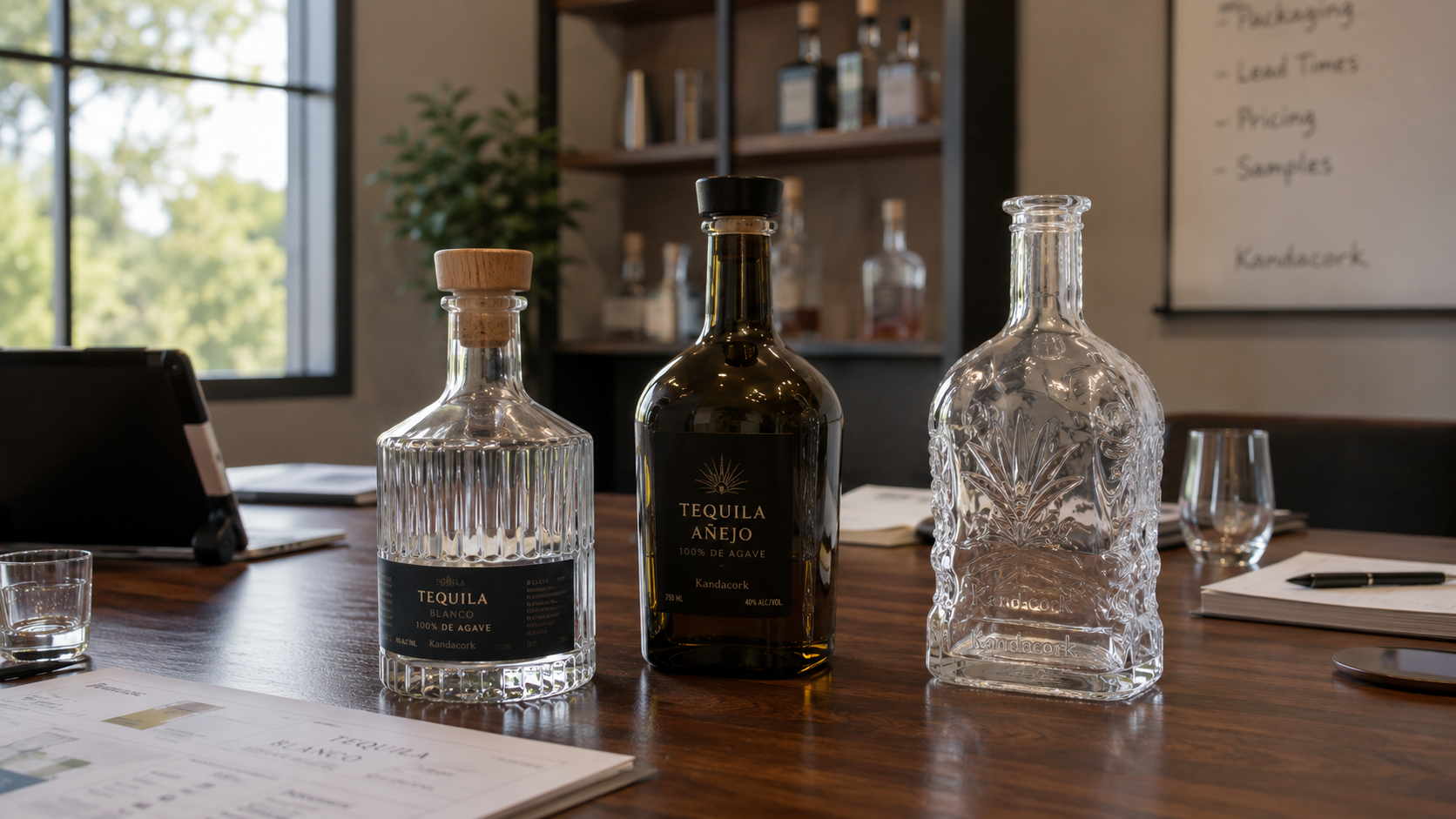
For a high-end whisky bottle, a heavier zinc alloy stopper may reinforce the bottle’s luxury feel. For a modern gin brand, a medium-weight aluminium stopper with a brushed finish may communicate premium value without making the package feel excessive. For tequila and mezcal, sculpted metal heads can become part of the brand story and help the bottle stand out on shelf.
Before selecting a final weight, buyers should test opening comfort, resealing feel, bottle balance, carton fit, vibration resistance, and consumer handling.
Main Materials for Premium Metal Stoppers
Zinc Alloy and Zamak Stoppers
Zinc alloy and Zamak are popular choices for premium weighted metal stoppers because they provide a substantial feel and strong design flexibility. They can support sculpted shapes, deep embossing, engraved logos, antique finishes, medallions, textured edges, and custom brand icons.
Choose zinc alloy when hand feel and detailed branding matter most. It is especially suitable for whisky, bourbon, aged rum, tequila, mezcal, brandy, cognac, and limited-edition spirits packaging.
Zinc alloy stoppers can be finished in antique gold, polished gold, gunmetal, bronze, copper, black nickel, silver, or custom plating. They are also suitable for brands that want a closure to feel like a luxury object rather than a simple bottle component.
The main considerations are unit weight, finish control, tooling requirements, and cost. For export packaging, buyers should also confirm plating durability, carton protection, and surface consistency before bulk production.
Aluminium Stoppers
Aluminium stoppers are useful for brands that want a clean, modern, and lightweight premium closure. They can be polished, brushed, anodized, matte-coated, color-coated, or decorated with simple logo details.
Choose aluminium when modern appearance, lighter weight, and scalable production matter most. Aluminium is often suitable for gin, vodka, modern rum, RTD spirits, and minimalist premium packaging.
Because aluminium is lighter than zinc alloy, it can reduce overall packaging weight while still creating a refined metal appearance. This makes it a practical choice for larger production runs or brands that want premium presentation without excessive closure weight.
The main limitation is tactile density. On a very heavy glass bottle, aluminium may feel too light unless the stopper shape, surface finish, and bottle design are carefully balanced.
Stainless Steel Stoppers
Stainless steel stoppers create a clean, durable, and technical premium impression. They are suitable for spirits brands that want a precise and refined metal appearance.
Choose stainless steel when the brand wants durability, simplicity, and a high-integrity material image. It works well for premium gin, vodka, minimalist spirits, and selected luxury packaging projects.
Stainless steel can feel more understated than zinc alloy and more substantial than lightweight aluminium. It is often used when the brand identity is modern, pure, and polished rather than ornate or vintage.
The main considerations are cost, manufacturing method, shape complexity, and surface treatment. Stainless steel may not be the best option for highly sculpted decorative closures, but it can be excellent for clean premium designs.
Zinc Alloy vs Aluminium vs Stainless Steel
| Material | Best For | Key Strength | Buyer Consideration |
|---|---|---|---|
| Zinc alloy / Zamak | Whisky, rum, tequila, brandy, cognac, luxury editions | Heavy premium feel and strong logo detail | Higher weight and finish control requirements |
| Aluminium | Gin, vodka, modern rum, minimalist spirits | Lightweight modern appearance and color flexibility | May feel too light for heavy luxury bottles |
| Stainless steel | Premium gin, vodka, refined spirits packaging | Durable, clean, technical premium impression | Cost and shape complexity |
Choose zinc alloy for maximum hand feel and custom decorative shapes. Choose aluminium for modern appearance, lighter weight, and scalable production. Choose stainless steel for clean durability and a technical luxury impression.
The best material is the one that supports the bottle’s story, performs reliably, and fits the production budget.
Shank Selection: The Hidden Part That Controls Performance
Many buyers focus first on the visible metal head, but the shank is the part that controls the seal. A premium metal stopper can only perform well if the shank fits the bottle neck correctly.
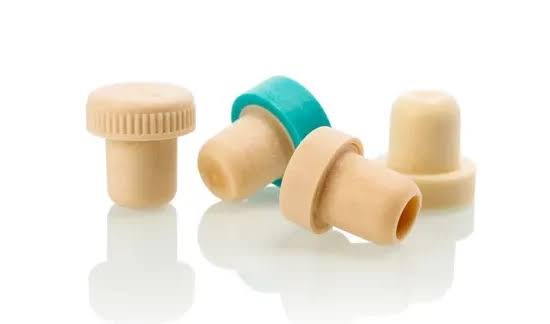
Common shank options include natural cork, micro-agglomerated cork, synthetic cork, and engineered polymer shanks. If a project requires dimensional repeatability, controlled compression, and clean visual consistency, synthetic bottle stoppers may be considered during closure development.
Natural cork gives a traditional premium impression and may suit heritage spirits. It can be appropriate for classic whisky, brandy, cognac, and aged rum packaging. Because cork is a natural material, buyers should pay attention to consistency, compression behavior, and appearance.
Micro-agglomerated cork provides a more controlled structure than natural cork. It can offer a stable appearance and predictable performance while still keeping a cork-based identity.
Synthetic shanks are often selected for repeatable bulk production. They can provide stable dimensions and consistent sealing behavior, which is useful for high-volume spirits packaging.
The correct shank depends on the bottle neck’s internal diameter, alcohol type, required resealing performance, export market, and brand image. Buyers should test the actual bottle with the actual stopper sample before approving bulk production.
Fit, Seal, and Leakage Testing
A weighted metal stopper must look premium and work correctly. Fit testing should happen before mass production, not after problems appear in filling, transport, or retail.
| Test Item | Why It Matters |
|---|---|
| Insertion force test | Confirms the stopper can be applied smoothly without damaging the shank or bottle neck |
| Pull-out force test | Ensures consumers can open the bottle comfortably and consistently |
| Leakage test | Reduces risk during storage, shipping, and retail handling |
| Resealing test | Confirms repeated use after opening |
| Evaporation review | Helps evaluate long-term closure performance for spirits products |
| Vibration test | Simulates transport movement and export shipping conditions |
| Carton compatibility test | Prevents pressure marks, top damage, or poor gift-box fit |
| Capsule or sleeve check | Confirms the stopper works with neck decoration and secondary packaging |
If the stopper is too tight, consumers may struggle to open the bottle or damage the shank. If the stopper is too loose, the bottle may leak, lose aroma, or feel low quality. If the metal head is too large, it may interfere with gift boxes, cartons, or shelf presentation.
For export spirits, testing is especially important because bottles may experience temperature changes, pressure variation, long-distance shipping, and different storage environments.
Common Mistakes When Choosing Premium Weighted Metal Stoppers
Many packaging problems happen because the stopper is treated as a decorative item instead of a functional closure system. Buyers can reduce risk by avoiding common mistakes during development.
Choosing the heaviest stopper without testing bottle balance can create an awkward user experience. The stopper should feel premium, but it should not overpower the bottle.
Approving artwork before confirming top diameter and decoration method can cause logo distortion, shallow engraving, or poor visual results. Logo design should be matched to the stopper surface and production method.
Ignoring shank compression and bottle neck tolerance can lead to leakage, loose fit, or difficult opening. Even a beautiful metal head cannot fix a poor shank fit.
Selecting a finish without testing scratch resistance and carton protection can create quality complaints after transport. Dark plating, antique finishes, and polished metallic surfaces should be reviewed under realistic handling conditions.
Requesting a quotation without bottle drawings or physical samples often leads to inaccurate recommendations. A supplier needs neck measurements, bottle details, target weight, logo artwork, and order quantity to recommend the right structure.
Treating all spirits categories the same can weaken brand impact. Whisky, rum, gin, vodka, tequila, and cognac packaging often require different weight, finish, and design approaches.
Surface Finishes and Branding Options
Premium weighted metal stoppers provide a strong branding surface. The top, sidewall, edge, and finish can all support brand recognition.
Common finish options include polished gold, antique gold, brushed silver, matte black, gunmetal, copper, bronze, champagne gold, nickel, satin chrome, dark plating, and custom color coating. Buyers can align closure color decisions with a broader colors and finishes guide so the stopper works with bottle glass, label stock, capsule, carton, and retail lighting.
Common logo and decoration methods include engraving, embossing, debossing, laser marking, printed inserts, enamel color filling, top medallions, sidewall patterns, and custom sculpted shapes. For projects that need a unified visual system, custom closure branding can help connect the stopper with the bottle, label, secondary packaging, and shelf identity.
A whisky brand may use a deep engraved crest on an antique bronze stopper. A rum brand may choose warm copper plating with a textured edge. A gin brand may use botanical engraving on brushed silver. A tequila brand may select a sculpted zinc alloy head with a cultural symbol or custom icon.
The finish should coordinate with the full packaging system, including bottle glass color, label paper, foil stamping, capsule, carton, gift box, and retail display environment. Brands that require decorative bottle treatments beyond the closure can also coordinate with Kandacork Decoration & Branding for coating, printing, and visual identity support.
Premium Weighted Metal Stoppers by Spirits Category
Whisky and Bourbon
Whisky and bourbon packaging often uses heavy glass, dark labels, heritage design, and strong tactile cues. Zinc alloy and Zamak stoppers are strong options because they provide weight, decoration detail, and premium opening feel.
A whisky stopper should feel solid, open smoothly, and reseal securely. Antique gold, copper, gunmetal, black nickel, and engraved crest designs often work well in this category.
Rum
Rum packaging can be vintage, nautical, tropical, craft, or luxury. Weighted metal stoppers help aged rum and spiced rum brands communicate quality and shelf presence.
Warm finishes such as bronze, copper, antique gold, and dark plating are especially suitable for vintage-style rum bottles. A custom metal stopper can also strengthen the identity of limited-edition or gift-box rum packaging.
Gin
Gin brands often use clear, green, blue, or frosted glass. Many gin bottles emphasize botanicals, purity, and craft identity.
Aluminium, stainless steel, or lighter zinc alloy stoppers can work well for gin. A botanical icon, clean metallic finish, or color-accented top can help the closure connect with the label and bottle design.
Vodka
Vodka packaging often uses clear glass, frosted effects, silver details, and minimalist graphics. Aluminium and stainless-steel stoppers are strong choices because they create a clean and precise look.
For vodka, the stopper should feel refined rather than overly decorative. Simplicity can communicate quality when the finish, fit, and bottle balance are well controlled.
Tequila and Mezcal
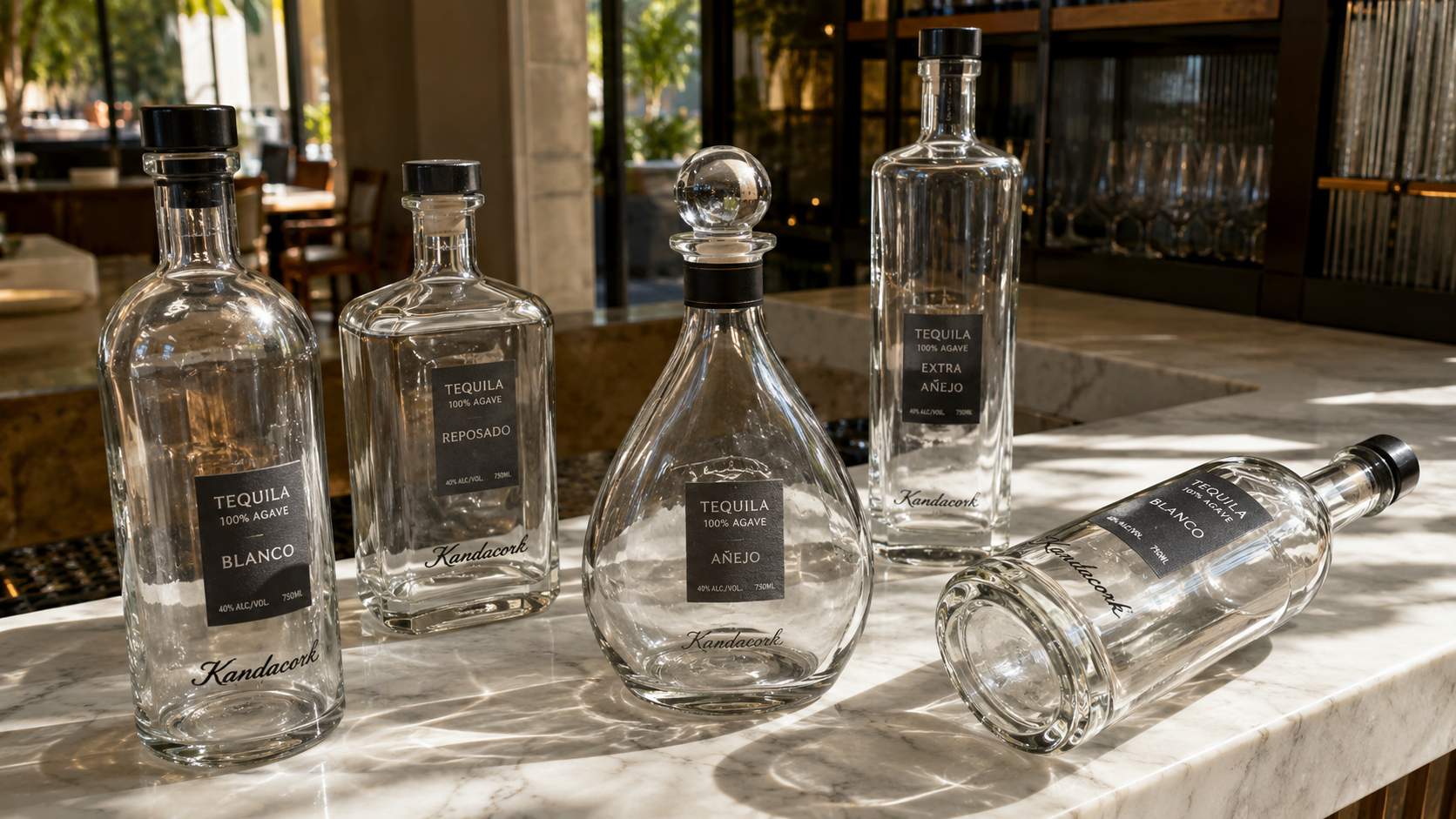
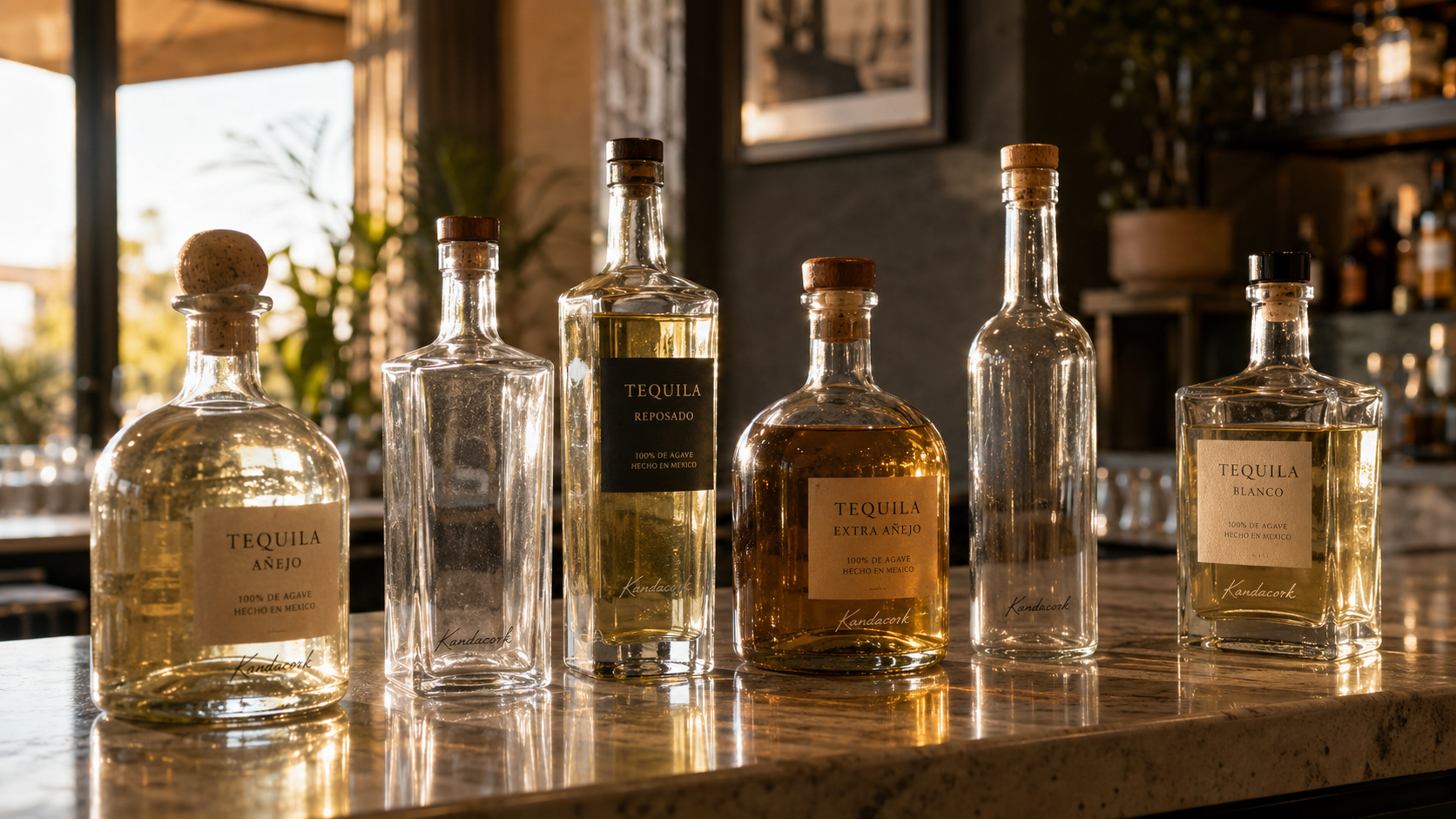
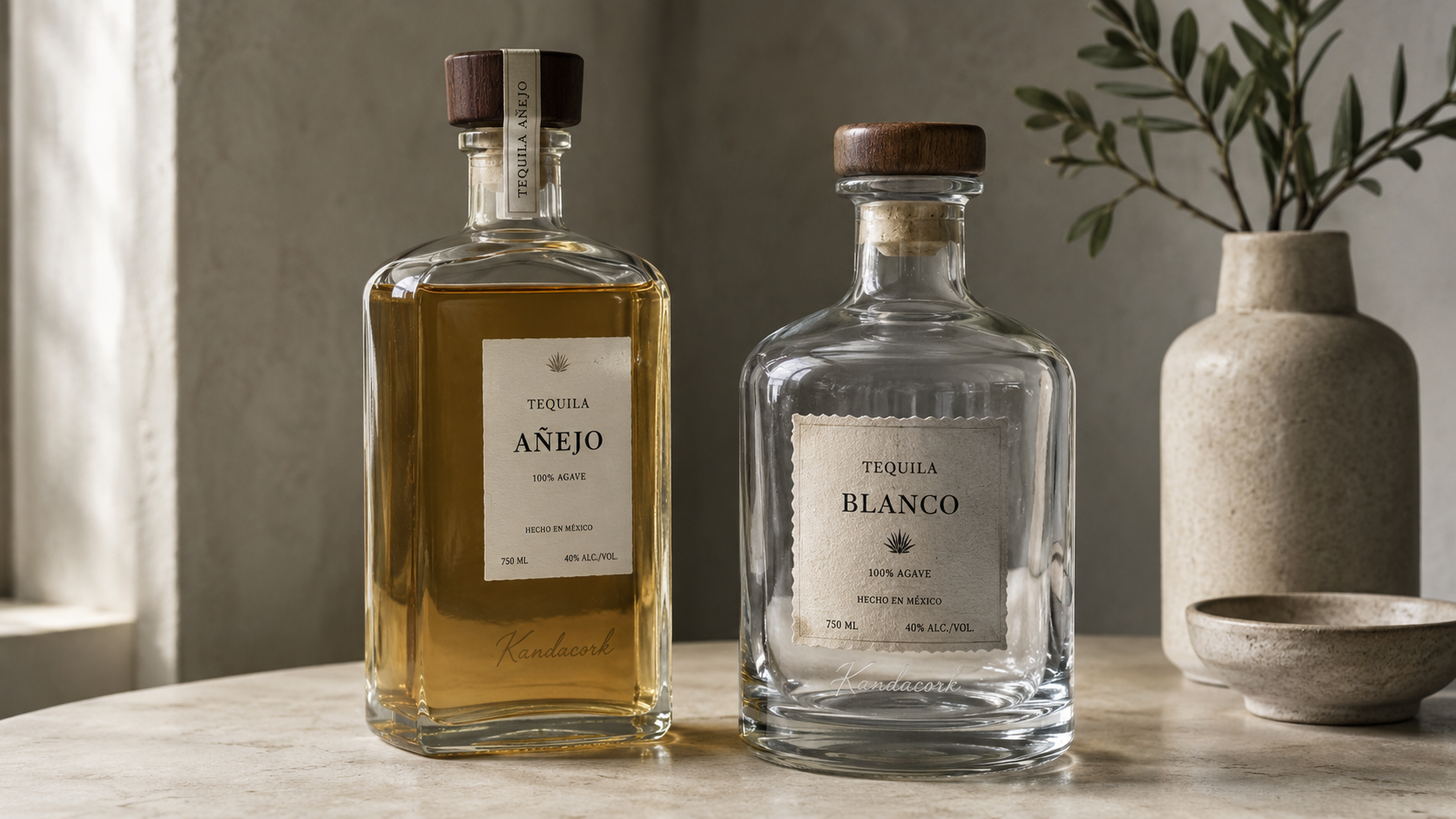
Tequila and mezcal brands often use strong visual identity, sculptural bottle shapes, and cultural design elements. Zinc alloy stoppers are suitable for custom icons, embossed motifs, heavy heads, and collector-style packaging.
The stopper can become part of the brand story, especially for premium agave spirits sold in gift boxes or travel retail channels.
Brandy and Cognac
Brandy and cognac packaging usually requires elegance, refinement, and finish consistency. A weighted metal stopper can support a luxury neck presentation when coordinated with a sleeve, capsule, or premium gift box.
For this category, plating quality, logo precision, and batch consistency are especially important.
Bottle and Closure Coordination
A metal stopper performs best when it is developed alongside the bottle rather than added at the end of the packaging process. Bottle neck tolerance, internal diameter, shoulder design, glass weight, closure head diameter, and carton clearance all affect the final result.
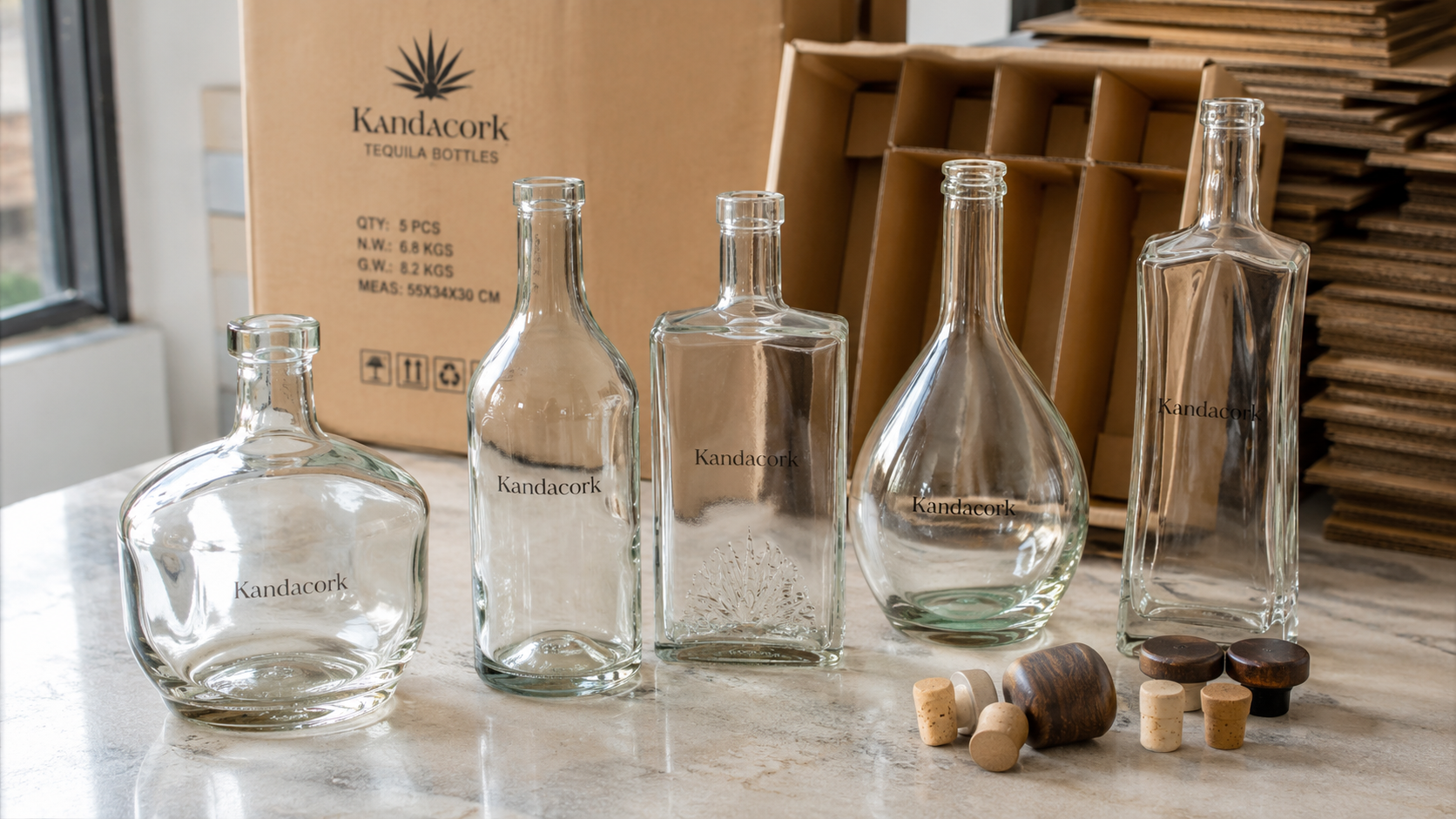
For a new spirits launch, buyers may coordinate the closure with a complete bottle program from Kandacork Spirits Bottle so the glass shape, stopper weight, and brand decoration support the same premium positioning.
For established brands upgrading an existing bottle, the process should start with a bottle drawing and physical sample. The stopper supplier can then review neck fit, shank compression, head diameter, surface finish, and secondary packaging compatibility before samples are approved.
If a project requires broader glass packaging development, Kandacork Glass can support bottle manufacturing and integrated spirits packaging programs that align closure choice with glass design and export supply.
What to Send for a Fast Quotation
A clear request helps shorten development time and improves the accuracy of the quotation. Buyers should prepare project details before asking for custom weighted metal stopper samples.
Send the bottle drawing, bottle neck internal diameter, physical bottle sample if available, target stopper weight, preferred metal material, preferred shank material, finish reference, logo artwork, order quantity, export market, sample deadline, and expected bulk production timeline.
If the stopper needs to work with a capsule, sleeve, gift box, display box, or special carton, include those details as well. The more complete the specification, the easier it is to recommend the right closure structure.
Procurement Checklist for Custom Weighted Metal Stoppers
Before approving production, buyers should confirm the bottle drawing, neck finish, shank diameter, metal material, stopper weight, surface finish, logo method, sample approval standard, inspection criteria, packing method, export market, and compliance documentation needs.
Packaging buyers should also check whether the stopper works with the filling line, capping process, carton layout, gift box insert, and pallet configuration.
For premium and super-premium spirits, the closure is part of the brand experience. Procurement should not focus only on unit price. It should also evaluate visual consistency, fit reliability, surface durability, lead time, quality control, and supplier communication.
Brands with sustainability-focused glass programs may also review lightweighting, recycled-content goals, and reusable packaging considerations with Kandacork Eco Glass when planning the broader bottle and closure system.
Quality and Compliance Considerations
Premium spirits closures should be reviewed as part of the total food and beverage packaging system. The metal head, shank, adhesive, coating, plating, and any component that may contact the product or consumer should be evaluated carefully.
In the United States, the FDA food-contact substances resources are commonly reviewed when packaging materials or components may come into contact with food or beverages. In the European Union, the European Commission explains that Regulation (EC) No. 1935/2004 provides a harmonised framework for food-contact materials, including safety and inertness principles.
The European Food Safety Authority food-contact materials topic is also relevant for understanding the role of safety assessment in materials intended to contact food and drinks. For packaging environmental evaluation, ISO 18601 packaging and environment defines relationships within the ISO packaging-and-environment standards family. For item setup and supply-chain consistency, the GS1 Package and Product Measurement Standard helps provide a consistent process for measuring packaged and unpackaged items.
For international spirits projects, buyers may need material declarations, restricted substance information, migration-related documentation, batch traceability, and customer-specific testing records. A reliable stopper supplier should support dimensional inspection, finish consistency, shank fit review, sample testing, batch control, export packing, pre-shipment inspection, and documentation support.
For premium weighted metal stoppers, quality control should start during design and sampling. Waiting until mass production increases the risk of leakage, poor fit, color inconsistency, delayed shipments, and customer complaints.
How Weighted Metal Stoppers Improve Brand Value
A premium metal stopper can improve brand value in several ways.
It helps the bottle stand out on shelf because metal finishes reflect light differently from standard closures. A custom top shape, engraved logo, or special plating color can make the bottle easier to recognize.
It supports premium positioning because consumers feel the stopper during opening and resealing. This physical interaction can reinforce the product’s price tier and quality story.
It improves packaging consistency by repeating the brand logo, color, texture, or icon used on the label, capsule, and gift box.
It also supports gifting. Premium weighted metal stoppers are especially useful for holiday editions, collector bottles, travel retail products, private-label spirits, and luxury gift sets.
Many consumers keep attractive spirits bottles after purchase. A well-designed stopper can extend brand visibility long after the product is opened.
Why Choose Kandacork Closures?
Kandacork Closures helps spirits brands and packaging buyers develop custom stopper solutions for premium bottle projects.
For premium weighted metal stoppers, Kandacork Closures can support custom metal head design, material selection, target weight development, shank matching, bottle neck fit review, finish selection, logo decoration, sample approval, bulk production planning, and export packing support.
Available customization support may include engraving, embossing, debossing, laser marking, printed inserts, medallions, enamel details, sidewall patterns, antique finishes, brushed finishes, polished plating, matte coatings, and custom sculpted shapes.
The project can begin with a bottle drawing, physical bottle sample, logo file, target stopper weight, finish reference, and expected order quantity. Packaging buyers can submit project details through the custom closure quote page so Kandacork Closures can review the bottle, brand direction, budget, production requirements, and export market.
Whether the project is whisky, rum, gin, vodka, tequila, mezcal, brandy, cognac, liqueur, or a limited-edition spirits package, the closure should do more than close the bottle. It should complete the brand experience.
FAQ
What are premium weighted metal stoppers?
Premium weighted metal stoppers are spirits bottle closures with a metal head and sealing shank. They create a stronger hand feel, premium shelf presence, reliable resealing, and custom brand identity.
What is the best material for premium weighted metal stoppers?
Zinc alloy or Zamak is often best for a heavier luxury feel and detailed custom shapes. Aluminium is better for lightweight modern designs, while stainless steel suits clean and durable premium packaging.
Are weighted metal stoppers suitable for whisky bottles?
Yes. Weighted metal stoppers are highly suitable for whisky and bourbon because they match heavy glass bottles and create a stronger premium opening experience.
Can metal stoppers be used for rum bottles?
Yes. Rum brands often use weighted metal stoppers with bronze, copper, antique gold, gunmetal, or dark plating finishes to support aged, craft, vintage, and luxury packaging styles.
How do I choose the right stopper weight?
Choose stopper weight by matching the closure to the bottle’s glass weight, neck size, product price tier, and target hand feel. Always test sample stoppers with the actual bottle before bulk production.
Does the metal head create the seal?
No. The metal head mainly creates the visual and tactile experience. The shank creates the seal, so shank diameter, compression, insertion force, and pull-out force must be tested.
Can Kandacork Closures customize logos on metal stoppers?
Yes. Kandacork Closures can support engraving, embossing, debossing, laser marking, printed inserts, medallions, enamel details, sidewall patterns, and custom sculpted shapes.
What information should buyers provide before requesting samples?
Buyers should provide bottle drawings, bottle samples, neck measurements, target stopper weight, preferred material, shank preference, logo artwork, finish reference, order quantity, export market, and sample timeline.
Are premium weighted metal stoppers only for luxury spirits?
No. They are common in premium and super-premium packaging, but they can also be used for craft spirits, private-label products, gift sets, and limited editions.
Why should brands test stoppers before bulk production?
Testing confirms that the stopper fits securely, opens comfortably, reseals properly, resists leakage, works with cartons or gift boxes, and performs during transport.
Conclusion
Premium weighted metal stoppers are a strategic packaging choice for spirits brands that want stronger shelf presence, better hand feel, and a more memorable consumer experience. The best stopper is not simply the heaviest or most decorative option. It is the closure that fits the bottle, supports the brand story, performs reliably, and works within the buyer’s production and export requirements.
For whisky, rum, gin, vodka, tequila, mezcal, brandy, cognac, liqueur, and limited-edition spirits packaging, Kandacork Closures can help develop a custom stopper solution that combines premium appearance with practical performance.
To start a project, prepare your bottle drawing, sample bottle, logo file, target weight, finish reference, order quantity, export market, and sample timeline. Kandacork Closures can review the details and recommend suitable premium weighted metal stoppers for your spirits packaging.