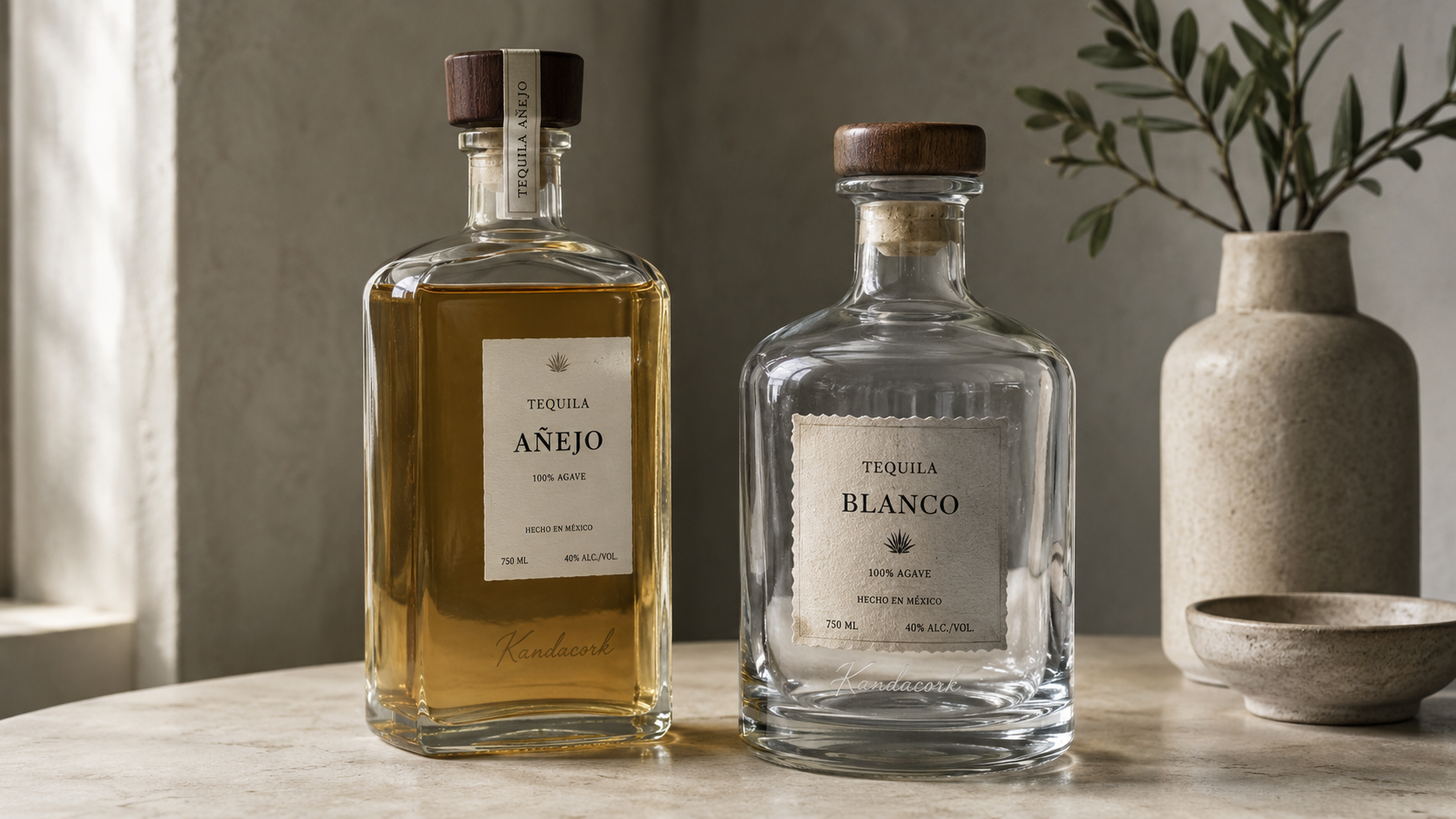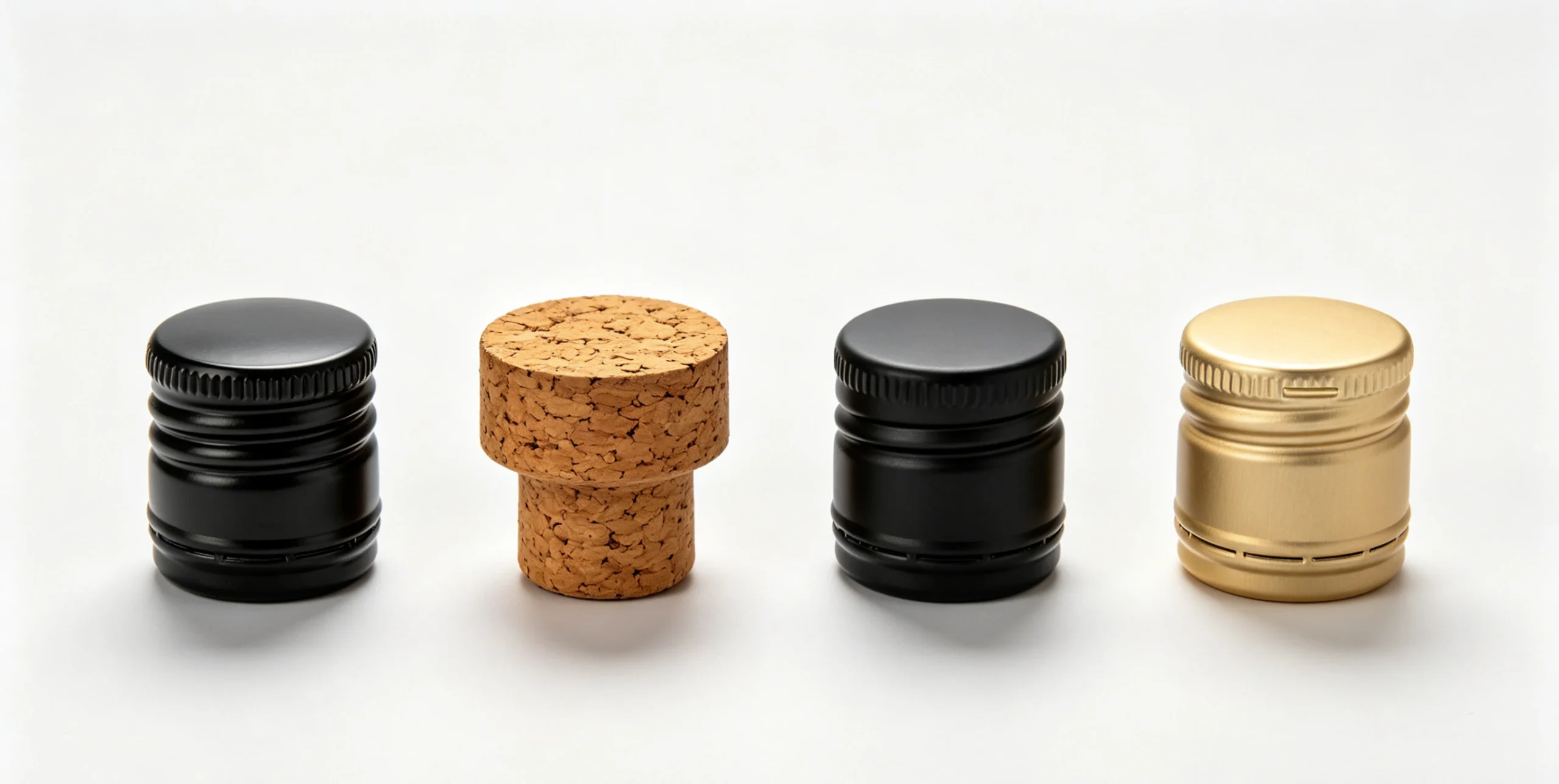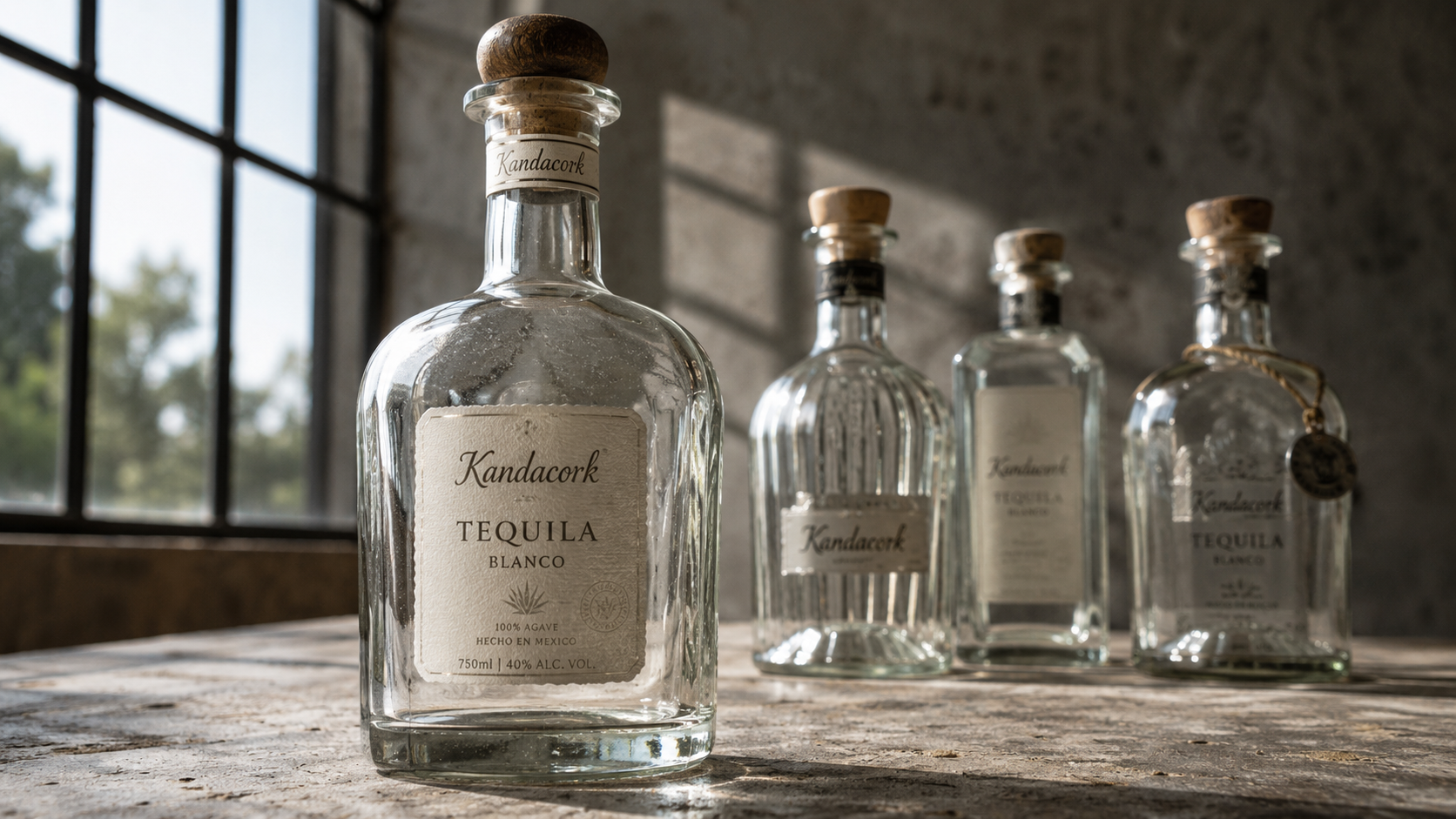
Specialty bottles often require more careful screw cap matching because neck finishes and shapes may vary. This guide explains how buyers can review thread fit, liner selection, torque range and sample testing before production.
What Are Screw Caps for Specialty Bottles?
Screw caps for specialty bottles are twist-on closures that engage with a threaded bottle neck finish. A secure seal depends on the cap thread, bottle thread, liner, sealing surface, material stiffness, and correct application torque.
Unlike standard commodity closures, specialty bottle screw caps are usually selected for a specific product category, bottle shape, market position, or brand style. A premium spirits bottle may require a decorated aluminum screw cap. A chili oil bottle may need a food-contact liner and strong leak resistance. A cosmetic oil bottle may need both an elegant finish and product-compatible sealing. A laboratory bottle may need a PTFE-lined cap for chemical resistance.
Common options include continuous thread caps, ribbed screw caps, smooth screw caps, plastic screw caps, aluminum screw caps, tamper-evident screw caps, induction-seal caps, lined caps, and specialty closures for unusual neck finishes.
The most important rule is simple: the bottle and cap must be tested as one complete packaging system.
Why the Right Screw Cap Matters
Screw caps for specialty bottles must do more than close a container. They need to seal securely, open smoothly, reseal reliably, and protect the product during filling, storage, shipping, retail display, and customer use.
For food and beverage packaging, the closure can affect freshness, leakage risk, aroma retention, tamper evidence, and shelf confidence. The U.S. FDA explains that food-contact substances can include food packaging and its components, which is why material and liner selection must match the intended product and use conditions for food-related applications. See the FDA food-contact packaging guidance.
For cosmetics and personal care products, the cap must support fragrance retention, oil compatibility, and a clean user experience. For laboratory and chemical packaging, the closure must help reduce contamination risk and withstand the product’s chemical profile.
A poor cap choice can cause leakage during transit, weak resealing after opening, thread damage, liner failure, difficult opening, aroma loss, product evaporation, filling-line stoppages, poor shelf appearance, and customer complaints.
This is why buyers should evaluate screw caps for specialty bottles by fit, material, liner, torque, tamper evidence, product compatibility, decoration, and real-world testing instead of choosing only by diameter or price.
Screw Cap Terms Buyers Should Know
Specialty closure sourcing is easier when buyers understand the basic terminology used by packaging suppliers and quality-control teams.
| Term | Meaning | Why It Matters |
|---|---|---|
| Neck finish | The bottle opening diameter and thread style | Determines which cap can physically fit the bottle |
| Thread finish | The thread profile on the bottle neck | Affects cap engagement, sealing, and removal |
| Continuous thread cap | A screw cap that twists onto a threaded neck | Common for bottles, jars, and specialty containers |
| Liner | The sealing material inside the cap | Helps prevent leakage and protect product quality |
| Sealing land | The bottle surface where the liner contacts the finish | Must be smooth and even for reliable sealing |
| Application torque | Force used to tighten the cap | Too little may leak; too much may damage the cap or bottle |
| Removal torque | Force needed to open the cap | Affects customer experience and safety |
| Tamper-evident band | A closure feature that shows whether a bottle has been opened | Useful for retail trust and product security |
| Induction seal | A heat-sealed liner applied with induction equipment | Supports tamper evidence and product protection |
| PTFE liner | A chemically resistant liner material | Common for lab, solvent, and chemical applications |
Understanding these terms helps buyers communicate clearly with suppliers, compare closure options, and avoid mistakes before placing a bulk order.
How to Choose Screw Caps for Specialty Bottles
Match the Cap to the Bottle Neck Finish
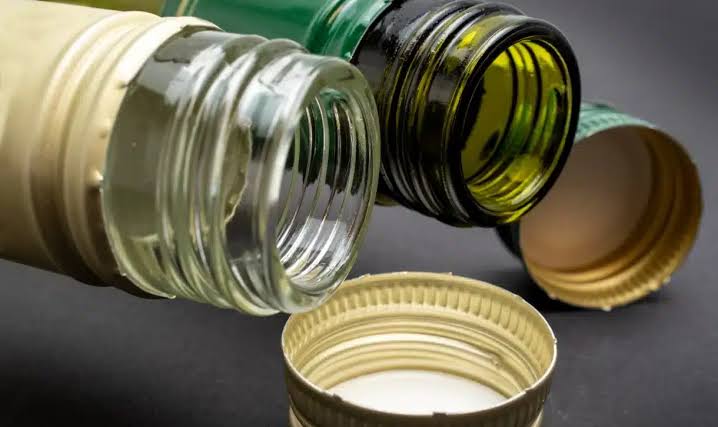
The first step is confirming the bottle neck finish. A neck finish usually includes the opening diameter and thread style. Common examples may include 24/410, 28/400, 38/400, 45 mm, and GL-style laboratory finishes.
However, diameter alone is not enough. Two caps may appear similar but perform differently because of thread profile, cap height, liner thickness, sealing land shape, and closure material.
Before ordering screw caps for specialty bottles, confirm the bottle neck diameter, thread finish, cap height, closure material, liner type, sealing surface, application torque, removal torque, and filling-line requirements.
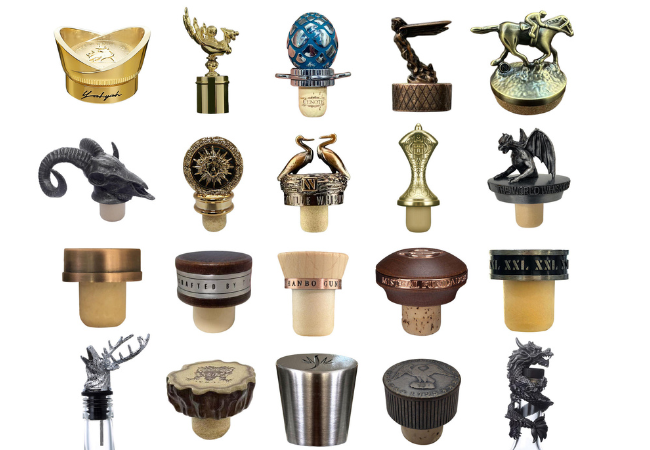
For spirits and premium beverage projects, buyers may compare threaded caps with bottle stoppers and closures to decide whether a screw cap, ROPP closure, bar-top stopper, or tamper-evident system best matches the product and route to market.
Inspect the Bottle Sealing Surface
The sealing surface, sometimes called the sealing land, is the area where the liner contacts the bottle. If this area is uneven, chipped, too narrow, or poorly matched to the liner, leakage may occur even when the cap size appears correct.
For glass specialty bottles, inspect the finish for chips, mold seams, or irregularities. For plastic bottles, check whether the neck finish deforms under torque or after hot filling. For aluminum or specialty material bottles, confirm that the cap liner compresses evenly.
Glass packaging organizations such as the Glass Packaging Institute emphasize the role of glass packaging in product protection and circular packaging systems. For specialty bottle buyers, that means the closure should be selected alongside the bottle, not after the bottle design is already finalized.
Select the Right Cap Material
Material selection affects durability, cost, appearance, recyclability, chemical resistance, and user feel. The right material depends on both product performance and brand positioning.
| Cap Material | Best For | Main Benefit | Buyer Watch-Out |
|---|---|---|---|
| PP plastic | Food, beverage, cosmetic, general packaging | Lightweight, durable, cost-effective | Must confirm liner and product compatibility |
| HDPE or LDPE | Selected liquids, chemicals, and flexible packaging needs | Good flexibility and selected chemical resistance | May not deliver a premium appearance |
| Aluminum | Spirits, oils, beverages, gift bottles, premium packaging | Clean metallic appearance and strong shelf appeal | Requires accurate fit and finish control |
| Phenolic or specialty polymer | Lab, chemical, and technical bottles | High resistance and technical performance | Usually more application-specific |
| Metal-plastic composite | Premium specialty products | Combines decoration and functional sealing | Requires careful sourcing and testing |
A luxury spirit bottle may benefit from a metallic closure. A specialty sauce may need a practical food-grade cap with reliable liner compression. A cosmetic oil may need a closure that feels refined while preventing leakage.
Choose the Right Liner
The liner is one of the most important parts of the closure system. It sits inside the cap and helps create a seal between the cap and bottle.
| Liner Type | Best For | Key Benefit | Buyer Watch-Out |
|---|---|---|---|
| Foam liner | General liquids and everyday specialty packaging | Compression seal and leak resistance | Not suitable for every chemical or high-risk liquid |
| Induction liner | Food, beverage, wellness, and retail products | Tamper evidence and product protection | Requires compatible induction sealing equipment |
| PTFE liner | Laboratory, solvent, chemical, and technical liquids | Strong chemical resistance | Higher cost and more specific use cases |
| Pressure-sensitive liner | Dry goods and selected low-risk applications | Simple sealing method | Limited protection for many liquid products |
| Barrier liner | Aroma-sensitive or oxygen-sensitive products | Helps protect product quality | Must be matched to product and shelf-life goals |
When selecting a liner, consider product chemistry, viscosity, fill temperature, storage environment, shipping conditions, shelf-life expectations, and regulatory requirements.
A thin essential oil needs different closure performance than a thick sauce. A laboratory reagent needs different liner resistance than a decorative bath salt. A premium beverage may need a cap and liner combination that supports aroma protection and attractive shelf presentation.
Confirm Torque Performance
Torque is the rotational force used to apply or remove a screw cap. Application torque refers to the force used to tighten the cap. Removal torque refers to the force needed to open it.
If the cap is too loose, leakage may occur. If it is too tight, the closure may damage the threads, deform the liner, crack the cap, or create a poor customer experience. A cap that feels secure in the factory may also behave differently after storage, temperature changes, or shipping vibration.
ASTM D2063/D2063M addresses torque retention measurement for container and continuous-thread closure systems, making it a relevant reference point for packaging development and engineering evaluation.
For specialty bottle projects, torque testing should be completed with the actual bottle, actual product, selected liner, and intended capping equipment. The ideal closure should seal securely without becoming difficult for the customer to open.
Decide Whether Tamper Evidence Is Needed
Tamper-evident screw caps are used when buyers need visible proof that a package has not been opened. Options may include breakaway bands, induction seals, shrink bands, or other tamper-evident systems.
Tamper evidence is especially valuable for beverages, sauces, wellness products, personal care products, and retail-ready specialty goods. It can help improve customer confidence and support category-specific packaging expectations.
However, tamper evidence must match the bottle neck finish and closure structure. A breakaway band that does not engage correctly can fail during shipping or create an inconsistent opening experience.
For spirits, oils, vinegars, and specialty beverages that need roll-on sealing and controlled tamper evidence, ROPP closures may be a strong option when the bottle finish and filling process are designed for them.
Best Screw Caps for Specialty Bottles by Application
Different products need different closure priorities. The best choice depends on the liquid, bottle material, brand positioning, and distribution channel.
| Product Type | Recommended Cap Feature | Why It Matters |
|---|---|---|
| Spirits and craft beverages | Aluminum cap, tamper-evident band, premium finish | Supports shelf appeal, resealability, and brand value |
| Sauces, oils, and syrups | Food-contact liner, leak-resistant seal, possible induction liner | Helps protect freshness and prevent leakage |
| Cosmetics and personal care | Color-matched cap, smooth or ribbed grip, compatible liner | Supports brand consistency and clean use |
| Fragrance and essential oils | Aroma-sensitive liner, tight thread fit, premium finish | Helps reduce evaporation and aroma loss |
| Laboratory and chemical bottles | PTFE liner, chemical-resistant cap, GL-style compatibility | Supports sample integrity and technical performance |
| Mini and sample bottles | Small-diameter precision cap, decorative finish | Improves fit, presentation, and trial-size packaging quality |
| Gift and promotional bottles | Custom color, metallic effect, printed or embossed closure | Enhances unboxing and brand recall |
| Private-label packaging | Consistent cap color, scalable bulk supply, brand-matched finish | Supports product-line consistency and retail readiness |
Screw Caps for Beverage and Spirits Bottles
For beverage and spirits packaging, screw caps need to balance performance and presentation. These bottles often require resealability, aroma protection, tamper evidence, and strong visual appeal.
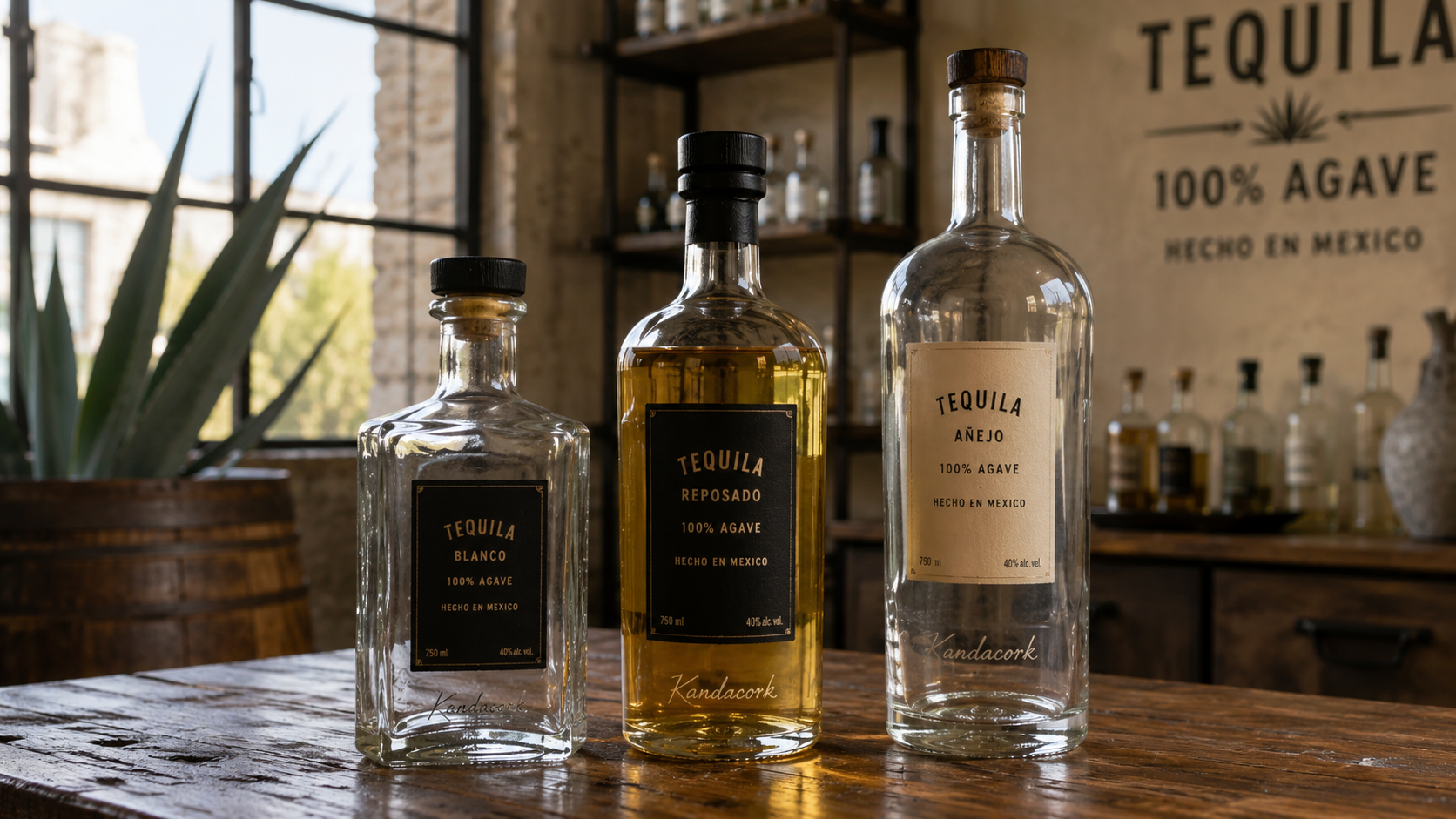
Aluminum screw caps, metallic finishes, smooth-side caps, and branded colors are common choices. For premium spirits, liqueurs, cocktail mixers, and specialty beverages, the cap should match the bottle shape, label material, glass color, and brand story.
Screw caps for specialty bottles in the beverage category should also be evaluated for filling-line performance. The cap must apply consistently, maintain seal integrity, and open smoothly for the consumer.
Brands developing premium spirits lines can coordinate caps with bottle structure through spirits bottle projects where the bottle silhouette, neck finish, stopper or cap, and decoration are considered together.
Screw Caps for Sauce, Oil, and Food Bottles
Food and sauce packaging requires careful attention to food-contact suitability, leakage prevention, liner performance, and clean handling. Products such as chili oil, vinegar, syrup, dressing, sauce, extracts, and specialty condiments may have different viscosity, acidity, oil content, and shelf-life requirements.
For food-related screw caps for specialty bottles, buyers should evaluate food-contact suitability, cap tightness, liner compression, shipping performance, and whether tamper evidence is needed.
A reliable screw cap can reduce leakage, improve shelf presentation, protect freshness, and help customers trust the product before first opening.
For oil-focused formats, buyers may also compare screw caps with controlled-flow olive oil pourers and closures when the product needs cleaner pouring, tamper evidence, or a more kitchen-friendly user experience.
Screw Caps for Cosmetic and Personal Care Bottles
Cosmetic and personal care packaging often requires both function and visual consistency. Products such as facial oils, bath products, fragrance samples, lotions, serums, hair-care liquids, and massage oils need closures that match the brand’s identity while supporting secure sealing.
A smooth cap can create a clean premium look. A ribbed cap can improve grip. A matte cap can support a modern natural-care brand. A metallic cap can suit fragrance, skincare, and luxury wellness packaging.
Compatibility testing is important because oils, alcohol-based formulas, fragrances, and active ingredients may interact differently with liners and plastics.
For beauty, fragrance, gourmet, and home-care formats, Kandacork Glass Packaging can support bottle and jar development where the glass container, closure, and decoration-ready surface need to work as one complete packaging system.
Screw Caps for Essential Oil Bottles
Essential oil bottles need careful closure selection because many formulas are highly aromatic, concentrated, and sensitive to evaporation. The cap and liner should help reduce aroma loss while maintaining a clean opening and resealing experience.
Small glass bottles, amber bottles, cobalt bottles, and sample-size essential oil bottles often need precision-fit caps. Depending on the product, the closure may require a compatible liner, tamper-evident feature, or dropper-compatible design.
For essential oil screw caps for specialty bottles, buyers should test filled samples for leakage, liner compatibility, aroma retention, and long-term storage performance.
Screw Caps for Laboratory and Chemical Bottles
Laboratory and chemical bottles require a more technical approach. The closure may need chemical resistance, temperature resistance, contamination control, and reliable resealing after repeated opening.
PTFE-lined screw caps, phenolic caps, GL-thread closures, and chemically resistant liners are often used in laboratory and technical packaging. These closures are selected for performance rather than decoration alone.
For laboratory or chemical screw caps for specialty bottles, buyers should review compatibility data and test the closure with the actual product before bulk ordering. The goal is not only to close the bottle. The goal is to maintain sample integrity, reduce leakage risk, and support safe handling.
Screw Caps for Mini Liquor and Sample Bottles
Mini liquor bottles, sample bottles, tasting kits, and promotional formats require caps that look finished even at small sizes. The closure must be proportional to the bottle, easy to open, and consistent across large batches.
Small-format bottles are often used to create a first impression. A poorly fitted cap can make the product feel cheap, while a well-matched screw cap can make even a miniature bottle feel retail-ready.
For mini liquor bottles and sample packaging, buyers should evaluate small-diameter caps, color matching, tamper-evident options, and premium decoration before confirming bulk production.
Screw Caps for Glass Specialty Bottles
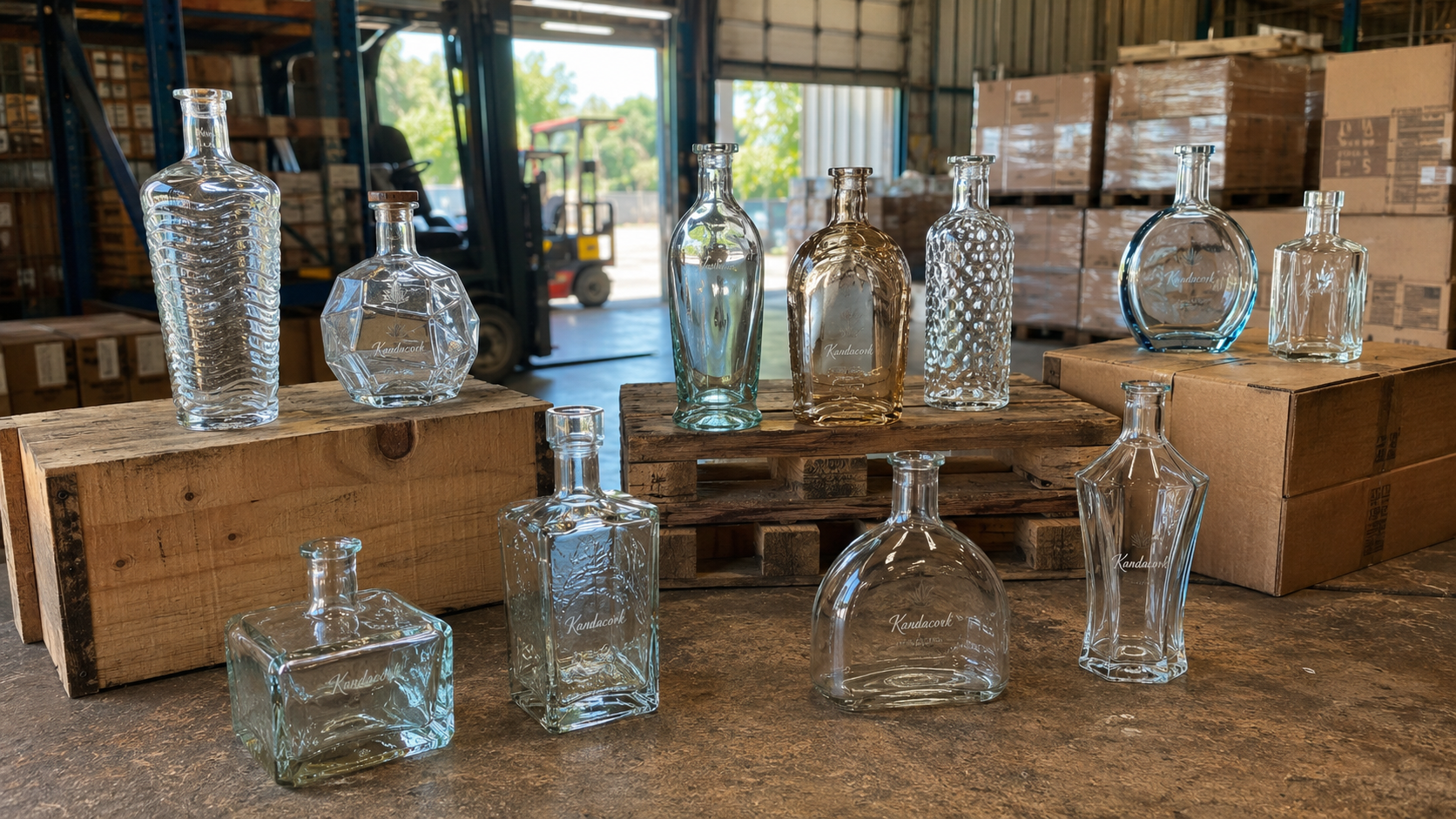
Glass specialty bottles are widely used for spirits, sauces, oils, cosmetics, fragrances, and premium gift packaging. Glass offers strong shelf appeal, but it also requires accurate closure matching.
The cap must work with the glass neck finish, sealing land, thread profile, and product fill conditions. Small variations in glass manufacturing can affect how the cap seals, so testing is important before bulk ordering.
Brands that need full packaging coordination can work with Kandacork Glass when bottle structure, closure fit, decoration, export packing, and project timelines need to be managed as one integrated program.
Screw Caps for Private-Label Packaging
Private-label brands often need packaging that looks consistent across multiple SKUs while remaining cost-efficient and scalable. Screw caps for specialty bottles can support this goal through color matching, standardized finishes, liner selection, and bulk supply planning.
A private-label product line may use the same cap style across sauces, oils, beverages, or cosmetics while changing label artwork and bottle size. However, each bottle should still be tested for compatibility.
For product lines where caps, labels, coatings, printing, or decorative effects must align, decoration and branding support can help make the closure look like a deliberate part of the brand system rather than a generic component.
Custom Screw Caps for Specialty Bottles in Bulk
Custom screw caps for specialty bottles are useful when a standard stock closure does not fully match the bottle, product, or brand position. Customization can improve shelf presence, brand recognition, user experience, and packaging consistency across product lines.
Custom options may include brand-matched colors, matte finishes, glossy finishes, metallic effects, ribbed sidewalls, smooth sidewalls, embossing, debossing, cap printing, specialty liners, tamper-evident structures, and bulk production support.
For conversion-focused packaging projects, customization should not be treated as decoration only. A custom cap can help signal product quality, improve the unboxing experience, and create a stronger connection between bottle shape, label, closure, and brand identity.
Bulk custom screw caps for specialty bottles are especially useful for brands preparing new product launches, seasonal releases, private-label collections, export packaging, and multi-SKU product lines.
For closure appearance, portfolio consistency, and repeatable color control, Kandacork Closures provides custom colors and finishes for screw caps, ROPP closures, capsules, and other specialty closure formats.
How Kandacork Closures Helps Buyers Avoid Cap-Fit Mistakes
A closure project can fail when the supplier only receives a cap size without enough packaging context. Kandacork Closures helps buyers evaluate the complete system before bulk ordering.
Support may include bottle neck finish review, cap style recommendation, liner selection, material matching, color and finish guidance, tamper-evident option review, sample testing support, and bulk order planning.
This process helps reduce avoidable problems such as leakage, weak liner compression, poor cap appearance, inconsistent torque, and incorrect thread compatibility.
For new projects, buyers should prepare bottle specifications, product category, target cap style, decoration requirements, and estimated order quantity. This helps the closure supplier recommend practical next steps and avoid unnecessary sampling delays.
Common Mistakes When Buying Screw Caps for Specialty Bottles
Choosing by Diameter Only
A 28 mm cap is not automatically compatible with every 28 mm bottle. Thread finish, cap height, liner thickness, and sealing surface all matter.
Ignoring the Liner
The liner often determines whether the closure performs well. A poor liner choice can lead to leakage, aroma loss, chemical incompatibility, weak tamper evidence, or poor shelf-life performance.
Skipping Torque Testing
Even if a cap fits by hand, it may not perform properly on a filling line. Torque testing helps confirm that the closure can be applied consistently and opened comfortably by the customer.
Overlooking Product Compatibility
Products with alcohol, essential oils, acids, solvents, active ingredients, or high oil content may require specific cap and liner materials.
Forgetting Ecommerce Shipping Conditions
Products sold online may face vibration, pressure changes, rough handling, and temperature variation. Filled-bottle testing should include inversion, storage, and simulated shipping conditions when possible.
Ordering Bulk Before Testing Samples
Bulk ordering without sample testing increases the risk of expensive mistakes. Always test with the actual bottle, product, fill conditions, and shipping method.
Buyer Checklist Before Ordering
Before ordering screw caps for specialty bottles, prepare the following information:
| Requirement | Why It Matters |
|---|---|
| Bottle material | Glass, PET, HDPE, aluminum, and specialty materials behave differently |
| Bottle capacity | Cap proportion and application may vary by bottle size |
| Neck finish | Determines closure compatibility |
| Thread style | Affects fit, sealing, and removal torque |
| Product type | Helps determine liner and material requirements |
| Product viscosity | Thin liquids and thick liquids have different leakage risks |
| Fill temperature | Hot fill or cold fill can affect cap and liner performance |
| Storage conditions | Temperature and humidity may affect seal integrity |
| Shipping method | Ecommerce and export shipping require stronger testing |
| Liner requirement | Critical for sealing, freshness, and compatibility |
| Tamper-evident need | Important for retail and customer confidence |
| Cap color and finish | Supports brand consistency |
| Filling-line method | Manual and automated capping require different checks |
| Estimated order quantity | Helps determine production method and pricing |
| Target launch date | Supports lead-time planning |
This checklist helps suppliers recommend screw caps for specialty bottles that fit both technical and commercial requirements.
What to Send for a Faster Quote
To receive a more accurate recommendation, send the details below.
| Information to Send | Example |
|---|---|
| Bottle neck finish | 24/410, 28/400, 38/400, 45 mm, GL-style finish |
| Bottle material | Glass, PET, HDPE, aluminum, or specialty material |
| Bottle capacity | 30 ml, 100 ml, 250 ml, 500 ml, 750 ml |
| Product type | Spirit, sauce, oil, cosmetic, fragrance, lab sample |
| Product characteristics | Thin liquid, viscous liquid, alcohol-based, oil-based, acidic, aromatic |
| Required liner | Foam liner, induction liner, PTFE liner, barrier liner |
| Tamper-evident need | Breakaway band, induction seal, shrink band, none |
| Branding needs | Custom color, matte finish, metallic finish, printing, embossing |
| Order quantity | Sample order, pilot order, bulk order, custom production |
| Launch timeline | Prototype stage, pre-production, urgent restock, seasonal launch |
This information helps the closure supplier review compatibility, suggest liner options, estimate production feasibility, and prepare sample or bulk pricing more efficiently.
Quality Testing Before Bulk Orders
Sample testing is one of the most important steps in a specialty closure project. A cap may appear correct during visual inspection but fail under storage or shipping conditions.
Useful tests may include hand-fit checks, application torque checks, removal torque checks, filled-bottle inversion tests, liner compression checks, short-term storage tests, temperature exposure checks, and shipping simulation.
For liquid products, filled samples should be tested in the same orientation and environment expected during real distribution. For ecommerce brands, this may include upside-down storage, vibration, and outer-carton movement.
For automated filling lines, the cap should be tested with the actual capping equipment before final approval.
The ISO 9000 family of quality management standards emphasizes process control, customer focus, and continuous improvement. For packaging buyers, that means closure selection should be repeatable, measurable, and supported by sample approval rather than guesswork.
Sustainability and Recyclability Considerations
Sustainability is becoming more important in specialty packaging. Buyers may need to consider cap material, bottle material, liner construction, recycling compatibility, lightweighting, and whether the closure supports responsible packaging goals.
The APR Design Guide is widely used in North America as a reference for designing plastic packaging for recyclability. For specialty bottle closures, this reinforces the importance of thinking about the entire package rather than the cap alone.
Sustainability decisions should be balanced with product protection. A recyclable or lightweight cap still needs to seal properly, protect the product, and survive distribution. Packaging that fails during shipping can create waste through product loss, returns, and replacements.
For brands considering refill, reuse, lightweight glass, or lower-impact packaging strategies, Kandacork Eco Glass can support broader packaging conversations where bottle format, closure choice, and sustainability goals need to be evaluated together.
Why Choose Kandacork Closures?
Kandacork Closures works with businesses that need practical closure solutions for specialty packaging. Whether the project involves beverage bottles, food bottles, cosmetic bottles, essential oil bottles, sample bottles, laboratory bottles, or premium gift packaging, the closure must support both product performance and brand positioning.
Kandacork Closures can help buyers evaluate screw caps for specialty bottles based on neck finish, liner selection, material, torque requirements, tamper evidence, decoration, sustainability goals, and bulk supply needs.
For growing brands, this support can reduce sourcing risk and speed up packaging decisions. For established companies, custom closure sourcing can improve consistency across product lines and support stronger retail presentation.
Send Kandacork Closures your bottle neck finish, bottle material, product type, desired liner, cap finish, branding needs, and estimated order quantity to request a closure quote with sample options and bulk pricing.
Frequently Asked Questions
What size screw cap do I need for my specialty bottle?
You need a cap that matches both the bottle’s neck diameter and thread finish. Diameter alone is not enough because cap height, liner thickness, thread profile, and sealing surface also affect performance. The best approach is to test the cap with the actual bottle, product, and fill conditions before bulk ordering.
Are screw caps suitable for premium specialty bottles?
Yes. Screw caps can work very well for premium specialty bottles when the material, finish, color, and decoration are selected carefully. Aluminum caps, metallic effects, matte coatings, smooth sidewalls, embossing, and custom printing can all support a high-end appearance. For premium products, the cap should match the bottle shape, label design, and brand positioning.
Which liner is best for leak prevention?
The best liner depends on the product formula and packaging conditions. Foam liners are common for general sealing, while induction liners can support tamper evidence and product protection. PTFE liners are often used for chemical resistance in laboratory or technical applications. For liquid products, buyers should test liner performance with the actual product, storage conditions, and shipping method.
Can screw caps be customized with brand colors or printing?
Yes. Custom screw caps can be produced in brand colors, metallic finishes, matte finishes, printed designs, embossed details, or specialty textures. Customization helps the closure match the bottle, label, and overall brand identity. For multi-SKU product lines, color-coded caps can also help customers quickly identify different flavors, formulas, or product strengths.
Do tamper-evident screw caps work for specialty bottles?
Yes, tamper-evident screw caps can work for specialty bottles when the cap structure and bottle neck finish are compatible. Options may include breakaway bands, induction seals, shrink bands, or other visible tamper-evident systems. The correct choice depends on the product category, bottle design, filling process, and retail requirements. Sample testing is recommended before bulk production.
Should I test samples before bulk ordering?
Yes. Sample testing helps confirm cap fit, torque, leakage resistance, liner compatibility, filling-line performance, and final appearance. For liquid products, filled bottles should be tested under storage, inversion, and shipping conditions. For automated production, the closure should be tested with the actual capping equipment. Testing before bulk ordering helps avoid costly packaging problems.
Can I order custom screw caps for specialty bottles in bulk?
Yes. Bulk custom orders can include color matching, liner selection, tamper-evident structures, metallic finishes, printing, embossing, and packaging compatibility support. Buyers should confirm bottle specifications and test samples before full production. This helps ensure that the approved cap is production-ready, not just visually acceptable.
What information should I send to a screw cap supplier?
Send the bottle neck finish, bottle material, bottle capacity, product type, fill temperature, target liner type, tamper-evident requirements, cap style preference, and estimated order quantity. Photos, technical drawings, or physical samples are also helpful. The more complete the information, the easier it is to recommend screw caps for specialty bottles that fit the project.
Can one screw cap work for different bottle types?
Sometimes, but it depends on the neck finish, sealing surface, thread profile, and product requirements. Even if two bottles use the same nominal diameter, they may not perform the same with one cap. For multi-bottle product lines, each bottle should be tested separately. This helps confirm consistent sealing, appearance, and customer opening experience.
Are screw caps for specialty bottles suitable for ecommerce shipping?
Yes, but they must be tested carefully. Ecommerce shipping may expose bottles to vibration, pressure changes, temperature variation, and rough handling. For liquid products, use filled-bottle testing, inversion checks, liner compatibility review, and suitable outer packaging. A closure that works on a retail shelf may still need additional testing for direct-to-consumer shipping.
Conclusion
The best screw caps for specialty bottles are not chosen by size alone. They are selected by fit, neck finish, liner, material, torque, tamper evidence, product compatibility, decoration, sustainability goals, and supply reliability.
For specialty packaging projects, a closure must protect the product, support the customer experience, and strengthen the brand’s presentation. A well-matched cap can reduce leakage, improve shelf appeal, support retail confidence, and make the final package feel more professional.
Kandacork Closures helps businesses source custom and bulk screw caps for specialty bottles with practical support from sample testing to production supply. With the right closure strategy, brands can move from concept to production with fewer fit problems, stronger shelf impact, and a more reliable packaging system.