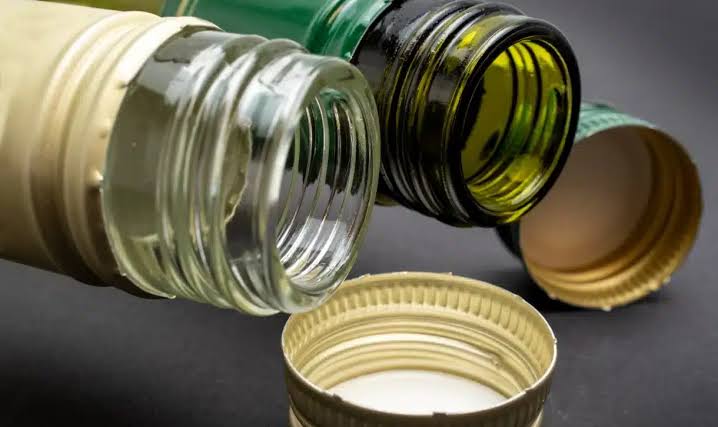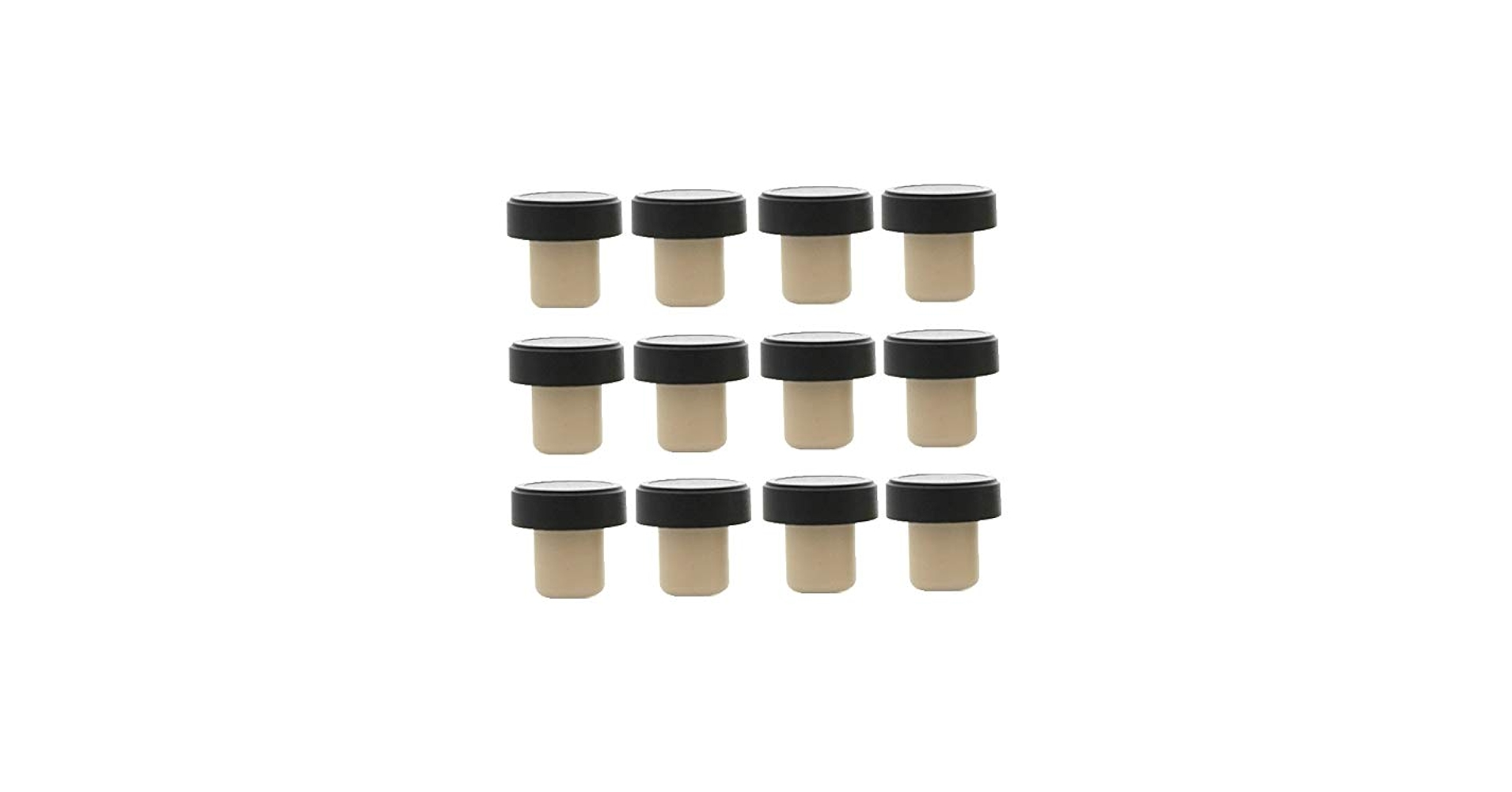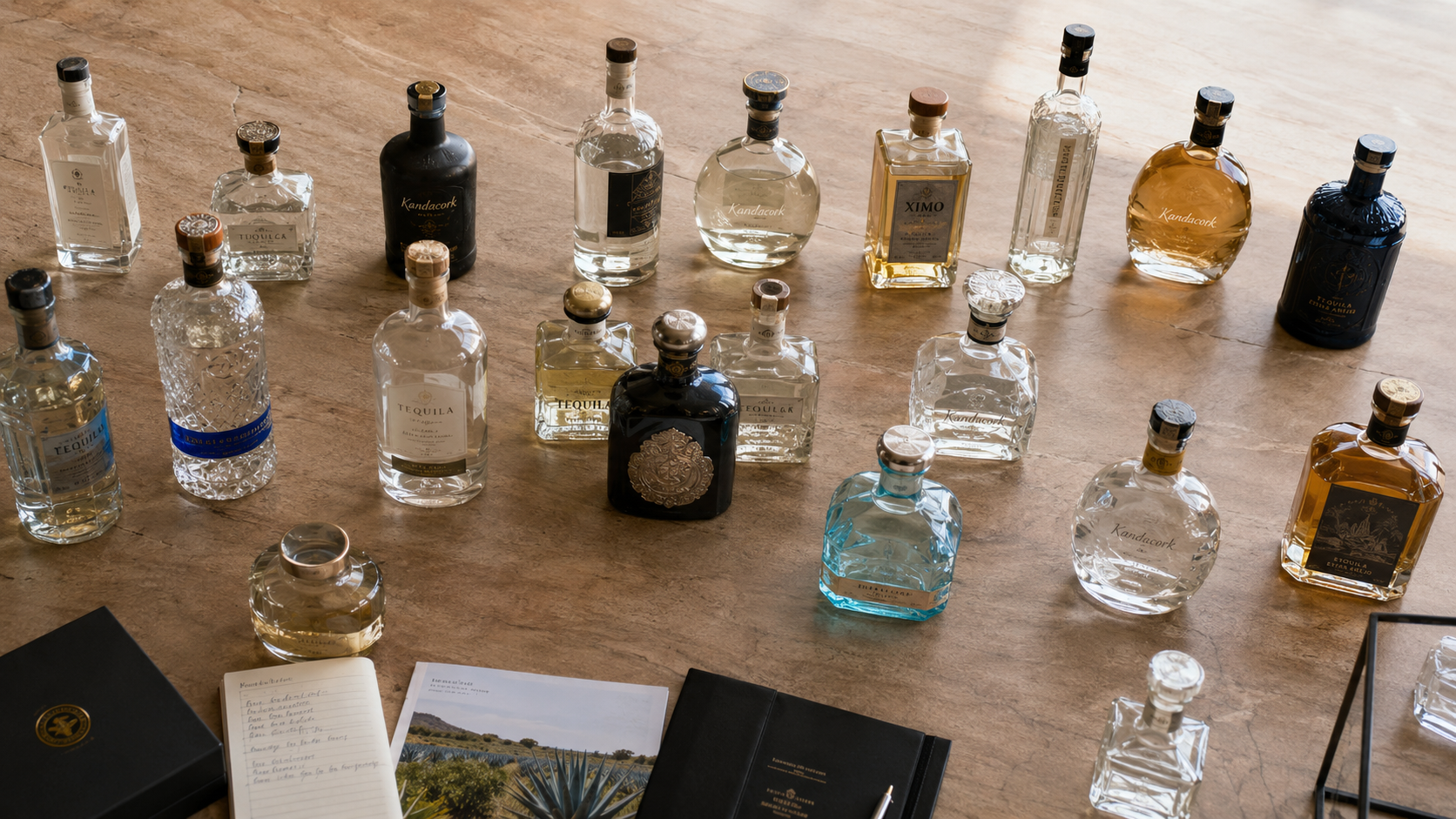
Spirits bottle closure leakage prevention is a critical quality-control step before a brand confirms bulk packaging production. A leaking spirits bottle can stain labels, damage cartons, reduce fill volume, delay export shipments, and create distributor complaints before the product reaches the shelf.
For distilleries, private-label spirits brands, importers, co-packers, and packaging buyers, a closure is not only a decorative component. It is part of a complete sealing system. The bottle neck finish, liner, cork shank, cap torque, filling method, alcohol content, storage condition, and transport environment all affect whether the finished bottle stays leak-free.
Spirits bottle closure leakage is prevented by matching the bottle neck finish, closure structure, liner or cork material, torque, and filled-bottle test conditions before bulk production.
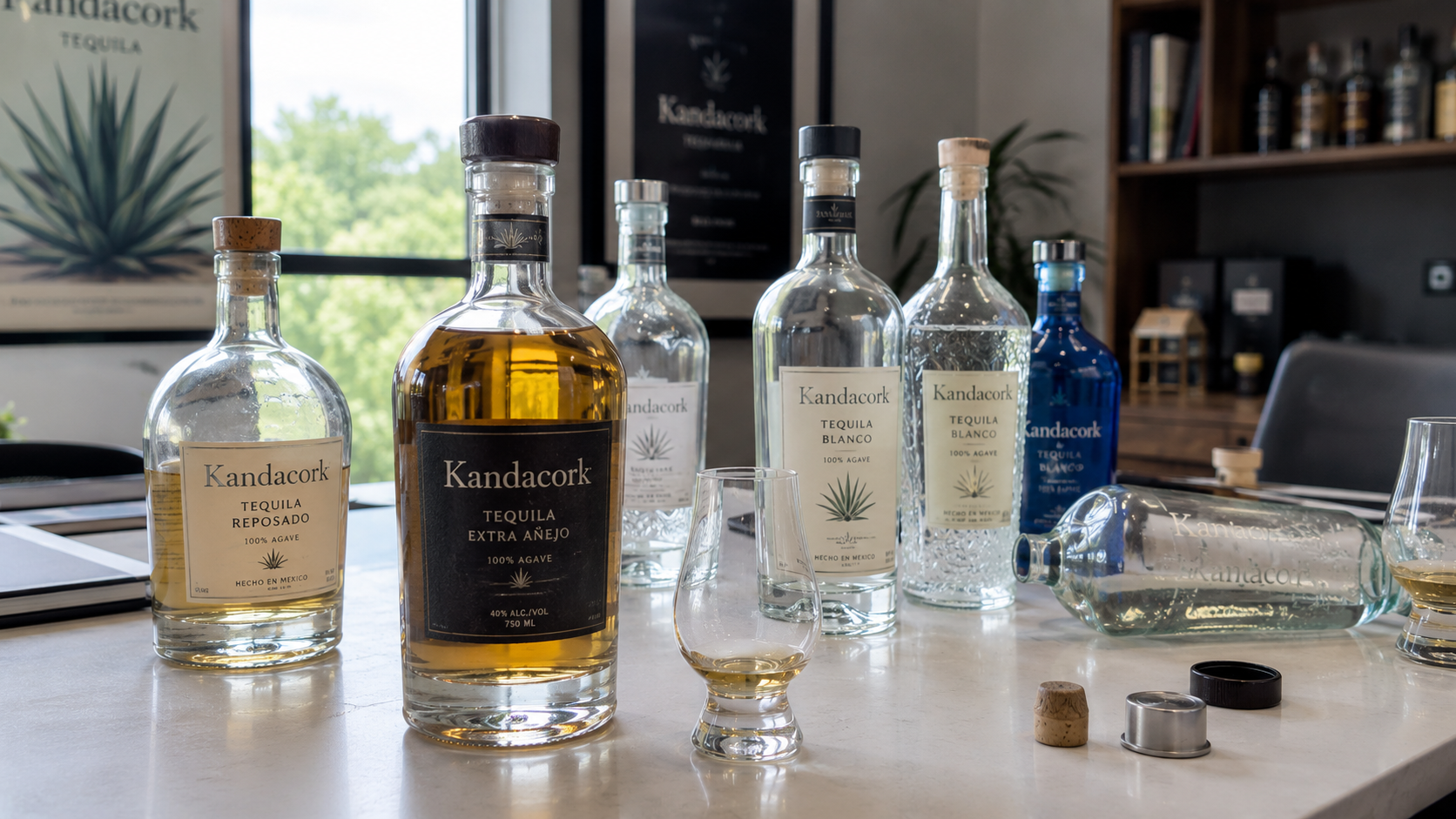
Kandacork Closures supports spirits brands with custom closures and stoppers for bar-top corks, screw caps, ROPP closures, and non-refillable closure systems. This guide explains how buyers can reduce leakage risk before placing a bulk order and how to evaluate closures with real production conditions in mind.
Who This Guide Is For
This guide is written for distilleries, liquor packaging buyers, private-label spirits brands, importers, export suppliers, co-packers, procurement teams, and premium spirits companies comparing custom closures before bulk orders.
It is especially useful if you are developing packaging for whiskey, rum, gin, vodka, tequila, brandy, liqueurs, ready-to-drink alcoholic beverages, or premium gift-pack spirits. Brands sourcing complete bottle and closure programs can also coordinate closure development with custom spirits bottle packaging to reduce fit issues early in the project.
Key Takeaways
Spirits bottle closure leakage prevention depends on the full packaging system, not the closure alone.
A closure may leak if the bottle neck finish, sealing land, liner, cork shank, thread profile, torque, or capping setup is not properly matched.
Buyers should test physical samples with real bottles before confirming mass production.
For screw caps and ROPP closures, application torque and removal torque should be controlled. For bar-top stoppers, cork shank diameter, insertion depth, and pull-out force matter.
Filled-bottle testing is more reliable than testing empty packaging components separately.
The best leakage prevention process includes bottle review, closure sampling, filled-bottle testing, torque or pull-out-force checks, transport simulation, and final golden sample approval.
What Causes Spirits Bottle Closure Leakage?
Spirits bottle closure leakage is usually caused by a mismatch between the bottle, closure, liner or cork, and application method. A closure may look correct by size, but small dimensional differences in the bottle neck can change the sealing result.
Common leakage causes include:
- Incorrect bottle neck finish
- Damaged or uneven sealing land
- Wrong cork shank diameter
- Poor liner or gasket compression
- Under-torqued screw cap
- Over-torqued cap that damages the liner
- Inconsistent ROPP roller settings
- Poor tamper-band formation
- Alcohol-material incompatibility
- Temperature change during warehousing or shipping
- Vibration during long-distance transport
- Excessive or insufficient headspace
In spirits packaging, the liquid itself can also influence closure performance. High-proof spirits, flavored liqueurs, botanical gin, cream liqueurs, sweetened products, and ready-to-drink alcoholic beverages may interact differently with cork, synthetic materials, liner compounds, and internal pourer components.
This is why spirits bottle closure leakage prevention should start during sampling, not after bulk filling.
Why Bottle Neck Finish Is the First Leakage Check
A closure cannot seal properly if the bottle neck finish is wrong. Before discussing color, decoration, logo embossing, top material, or premium appearance, buyers should confirm the bottle neck dimensions.
The neck finish includes the shape and dimensions of the bottle mouth, sealing land, bead, thread, bore, and shoulder area near the opening. For spirits packaging, this may include cork-mouth finishes for bar-top stoppers, continuous-thread finishes for screw caps, or ROPP finishes for roll-on pilfer-proof caps.
A reliable closure supplier should review both the bottle drawing and physical bottle samples. Nominal size alone is not enough. Two bottles may both be described with the same closure diameter, but their internal bore, sealing surface, glass tolerance, and bead profile may differ.
Important bottle details include:
- Bottle technical drawing
- Physical bottle samples
- Neck finish specification
- Internal bore diameter
- Sealing land condition
- Thread or bead profile
- Fill volume
- Alcohol by volume
- Filling and capping method
- Domestic or export market
- Storage and transport condition
For strong bottle cap leakage prevention, buyers should never approve closures based only on photos or nominal size. Physical sample testing is essential.
Closure Selection Comparison for Leak-Free Spirits Bottles
Choosing the right closure type depends on bottle finish, product category, shelf positioning, tamper-evidence needs, and filling-line setup. The table below helps buyers compare common spirits closure systems before ordering samples.
| Closure Type | Best For | Main Leakage Risk | Key Test Before Bulk Order |
|---|---|---|---|
| Bar-top stopper | Premium whiskey, rum, gin, tequila, vodka, brandy, and liqueurs | Cork shank mismatch, low insertion depth, poor sideways storage performance | Pull-out force, insertion depth, cork compression, and sideways filled-bottle storage |
| Screw cap | Miniatures, RTD alcoholic beverages, selected spirits, and export formats | Incorrect torque, liner deformation, thread mismatch, or tamper-band issues | Application torque, removal torque, liner compression, and inverted leak testing |
| ROPP closure | Spirits requiring metal appearance, tamper evidence, and controlled opening force | Poor roller setup, weak liner compression, inconsistent thread forming | Opening torque, capping-head setup review, inverted leak test, and tamper-band inspection |
| Non-refillable closure | Premium spirits, export products, duty-free bottles, and anti-counterfeit packaging | Poor insert fit, valve-seat mismatch, pourer leakage, or multi-component assembly issues | Filled-bottle testing, insert-fit review, controlled-pour testing, and transport simulation |
This comparison helps buyers avoid choosing a closure only by appearance. A premium closure must also match the bottle neck finish, sealing surface, and production method.
Bar-Top Stopper Leakage Prevention
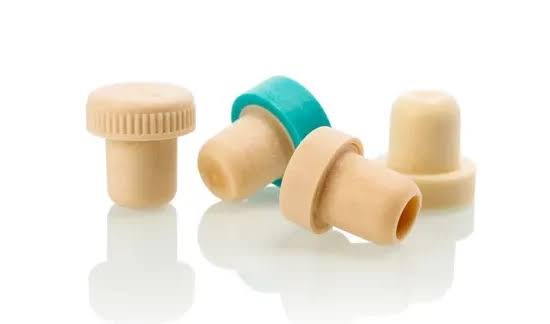
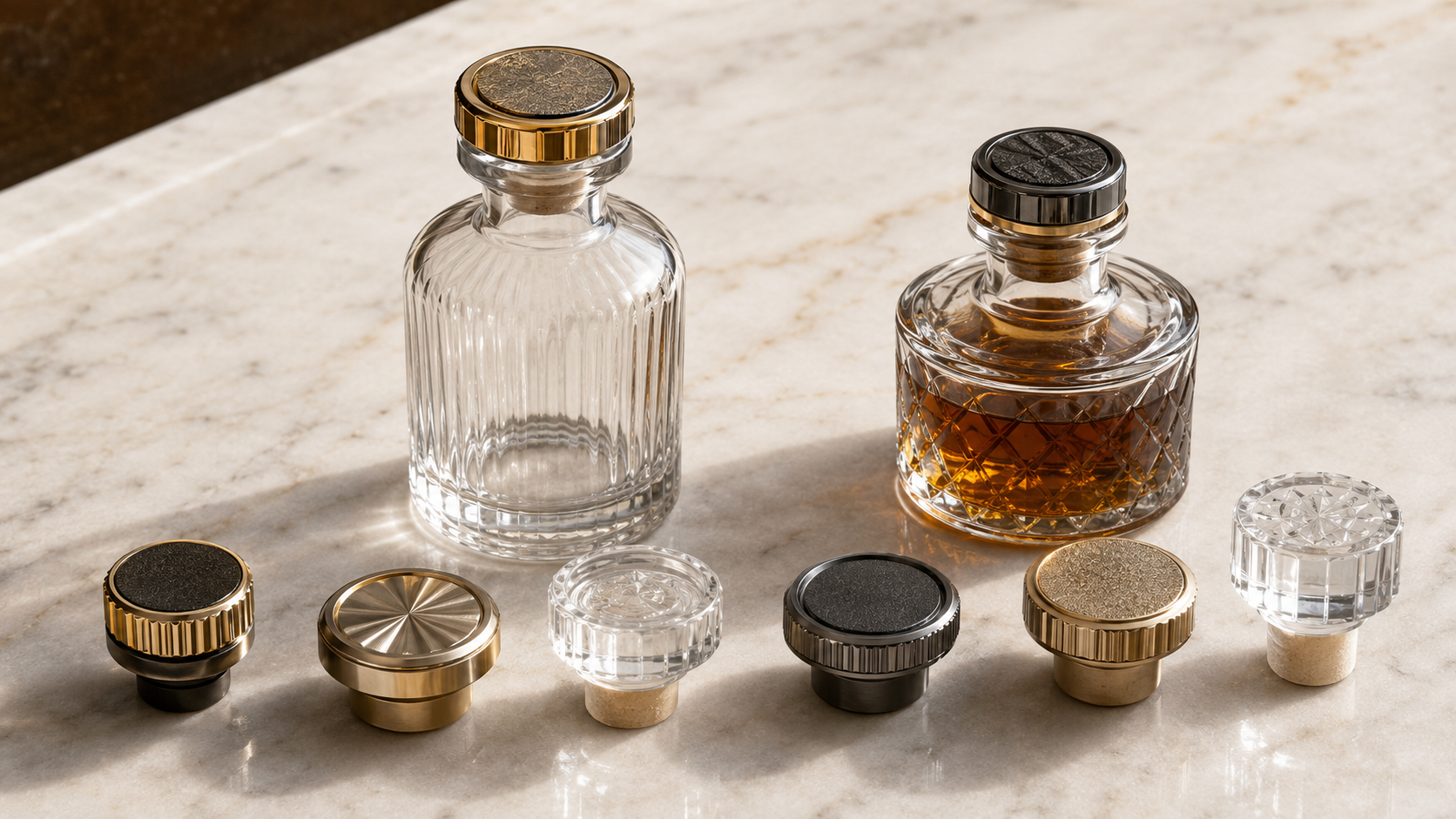
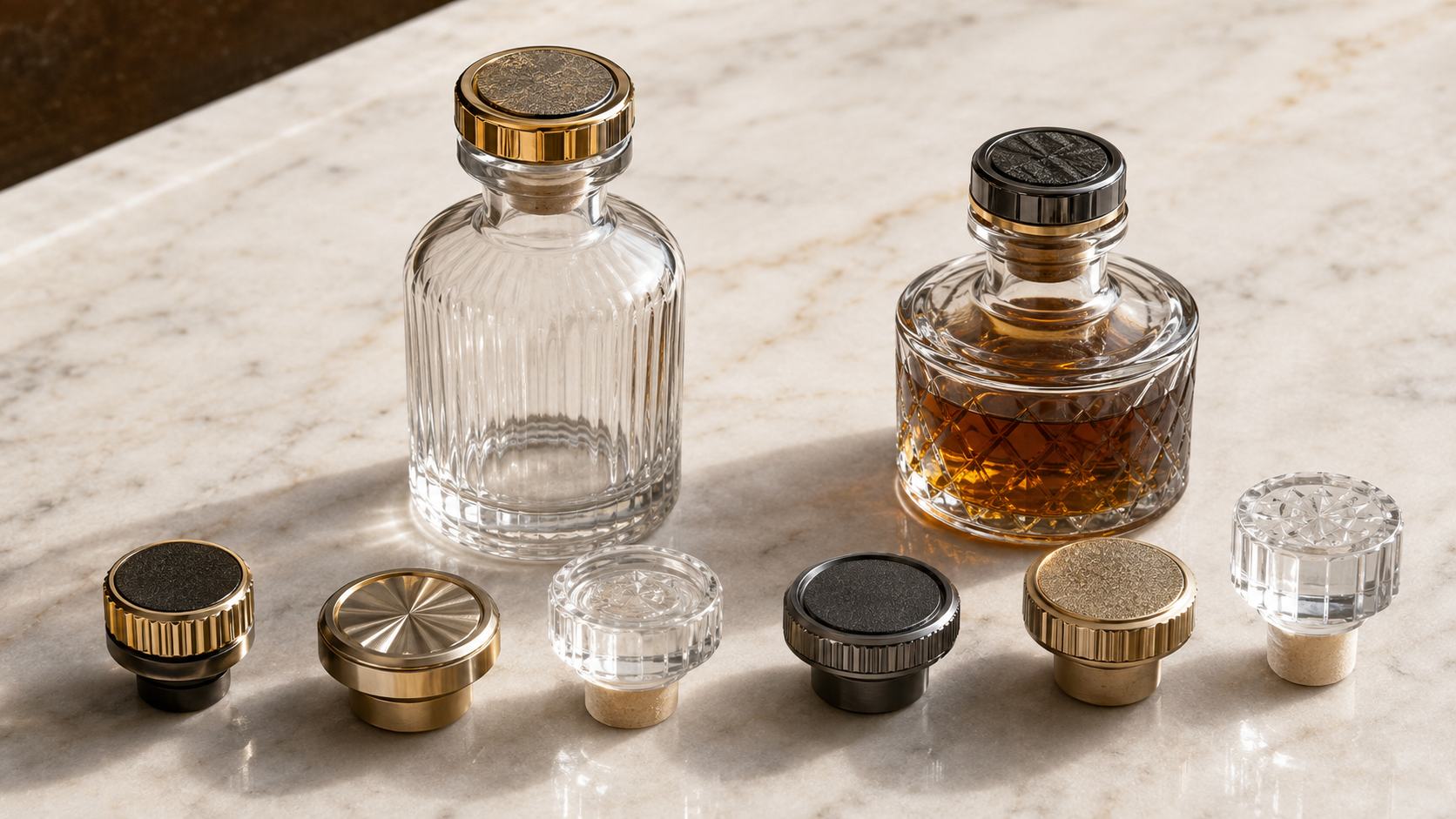
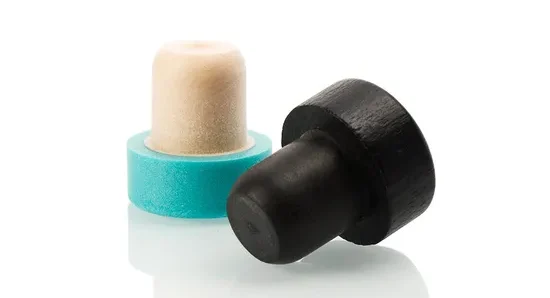
Bar-top stoppers are widely used for premium spirits because they combine sealing function with a strong shelf impression. They usually include a decorative top and a natural cork, micro-agglomerated cork, or synthetic shank.
For bar-top stoppers, the most important sealing factor is cork shank fit. If the cork diameter is too small, the bottle may leak when stored sideways or exposed to vibration. If the cork diameter is too large, the stopper may be difficult to insert, damage the closure, or create an inconsistent opening experience.
Buyers should test:
- Cork shank diameter
- Insertion depth
- Insertion force
- Pull-out force
- Cork compression recovery
- Stopper alignment
- Sideways storage leakage
- Long-term fit after filling
For premium spirits, the top material also affects performance. Wood, zamac, aluminum, plastic, glass, and ceramic tops have different weights and handling characteristics. A heavier top can improve perceived value, but it must be balanced with cork fit, bottle stability, and consumer opening comfort. For dark spirits and gift packaging, custom wooden bar-top stoppers are often selected when brands want a traditional opening ritual with a warm premium finish.
Screw Cap Leakage Prevention
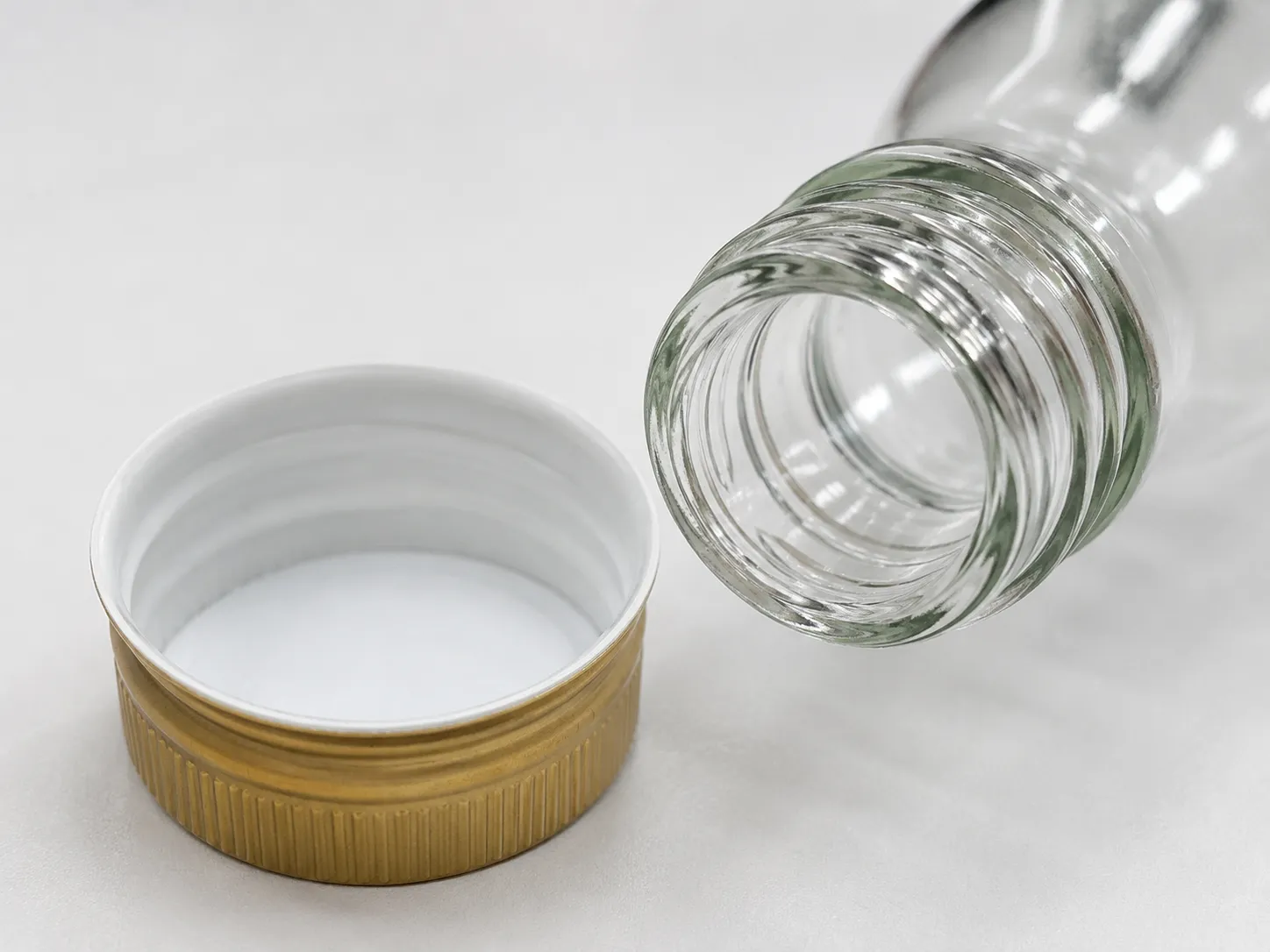
Screw caps are often used for spirits, miniatures, ready-to-drink alcoholic beverages, and selected export formats. They rely on thread engagement and liner compression.
A screw cap can leak even if it feels tight. If the cap is under-torqued, the liner may not compress enough against the sealing surface. If it is over-torqued, the liner may deform, the threads may strip, or the cap may create uneven sealing pressure.
Important checks include:
- Thread compatibility
- Cap height
- Liner type
- Application torque
- Removal torque
- Torque retention
- Tamper-evident band break
- Liner recovery after application
- Leak testing after temperature change
For screw-cap spirits bottles, torque should be measured with calibrated equipment. Production teams should also check caps at the start, middle, and end of each filling run.
ROPP Cap Leakage Prevention
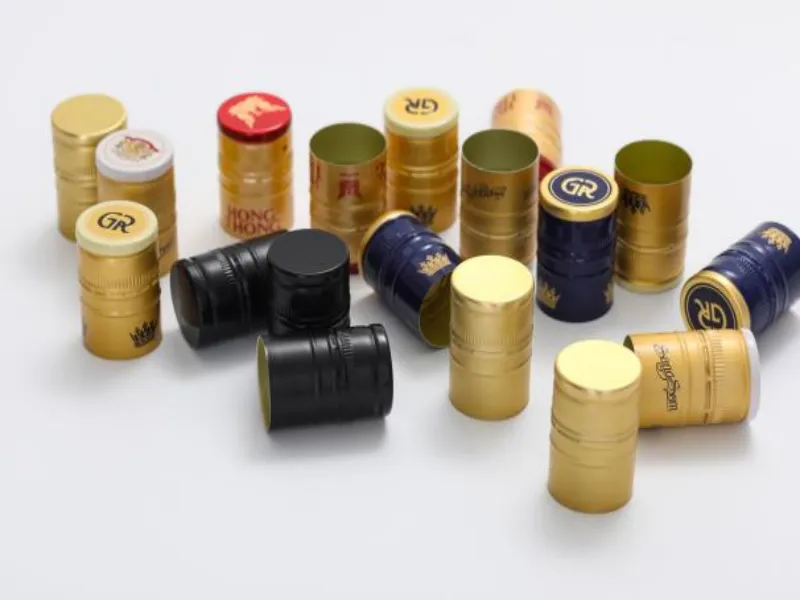
ROPP means roll-on pilfer-proof. These closures are common in spirits because they provide a clean metal appearance, tamper evidence, and strong sealing performance when correctly applied.
ROPP closures depend on the relationship between the aluminum shell, liner, bottle finish, and capping-head setup. During application, rollers form the cap threads around the bottle neck. If the roller pressure, head height, or forming profile is inconsistent, leakage or opening-force problems may appear.
ROPP closure testing should include:
- Shell size verification
- Liner contact check
- Thread-forming inspection
- Bridge and tamper-band review
- Opening torque measurement
- Inverted leakage test
- Filled-bottle storage test
- Capping-line repeatability check
Brands using automated lines should review shell dimensions, skirt height, liner selection, and forming performance before approving bulk production. Kandacork Closures develops custom ROPP closures for spirits bottles that can be matched to the selected glass finish and capping equipment.
Non-Refillable Closure Leakage Prevention
Non-refillable closures are used for spirits brands that need tamper protection, controlled pouring, and anti-refill functionality. These closures are especially relevant for premium spirits, export markets, duty-free sales, and brands concerned about counterfeit risk.
A non-refillable closure has more components than a standard cap. It may include an internal pourer, valve, insert, outer cap, tamper band, and decorative sleeve. Each part must fit the bottle neck correctly.
Leakage checks should focus on:
- Internal insert fit
- Pourer-seat compatibility
- Valve performance
- Outer cap seal
- Tamper-band break
- Controlled-pour function
- Sideways and inverted storage
- Transport vibration resistance
Because non-refillable closures are more complex, buyers should request complete assembled samples rather than approving individual components separately. For premium spirits, non-refillable closure systems should be tested as a complete bottle-and-closure assembly under real filling and storage conditions.
How Closure Torque Testing Prevents Spirits Bottle Leaks
Torque is one of the most important technical factors in spirits bottle closure leakage prevention. It describes the rotational force used to apply or remove a threaded closure.
Application torque is the force used to tighten the closure. Removal torque is the force needed to open it. Torque retention describes how much of the applied torque remains after time, storage, handling, or temperature change.
Closure torque testing prevents spirits bottle leaks by confirming that the cap is tight enough to compress the liner but not so tight that it damages the cap, thread, or sealing surface. The ASTM International method for torque retention of continuous thread closures is a useful technical reference for packaging development and engineering evaluation.
Tighter is not always better. A cap that is too loose may leak because the liner is not compressed. A cap that is too tight may leak because the liner has been crushed or the thread has been damaged.
Good torque control helps brands achieve three goals:
- Prevent leakage
- Maintain consumer-friendly opening force
- Improve production consistency
For filling plants, torque should be treated as a measurable quality parameter, not a visual judgment. Equipment used to measure application and removal torque should also be checked against recognized guidance such as ASTM’s practice for calibration and use of torque meters.
How Liner, Gasket, and Cork Materials Affect Spirits Closure Leakage
The closure material must be compatible with the spirit inside the bottle. A neutral vodka, high-proof rum, botanical gin, cream liqueur, sweetened cordial, flavored tequila, and ready-to-drink cocktail may each create different packaging challenges.
A closure liner or cork shank should be evaluated for:
- Alcohol resistance
- Aroma neutrality
- Compression behavior
- Recovery after sealing
- Swelling or shrinkage
- Staining risk
- Extractable odor
- Long-term contact stability
Natural cork provides a traditional premium image, but it can vary more than synthetic materials. Synthetic cork can offer more dimensional consistency, while micro-agglomerated cork may balance natural appearance and controlled performance. The best choice depends on bottle finish, brand positioning, product formula, and storage condition.
For screw caps and ROPP caps, the liner is critical. The liner must compress evenly against the sealing land and maintain a seal through storage, shipping, and handling.
Leakage Diagnosis Table for Spirits Closure Problems
| Leakage Symptom | Likely Cause | Closure Type | Recommended Fix |
|---|---|---|---|
| Bottle leaks when stored sideways | Poor liner contact, weak cork compression, or damaged sealing land | Bar-top stopper, screw cap, ROPP cap | Check bottle neck finish, sealing surface, cork diameter, and liner compression |
| Cap feels tight but bottle still leaks | Over-torque, crushed liner, thread damage, or uneven pressure | Screw cap, ROPP cap | Measure application torque and removal torque instead of relying on hand feel |
| Leakage appears only after shipping | Vibration, temperature cycling, torque loss, or bottle movement inside cartons | All closure types | Run transport simulation and review carton structure, dividers, and pallet handling |
| Bar-top stopper pops up or weeps | Incorrect cork diameter, low insertion depth, internal pressure, or material incompatibility | Bar-top stopper | Adjust cork shank size, insertion depth, headspace, and filled-bottle storage testing |
| ROPP cap has inconsistent opening force | Roller setting issue, liner variation, shell mismatch, or neck tolerance problem | ROPP closure | Review capping-head setup and measure opening torque across multiple samples |
| Tamper band breaks poorly | Cap size mismatch, bridge weakness, or incorrect application setup | Screw cap, ROPP cap, non-refillable closure | Test tamper-evident performance after application and storage |
| Leakage occurs around insert or pourer | Poor internal component fit or valve-seat mismatch | Non-refillable closure | Test complete assembled closures with real bottles and filled samples |
This diagnostic matrix improves production communication because it connects leakage symptoms with likely technical causes. It also helps buyers describe problems more clearly when contacting a closure supplier.
Spirits Closure Leakage Testing Checklist
A practical testing plan should be completed before bulk production. Buyers do not need to run every laboratory test for every project, but they should create a clear approval workflow.
Use this checklist before confirming a bulk closure order:
- Confirm the bottle drawing and neck finish
- Inspect the sealing surface for chips or uneven glass
- Test closure samples on actual bottles
- Fill bottles with the real product or a suitable test liquid
- Measure application torque for screw or ROPP closures
- Measure removal torque after storage
- Check insertion and pull-out force for bar-top stoppers
- Store samples upright, sideways, and inverted
- Run temperature-cycle observation
- Simulate vibration or transport movement
- Inspect cartons for stains after storage
- Review samples after short-term and extended storage
- Confirm opening experience after storage
- Approve final samples before mass production
For distribution and export projects, ASTM’s practice for performance testing of shipping containers and systems can help buyers think beyond the closure itself and evaluate packaging performance through handling, vibration, compression, and shipment conditions. ISTA also publishes package testing procedures that are commonly used to assess packaged-product performance in transport environments.
Bulk Order Approval Workflow for Leak-Free Spirits Closures
A clear approval workflow reduces leakage risk and helps the buyer, closure supplier, bottle supplier, and filling plant align before production.
Recommended workflow:
- Share bottle drawings and physical samples with the closure supplier
- Confirm the bottle neck finish and sealing requirements
- Select the closure type based on product, market, and brand positioning
- Test empty bottle fit for visual alignment and mechanical compatibility
- Test filled samples using the real spirit or a suitable test liquid
- Measure torque for screw caps and ROPP closures
- Measure insertion force and pull-out force for bar-top stoppers
- Store samples upright, sideways, and inverted
- Run vibration or transport simulation when needed
- Review leakage, opening force, tamper evidence, and appearance
- Confirm a golden sample before mass production
- Keep retained samples for future comparison
This workflow gives buyers a practical method for controlling spirits bottle closure leakage prevention before large-volume purchasing.
Common Leakage Scenarios and How to Fix Them
Bottles Leak When Stored Sideways
Sideways leakage usually indicates poor contact between the closure and the sealing surface. For bar-top stoppers, the cork shank may be too small or inserted too shallow. For screw caps, the liner may not be compressed correctly. For ROPP caps, the roller setup may not be forming the closure consistently.
The solution is to retest the closure with real filled bottles, then review cork diameter, liner type, neck finish, and application settings.
Kandacork Closures can help review bottle samples and recommend a closure structure that improves sideways storage performance before bulk ordering.
Caps Feel Tight but Bottles Still Leak
A tight cap does not always mean a good seal. Over-torque can deform the liner, damage the thread, or create uneven pressure. The cap may feel secure by hand but still fail during storage or transport.
The solution is to measure application torque and removal torque instead of relying on hand feel. Torque checks should be part of production validation, especially for automated capping lines.
Leakage Appears Only After Shipping
If bottles pass factory inspection but leak after transport, the issue may involve vibration, temperature fluctuation, carton orientation, cap back-off, or insufficient torque retention.
The solution is to run transport simulation tests and review secondary packaging. Carton dividers, bottle movement, pallet handling, and storage temperature can all influence leakage risk.
Bar-Top Stoppers Pop Up or Weep
A stopper that slowly rises or weeps liquid may indicate incorrect cork diameter, low insertion depth, internal pressure, excess headspace variation, or material incompatibility.
The solution is to check cork compression, insertion depth, spirit compatibility, and storage conditions. For high-proof or volatile products, extended filled-bottle observation is especially useful.
ROPP Caps Have Inconsistent Opening Force
If some bottles open easily while others require excessive force, the issue may come from capping-head pressure, roller position, shell variation, liner behavior, or bottle neck tolerance.
The solution is to inspect the capping setup and measure opening torque across multiple samples from the production run.
What Buyers Should Send to a Closure Supplier
To speed up development and reduce leakage risk, spirits buyers should send complete project details to the closure supplier.
Useful information includes:
- Bottle photos
- Bottle technical drawing
- Physical bottle samples
- Neck finish dimensions
- Product category
- Alcohol percentage
- Filling volume
- Closure type
- Required color and decoration
- Logo or embossing needs
- Target order quantity
- Export destination
- Manual or automatic capping method
- Current leakage issue, if replacing an existing closure
For Kandacork Closures, this information helps the team recommend the correct closure structure, material, finish, and sampling approach. If the project also requires matched branding, closure color, or finish alignment with the bottle, packaging teams can coordinate with decoration and branding specialists to keep the final pack consistent from sealing function to shelf appearance.
How Kandacork Closures Supports Spirits Bottle Closure Leakage Prevention
Kandacork Closures supplies custom closure solutions for spirits packaging, including bar-top stoppers, cork stoppers, ROPP caps, screw caps, and non-refillable closures.
For brands developing new spirits packaging, the goal is not only to create an attractive closure. The goal is to build a closure that fits the bottle, protects the liquid, supports production efficiency, and performs during storage and transport.
Kandacork Closures can support buyers with:
- Closure type selection
- Bottle neck fit review
- Cork shank sizing
- Liner and gasket selection
- ROPP cap matching
- Custom top materials
- Logo decoration
- Sample development
- Leakage testing support
- Bulk order production
Color, texture, embossing, debossing, and metallic effects should be planned after the sealing structure is confirmed. For premium ranges, custom closure colors and finishes can help the final cap or stopper match the brand’s visual system without compromising fit or handling.
Need help checking whether your bottle neck finish matches a cork stopper, ROPP cap, screw cap, or non-refillable closure? Share your bottle drawing, physical samples, spirit type, alcohol percentage, closure preference, and order requirements through the custom closure quote page before confirming bulk production.
Buyer Checklist Before Bulk Production
Before approving mass production, confirm the following:
- The closure fits the exact bottle neck finish
- Physical samples have been tested on real bottles
- The liner, cork, or gasket is compatible with the spirit
- Application torque or insertion force has been checked
- Removal torque or pull-out force is acceptable
- Filled samples pass upright, sideways, and inverted storage
- Tamper-evident function works correctly
- Cartons show no staining after storage
- Opening experience matches brand expectations
- The supplier can maintain consistent bulk quality
A clear checklist reduces the risk of last-minute leakage problems and improves communication between the brand, bottle supplier, closure supplier, and filling plant. When bottle development is still open, sourcing from an integrated Kandacork Glass packaging partner can make it easier to align bottle geometry, closure fit, decoration, and export packing from the beginning.
Compliance, Traceability, and Quality-Control Considerations
For U.S. distilled spirits operations, packaging decisions may also need to consider the Electronic Code of Federal Regulations for distilled spirits plants, including requirements that affect production, bottling, records, containers, and related controls.
For international packaging quality, buyers should also consider how closure performance is documented across batches. Retained samples, torque records, production dates, lot numbers, and carton identification all make it easier to investigate leakage reports and compare field performance with approved samples.
For brands building broader packaging programs, sustainable glass selection, weight optimization, and closure compatibility should be considered together. Working with an eco-focused glass packaging division can help buyers think about bottle structure, decoration readiness, closures, and export performance as one system rather than separate purchasing decisions.
Structured Data Recommendation
For WordPress implementation, this article can be supported with structured data that describes the article, FAQ content, organization, product categories, and breadcrumb path. The goal is to help search engines understand the article’s topic, entities, and buyer relevance.
Recommended schema types include:
- Article schema for the main educational content
- FAQPage schema for the question-and-answer section
- Organization schema for Kandacork Closures
- Product schema for relevant closure categories
- BreadcrumbList schema for navigation clarity
Structured data should describe the visible page content accurately. It should not add claims, hidden offers, or extra information that does not appear on the page.
FAQ
What causes spirits bottle closure leakage?
Spirits bottle closure leakage is usually caused by a mismatch between the bottle neck finish, closure size, liner or cork material, and application method. Torque, cork compression, sealing-land quality, alcohol compatibility, and transport vibration can also affect leakage risk.
Can over-tightening a cap cause leakage?
Yes. Over-tightening can crush the liner, deform the cap, damage the thread, or create uneven sealing pressure. A cap should be tightened to the correct torque range, not simply tightened as much as possible.
Are ROPP closures good for leakage prevention?
Yes. ROPP closures can provide strong sealing performance when matched with the correct bottle finish, liner, shell size, and capping-head setup. They should be tested with filled bottles before bulk production.
Do bar-top stoppers need leakage testing?
Yes. Bar-top stoppers should be tested for cork diameter, insertion depth, pull-out force, sideways storage, and long-term fit. A premium appearance does not guarantee a leak-free seal.
Should buyers test closures before bulk orders?
Yes. Buyers should test closure samples with real bottles and filled products before confirming bulk orders. This is one of the most effective ways to prevent production delays and shipment complaints.
What should I do if bottles leak only after shipping?
Review torque retention, carton movement, temperature exposure, vibration, and bottle orientation. Leakage that appears after shipping often comes from transport stress rather than a visible factory defect.
Can one closure fit different spirits bottles?
Sometimes, but not always. Similar-looking bottles may have different neck tolerances, sealing lands, bore diameters, or thread profiles. Each bottle should be checked before approval.
What information should I send before ordering custom spirits closures?
Send the bottle drawing, physical bottle samples, neck finish dimensions, spirit type, alcohol percentage, filling volume, closure preference, decoration requirements, target quantity, and filling method. This helps the supplier recommend the right closure and reduce leakage risk.
Conclusion
Spirits bottle closure leakage prevention is a complete packaging process. It starts with the bottle neck finish, continues through closure material selection, torque or insertion control, filled-bottle testing, and transport validation.
For spirits brands, preventing leakage before bulk production protects product value, brand reputation, distributor confidence, and customer experience. It also helps reduce rework, shipment claims, and avoidable packaging waste.
Kandacork Closures helps buyers develop custom closure solutions that combine premium appearance with practical sealing performance. For a reliable recommendation, send your bottle drawing, physical samples, spirit type, alcohol percentage, closure preference, and order requirements before confirming bulk production.