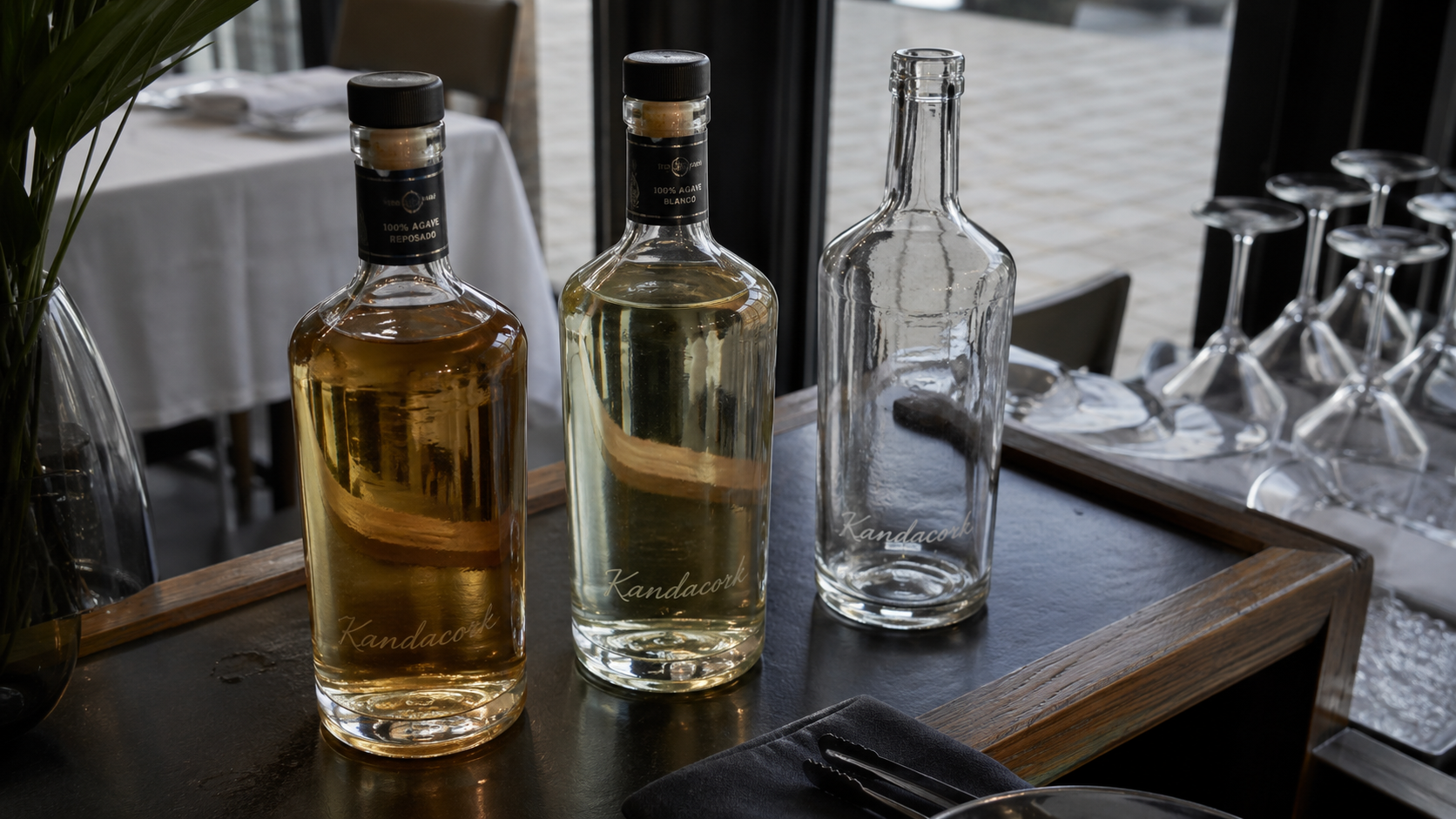
Premium liquor closures should support brand value while meeting bottle fit and production requirements. This checklist helps buyers compare corks, stoppers, caps, ROPP systems, logo methods, sample testing and packing details.
What Are Premium Liquor Bottle Closures?
Premium liquor bottle closures are high-quality sealing and finishing components used for spirits bottles. They include natural cork stoppers, synthetic cork stoppers, wooden bar-top stoppers, aluminum tops, metal tops, glass stoppers, screw caps, ROPP closures, non-refillable closures, capsules, shrink sleeves, and decorative neck finishes.
A closure becomes premium when it improves more than basic sealing. It should add tactile value, visual balance, brand recognition, opening comfort, and repeatable performance. The best closure is the one that fits the bottle, supports the spirit category, meets market expectations, and performs consistently from sample approval to bulk production.
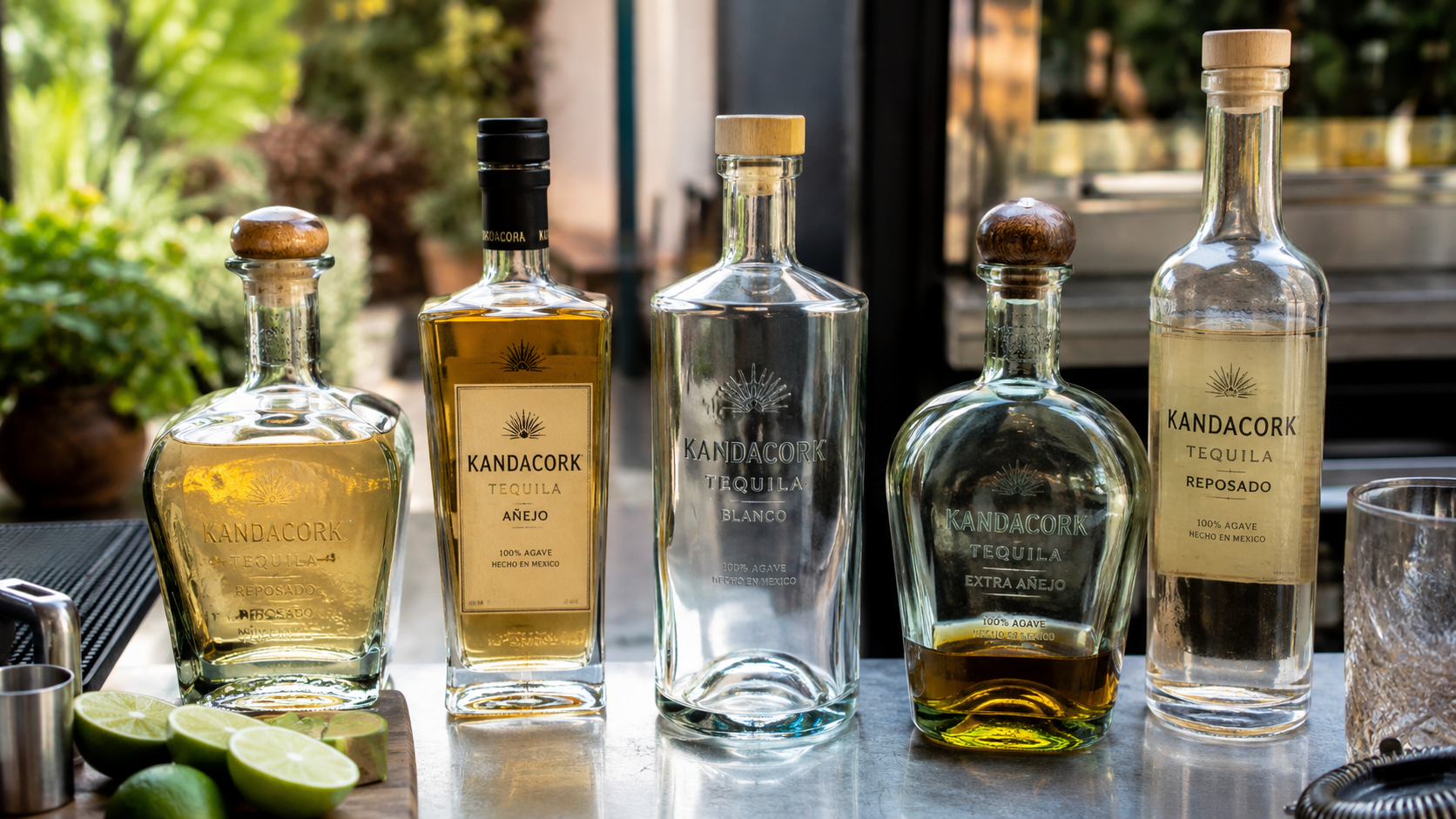
For whisky, a wood or metal stopper can communicate heritage and weight. For gin, a clean aluminum cap or glass stopper can support a modern botanical identity. For rum and tequila, wood, cork, and custom-shaped stoppers can reinforce craft and origin. For vodka and liqueurs, screw caps and ROPP closures can provide convenience, resealing, and production efficiency without sacrificing a premium look.
Why the Closure Matters in Spirits Packaging
The closure is one of the first physical touchpoints between the consumer and the bottle. Buyers notice how the stopper pulls, how a cap turns, how a tamper band breaks, and how the closure feels in the hand. These details shape the perceived quality of the spirit before it is poured.
From a technical perspective, the closure helps reduce leakage, evaporation, contamination, and handling damage. It also supports product security. In the United States, the Alcohol and Tobacco Tax and Trade Bureau notes that distilled spirits bottles require secure tamper-evident closure or similar protection, making TTB distilled spirits closure guidance an important reference for brands selling into that market.
Closures also matter because they influence line performance. A stopper may need manual insertion, semi-automatic application, or automated assembly. A screw cap requires correct thread fit and torque control. A ROPP closure must match the neck finish and capping head. A capsule or shrink sleeve needs correct height, diameter, tear structure, and heat behavior.
For growing brands, the best decision is usually not the most decorative option. It is the closure that balances premium appearance, reliable sealing, production stability, and repeat-order consistency.
Main Types of Premium Liquor Bottle Closures
Bar-Top Stoppers
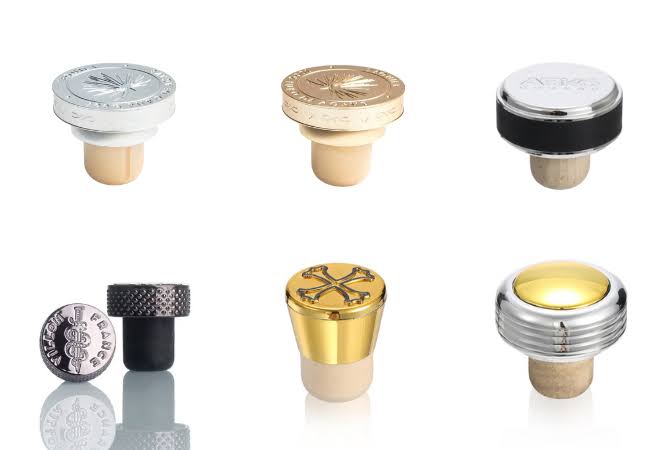
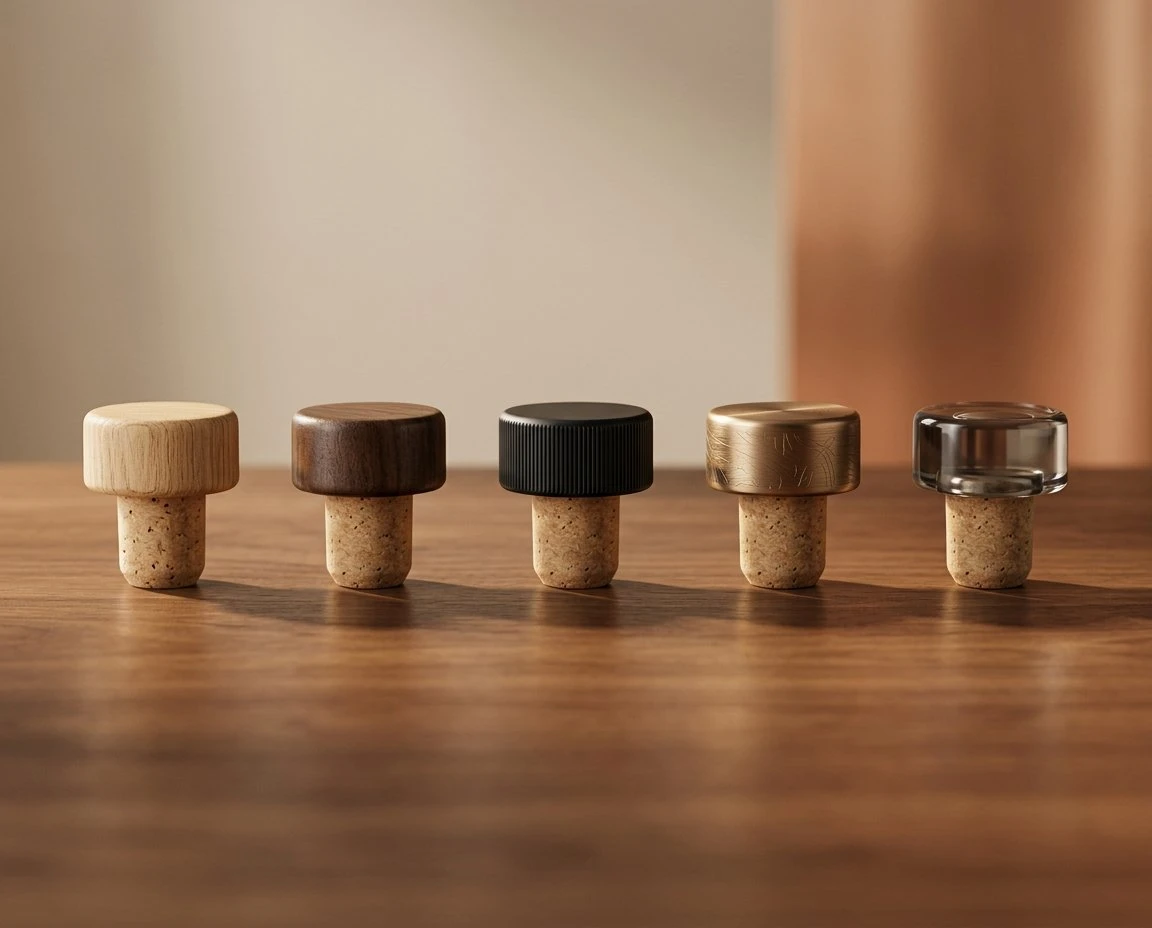
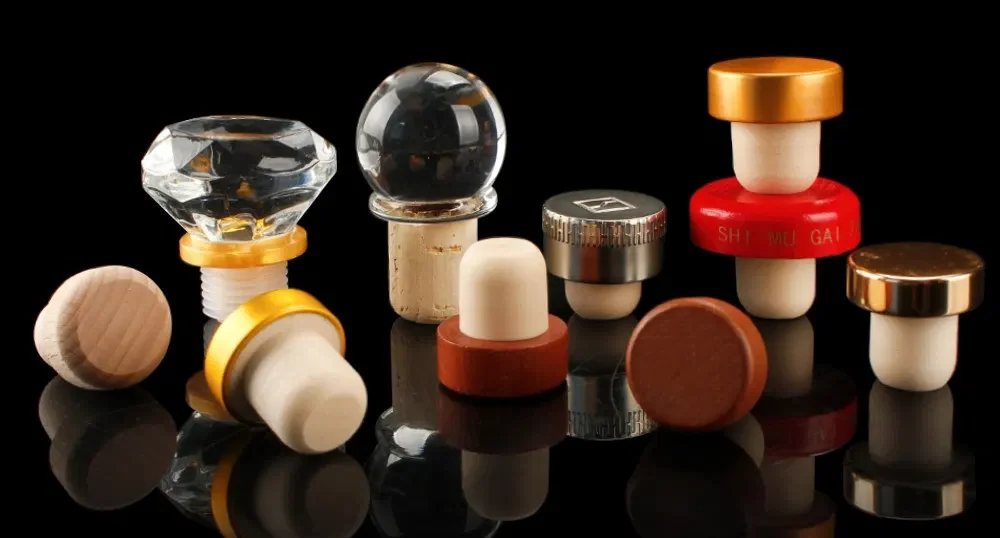
A bar-top stopper, also called a T-top stopper, combines a decorative head with a cork, synthetic cork, or technical shank. It is one of the most common premium liquor bottle closures for whisky, rum, gin, tequila, brandy, cognac, and craft spirits because it creates a strong hand feel and a traditional resealing experience.
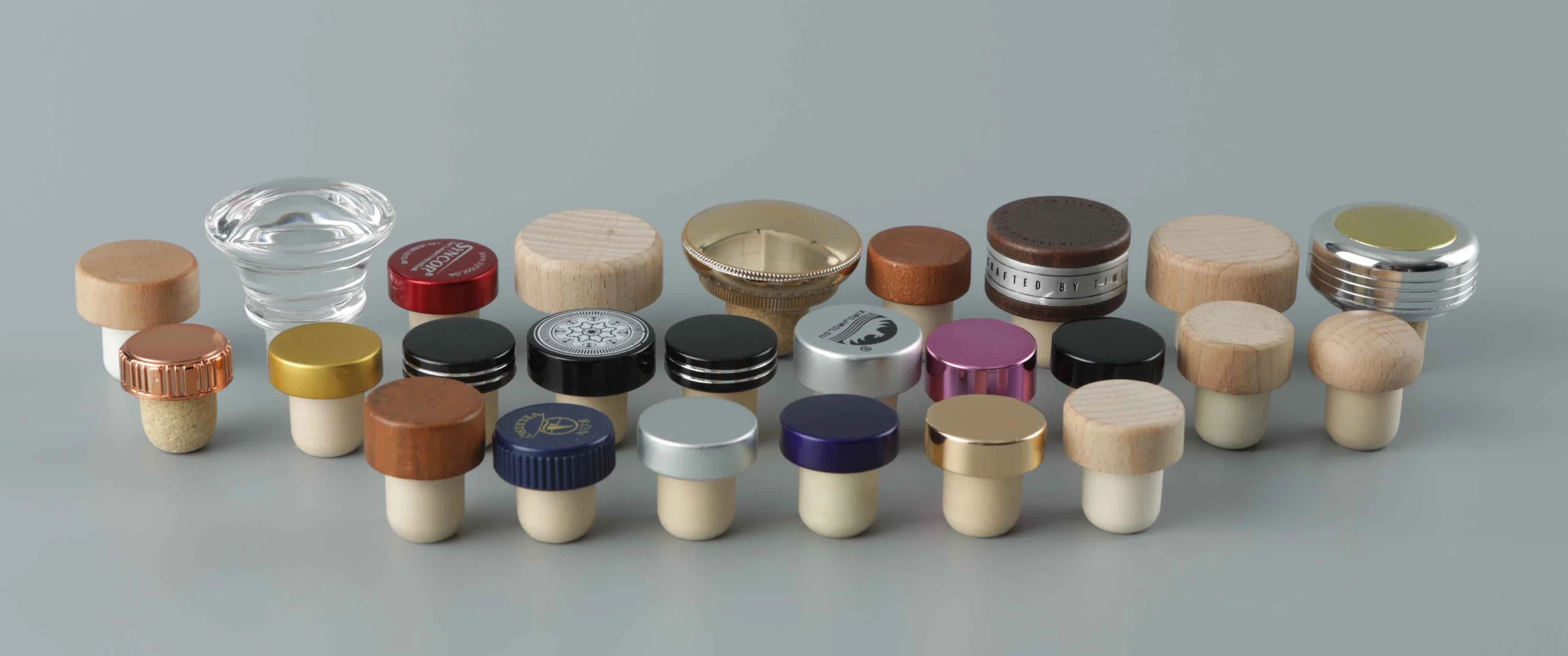
Bar-top heads can be made from wood, aluminum, zinc alloy, glass, ceramic, plastic, or combined materials. The top shape, weight, finish, and logo method can be customized to match the bottle. Common decoration options include laser engraving, embossing, debossing, hot stamping, top printing, side printing, metallic coating, matte coating, and color matching.
The critical detail is the shank fit. The cork or synthetic insert must match the bottle neck inner diameter, insertion depth, and desired pull-out feel. If the fit is too loose, leakage and poor resealing may occur. If the fit is too tight, consumers may struggle to open the bottle.
Wooden Stoppers
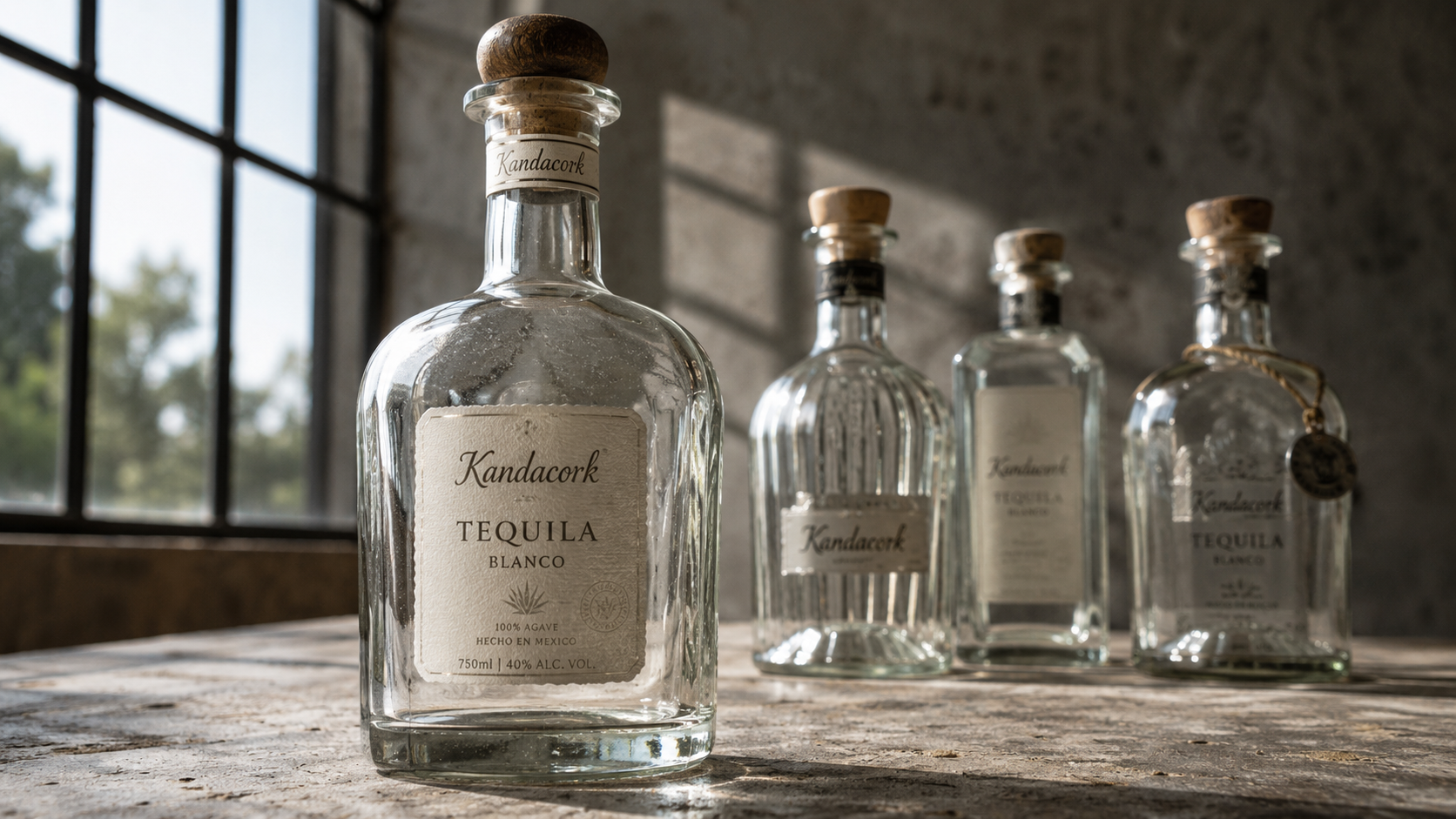
Wooden stoppers are popular when a spirits brand wants warmth, craft character, and natural shelf appeal. They work well for whisky, rum, tequila, brandy, gin, and limited-edition products that need a tactile premium finish.
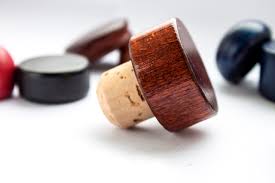
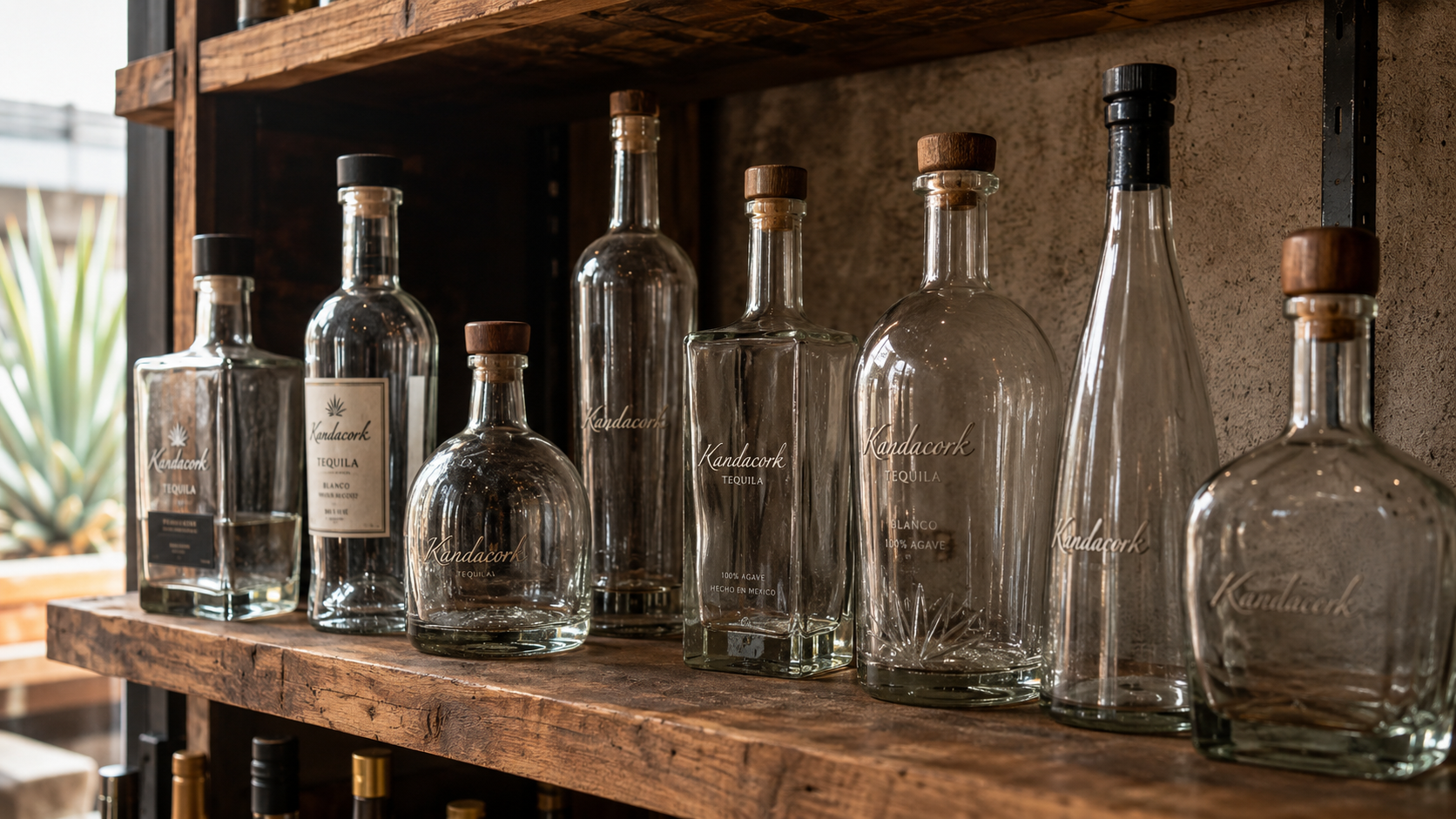
Custom wood heads may use natural grain, dark stain, light stain, painted color, matte coating, gloss coating, soft-touch finish, or laser engraving. A square wooden top can feel modern and architectural, while a round or mushroom-style top can feel more classic. For buyers developing heritage-style spirits packaging, wooden bar-top stoppers can help connect the bottle with a natural, handcrafted image.
Wood should be reviewed for coating quality, grain consistency, logo clarity, moisture resistance, and assembly stability. The visible wood head is only part of the closure; the shank material and neck fit remain essential to sealing performance.
Aluminum and Metal Stoppers
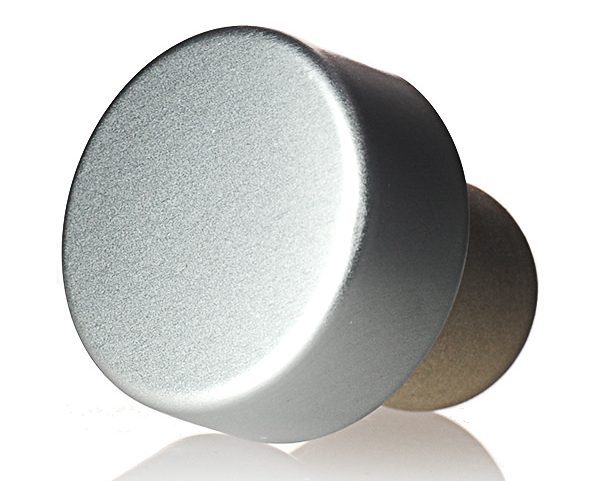
Aluminum stoppers are often used for modern spirits packaging because they offer clean geometry, stable dimensions, and flexible surface finishing. Brushed, anodized, polished, matte, or color-coated aluminum can create a sharp premium look for vodka, gin, liqueur, tequila, and contemporary whisky projects.
For brands seeking a more substantial luxury feel, heavier metal stoppers can provide stronger hand weight and shelf impact. Zinc alloy, zamak, stainless steel, or plated metal heads may be used for collectible bottles, gift packaging, cognac, brandy, and high-end whisky.
Aluminum bar-top stoppers are useful when buyers need a balance of premium appearance, controlled production, and logo flexibility. Metal closures should be checked for plating quality, edge comfort, surface durability, assembly strength, and compatibility with the chosen cork or synthetic shank.
Glass Stoppers
Glass stoppers create a decanter-style appearance and are often used for luxury spirits, gift sets, collectible packaging, and limited editions. Clear, frosted, tinted, faceted, or diamond-cut glass can make the bottle feel more elegant and display-worthy.
The key advantage is visual refinement. The key risk is tolerance. Glass stopper projects should review plug geometry, insert material, seating height, pull force, and bottle neck consistency. A glass top can look beautiful, but it must be engineered carefully to avoid unstable fit or shipping damage.
For brands building a premium gift line or a high-end bottle family, custom glass stoppers can support a more collectible presentation when matched with the right bottle neck and sealing insert.
Screw Caps and ROPP Closures
Screw caps are practical closures for spirits projects that need convenient opening, resealing, and efficient filling-line performance. They can be premium when the cap material, liner, color, finish, and printing are designed to match the bottle. Aluminum screw caps are especially useful for clean modern spirits packaging.
ROPP means roll-on pilfer-proof. ROPP caps are formed onto a compatible bottle neck by capping equipment and provide visible first-opening evidence. They are commonly used for vodka, gin, rum, tequila, liqueurs, mini spirits, RTD spirits, and export programs.
ROPP closures are a strong option when brands need tamper evidence, production repeatability, and secure resealing. Buyers should confirm bottle neck finish, liner system, capping equipment, opening torque, pilfer-band behavior, and decoration requirements before bulk production.
Capsules and Shrink Sleeves
Capsules and shrink sleeves finish the bottle neck, improve presentation, and can support tamper-evident packaging. They are often used with bar-top stoppers, screw caps, ROPP caps, and decorative closures to create a more complete premium look.
Material choices may include PVC, PET, polylaminate, aluminum, or tin-style structures depending on budget, appearance, application method, and market expectations. Capsules and shrink sleeves should be selected according to closure diameter, neck height, shoulder transition, tear tab design, heat application, and final retail appearance.
Bar-Top Stoppers vs Screw Caps vs ROPP Closures
Different closure systems solve different problems. A bar-top stopper usually creates the strongest premium opening ritual. A screw cap offers convenient resealing and efficient production. A ROPP closure provides tamper evidence and line stability when the bottle neck is compatible.
| Closure type | Best for | Premium impression | Tamper evidence | Production notes |
|---|---|---|---|---|
| Bar-top stopper | Whisky, rum, tequila, gin, brandy | Very strong | Usually paired with capsule or sleeve | Fit depends on inner neck diameter and shank design |
| Screw cap | Vodka, gin, liqueur, RTD spirits | Medium to high with decoration | Available with tamper band | Requires correct thread, liner, and torque |
| ROPP closure | Export spirits, liqueurs, mini bottles | Medium to high | Strong | Requires compatible neck finish and capping equipment |
| Glass stopper | Luxury spirits and gift packaging | Very strong | Usually needs secondary seal | Requires precise tolerance and insert design |
| Metal stopper | Premium whisky, cognac, limited editions | Very strong | Usually needs secondary seal | Requires weight, finish, and assembly review |
The best closure for premium spirits depends on the bottle neck, spirit type, tamper-evidence needs, brand position, filling method, and export route. In many projects, the closure should be selected together with the bottle, label, capsule, and carton instead of being sourced separately at the end.
Best Closure Options by Spirit Type
Closure selection should reflect what buyers expect from each spirit category. The same bottle can feel traditional, modern, craft, or luxury depending on the closure material and opening experience.
| Spirit type | Recommended closure options | Why it works |
|---|---|---|
| Whisky | Wooden bar-top, metal stopper, natural cork | Supports heritage, maturity, weight, and ritual |
| Rum | Wooden stopper, synthetic cork, metal top | Fits craft, vintage, tropical, and luxury positioning |
| Gin | Aluminum cap, glass stopper, colored bar-top | Matches botanical, modern, or design-led branding |
| Vodka | Screw cap, aluminum cap, glass stopper | Communicates precision, purity, and clean design |
| Tequila and mezcal | Wood top, cork stopper, custom stopper | Supports origin, craft, and authenticity |
| Cognac and brandy | Glass stopper, metal stopper, premium cork | Creates elegance and gift-ready presentation |
| Liqueur | Screw cap, ROPP closure, decorative stopper | Balances resealing, color branding, and shelf impact |
| Mini spirits | ROPP closure, screw cap | Supports speed, tamper evidence, and compact formats |
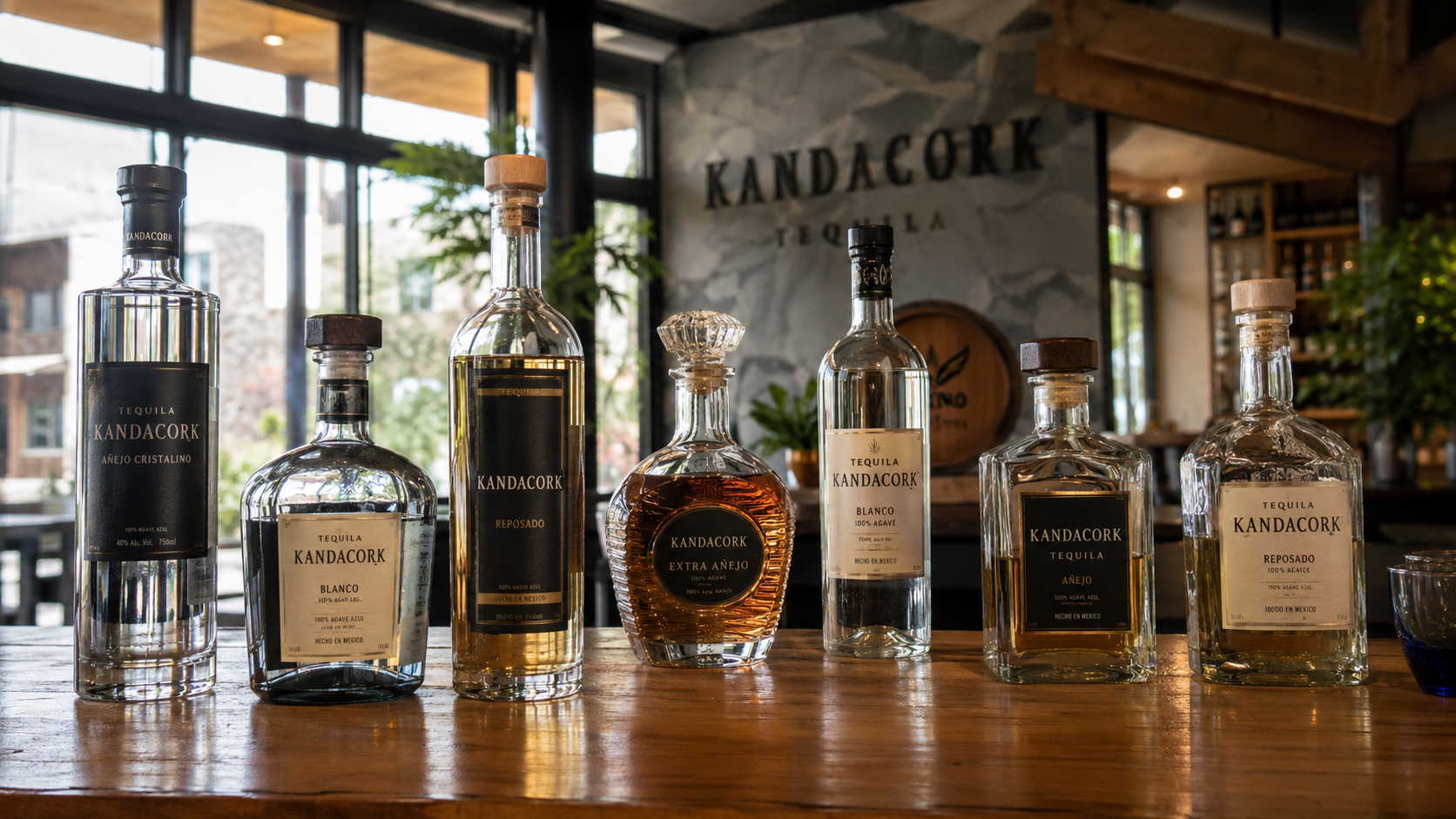
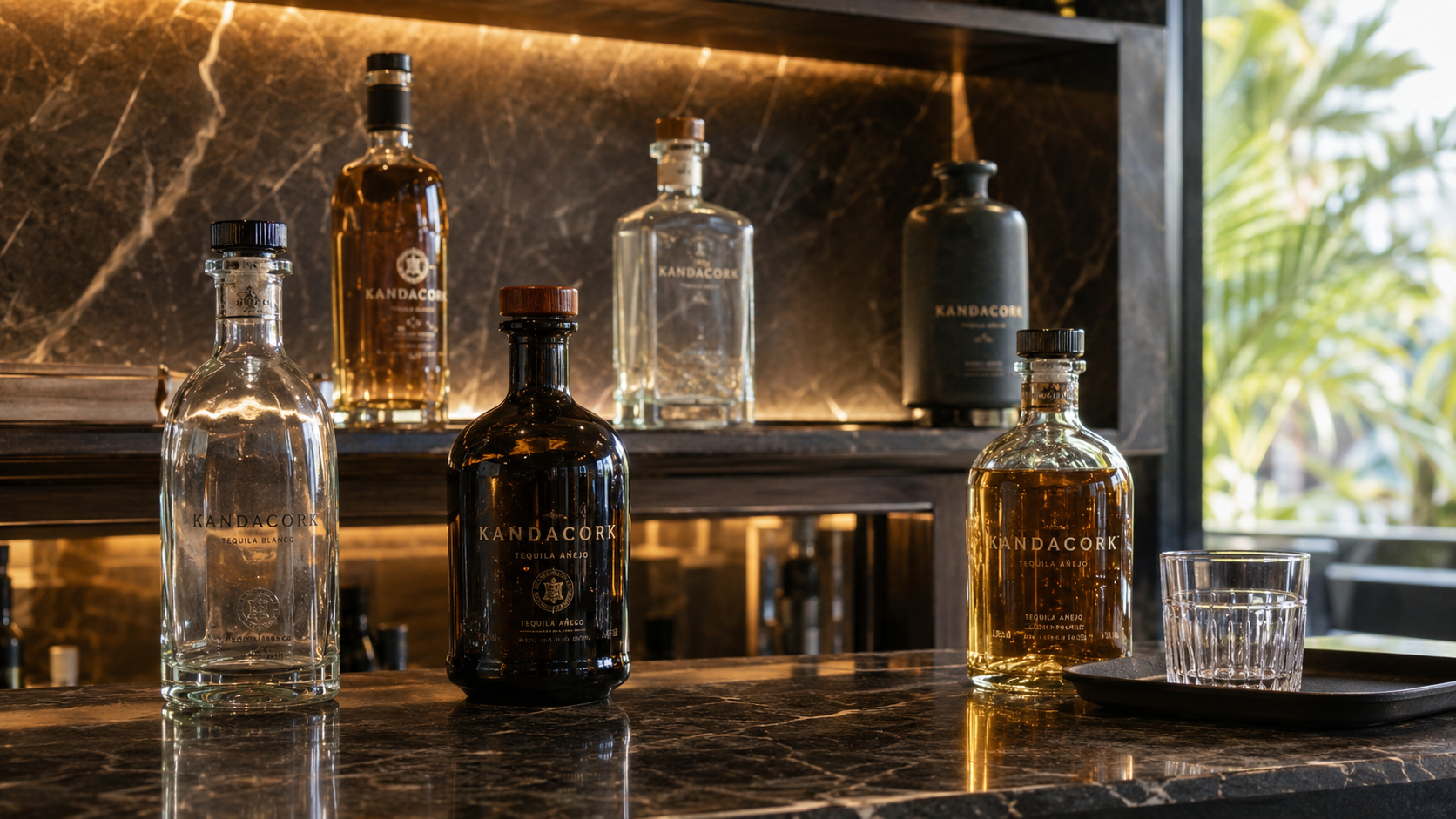
Brands developing a complete packaging program should also coordinate closures with bottles. Kandacork’s sibling brand for custom spirits bottles can support buyers who need bottle shape, glass color, and closure direction to work as one visual system.
How to Choose the Right Premium Liquor Bottle Closure
Start With the Bottle Neck
The bottle neck determines the closure. Before choosing any premium closure, confirm the inner diameter, outer diameter, neck height, thread finish, sealing surface, stopper depth, and application method.
For bar-top stoppers, the shank must match the inner neck diameter. For screw caps and ROPP closures, the cap must match the thread or finish. For glass stoppers, the seating surface and tolerance should be reviewed carefully. A drawing is helpful, but a real bottle sample is often safer because production glass may vary slightly from the drawing.
Match Closure Material With Brand Position
Closure material tells a visual story. Wood suggests craft and heritage. Aluminum suggests clean modernity. Heavy metal suggests luxury. Glass suggests elegance and collectibility. Synthetic cork suggests consistency and scalability. Natural cork suggests tradition and authenticity.
Decoration should support that material choice. Brands that need engraving, embossing, hot stamping, printing, color matching, or metallic effects can coordinate with decoration and branding support to create a more consistent bottle, closure, and label presentation.
Check Food-Contact and Market Requirements
Premium appearance does not replace material responsibility. Components that contact the product or may affect the product should be reviewed for intended use, material composition, and market expectations. The U.S. Food and Drug Administration explains that food-contact substances include packaging and related components, making FDA food-contact packaging guidance relevant for buyers evaluating liners, inserts, coatings, gaskets, and other packaging materials.
Buyers should also consider market-specific rules for tamper evidence, labeling, recyclability, and transport packaging. Requirements can differ by destination, alcohol category, bottle size, and distribution channel.
Test Sealing, Opening, and Transport
Sample approval should not be based on appearance alone. Test the closure with the actual bottle and, where possible, with filled bottles. Check leakage, resealing feel, pull-out force, torque, tamper-band break, sleeve behavior, carton fit, and transport stability.
For export projects, distribution testing may be useful because spirits bottles face vibration, stacking pressure, temperature changes, and long shipping routes. The official ASTM D4169 standard provides a recognized framework for performance testing of shipping containers and systems.
Premium Closure Materials and What They Communicate
| Material | Brand message | Common uses | Buyer notes |
|---|---|---|---|
| Wood | Craft, warmth, heritage | Whisky, rum, tequila, mezcal | Review coating, grain, engraving, and moisture stability |
| Aluminum | Clean, modern, precise | Gin, vodka, liqueur, RTD spirits | Good for color matching and lightweight decoration |
| Heavy metal | Luxury, durability, collectibility | Whisky, cognac, limited editions | Review weight, plating, edge comfort, and cost |
| Glass | Elegance, clarity, decanter style | Gift sets and luxury spirits | Requires precise neck tolerance and insert design |
| Synthetic cork | Consistency, scalability, controlled fit | Private label and export programs | Good for repeatable production |
| Natural cork | Tradition, authenticity, natural appeal | Craft and heritage spirits | Needs quality grading and fit testing |
Sustainability expectations are also becoming more important. The Glass Packaging Institute explains the role of glass packaging and recycling in the North American market, while the European Commission’s Packaging and Packaging Waste Regulation shows how packaging design is increasingly connected to recyclability, material use, and waste reduction in Europe.
For brands that want coordinated glass development, custom glass packaging can help align bottle weight, glass color, finish, and closure direction. For projects where sustainability positioning is central, eco glass packaging may also support bottle and packaging discussions around material strategy.
Premium Liquor Bottle Closure Selection Checklist
Before requesting samples or quotations, prepare the key project details. A supplier can recommend a better closure when the bottle, brand, and production conditions are clear.
- Bottle drawing or physical bottle sample
- Neck inner diameter and outer diameter
- Thread finish or stopper-fit requirement
- Bottle neck height and sealing surface
- Spirit category and alcohol strength
- Target market and regulatory expectations
- Preferred closure type and material
- Logo, color, finish, and decoration requirements
- Tamper-evident requirement
- Filling and capping method
- Target order quantity
- Gift box, carton, insert, and export packing needs
- Sample testing plan before bulk production
This information reduces unnecessary sample rounds and helps prevent problems such as loose fit, difficult opening, leakage, poor torque, mismatched sleeve height, or inconsistent decoration.
Recommended Sample Testing Process
A structured sample process helps buyers confirm both appearance and performance.
| Testing step | What to check | Why it matters |
|---|---|---|
| Bottle review | Neck drawing, thread finish, inner diameter, outer diameter | Confirms whether the closure can fit |
| Material selection | Wood, cork, synthetic cork, aluminum, metal, glass | Matches brand image and technical needs |
| First sample | Fit, color, shape, top alignment, decoration | Confirms visual and dimensional direction |
| Sealing test | Leakage, resealing, cork compression, liner contact | Reduces product loss and shipping risk |
| Opening test | Pull-out force, torque, grip, tamper-band break | Improves consumer experience |
| Decoration review | Logo clarity, coating stability, color match | Protects brand presentation |
| Packing review | Carton fit, inserts, vibration protection | Supports export and e-commerce shipping |
| Final approval | Golden sample and production standard | Keeps bulk production consistent |
A “golden sample” should be kept as the reference for mass production. This is especially important for custom colors, logo placement, metal finishes, glass shapes, and wood tones because small variations can change the perceived quality of the bottle.
Common Mistakes When Buying Premium Liquor Bottle Closures
Choosing by Appearance Only
A closure may look excellent in a rendering but fail in real use. Appearance should be reviewed together with fit, sealing, opening comfort, production method, and transport conditions.
Ignoring Bottle Neck Compatibility
Many closure problems start with incomplete neck information. Even a small mismatch can create leakage, loose fit, difficult opening, poor tamper-band behavior, or unstable capping.
Treating the Closure Separately From the Bottle
Closures should be chosen with the bottle, label, capsule, carton, and display position in mind. A premium bottle should feel consistent from shoulder to base and from shelf photo to opening experience.
Skipping Filled-Bottle Testing
Testing an empty bottle can miss real-world risks. Filled bottles reveal more about leakage, torque, pull force, weight balance, transport behavior, and carton protection.
Underestimating Export Conditions
Export packaging faces vibration, humidity, temperature changes, stacking pressure, and long handling cycles. Closures should be evaluated with inserts, dividers, cartons, and pallets before bulk shipment.
How Kandacork Closures Supports Custom Closure Development
Kandacork Closures works with spirits brands, packaging distributors, importers, and private label buyers that need closures designed around real bottle specifications rather than generic assumptions.
The development process usually begins with bottle drawings, bottle photos, or physical samples. Kandacork Closures reviews the neck finish, inner diameter, outer diameter, stopper-fit requirement, thread type, visual direction, application method, and target quantity. This helps identify whether the project is better suited for a bar-top stopper, screw cap, ROPP closure, glass stopper, metal stopper, wooden stopper, capsule, shrink sleeve, or non-refillable closure.
After the closure type is selected, the material and decoration method are reviewed. A whisky project may need a dark wooden bar-top with laser engraving. A modern gin project may need a matte aluminum cap with clean top printing. A luxury rum project may need a heavier metal top, synthetic cork shank, and color-matched capsule.
Kandacork Closures can then support sample development, fit checking, decoration review, and packing evaluation. This process helps buyers confirm the closure before mass production and reduce risks related to leakage, loose fit, difficult opening, inconsistent branding, or export damage.
What Information Should Buyers Send Before Requesting Samples?
To receive an accurate closure recommendation, send the supplier:
- Bottle drawing
- Bottle photos
- Bottle sample if available
- Neck inner diameter
- Neck outer diameter
- Neck finish or thread type
- Spirit category
- Target market
- Closure material preference
- Reference design or mood board
- Logo file
- Decoration requirements
- Expected order quantity
- Filling method
- Packaging and shipping requirements
With these details, Kandacork Closures can narrow the options faster and recommend a closure system based on actual bottle and market requirements.
FAQ
What is the most premium closure for a liquor bottle?
Bar-top stoppers, glass stoppers, and metal stoppers are often considered premium because they add tactile value, visual weight, and stronger shelf presence. The best choice depends on bottle neck fit, spirit type, brand story, tamper-evidence needs, and budget.
Are ROPP closures suitable for premium spirits?
Yes. ROPP closures can be suitable for premium spirits when the brand needs tamper evidence, reliable sealing, and repeatable production. With the right finish, color, liner, and printing, an aluminum ROPP closure can look secure, clean, and professional.
Are screw caps only for low-cost liquor bottles?
No. Screw caps can be used for premium liquor bottles when the material, liner, color, finish, and decoration are designed carefully. Many modern spirits brands use screw caps because they are convenient, efficient, and consistent.
What is better, natural cork or synthetic cork?
Natural cork offers a traditional and authentic look, while synthetic cork provides more controlled consistency. The better option depends on brand positioning, production scale, sealing requirements, desired opening feel, and target cost.
How do I know whether a closure fits my bottle?
Check the bottle neck drawing, inner diameter, outer diameter, thread finish, stopper depth, liner structure, torque, insertion feel, pull-out resistance, and sample performance. A real bottle sample is the safest way to confirm fit.
Can premium liquor bottle closures be customized with a logo?
Yes. Premium closures can be customized with engraving, embossing, debossing, printing, hot stamping, laser marking, color coating, metallic finishes, and custom top shapes depending on the material and order requirements.
What is the MOQ for custom premium liquor bottle closures?
MOQ depends on closure type, material, decoration method, mold requirement, and order complexity. Standard closures usually have lower minimums, while custom molded tops, special colors, metal parts, and logo decoration may require higher production quantities.
How long does custom liquor bottle closure sampling take?
Sampling time depends on material, decoration, mold development, and whether the buyer provides a bottle sample or drawing. Projects move faster when the supplier receives complete neck dimensions, logo files, reference designs, target quantity, and filling details.
Conclusion: Choose a Closure System, Not Just a Cap
Premium liquor bottle closures should be selected as part of the complete packaging system. The right choice depends on bottle neck compatibility, sealing performance, tamper evidence, material style, brand positioning, decoration, filling-line fit, and export packaging.
For distilleries, importers, private label brands, and packaging distributors, Kandacork Closures can help develop custom corks, caps, stoppers, capsules, and closure systems for premium liquor bottles. Send your bottle drawing, sample, closure idea, logo requirement, and order quantity to receive a practical closure matching recommendation.