Introduction: Why Plastic Stopper Bottle Neck Fit Matters
Plastic stopper bottle neck fit is one of the most important details in a successful bottle closure system. For spirits brands, beverage companies, private-label bottlers, and packaging buyers, the stopper must do more than close the bottle. It must seal reliably, sit straight, apply smoothly, open comfortably, reseal consistently, and support the product’s shelf presentation.
A poor fit can lead to leakage, loose closure feel, excessive insertion force, crooked seating, damaged shanks, slow bottling-line performance, and customer complaints. A stopper that feels secure during a quick hand test may still fail after transport vibration, temperature changes, carton pressure, or long storage.
For buyers sourcing plastic bar-top stoppers, the safest approach is to treat the bottle and stopper as one packaging system. The correct fit depends on the bottle’s inner neck bore, stopper shank diameter, material hardness, compression recovery, insertion depth, pull-out force, and leak-testing results.
In simple terms, plastic stopper bottle neck fit is about controlled compression. The stopper must be tight enough to seal, but not so tight that it creates production problems or a poor consumer experience.
Executive Summary for Packaging Buyers
Plastic stopper bottle neck fit depends on five core factors: inner neck bore, shank diameter, material compression, insertion depth, and leak testing. For bulk closure orders, fit should be confirmed with real bottle samples before mass production.
A stopper should not be selected by bottle capacity alone. A 500 ml, 700 ml, or 750 ml bottle can have different neck dimensions depending on the bottle supplier, mold design, finish specification, and tolerance range. The practical buying process is to measure the bottle neck inner bore, test the shank under real conditions, and approve the closure only after filled-bottle testing.
For commercial packaging, the goal is clear: choose a plastic stopper that seals reliably, applies smoothly, opens comfortably, and protects brand quality from filling line to retail shelf.
Quick Answer: How Do You Fit a Plastic Stopper to a Bottle Neck?
To fit a plastic stopper to a bottle neck, measure the bottle’s inner neck bore, choose a stopper shank that creates controlled compression, test the stopper with real bottle samples, and confirm performance with leak testing and pull-out force checks.
For many bar-top closure projects, the stopper shank may start slightly larger than the bottle opening. A common starting direction is about 1 mm larger than the inner neck bore, but this should not be treated as a universal rule. Final plastic stopper bottle neck fit depends on material hardness, bottle tolerance, shank design, insertion depth, filling method, and the desired opening feel.
Best starting rule: Measure the bottle’s inner neck bore first. Then test a shank diameter that creates light, stable compression. Approve the final stopper only after sample testing, filled-bottle leak testing, and production-line checks.
What “Bottle Neck Fit” Means for Plastic Stoppers
Plastic stopper bottle neck fit describes how the inserted part of the stopper matches the inside of the bottle neck. The visible top creates the brand impression, but the hidden shank creates the functional seal.
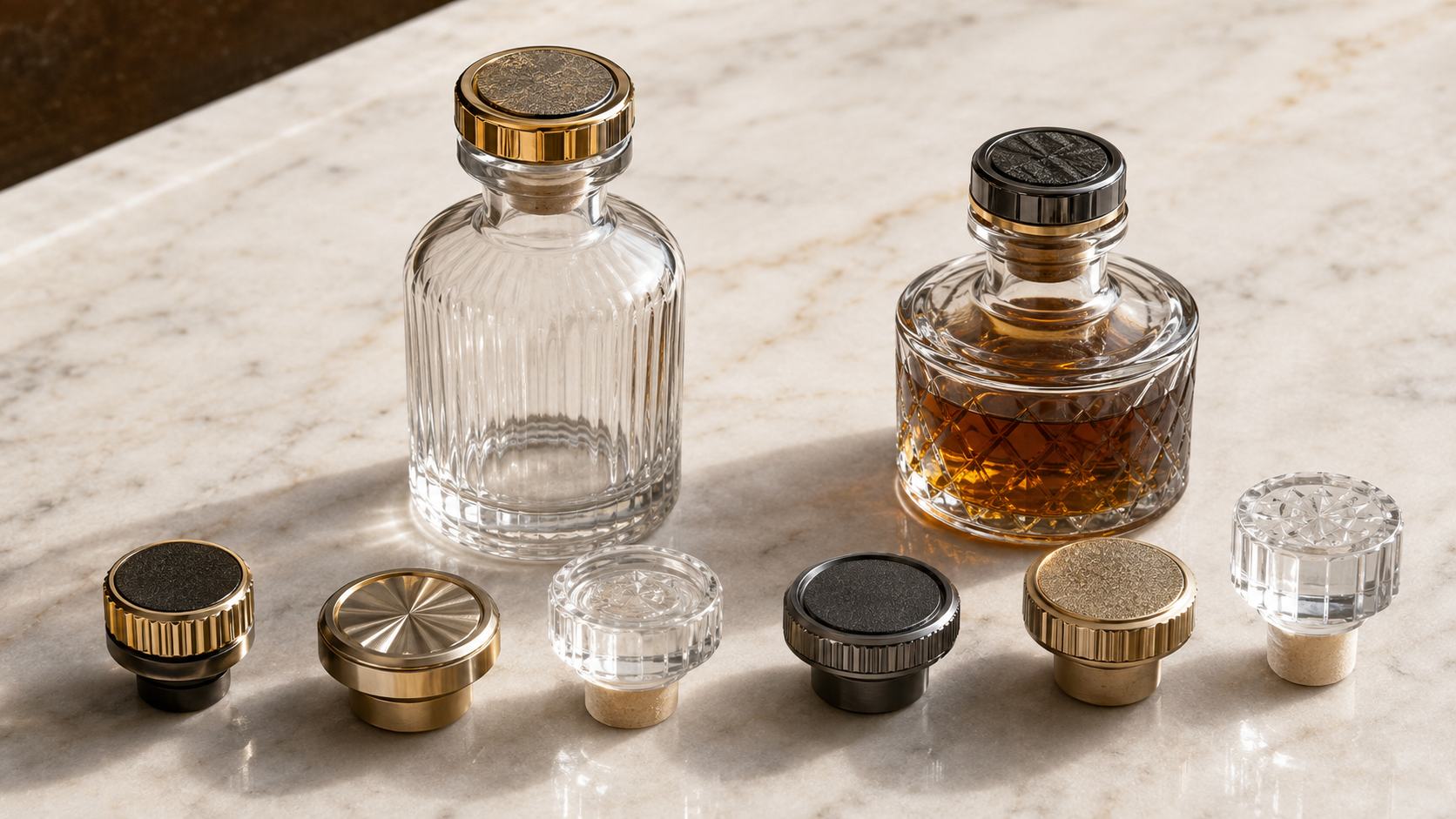
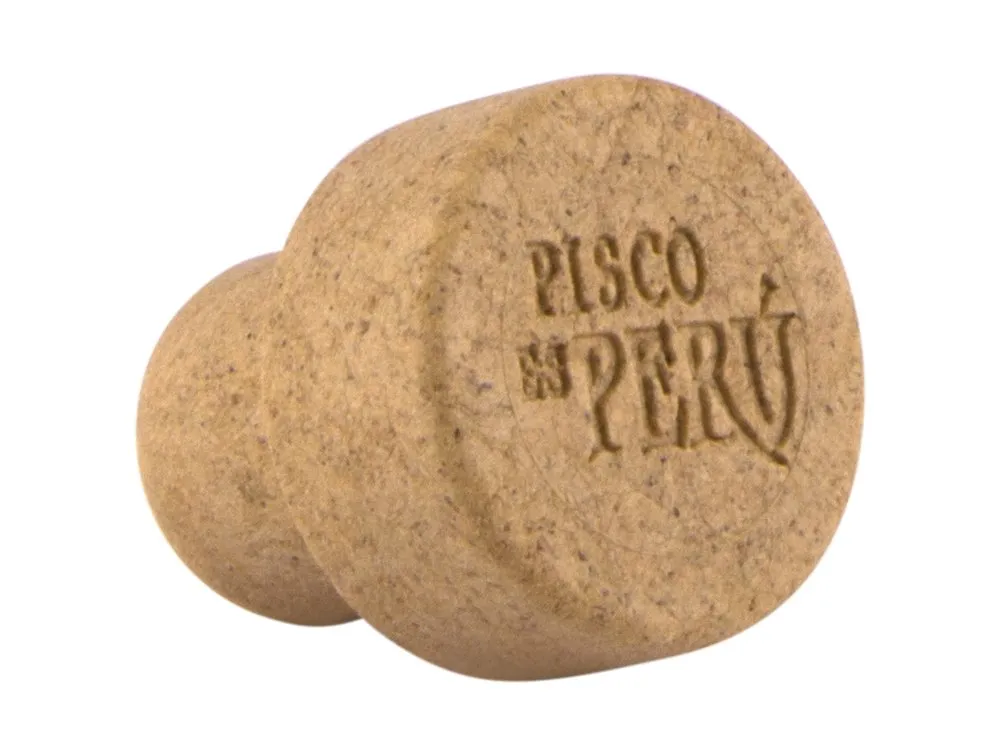
A plastic bar-top stopper usually has two main parts. The head or top may be flat, domed, knurled, transparent, colored, matte, glossy, metallic-look, or custom molded. The shank enters the bottle neck and creates friction, compression, sealing contact, and resealing performance.
Bottle capacity does not determine stopper size. Two bottles with the same volume can use different neck dimensions, especially when they come from different glass suppliers or have different finish designs. This is why stopper selection should be based on the bottle drawing, inner neck bore, and real bottle samples, not bottle capacity alone.
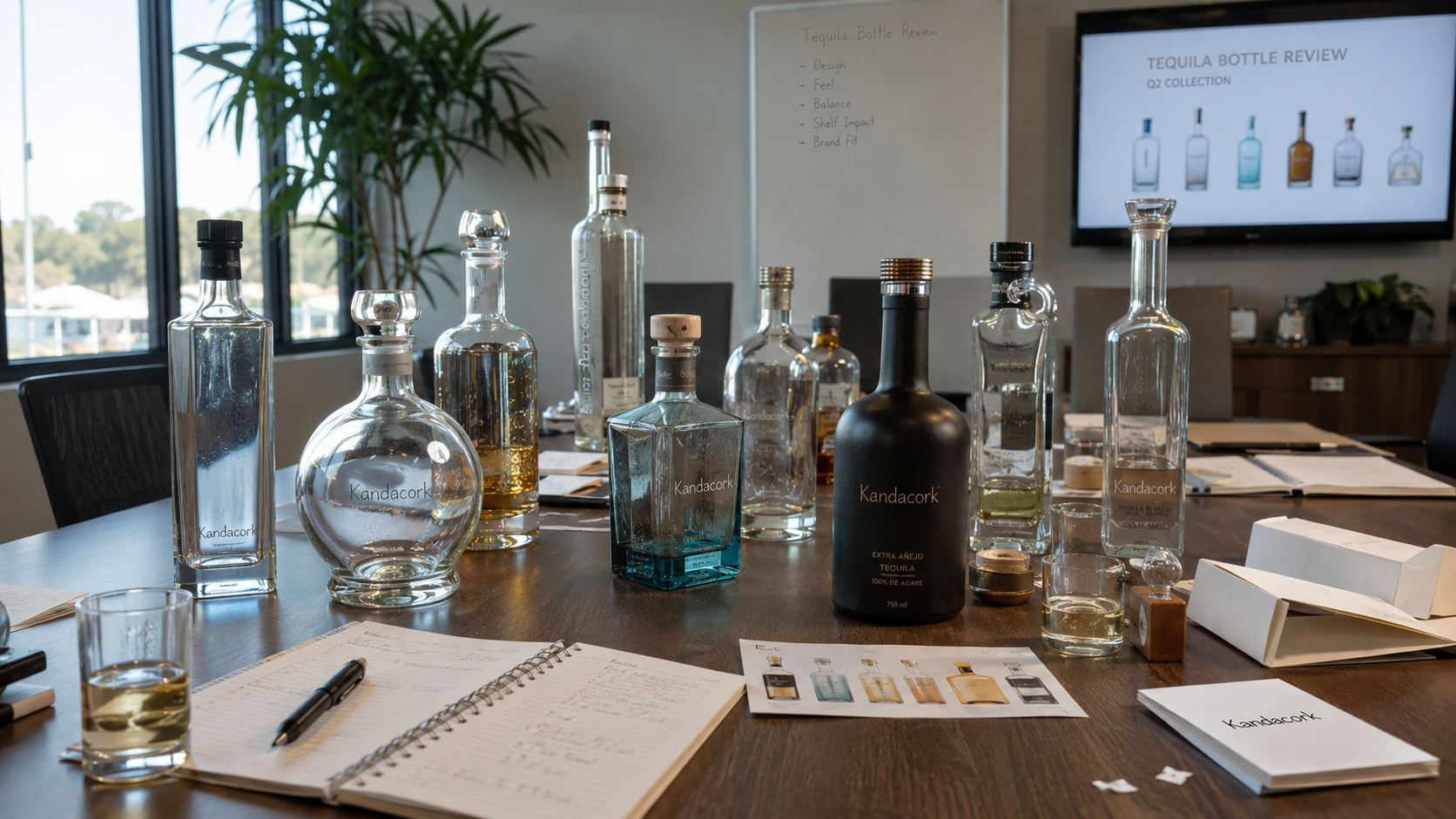
For brands developing full packaging systems, the closure should be considered together with the glass structure, label panel, shoulder profile, decoration, capsule, and carton format. Kandacork Closures supports buyers with a broader closure and stopper range so the stopper can be matched to the final bottle system rather than selected as an isolated component.
Inner Neck Bore vs Outer Neck Finish
Many packaging buyers confuse the outer neck finish with the inner neck bore. Both matter, but they serve different functions.
The outer neck finish describes the outside geometry of the bottle neck. For screw caps, this includes thread diameter and thread profile. For bar-top stoppers, the outer finish still affects capsule use, shrink sleeves, tax strips, decorative alignment, and filling-line compatibility.
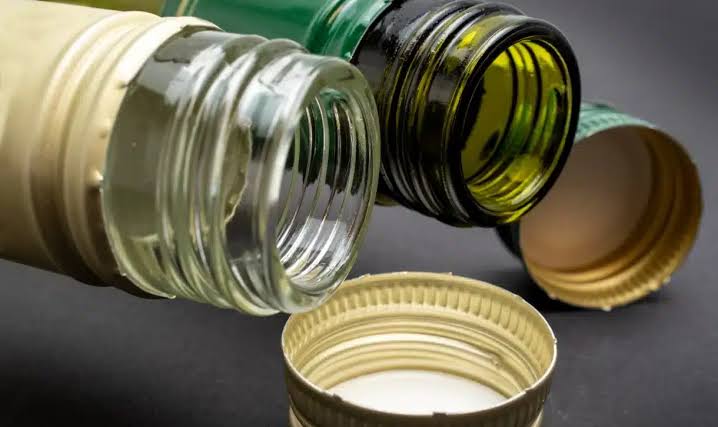
The inner neck bore is the inside opening of the bottle. This is the key measurement for plastic stopper bottle neck fit because the stopper shank must compress inside this space. If the shank is too small for the bore, the stopper may leak or feel loose. If it is too large, insertion force may become excessive.
For accurate closure matching, buyers should provide both the technical bottle drawing and physical bottle samples. A drawing shows the intended specification, while samples reveal real production variation.
Plastic Stopper Size Guide: Shank Diameter and Bottle Neck Bore
A plastic stopper size guide is useful for early planning, but it should not replace real sample testing. Stopper fit depends on the relationship between the bottle neck inner bore and the shank diameter.
| Bottle Neck Inner Bore | Possible Shank Starting Point | Fit Purpose | Final Check Needed |
|---|---|---|---|
| 18.5 mm | Around 19.5 mm | Light compression for bar-top closure testing | Leak test and pull-out force check |
| 21.5 mm | Around 22.5 mm | Controlled friction for larger spirits bottles | Filled-bottle test and line trial |
| Custom bore | Custom shank direction | Tailored fit for unique bottle necks | Sample approval before bulk order |
| Tapered or irregular bore | Tested shank profile | Better contact with uneven inner walls | Bottle sample review required |
These examples are only starting points. A stopper with the same nominal diameter can feel different depending on material hardness, surface texture, shank taper, insertion depth, and glass neck tolerance.
For spirits projects, a stopper that feels premium should combine secure sealing with a controlled pull. The closure should not pop out too easily, but it should also not require uncomfortable force to open.
Common Fit Problems and Solutions
| Fit Problem | Likely Cause | What to Check | Practical Solution |
|---|---|---|---|
| Stopper leaks | Shank too small or poor compression recovery | Inner neck bore, shank diameter, material hardness | Test a larger shank or different shank material |
| Stopper is too tight | Excessive compression | Insertion force, shank diameter, bore tolerance | Reduce shank size or adjust material hardness |
| Stopper sits crooked | Uneven bore, short insertion depth, or cap imbalance | Seating height, bottle mouth profile, shank geometry | Revise shank shape or check bottle tolerance |
| Stopper works by hand but fails on the line | Stoppering force mismatch | Line speed, insertion pressure, equipment setup | Run a bottling-line trial before approval |
| Stopper feels loose after shipping | Vibration, temperature change, or weak friction | Filled-bottle performance and carton movement | Add transport simulation and leak testing |
| Cap interferes with sleeve or capsule | Oversized head or incorrect seating height | Head diameter, sleeve clearance, tax-strip position | Adjust cap dimensions or seating depth |
Troubleshooting should start with the bottle neck, not only the stopper. A closure may be well made but still perform poorly if the glass bore varies, the mouth profile is uneven, or the closure is being used on a bottle model it was not approved for.
Why Size Charts Are Only Starting Points
Many online stopper charts simplify the process, but commercial packaging projects require more precision. Plastic stopper bottle neck fit can change based on bottle neck tolerance, inner bore roundness, shank diameter tolerance, shank taper, material hardness, compression recovery, surface friction, insertion depth, stoppering method, alcohol content, storage temperature, transport vibration, and capsule or sleeve use.
For example, a stopper may fit one supplier’s 700 ml bottle perfectly but feel loose in another 700 ml bottle from a different glass manufacturer. The bottles may look similar, but their inner bore dimensions and tolerances may differ.
Professional closure approval should therefore include real-bottle testing, not only catalog selection. This is especially important for export spirits, gift-box packaging, e-commerce shipments, and premium products where a leaking or loose stopper can damage both the product and the brand.
How to Measure Bottle Neck Inner Bore for Plastic Stopper Fit
Accurate measurement is the foundation of plastic stopper bottle neck fit. Even a small measurement error can lead to leakage, tight insertion, inconsistent line performance, or unnecessary tooling revisions.
Useful tools and documents include digital calipers, bottle technical drawings, production bottle samples, stopper samples, material specifications, filling-line information, and the packaging decoration plan.
The most important measurement is the inner neck bore. Buyers should also record neck depth, bottle mouth profile, bore taper, sealing surface condition, and tolerance range. If the bottle will use a capsule, shrink sleeve, neck label, or tax strip, the stopper head diameter and seating height should also be reviewed.
The goal is not simply to make the stopper enter the bottle. The goal is to make the full closure system seal reliably, look aligned, and perform consistently during production and distribution.
For custom spirits projects, bottle design and closure selection are often developed together. Brands sourcing custom spirits bottles should confirm neck dimensions early so the closure, decoration, and filling process remain compatible as the packaging moves from concept to production.
Common Measurement Mistakes
The most common mistake is measuring the outside of the bottle neck instead of the inner opening. The outer finish may be useful for screw caps or decorative sleeves, but the stopper shank depends mainly on the inner bore.
Another mistake is choosing a stopper by bottle capacity. A 750 ml bottle does not automatically need the same stopper as another 750 ml bottle. Bottle shape, supplier tolerance, neck design, and finish type all matter.
A third mistake is approving the stopper with empty bottles only. Filled bottles behave differently during transport. Liquid movement, vibration, temperature variation, and carton pressure can expose leakage risks that are not visible in a simple hand test.
Buyers should also avoid using one stopper size across several bottle models without testing each bottle. Multi-SKU closure standardization can reduce cost, but each bottle neck should still be validated.
Plastic Bar-Top Stopper Fit for Spirits Bottles
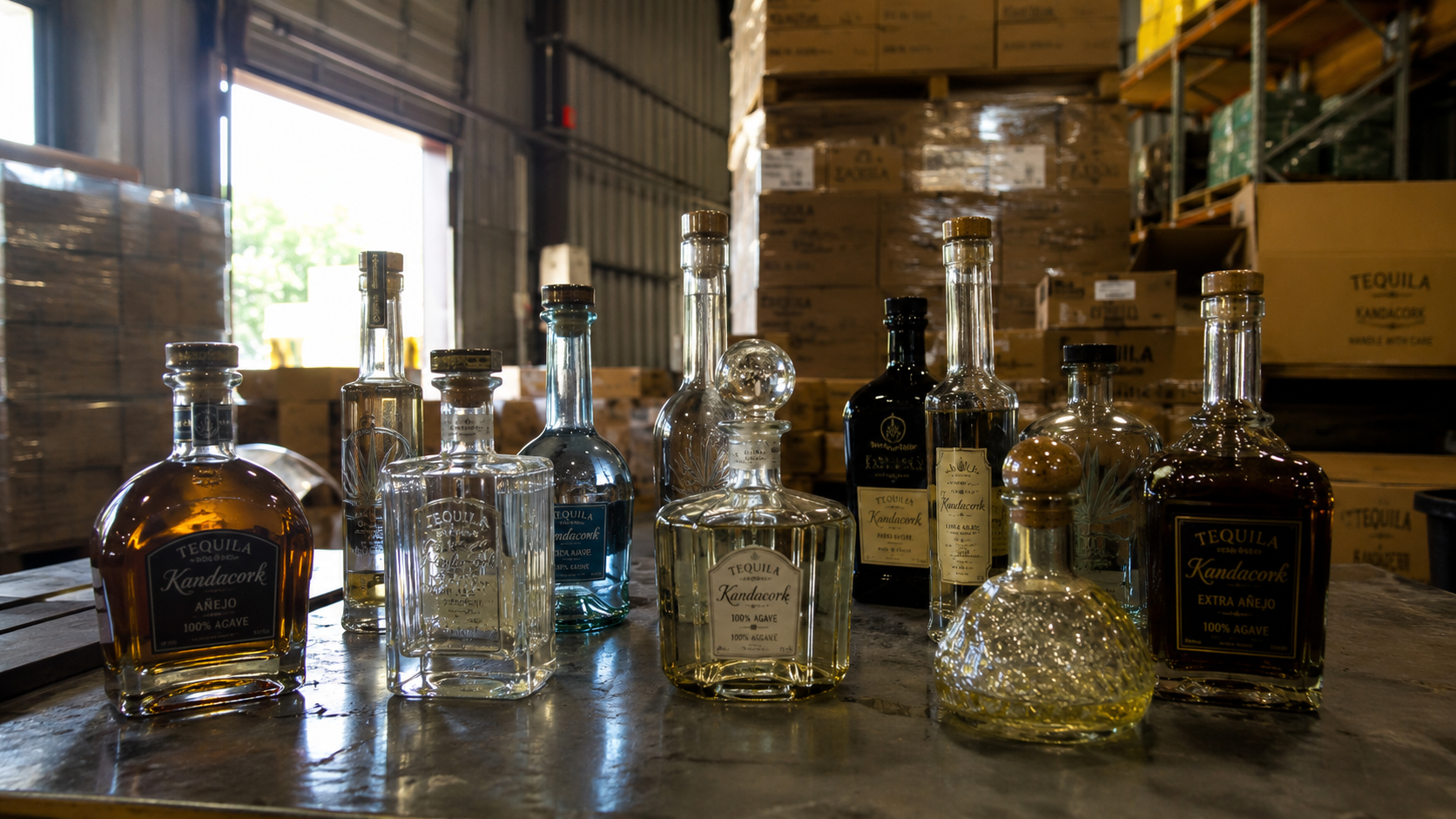
Spirits bottles place special demands on closures. Whisky, vodka, gin, rum, tequila, brandy, cognac, liqueur, mezcal, and other distilled products often require a closure that combines secure sealing with premium presentation.
A plastic bar-top stopper for spirits must resist leakage during shipping, preserve aroma, tolerate alcohol exposure, reseal after opening, and provide a consistent pull-out feel. A loose stopper can damage brand trust. A stopper that is too tight can make the product feel poorly engineered.
Plastic bar-top stoppers are popular because they offer stable molded geometry, flexible colors, lightweight structure, repeatable production, and branding options. These may include embossing, debossing, color matching, metallic-look finishes, matte effects, gloss surfaces, transparent tops, and custom molded shapes.
When a project needs customized head shapes, colors, shank combinations, and sampling support, custom plastic T-top stoppers can help align the closure with the bottle neck, filling line, and brand identity.
Mini Bottles and Sample Bottles
Mini bottles and sample bottles require careful plastic stopper bottle neck fit because the bottle is lighter and the neck opening is smaller. A stopper that feels acceptable on a 700 ml bottle may feel oversized, too stiff, or too difficult to remove on a miniature bottle.
For small formats, the shank diameter, head diameter, insertion depth, and opening force should be reviewed together. The stopper must seal reliably without making the bottle difficult to open.
This is especially important for tasting kits, airline-size spirits, hotel amenities, event samples, gift packs, and promotional packaging. In these formats, a closure that looks too large or opens too tightly can reduce perceived quality even when the seal is technically secure.
Premium Custom Bottles
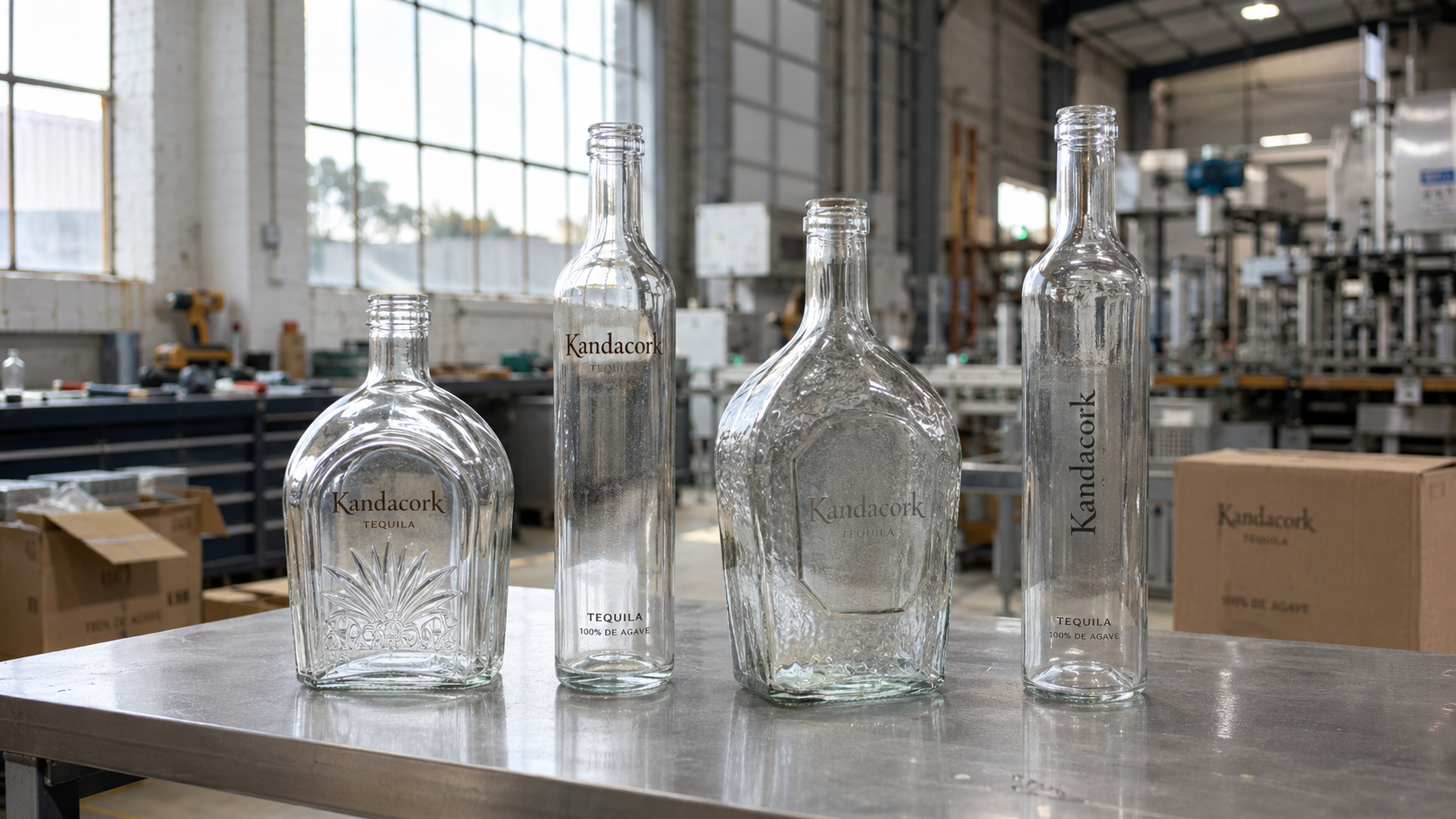
Custom spirits bottles often include distinctive necks, heavy bases, wide shoulders, unusual mouth profiles, or decorative closure concepts. These projects require a detailed fit review because the stopper must support both sealing performance and brand identity.
Premium brands may want a specific opening feel. Some prefer a firm, luxury pull. Others want smoother removal and easy resealing. The closure should also sit straight, align with the label, and remain compatible with capsules, shrink sleeves, or tax strips.
Decoration can affect closure planning. A thicker neck label, metallic capsule, tax strip, or shoulder decoration may change the required cap diameter or seating height. Brands planning bottle decoration and branding should check stopper dimensions before approving final artwork and decoration tooling.
Plastic Stopper Fit Testing Before Bulk Closure Orders
Testing should begin before mass production. A simple hand fit can provide an early impression, but it is not enough for commercial packaging approval.
A practical fit-testing process should include sample fit checks, insertion force review, pull-out force review, leak testing, filled-bottle testing, transport simulation, line trials, visual inspection, and resealing checks.
During sample fit checks, the stopper should enter the neck smoothly and sit at the intended height. The cap should not tilt, wobble, or show uneven seating. During pull-out testing, the stopper should open with a controlled feel. It should not pop out too easily or require excessive force.
During leak testing, buyers should check bottles upright, tilted, inverted, and after vibration or temperature exposure where relevant. Export spirits projects should be especially careful because long-distance shipping can expose weak closure performance. Packaging teams often reference ISTA test procedures when evaluating distribution risks such as vibration and handling, while ASTM packaging standards can provide additional context for packaging performance and material evaluation.
Real-World Fit Validation Examples
A stopper may pass empty-bottle testing but fail after 48 hours of inverted filled-bottle testing. This can happen when the shank creates enough friction for a short hand check but not enough compression recovery for longer liquid contact and movement.
A glossy inner glass neck may require a different shank texture or material hardness than a rougher molded neck. Surface friction affects how the stopper inserts, seals, and pulls out.
A mini bottle may need a lower pull-out force than a 700 ml spirits bottle. The same opening feel can seem premium on a large bottle but difficult on a small sample format.
A bottle drawing may show one inner neck bore, while production samples show slight variation. In this case, physical samples are essential because actual bottle tolerance is more important than the nominal drawing alone.
These examples show why plastic stopper bottle neck fit should be approved through testing, not assumption.
Bottling-Line Trial
A stopper that works during desk testing may still fail on a production line. Manual stoppering, semi-automatic stoppering, and automatic stoppering can create different insertion forces and alignment requirements.
During a bottling-line trial, packaging teams should monitor stopper feeding stability, insertion force, cap damage, crooked seating, bottle breakage risk, rejected units, line speed, operator feedback, and final appearance.
A reliable plastic stopper bottle neck fit must support repeatable application. If the stopper is too tight, the line may slow down or damage closures. If the stopper is too loose, leakage risk may increase after packing.
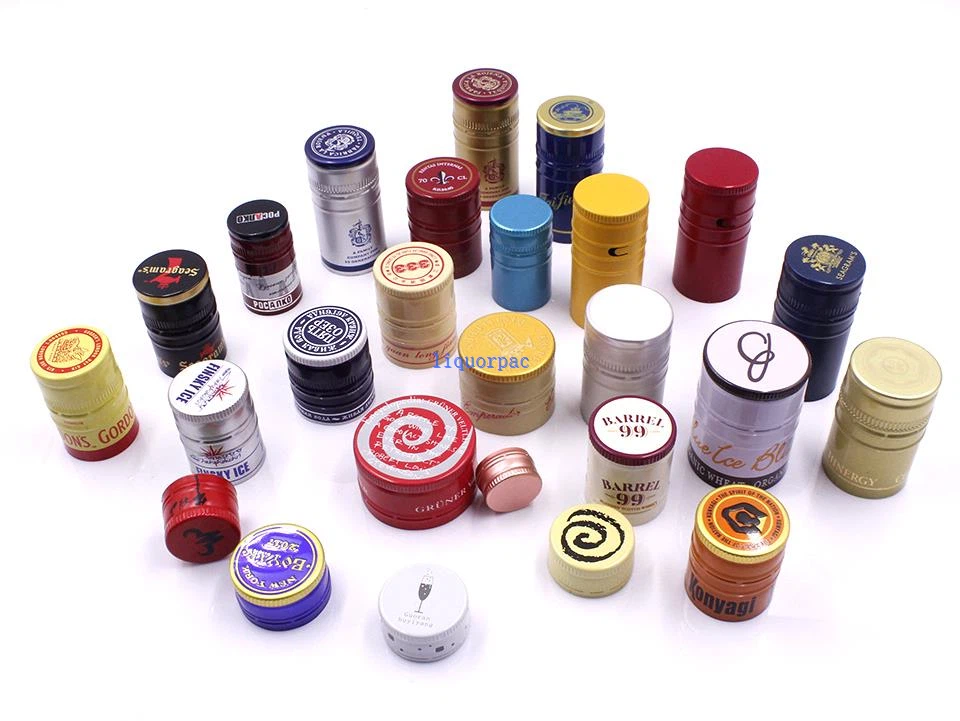
For brands comparing stopper systems with screw caps, pilfer-proof closures, or mixed closure ranges, custom ROPP closures may also be reviewed as part of a wider closure strategy for spirits and specialty bottles.
What Kandacork Closures Checks During Fit Validation
Kandacork Closures evaluates the stopper as part of a complete packaging system, not as an isolated component. This helps buyers reduce the risk of approving a closure that looks correct but performs poorly in production or transport.
During fit validation, the review may include the bottle drawing compared with physical samples, actual inner bore variation, shank diameter, shank profile, compression feel, insertion depth, seating height, cap alignment, pull-out force, leakage risk, compatibility with capsules or sleeves, stoppering method, product type, ABV, and target market.
This process helps identify common rejection causes early, such as oversized shanks, weak compression, uneven seating, incompatible decorative elements, or mismatch between the bottle drawing and actual bottle samples.
How TPE, Synthetic, and Plastic Shanks Affect Bottle Stopper Fit
Material choice has a direct effect on stopper performance. A plastic stopper may use a molded plastic head with a TPE shank, synthetic shank, synthetic-cork shank, natural cork shank, or fully molded plastic structure.
The best material is not always the hardest or tightest option. The right choice depends on the bottle neck, liquid type, filling process, brand positioning, target market, and desired consumer experience.
| Shank Material | Best For | Fit Advantage | Buyer Caution |
|---|---|---|---|
| TPE shank | Consistent commercial spirits production | Stable compression and repeatable fit | Confirm alcohol compatibility and hardness |
| Synthetic shank | Premium bar-top stopper programs | Controlled fit with familiar closure feel | Test pull-out force with real bottles |
| Synthetic-cork shank | Cork-like appearance with engineered consistency | Balanced appearance and dimensional control | Validate compression recovery and liquid contact |
| Natural cork shank | Traditional, craft, or heritage positioning | Natural look and classic opening experience | Greater material variation may require closer testing |
| Monobloc plastic stopper | Cost-sensitive or specialty packaging programs | Molded consistency and simple structure | Opening feel may differ from multi-material stoppers |
TPE and synthetic shanks are often selected for stable geometry, controlled compression, and repeatable production. Natural cork shanks may support traditional positioning, but they require closer tolerance review. Monobloc plastic stoppers can work for specific programs, but their sealing feel may differ from multi-material bar-top closures.
Food Contact and Compliance Considerations
Plastic stopper bottle neck fit is a mechanical issue, but beverage packaging also requires material suitability. For food and beverage contact applications, buyers should confirm that the selected closure materials are appropriate for the target market and intended product contact conditions.
For U.S. projects, the FDA food-contact substance guidance is relevant because bottle closures and packaging components may come into contact with food or beverages. For EU projects, the European Commission explains that Regulation (EC) No. 1935/2004 provides the general framework for food-contact materials, including safety and inertness principles.
For quality management, ISO 9001 is commonly used as a reference for consistent manufacturing systems and process control. For a plastic stopper supplier, quality management matters because stopper diameter, shank consistency, cap appearance, and batch repeatability all affect final closure performance.
Spirits projects should also consider alcohol compatibility. High-ABV products can place different demands on closure materials than water-based beverages. Buyers should discuss product type, alcohol percentage, storage conditions, target market, and expected shelf life during the sourcing stage.
Buyer Checklist: What to Send for Fit Review
To speed up a custom plastic stopper project, buyers should prepare the bottle drawing, physical bottle sample, inner neck bore measurement, neck finish specification, bottle capacity, target product type, ABV, filling method, stoppering method, desired pull-out feel, leak-testing requirements, capsule or sleeve plan, cap material preference, surface finish, logo requirement, estimated order quantity, launch timeline, and target market.
This information helps the closure supplier recommend the right stopper construction, shank direction, sampling process, and bulk production plan.
For brands managing complete packaging programs, Kandacork Glass can support broader coordination across bottle structure, closures, decoration, and export-ready packaging requirements.
Why Work with Kandacork Closures
Kandacork Closures supports custom plastic bar-top stoppers for distilleries, spirits brands, bottlers, distributors, and private-label packaging programs. The company focuses on molded stopper heads, custom colors, logo decoration, shank matching, fit validation, and bulk closure supply.
For buyers, the advantage is not only access to stopper products. It is the ability to review the closure as part of a complete packaging system. A stopper should match the bottle neck, brand identity, production method, transport route, and market requirement.
Kandacork Closures can support plastic T-top stoppers, flat plastic bar-top stoppers, dome plastic stoppers, knurled plastic stoppers, transparent acrylic-style stoppers, metallic-look plastic stoppers, custom molded stopper heads, synthetic and TPE shank options, logo decoration, color matching, sampling, and fit validation.
If your project also requires bottles or jars beyond spirits packaging, Kandacork Glass Packaging can support multi-category glass packaging programs with matched closures and decoration-ready surfaces.
Closure Branding and Visual Fit
Bottle stopper fit is technical, but it also affects the product’s first impression. The head diameter, top profile, sidewall texture, color, and logo treatment should match the bottle shape and label style.
A stopper that seals well but looks too small can weaken the product’s premium appearance. A stopper that looks impressive but interferes with capsule application, neck labels, or line handling can create production problems. The best result comes from balancing sealing performance with visual proportion.
For closure decoration, sidewall texture and cap geometry should be planned early. Kandacork Closures provides sidewall design options for spirits closures that can help align knurling, ribbing, relief details, and print zones with the actual closure type and bottling method.
FAQ
How do I know what size plastic stopper I need?
Measure the inner neck bore of the bottle, then choose a stopper shank that creates controlled compression. The final size should be confirmed with real bottle samples, leak testing, and pull-out force checks.
Should a plastic stopper be bigger than the bottle neck?
In many bar-top closure projects, the shank is slightly larger than the inner bottle opening to create compression. However, the exact size depends on material hardness, neck tolerance, shank shape, insertion depth, and desired opening feel.
Why does my plastic stopper leak?
A plastic stopper may leak because the shank is too small, the insertion depth is insufficient, the bottle neck varies by batch, or the material does not recover well after compression. Leakage can also appear during transport if filled-bottle testing is skipped.
Can I choose a stopper by bottle capacity?
No. Bottle capacity does not determine stopper size. Two bottles with the same capacity can have different inner neck bores, neck finishes, and tolerances.
What is the most important measurement for plastic stopper bottle neck fit?
The inner neck bore is usually the most important measurement for the inserted shank. Neck depth, mouth profile, tolerance, stopper seating height, and decoration requirements should also be reviewed.
Do I need sample testing before bulk orders?
Yes. Sample testing helps confirm sealing performance, insertion force, pull-out force, visual seating, line compatibility, and filled-bottle performance before mass production.
Can one plastic stopper fit several bottle models?
Sometimes, but each bottle model should be tested. Even similar bottles can have different neck tolerances. Multi-SKU closure standardization is possible, but it should be validated with samples.
Are plastic stoppers suitable for premium spirits?
Yes. Plastic bar-top stoppers can be suitable for premium spirits when the head design, surface finish, color, logo decoration, and shank performance are properly specified. Premium appearance must be supported by reliable fit and sealing performance.
What should I send before requesting a custom plastic stopper quote?
Send the bottle drawing, physical bottle sample, inner neck bore measurement, product type, ABV, filling method, stoppering method, decoration requirements, expected order quantity, and target market.
Why does a stopper fit one bottle but not another bottle of the same size?
Bottle capacity does not guarantee the same neck bore. Two 700 ml or 750 ml bottles can have different inner neck dimensions, bore tolerance, mouth profiles, and glass finishes. Each bottle model should be tested before bulk closure approval.
Conclusion
Plastic stopper bottle neck fit is a critical factor in packaging performance. The right stopper must seal reliably, insert smoothly, open comfortably, reseal consistently, and support the brand’s shelf presentation.
The key is to measure the bottle’s inner neck bore, select a suitable shank diameter, review material hardness, validate insertion and pull-out force, and test the stopper with real filled bottles before bulk production.
For spirits brands, private-label bottlers, and packaging buyers, Kandacork Closures can help evaluate bottle drawings, physical samples, stopper styles, branding needs, and fit-validation requirements. A well-matched plastic stopper protects the product, improves production reliability, and gives consumers a better brand experience from the first opening.
To start a new fit review or sample request, contact the Kandacork Closures team with your bottle drawing, sample details, product type, and target order requirements.