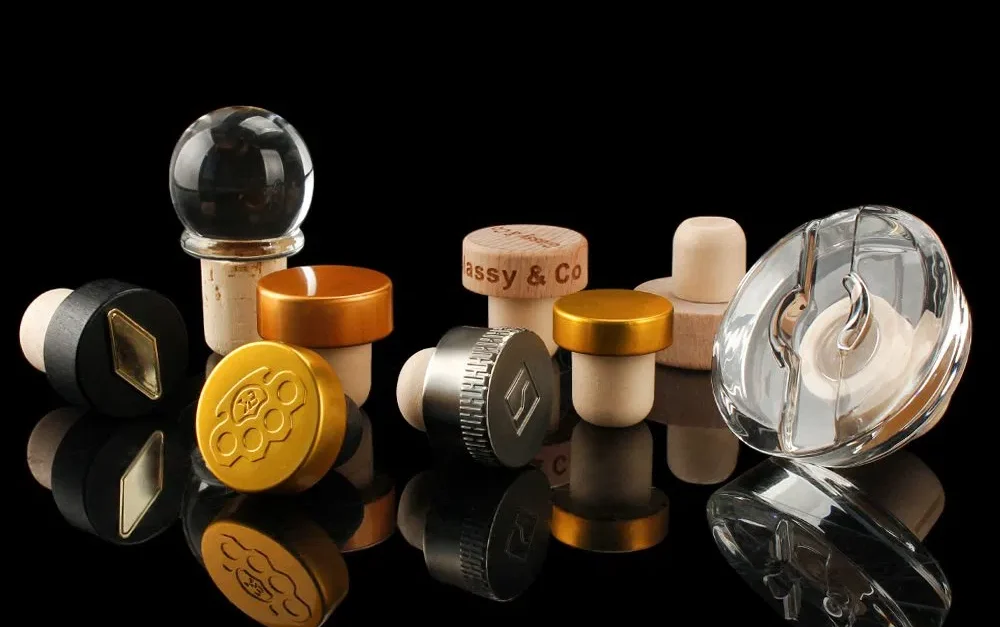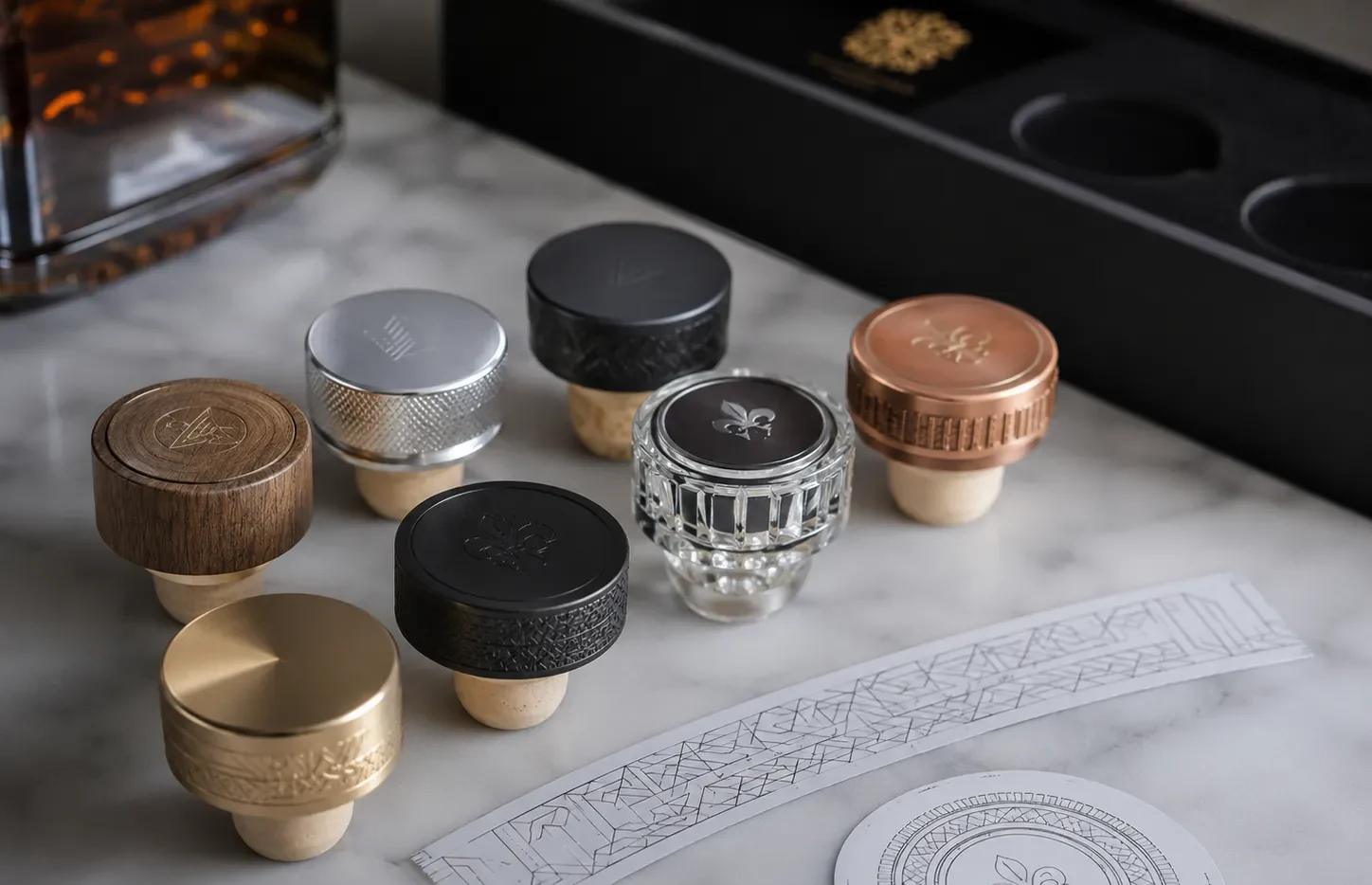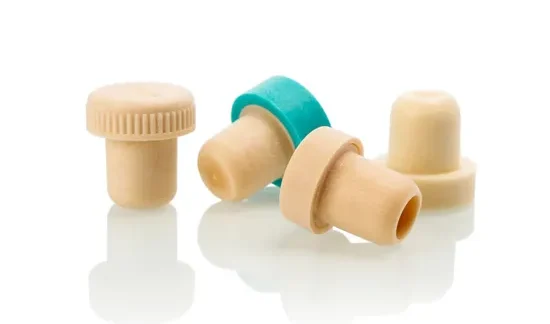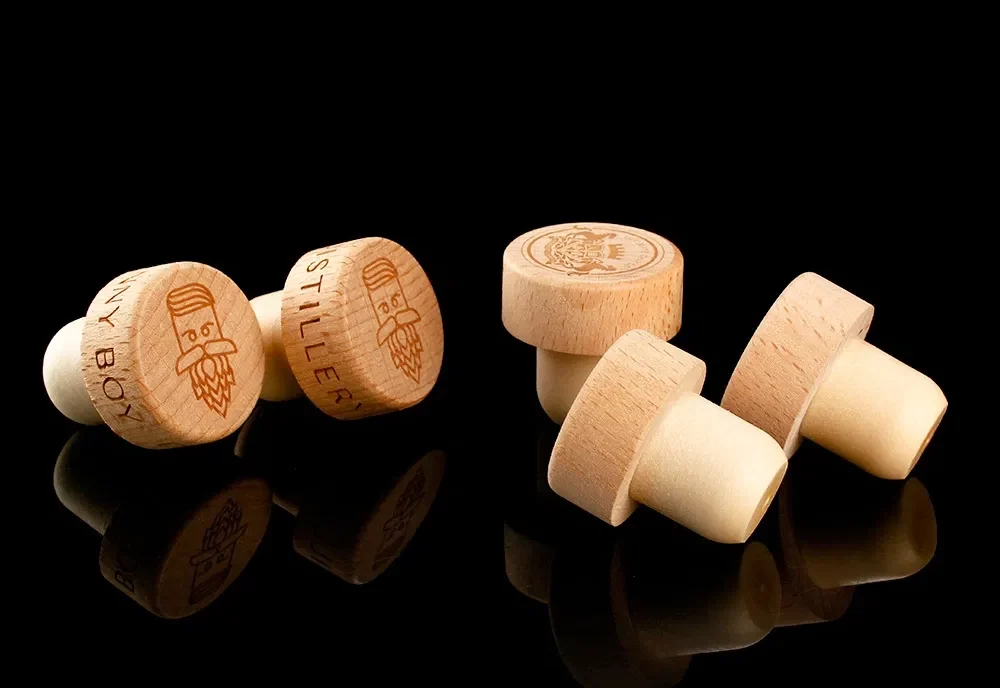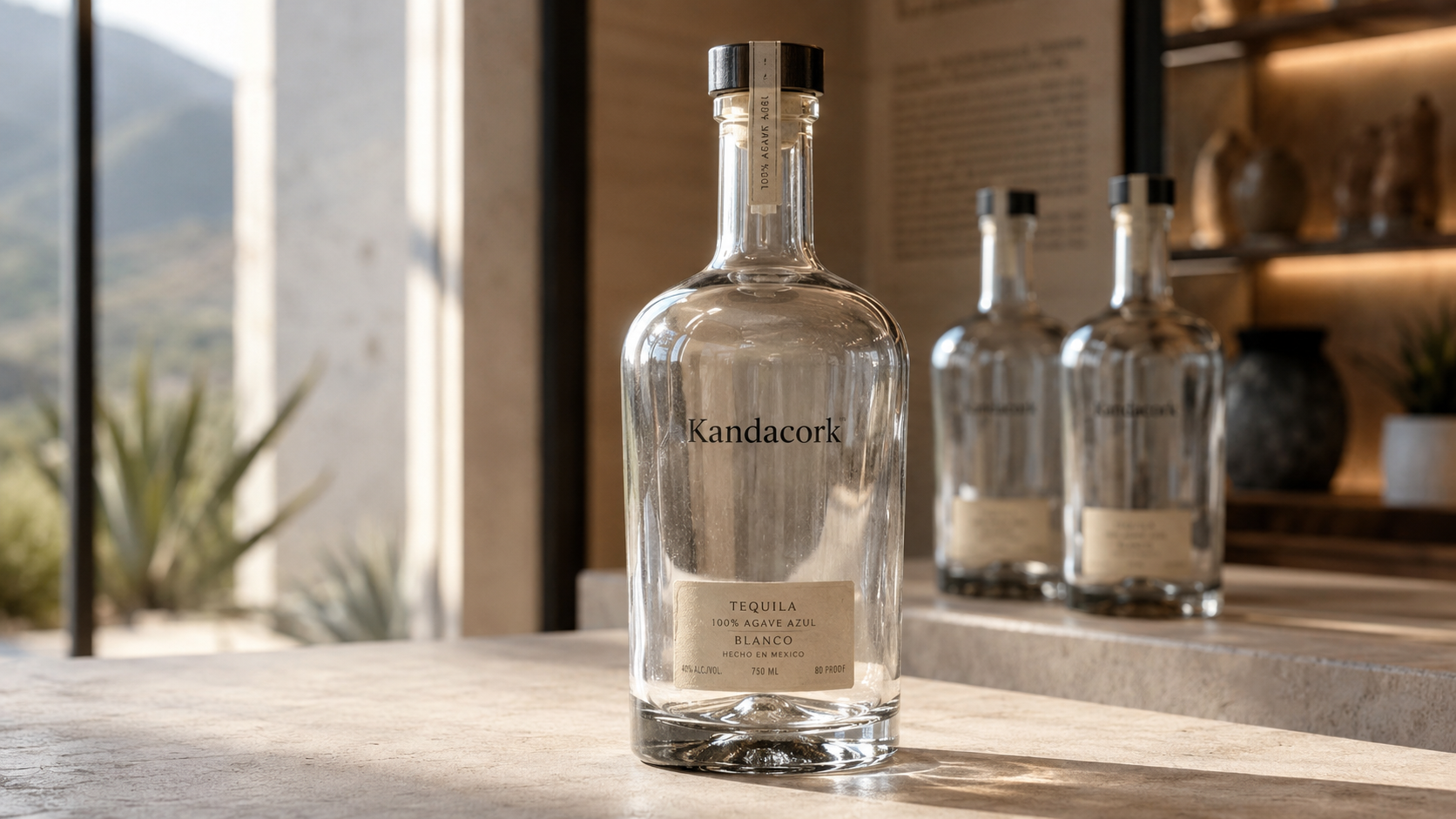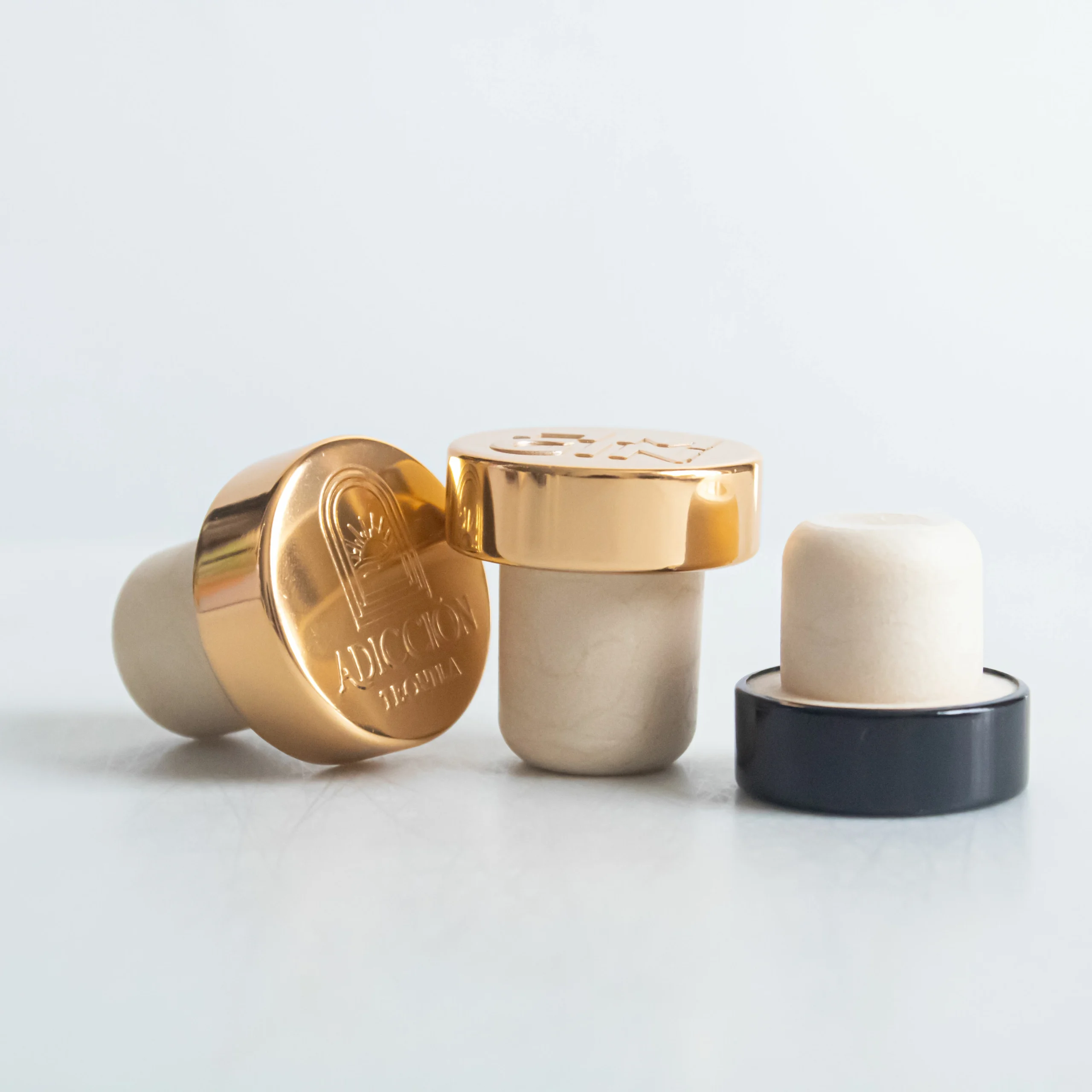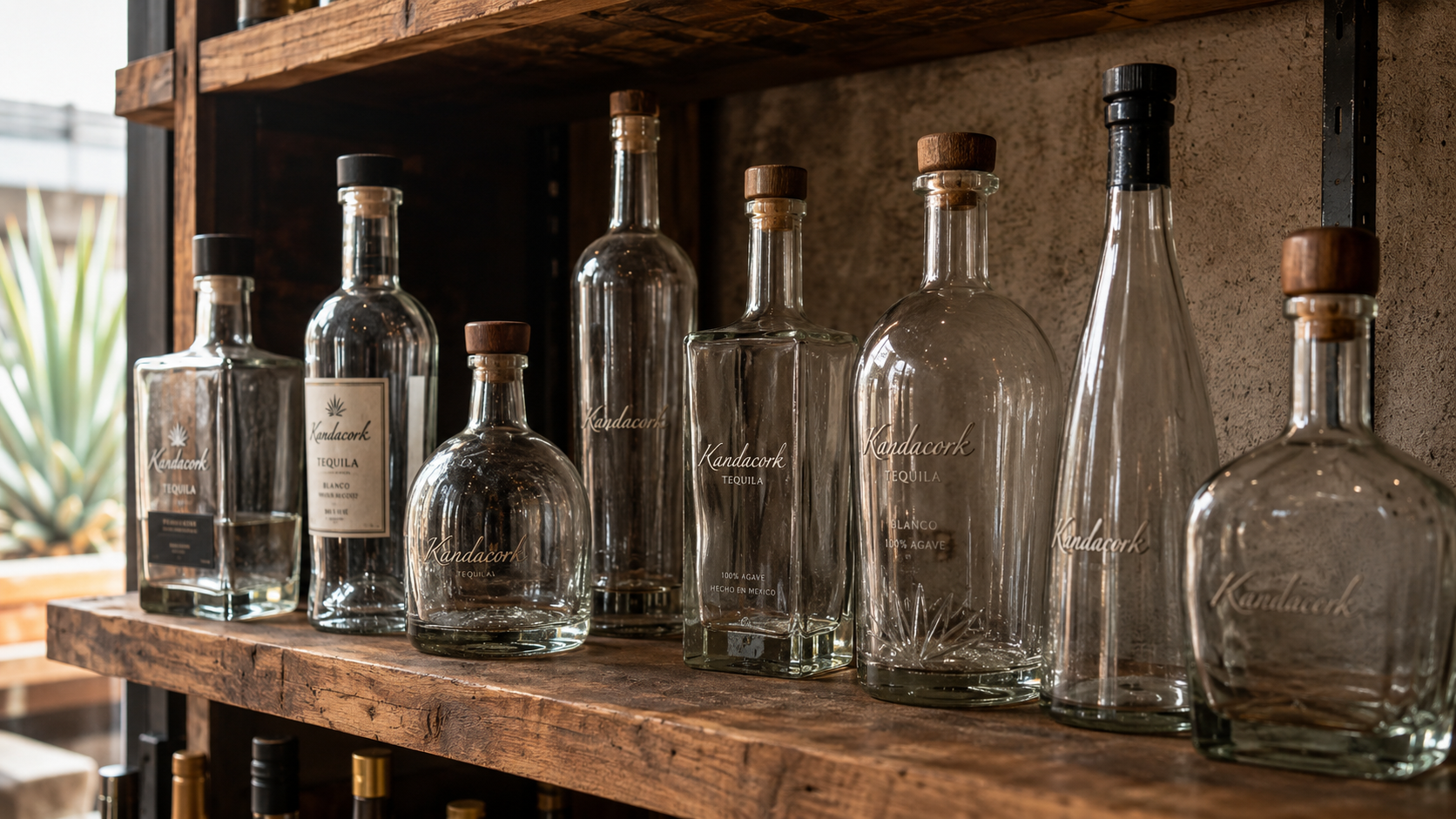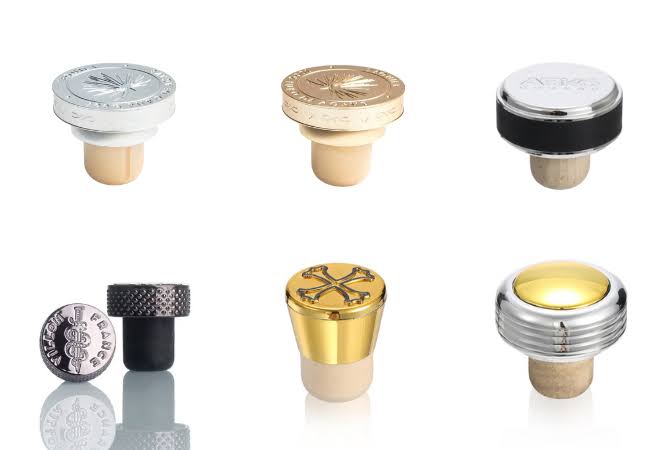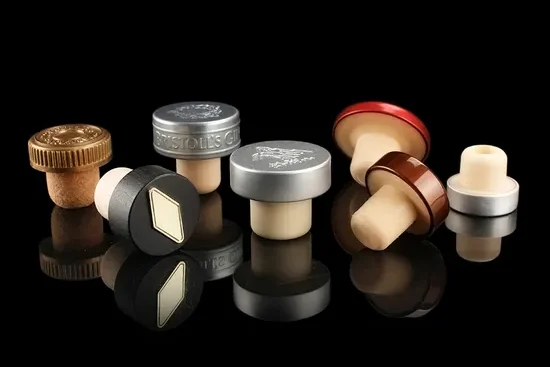
Screw caps for whisky, vodka, gin, and rum are now a serious packaging decision, not a minor accessory. For spirits brands, the closure affects shelf presentation, sealing performance, tamper evidence, filling-line efficiency, export safety, and the consumer’s first opening experience.
For distilleries, private-label brands, importers, bottlers, and packaging buyers, the best cap is not simply the one that fits the bottle mouth. The right closure must match the bottle neck finish, alcohol strength, liner requirement, cap height, capping equipment, decoration method, and target market. Kandacork Closures supports buyers with custom screw caps for spirits bottles designed for whisky, vodka, gin, rum, tequila, liqueurs, RTD spirits, and other liquor packaging projects.
A good screw cap protects the product, looks consistent with the brand, opens smoothly, reseals reliably, and runs efficiently during bottling. A poor cap can cause leakage, damaged cartons, unstable torque, weak tamper evidence, label staining, or launch delays. That is why cap selection should begin early in the packaging development process.
Quick Recommendation for Spirits Buyers
For most commercial whisky, vodka, gin, and rum bottles, aluminum ROPP screw caps are the most practical option. They combine tamper-evident opening, reliable sealing, strong decoration flexibility, and efficient application on suitable filling lines.
Premium spirits brands should also review cap height, liner compatibility, torque range, color matching, logo decoration, transport testing, and export requirements before approving bulk production. If the bottle is still under development, the closure should be reviewed together with the glass design, label area, shoulder shape, and carton format. For brands building a full bottle program, coordinating closures with spirits bottle design and sourcing can reduce mismatch risk and improve the final shelf result.
What Are Screw Caps for Spirits Bottles?
Spirits bottle screw caps are threaded or roll-on closures used to seal liquor bottles after filling. They can be made from aluminum, plastic, composite materials, or multi-component structures with liners, inserts, and tamper-evident features.
For whisky, vodka, gin, and rum, aluminum screw caps are common because they support precise forming, stable sealing, and custom decoration. ROPP means Roll-On Pilfer-Proof. A ROPP closure is rolled onto a compatible bottle neck during capping, forming the thread and creating a tamper-evident band that breaks when the bottle is opened.
Screw caps can be used across many formats, including mini spirits bottles, 200ml bottles, 375ml bottles, 500ml bottles, 700ml bottles, 750ml bottles, and 1L bottles. The correct cap depends on the bottle neck finish, cap size, closure height, liner, capping machine, and brand positioning.
Are Screw Caps Suitable for Whisky, Vodka, Gin, and Rum?
Yes. Screw caps are suitable for whisky, vodka, gin, and rum when the closure is correctly matched to the bottle, liner, alcohol content, filling process, and market requirements.
Whisky may need a premium-looking cap with a taller profile, matte finish, or metallic detail. Vodka often needs clean, efficient, high-volume packaging. Gin may require stronger color matching and decorative detail to support botanical branding. Rum may need export durability, anti-counterfeit protection, or a warmer premium finish.
The same cap specification should not be used automatically across all spirits categories. Buyers should confirm the bottle drawing, neck finish, cap diameter, cap height, sealing surface, liner structure, tamper-evident band, capping torque, and decoration method before mass production.
Best Screw Cap Options by Spirit Type
| Spirit Category | Common Buyer Need | Practical Cap Direction |
|---|---|---|
| Whisky | Premium appearance, resealability, tamper evidence | Tall aluminum cap, matte finish, metallic finish, embossed top |
| Vodka | Clean design, fast bottling, cost efficiency | Aluminum ROPP cap with stable torque control |
| Gin | Decorative branding, color storytelling, botanical identity | Color-matched cap with sidewall printing or foil stamping |
| Rum | Export durability, brand protection, shelf impact | Tamper-evident screw cap or non-refillable closure |
| Liqueurs | Aroma protection, easy reclosure, decorative flexibility | Aluminum or composite cap with compatible liner |
| Mini spirits | Small-format sealing and fast packing | Short aluminum screw cap or ROPP closure |
This comparison helps buyers evaluate closures by packaging function rather than choosing only from catalog photos.
Whisky Bottle Screw Caps
Whisky packaging often needs to communicate maturity, quality, and trust. Cork stoppers remain popular for some premium whisky lines because they create a traditional opening ritual, but screw caps are widely used for blended whisky, modern whisky brands, mini bottles, travel retail, export lines, and high-volume products.
For whisky bottle screw caps, visual weight matters. A matte black cap, brushed aluminum finish, bronze sidewall, gold top, or embossed brand mark can make the bottle feel more premium. A taller closure can also improve shelf presence when paired with heavy glass, a broad shoulder, and textured label materials.
From a technical perspective, whisky brands should pay close attention to liner compatibility, opening torque, tamper-band break behavior, and transport stability. Whisky may pass through warehousing, export shipping, distributor handling, and retail display before reaching the consumer. The closure must remain stable through each stage.
Vodka Bottle Screw Caps
Vodka packaging often focuses on purity, clarity, and precision. Clear glass, frosted glass, silver caps, white caps, black caps, and minimal decoration are common. A clean aluminum screw cap can support this visual language while keeping the packaging efficient and practical.
Vodka brands often need closures that run smoothly on high-speed filling lines. Aluminum ROPP closures are a strong option because they support tamper evidence, consistent sealing, and flexible decoration.
For premium vodka, brands may choose metallic lacquer, top embossing, fine sidewall printing, or a taller closure profile. For mass-market vodka, the focus may be capping efficiency, leakage prevention, cost stability, and reliable repeat supply.
Before large-scale production, vodka bottle caps should be tested with the actual bottle and capping line. This helps confirm applied torque, seal compression, cap appearance, and tamper-band performance after application.
Gin Bottle Screw Caps
Gin is one of the most design-led spirits categories. Many gin brands use botanical illustrations, colored glass, embossed bottles, textured labels, and distinctive closure colors. The cap should support the brand story rather than look like a generic component.
Gin bottle screw cap customization may include color matching, sidewall printing, top embossing, hot foil stamping, matte coating, gloss coating, or metallic finishing. A botanical gin may use green, copper, gold, or soft pastel colors. A modern dry gin may use black, silver, white, or a minimalist metallic finish.
Technical performance is also important. Gin can contain volatile botanical aromas, so the cap and liner should help maintain seal integrity. Buyers should test the closure with the actual gin formulation, especially for high-proof products or spirits with unusual botanical extracts.
Rum Bottle Screw Caps
Rum packaging ranges from tropical and colorful to dark, aged, and premium. Screw caps for rum bottles are often selected for easy reclosure, tamper evidence, export durability, and strong shelf impact.
Rum brands selling through export channels should pay close attention to transport performance. Bottles may experience container heat, vibration, long shipping routes, warehouse storage, and rough handling. A reliable screw cap and compatible liner can help reduce leakage risk and protect the label, carton, pallet, and bottle finish.
For premium rum, cap design may use black, gold, bronze, copper, dark red, or wood-inspired finishes. For value and mid-range rum, buyers may prioritize stable production, strong sealing, efficient decoration, and dependable delivery.
Main Types of Screw Caps for Spirits Bottles
Aluminum ROPP Caps
Aluminum ROPP caps are among the most common screw caps for whisky, vodka, gin, and rum bottles. They are lightweight, customizable, tamper-evident, and suitable for many commercial filling operations.
ROPP caps are often selected when brands need reliable sealing and visible first-opening evidence. They can be decorated with printing, embossing, debossing, hot foil stamping, lacquer coating, color matching, and sidewall effects.
For many spirits projects, aluminum ROPP caps provide the best balance of function, cost control, decoration, and production efficiency.
Standard Threaded Screw Caps
Standard threaded screw caps are pre-formed closures designed to match a threaded bottle neck. They may be made from aluminum, plastic, or composite materials.
These caps can work well for selected spirits bottles, small production runs, specialty formats, and simple closure systems. The key requirement is thread compatibility. A mismatch between bottle thread and cap thread can cause leakage, difficult opening, weak torque control, or inconsistent sealing.
Tamper-Evident Screw Caps
Tamper-evident screw caps include a band, bridge, sleeve, or breakable feature that shows whether the bottle has been opened. This supports consumer trust, retail confidence, and brand protection.
For U.S. distilled spirits packaging, the eCFR distilled spirits closure requirements state that certain containers must have a closure or device securely affixed and constructed so it must be broken to access the contents. Brands should always review the rules of their destination market before confirming the final closure system.
Non-Refillable Closures
Non-refillable closures are designed to reduce the risk of unauthorized refilling or product substitution. They may include internal valves, pourer inserts, flow-control systems, tear-off components, or anti-refill structures.
These systems are especially useful for premium spirits, export markets, duty-free channels, hospitality environments, and regions where counterfeiting or refilling is a concern. Kandacork Closures supplies non-refillable closures for spirits brands that need stronger brand protection and controlled pouring performance.
Plastic and Composite Screw Caps
Plastic and composite screw caps can be suitable for selected spirits, mini bottles, liqueurs, RTD beverages, or cost-sensitive packaging lines. They are lightweight and practical, but they may offer fewer premium surface effects than aluminum.
For premium whisky, vodka, gin, and rum packaging, aluminum often creates a stronger shelf impression. For simple or high-volume projects, plastic or composite options may still be worth evaluating when the bottle format, market, and cost target support them.
Common Cap Sizes and Use Cases
| Cap Size or Format | Common Use Case | Buyer Notes |
|---|---|---|
| 28mm screw cap | Mini spirits, liqueurs, small bottles | Confirm thread type and liner suitability |
| 30×35mm ROPP cap | Standard spirits bottles, vodka, gin | Good for clean, efficient packaging |
| 30×44mm ROPP cap | Mid-height premium spirits closure | Suitable for stronger shelf presence |
| 30×60mm ROPP cap | Whisky, vodka, gin, rum, premium liquor bottles | Popular for taller decorative aluminum caps |
| 31.5×60mm cap | Selected liquor bottle formats | Requires exact neck finish confirmation |
| 33×47mm cap | Specialty spirits bottles | Check capping equipment compatibility |
These dimensions are examples only. The correct specification depends on the actual bottle neck finish, sealing surface, thread profile, cap structure, and filling equipment.
Key Details Buyers Should Confirm Before Ordering
| Buying Factor | Why It Matters |
|---|---|
| Bottle neck finish | Determines whether the cap can seal correctly |
| Cap diameter | Must match the bottle opening and neck design |
| Cap height | Affects appearance, tamper-band position, and compatibility |
| Liner type | Impacts seal integrity, alcohol resistance, and aroma protection |
| Alcohol percentage | Helps determine material and liner suitability |
| Tamper-evident requirement | Supports consumer trust and market expectations |
| Capping equipment | Determines torque, application method, and production speed |
| Decoration method | Affects lead time, cost, and visual result |
| Target market | May influence compliance and documentation needs |
| Transport conditions | Affects leakage testing and export packaging decisions |
These details should be reviewed before confirming tooling, samples, or bulk production.
Bottle Neck Finish
The bottle neck finish is one of the most important details in closure sourcing. It includes the thread shape, diameter, sealing surface, neck height, bore, and tolerance.
A cap may look correct visually but still fail if the neck finish is not compatible. Common problems include poor torque, cap spinning, leakage, damaged tamper bands, difficult opening, or unstable capping.
Buyers should provide a bottle technical drawing whenever possible. If a drawing is not available, physical bottle samples should be checked before cap production. For full bottle-and-closure development, working with an integrated packaging partner such as Kandacork Glass can help align the bottle, closure, decoration, and export packing from the start.
Liner Selection and Alcohol Compatibility
The liner sits inside the cap and helps create the seal between the closure and the bottle mouth. It is a small component, but it has a major effect on performance.
For spirits, liner selection should consider alcohol resistance, compression, aroma protection, storage conditions, opening torque, and leakage resistance. A poor liner may cause swelling, flavor concerns, seal failure, or transport leakage.
Packaging components that contact food or beverages should be reviewed carefully. The FDA food-contact substance guidance explains that food-contact substances include packaging and packaging components that contact food. For spirits brands, this makes liner, coating, ink, adhesive, and insert selection part of the packaging safety discussion.
For European sales, buyers should also consider the European Commission food-contact material guidance, which emphasizes safety requirements for materials and articles intended to come into contact with food.
Filling-Line Compatibility
A screw cap must work with the bottling facility’s filling and capping equipment. Manual capping, semi-automatic capping, and fully automatic capping lines may require different cap structures and torque settings.
Buyers should confirm the capping head type, cap feeding method, applied torque, production speed, thread forming method, and rejection rate. The best closure is not only attractive in a sample box. It must run reliably during real bottling.
For ROPP systems, the relationship between bottle neck finish, shell material, liner compression, rolling head setup, and torque control is especially important. Small mismatches can create large production problems.
Leakage and Transport Testing
Leakage prevention is one of the main reasons to choose a professionally matched spirits closure. Testing should include inversion checks, torque checks, vibration exposure, heat exposure, drop simulation, and carton transport trials.
For export spirits, testing is especially important. Bottles may experience container heat, air freight pressure changes, warehouse storage, pallet stacking, and rough handling. Even a small leak can damage labels, cartons, pallets, and brand reputation.
For more formal distribution testing, ASTM D4169 provides a recognized practice for evaluating shipping units against anticipated distribution hazards. Spirits brands do not need to overcomplicate every launch, but they should test realistically before sending product into long-distance supply chains.
Common Buying Mistakes and Better Solutions
| Common Mistake | Better Solution |
|---|---|
| Choosing a cap before confirming the bottle neck finish | Review bottle drawings or send bottle samples before cap selection |
| Selecting a liner without alcohol compatibility testing | Test liner performance with the actual spirit formulation |
| Focusing only on cap color or logo decoration | Confirm sealing, torque, tamper evidence, and filling-line performance |
| Buying only on unit price | Compare total cost, including leakage risk, defects, delay, and rejection |
| Skipping sample approval | Approve physical samples before bulk production |
| Ignoring export conditions | Conduct inversion, vibration, heat, and carton transport checks |
| Confirming artwork too late | Prepare logo files, color references, and decoration proofs early |
This practical approach helps packaging teams reduce sourcing risk, avoid production delays, and improve the final bottle experience.
Custom Decoration Options for Spirits Screw Caps
A screw cap is a visible branding surface. For spirits packaging, closure decoration can influence whether the bottle feels premium, modern, traditional, minimal, or craft-focused.
Common decoration options include color matching, matte finish, gloss finish, metallic lacquer, brushed aluminum effect, top embossing, debossing, sidewall printing, hot foil stamping, silk-screen printing, QR-code-ready areas, security printing, and textured surface effects.
Whisky brands may prefer matte black, bronze, copper, or gold. Vodka brands may prefer silver, white, black, or crisp minimalist finishes. Gin brands may use botanical colors and illustrated cap details. Rum brands may choose dark tones, warm metallics, or security-focused decoration.
For more complex branding programs, cap decoration can be coordinated with label graphics, glass decoration, carton artwork, and bottle surface effects through Decoration & Branding support. When the neck area needs a more traditional or premium finish, capsules and shrink sleeves can also be reviewed as part of the closure presentation.
Screw Caps vs Cork Stoppers for Spirits Bottles
Both screw caps and cork stoppers can work for spirits packaging. The right choice depends on the product category, price point, brand story, filling process, and consumer expectation.
| Factor | Screw Caps | Cork Stoppers |
|---|---|---|
| Opening experience | Simple and convenient | Traditional and ritual-based |
| Resealability | Strong and consistent | Good, depending on fit |
| Tamper evidence | Easy to integrate | May require an added seal or sleeve |
| Filling efficiency | Strong for high-volume lines | Often slower or more manual |
| Premium perception | Depends on design and finish | Strong for heritage and luxury cues |
| Cost stability | Often predictable at scale | Can vary by material and grade |
| Decoration | Strong printing and embossing options | Strong tactile and natural feel |
| Export practicality | Strong when tested correctly | Requires careful fit and seal control |
Screw caps are often preferred for convenience, consistent sealing, production efficiency, and tamper evidence. Cork stoppers may be preferred when the brand wants a traditional opening ritual or luxury tactile experience.
Many spirits brands use both options across different product lines. A premium aged rum may use a cork stopper, while a high-volume rum export line may use a tamper-evident screw cap. A craft whisky may use cork for its flagship bottle and screw caps for miniatures or travel retail formats.
Sustainability Considerations for Aluminum Screw Caps
Aluminum is widely used in beverage packaging because it is lightweight, durable, and recyclable in many markets. For spirits brands, aluminum screw caps can support sustainability goals when they are designed with material efficiency and realistic recycling pathways in mind.
The Aluminum Association recycling resource explains that recycling is an important part of the aluminum value chain and that recycled aluminum requires significantly less energy than primary aluminum production. However, sustainability claims should still be specific and responsible.
Liners, coatings, inks, mixed materials, and local recycling systems can all influence actual recyclability. Brands should avoid vague environmental claims and use accurate, market-specific language. For bottle projects where sustainability positioning is central to the packaging story, Kandacork Eco Glass can help buyers think more broadly about glass packaging, closure coordination, and material choices.
Kandacork Closures Custom Screw Cap Workflow
Kandacork Closures uses a practical development process to help spirits buyers reduce sourcing risk.
Cap-Bottle Compatibility Review
The process begins with the bottle drawing, neck finish, or physical bottle sample. Kandacork Closures checks cap diameter, height, thread relationship, sealing surface, and tamper-band position before recommending a closure structure. Buyers can begin with a closure matching service when the bottle, cap, liner, and filling process need to be reviewed together.
Liner and Material Confirmation
The liner should be suitable for the spirit type, alcohol percentage, storage condition, and transport environment. For whisky, vodka, gin, and rum, compatibility testing is recommended before bulk production.
Decoration Proofing
After the technical structure is confirmed, the brand can review color, logo placement, embossing, printing, hot foil stamping, matte finish, gloss finish, or metallic coating. Decoration proofing helps avoid visual mismatch between the cap, label, glass bottle, and carton.
Sample Approval
Physical samples allow buyers to check appearance, bottle fit, opening feel, torque behavior, and tamper-evident performance. Sample approval is especially important for new bottle molds, new labels, export projects, and premium spirits packaging.
Bulk Production Planning
Once the sample is approved, production planning can move into packing details, carton requirements, quality checks, batch consistency, and shipping coordination. Export packing should protect the caps during long-distance shipment and keep production lots clearly identified.
How to Request a Screw Cap Quotation
To request a spirits bottle cap quotation, buyers should prepare the spirit type, alcohol percentage, bottle drawing or bottle sample, neck finish specification, fill volume, cap diameter, cap height, preferred closure type, liner requirement, tamper-evident requirement, decoration method, logo artwork, target sales market, filling-line type, estimated order quantity, sample requirement, and shipping destination.
With these details, Kandacork Closures can recommend a suitable cap structure, confirm decoration feasibility, prepare samples, and support the buyer through testing and bulk production.
A clear quotation request saves time and reduces the risk of choosing the wrong closure. Buyers can request a custom closure quote with their bottle drawing, cap size target, artwork, and estimated order quantity.
Why Choose Kandacork Closures?
Kandacork Closures supports spirits brands that need custom bottle closure solutions for whisky, vodka, gin, rum, tequila, liqueurs, RTD spirits, and other alcoholic beverages.
The value is not only in supplying caps. The value is in helping buyers match the closure to the bottle, liquid, filling process, decoration plan, and target market.
Kandacork Closures can support custom aluminum screw caps, ROPP closures, tamper-evident caps, premium decorative caps, logo customization, bottle and cap matching, sample development, liner selection support, decoration proofing, bulk production planning, and export-focused packaging coordination.
For brand owners, this reduces sourcing uncertainty. For packaging buyers, it creates a clearer purchasing process. For production teams, it helps prevent compatibility problems before bottling begins.
FAQ
What screw cap is best for whisky, vodka, gin, and rum bottles?
For most commercial spirits bottles, an aluminum ROPP cap is a practical choice because it supports tamper evidence, reliable sealing, custom decoration, and efficient production. Premium spirits may require taller caps, metallic finishes, embossing, or non-refillable features.
Do screw caps affect spirits flavor?
A properly selected screw cap should help protect the spirit rather than affect its flavor. The liner, coating, and internal materials should be compatible with alcoholic products. Testing with the actual whisky, vodka, gin, or rum is recommended before bulk production.
Are screw caps suitable for premium spirits?
Yes. Screw caps can be suitable for premium spirits when the cap design, material, finish, and decoration support the brand image. Matte coatings, brushed aluminum, embossed logos, metallic finishes, and premium sidewall decoration can create a strong shelf impression.
What information is needed for a custom screw cap quotation?
Buyers should provide the bottle drawing, neck finish, spirit type, alcohol percentage, cap size, liner requirement, decoration method, order quantity, target market, and filling-line information. Physical bottle samples are also helpful when the neck finish is unclear.
Can Kandacork Closures customize screw caps with a logo?
Yes. Kandacork Closures can support custom logo decoration through printing, embossing, debossing, hot foil stamping, color matching, and other decorative methods depending on the cap structure and order requirements.
Are aluminum screw caps recyclable?
Aluminum is recyclable in many markets, but actual recyclability depends on local recycling systems, liners, coatings, and mixed-material design. Brands should confirm market-specific recycling guidance before making sustainability claims.
How can brands prevent leakage with spirits screw caps?
Leakage prevention starts with correct cap-bottle matching. Buyers should confirm the neck finish, liner, torque settings, cap dimensions, filling-line setup, and transport testing. Inversion, vibration, and heat-condition testing can help identify problems before shipment.
What is the difference between ROPP caps and standard screw caps?
ROPP caps are roll-on closures formed onto the bottle neck during capping. Standard screw caps are usually pre-threaded closures that match an existing threaded neck finish. ROPP caps are widely used for spirits because they support tamper evidence and efficient production.
Are non-refillable closures necessary for spirits bottles?
Non-refillable closures are useful when a brand needs stronger anti-counterfeit or anti-refill protection. They are often selected for export markets, premium spirits, duty-free channels, or regions where product substitution is a concern.
How long does custom screw cap development take?
The timeline depends on cap structure, decoration method, sample approval, tooling requirements, order quantity, and packing needs. Projects with custom colors, embossing, hot foil stamping, or new bottle matching usually require more review than standard cap orders.
Conclusion: Build a Better Bottle-Closure System
The best screw caps for whisky, vodka, gin, and rum are not chosen by size alone. A successful spirits closure must fit the bottle, protect the liquid, support tamper evidence, run smoothly on the filling line, and strengthen the brand’s visual identity.
For whisky, the closure may need premium weight and finish. For vodka, it may need clean branding and production efficiency. For gin, it may need decorative flexibility. For rum, it may need durability, export performance, and anti-counterfeit support.
Kandacork Closures helps spirits brands turn these requirements into practical closure solutions. With the right cap structure, liner, decoration, and testing process, screw caps can become a reliable and brand-building part of the complete spirits bottle package.