Quick Answer
Buyers should prepare closure matching documents such as bottle drawings, neck finish data, physical bottle samples, closure references, liquid ABV, filling-line details, target market requirements, artwork files, and order quantity before requesting spirits bottle samples or quotes.
A complete closure matching package usually includes three parts: buyer-side documents, physical samples, and supplier-side technical files. These help closure suppliers evaluate bottle fit, sealing performance, material suitability, sample feasibility, compliance requirements, and quotation accuracy.
For spirits brands, distilleries, private label buyers, importers, distributors, bottlers, and packaging procurement teams, preparing the right information early can reduce sample delays, prevent closure-fit problems, and make the RFQ process more efficient.
Who This Guide Is For
This guide is written for buyers who need to match closures to spirits bottles before requesting samples or quotations.
It is especially useful for:
- Spirits brands comparing closure options
- Distilleries preparing bottle and stopper samples
- Private label buyers managing multi-SKU packaging projects
- Importers and distributors checking documentation
- Bottlers reviewing capping-line compatibility
- Packaging procurement teams preparing supplier RFQs
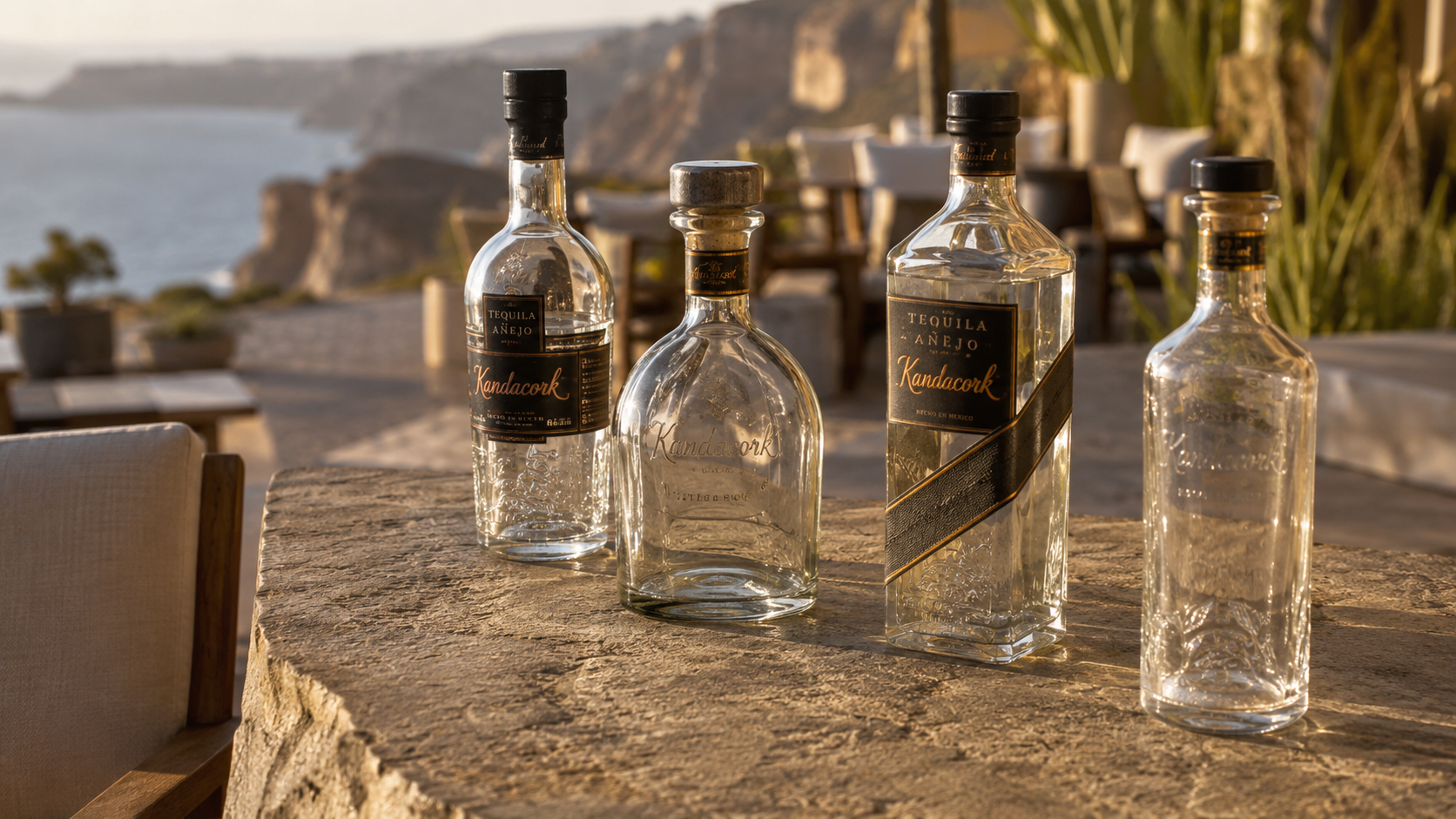
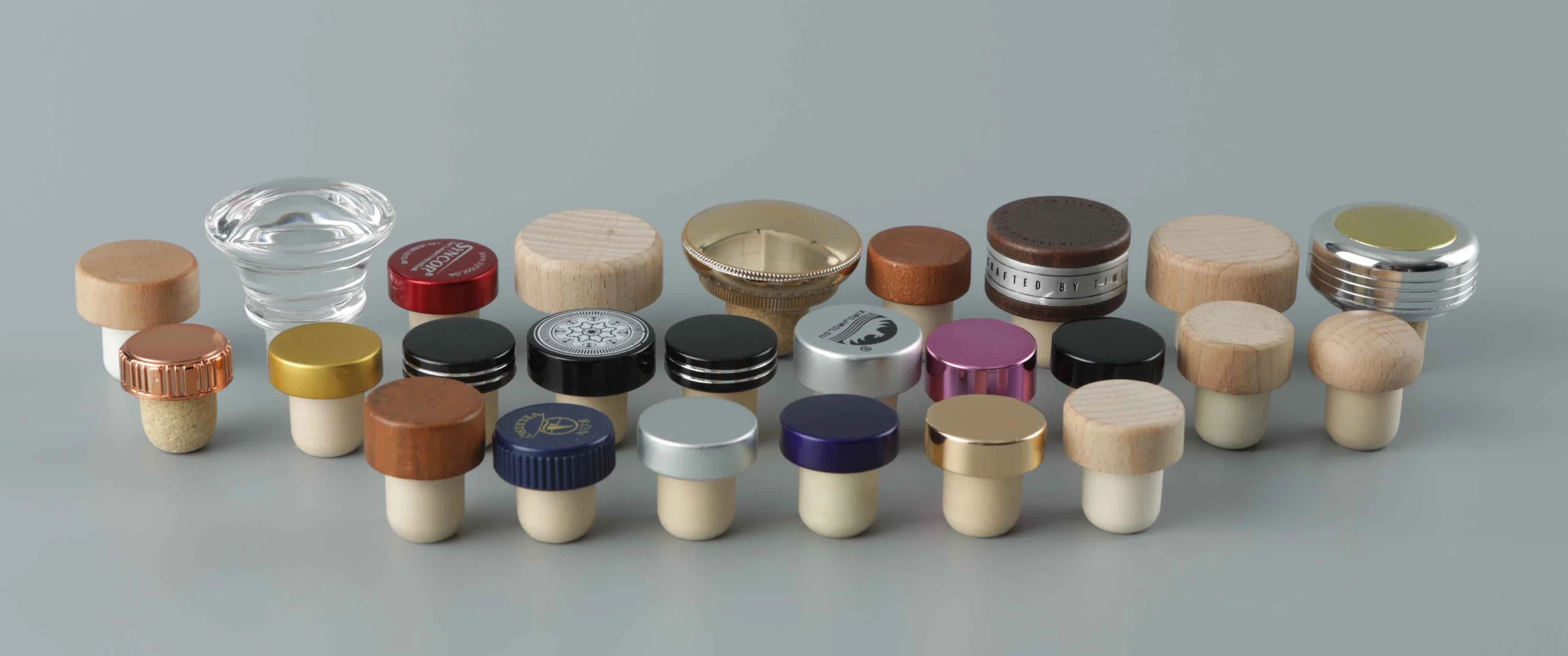
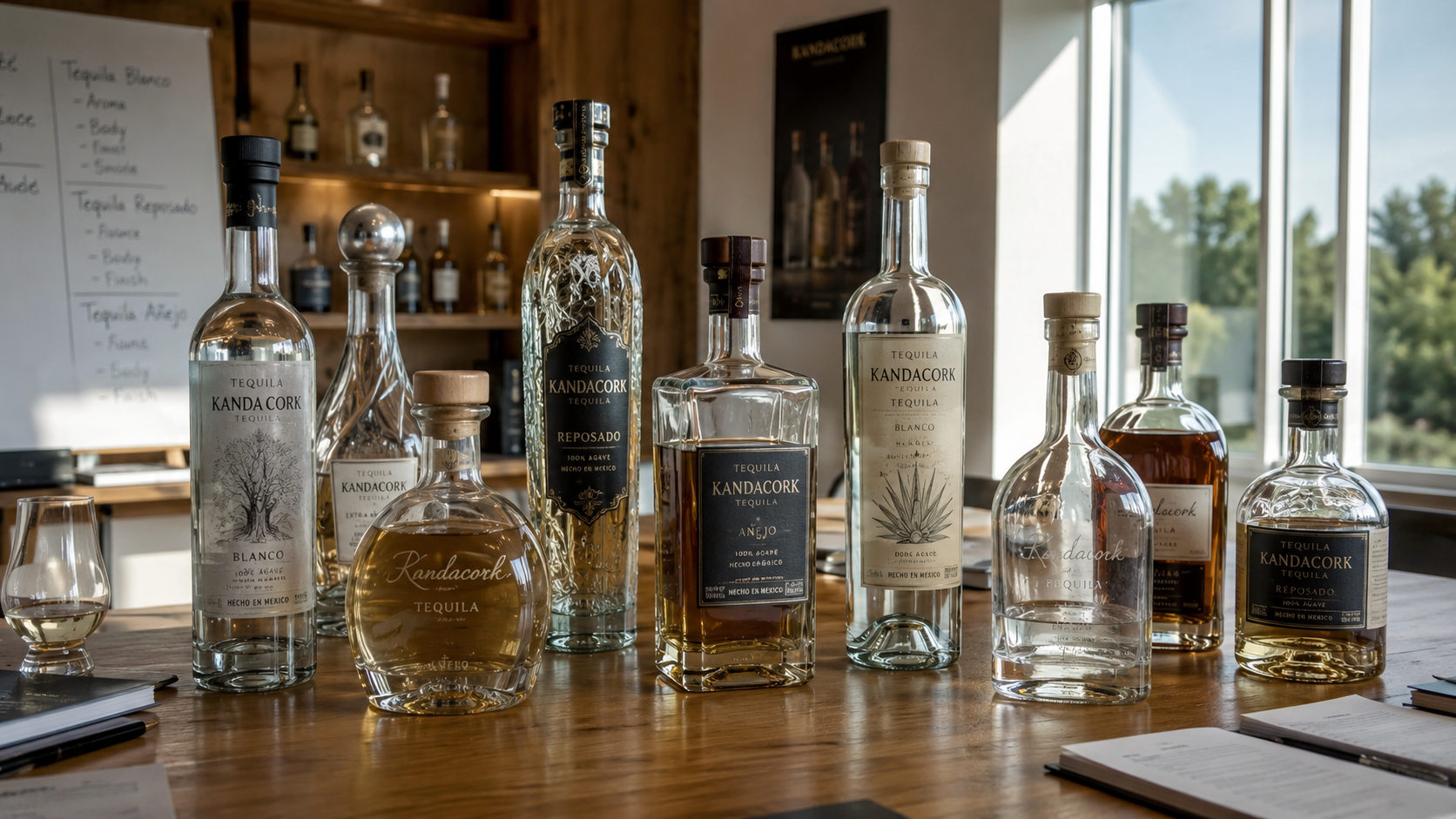
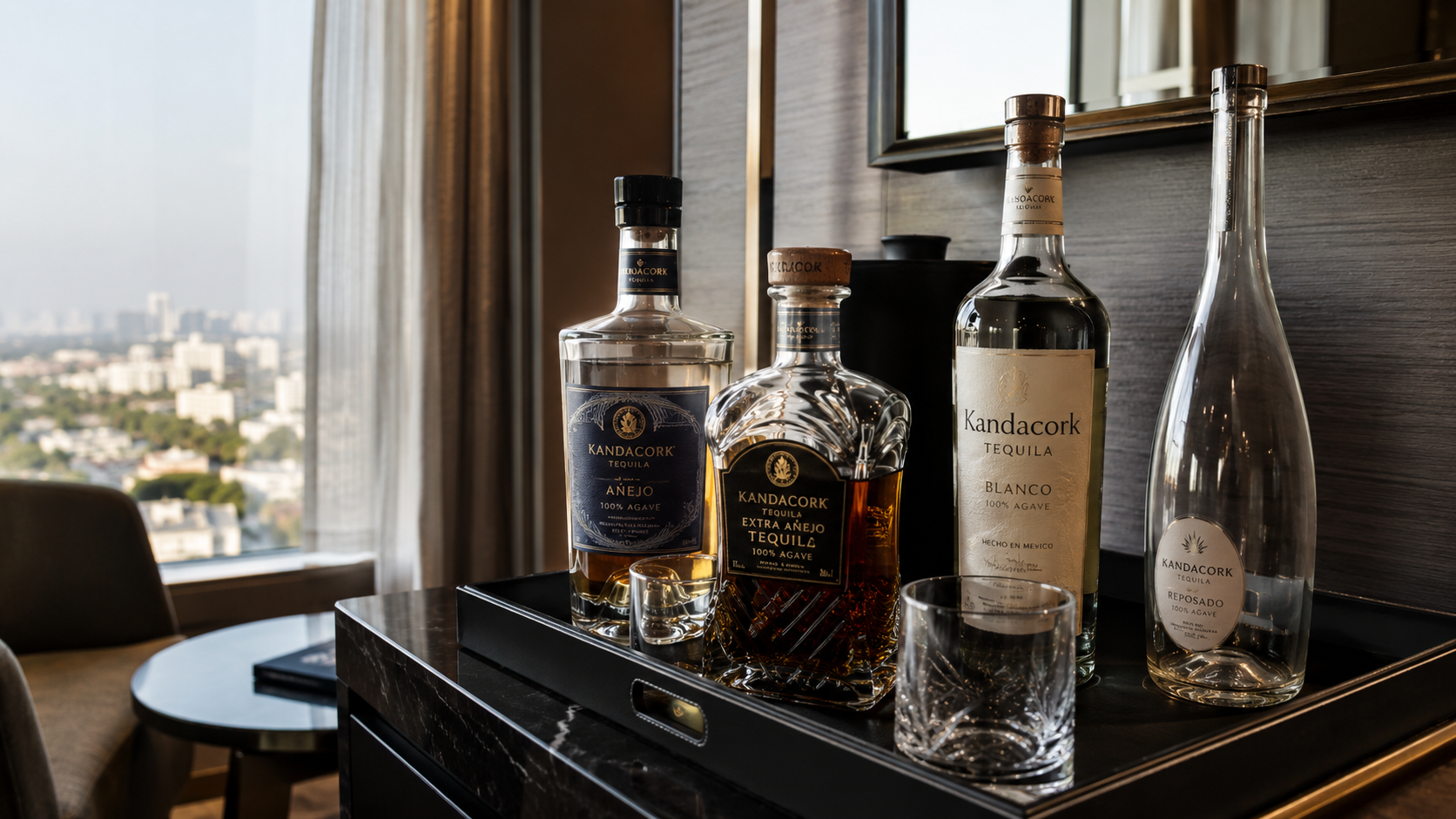
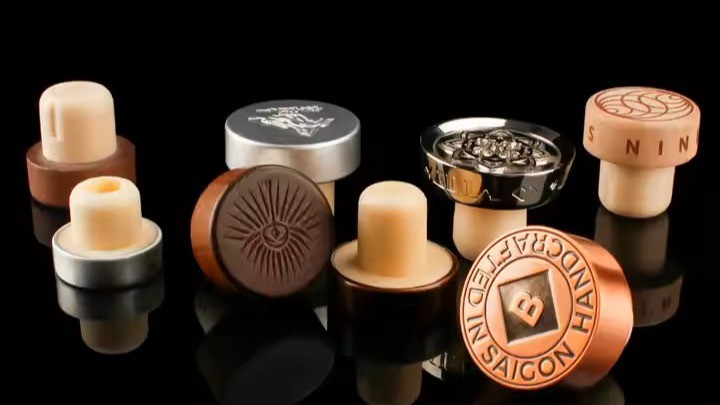
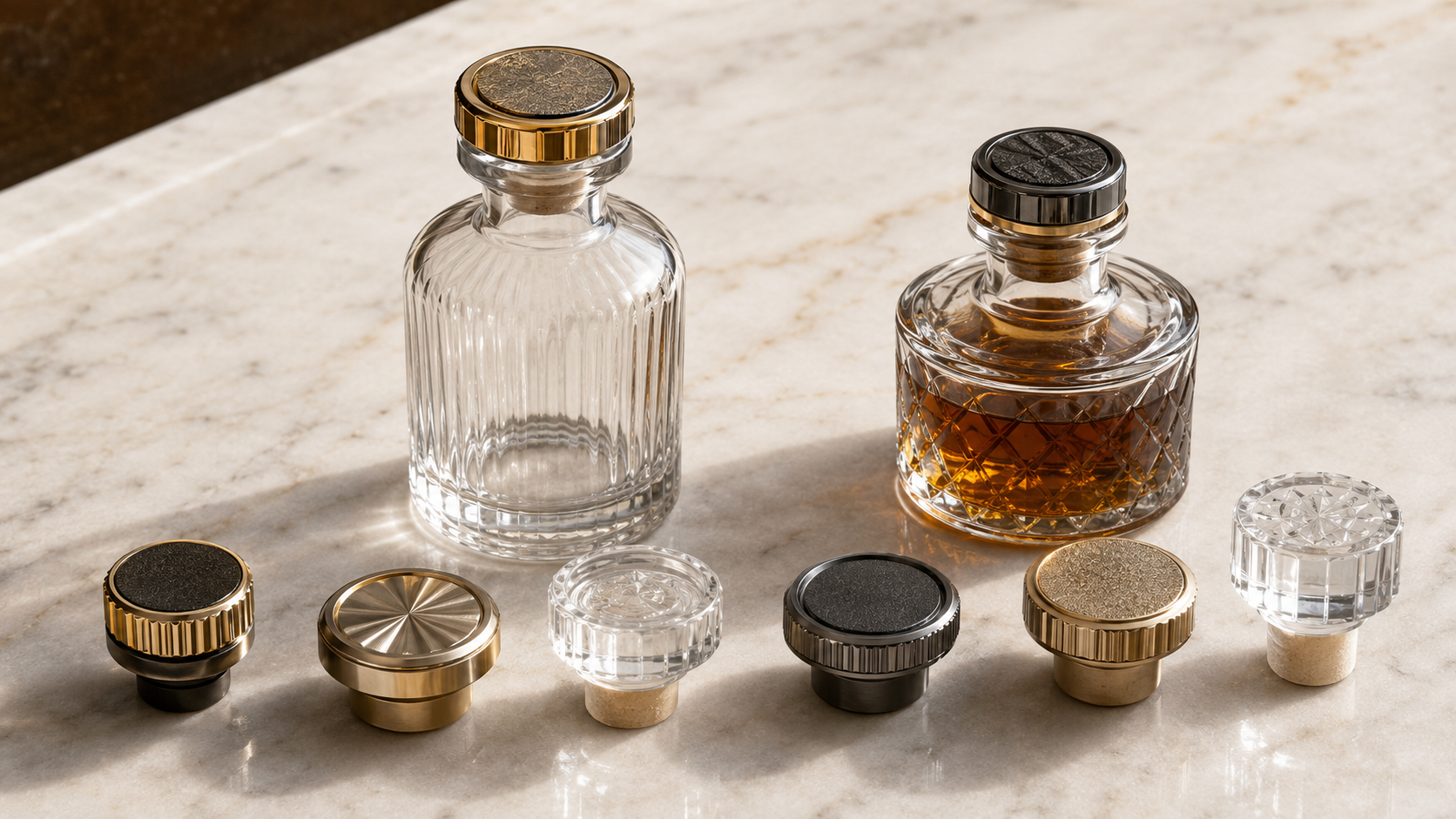
If your project involves bar-top stoppers, screw caps, ROPP aluminum closures, cork stoppers, synthetic stoppers, or custom decorative closures, Kandacork’s range of bottle stoppers and closures can help buyers compare closure formats before sample development.
Before You Request a Quote: 5 Things to Prepare
Before asking a supplier for a final price, buyers should prepare five basic items:
- Bottle drawing or actual bottle sample
- Neck finish, bore ID, or thread information
- Preferred closure type
- Spirits type and ABV
- Sample quantity and expected bulk order quantity
A quote based only on a bottle photo is usually less accurate. A supplier may understand the visual style from a photo, but cannot confirm technical fit, torque, leakage risk, stopper pull force, or production compatibility.
With these details, Kandacork Closures & Stoppers can review closure fit, recommend functional samples, and prepare a more accurate quotation through its custom liquor bottle closure solutions.
Why Closure Matching Documents Matter
A spirits bottle closure is not only a decorative packaging component. It affects sealing performance, leakage prevention, shelf appearance, consumer opening experience, filling-line efficiency, and export readiness.
Many packaging problems happen because buyers select closures based on appearance first. A stopper may look premium, but if the shank does not match the bottle bore, the closure may leak, feel loose, or become difficult to remove. A screw cap may look correct, but if the thread finish, liner, and torque range do not match, sealing performance may fail during production or transport.
Bottle neck finish dimensions are commonly described through measurements such as T, E, I, S, and H. These dimensions help define how the bottle neck, bore opening, thread profile, sealing surface, and closure geometry work together.
Compliance documents may also matter. The U.S. FDA explains that food-contact substances can include food packaging and its components, processing equipment, adhesives, colorants, and substances applied on packaging surfaces. FDA food-contact guidance also separates beverage use conditions by alcohol level, including beverages containing more than 8% alcohol. For European markets, Regulation (EC) No 1935/2004 provides the EU framework for materials and articles intended to come into contact with food.
Because of these technical and regulatory factors, closure matching documents should be prepared before sample development and quotation.
Buyer Document Package for Closure Matching
The table below summarizes the key documents buyers should prepare before contacting a closure supplier.
| Buyer Document | Why It Matters | Used For |
|---|---|---|
| Bottle drawing | Confirms neck finish, bore, diameter, finish height, and tolerance | Technical fit review |
| Physical bottle samples | Validates real production tolerance and bottle variation | Functional sample testing |
| Neck finish data | Confirms bore ID, thread profile, sealing land, or roll-on finish | Closure matching |
| Closure reference | Shows target closure type, top material, shank material, and style | Design selection |
| Spirits type and ABV | Helps evaluate material suitability and contact conditions | Compliance review |
| Filling-line data | Confirms torque, insertion force, capping method, and line speed | Production trial |
| Artwork files | Confirms logo, color, engraving, printing, or decoration feasibility | Custom sample development |
| Target market | Defines documentation, export, and regulatory expectations | Compliance support |
| Order quantity | Affects MOQ, tooling, unit price, and lead time | Quotation |
A bottle drawing is usually the most important starting point. For bar-top stoppers, the supplier needs the bottle bore inner diameter and tolerance. For screw caps, the supplier needs the thread or neck finish code. For ROPP aluminum closures, the supplier needs the roll-on neck finish and capping information.
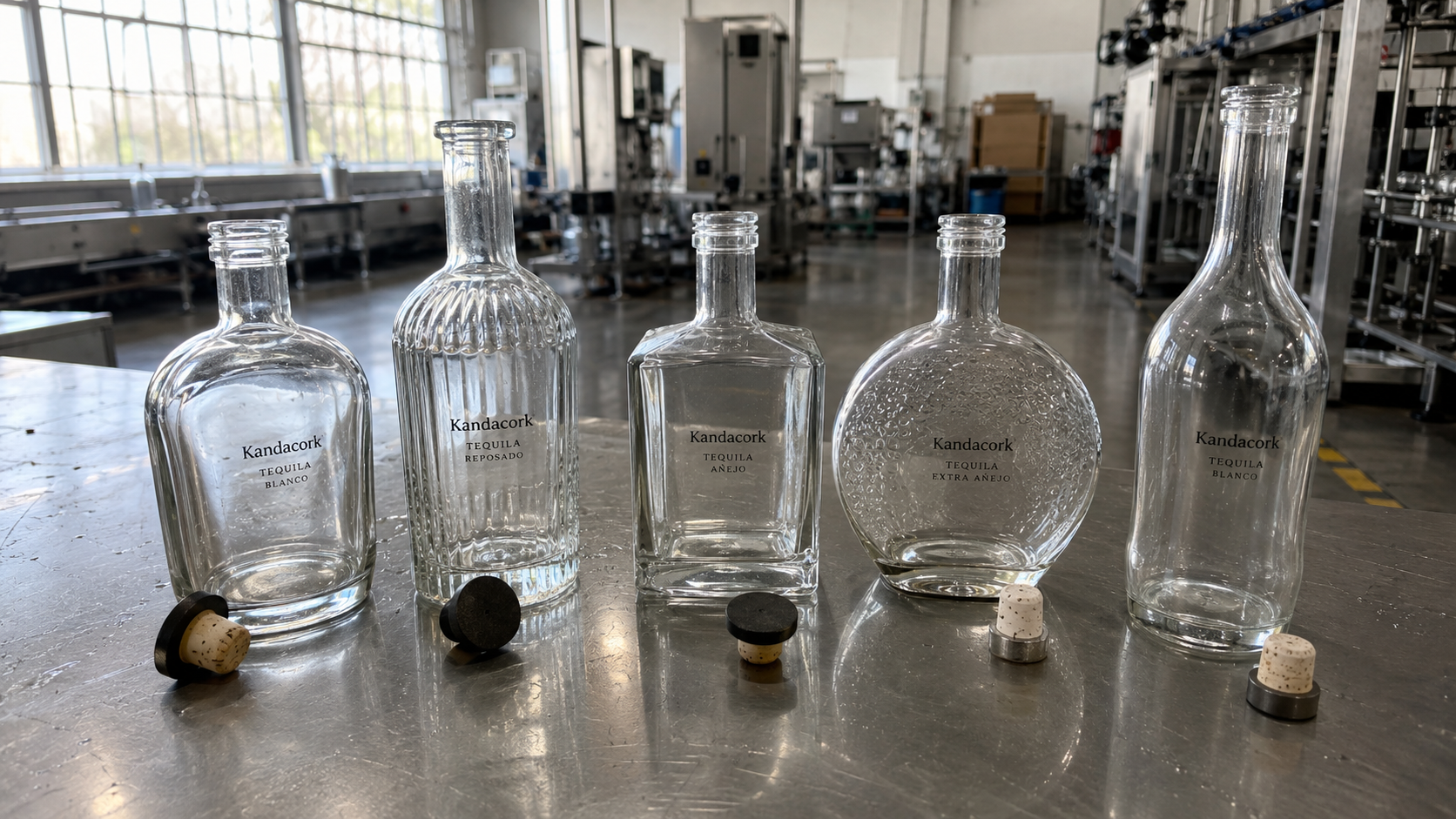
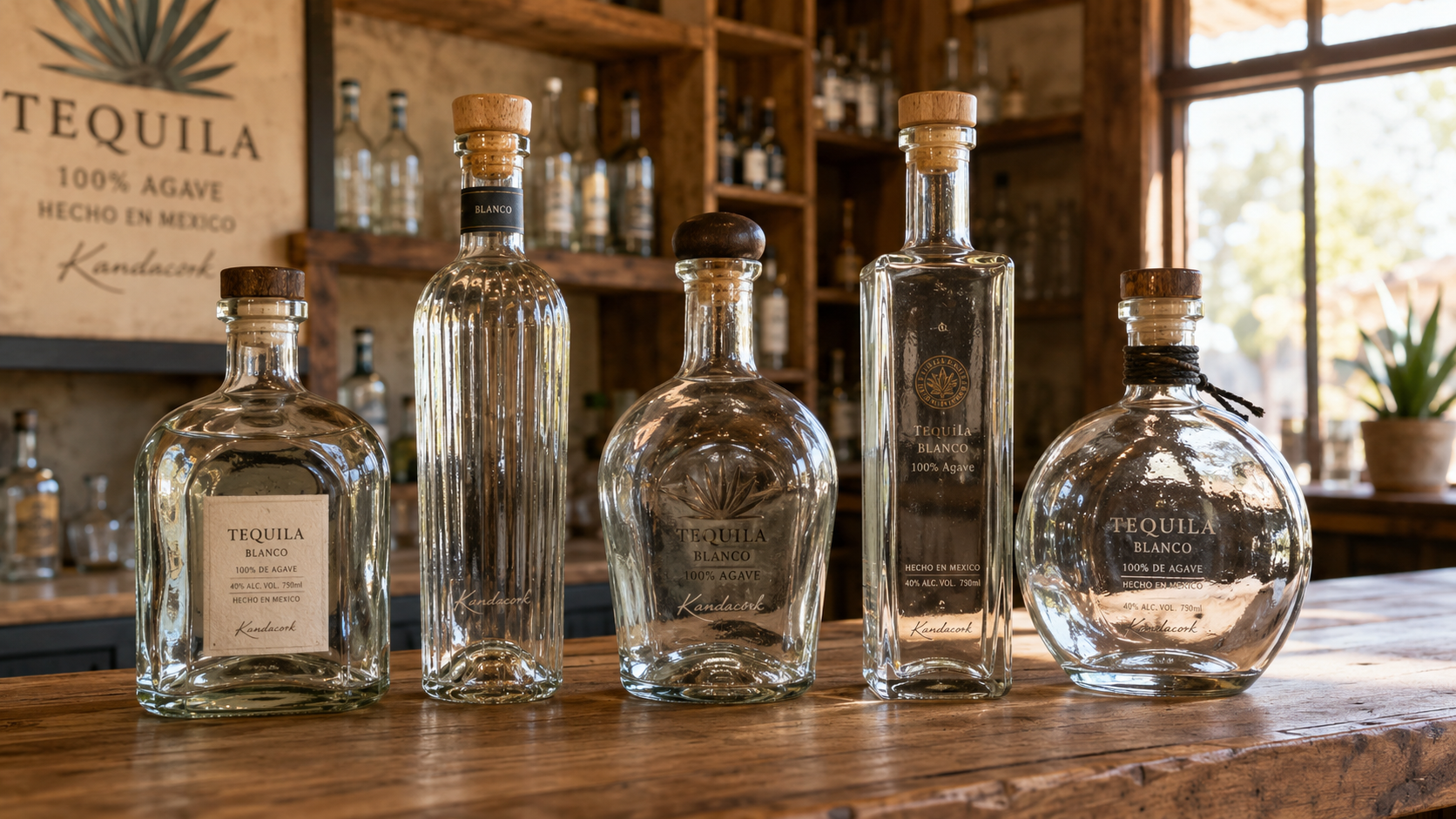
Physical bottle samples are strongly recommended for custom glass bottles, heavy spirits bottles, private mold projects, and premium packaging. Real samples allow the supplier to test insertion depth, pull force, leakage risk, visual proportion, and production consistency.
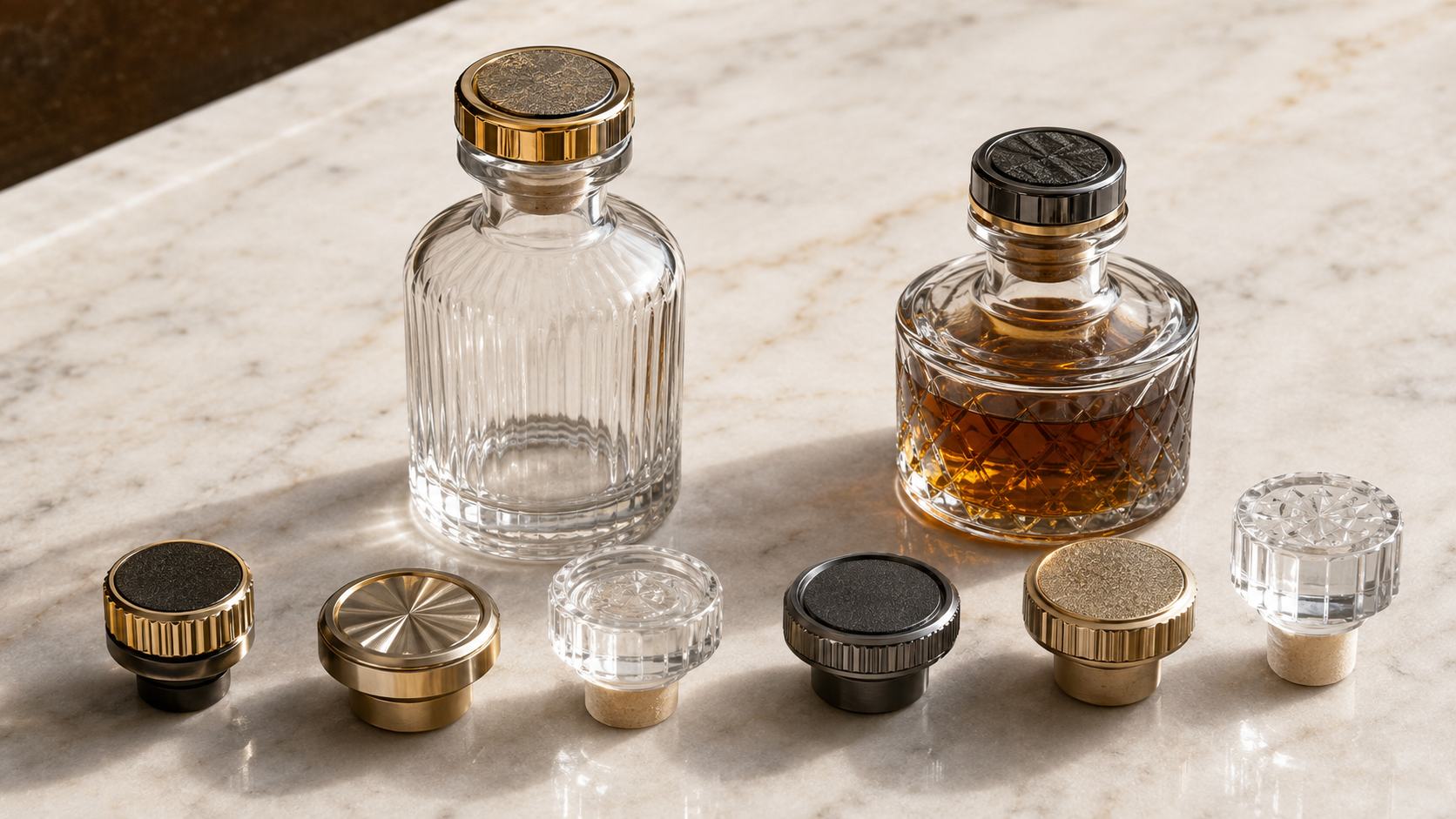
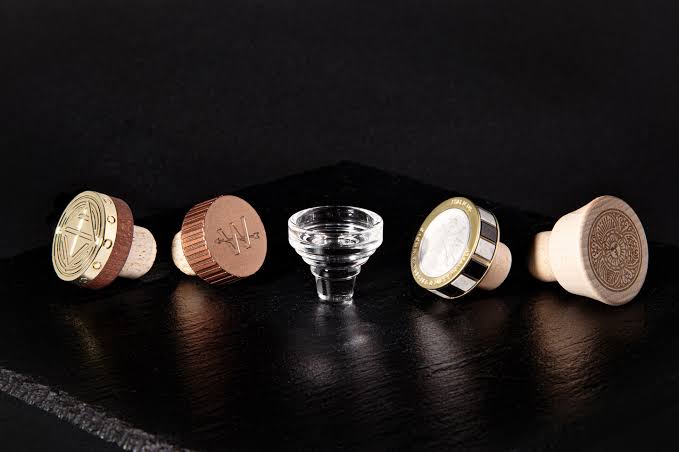
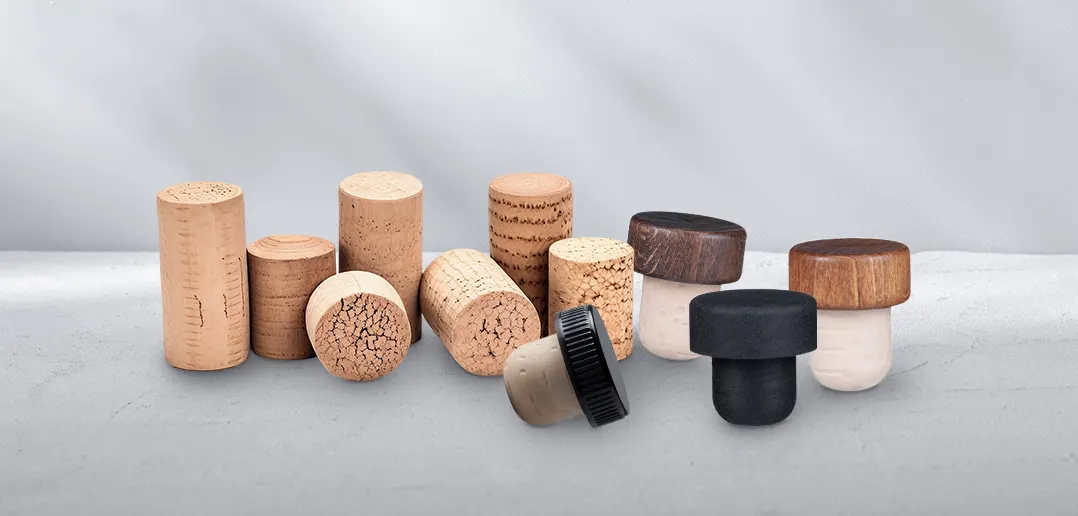
Closure references are also useful. A buyer may send an existing closure, competitor package, sketch, mood board, or material preference. The supplier can then recommend suitable options such as wood-top stoppers, metal-top stoppers, synthetic cork stoppers, natural cork stoppers, screw caps, ROPP aluminum caps, or custom decorative closures. Buyers comparing cap, liner, and seal options can also review this bottle closure selection checklist before preparing an RFQ.
Need a faster sample review? Prepare a Spirits Closure RFQ Checklist with your bottle drawing, neck finish data, target closure type, spirits ABV, sample quantity, and estimated order quantity before contacting Kandacork.
Supplier Documents Buyers Should Request
A professional closure supplier should provide more than a price. Buyers should request technical, material, compliance, and quality documents before confirming bulk production.
| Supplier Document | Purpose |
|---|---|
| Technical Data Sheet | Confirms dimensions, materials, tolerance, and recommended application |
| Product Specification | Freezes the approved production standard after sample approval |
| Material Declaration | Identifies cork, plastic, metal, liner, coating, ink, or adhesive materials |
| Food-contact Declaration | Supports beverage packaging compliance review |
| COA / Inspection Report | Confirms batch-level dimensions, appearance, and quality checks |
| Migration or Compliance Report | Supports stricter export markets or customer documentation requests |
| Artwork Approval Sheet | Prevents decoration errors in logo, color, size, and position |
| Packing Specification | Supports import, warehouse handling, carton planning, and logistics |
The Technical Data Sheet should include key closure dimensions and material information. For bar-top stoppers, it may include shank diameter, shank length, top diameter, top height, and recommended bottle bore range. For screw caps or ROPP aluminum closures, it may include cap diameter, height, liner type, skirt size, and application notes.
The Product Specification becomes the approved production reference. It should define the exact material, color, finish, decoration method, packing method, and quality criteria. This avoids misunderstandings after samples are approved.
Material declarations and food-contact documents are especially important for spirits brands, importers, distributors, and private label buyers. Alcoholic beverages may interact with liners, coatings, adhesives, cork, synthetic materials, or plastic components. Documentation should match the intended product and target market. For U.S. projects, buyers may also review FDA guidance on food packaging and food-contact substances when preparing internal compliance questions.
Closure Matching Requirements by Closure Type
Different closure systems require different matching documents. Buyers should not use one general checklist for every closure type.
| Closure Type | Buyer Must Prepare | Supplier Should Confirm |
|---|---|---|
| Bar-top stopper | Bottle bore ID, bore tolerance, bottle sample, insertion depth, pull-force target, top decoration | Shank diameter, shank length, cork or synthetic material, fit test, leakage evaluation |
| Screw cap | Neck finish code, thread drawing, sealing land, liner requirement, torque range, capping method | Cap drawing, liner specification, application torque, removal torque, thread compatibility |
| ROPP aluminum closure | Roll-on neck finish drawing, bottle sample, cap height target, capping head information, tamper-evident need | ROPP cap specification, liner details, TE band design, rolling setup, inspection plan |
Bar-Top Stoppers
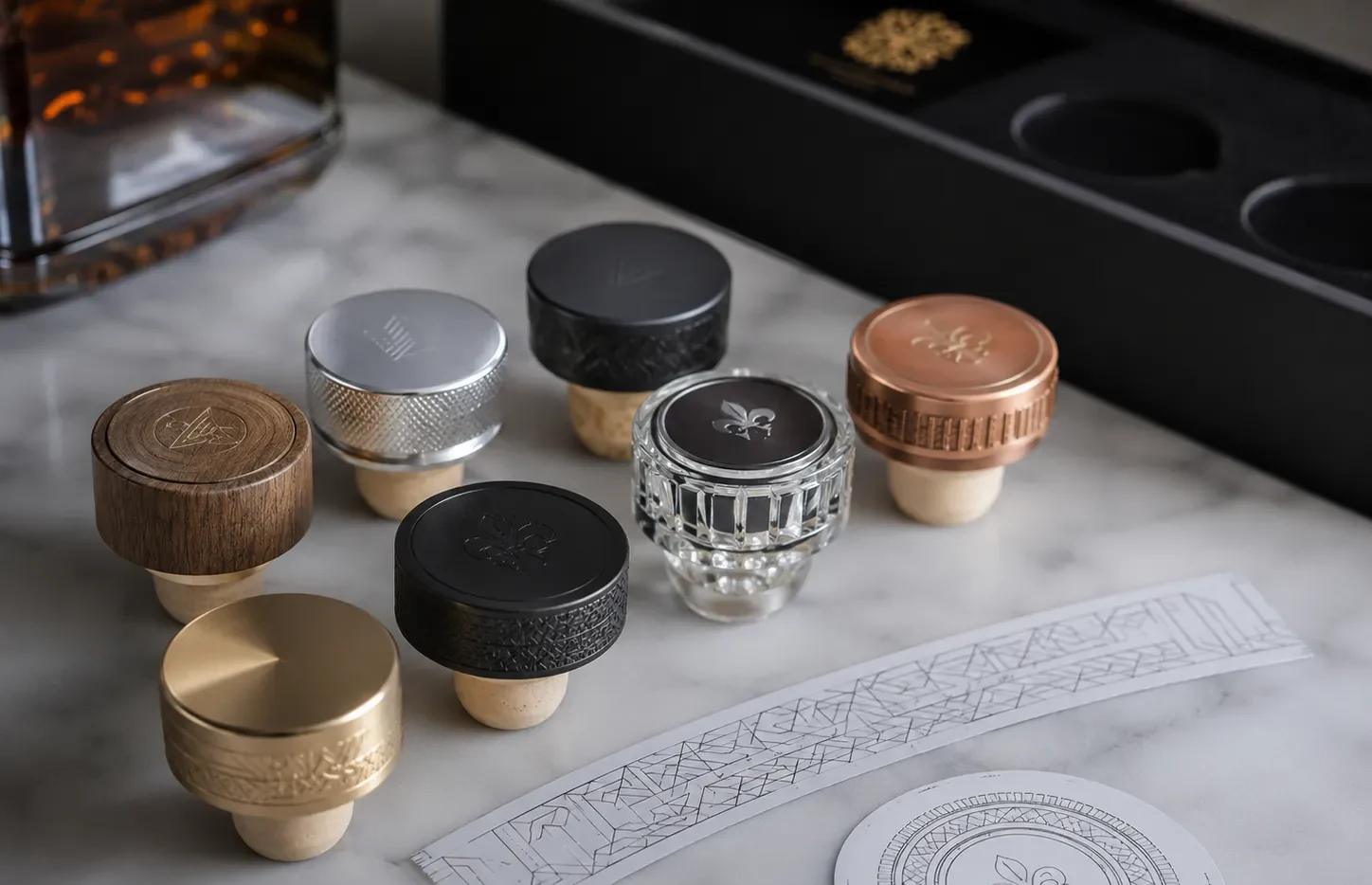
Bar-top stoppers are widely used for whisky, gin, rum, tequila, brandy, and premium liqueurs. They combine a decorative top with a cork, synthetic cork, or polymer shank.
The visible top supports brand positioning, but the shank determines the functional fit. Buyers should provide bottle bore dimensions, actual bottle samples, desired pull force, and target insertion depth. The supplier should test whether the stopper seals properly without being too loose or too tight.
Screw Caps
Screw caps are often used for spirits, liqueurs, mini bottles, and private label packaging. They can support efficient filling and consistent application when the neck finish and torque range are correct.
Buyers should provide the neck finish code, thread drawing, sealing surface information, liner requirement, and capping equipment details. The supplier should confirm cap dimensions, liner compatibility, application torque, and removal torque.
ROPP Aluminum Closures
ROPP aluminum closures are common for spirits products that require secure sealing, tamper evidence, and reliable high-volume bottling.
Buyers should prepare the roll-on neck finish drawing, bottle samples, capping head information, line speed, cap height target, and tamper-evident band requirements. The supplier should confirm the cap specification, liner material, rolling setup, and quality inspection plan.
ROPP aluminum closure matching depends on both the bottle finish and the capping machine. A suitable cap may still fail if the rolling setup is incorrect. Buyers comparing closure systems can use Kandacork’s guide to bar-top stoppers, screw caps, and ROPP closures for spirits to narrow options before sample review.
Example: Why a Bottle Photo Is Not Enough
A whisky brand using a heavy glass bottle may request a wood-top bar stopper based on appearance. Before sampling, the supplier should review the bottle bore ID, bore tolerance, stopper shank diameter, target pull force, filling method, and ABV.
If the buyer sends only a bottle photo, the first sample may look correct but fail during insertion or leakage testing. A complete closure matching package reduces this risk before decorated samples are produced.
This is why Kandacork Closures & Stoppers recommends reviewing technical fit before moving into final decoration, artwork approval, and bulk production.
How to Evaluate a Closure Supplier
Buyers should evaluate whether the supplier can support technical matching, documentation, sampling, and production control.
| Evaluation Area | Strong Supplier Response | Warning Sign |
|---|---|---|
| Technical review | Requests drawings, samples, and product details | Quotes from bottle photos only |
| Fit testing | Provides sample testing and fit feedback | Says one standard size fits all bottles |
| Documentation | Provides TDS, specification, material, and compliance files | Sends vague or unrelated documents |
| Customization | Explains materials, decoration, tooling, MOQ, and lead time | Only discusses unit price |
| Quality control | Shares inspection points and approval process | No batch inspection plan |
| RFQ support | Gives sample steps before bulk production | Pushes immediate bulk order |
A reliable closure supplier should act as a technical partner, not only a product seller. This is especially important for premium spirits brands, custom bottle projects, export packaging, and multi-SKU private label programs.
Sample-to-Quotation Workflow
A clear workflow helps buyers avoid delays and wrong samples.
Step 1: Submit the Buyer Document Package
The buyer sends the bottle drawing, neck finish data, bottle samples, closure reference, spirits type, ABV, target market, branding files, and estimated order quantity.
Step 2: Complete Technical Review
The supplier checks bottle compatibility, closure type, shank or liner material, decoration feasibility, filling-line requirements, and documentation needs.
Step 3: Develop Functional Samples
Functional samples should be tested before final decorated samples. Buyers should confirm fit, leakage performance, insertion force, pull force, torque, and visual proportion.
Step 4: Test Under Real Conditions
Samples should be tested with the actual bottle, actual filling method, and realistic storage or shipping conditions. Bottlers may also test line speed, reject rate, capping consistency, and opening experience.
Step 5: Approve Final Specification
After testing, the buyer and supplier should confirm final dimensions, materials, color, decoration, packing method, quality criteria, and documentation requirements.
Step 6: Request Final Quotation
Once the specification is clear, the supplier can provide a more accurate quotation, including MOQ, tooling cost, sample cost, lead time, packing details, and production schedule.
For projects where the bottle, closure, decoration, and export packing need to be coordinated together, buyers can also explore custom spirits bottle packaging support through Kandacork’s spirits packaging division.
Common Closure Matching Mistakes
The first mistake is requesting a quotation with only a bottle photo. A photo can show appearance, but it cannot confirm technical fit.
The second mistake is choosing the top design before confirming sealing performance. A luxury stopper is only useful if it seals correctly and works with the bottle.
The third mistake is ignoring the filling line. A closure that works by hand may not run properly on automatic equipment.
The fourth mistake is approving a decorated sample before functional testing. Buyers should confirm fit, leakage, torque, and pull force first.
The fifth mistake is asking for compliance documents too late. Food-contact declarations, material information, inspection reports, and export documentation should be discussed before mass production.
What to Send Kandacork for Faster Support
To receive a faster and more accurate recommendation, buyers can send Kandacork Closures & Stoppers the following information:
- Bottle drawing or neck finish drawing
- Bottle samples or clear bottle photos
- Bottle bore ID, thread finish, or roll-on finish information
- Preferred closure type
- Top material and decoration requirement
- Cork, synthetic cork, liner, or cap requirement
- Spirits category and ABV
- Target market
- Sample quantity
- Estimated bulk order quantity
- Launch schedule
- Required supplier documents
Kandacork Closures & Stoppers supports spirits bottle closure matching across bar-top stoppers, cork stoppers, screw caps, ROPP aluminum closures, decorative tops, sample review, and export quotation projects.
Send your bottle drawing, neck finish information, target closure style, spirits type, ABV, and expected order quantity through the custom closure quote page for closure matching, sample planning, and quotation support.
FAQ
What are closure matching documents?
Closure matching documents are the technical, commercial, and compliance files buyers prepare so a supplier can match the correct closure to a bottle. They usually include bottle drawings, neck finish details, bottle samples, closure references, liquid information, filling-line notes, branding files, and order requirements.
What is the most important document for closure matching?
The bottle or neck finish drawing is usually the most important document. For bar-top stoppers, the bottle bore inner diameter is critical. For screw caps and ROPP aluminum closures, the thread or roll-on finish drawing is essential.
Can a supplier match a spirits closure from photos?
Photos can help suppliers understand style, shape, and decoration direction, but they are not enough for reliable closure matching. A supplier also needs dimensions, neck finish information, physical samples, and production details to confirm fit.
What documents should a closure supplier provide?
A closure supplier should provide a Technical Data Sheet, Product Specification, Material Declaration, Food-contact Declaration, COA or Inspection Report, and compliance documents when required by the target market.
When should buyers request a final quotation?
Buyers should request a final quotation after the supplier has reviewed the bottle, closure type, material, decoration, target market, sample requirements, and estimated order quantity. A quote based only on photos is usually less accurate.