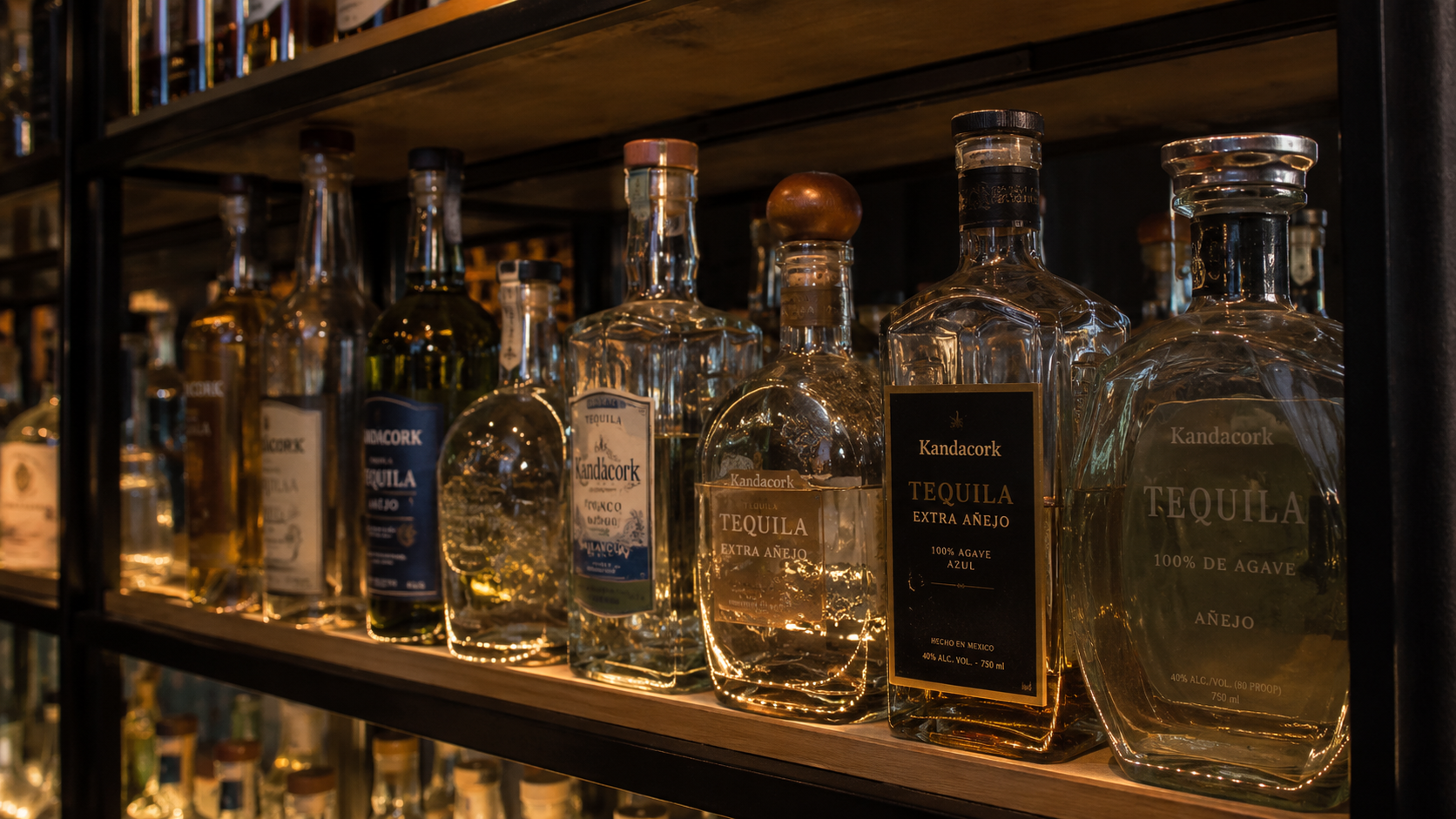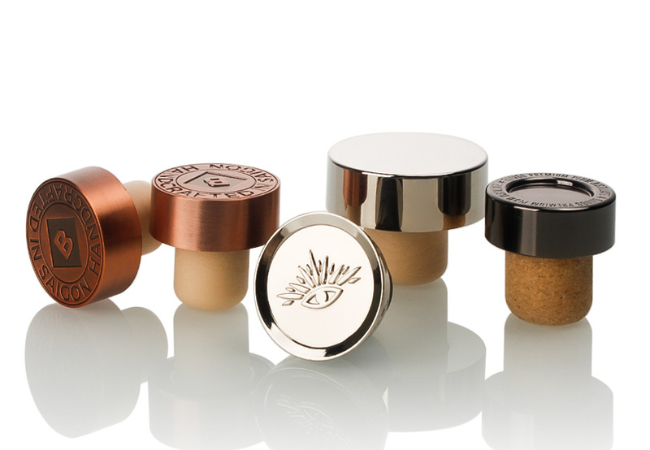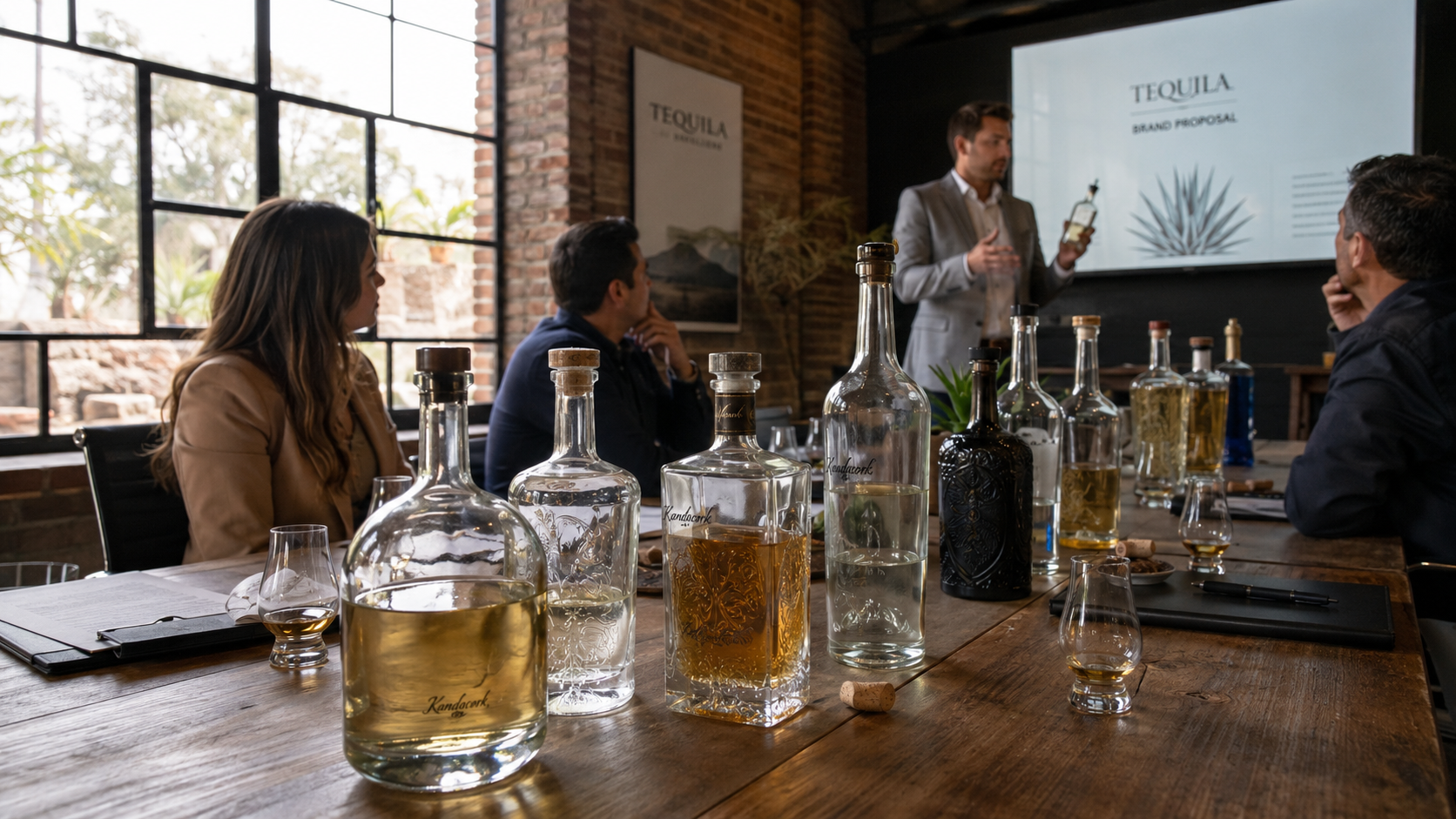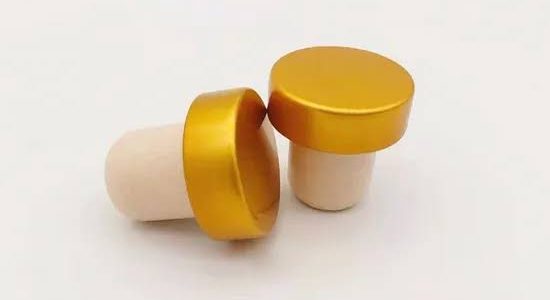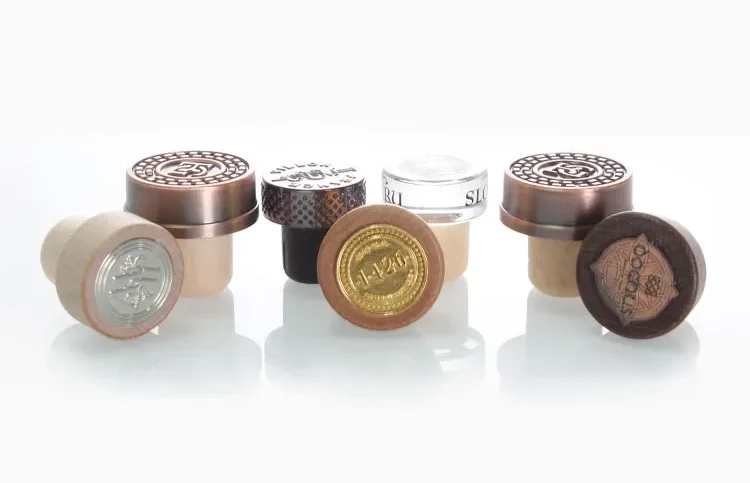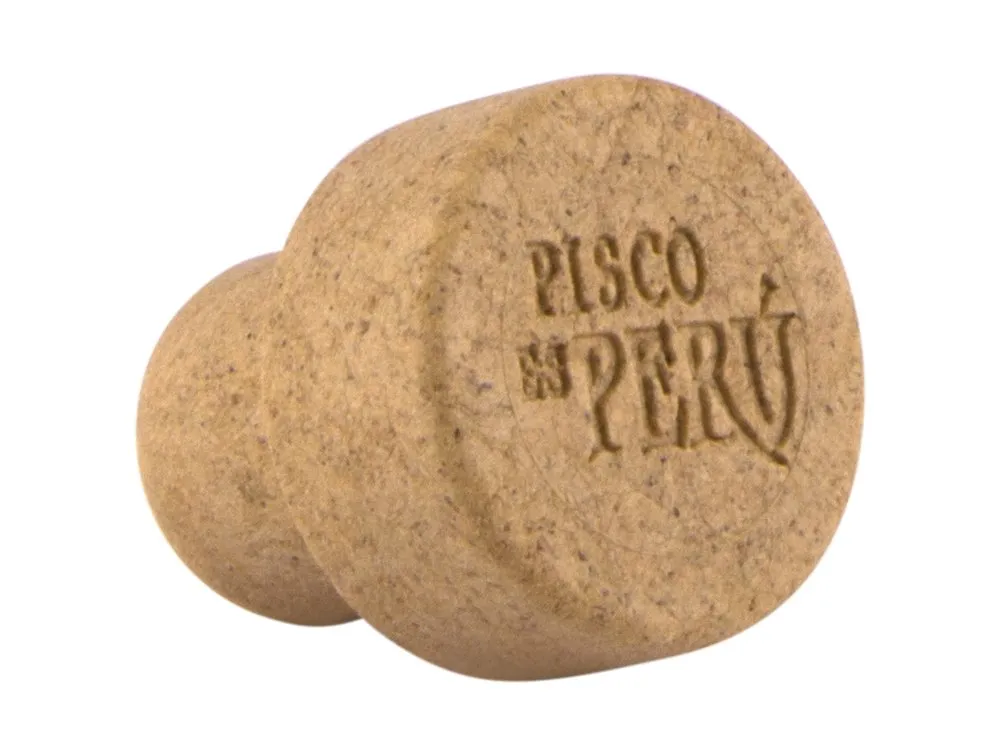
The best bar-top stopper logo options for premium spirits include laser engraving for wood, embossing or debossing for metal and zamak, hot foil stamping for decorative contrast, pad or screen printing for practical branding, and medallion inserts for luxury packaging. Buyers should choose based on stopper material, bottle neck fit, MOQ, tooling, surface durability, and sample approval.
A bar-top stopper is more than a bottle closure. For spirits packaging, it is a visible brand detail, a tactile quality signal, and part of the opening experience. When customers pick up a bottle of whisky, rum, gin, vodka, tequila, brandy, cognac, or liqueur, the stopper helps shape their first impression before the product is poured.
For spirits brands, distilleries, private label buyers, importers, distributors, bottlers, and packaging buyers, choosing the right bar-top stopper logo options requires more than selecting a decorative finish. The decision affects shelf appeal, bottle neck fit, opening feel, sample approval, MOQ, tooling cost, production consistency, and quotation accuracy.
Kandacork Closures supports custom spirits bottle closures and stoppers for brands that need both reliable closure performance and brand-specific decoration. This guide explains how to compare logo methods, match materials with spirits categories, evaluate technical requirements, and prepare a clear sample or quotation request.
Best Bar-Top Stopper Logo Options at a Glance
The best bar-top stopper logo options depend on stopper material, logo detail, target price point, order quantity, and the visual effect the brand wants to create.
| Stopper Type | Best Logo Options | Best For |
|---|---|---|
| Wooden stopper | Laser engraving, hot foil, side printing | Whisky, rum, gin, craft spirits |
| Metal / zamak stopper | Embossing, debossing, medallion insert | Tequila, whisky, rum, cognac |
| Aluminum stopper | Printing, engraving, brushing, matte finish | Gin, vodka, liqueur |
| Plastic / synthetic stopper | Molded logo, pad printing, hot stamping | Private label, high-volume spirits |
| Glass / crystal stopper | Etching, frosting, metallic insert | Vodka, gin, gift packaging |
For high-end bottle closure projects, the strongest result usually comes from matching the logo method with the bottle shape, label design, stopper material, and brand positioning.
What Is a Bar-Top Stopper?
A bar-top stopper, also called a T-top stopper, T-bar closure, liquor bottle stopper, or capsulated cork closure, usually has two main parts.
The visible top is the head or cap. It may be made from wood, aluminum, plastic, zamak, glass, ceramic, resin, or mixed materials. This part carries the brand identity and is the main area for logo decoration.
The lower part is the shank or leg. It is inserted into the bottle neck and may use natural cork, micro-agglomerated cork, synthetic material, or a technical composite structure. The shank affects sealing confidence, insertion depth, pull-out force, and reclosure feel.
A successful custom stopper must balance both appearance and function. A well-decorated stopper will not perform well if it is too loose, too tight, poorly aligned, or unsuitable for the bottle neck. Buyers comparing stopper structures can also review Kandacork’s bar-top closure project checklist before starting sample development.
Why Stopper Logo Design Matters for Spirits Brands
Spirits packaging is judged through details. Bottle weight, glass color, label texture, closure design, capsule finish, gift box structure, and tactile interaction all influence perceived value.
A custom stopper logo can improve shelf recognition in retail, duty-free, hospitality, and back-bar environments. It can also strengthen brand memory because consumers touch the stopper every time they open and close the bottle.
For private label spirits, a branded stopper helps the product look more developed and less generic. For established brands, the right stopper logo can support a more complete product ritual and a more consistent retail presentation.
Bar-top stopper logo options should therefore be considered early in packaging development, not added at the final stage as a simple decoration detail.
Main Logo Placement Options
Top Logo
A top logo is one of the most common options for spirits bottle stoppers. It works well for crests, icons, monograms, initials, brand seals, and short wordmarks.
Top logos are highly visible when the bottle is viewed from above, placed on a bar counter, displayed in a gift box, or photographed for e-commerce. For best results, the artwork should be simplified for the available surface area.
Side Logo
A side logo places the brand name, product line, batch message, flavor code, or decorative mark around the side of the stopper head.
This option improves front-facing visibility when the bottle is displayed on shelf. Side printing, side engraving, or side embossing can work well for gin, vodka, rum, liqueur, and private label spirits. For projects where the sidewall becomes a visible grip and branding area, buyers can compare sidewall design options for spirits closures before choosing the final logo placement.
Full-Head Branding
Full-head branding combines logo, color, texture, shape, material, and surface finish into one integrated closure design.
This may include a custom head color, matte or gloss coating, laser engraving, top logo, side text, metallic foil, embossed detail, or decorative insert. It is suitable for luxury spirits, gift editions, and collectible releases.
Medallion or Insert Logo
A medallion or insert logo uses a separate decorative element, often made from metal, resin, plastic, or another high-value material.
This option adds depth, weight, and collectible appeal. It is especially suitable for whisky, tequila, rum, cognac, brandy, and limited-edition spirits packaging.
Top Logo vs Side Logo Comparison
| Logo Position | Best Use | Advantage | Watch Out |
|---|---|---|---|
| Top logo | Crest, icon, seal, initials | Strong brand cue; visible in gift box or from above | Surface area may be limited |
| Side logo | Brand name, product line, flavor code | Better front-facing shelf visibility | Needs accurate alignment |
| Top + side logo | Premium ranges, gift editions, limited releases | Stronger brand recall and richer presentation | Higher decoration cost |
| Medallion insert | Luxury and collectible spirits | Dimensional, tactile, high-value effect | Needs assembly and scratch testing |
For many spirits projects, a top logo works best for symbolic branding, while a side logo works best for text visibility. Combining both can create a stronger identity, but it should be tested for cost, alignment, and production consistency.
Logo Decoration Methods for Bar-Top Stoppers
Laser Engraving
Laser engraving is one of the strongest options for wooden bar-top stoppers. It creates a permanent mark by removing or darkening the surface layer.
This method gives a natural, tactile, craft-oriented appearance. It works well for whisky, rum, gin, brandy, and small-batch spirits. Laser engraving is best for simple logos, initials, batch marks, crests, and symbols.
The main limitation is contrast. On darker wood or stained surfaces, the engraved logo may appear subtle, so physical sample approval is important.
Embossed Logo
Embossing creates a raised logo. It gives the stopper a tactile brand detail and makes the mark part of the physical closure structure.
This method is suitable for metal, zamak, plastic, and custom molded stopper heads. It is often used for whisky, tequila, rum, cognac, and collectible spirits packaging.
Embossing may require tooling, especially when the logo is molded or formed into the part. Buyers should confirm MOQ, mold cost, lead time, and repeat-order consistency before production.
Debossed Logo
Debossing creates a recessed logo. It is more understated than embossing and works well for minimalist spirits brands.
A debossed mark can look refined on metal, zamak, plastic, or molded composite heads. It is suitable for dark finishes, matte surfaces, antique effects, and packaging that avoids excessive shine.
The logo should have enough line width and spacing to remain clear after production.
Hot Foil Stamping
Hot foil stamping applies metallic or colored foil to the stopper surface. Gold, silver, copper, black, and custom foil colors are common choices.
This method creates strong contrast and is useful for gift packaging, holiday editions, gin, liqueur, whisky, and private label spirits.
Foil stamping should be tested for adhesion, edge sharpness, rubbing resistance, and color consistency. It may not be suitable for every curved or textured surface.
Screen Printing
Screen printing is suitable for flat or slightly curved stopper surfaces. It can reproduce brand names, icons, and simple graphics with clean color.
This method works on plastic, coated wood, aluminum, and selected metal heads. It is useful for modern gin, vodka, liqueur, and private label projects that require clear visual branding.
Buyers should check ink adhesion, color tolerance, and abrasion resistance during sample approval.
Pad Printing
Pad printing is useful for curved, small, or irregular stopper surfaces. It transfers ink with a flexible pad, making it suitable for side logos and compact head shapes.
This method can be used for brand names, flavor marks, batch details, and small decorative icons. The key checks are logo registration, ink opacity, surface adhesion, and consistency across bulk production.
Molded Logo
A molded logo is built directly into the stopper head. It can be raised, recessed, or integrated into the shape of the closure.
This is a strong option for long-term brand programs and high-volume private label projects. Once tooling is approved, repeat orders can maintain consistent logo position, depth, and appearance.
The trade-off is higher upfront tooling cost and longer development time.
Metal Medallion or Decorative Insert
A metal medallion, resin badge, or decorative insert adds a dimensional detail to the stopper.
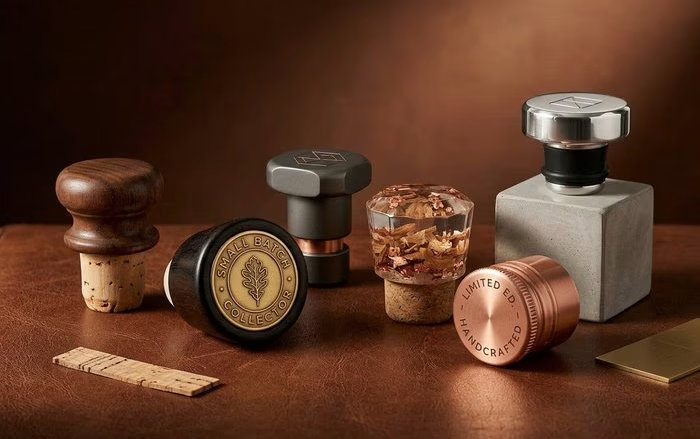
This option is often used for luxury whisky, tequila, rum, cognac, and special-edition packaging. It can combine plating, embossing, color fill, antique finishing, and polished effects.
Buyers should check insert adhesion, scratch resistance, assembly tolerance, and export packing protection.
Best Logo Options by Material and Spirit Category
| Material | Best Logo Options | Suitable Spirits | Buyer Note |
|---|---|---|---|
| Wood | Laser engraving, hot foil, side printing | Whisky, rum, gin, brandy | Best for natural, craft, and heritage positioning |
| Metal / zamak | Embossing, debossing, medallion insert | Tequila, whisky, rum, cognac | Best for heavy hand feel and collectible packaging |
| Aluminum | Printing, engraving, brushing, matte coating | Gin, vodka, liqueur | Best for clean, modern, minimalist branding |
| Plastic / synthetic | Molded logo, pad printing, hot stamping | Private label, liqueur, volume spirits | Best for cost-controlled and repeatable production |
| Glass / crystal | Etching, frosting, metallic insert | Vodka, gin, gift packaging | Best for clarity, shine, and decorative value |
Wooden stoppers are suitable when a brand wants warmth, craft identity, or natural texture. Metal and zamak stoppers are stronger choices when the packaging needs weight, depth, and shelf-facing impact. Aluminum works well for spirits brands that prefer a clean and precise visual system.
Plastic and synthetic stoppers can support high-volume programs when cost control and color consistency matter. Glass or crystal-style stoppers are useful for brands that want transparency, reflection, and decorative value.
For wood-led concepts, buyers may compare wooden bar-top stopper wood types before selecting engraving depth, stain color, grain style, and stopper head shape.
Standard, Semi-Custom, or Fully Custom Stopper?
Not every project needs a fully custom stopper. Buyers should match the customization level with the launch stage, budget, order quantity, and brand positioning.
| Customization Level | Best For | Cost / Lead Time | Buyer Note |
|---|---|---|---|
| Standard stopper + logo | Small batches, test markets, private label launch projects | Lower cost, faster lead time | Suitable for laser engraving, printing, hot foil, or simple side logo |
| Semi-custom stopper | Medium orders, product line upgrades, color or finish changes | Medium cost, medium lead time | Can adjust head color, finish, logo placement, or material combination |
| Fully custom stopper | Long-term brand programs, luxury ranges, high-volume launches | Higher cost, longer lead time | Suitable for custom mold, sculpted head, medallion, or exclusive closure design |
A standard stopper with a well-executed logo can be a smart choice for early-stage spirits brands or limited runs. A fully custom stopper is more suitable when the brand expects repeat production, higher order quantity, and stronger packaging exclusivity.
How Logo Decoration Affects Technical Performance
Logo decoration can influence more than appearance. It can affect stopper weight, grip feel, assembly consistency, surface durability, and packing protection.
A metal medallion can improve high-end hand feel, but it also adds assembly requirements. The insert must remain secure during packing, transport, retail handling, and repeated consumer use.
Embossing and debossing can create strong tactile branding, but the logo must have enough line width, spacing, and depth. Very fine artwork may lose detail during production.
Hot foil and printed logos need adhesion testing. The surface should resist rubbing, scratching, and packing friction.
Laser engraving on wood needs contrast testing because wood grain and color variation can affect the final appearance.
For limited-edition or high-value spirits, some brands may also combine stopper branding with QR codes, NFC tags, tamper-evident elements, or authentication features. These options are not required for every project, but they can support traceability, anti-counterfeit protection, and consumer engagement in export or collectible markets.
The logo position should also support handling. A raised logo or sharp insert should not make the stopper uncomfortable to grip or pull.
Technical Requirements Before Sampling
Before approving a custom stopper logo, buyers should confirm both decoration quality and closure performance.
Key technical checks include bottle neck inner diameter, neck finish, insertion depth, shank diameter, shank material, and expected pull-out force. A stopper that is too loose may affect sealing confidence, while a stopper that is too tight may create difficult opening or filling-line issues.
Surface compatibility is also important. Ink needs adhesion. Foil needs suitable coating and pressure control. Engraving needs visible contrast. Embossing needs material structure and tooling precision.
Decorated stoppers are handled during production, filling, packing, export shipping, retail display, and consumer use. The logo surface should resist normal rubbing, scratches, dust, and friction. For long-distance export, protective packing may include trays, bags, dividers, or layered cartons.
For closure components that may contact the bottle mouth or product, buyers should request relevant food-contact documentation. In the United States, FDA food-contact substance guidance can help buyers understand material safety expectations. For EU markets, food-contact materials should align with applicable European food-contact material requirements. Packaging durability and transport testing can also be discussed with suppliers when products are shipped internationally.
MOQ, Tooling, and Lead Time Considerations
Different bar-top stopper logo options have different commercial requirements.
| Logo Method | Tooling Needed? | Small Batch Fit | Large Batch Fit |
|---|---|---|---|
| Laser engraving | Usually no custom mold | Strong | Strong |
| Hot foil stamping | Plate or setup may be needed | Medium | Strong |
| Screen printing | Screen or setup may be needed | Medium | Strong |
| Pad printing | Plate or setup may be needed | Medium | Strong |
| Embossing / debossing | Usually yes | Weak to medium | Strong |
| Molded logo | Yes | Weak | Strong |
| Medallion insert | Usually yes | Weak to medium | Strong |
Laser engraving is often practical for smaller batches because it may not require a custom mold. Hot foil, screen printing, and pad printing may involve setup charges but can still be suitable for medium-volume orders.
Embossing, debossing, molded logos, sculpted heads, and custom medallions usually involve tooling. These methods are better for larger orders or long-term packaging programs.
A low unit price is not always the best choice if tooling, defects, packaging damage, or repeat-order inconsistency increase the total project risk.
Small Batch vs Large Batch Logo Choices
Small-batch spirits projects often need speed, flexibility, and controlled setup cost. For these projects, buyers can consider standard wooden or synthetic heads with laser engraving, pad printing, hot foil stamping, or simple side logo decoration.
Medium-volume projects can consider semi-custom options, such as custom head color, matte coating, screen printing, side branding, or a more refined material combination.
Large-batch or long-term product lines can justify more tooling investment. Molded logos, embossed metal heads, debossed zamak, sculpted stopper shapes, and custom medallion inserts are stronger choices when the brand needs consistent repeat orders and a more exclusive closure system.
The best choice depends on launch timeline, order quantity, packaging budget, and whether the stopper design will be reused in future production.
Common Mistakes When Ordering Custom Bar-Top Stopper Logos
One common mistake is choosing the logo method before confirming the bottle neck fit. A stopper must work with the actual bottle, not just look good in a rendering.
Another mistake is using artwork that is too complex for the decoration method. Thin lines, gradients, and small text may not reproduce clearly through embossing, debossing, engraving, or pad printing.
Some buyers approve digital mockups without checking physical samples. This can lead to color mismatch, poor logo contrast, weak foil adhesion, or unexpected surface texture.
Another issue is ignoring export packing. Decorated stoppers may scratch or rub during shipping if they are packed too tightly or without protection.
Some buyers also compare only unit price. A better comparison should include MOQ, tooling cost, sample process, technical support, defect control, delivery stability, and supplier communication.
Quick RFQ Checklist
To receive a faster recommendation, send Kandacork Closures the core project details before requesting samples or a quotation.
- Bottle drawing or physical bottle sample
- Bottle neck inner diameter and finish
- Target stopper material
- Logo artwork file
- Preferred logo position
- Preferred decoration method
- Estimated order quantity
- Target market
- Launch timeline
- Packing and shipping requirements
What to Prepare Before Requesting Samples or a Quote
A clear request helps the supplier recommend the right stopper structure, logo method, sample plan, and quotation.
Buyer Should Send
- Bottle drawing or physical bottle sample
- Bottle neck inner diameter and finish
- Target stopper material
- Logo artwork file
- Preferred decoration method
- Surface finish reference
- Order quantity
- Target market
- Filling schedule
- Launch timeline
- Packing and shipping requirements
- Sample deadline
Supplier Should Confirm
- Recommended head material
- Suitable logo decoration method
- Shank size and fit
- MOQ and tooling cost
- Sample lead time
- Bulk production lead time
- Color and surface tolerance
- Logo placement feasibility
- Packing protection method
- Repeat-order consistency
If the buyer is not sure which material or logo method to choose, Kandacork Closures can review the bottle, artwork, brand direction, and target quantity before recommending suitable bar-top stopper logo options. For projects that also require bottle shape, decoration, carton, or integrated supply coordination, Kandacork Glass can help buyers evaluate the wider custom spirits packaging system.
Why Work With Kandacork Closures
Kandacork Closures helps spirits packaging buyers develop custom bar-top stoppers that balance appearance, function, and production practicality.
Support can include material selection, logo method recommendation, head design review, bottle neck fit checking, sample development, pre-production approval, bulk supply coordination, and export packing support.
For spirits packaging, the goal is not simply to add a logo to a stopper. The goal is to create a closure that fits the bottle, supports brand identity, performs reliably, and remains consistent from sample to repeat orders.
Kandacork Closures can support custom stopper projects for spirits brands, distilleries, private label buyers, importers, distributors, bottlers, and packaging buyers preparing samples or quotation requests. To begin, share your bottle drawing, logo artwork, target material, and order quantity through the custom closure quote page.
FAQ
What is the best logo option for a wooden bar-top stopper?
Laser engraving is often the best option for wooden bar-top stoppers because it creates a permanent and natural-looking mark. Hot foil stamping or side printing may be better when the brand needs stronger color contrast.
Is laser engraving better than hot foil stamping?
Laser engraving is better for a natural, permanent, craft appearance. Hot foil stamping is better when the brand wants metallic shine, stronger contrast, or a gift-packaging effect. The right choice depends on the stopper material and brand style.
Can a bar-top stopper have logos on both the top and side?
Yes. A top logo can show a crest, icon, or monogram, while a side logo can show the brand name, product line, batch message, or flavor identification.
Do custom stopper logos require tooling?
Not always. Laser engraving, printing, and hot foil stamping can often be applied to existing stopper shapes. Molded logos, embossed metal designs, custom shapes, and medallion inserts may require tooling.
What should buyers check before approving samples?
Buyers should check logo clarity, color, surface finish, bottle neck fit, pull-out feel, reclosure performance, scratch resistance, and packing protection before approving bulk production.
What information is needed for a bar-top stopper quotation?
Buyers should provide bottle drawings, neck dimensions, logo artwork, preferred stopper material, decoration method, order quantity, target market, launch timeline, and packing requirements.
Conclusion: Turn Stopper Branding Into a Packaging Advantage
Custom bar-top stopper logo options can strongly influence how a spirits bottle looks, feels, and performs in the market. The right choice depends on more than decoration style. Buyers should compare materials, logo methods, neck fit, durability, tooling, MOQ, sampling, and supplier capability.
For premium spirits packaging, the stopper should support both brand identity and technical reliability. When the logo, material, finish, and bottle fit work together, the closure becomes a meaningful part of the product experience.
Kandacork Closures can help spirits brands, distilleries, private label buyers, importers, distributors, bottlers, and packaging buyers evaluate suitable stopper materials, compare logo decoration methods, prepare samples, and request quotations for custom bar-top stopper projects.