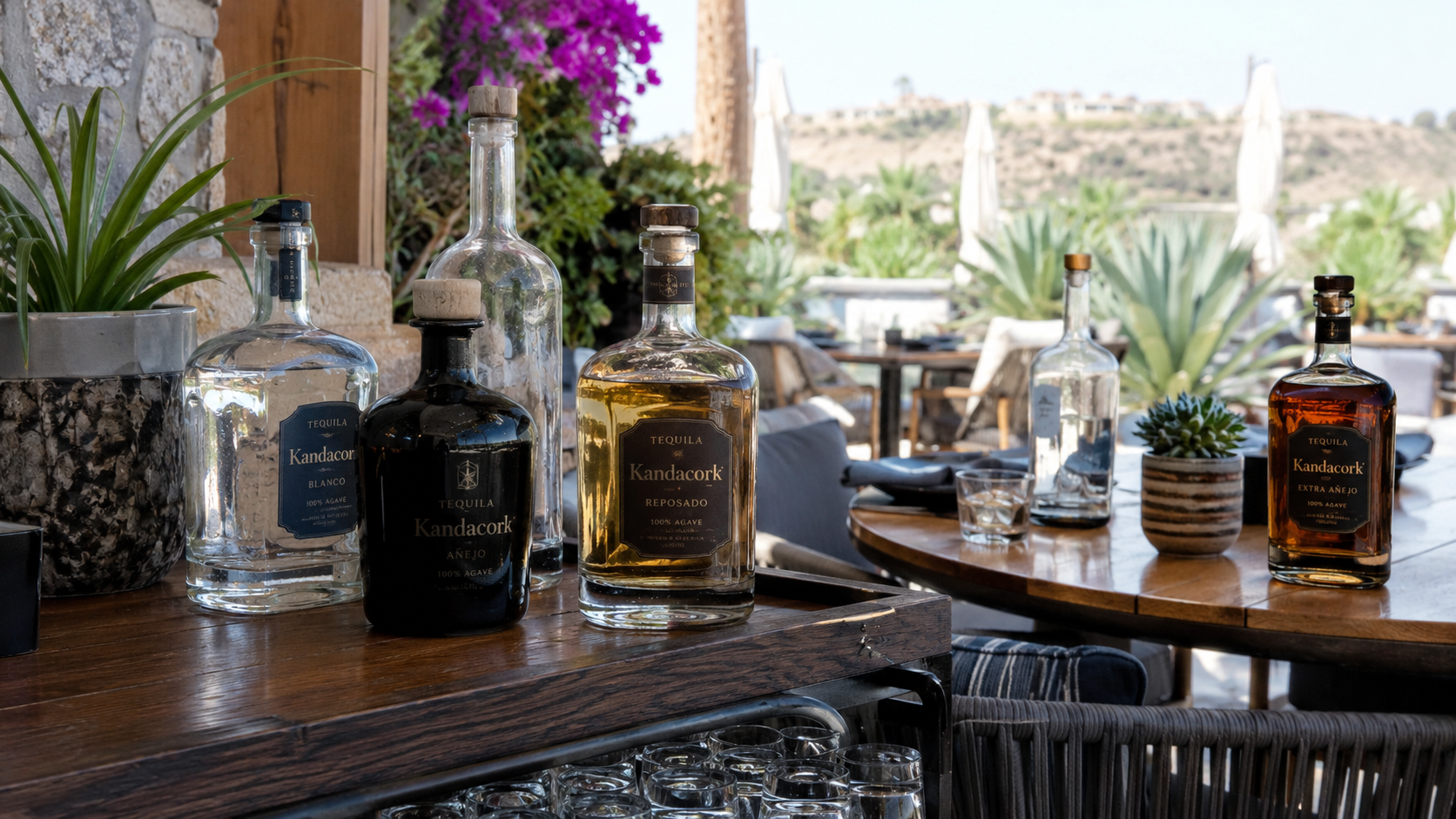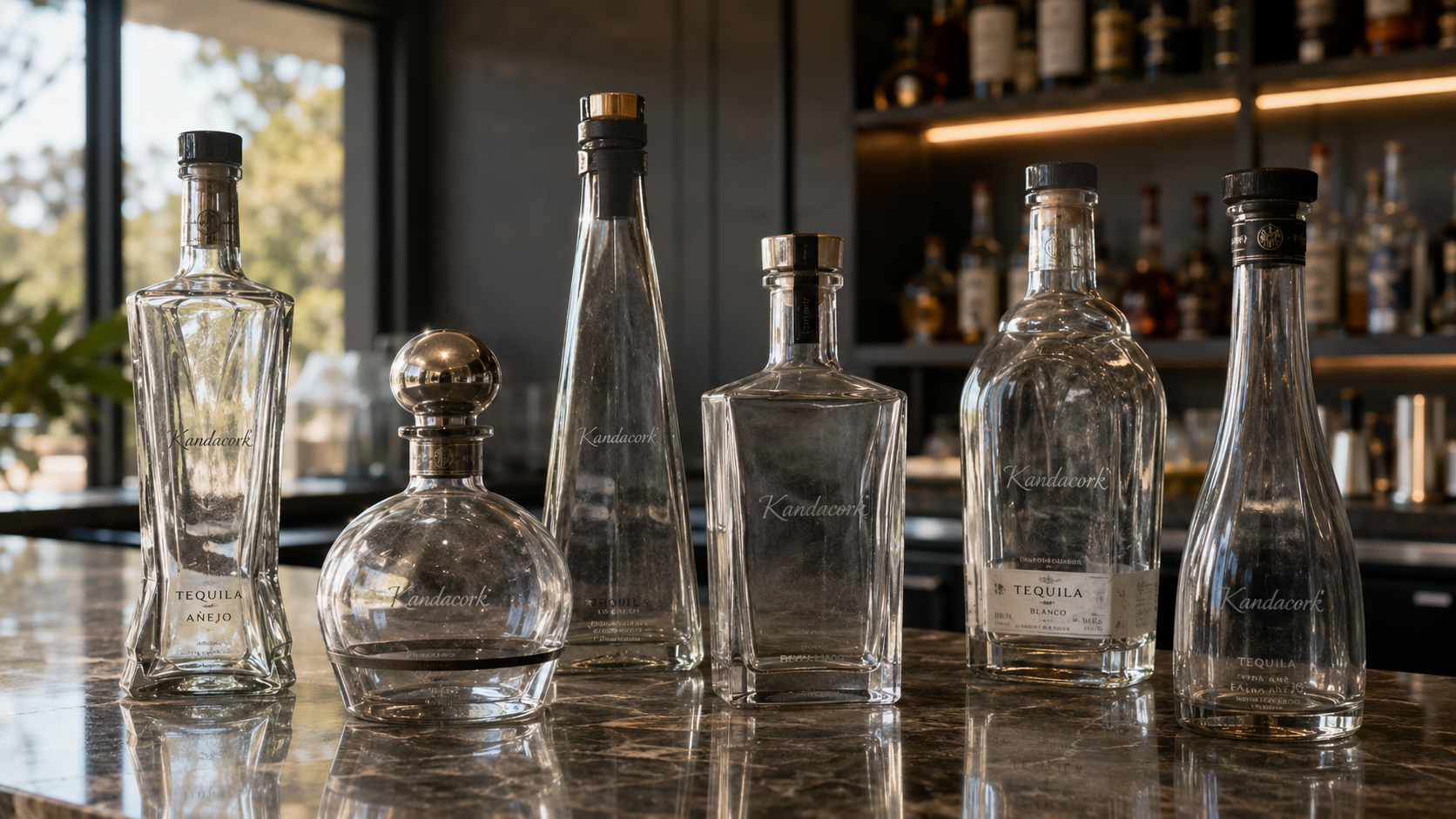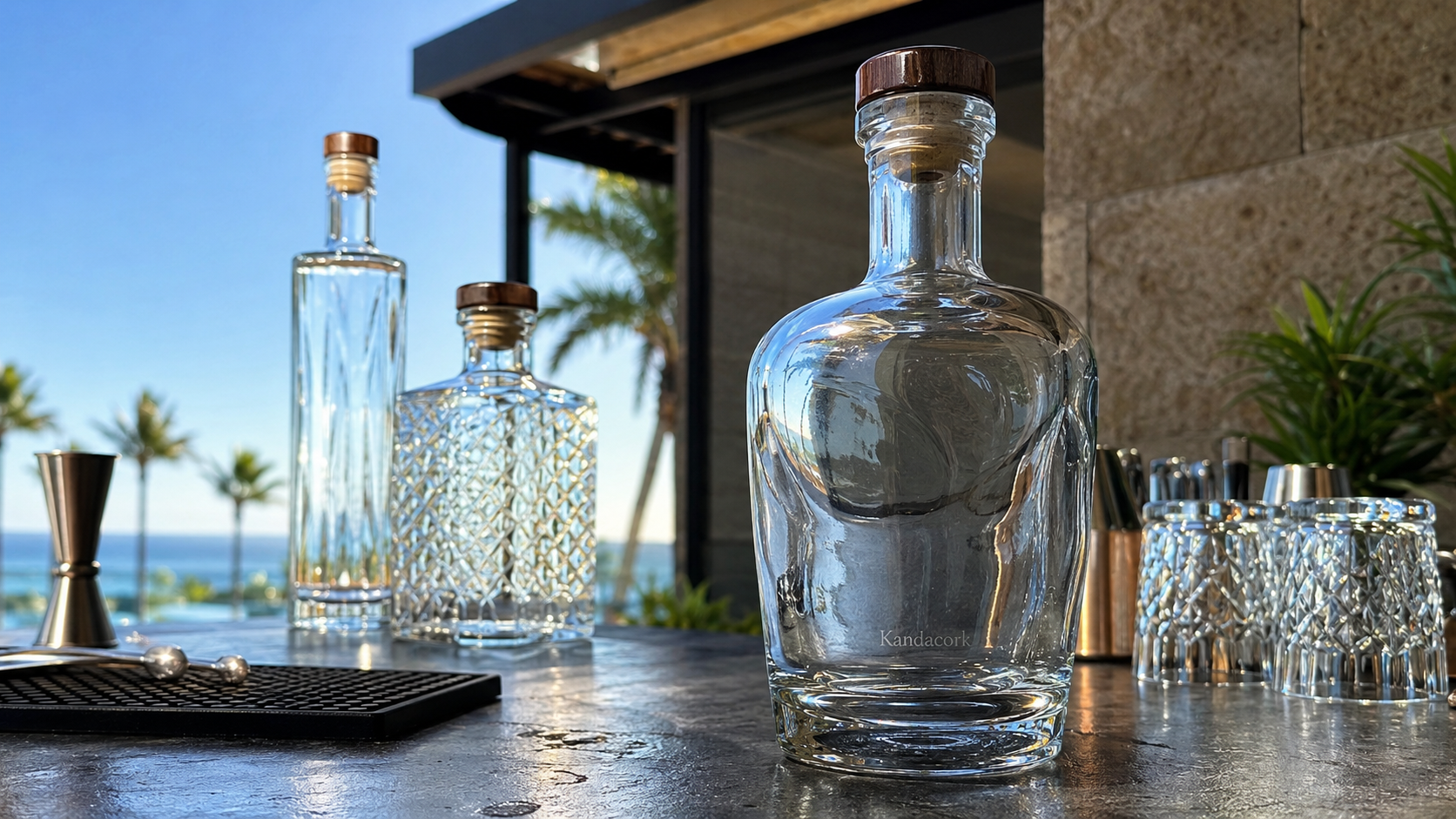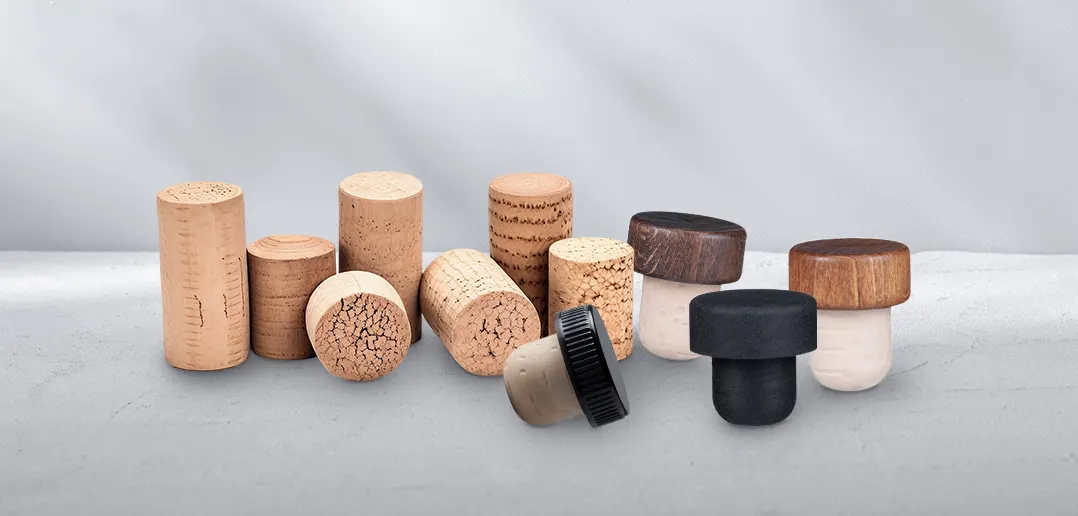
Introduction
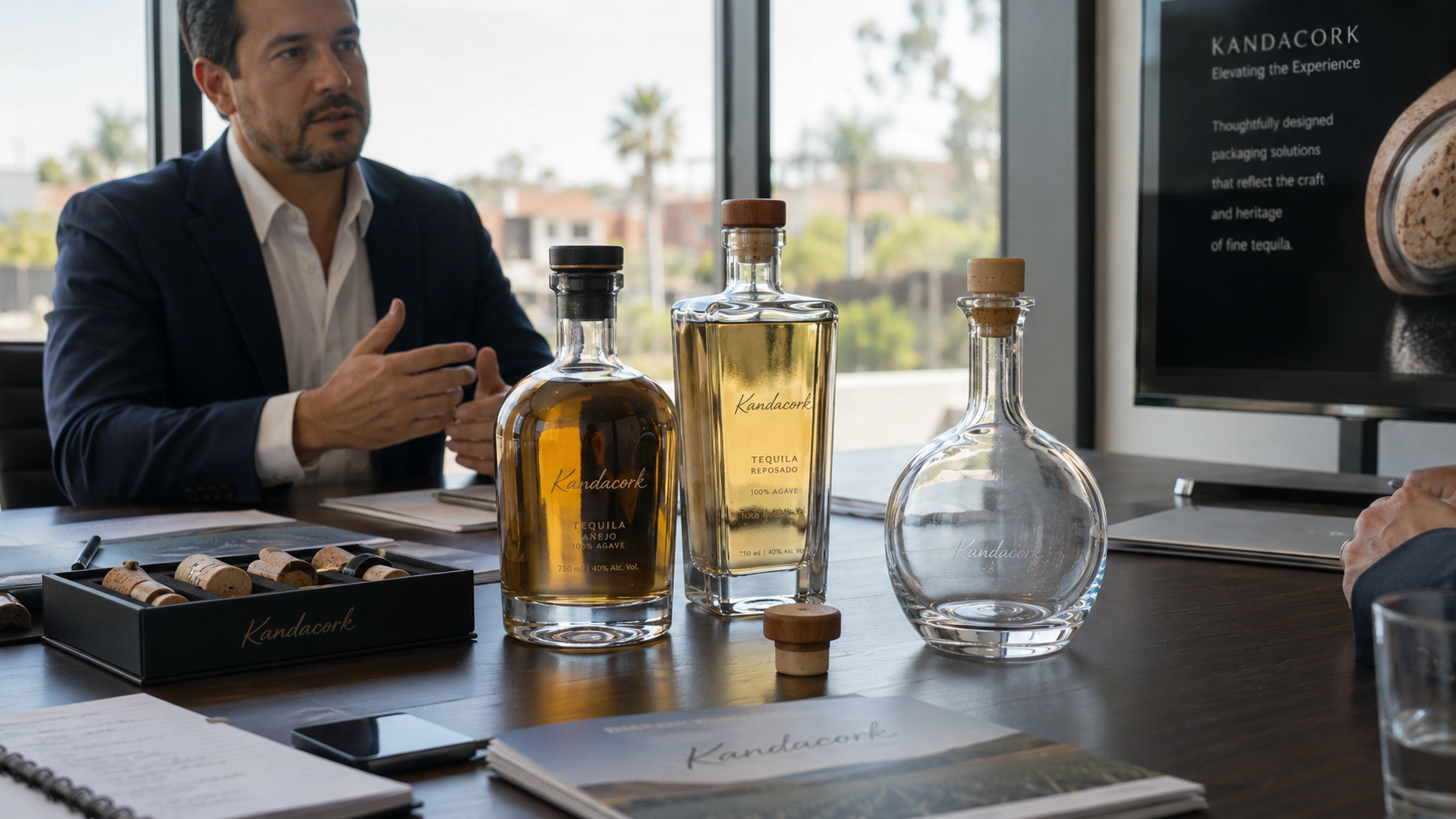
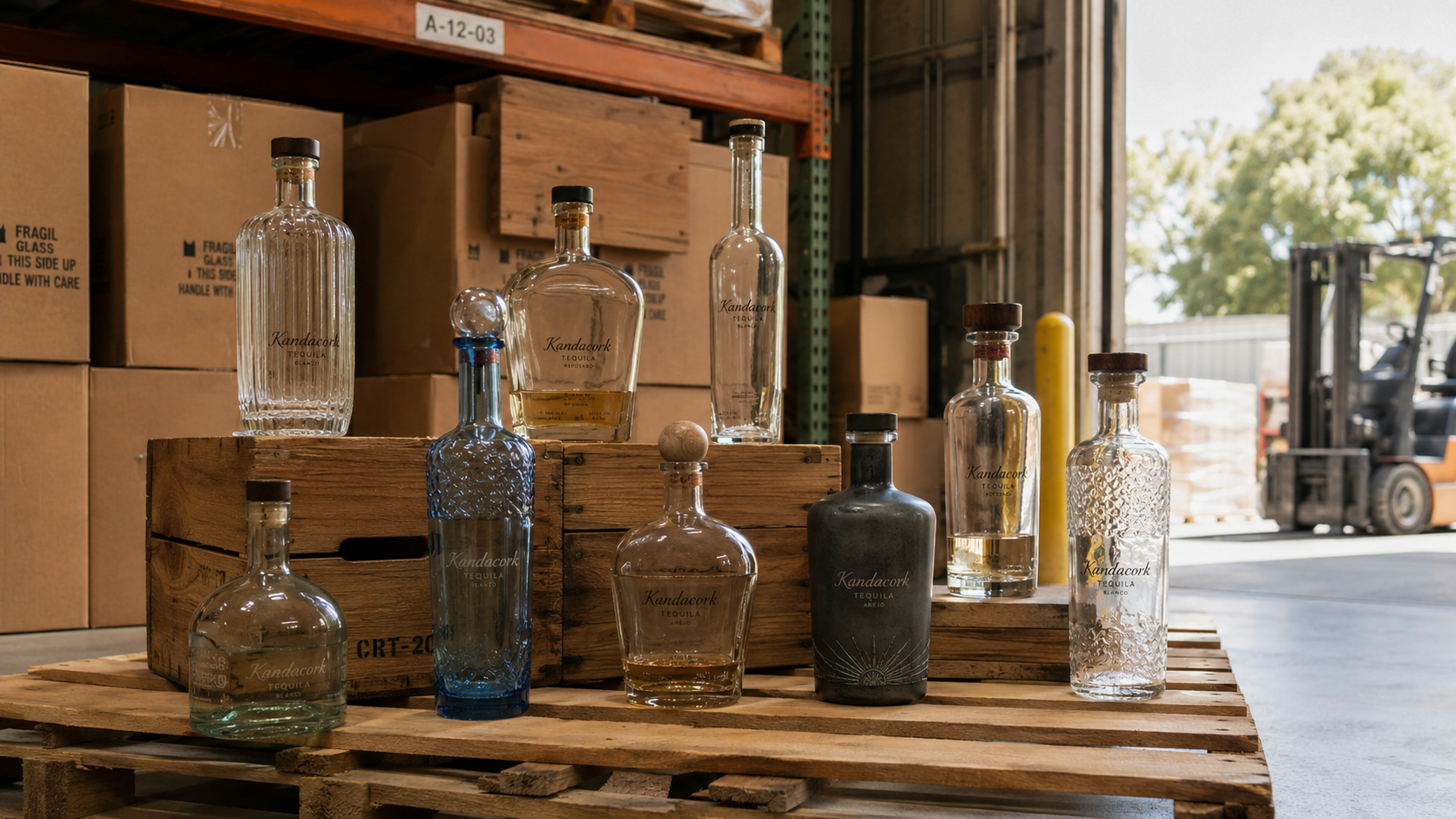
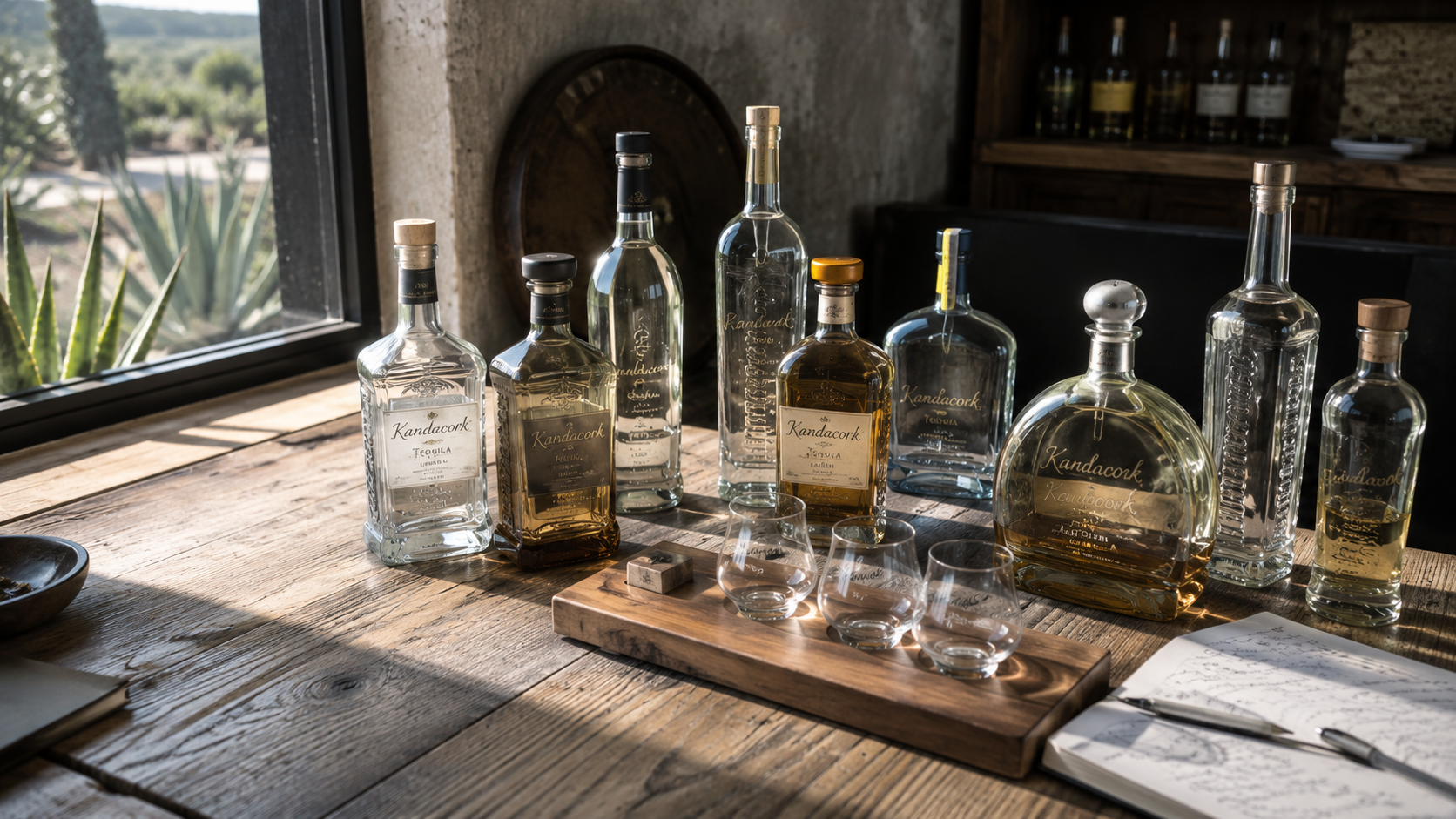
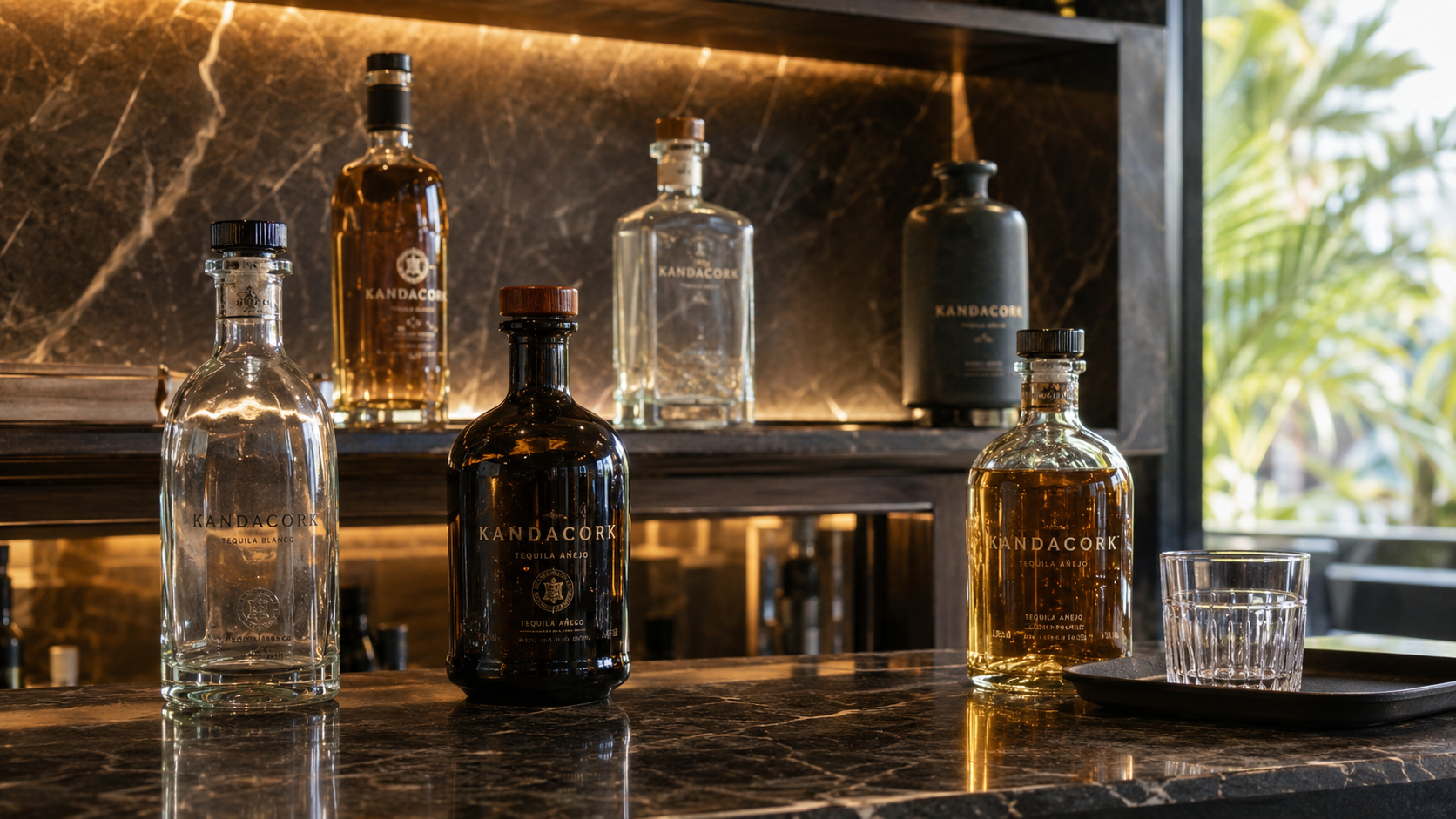
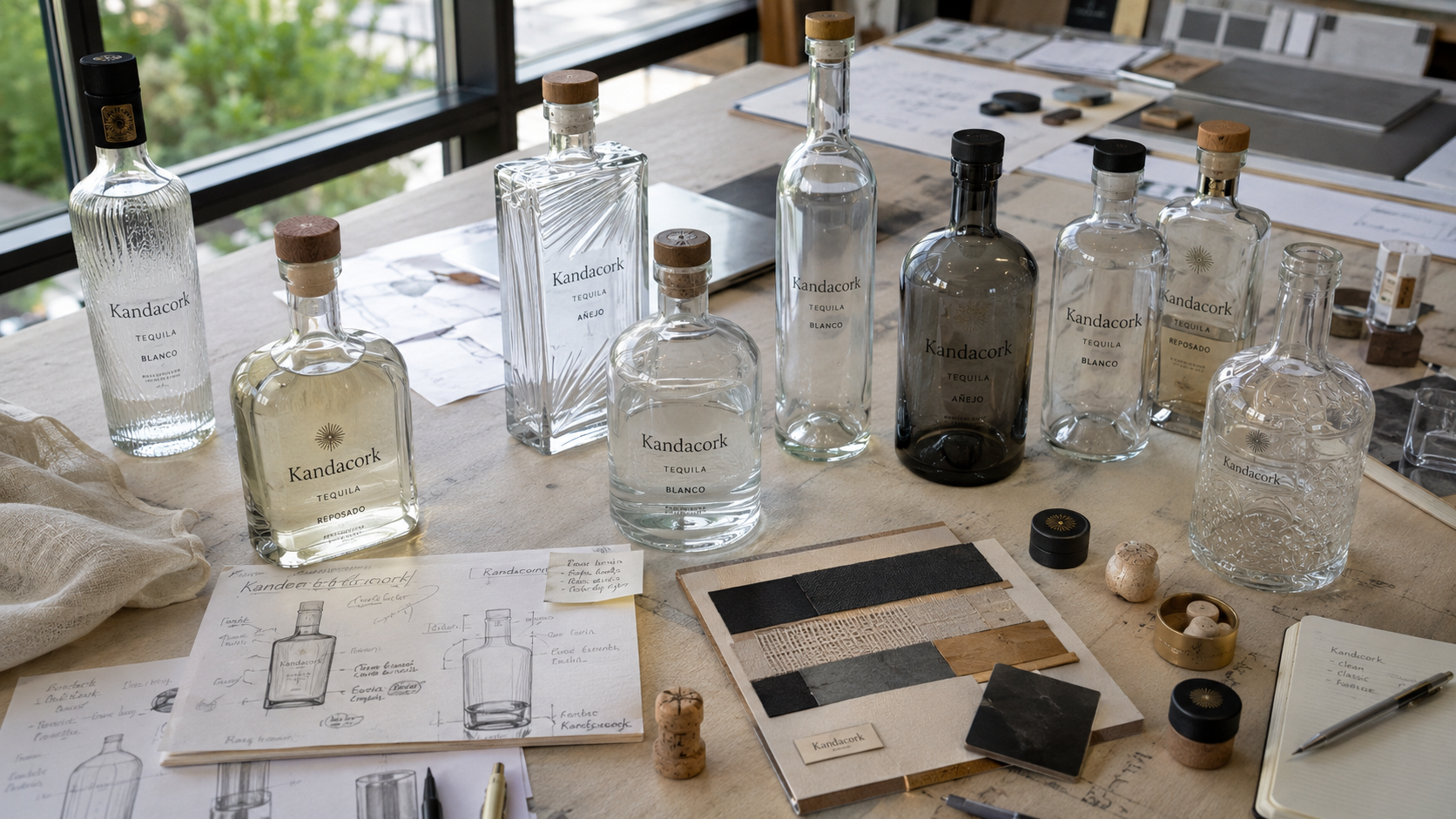
Limited edition spirits packaging needs more than a distinctive bottle, label, or gift box. The closure is one of the first physical details a buyer, collector, bartender, or consumer touches. For whisky, rum, gin, vodka, tequila, mezcal, brandy, cognac, and premium liqueurs, the right stopper can make a limited release feel more premium, collectible, and ready for display.
For spirits brands, distilleries, private label buyers, importers, distributors, bottlers, and packaging buyers, custom bar-top stoppers are both a design choice and a technical packaging component. They must fit the bottle neck, protect the liquid, support tamper-evident planning, match the brand identity, and work within production timelines.
This guide explains how to compare bar-top stoppers for limited edition spirits packaging, evaluate materials, check bottle neck fit, review supplier capability, and prepare a stronger sample or quotation request with Kandacork Closures.
CTA Button: Request Stopper Samples
Send Kandacork Closures your bottle drawing, target material, quantity, decoration reference, and launch deadline for sample advice.
Quick Answer: What Are the Best Bar-Top Stoppers for Limited Edition Spirits?
The best bar-top stoppers for limited edition spirits packaging depend on the brand position, bottle neck dimensions, liquid type, alcohol percentage, target market, and launch quantity.
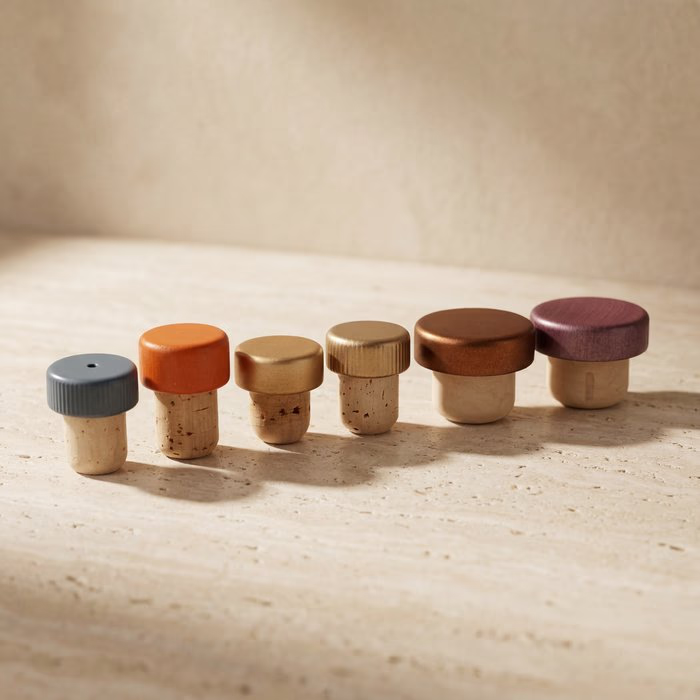
Wooden bar-top stoppers are ideal for heritage spirits, craft whisky, aged rum, brandy, and natural premium cues. Custom metal bar-top stoppers are suitable for luxury spirits, collectible tequila, premium vodka, and high-end gift editions. Polymer bar-top stoppers work well for color-matched gin, private label spirits, seasonal editions, and larger limited runs.
The visible top should support the brand story, while the shank should be selected according to bottle neck fit, sealing performance, extraction feel, and ABV compatibility. Before bulk production, packaging buyers should test physical samples with the actual bottle, spirit, capsule system, and shipping conditions.
Specification Snapshot for Packaging Buyers
| Buyer Question | Recommended Check |
|---|---|
| What bottle neck sizes should be reviewed? | Measure the actual inner bore, neck finish, and insertion depth before selecting a stopper |
| What shank size should be considered? | The shank is often selected slightly larger than the inner bore for compression fit |
| What top materials are available? | Wood, metal, aluminium, polymer, ceramic-look, glass-like, or mixed materials |
| What shank materials are available? | Natural cork, micro-agglomerated cork, synthetic shank, or hybrid structures |
| What customization options are common? | Engraving, embossing, debossing, foil, inserts, color matching, QR/NFC planning |
| What should be tested? | Bottle fit, leakage, extraction force, ABV compatibility, capsule fit, carton fit |
| What documents help an RFQ? | Bottle drawing, neck ID, quantity, logo file, color reference, launch date, destination market |
This snapshot helps buyers move quickly from design discussion to technical review. It also helps suppliers recommend a practical stopper instead of guessing from a reference image alone.
What Are Bar-Top Stoppers?
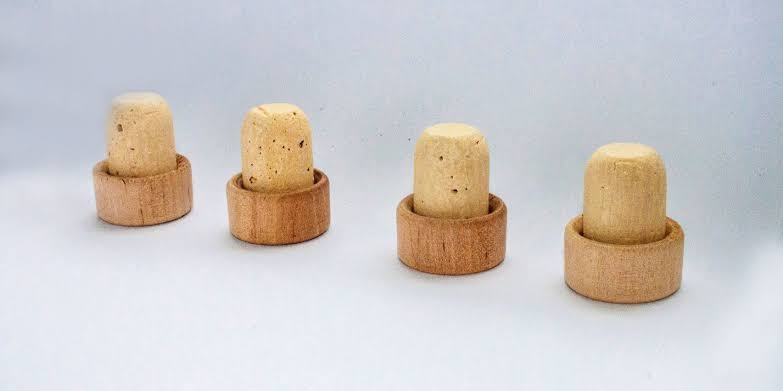
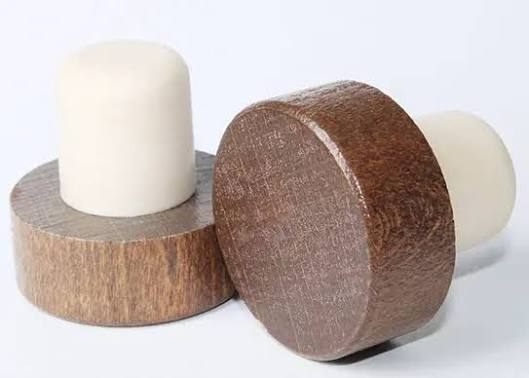
Bar-top stoppers, also called T-top closures, bartops, T-corks, or spirit stoppers, are closures made with two main parts: a decorative top and an inserted shank.
The top creates the visible and tactile identity. It may be made from wood, aluminium, zinc alloy, polymer, ceramic-look material, glass-like material, or mixed materials. The shank is inserted into the bottle neck and may be made from natural cork, micro-agglomerated cork, synthetic material, or a hybrid structure.
Bar-top stoppers are widely used for premium spirits because they create a stronger opening experience than many standard closures. They are also resealable, making them suitable for products that consumers may display and reopen over time.
Why Limited Edition Spirits Need Custom Closures
Limited edition packaging must communicate rarity quickly. A consumer may not immediately understand the liquid, age statement, distillation method, botanical profile, or cask story, but they can instantly feel whether the packaging looks special.
A custom stopper helps support collector appeal, shelf presence, gift-box presentation, tasting-room exclusives, anniversary releases, single-cask bottlings, seasonal editions, travel retail launches, private label projects, and numbered release programs.
For buyers comparing material, sizing, logo options, samples, MOQ, and bulk supply requirements, Kandacork’s bar-top closure project checklist can help turn an early packaging idea into a clearer sourcing brief.
For limited edition spirits, the stopper can create value in four practical ways.
Collectability: A distinctive stopper shape, weight, material, or finish can make the bottle feel worth keeping after purchase.
Launch differentiation: Custom bar-top stoppers can separate anniversary, seasonal, single-cask, and travel retail releases from standard SKUs.
Authentication: QR codes, NFC tags, serial numbers, neck seals, or tamper-evident systems can support limited release verification.
Gift readiness: Stopper height, weight, and finish should match gift-box inserts, carton protection, and shipping conditions.
For limited edition spirits packaging, the closure should work as part of the complete system: bottle, label, stopper, capsule, security seal, gift box, carton, and export packing. When bottle structure and closure development need to be coordinated together, a related custom spirits bottle partner can help align glass format, neck finish, decoration area, and packaging components.
Material Comparison: Which Stopper Material Should Buyers Choose?
| Stopper Material | Best For | Main Advantages | Watch Points |
|---|---|---|---|
| Wood | Whisky, bourbon, rum, brandy, craft spirits | Natural feel, warm texture, premium craft image | Grain variation, coating durability, color consistency |
| Metal / Zamak-style top | Luxury spirits, tequila, vodka, high-end gift editions | Weight, durability, sculptural shapes, premium finish | Higher cost, plating control, shipping weight |
| Aluminium | Modern spirits, vodka, gin, premium private label | Lightweight metal feel, clean finish, color options | Surface protection and finish consistency |
| Polymer / Plastic | Gin, vodka, liqueurs, promotional editions, private label runs | Color matching, molded shapes, cost control | Alcohol compatibility, scratch resistance, perceived value |
| Natural cork shank | Heritage spirits and traditional premium packaging | Natural image, classic extraction feel | Natural variation and fit control |
| Micro-agglomerated cork shank | Premium spirits requiring better consistency | Controlled structure, improved uniformity | Must still be tested with actual bottle |
| Synthetic shank | Larger batches and controlled dimensional performance | Consistent size, clean appearance, predictable fit | Material compatibility and extraction feel |
Wood is often preferred when the brand wants to communicate craft, aging, and natural materials. Metal is stronger for luxury positioning, weight, and sculptural identity. Polymer is practical when buyers need color control, molded shapes, and cost efficiency. Cork, synthetic, and micro-agglomerated shanks should be selected based on fit, seal, extraction force, and product compatibility rather than appearance alone.
Common Size Logic and Bottle Neck Fit Guide
A stopper should never be selected only by appearance. The bottle neck finish and inner bore determine whether the closure can seal correctly and feel right when opened.
For many spirits bottles, the shank is selected slightly larger than the bottle’s inner neck diameter to create compression and sealing contact. As a practical reference, an 18.5mm inner bore may often require around a 19.5mm shank, while a 21.5mm inner bore may often require around a 22.5mm shank.
These numbers should not be treated as universal rules. Bottle tolerances, shank material, insertion force, extraction force, filled-bottle storage, and capsule compatibility must be confirmed before bulk production. For projects where neck data is unclear, Kandacork’s glass bottle neck closure matching guide can help buyers organize the right measurements before sampling.
| Fit Requirement | Why It Matters |
|---|---|
| Bottle inner neck diameter | Determines suitable shank diameter |
| Neck finish specification | Confirms compatibility with stopper and capsule |
| Shank diameter | Affects seal tightness and extraction force |
| Shank length | Affects insertion depth and reseal feel |
| Insertion force | Too high may slow filling or create poor user experience |
| Extraction force | Too low may feel loose; too high may frustrate consumers |
| Leakage testing | Confirms seal performance during storage and transport |
| ABV compatibility | Important for high-alcohol spirits |
| Capsule compatibility | Required when using shrink sleeves, capsules, or tamper-evident systems |
| Filled-bottle testing | Confirms performance under real product conditions |
Natural cork can support a traditional image. Micro-agglomerated cork can provide improved dimensional consistency. Synthetic shanks can offer predictable fit and stable performance across larger batches.
CTA Button: Get Fit Advice
Not sure which shank size fits your bottle? Send Kandacork Closures your neck dimensions, bottle drawing, and target spirit type for sample guidance.
Decoration and Brand Authentication Options
Decoration can turn a standard stopper into a limited edition packaging element. The best method depends on material, budget, launch quantity, and brand positioning.
Engraving and debossing work well for wood and metal-look closures. They create a tactile brand mark and feel more permanent than surface printing.
Embossing and raised logos can make the top more recognizable. They are suitable for custom molds, metal tops, and premium polymer designs.
Hot foil and metallic effects such as gold, silver, copper, brass, and gunmetal can support gift editions, holiday releases, and travel retail spirits packaging.
Inserts and medallions add depth and help create a collector-style stopper. Metal inserts, coins, plaques, and emblem-style decorations can make the closure feel exclusive.
Color matching helps align the stopper with the label, bottle glass, capsule, or gift box. Pantone references, physical color chips, or approved packaging samples should be provided when color accuracy matters.
QR, NFC, and serialization can support authentication, storytelling, and collector verification. The stopper should be designed to work with these elements, even if the digital feature is placed on the capsule, neck label, or outer packaging.
For projects that need branded closure tops, logos, inserts, medallions, color systems, or multi-SKU consistency, Kandacork’s top surface design options can help packaging teams define decoration routes before tooling or mass production.
Technical and Compliance Requirements
Packaging buyers should confirm technical requirements before approving any custom bar-top stopper.
Food-contact suitability matters because closure materials, shanks, coatings, adhesives, and decorative components may interact with the bottle mouth or packaging environment. Buyers should request appropriate material information for the target market.
In the United States, packaging teams should consider FDA food-contact expectations and TTB tamper-evident closure requirements for distilled spirits. In the European Union, food-contact material safety and inertness principles under Regulation (EC) No 1935/2004 should be considered during packaging development.
Important technical checks include:
- Food-contact material suitability
- Odor and flavor neutrality
- High-ABV compatibility
- Leakage resistance
- Inverted storage checks
- Vibration and transport testing
- Dimensional tolerance
- Decoration durability
- Coating adhesion
- Capsule or tamper-evident compatibility
- Batch color consistency
- Carton and gift-box fit
A bar-top stopper is usually a premium resealable closure, but it may not provide complete tamper evidence by itself. Many spirits packages require a capsule, shrink sleeve, tear strip, security band, non-refillable system, or another tamper-evident device.
For importers and distributors, technical documentation can reduce approval delays and improve confidence before bulk ordering.
Limited Edition Use Cases by Spirit Category
| Spirit Category | Recommended Stopper Direction |
|---|---|
| Whisky / Bourbon | Dark wood, engraved top, antique brass, matte black, barrel-inspired design |
| Rum | Warm wood, copper-look metal, brass tones, medallion top, aged-spirit cues |
| Gin | Color-matched polymer, aluminium, botanical-inspired design, clean modern finishes |
| Vodka | Minimalist metal, silver finish, frosted effect, clear acrylic-look top |
| Tequila / Mezcal | Sculptural top, agave-inspired texture, ceramic-look or earthy finish |
| Brandy / Cognac | Decorative top, foil accent, smooth extraction feel, gift-box compatibility |
| Liqueurs | Colorful polymer, decorative top, metallic insert, seasonal gift presentation |
This table helps buyers connect stopper material and finish with the product story. The final choice should still be validated through bottle-fit testing and sample approval.
Supplier Capability Checklist for Packaging Buyers
A stopper supplier should do more than provide a catalog. For limited edition projects, supplier capability can directly affect launch timing, technical risk, and brand consistency.
| Evaluation Item | Why It Matters |
|---|---|
| Bottle drawing review | Reduces neck-fit and sealing risk |
| Physical sample testing | Confirms real-world compatibility |
| Material range | Supports design, budget, and technical flexibility |
| Custom tooling support | Enables exclusive stopper shapes |
| Decoration capability | Supports limited edition branding |
| MOQ flexibility | Important for small-batch releases |
| Color control | Protects brand consistency |
| QC process | Reduces defects and batch variation |
| Export packaging | Helps prevent shipping damage |
| Lead-time reliability | Protects launch schedules |
| Repeat-order control | Supports collector series or future editions |
| Technical communication | Helps buyers avoid wrong specifications |
Kandacork Closures can support buyers from concept review to sample development, neck-fit evaluation, decoration selection, and production quotation.
Stock Decorated Stopper vs Fully Custom Stopper
Not every limited edition project needs a fully custom mold. Buyers should choose based on budget, timeline, exclusivity, and quantity.
| Option | Best For | Advantages | Considerations |
|---|---|---|---|
| Stock stopper with custom decoration | Faster launches, smaller limited runs | Lower tooling cost, shorter lead time, easier sampling | Less exclusive shape |
| Semi-custom stopper | Mid-range limited editions | More brand control, manageable development time | May require special finishing or assembly |
| Fully custom stopper | Luxury releases, collector series, flagship limited editions | Unique brand asset, stronger shelf differentiation | Tooling cost, longer lead time, higher MOQ |
For urgent launches, a stock stopper with engraving, color matching, foil, or a custom insert may be the most practical solution. For long-term collector series, a fully custom top can become a signature packaging element.
Cost Factors in Custom Bar-Top Stoppers
The cost of bar-top stoppers for limited edition spirits packaging depends on material, decoration, quantity, and technical requirements.
Key cost factors include:
- Top material
- Shank material
- Stock or custom mold
- Decoration method
- Surface finish
- Order quantity
- MOQ
- Assembly complexity
- Testing requirements
- Packaging method
- Shipping destination
- Reorder expectations
A simple wooden stopper with laser engraving will usually have a different cost structure from a custom metal top with plating, an insert, and a technical shank. Buyers should provide complete project details to receive a realistic quotation.
Common Mistakes to Avoid Before RFQ
Many limited edition packaging problems happen because the stopper is selected too late.
Avoid these mistakes:
- Choosing the stopper only by appearance
- Ignoring bottle neck inner diameter
- Skipping physical sample testing
- Forgetting capsule or tamper-evident compatibility
- Using a heavy top without checking gift-box fit
- Approving color from screen images only
- Not checking coating durability
- Not confirming ABV compatibility
- Sending an incomplete RFQ
- Leaving supplier review until launch deadlines are tight
Early stopper planning can reduce sampling delays, rework, leakage risk, and packaging mismatch.
How to Request Bar-Top Stopper Samples from Kandacork Closures
A sample request helps confirm the stopper before bulk ordering. To make the process more efficient, buyers should prepare both design and technical details.
Recommended sample request steps:
- Send bottle drawings, physical bottle photos, or bottle samples.
- Confirm neck inner diameter, neck finish, and insertion depth.
- Share spirit type, ABV, target market, and expected storage conditions.
- Choose preferred top material and shank material.
- Provide logo file, color reference, and decoration direction.
- Confirm limited edition quantity, launch timeline, and shipping destination.
- Test samples with the actual bottle, capsule, liquid, carton, and storage conditions.
This process helps Kandacork Closures recommend a stopper that matches both the packaging concept and real filling requirements.
RFQ Checklist: What to Send Before Requesting a Quotation
To receive a useful quotation from Kandacork Closures, buyers should prepare a clear RFQ package.
Include:
- Bottle drawing or physical bottle sample
- Bottle neck inner diameter
- Neck finish specification
- Spirit category
- ABV
- Target market
- Limited edition quantity
- Expected reorder quantity
- Preferred top material
- Preferred shank material
- Reference images or sketches
- Logo file
- Pantone or color standard
- Decoration method preference
- Capsule or tamper-evident requirement
- Filling method
- Gift-box or carton requirements
- Launch deadline
- Shipping destination
CTA Button: Get a Custom Stopper Quote
Use this checklist to request a faster and more accurate quotation from Kandacork Closures.
Why Work with Kandacork Closures
Kandacork Closures supports spirits brands and packaging buyers who need custom closure solutions for premium and limited edition spirits.
For a distillery, this may mean finding a stopper that fits a small-batch whisky or rum bottle. For a private label buyer, it may mean matching an existing bottle with a decorated stopper for a fast market launch. For an importer or distributor, it may mean balancing cost, compliance expectations, durability, and export packaging.
Kandacork Closures can assist with material selection, neck-fit review, decoration options, sample development, and bulk production planning. The goal is not only to make the stopper look good, but to make sure it works within the complete packaging system.
Conclusion
Custom bar-top stoppers for limited edition spirits packaging should do more than close a bottle. They should support the brand story, improve the opening experience, fit the bottle correctly, and meet technical expectations for the target market.
For limited edition whisky, rum, gin, vodka, tequila, mezcal, brandy, cognac, or liqueur launches, Kandacork Closures can help buyers move from concept to sample review and quotation. A well-designed stopper can make the release feel more premium, more collectible, and more ready for market.
FAQ
What is the best material for limited edition spirits bar-top stoppers?
The best material depends on brand positioning and technical requirements. Wood is suitable for heritage and craft spirits. Metal is strong for luxury and collectible releases. Polymer is useful for color-matched or cost-controlled projects. The shank should be selected based on bottle fit, sealing performance, extraction feel, and ABV compatibility.
How do I know which bar-top stopper size fits my bottle?
You need the bottle neck finish, inner bore diameter, shank diameter, and physical bottle samples. As a practical reference, an 18.5mm inner bore may often pair with around a 19.5mm shank, while a 21.5mm inner bore may often pair with around a 22.5mm shank. Final fit must always be confirmed through physical testing.
Can bar-top stoppers be customized for small limited edition batches?
Yes. Small batches can often use stock stopper shapes with custom decoration, such as engraving, printing, color matching, foil effects, or inserts. Fully custom shapes may require tooling, higher MOQ, and longer development time.
Are bar-top stoppers suitable for high-ABV spirits?
Yes, but materials should be checked for alcohol compatibility, sealing performance, odor neutrality, and food-contact suitability. Testing with the actual spirit and bottle is recommended before approval.
What should I include in a stopper RFQ?
A strong RFQ should include bottle drawings, neck dimensions, spirit type, ABV, target quantity, material preference, decoration references, color standards, tamper-evident requirements, destination market, and launch timeline.