Quick Answer
Closure matching before export shipment is the final approval process used to confirm that bottle closures, neck finish, sealing performance, decoration, packing, carton labels, pallet condition, photos, and export documents match the approved sample and purchase order before goods leave the supplier.
For spirits bottles, this process helps prevent leakage, loose cork stoppers, incorrect torque, tamper-evident failure, scratched decorative tops, bottling-line rejection, and shipment claims.
For buyers, the goal is simple: approve only the closure shipment that is technically matched, visually correct, safely packed, and ready for international transport.
Who This Guide Is For
This guide is written for spirits brands, distilleries, private label buyers, importers, distributors, bottlers, and packaging buyers who need to approve closures before export shipment.
It is especially useful for whisky, vodka, gin, rum, tequila, brandy, liqueur, and premium private label spirits projects where bottle fit, sealing performance, brand appearance, and export packing all matter.
For buyers managing bottles, closures, decoration, cartons, and export logistics together, Kandacork’s wider complete spirits packaging system can also help align the full packaging project beyond closure supply alone.
Why Closure Matching Matters Before Export Shipment
A spirits closure is not only a decorative accessory. It must protect the liquid, fit the bottle neck, support tamper evidence, work with the filling or capping line, and match the brand’s packaging design.
If the closure is wrong, the entire export order can be affected. A loose stopper may cause leakage. A screw cap with poor liner contact may fail during transit. A ROPP closure with an incompatible neck finish may cause tamper-band problems. A decorative top without proper packing may arrive scratched.
Export shipments face more handling risk than domestic deliveries. Goods may experience vibration, pressure, heat, humidity, warehouse handling, customs inspection, long container transit, and repeated carton movement.
In regulated markets, closure security may also matter. For example, official U.S. distilled spirits closure provisions require certain imported distilled spirits containers to have a securely affixed closure that must be broken to access the contents.
Pre-Shipment Closure Matching Checklist
Before approving shipment, buyers should review the closure, bottle, packing, labels, photos, and documents together.
| Check Stage | What to Confirm | Risk If Missed |
|---|---|---|
| Approved sample | Bulk closures match signed sample | Wrong material, color, logo, or shank |
| Bottle neck | Bore, thread, bead, sealing surface | Leakage, loose fit, cap failure |
| Closure dimensions | Diameter, height, shank size, insert depth | Bottling-line rejection |
| Functional test | Torque, pull-out force, leakage, tamper band | Claims after arrival |
| Decoration | Logo position, plating, printing, embossing | Brand inconsistency |
| Inner packing | Bags, dividers, trays, surface protection | Scratches, dents, deformation |
| Carton labels | SKU, batch, PO, quantity, destination | Warehouse confusion |
| Pallets | Stability, moisture protection, shipping marks | Transport damage |
| Documents | Packing list, QC photos, material declarations | Customs or receiving delay |
Need to confirm bottle-and-closure fit before export shipment? Send Kandacork your bottle drawing, neck finish details, closure style, and sample request through the custom closure quote page.
When Should Buyers Approve or Hold a Closure Shipment?
A shipment should not be approved only because production is finished. Buyers need a clear decision rule: approve, hold, or retest.
| Inspection Result | Buyer Action | Example |
|---|---|---|
| Approved sample matches bulk goods | Approve shipment | Color, logo, shank, carton labels, and packing all match |
| Minor packing issue found | Hold until corrected | Inner bags are loose or carton labels miss batch numbers |
| Fit result is inconsistent | Retest before approval | Several stoppers feel loose in production bottles |
| Leak, torque, or tamper issue found | Do not approve shipment | Cap leaks during tilt test or tamper band fails |
| Documents are missing | Hold shipment | No packing list, batch record, or inspection photos |
| SKU separation is unclear | Hold and relabel | Mixed colors, sizes, or logo versions in cartons |
This approval table is useful for importers, distributors, and private label buyers who cannot inspect every carton in person but still need reliable shipment evidence before release.
Closure Type vs Export Shipment Failure Mode
Different spirits closures fail in different ways. Before export, buyers should focus on the most likely failure mode for each closure type.
| Closure Type | Export Shipment Failure Mode | Final Check Before Shipment |
|---|---|---|
| Bar-top stopper | Loose fit, leakage, scratched top | Bore + shank + pull-out force + divider packing |
| Cork stopper | Cork compression loss, poor extraction feel | Cork diameter + bore tolerance + storage condition |
| Screw cap | Leakage, over-tight opening, liner failure | Thread profile + liner contact + torque |
| ROPP closure | Tamper-band failure, poor roll-on fit | Bead position + neck finish + capping head setup |
| Non-refillable closure | Insert movement, poor pouring | Insert retention + pour test + assembly accuracy |
| Capsule / shrink sleeve | Wrinkle, shrink failure, logo misalignment | Heat response + alignment + carton pressure |
Bar-top and cork stoppers are highly sensitive to bottle bore diameter. Screw caps and ROPP closures depend more on thread profile, bead position, liner compression, and torque control. Non-refillable closures require extra attention because inserts, valves, and pour-control parts must remain secure after packing and transport.
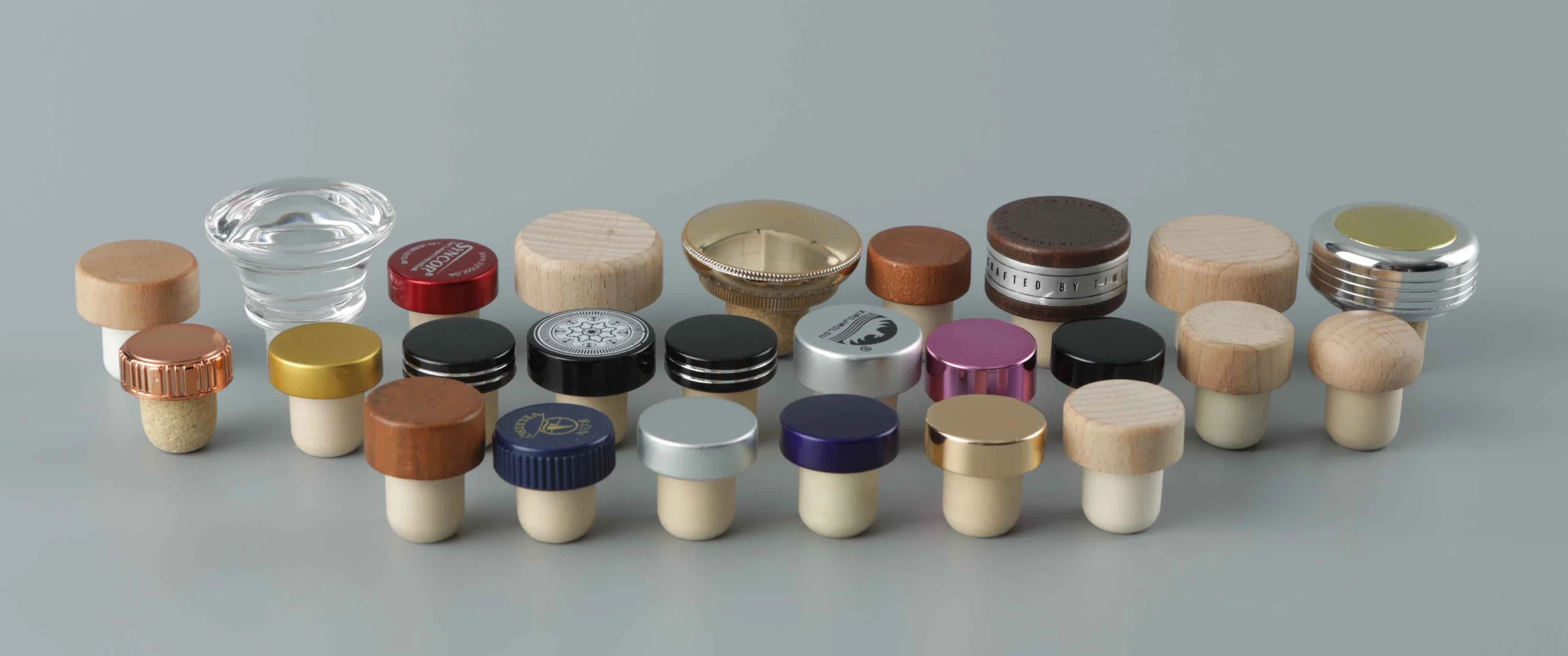
For buyers comparing closure types, Kandacork’s custom spirits bottle closures and stoppers page gives a broader view of bar-top stoppers, screw caps, ROPP closures, capsules, and non-refillable closure options.
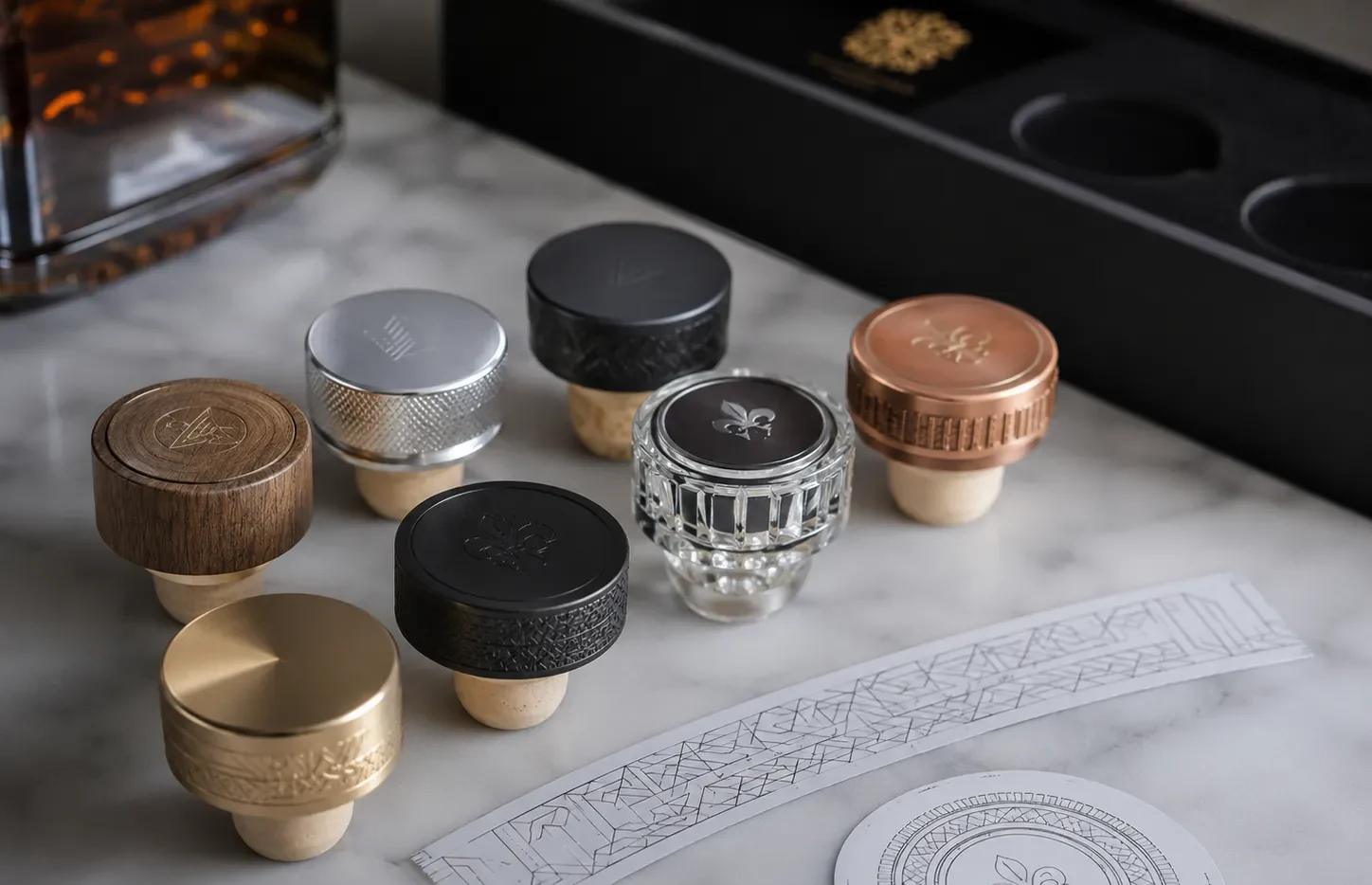
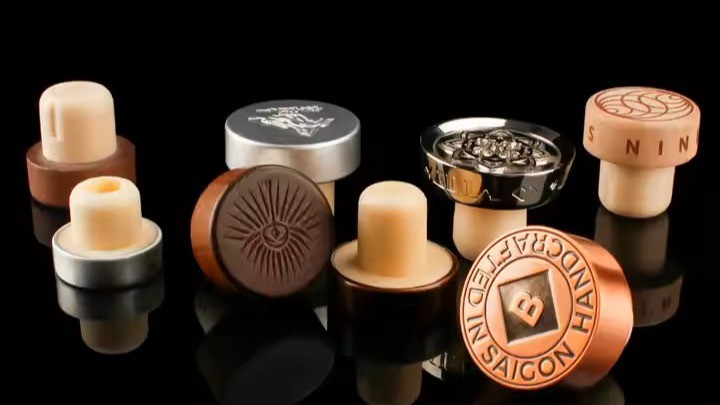
For premium spirits packaging, appearance is also part of closure matching before export shipment. A closure may seal correctly but still fail commercially if the top is scratched, the logo is misaligned, or the finish does not match the approved sample.
Bottle Neck Finish Checks Before Export
Bottle neck finish is one of the most important factors in closure matching before export shipment. A premium closure cannot perform well if the bottle finish is inconsistent or incompatible.
Bore Diameter
For cork stoppers and bar-top closures, bore diameter affects insertion force, pull-out force, sealing performance, and opening feel. Even small glass tolerance changes can make a stopper feel too loose or too tight.
Buyers should send both bottle drawings and physical bottle samples whenever possible. Drawings show the target specification, but physical samples reveal real production variation.
Thread Profile
For screw caps and ROPP closures, the thread profile determines how the closure engages with the bottle. Incorrect thread dimensions can lead to leakage, weak torque, cap deformation, or machine rejection.
This is especially important for custom spirits bottles, new molds, and private label projects using non-standard neck finishes.
Bead Position
The bead affects tamper-band engagement and ROPP closure performance. If the bead does not match the cap structure, the tamper band may not break correctly or may sit in the wrong position after capping.
Sealing Surface
The sealing surface must be clean, smooth, and compatible with the liner or closure contact area. Chips, scratches, uneven glass, or dimensional variation can create leakage risk during storage or long-distance shipment.
Drawing vs Physical Sample
A technical drawing is essential, but it should not replace physical testing. For new or high-value spirits projects, Kandacork recommends testing closures with real bottle samples before bulk production and reviewing bulk goods again before shipment approval.
For projects where bottle finish and closure fit are uncertain, a dedicated bottle neck compatibility review can help check stopper shank fit, liner contact, ROPP forming risk, and sample testing needs before production moves forward.
Functional Tests Before Shipment
Functional testing confirms whether the closure can perform under real filling, handling, storage, and transport conditions.
| Test | Applies To | What It Prevents |
|---|---|---|
| Leak test | Cork, bar-top stopper, screw cap, ROPP | Transit leakage and distributor claims |
| Torque test | Screw cap, ROPP | Loose caps, difficult opening, tamper-band issues |
| Pull-out force test | Cork, bar-top stopper | Loose stoppers and poor opening feel |
| Tamper-evident check | ROPP, sleeve, non-refillable closure | Failed first-opening evidence |
| Appearance inspection | Decorative closures | Scratches, color mismatch, logo shift |
Leak Test
Leak testing checks whether liquid can escape through the closure-bottle interface. Buyers may request upright, inverted, tilted, or transport-related checks depending on the project.
Leak risk can be influenced by bottle neck tolerance, closure material, liner compatibility, cork compression, torque, ABV, storage temperature, and transit time. For broader troubleshooting, buyers can also review how to prevent spirits bottle closure leakage during cap, liner, and seal selection.
Torque Test
Torque testing is used mainly for screw caps and ROPP closures. It confirms whether the closure is applied tightly enough to seal while remaining easy enough for consumers to open.
Important torque points include application torque, removal torque, bridge break torque, and reclose torque. This test is especially useful when the buyer uses an automatic filling line or contract bottler.
Pull-Out or Extraction Force
For cork stoppers and bar-top stoppers, pull-out force affects safety, sealing, and opening experience. The stopper should stay secure during shipping but should not require excessive force to remove.
A reliable pre-shipment review should test several bottles from the same batch and compare results with the approved sample.
Tamper-Evident Check
Tamper-evident closures should show visible evidence when opened. Before shipment, buyers should confirm that the band, sleeve, capsule, or non-refillable structure performs consistently.
The inspection should confirm that the closure cannot be removed without visible damage and that bulk goods match the approved structure.
Appearance Inspection
For premium spirits, appearance is part of product value. A closure can pass functional testing but fail commercially if the top is scratched, the logo is misaligned, or the color is inconsistent.
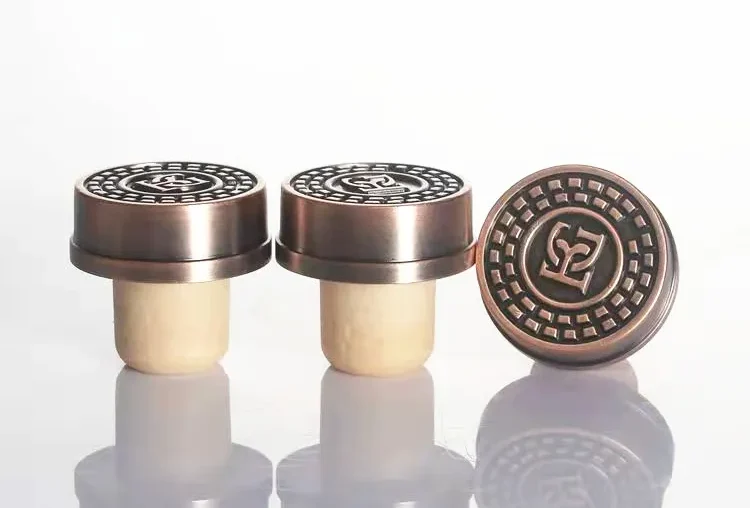
Check logo position, color tolerance, plating quality, printing clarity, embossing, debossing, dust, dents, deformation, and cap-top alignment.
What Pre-Shipment Photos Should Buyers Request?
Pre-shipment photos are practical evidence for buyers who cannot visit the factory before goods are released. Photos also reduce misunderstandings between suppliers, importers, bottlers, and warehouses.
Buyers may request:
- approved sample vs bulk closure comparison photo;
- closure top close-up photo;
- shank, liner, or insert photo;
- random bulk inspection photo;
- carton inner packing photo;
- carton label photo;
- mixed SKU separation photo;
- pallet photo;
- shipping mark photo;
- final loading photo, if required.
For decorative closures, close-up photos are especially important. They help confirm logo position, surface finish, color consistency, scratches, dents, and packing protection before shipment.
Export Packing and Labeling Checks
Export packing should be reviewed as part of closure matching before export shipment. Poor packing can damage closures that were otherwise produced correctly.
Inner Packing
Different closures require different packing methods. Decorative bar-top stoppers may need trays, dividers, or soft interleaving. Aluminum caps may need sealed bags and carton liners. Capsules and sleeves may need anti-deformation packing. Non-refillable closures may need component protection to avoid insert damage.
Carton Labels
Each carton should clearly show product name, closure size, material, color or finish, quantity, batch number, purchase order number, carton number, and buyer reference.
Clear carton marking reduces receiving errors and helps bottlers separate SKUs quickly.
SKU Separation
If an export order includes multiple closure colors, materials, sizes, or logo versions, SKU separation is essential. Mixed cartons create warehouse disputes, bottling-line delays, and extra sorting costs.
Buyers should request carton photos before shipment when the order contains multiple SKUs.
Pallet Protection
Export pallets should be stable, dry, and suitable for container loading. Buyers may request photos showing carton stacking, stretch film, edge protection, moisture protection, shipping marks, gross weight, and pallet condition.
For transport packaging evaluation, the ISTA test procedures provide recognized references for packaged-product performance under different distribution conditions.
Documents Needed Before Shipment
Before shipment approval, buyers should confirm that commercial and quality documents are complete.
| Document | Why It Matters |
|---|---|
| Packing list | Confirms carton quantity, SKU, and shipment details |
| Commercial invoice | Supports customs, payment, and import records |
| Batch or lot record | Supports traceability and repeat-order control |
| QC photos | Confirms appearance, packing, and labeling |
| Material declaration | Supports buyer compliance review |
| Food-contact statement, if applicable | Supports packaging safety review |
| Test record, if requested | Supports leak, torque, or pull-out verification |
| Pallet or loading photos | Confirms export packing condition |
Not every order needs every document, but high-value custom spirits packaging projects should have enough records to support receiving inspection and future repeat orders.
Common Problems Prevented by Closure Matching
Leakage During Transit
Leakage may happen when the closure does not match the bottle finish, the liner does not contact the sealing surface correctly, the torque is wrong, or the cork compression is insufficient.
To prevent this, buyers should confirm the neck finish, test with physical bottles, check liner and sealing surface, perform leak testing, and confirm the filling or capping method.
Loose Stopper After Arrival
A loose stopper may result from incorrect shank diameter, bottle bore variation, cork recovery issues, or unsuitable storage conditions.
To prevent this, measure the bottle bore, test multiple stopper sizes if needed, confirm pull-out force, compare bulk goods with approved samples, and protect stoppers during packing.
For glass-top or premium stopper projects, this type of risk can also be reviewed through glass stopper neck finish matching before shipment approval.
Tamper Band Failure
Tamper-band failure may occur when the cap structure does not match the neck bead or when capping equipment is not adjusted correctly.
To prevent this, review the bottle finish drawing, test cap application, check band break performance, confirm capping head setup, and inspect capped samples.
Scratched Decorative Tops
Decorative closures can be scratched during packing, pallet movement, or container transport.
To prevent this, use dividers or trays, separate decorative surfaces, avoid loose packing, request pre-shipment photos, and confirm carton strength.
Bottling-Line Rejection
A closure may fit by hand but fail on the filling line. This can happen because of feeding issues, inconsistent dimensions, incorrect torque behavior, or stopper orientation problems.
To prevent this, share filling-line details with the supplier, test closures on real equipment if possible, confirm tolerance range, and request QC records.
How Kandacork Checks Closure Matching Before Shipment
Kandacork Closures & Stoppers checks closure matching from both technical and export perspectives. For new spirits packaging projects, the process usually starts with bottle drawing review and physical sample matching.
The team reviews neck finish, bore diameter, thread profile, bead position, closure size, shank or liner contact, decoration requirements, and packing method. When needed, samples can be checked for fit, leakage risk, torque behavior, pull-out force, tamper-evident function, and visual consistency.
Before shipment, Kandacork can help buyers compare bulk goods with approved samples, review carton labels, confirm inner packing, provide inspection photos, and prepare shipment documents for approval.
This process helps buyers identify small technical risks before they become expensive commercial problems after arrival.
How to Evaluate a Spirits Closure Supplier
Supplier capability is a major part of closure matching before export shipment. A low unit price can become expensive if the closure fails after arrival or delays bottling.
Technical Review Capability
A qualified supplier should be able to review bottle drawings, neck finish dimensions, bore diameter, thread profile, bead position, closure drawings, liner or shank material, and filling-line requirements.
For custom spirits packaging, technical review should happen before quotation, before sampling, and before shipment approval.
Sample Testing Capability
The supplier should be able to prepare samples and test them with real bottles. This is important for new bottle molds, premium decorative closures, high-ABV spirits, and export projects with strict distributor requirements.
Useful sample checks include fit testing, leak testing, torque testing, pull-out force review, tamper-band testing, decoration review, and packing trial.
Production QC Capability
Production QC should confirm that bulk goods match the approved sample. This includes material control, dimensional inspection, appearance inspection, functional testing, batch traceability, and final packing review.
Buyers working with formal quality systems may also ask whether the supplier follows quality-management principles similar to ISO 9001.
Export Support Capability
A good supplier should understand export requirements. Export support may include strong cartons, proper inner packing, clear carton labels, pallet protection, packing list, inspection photos, material declarations, batch records, and pre-shipment communication.
RFQ Communication Capability
Fast and clear communication reduces project risk. Before quotation, the supplier should confirm closure type, bottle details, decoration, material, quantity, sample requirements, lead time, packing method, and destination market.
This is especially valuable for private label buyers and importers who need to coordinate bottles, labels, closures, cartons, and filling services from different suppliers.
What to Send Kandacork for Samples or Quotation
To speed up sample development and quotation, buyers should send complete project information to Kandacork Closures & Stoppers.
| Information Needed | Why It Matters |
|---|---|
| Spirit type | Whisky, vodka, gin, rum, tequila, brandy, liqueur, RTD |
| Bottle volume | Determines closure size and packaging use |
| Alcohol by volume | Helps review material and liner compatibility |
| Bottle drawing | Confirms neck finish, bore, thread, bead, sealing surface |
| Physical bottle sample | Allows real fit testing |
| Current closure sample | Helps compare target fit and appearance |
| Closure type | Bar-top stopper, cork, screw cap, ROPP, capsule, sleeve |
| Material preference | Wood, aluminum, plastic, glass, zamac, cork, synthetic |
| Decoration artwork | Logo, embossing, debossing, printing, plating |
| Filling method | Manual, semi-automatic, automatic, contract bottler |
| Destination country | Helps consider market and export requirements |
| Order quantity | Supports production planning and quotation |
| Packing requirements | Prevents damage during shipping |
| Target shipment date | Helps confirm lead time and production schedule |
For a faster quotation, share your bottle drawing, physical sample, spirit type, ABV, closure style, order quantity, and destination market with Kandacork Closures & Stoppers.
FAQ
What should I check before approving bottle closures for export shipment?
Check the approved sample, bottle neck finish, closure dimensions, leak risk, torque or pull-out force, tamper-evident function, decoration, inner packing, carton labels, pallet condition, photos, and shipment documents.
Why do spirits bottle closures leak during export?
Spirits bottle closures may leak because of poor neck finish compatibility, incorrect torque, weak liner contact, damaged sealing surfaces, loose cork compression, incorrect closure size, or unsuitable packing and transit conditions.
How can I check if a cork stopper fits my bottle?
Check bottle bore diameter, stopper shank diameter, insertion depth, pull-out force, sealing performance, and opening feel. Physical bottle testing is strongly recommended before bulk production and shipment approval.
What photos and documents should a closure supplier provide before shipment?
Buyers may request approved sample comparison photos, bulk inspection photos, inner packing photos, carton label photos, pallet photos, packing list, batch record, QC photos, material declaration, and test records if required.
What information should I send for a closure sample or quotation?
Send the bottle drawing, physical sample if available, spirit type, ABV, closure style, material preference, decoration artwork, order quantity, destination country, packing requirements, and target shipment date.