Introduction
A spirits closure system should be selected based on bottle neck structure, brand positioning, filling requirements and export conditions. This guide compares common closure types and explains how to plan fit, materials, branding and quality checks.
What Are Spirits Packaging Closure Solutions?
Spirits packaging closure solutions are bottle sealing and decoration systems used for liquor products such as whiskey, gin, vodka, rum, tequila, brandy, and liqueurs. They include cork stoppers, T-top closures, bar-top corks, screw caps, ROPP caps, capsules, shrink sleeves, tamper-evident closures, non-refillable closures, pourer closures, and custom decorative tops.
A complete closure solution should help a brand achieve secure sealing, attractive presentation, reliable resealing, correct bottle-neck compatibility, production efficiency, and market-appropriate tamper protection.
Need custom closures for a spirits bottle project? Send your bottle drawing, neck finish, closure concept, logo file, target quantity, and destination market. Kandacork can support custom cork stoppers, T-top closures, screw caps, capsules, and premium liquor bottle closure systems from sample development to bulk production.
Best Closure by Buyer Need
| Buyer Need | Recommended Closure Type | Typical Application |
|---|---|---|
| Premium whiskey or rum | Wood-top cork stopper or T-top closure | Craft whiskey, aged rum, premium brandy |
| Modern gin packaging | Glass, aluminum, or custom T-top closure | Botanical gin, flavored gin, limited editions |
| High-volume vodka or liqueur | Screw cap or ROPP closure | Vodka, liqueurs, mini bottles, RTD spirits |
| Export spirits with tamper requirements | ROPP cap, shrink sleeve, or tamper-evident closure | Duty-free, retail chains, regulated markets |
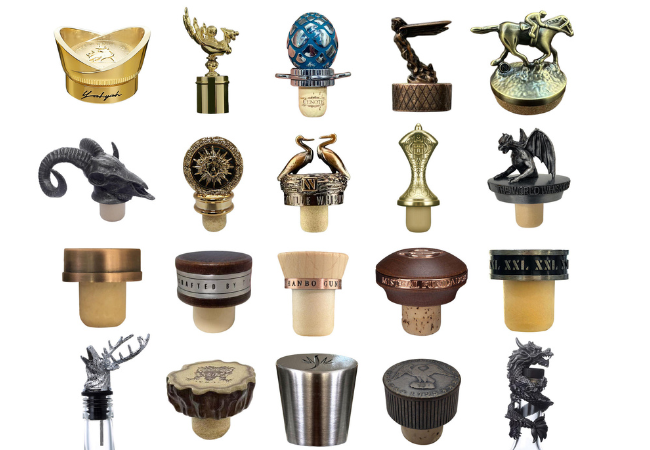
| Luxury limited edition | Metal, glass, ceramic, resin, or sculptural T-top | Gift packaging, collector bottles |
| Bar and restaurant use | Pourer closure or controlled-flow insert | Liqueurs, cocktail spirits, hospitality channels |
This table gives a practical starting point, but the final decision should always be confirmed with the bottle drawing, neck finish, filling process, target market, and brand positioning. If your project also requires bottle development, custom glass spirits bottles can be coordinated with closure fit, decoration, and export packaging requirements from the beginning.
Main Types of Spirits Bottle Closures
Bar-Top Corks and T-Top Closures
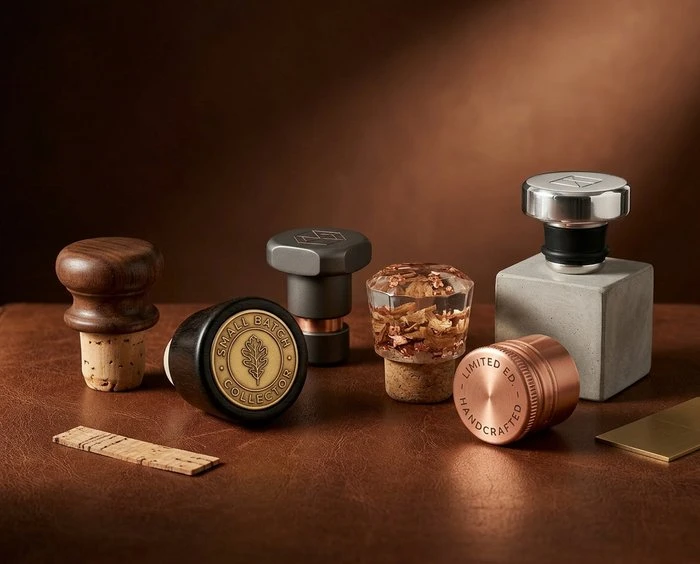
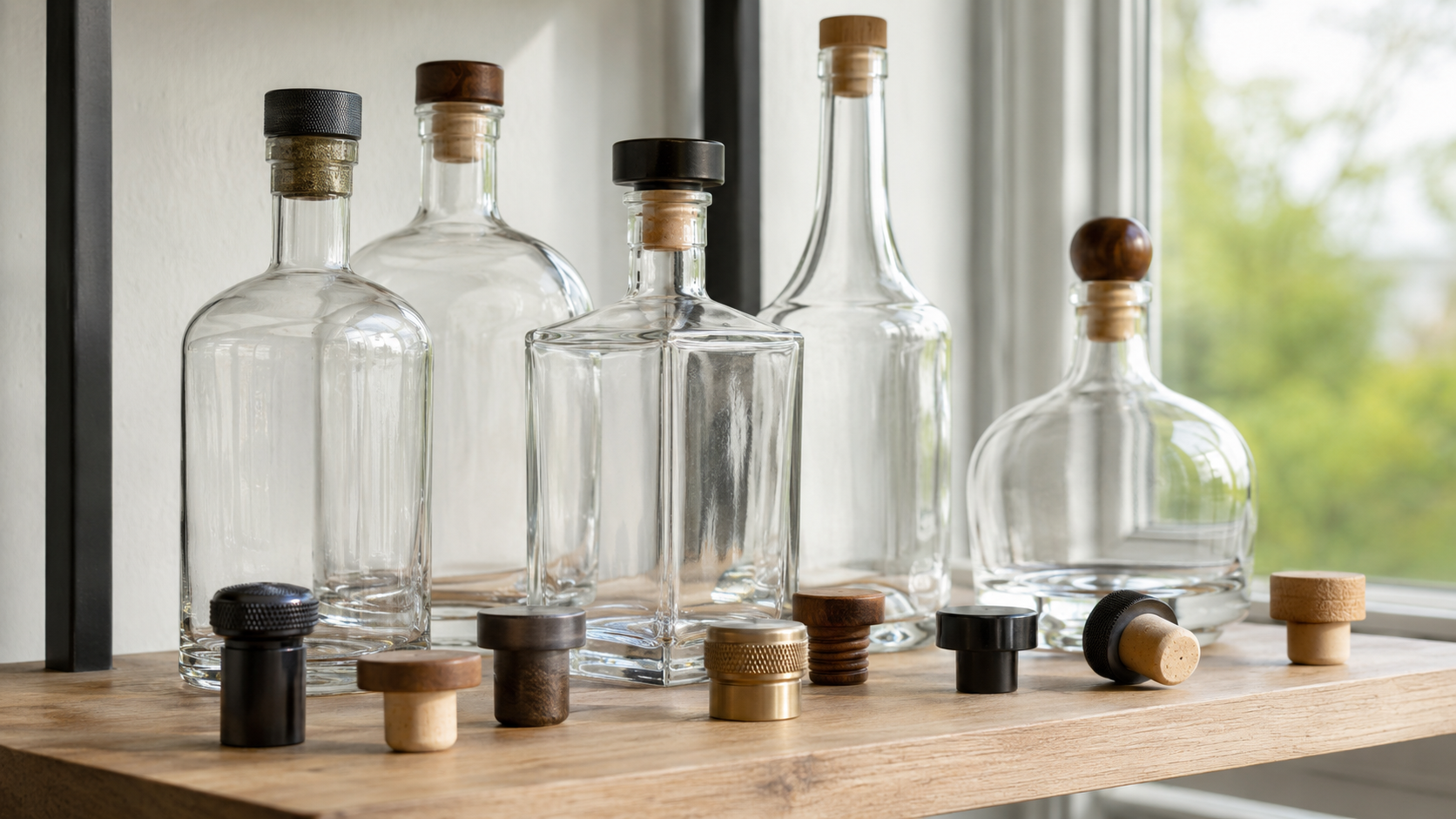
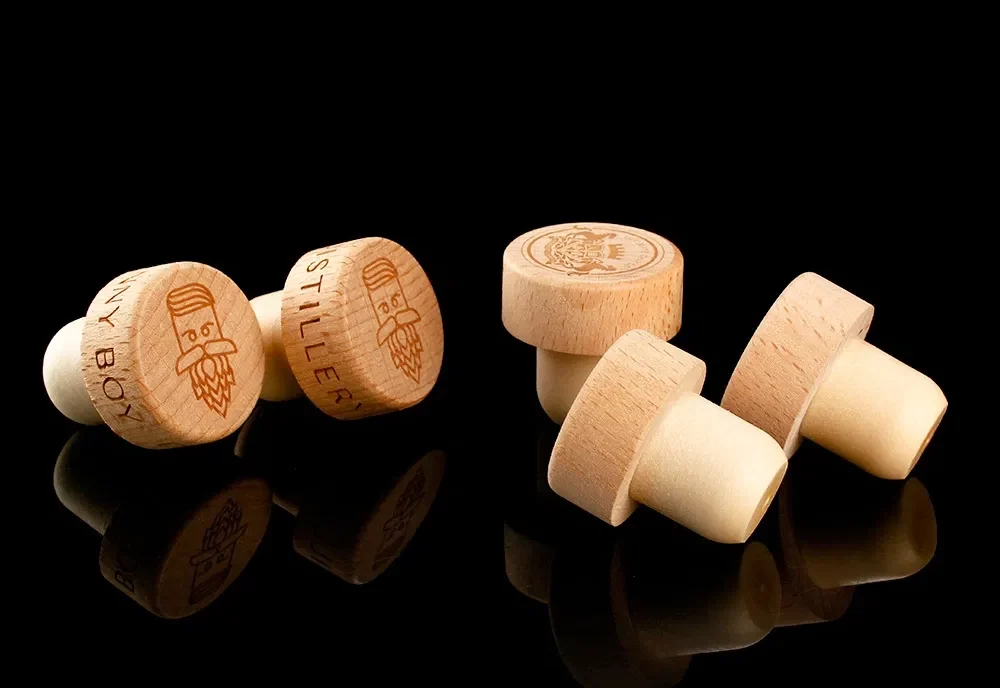
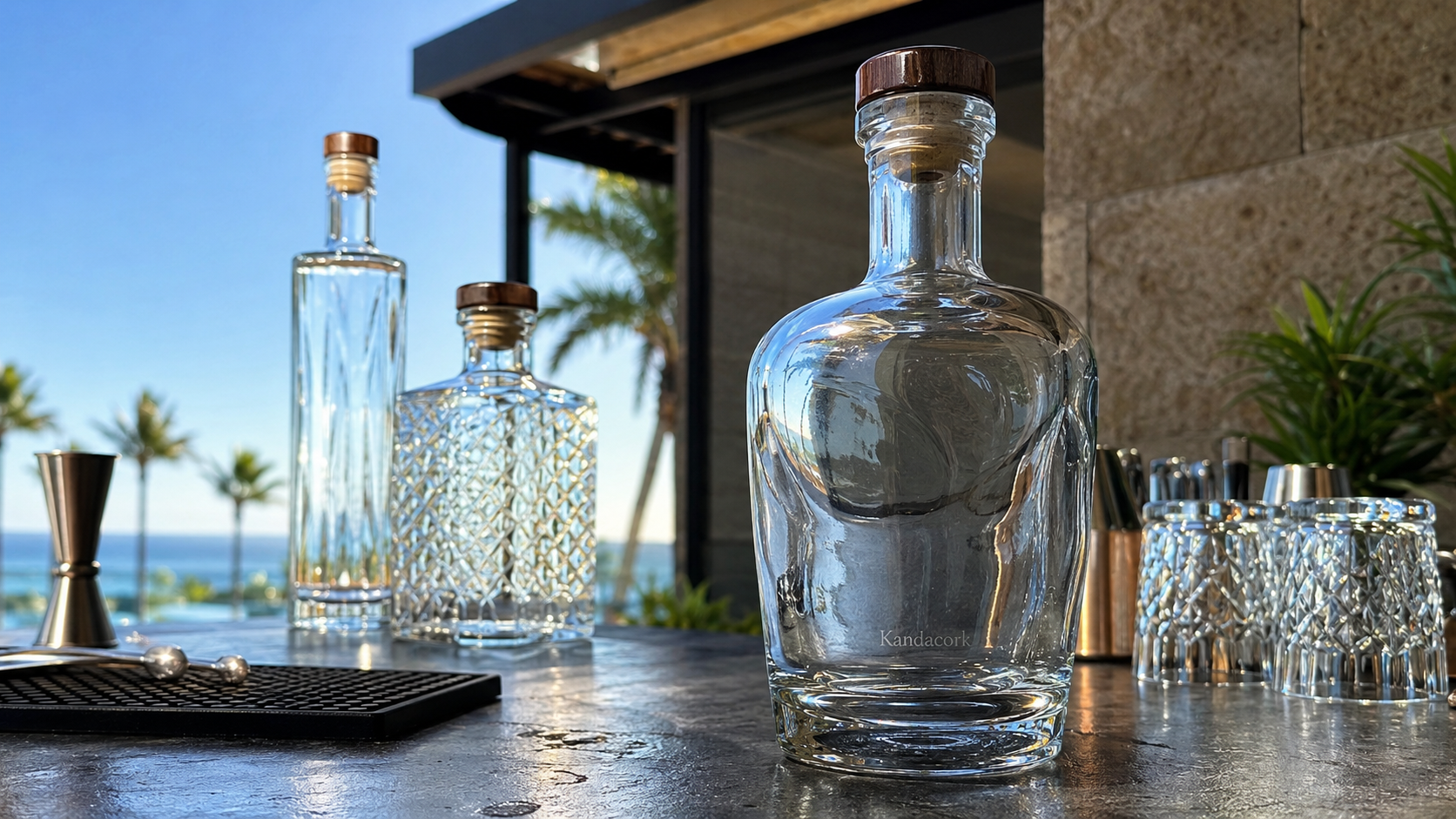
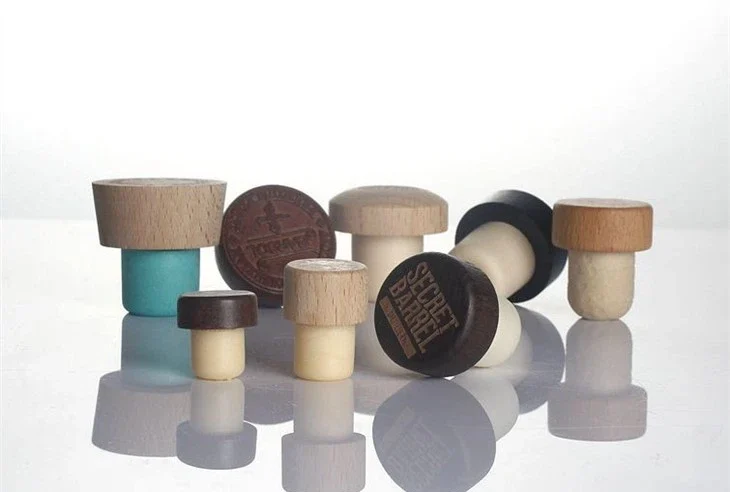
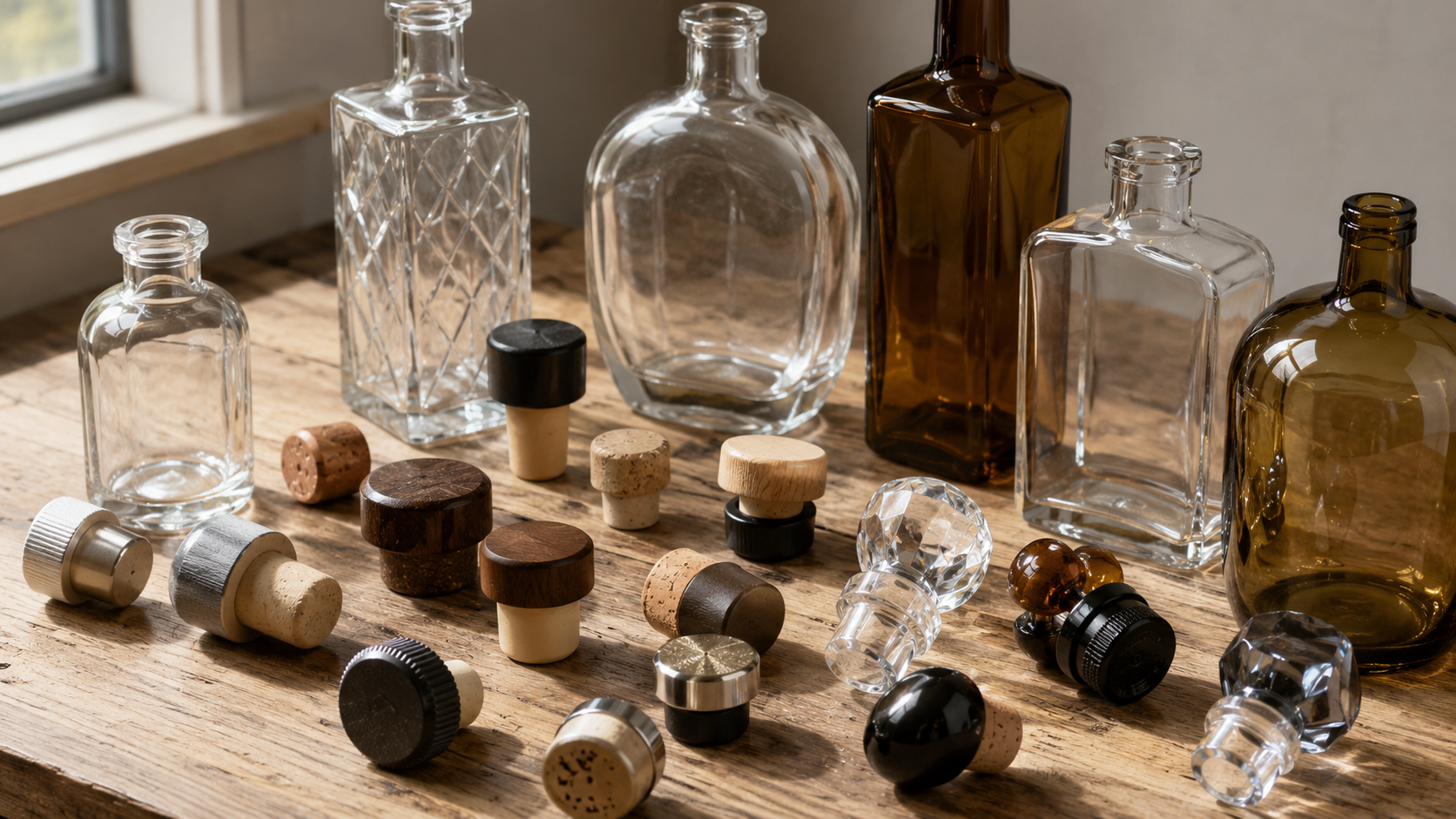
Bar-top corks, also called T-top closures or T-top stoppers, are widely used in premium spirits packaging. They usually combine a decorative top with a cork, synthetic cork, micro-agglomerated cork, or plastic shank. The top may be made from wood, aluminum, zinc alloy, glass, ceramic, resin, plastic, or other specialty materials.
These closures are especially popular for whiskey, rum, gin, tequila, brandy, and craft spirits because they create a traditional opening ritual. The consumer removes the stopper by hand, often experiencing a soft pop and a reusable closure feel. This makes the closure part of the product experience, not just a packaging accessory.
Bar-top closures are suitable for brands that need premium shelf appeal, custom logo decoration, resealable performance, and a craft or luxury image. For many premium liquor brands, a T-top closure is one of the most effective ways to combine function, hand feel, and visual identity.
Screw Caps and ROPP Closures
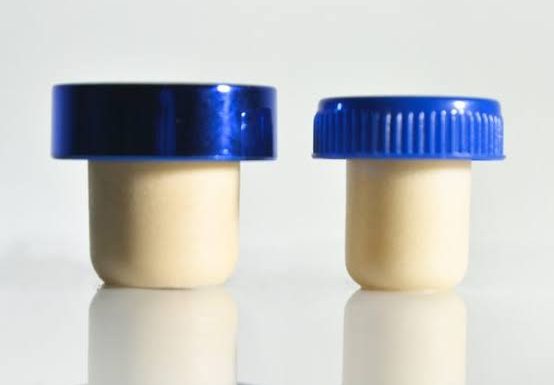
Screw caps and ROPP closures are common when brands need production efficiency, cost control, and tamper-evident performance. ROPP means roll-on pilfer-proof. It is usually an aluminum closure formed onto the bottle neck with capping equipment.
These closures are frequently used for vodka, gin, liqueurs, flavored spirits, mini bottles, RTD alcoholic beverages, and high-volume liquor products. They can be customized through color coating, top printing, side printing, embossing, liners, and tamper bands.
The broader closure and stopper range can include bar-top stoppers, screw caps, ROPP closures, capsules, sleeves, and matched accessories for spirits, olive oil, and specialty bottle projects. For spirits brands, the choice should be based on both the desired opening experience and the technical realities of the filling line.
Capsules, Sleeves, and Decorative Neck Finishes
Capsules and sleeves may not always be the primary seal, but they help complete the bottle’s visual identity. A premium whiskey or brandy bottle may use a cork stopper with a decorative capsule. A tequila, liqueur, or limited-edition spirits brand may use a shrink sleeve or neck band for decoration and tamper evidence.
Common capsule and sleeve options include tin capsules, aluminum capsules, polylaminate capsules, PVC shrink sleeves, PET shrink sleeves, printed neck bands, and tamper-evident shrink seals. These details can make the closure area feel more complete, especially when the label, shoulder, neck, and stopper are designed as one system.
For brands that need premium finishes, bottle decoration and branding can support coating, printing, hot foil, decals, badges, neck charms, and other visual details that connect the bottle body with the closure system.
Tamper-Evident and Non-Refillable Closures
Tamper-evident closures show visible evidence after first opening. Non-refillable closures are designed to reduce the risk of unauthorized bottle refilling. These features are especially important for premium spirits, export markets, duty-free channels, and regions where counterfeit liquor is a concern.
Tamper-evident and security closure options may include tamper bands, shrink sleeves, ROPP pilfer-proof caps, non-refillable valve systems, security inserts, QR code authentication, NFC-enabled connected closures, and custom anti-counterfeit decoration.
For projects that require aluminum caps, pilfer bands, liners, and line trials, custom ROPP closures can be matched to the glass finish, torque range, and capping equipment so the closure performs correctly during production and after distribution.
Choosing the Right Closure for Different Spirits Categories
The best closure depends on the liquid type, brand positioning, bottle shape, sales channel, and consumer expectation.
For whiskey and bourbon, wood-top corks, T-top closures, and premium synthetic cork shanks are common because they support tradition, craftsmanship, and high-value presentation. For gin, brands often use custom T-top closures, glass tops, aluminum tops, or colorful decorative closures to express botanical freshness, creativity, and modern design.
For vodka, ROPP closures, screw caps, and sleek aluminum closures are often selected for clean aesthetics, efficient production, and consistent resealing. For rum and brandy, darker wood, antique metal, cork-based stoppers, and heavier decorative tops can support a warm, aged, and premium identity.
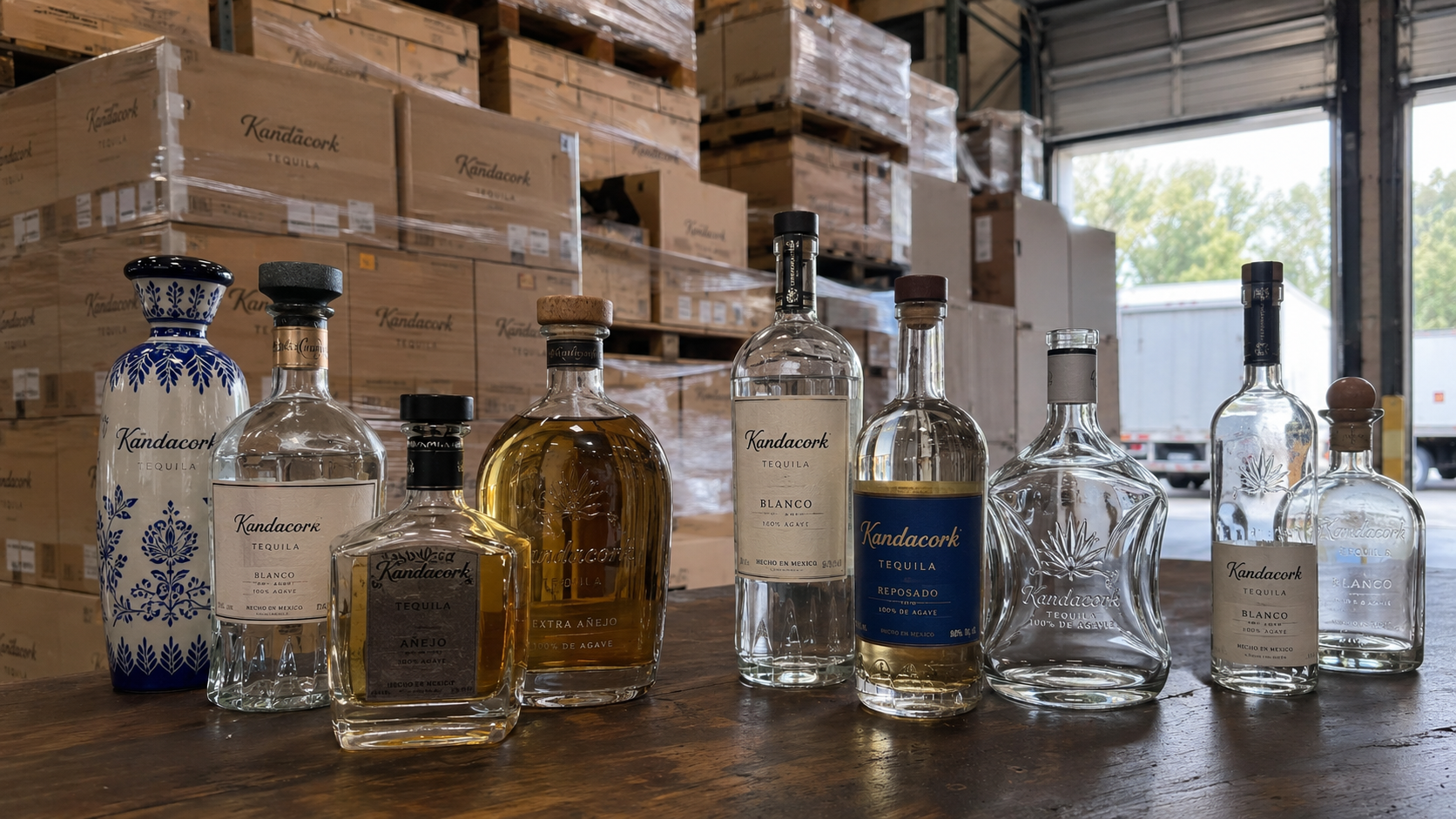
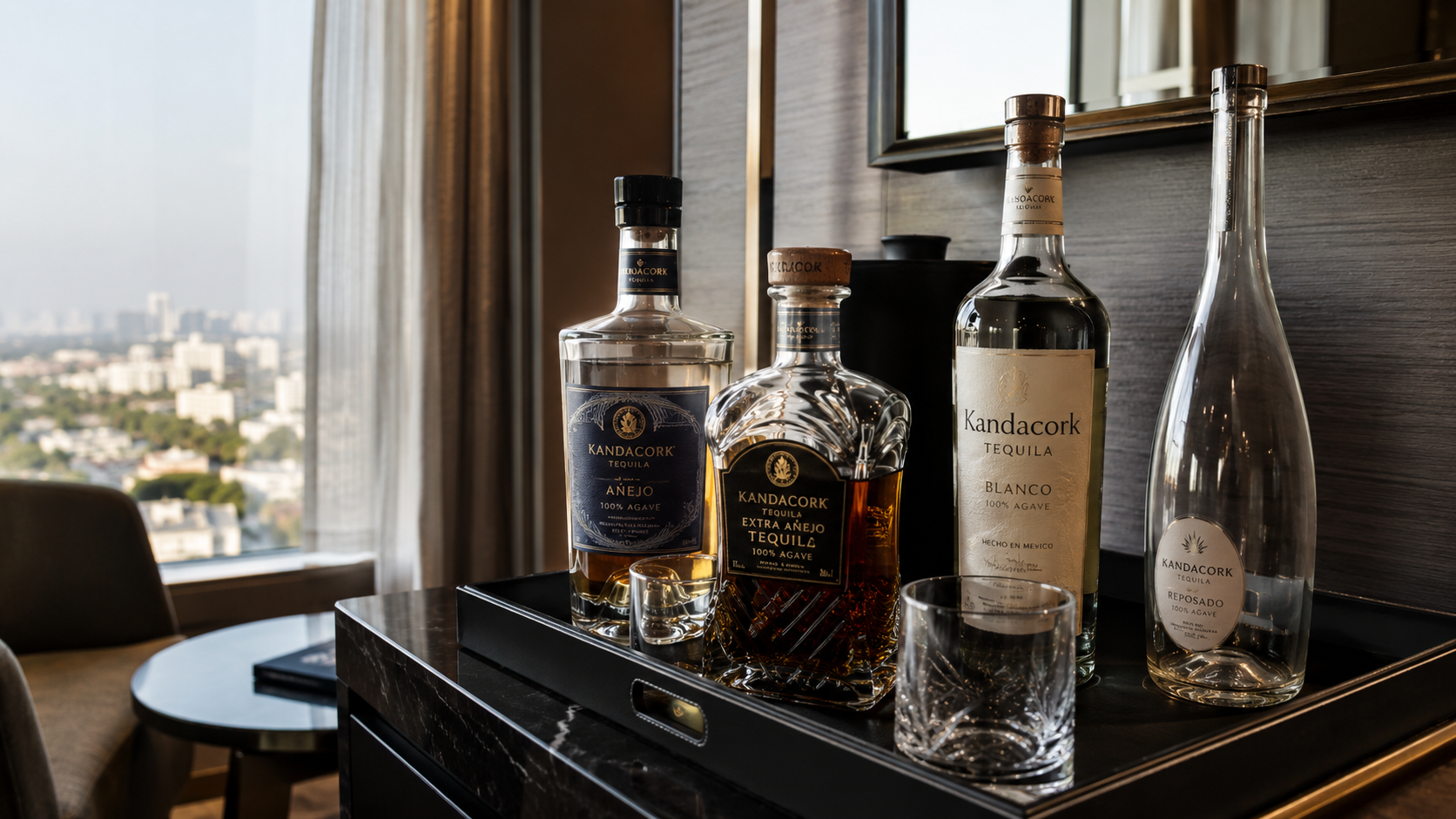
For tequila and mezcal, custom wood, ceramic, resin, metal, or sculptural tops are often used to create strong shelf differentiation and cultural storytelling. For liqueurs and flavored spirits, screw caps, pourer closures, and tamper-evident caps can provide convenience, controlled pouring, and cost efficiency.
Where the bottle itself is still being developed, Kandacork Glass can help align bottle shape, closure fit, decoration strategy, and brand positioning so the final package feels consistent rather than assembled from unrelated components.
Material Comparison for Custom Spirits Closures
The material of the closure top affects appearance, hand feel, cost, durability, and shipping requirements. Selecting the right material helps brands balance premium presentation with production feasibility.
| Material | Best Use | Main Strength | Key Consideration |
|---|---|---|---|
| Wood | Whiskey, rum, brandy, craft spirits | Natural premium feel and traditional appearance | Grain and color variation should be controlled |
| Aluminum | Gin, vodka, liqueurs, modern spirits | Lightweight, clean, and suitable for metallic finishes | Surface scratches and color consistency need inspection |
| Zinc alloy | Luxury editions and gift packaging | Heavy hand feel and high-end impression | Higher cost and higher shipping weight |
| Glass | Premium gin, vodka, and luxury spirits | Clean, elegant, and visually distinctive | Requires careful packing to reduce breakage risk |
| Ceramic | Tequila, mezcal, and specialty spirits | Artistic, distinctive, and suitable for storytelling | Custom mold, glaze, and packing control are important |
| Resin | Limited editions and custom shapes | Flexible shape, color, and visual effects | Decoration consistency and surface finish should be checked |
| Plastic | High-volume spirits and cost-sensitive projects | Consistent, lightweight, and flexible for production | Must match the brand’s desired premium level |
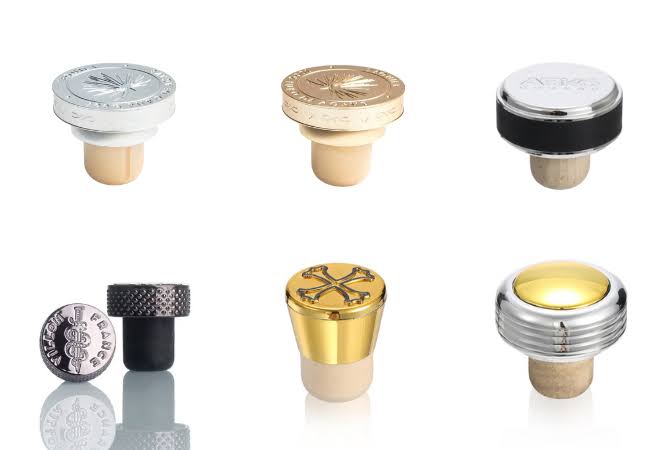
For premium spirits packaging closure solutions, material selection should consider the bottle shape, closure size, logo decoration method, order quantity, retail channel, and export conditions. Flagship products, gift packs, and collector editions often benefit from metal T-top stoppers when the brand needs weight, durability, engraving options, and a stronger luxury impression.
Technical Factors to Confirm Before Ordering Custom Spirits Closures
A closure should never be selected by appearance alone. A premium top material or beautiful logo decoration will not solve problems caused by poor fit, weak sealing, unsuitable shank material, or bottle neck mismatch.
| Technical Factor | Why It Matters | What to Check |
|---|---|---|
| Bottle neck inner diameter | Determines stopper fit and sealing | Match shank diameter and compression |
| Bottle neck finish | Affects cap compatibility and visual alignment | Confirm drawing, thread, bead, and finish type |
| Stopper shank diameter | Controls tightness and pull-out feel | Avoid loose fit or excessive insertion force |
| Insertion depth | Affects sealing and appearance | Confirm visible height and sealing contact |
| Pull-out force | Influences consumer opening experience | Test by sample before bulk production |
| Top diameter and height | Impacts bottle balance and shelf appearance | Match bottle shoulder, label, and carton |
| Top weight | Affects handling, shipping, and user feel | Avoid unstable or top-heavy packaging |
| Decoration method | Impacts logo quality and cost | Choose engraving, printing, stamping, or coating |
| Filling-line process | Prevents production problems | Confirm manual, semi-auto, or automatic application |
| Export packaging | Protects closures during transport | Confirm carton, inner bag, divider, or tray requirements |
For custom projects, Kandacork recommends reviewing the bottle drawing before tooling, sampling, or bulk production. If the buyer does not have a technical drawing, physical bottle samples can be used for measurement and fit testing.
Compliance and Material Considerations
Custom spirits closures should be evaluated for both appearance and material suitability. For B2B liquor packaging projects, buyers should confirm whether the selected cork, synthetic shank, glue, coating, ink, metal top, capsule, liner, or decorative component is suitable for the target market and intended use.
For the United States, the FDA’s packaging and food contact substances guidance is a useful reference point for understanding how food packaging and food-contact substances are regulated. For European markets, the European Commission’s food contact materials framework explains that food-contact materials should not endanger health, change food composition, or affect taste and smell under intended conditions of use.
Important material considerations include odor control, surface cleanliness, coating durability, decorative ink adhesion, metal finish stability, cork quality, shank consistency, and packaging protection during storage and shipping. For export spirits packaging, requirements may vary by region, product type, distribution channel, and retailer.
Quality systems also matter. The ISO 9001 quality management standard is widely used as a reference for process control, documentation, customer requirements, and continual improvement. In packaging sustainability discussions, the ISO 18601 packaging and environment standard provides a framework for using environmental packaging standards across optimization, reuse, recovery, and related topics.
Sustainability and Packaging Responsibility
Sustainable packaging decisions should be practical, verifiable, and appropriate for the product. A spirits closure may use cork, wood, aluminum, glass, resin, ceramic, plastic, or mixed materials, but each material has different sourcing, production, durability, recycling, and logistics considerations.
Natural cork and wood can support a warm, renewable material story when sourcing and quality are controlled. Aluminum can provide a lightweight metallic finish and strong decoration potential. Glass is often selected for premium presentation, inertness, and recyclability; the European glass packaging association FEVE notes that glass packaging is recyclable, reusable, and refillable, which makes it highly relevant for brands evaluating long-term packaging responsibility.
For brands exploring lighter bottles, refillable formats, or lower-impact packaging families, eco and refill glass packaging can be considered together with closure weight, decoration durability, carton protection, and transport efficiency. A sustainable packaging decision should never weaken sealing performance or increase breakage risk; the best solution balances environmental goals with real-world distribution conditions.
Custom Spirits Closure Design Options
Top Materials
The closure top is the part consumers see and touch first. It should match the brand’s price point, bottle shape, label design, and target retail channel.
Wood is classic, warm, and suitable for whiskey, rum, brandy, and craft spirits. Aluminum is modern, lightweight, and suitable for gin, vodka, and premium liqueurs. Zinc alloy offers a heavier luxury feel for limited editions. Glass creates a clean and elegant appearance for premium gin and vodka. Ceramic and resin can support distinctive shapes, colors, and storytelling for tequila, mezcal, and specialty spirits.
Shank Materials
The shank is inserted into the bottle neck and directly affects sealing, removal, and resealing. Common shank materials include natural cork, micro-agglomerated cork, synthetic cork, plastic shank, transparent synthetic shank, integrated pourer shank, and custom sealing inserts.
Natural cork is often associated with traditional quality and sustainability. Synthetic cork can offer consistency, lower variation, and stable sealing performance. Micro-agglomerated cork can balance natural cork appearance with controlled technical performance.
Decoration Methods
Decoration turns a closure into a visible brand asset. The right method depends on the material, logo design, surface texture, cost target, and desired premium effect.
Common decoration options include logo engraving, debossing, embossing, hot stamping, silk screen printing, pad printing, laser marking, color coating, metallic finishing, matte or glossy surface treatment, custom molded shapes, and special textures.
A smoky single malt whiskey may use a dark walnut top with engraved branding. A modern botanical gin may use a glass top or metallic pastel aluminum finish. A tequila brand may choose ceramic or sculptural resin to create stronger shelf recognition.
How Kandacork Reviews a Custom Closure Project
Kandacork reviews each custom project from both a design and manufacturing perspective. The goal is to help buyers avoid common problems before production begins.
The review process usually includes checking the bottle drawing or physical bottle sample, confirming neck inner diameter and insertion depth, recommending suitable top and shank materials, reviewing logo size and decoration feasibility, checking whether the top shape matches the bottle proportion, evaluating pull-out feel and resealing requirements, and confirming whether the closure needs a capsule, sleeve, tamper band, or security feature.
For wooden T-top closures, Kandacork checks grain consistency, logo engraving clarity, top-to-shank alignment, adhesive strength, surface scratches, and carton protection. For synthetic cork shanks, fit consistency, odor control, surface cleanliness, and dimensional stability are reviewed before packing. For metal or coated tops, color consistency, coating adhesion, scratches, logo accuracy, and surface finish are important inspection points.
This project-review process helps brands reduce sampling errors, avoid bottle-fit issues, and keep production aligned with the approved design.
OEM/ODM Manufacturing Capabilities
Kandacork develops custom spirits packaging closure solutions for liquor brands, distilleries, bottle suppliers, packaging distributors, design agencies, and private-label beverage companies.
As an OEM/ODM closure supplier, Kandacork can support projects from concept to production. The process usually includes design review, bottle neck evaluation, material selection, decoration planning, sample development, fit testing, mass production, inspection, and export packaging.
Kandacork can support custom cork stoppers and T-top closures, wood, metal, glass, ceramic, resin, and plastic top development, natural cork and synthetic cork shank selection, logo engraving, printing, embossing, debossing, hot stamping, custom color matching, surface finishing, bottle compatibility review, export cartons, and protective packaging for B2B bulk orders.
For brands that need a more integrated packaging route, complete bottle and closure systems can help align the glass bottle, neck finish, closure, decoration, and accessories before production begins.
Custom Closure Development Process
A clear development process helps reduce sampling errors, production delays, and bottle-fit problems.
- Brand requirement review
The project begins with the spirit type, bottle style, target price level, sales market, and desired closure appearance. - Bottle and neck finish check
The bottle drawing or physical sample is reviewed to confirm inner diameter, neck finish, insertion depth, and cap compatibility. - Material recommendation
The top material, shank material, capsule type, and decoration method are selected according to design goals and performance needs. - Design and logo confirmation
The closure shape, color, logo position, surface finish, and artwork details are checked before sample production. - Sample development
Samples are produced for visual review, bottle fit testing, pull-out evaluation, and packaging compatibility. - Pre-production approval
The buyer confirms appearance, fit, decoration, material, and packaging before mass production begins. - Mass production and quality inspection
Production follows the approved sample, with inspection for dimensions, surface quality, decoration accuracy, odor, assembly, and packing condition. - Export packing and delivery
Closures are packed to protect the top surface, shank, logo decoration, and carton stability during international shipping.
Common Mistakes When Selecting Spirits Bottle Closures
Many spirits packaging problems start before production. They often happen because the closure is selected only by appearance, without enough technical review.
Common mistakes include choosing the closure design before checking the bottle neck size, ignoring pull-out force during sample approval, selecting a heavy top without testing carton protection, using a decoration method that is unsuitable for the material, forgetting tamper-evident requirements for export markets, ordering bulk production before approving physical samples, and ignoring odor control for cork, glue, coating, or plastic parts.
Other common issues include not checking color consistency between samples and production, selecting a low-cost closure that weakens the brand’s premium position, and treating the stopper, capsule, label, and bottle as separate design elements.
A better approach is to review the closure as part of the complete bottle packaging system. The bottle, label, closure, capsule, carton, and brand story should work together.
Quote Checklist for Custom Spirits Closures
To develop accurate samples and pricing, buyers should prepare clear project details. A complete RFQ helps the manufacturer recommend suitable materials, tooling, decoration methods, and production solutions.
For a custom quote, send:
- Bottle drawing or physical bottle sample
- Bottle neck inner diameter and finish type
- Closure type, such as T-top, cork stopper, screw cap, or capsule
- Preferred top material
- Preferred shank material
- Logo file or artwork
- Decoration method preference
- Target color or surface finish
- Estimated order quantity
- Sample quantity requirement
- Target market or export destination
- Tamper-evident or anti-refill requirement
- Packing and shipping requirements
- Expected launch timeline
This information helps Kandacork provide more accurate recommendations for custom spirits closures, including suitable material options, sample planning, tooling requirements, and production feasibility.
Frequently Asked Questions
What is the best closure for premium whiskey bottles?
The best closure for premium whiskey bottles is usually a bar-top cork or T-top stopper with a wood, metal, glass, or resin top and a natural or synthetic cork shank. It provides resealability, premium shelf appeal, and a traditional opening experience.
Are cork stoppers suitable for spirits?
Yes. Cork stoppers are widely used for spirits, especially whiskey, rum, brandy, gin, tequila, and craft liquor. Brands may choose natural cork, micro-agglomerated cork, or synthetic cork depending on the desired appearance, consistency, and sealing performance.
When should a spirits brand use a screw cap?
A screw cap is suitable when the brand needs cost control, efficient production, resealability, and consistent application. Vodka, liqueurs, mini bottles, flavored spirits, and RTD alcoholic beverages often use screw caps or ROPP closures.
What is a ROPP closure?
A ROPP closure is a roll-on pilfer-proof aluminum cap. It is commonly used for liquor, wine, spirits, and beverage bottles that need tamper evidence, consistent application, and reliable resealing performance.
Can Kandacork develop closures for both new bottle projects and existing bottles?
Yes. Kandacork can support both new packaging development and existing bottle projects. For new projects, the closure can be designed around the bottle concept. For existing bottles, the bottle drawing or physical sample should be reviewed to confirm neck diameter, insertion depth, fit, decoration, and sealing performance.
What information is needed for a custom closure quote?
To request a custom spirits closure quote, provide the bottle drawing, neck finish, closure type, top material, shank material, logo file, decoration method, target quantity, market requirements, and expected launch timeline. Physical bottle samples are also helpful for fit testing.
What closure is best for luxury spirits packaging?
Luxury spirits packaging often uses metal, glass, ceramic, resin, or custom-molded T-top closures. These options create stronger shelf differentiation, support premium hand feel, and allow more distinctive logo decoration and brand storytelling.