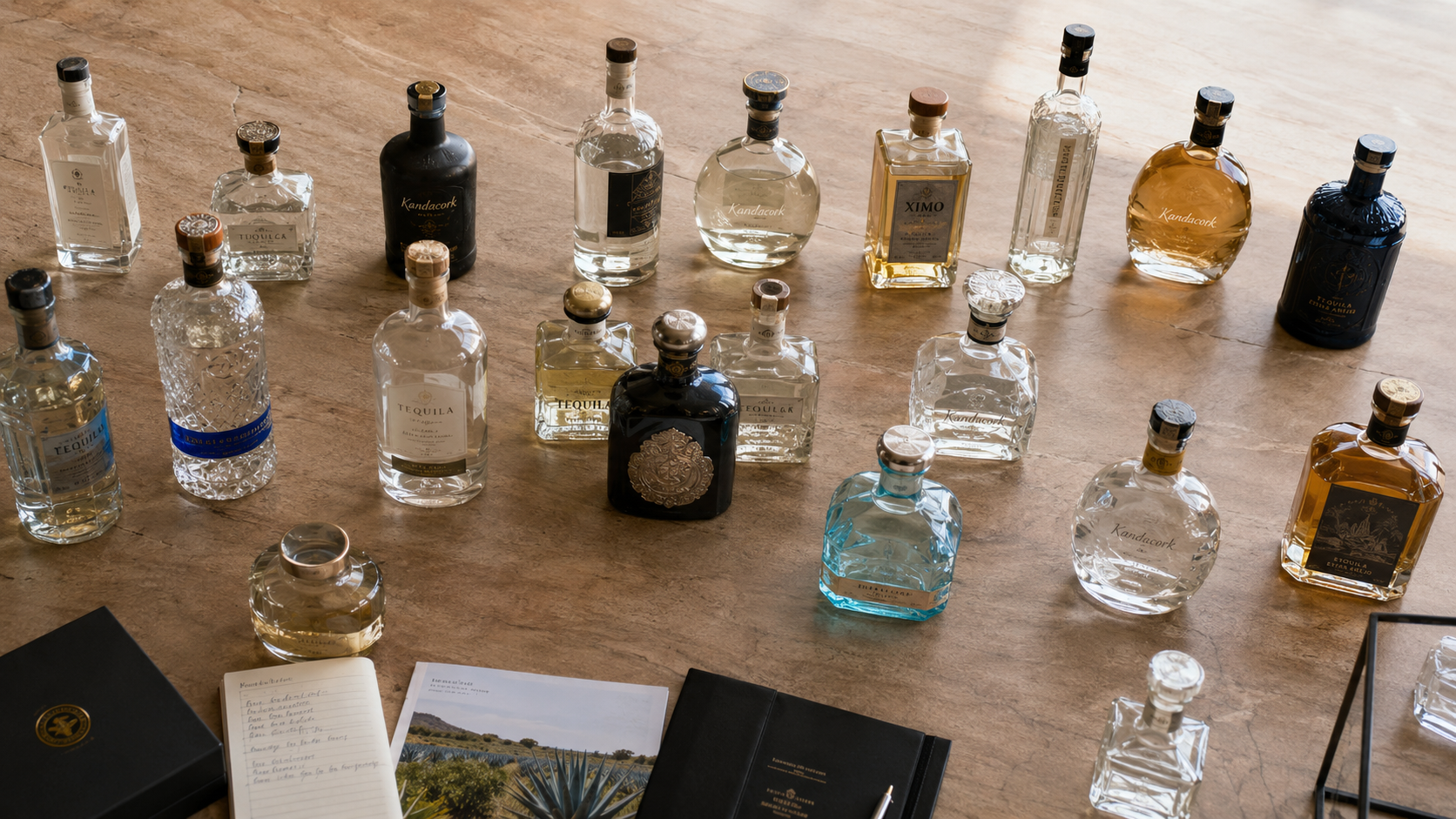
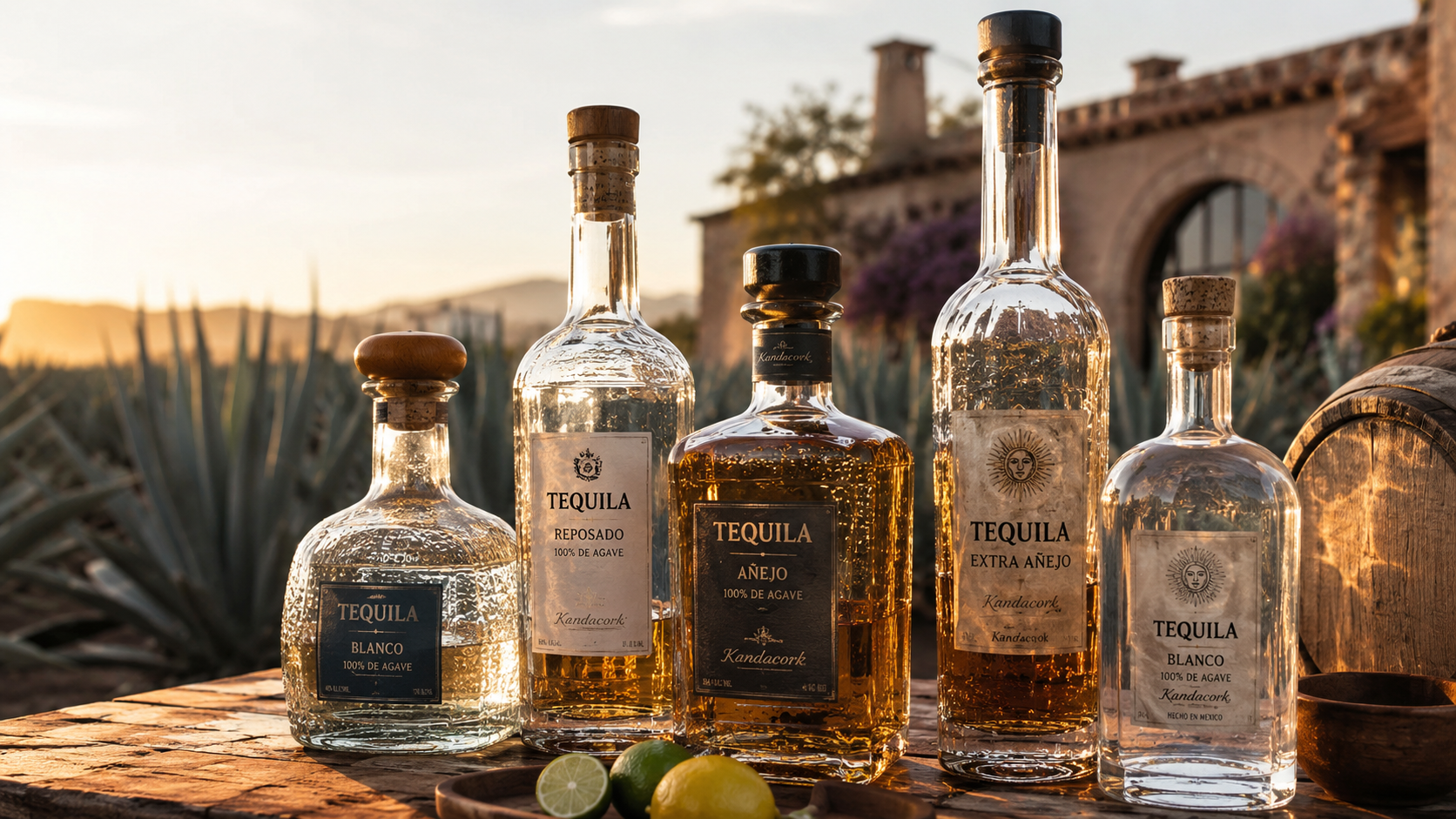
Vodka closure projects require clear specifications before sampling and production. This guide helps buyers define cap type, stopper material, neck fit, liner selection, torque requirements, logo method and packaging details for custom vodka bottles.
Fast Answer: What Is the Best Closure for a Vodka Bottle?
The best closure for a vodka bottle depends on the bottle design, target consumer, production volume, and market requirements. For standard and high-volume vodka, aluminum screw caps and ROPP closures are often practical because they are resealable, tamper-evident, and suitable for automated bottling. For premium vodka, craft vodka, gift bottles, and limited editions, bar-top stoppers, glass stoppers, wood-top closures, metal stoppers, and synthetic cork stoppers can create a stronger luxury impression.
For export vodka or markets where counterfeiting is a concern, non-refillable vodka closures can provide added brand protection. In most B2B projects, the final decision should be made after reviewing the bottle neck finish, sealing requirements, decoration method, filling line, logistics conditions, and expected order volume.
Quick Vodka Closure Selection Guide
| Buyer Need | Best Closure Option | Why It Works |
|---|---|---|
| Lowest cost and high-volume production | Aluminum screw cap | Practical, resealable, and scalable |
| Tamper evidence | ROPP closure | Provides visible pilfer-proof protection |
| Premium shelf appeal | Bar-top stopper | Creates a stronger opening experience |
| Luxury gift bottle | Glass or metal stopper | Adds weight, clarity, and visual value |
| Anti-counterfeit protection | Non-refillable closure | Helps reduce bottle refilling risk |
| Natural brand image | Wood-top cork stopper | Supports craft, organic, or heritage positioning |
| Export packaging | ROPP or non-refillable closure | Improves security and transport confidence |
This selection guide helps buyers narrow the closure type before moving into bottle-fit review, sample testing, decoration selection, and quotation.
Why Vodka Brands Need Custom Bottle Closures
Vodka packaging often communicates purity, clarity, minimalism, luxury, or modernity. The bottle closure must support the same message. A standard cap may be suitable for mass-market vodka, but a premium vodka brand may need a heavier, more distinctive closure to match the bottle design and price point.
Custom bottle closures for vodka help brands improve shelf recognition, reduce leakage risk, support tamper evidence, create a better opening experience, and maintain consistent packaging quality across repeat production runs. They also give B2B buyers more control over materials, color, finish, logo placement, and closure structure.
A well-designed vodka closure can improve consumer trust. If the cap feels secure, opens smoothly, reseals properly, and matches the visual identity of the bottle, the entire product feels more professional. For private-label projects and export orders, this level of consistency is especially important.
In the United States, vodka and other distilled spirits are regulated under official distilled spirits standards of identity, which makes packaging accuracy, labeling coordination, and product presentation important for brands selling into regulated markets.
Main Types of Custom Bottle Closures for Vodka
Screw Caps for Vodka Bottles
Screw caps are one of the most common choices for vodka bottles because they are simple, practical, resealable, and suitable for high-volume production. They are often used for standard vodka, flavored vodka, mini bottles, travel-size bottles, and private-label spirits.
Aluminum screw caps are popular because they provide a clean appearance, good printability, lightweight structure, and recyclable material option. Plastic screw caps may be used for cost-sensitive projects or special color requirements. Decoration options can include top logo printing, sidewall printing, embossing, debossing, color coating, and matte or glossy finishes.
For vodka brands that need efficiency, cost control, and reliable repeat supply, screw caps are often the first closure type to evaluate. Buyers comparing closure structures can also review a broader bottle stoppers and closures range to understand how screw caps, bar-top stoppers, ROPP closures, sleeves, and cork-based systems fit different spirits packaging projects.
ROPP Closures for Vodka Bottles
ROPP means roll-on pilfer-proof. A ROPP closure is usually made from aluminum and applied to the bottle neck during capping. The closure forms threads and a tamper-evident band, helping the consumer see whether the bottle has been opened.
ROPP closures for vodka are useful when brands need secure sealing, retail-ready appearance, and efficient bottling performance. They are often used for mainstream vodka, export vodka, and large private-label programs.
When choosing custom ROPP closures, buyers should confirm the bottle neck finish, cap diameter, liner compatibility, capping machine settings, torque requirements, skirt height, and tamper-band performance. A ROPP closure must be tested with the actual bottle before bulk production.
Bar-Top Stoppers for Vodka Bottles
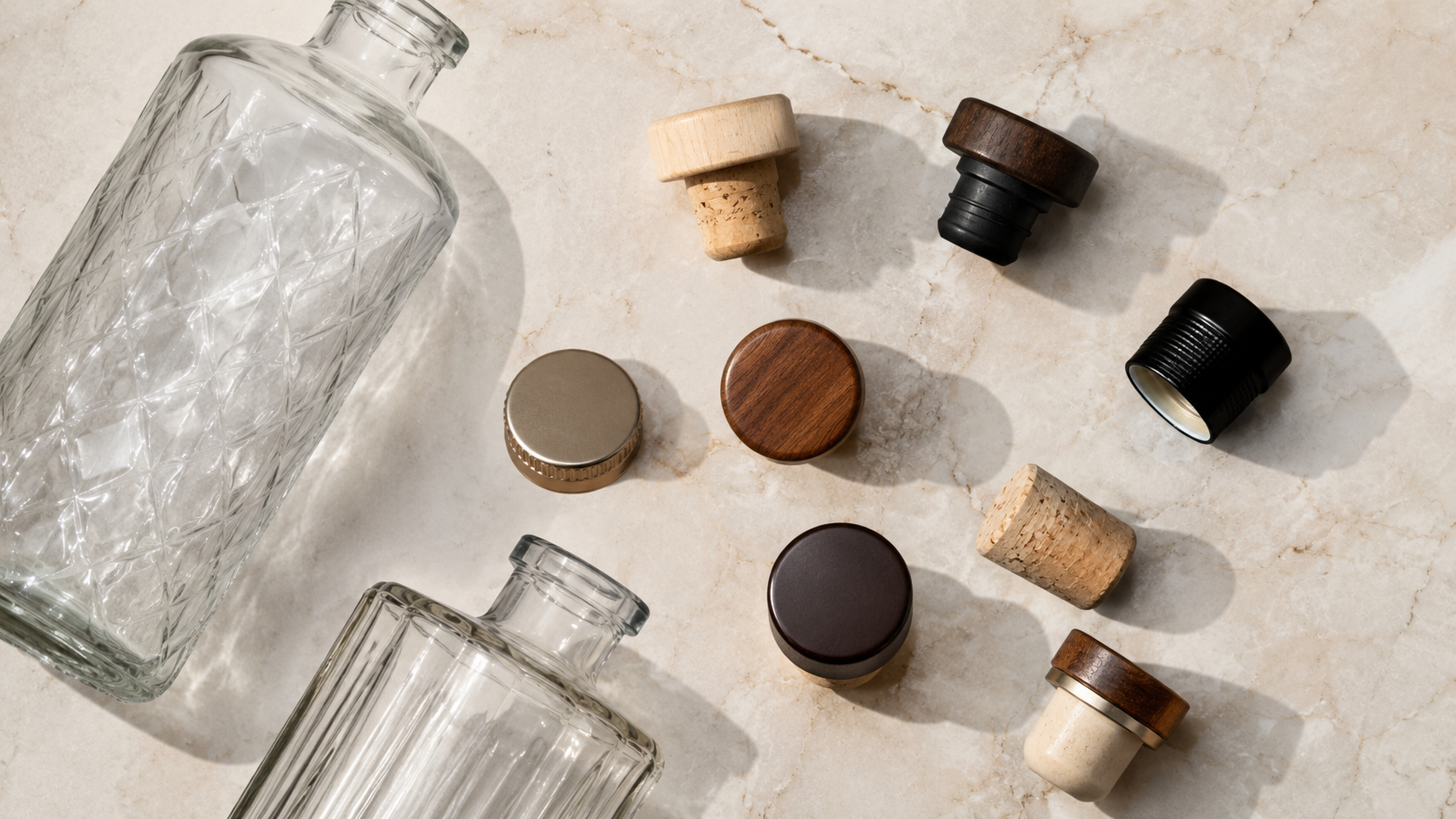
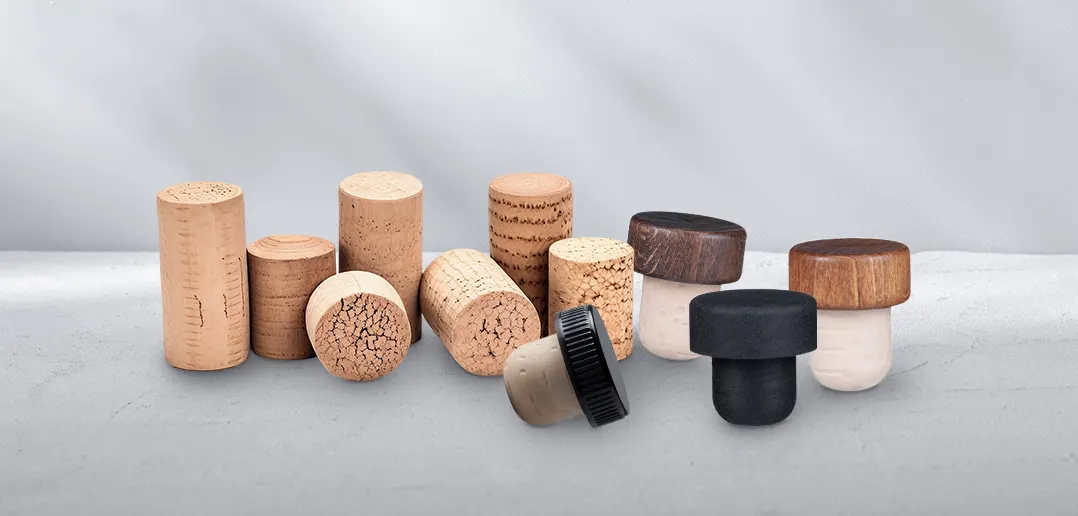
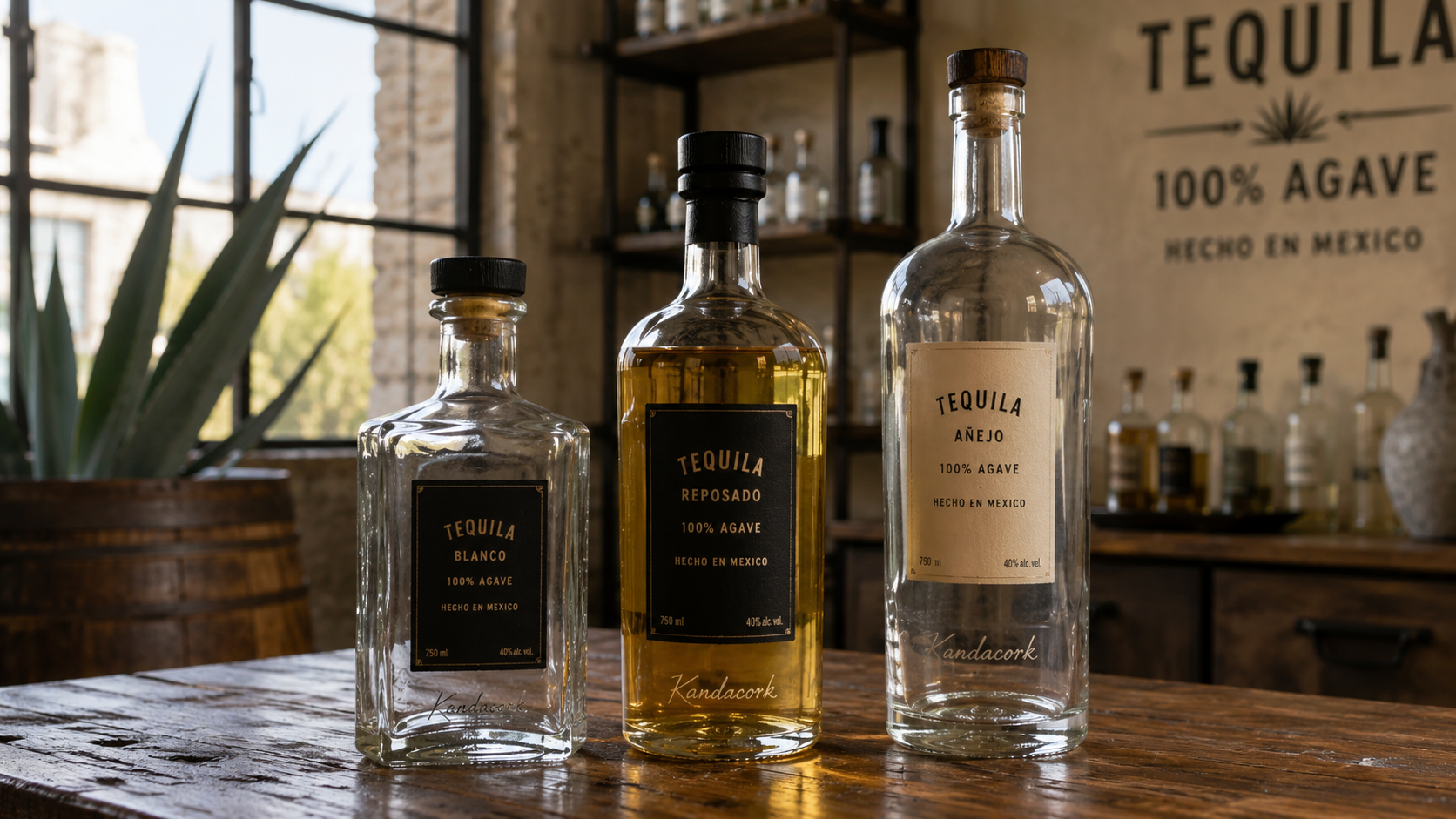
Bar-top stoppers are often used for premium spirits. They usually include a decorative top and a shank that fits inside the bottle neck. The top can be made from wood, aluminum, glass, plastic, ceramic, or metal alloy. The shank can be natural cork, agglomerated cork, synthetic cork, or another sealing material.
Bar-top stoppers for vodka are suitable for craft vodka, luxury vodka, small-batch spirits, limited editions, and gift packaging. They create a more premium opening experience and give the closure a stronger visual role in the overall bottle design.
A bar-top stopper must be selected carefully. The bottle mouth diameter, insertion depth, sealing area, pull-out force, and transport conditions all affect performance. If the stopper is too loose, leakage may occur. If it is too tight, consumers may have difficulty opening the bottle.
For contemporary premium vodka, aluminium bar-top stoppers can provide a clean metallic look, stable brand presentation, and a modern finish that works well with frosted glass, clear glass, and minimalist labels.
Non-Refillable Vodka Closures
Non-refillable closures are designed to make it difficult to refill a bottle after opening. They are often used for spirits brands that need anti-counterfeit protection, export security, or stronger control over product authenticity.
Non-refillable vodka closures may include pourer inserts, internal valves, tamper-evident rings, and multi-component structures. They are especially useful for premium vodka, duty-free channels, export markets, and regions where counterfeit alcohol is a known risk.
This type of closure requires more engineering than a standard cap or stopper. Buyers considering non-refillable closures should provide bottle drawings, market requirements, sealing expectations, pour behavior requirements, and testing conditions early in the project.
Glass, Metal, Wood, and Synthetic Cork Stoppers
Premium vodka brands often use material contrast to create a memorable package. A clear bottle with a glass stopper can communicate purity and luxury. A wood-top stopper may suggest craftsmanship and natural character. A metal stopper can feel heavy, modern, and high-value. Synthetic cork provides more consistent dimensions than natural cork and can support repeat production.
For brands developing the bottle and closure together, Kandacork Spirits can support glass spirits bottle planning, neck finish coordination, closure matching, and packaging development for vodka and other premium spirits projects.
How to Choose Custom Bottle Closures for Vodka by Brand Segment
Different vodka segments need different closure solutions. A closure for an economy vodka bottle should prioritize cost, line speed, and sealing reliability. A closure for luxury vodka should emphasize appearance, material weight, decoration quality, and consumer experience.
| Vodka Segment | Recommended Closure Type | Suitable Materials | Main Advantage |
|---|---|---|---|
| Economy vodka | Screw cap | Aluminum, plastic | Cost-effective and scalable |
| Mainstream vodka | ROPP closure | Aluminum | Tamper evidence and efficient bottling |
| Craft vodka | Bar-top stopper | Wood, natural cork, synthetic cork | Handmade and premium feeling |
| Luxury vodka | Glass or metal stopper | Glass, zamak, aluminum, synthetic cork | Strong shelf impact |
| Export vodka | Non-refillable closure | Aluminum-plastic system, security insert | Anti-counterfeit protection |
| Flavored vodka | Screw cap | Aluminum, plastic | Easy resealing after repeated use |
| Gift vodka | Custom bar-top closure | Glass, metal, wood, decorative cork | Premium presentation |
This selection matrix helps buyers make an initial decision before moving into technical validation, sample testing, and quotation. It also helps procurement teams compare cost, appearance, production speed, and market positioning before investing in tooling or decoration.
Vodka Closure Materials Compared
Aluminum
Aluminum is lightweight, printable, recyclable, and suitable for screw caps and ROPP closures. It works well for vodka brands that want a clean, modern look with strong production efficiency. Aluminum caps can support metallic finishes, matte coatings, embossing, debossing, and top logo decoration.
Plastic
Plastic closures are cost-effective and flexible in color. They can be used for high-volume vodka projects, mini bottles, and value-oriented spirits packaging. For premium vodka, plastic may need additional finishing or design treatment to avoid a low-cost appearance.
Wood
Wood tops are commonly used for craft vodka, organic-inspired packaging, and premium bar-top closures. Wood creates warmth and a natural tactile feel. It can be stained, engraved, painted, or combined with cork and synthetic shanks.
Glass
Glass stoppers provide a high-end visual effect. They are suitable for luxury vodka, clear bottle designs, gift packaging, and premium limited editions. Glass closures may require stricter dimensional control and careful protection during transportation.
Natural Cork
Natural cork offers a traditional and sustainable image. In spirits packaging, it is usually used as part of a bar-top stopper rather than as a wine-style closure. Natural cork requires quality control for dimensions, moisture, sensory performance, and appearance.
Synthetic Cork
Synthetic cork is useful when brands want a stopper-style opening experience with more consistent dimensions. It can help reduce natural variation and support repeat production for export orders and larger vodka packaging projects.
Metal Alloy
Metal or zamak tops can create a heavy, premium, and collectible feel. They are suitable for luxury vodka, gift sets, and special-edition packaging. Metal closures can be plated, engraved, embossed, or combined with cork and synthetic sealing components.
Technical Checklist Before Ordering Vodka Bottle Closures
Before ordering custom bottle closures for vodka, buyers should confirm the key technical details that affect sealing, filling-line performance, and packaging safety. These details help suppliers recommend the right closure structure and reduce the risk of sample rejection or production delay.
| Technical Item | Why It Matters |
|---|---|
| Bottle neck outer diameter | Confirms cap or stopper compatibility |
| Inner mouth diameter | Important for bar-top stoppers and cork shanks |
| Thread finish | Required for screw caps and ROPP closures |
| Sealing surface | Affects leakage resistance |
| Cap height | Influences appearance and machine application |
| Liner type | Affects alcohol compatibility and sealing |
| Torque requirement | Important for screw cap opening and resealing |
| Pull-out force | Important for bar-top stoppers |
| Capping machine type | Determines application feasibility |
| Filling speed | Affects closure feeding and production planning |
| Shipping temperature range | Helps evaluate expansion, contraction, and leakage risk |
| Carton packing method | Helps prevent scratches, dents, and stopper damage |
| Target market | May affect tamper-evident and anti-counterfeit requirements |
| Decoration method | Influences surface treatment, cost, and MOQ |
Glass bottle and closure compatibility should be treated as a system. Industry organizations such as the Glass Packaging Institute help packaging professionals understand the role of glass container standards, sustainability, and technical consistency in commercial packaging.
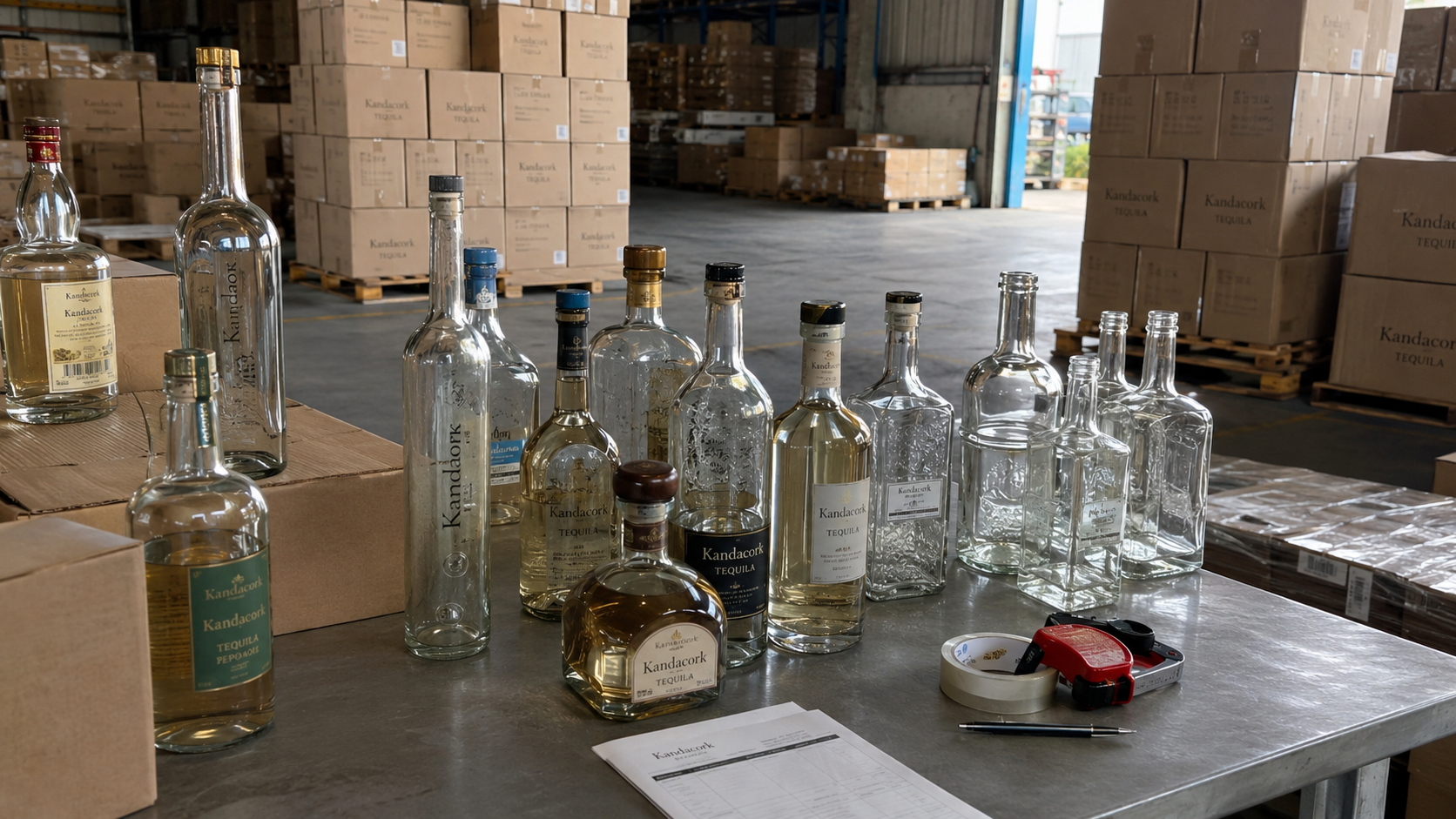
For B2B sourcing, the most useful documents include a bottle technical drawing, closure drawing if available, artwork file, expected annual volume, filling-line information, and bottle samples. This information allows the supplier to check fit, decoration feasibility, material options, and sample development requirements.
How to Choose the Right Closure for Your Vodka Bottle
Define the Brand Positioning
The closure should match the price point and brand story. A standard vodka may need a reliable screw cap or ROPP closure. A premium vodka may need a glass stopper, aluminum bar-top closure, metal stopper, or custom wood-top cork. A sustainability-focused vodka brand may choose cork, wood, recycled materials, or recyclable aluminum.
Before ordering custom bottle closures for vodka, define whether the product is mass-market, craft, luxury, export-focused, flavored, or gift-oriented.
Check the Bottle Neck Finish
The bottle neck finish controls closure compatibility. Even if two bottles look similar, the opening diameter, thread profile, sealing surface, height, and tolerance can be different.
For screw caps and ROPP closures, buyers should provide the neck finish standard or technical drawing. For bar-top stoppers, the inner diameter, mouth shape, insertion depth, and pull-out force are important. A closure that looks good but does not fit correctly can cause leakage, loose sealing, difficult opening, or production delays.
Match the Closure to the Filling Line
A closure must work with the actual filling and capping process. High-speed vodka bottling lines may require consistent cap feeding, torque control, and machine compatibility. Bar-top stoppers may require insertion equipment and pull-out force testing. Non-refillable closures may need special application settings.
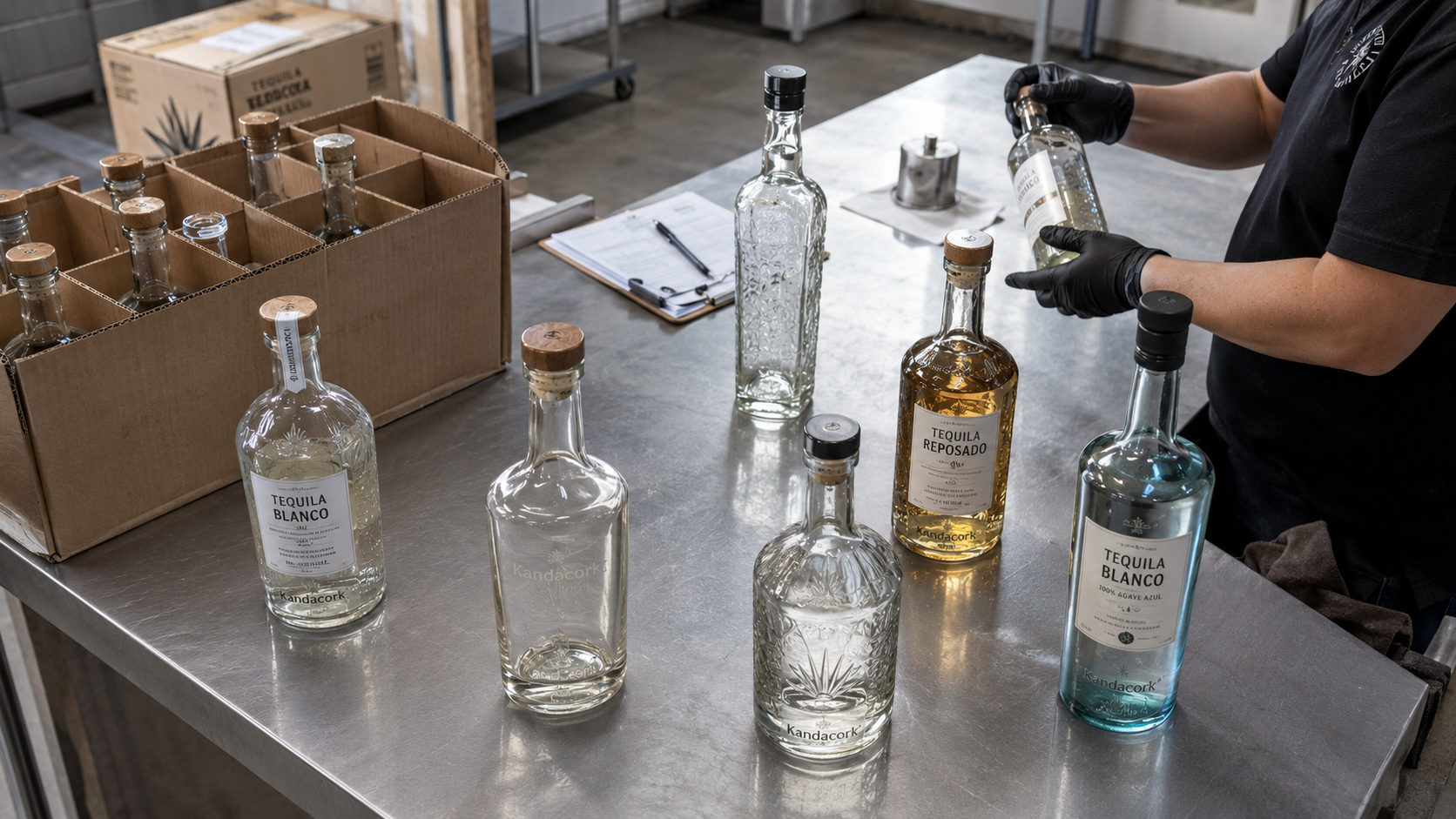
Before bulk production, it is best to test samples on the buyer’s bottle and filling line whenever possible. Trial testing helps confirm appearance, line performance, opening feel, sealing behavior, and carton protection before mass production begins.
Review Sealing Requirements
Vodka is a high-strength distilled spirit, so closure materials and liners must be compatible with alcohol contact and storage conditions. Buyers should review leakage resistance, liner selection, torque retention, pull-out force, evaporation risk, and transportation vibration.
For export orders, temperature changes and long-distance shipping should also be considered. A closure that works in a short local test may behave differently after container shipping, warehouse storage, or repeated temperature fluctuation.
Decide on Decoration Method
A custom closure can become a strong branding surface. Common decoration methods include top logo printing, sidewall printing, embossing, debossing, hot foil stamping, laser engraving, color coating, matte finish, glossy finish, metallic plating, wood staining, and custom capsule matching.
For premium vodka, the closure should match the bottle shape, label material, glass color, secondary packaging, and target retail environment. Brands that need coordinated bottle decoration, coating, printing, and closure branding can work with Kandacork Decor to align the bottle and closure as one visual system.
Common Vodka Closure Problems and How to Avoid Them
Vodka closure problems usually come from poor fit, incorrect material selection, weak testing, or incomplete project information. These problems can delay production, increase costs, and damage the consumer experience.
| Common Issue | Possible Cause | Prevention Method |
|---|---|---|
| Leakage during shipping | Incorrect liner, loose stopper, poor neck fit | Test closure with actual bottle before production |
| Loose stopper fit | Bottle mouth tolerance mismatch | Confirm inner diameter and pull-out force |
| Difficult opening | Excessive torque or tight stopper | Test consumer opening force and line settings |
| Cap torque inconsistency | Capping machine not adjusted properly | Run trial production and torque checks |
| Decoration scratches | Surface treatment not matched to packing method | Confirm coating durability and packing design |
| Tamper band failure | Wrong ROPP cap dimensions or machine setup | Test pilfer band breakage and application quality |
| Alcohol compatibility issue | Incorrect liner or plastic material | Review material compatibility for spirits contact |
| Production delay | Missing bottle drawing or artwork | Prepare technical files before requesting a quote |
A reliable vodka bottle closure project should always include fit testing, sealing review, surface inspection, packaging review, and pre-production sample approval.
Customization Options for Vodka Bottle Closures
Custom bottle closures for vodka can be developed in many ways depending on brand positioning and budget. Common customization options include custom size and shape, custom top design, logo printing, embossing, debossing, hot foil stamping, laser engraving, matte or glossy coating, metallic color matching, wood stain matching, glass stopper design, metal plating, tamper-evident structure, non-refillable insert, custom capsule, shrink sleeve, and export carton design.
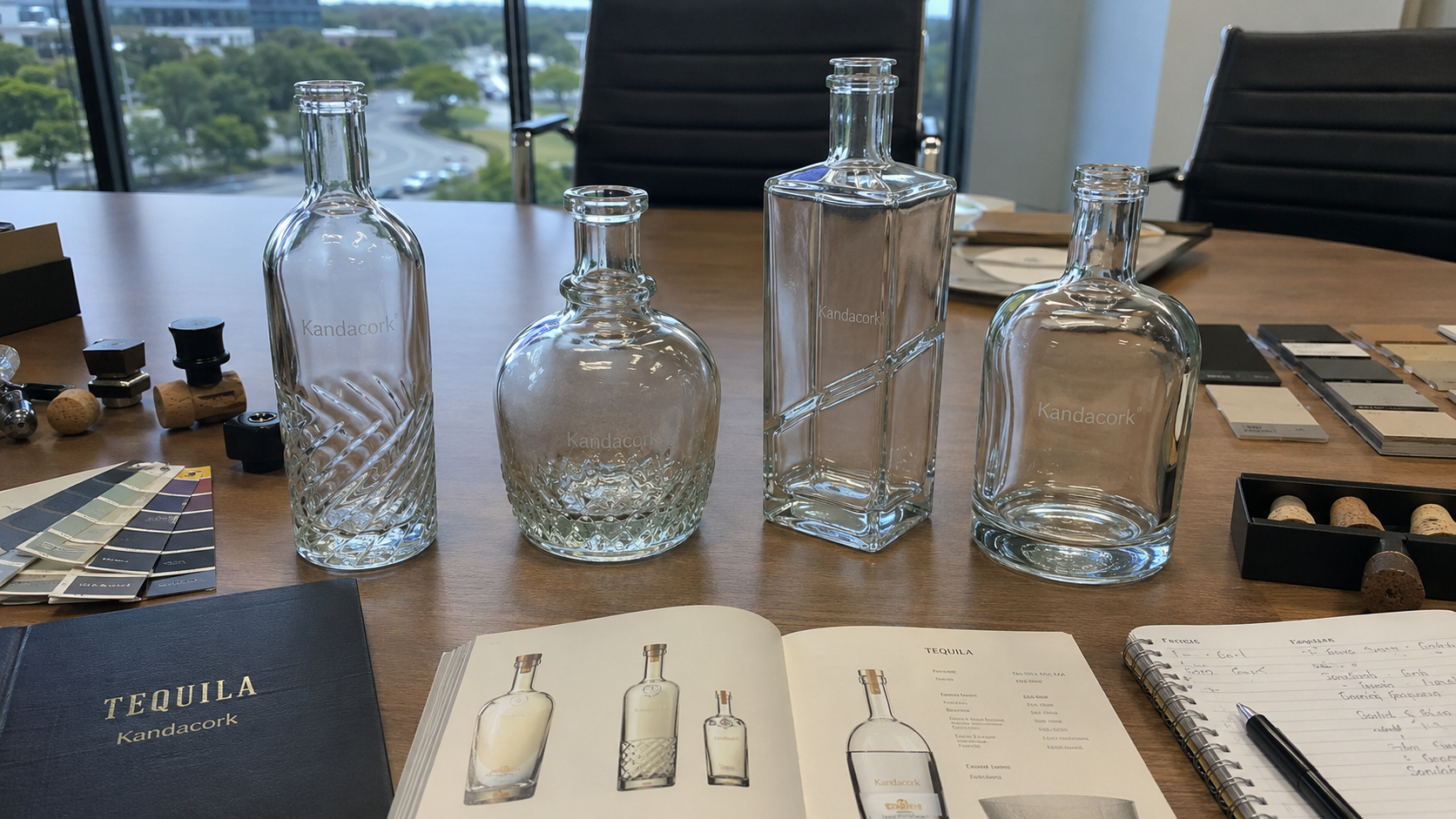
For luxury vodka projects, closure customization should be planned together with the bottle, label, carton, and brand visual system. This helps create a complete packaging experience rather than a collection of separate components.
Color and finish selection should also consider handling conditions. A closure may look perfect in a sample photo but still need scratch resistance, grip comfort, wet-hand handling, and repeatable production color. Kandacork’s colors and finishes for custom spirits closures support brands that need controlled surface appearance across screw caps, ROPP closures, bar-top stoppers, capsules, and related closure components.
For projects that require custom bottle structure, glass color, embossing, decoration-ready surfaces, and closure fit together, Kandacork Glass can support coordinated spirits packaging development.
What Information Should Buyers Provide Before Requesting a Quote?
To receive an accurate quotation for custom bottle closures for vodka, buyers should prepare clear project information. The more details provided at the beginning, the faster the supplier can recommend a practical closure structure, estimate tooling needs, and prepare samples.
Buyers should provide:
- Bottle capacity
- Bottle neck finish or technical drawing
- Bottle samples if available
- Preferred closure type
- Material preference
- Logo or artwork file
- Target order quantity
- Filling method
- Target market
- Export requirements
- Decoration method
- Packaging requirements
- Sample or prototype needs
For custom molds, glass stoppers, metal stoppers, or non-refillable closures, technical drawings and bottle samples are especially important. If the project includes a new bottle, buyers should coordinate the bottle neck and closure early rather than treating the closure as a final accessory.
MOQ, Samples, Lead Time, and Bulk Production
MOQ depends on the closure type, material, decoration process, and whether a new mold is required. Standard aluminum caps and common bar-top stoppers may support lower development complexity, while custom glass, metal, or non-refillable closures often require more detailed engineering.
A typical B2B development process includes project brief review, bottle drawing review, material recommendation, closure type confirmation, artwork approval, sample development, fit testing, sealing testing, pre-production sample approval, bulk production, QC inspection, and export packing.
Buyers can reduce lead-time risk by confirming technical drawings, approving artwork early, testing samples before production, and planning cartons or dividers that protect decorated closure surfaces during shipment.
Quality Control for Vodka Bottle Closures
Quality control should focus on both appearance and performance. A beautiful closure is not enough if it fails during bottling, shipping, or consumer use.
Important QC points include:
- Dimensional inspection
- Neck fit testing
- Torque testing for screw caps
- Pull-out force testing for stoppers
- Leakage testing
- Liner compatibility review
- Surface finish inspection
- Logo position and color checking
- Tamper-evident band inspection
- Packaging and carton protection
- Food-contact material documentation where applicable
Packaging components that contact food or beverages should be reviewed with appropriate material documentation. In the U.S., the FDA provides guidance on packaging and food-contact substances. For the European market, the European Commission explains the legal framework for food contact materials, including the principles of safety and inertness.
For a vodka closure project, the practical goal is simple: the closure should fit the bottle correctly, protect the liquid, open as intended, reseal where required, maintain a consistent appearance, and survive normal production and distribution conditions.
Sustainability Considerations for Vodka Closures
Sustainability is becoming more important in spirits packaging. Vodka brands are reviewing glass weight, recycled materials, closure recyclability, packaging waste, and transportation efficiency. Closure choices can influence the overall environmental profile of a packaging system, especially when brands use metal, cork, wood, plastic, mixed materials, or decorative coatings.
For closures, practical sustainability options may include recyclable aluminum, natural cork, responsibly sourced wood, reduced plastic content, mono-material design where possible, lightweight structures, and efficient export packing.
Organizations such as the Sustainable Packaging Coalition encourage packaging stakeholders to consider design, recovery, sourcing, and lifecycle impacts. For vodka brands, the best approach is not to choose a sustainable-looking closure only for appearance, but to balance responsible material use with sealing performance, supply reliability, and realistic end-of-life options.
Brands exploring lower-impact glass packaging, lightweight bottles, recycled glass concepts, or coordinated bottle-and-closure systems may also consider Kandacork Eco Glass when developing broader packaging programs.
Why Work With Kandacork Closures?
Kandacork Closures is a B2B spirits closure supplier supporting custom caps, cork stoppers, ROPP closures, bar-top stoppers, and decorative closure solutions for vodka, whisky, gin, rum, tequila, brandy, liqueur, and other spirits packaging projects.
The company supports a wide range of closure styles, including screw caps, ROPP closures, bar-top stoppers, cork stoppers, synthetic cork stoppers, glass stoppers, wood-top closures, aluminum closures, metal stoppers, and premium decorative closures.
For buyers developing custom bottle closures for vodka, Kandacork Closures can help with material selection, bottle-neck review, branding options, sampling, sealing checks, and bulk production planning. Whether the project is a standard vodka cap, a luxury bar-top stopper, or an export-ready non-refillable closure, the goal is to create a closure that fits the bottle, protects the product, and strengthens the brand.
Kandacork Closures supports custom spirits packaging closure projects through design review, material selection, sampling, decoration, sealing checks, and export-ready production planning. This makes the company a practical partner for vodka brands and spirits packaging buyers that need both visual customization and technical packaging support.
Need custom bottle closures for vodka? Send your bottle drawing, neck finish, closure type, logo artwork, target quantity, and target market. The team can help recommend suitable vodka bottle caps, ROPP closures, bar-top stoppers, cork stoppers, glass stoppers, metal closures, or non-refillable vodka closures for your project.
FAQs About Custom Bottle Closures for Vodka
What is the most common closure for vodka bottles?
The most common closures for vodka bottles are screw caps and ROPP closures. They are practical, resealable, scalable, and suitable for high-volume bottling. Premium vodka may use bar-top stoppers, glass stoppers, wood stoppers, or metal stoppers for stronger shelf appeal.
Can vodka bottles use cork stoppers?
Yes. Vodka bottles can use natural cork stoppers or synthetic cork stoppers if the bottle neck is designed for stopper use. The inner diameter, insertion depth, pull-out force, and sealing performance should be tested before mass production.
Are aluminum caps good for vodka bottles?
Yes. Aluminum caps are a strong option for vodka because they are lightweight, printable, recyclable, and suitable for screw cap or ROPP closure systems. They can also support custom colors, logos, metallic finishes, and tamper-evident features.
What is a ROPP closure for vodka?
A ROPP closure is a roll-on pilfer-proof cap, usually made from aluminum. It forms threads and a tamper-evident band during capping. ROPP closures are commonly used for vodka bottles because they support secure sealing, efficient production, and visible tamper evidence.
What is a non-refillable vodka closure?
A non-refillable vodka closure is designed to reduce the risk of bottle refilling after opening. It is often used for export spirits, premium alcohol, duty-free products, and markets where counterfeiting is a concern.
What is the best closure for premium vodka?
Premium vodka often uses bar-top stoppers, glass stoppers, metal stoppers, wood-top closures, or high-quality aluminum closures. The best choice depends on bottle design, brand positioning, opening experience, and target price point.
What technical details are needed before ordering vodka bottle closures?
Buyers should prepare the bottle neck finish, outer diameter, inner mouth diameter, thread details, sealing surface, cap height, liner requirements, filling-line information, target quantity, artwork, and bottle samples if available.
Can vodka bottle closures be customized with a logo?
Yes. Vodka bottle closures can be customized with logo printing, embossing, debossing, hot foil stamping, laser engraving, color coating, metallic finishes, wood staining, and custom top designs depending on the closure material and order requirements.
What do I need to request a vodka closure quote?
To request a quote, provide your bottle drawing, bottle neck finish, target quantity, closure type, material preference, logo artwork, target market, and sample requirements. Bottle samples are also helpful for fit testing.
Conclusion
The best vodka closure is not simply the most attractive cap or stopper. It is the closure that fits the bottle correctly, protects the product, supports the filling process, communicates the brand identity, and performs reliably in storage and transportation.
For vodka brands, distilleries, packaging distributors, and private-label spirits projects, custom bottle closures for vodka can create a stronger shelf presence and a better consumer experience. A well-planned closure project should consider material, sealing performance, bottle neck fit, tamper evidence, decoration method, quality control, sustainability, and export packaging from the beginning.
Send your bottle drawing, artwork, target quantity, and packaging goals to develop a custom vodka bottle closure solution for your next spirits packaging project.