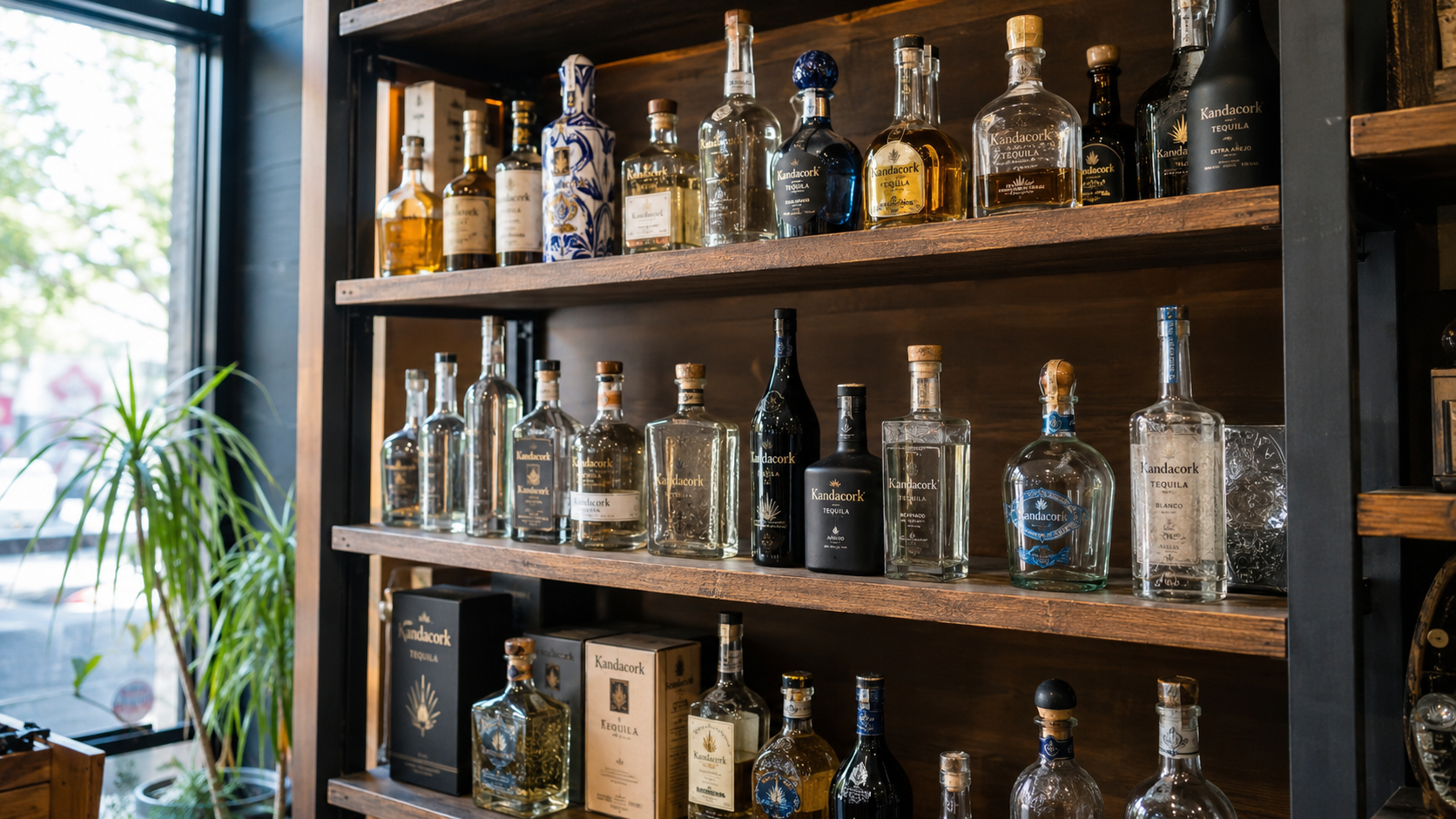
Cork stoppers, ROPP closures and screw caps solve different packaging needs for spirits bottles. This guide explains their structure, fit requirements, sealing methods, opening experience and key production checks for buyers.
What Are Spirits Bottle Closures?
Spirits bottle closures are sealing systems used to close liquor bottles after filling. A closure may be a cork stopper, bar-top closure, screw cap, ROPP cap, glass stopper, swing-top closure, capsule, shrink sleeve, or non-refillable system.
A good spirits closure must perform several jobs at once. It should create a reliable seal, match the bottle neck finish, protect the liquid during storage and shipping, support tamper evidence, fit the filling process, and complete the bottle’s visual identity.
The best closure is chosen as part of a bottle-and-closure system. If the neck finish, bore diameter, thread profile, liner, shank size, or capping method is wrong, even an attractive closure can create leakage, opening problems, line stoppages, or inconsistent consumer experience.
Main Spirits Bottle Closure Types
The most common spirits bottle closure types are bar-top closures, natural cork stoppers, synthetic cork stoppers, screw caps, ROPP closures, non-refillable closures, glass stoppers, swing-top closures, and decorative custom tops.
Each option has a different balance of sealing performance, shelf appeal, cost, production efficiency, tamper evidence, and brand value. A craft whiskey, export vodka, boutique gin, premium tequila, and miniature liqueur bottle may all require different closure systems.
Bar-Top Closures and T-Top Stoppers
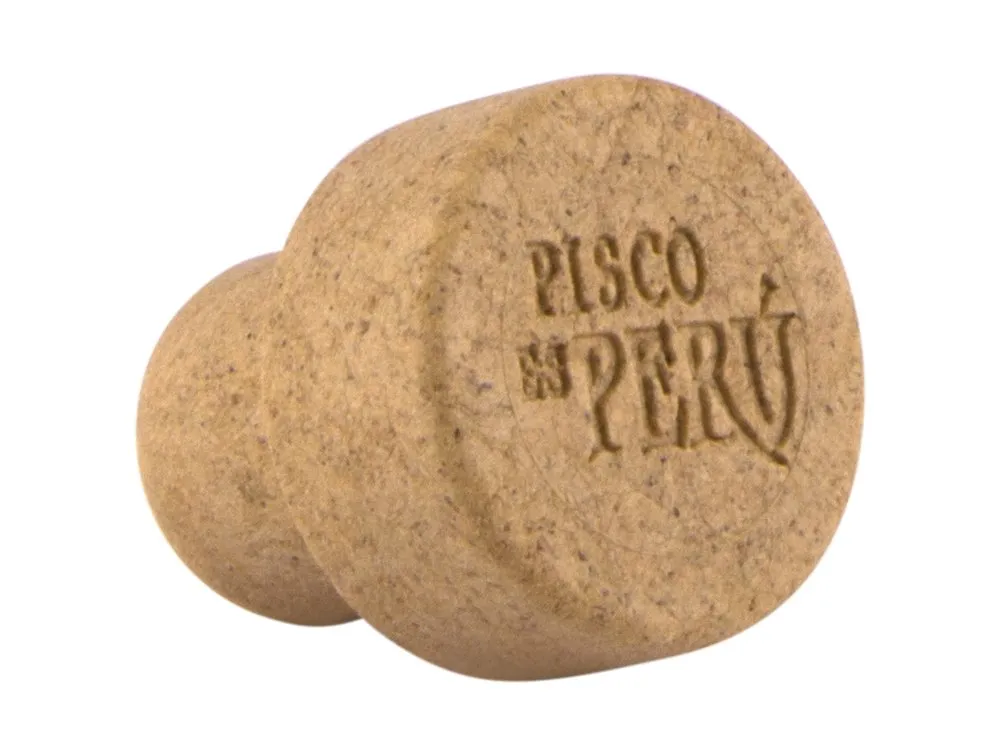
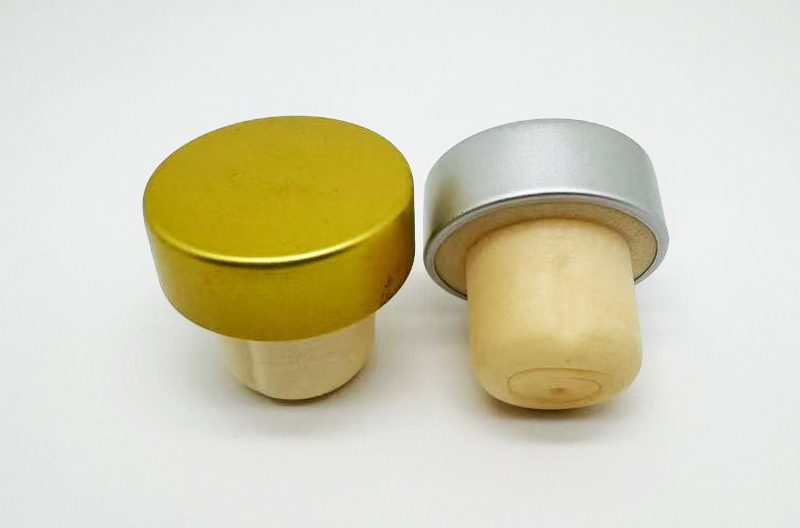
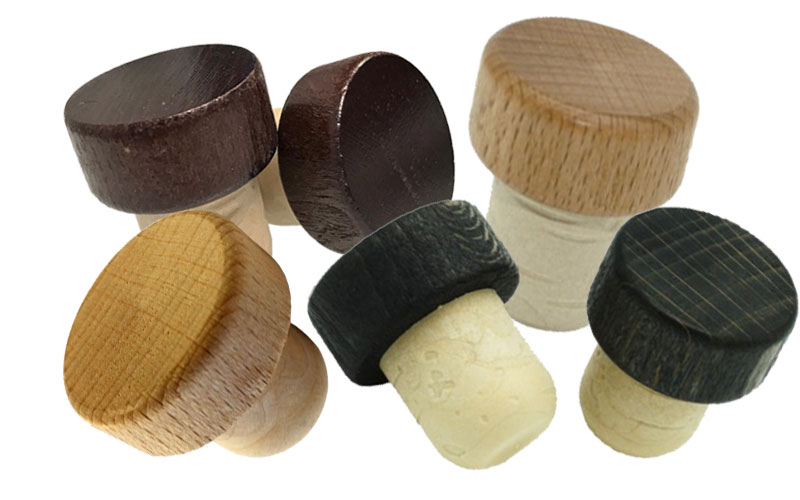
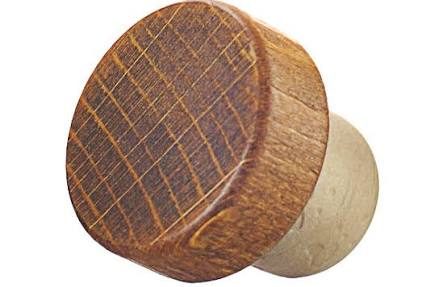
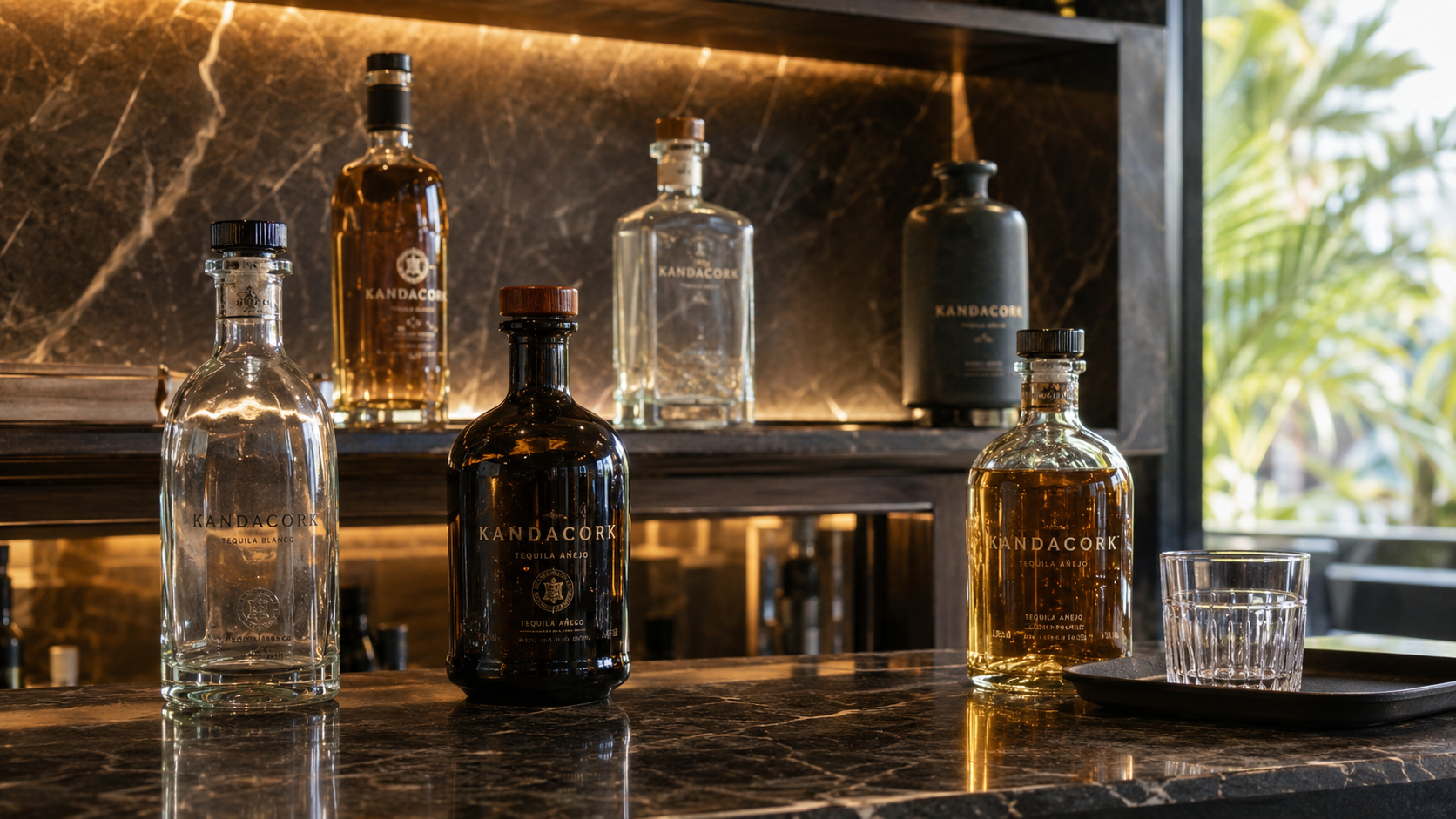
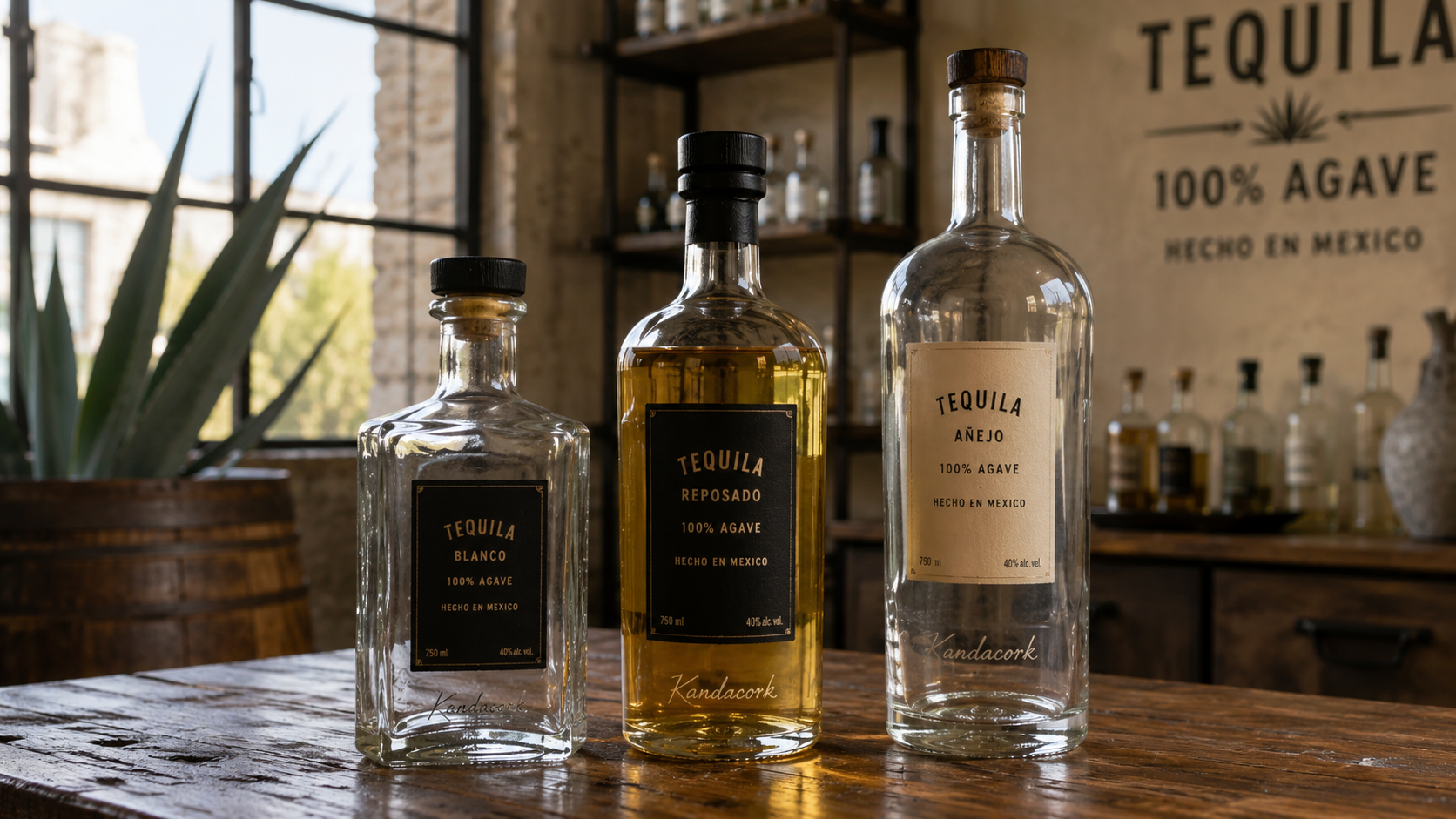
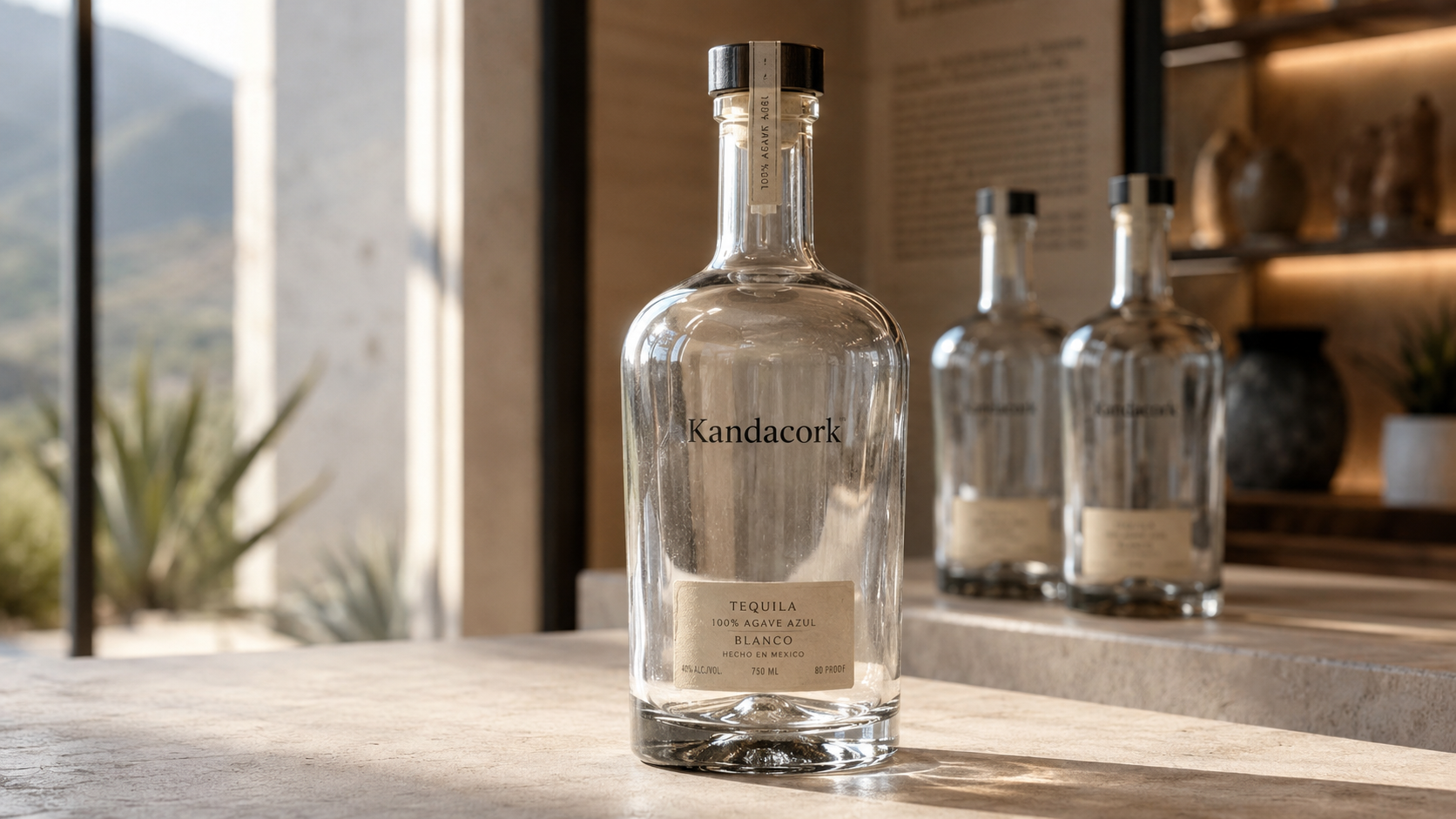
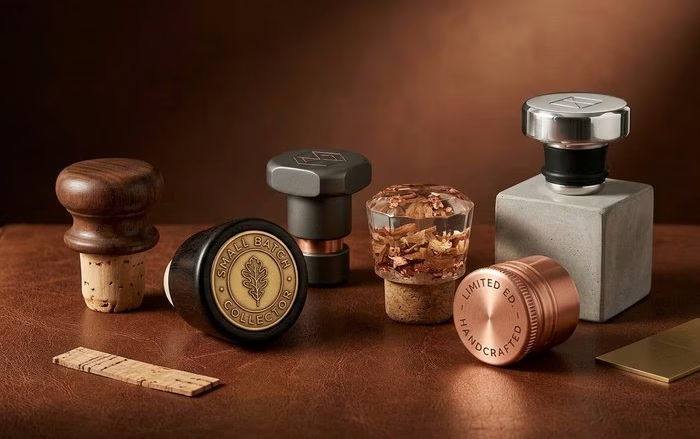
Bar-top closures, also called T-top stoppers, are widely used for whiskey, rum, tequila, brandy, cognac-style spirits, craft gin, and premium liqueurs. They usually combine a decorative top with a cork or synthetic shank that fits into the bottle bore.
The top can be made from wood, aluminum, zinc alloy, plastic, glass, ceramic, or composite material. The shank may be natural cork, micro-agglomerated cork, technical cork, or synthetic material.
The main advantage of a bar-top closure is the opening ritual. The consumer pulls the stopper from the bottle instead of twisting off a cap, which can create a more tactile and memorable experience. This is why bar-top closures are common in high-value spirits, gifting formats, tasting-room releases, and limited-edition packaging.
The most important technical factor is fit. The shank must match the inner neck diameter of the bottle. If it is too loose, the bottle may leak or the stopper may move during transport. If it is too tight, the closure may be difficult to insert, remove, or reseal. Buyers should test insertion force, extraction force, compression recovery, leakage, and long-term sealing behavior before approving bulk production.
Natural Cork Stoppers
Natural cork has a long history in beverage packaging and remains attractive for spirits brands that want a traditional, tactile, and craft-oriented image. It is often used in bar-top closures for whiskey, rum, brandy, and limited-edition spirits.
Natural cork offers elasticity and a familiar premium feel. Consumers understand the sensory cue of a cork stopper, and many associate it with quality, aging, and authenticity.
However, natural cork is a biological material, so it requires careful grading and quality control. Density, surface finish, moisture content, dimensions, and storage conditions can affect sealing performance. For export spirits, buyers should also consider humidity, temperature variation, and transport stress.
Natural cork works best when the supplier can control material selection, shank sizing, surface quality, and fit testing with the final bottle.
Synthetic Cork Stoppers
Synthetic cork stoppers are designed to deliver more consistent dimensions and predictable compression. They are often used when a brand wants the stopper-style experience of cork but needs better uniformity across larger production runs.
Synthetic cork can be paired with wood, metal, plastic, glass, or ceramic tops. This makes it flexible for both mid-range and premium spirits packaging.
For vodka, gin, rum, tequila, liqueurs, and scalable private-label spirits, synthetic cork can help improve repeatability. Buyers should still test alcohol compatibility, compression set, pull force, aroma neutrality, and long-term sealing performance.
A synthetic shank is not automatically better than natural cork. The right choice depends on the brand story, closure design, filling process, expected shelf life, and performance requirements.
Screw Caps and Continuous Thread Caps
Screw caps, also called continuous thread caps or CT caps, are practical, efficient, and widely used in spirits packaging. They twist onto a threaded bottle finish and are commonly made from aluminum or plastic.
Screw caps are common for vodka, gin, flavored spirits, miniatures, ready-to-drink spirits, value lines, and brands that prioritize convenience and high-speed filling. They are also suitable for some premium spirits when the cap material, finish, liner, and decoration are designed carefully.
The main benefits are easy opening, fast reclosure, efficient application, and cost control. A well-designed screw cap can also support embossing, printing, color matching, tamper-evident bands, and liner options.
The technical details matter. The cap must match the bottle thread finish, and the liner must be suitable for alcohol contact. Torque control is critical. Low torque can increase leakage risk, while excessive torque can make the bottle difficult to open.
ROPP Closures
ROPP stands for roll-on pilfer-proof. ROPP closures are aluminum caps applied by capping equipment that forms the thread and tamper-evident band around the bottle finish during application.
For brands that need clean appearance, production speed, recloseability, and tamper evidence, custom ROPP closures for spirits bottles are a strong option. They are often used for vodka, gin, whiskey, rum, tequila, brandy, liqueurs, and export spirits.
ROPP closures require a compatible roll-on bottle neck finish and properly adjusted capping equipment. Shell dimensions, skirt height, liner selection, roller settings, opening torque, and pilfer-band break must be checked before full production.
A ROPP cap can be highly brandable. Decoration may include sidewall printing, top printing, embossing, debossing, metallic finishes, matte coatings, and color-matched lacquers. For contemporary spirits packaging, ROPP can deliver both retail security and a clean visual profile.
Non-Refillable Closures
Non-refillable closures are designed to make it difficult to refill a bottle after opening. They are often used for premium spirits, duty-free channels, export markets, and regions where refilling, counterfeiting, or bottle reuse can damage brand trust.
These systems may include pour-control inserts, internal valves, tamper-evident bands, anti-refill components, or integrated security features. They can help protect the liquid, the consumer, and the brand identity.
Non-refillable closures are especially relevant for high-value whiskey, tequila, rum, cognac-style spirits, and limited releases. They can also support controlled pouring in hospitality and retail environments.
The trade-off is complexity. Buyers need to confirm bottle neck compatibility, pouring behavior, filling-line handling, component safety, market requirements, and cost impact before selecting a non-refillable system.
Glass Stoppers
Glass stoppers are used for luxury, decanter-style, and gift-focused spirits packaging. They provide a refined look and can make the bottle feel reusable, collectible, or display-worthy.
A glass stopper usually requires a gasket, sleeve, or sealing element to create reliable closure performance. The glass provides the visual and tactile value, while the sealing element provides functional protection.
Glass stoppers are suitable for luxury whiskey, brandy, liqueurs, limited-edition releases, and collector packaging. They should be tested for leakage, tolerance consistency, breakage risk, vibration, temperature change, and repeated use.
Because glass stoppers can be heavier and more fragile than standard closures, they are best suited to projects where presentation value justifies the added development and testing work.
Swing-Top Closures
Swing-top closures use a hinged wire mechanism and gasket seal. They are less common in mainstream spirits packaging but can work for craft, refillable, vintage, or tasting-room concepts.
Their main appeal is nostalgia and reusability. A swing-top closure can make a small-batch product feel handmade and distinctive.
For spirits, the gasket material must be compatible with alcohol, and the closure must maintain reliable seal strength through transport and storage. Swing-top closures are usually better for niche releases than high-speed mainstream spirits lines.
Decorative and Custom Closure Tops
Custom closure tops can turn the neck area into a brand asset. A closure top may be made from wood, aluminum, zinc alloy, glass, plastic, ceramic, or combined materials.
Decoration options can include laser engraving, embossing, debossing, foil stamping, screen printing, molded logos, color matching, metallic effects, matte coating, textured surfaces, and custom top discs.
A heavy metal top can communicate luxury and permanence. A wood top can suggest craft, warmth, and authenticity. A ceramic top can feel artisanal. A matte black aluminum cap can create a clean modern shelf profile.
For flagship spirits and limited editions, custom metal stoppers for premium spirits bottles can add weight, visual authority, and a more elevated opening experience.
Spirits Bottle Closure Types Compared
| Closure Type | Best For | Shelf Appeal | Tamper Evidence | Production Efficiency | Key Consideration |
|---|---|---|---|---|---|
| Bar-top closure | Whiskey, rum, tequila, brandy, craft gin | High | Usually needs capsule or added seal | Medium | Shank fit and extraction force |
| Natural cork stopper | Heritage and craft spirits | High | Usually needs capsule or seal | Medium | Cork grade and natural variation |
| Synthetic cork stopper | Scalable premium-style packaging | Medium to high | Usually needs capsule or seal | Medium to high | Alcohol compatibility |
| Screw cap | Vodka, gin, RTD, miniatures, value lines | Low to medium | Possible with band | High | Thread match and torque control |
| ROPP closure | Export spirits, vodka, gin, whiskey | Medium to high | Strong | High | Compatible neck and capping setup |
| Non-refillable closure | Premium, duty-free, high-risk markets | Medium to high | Strong | Medium | System complexity and cost |
| Glass stopper | Luxury and gift spirits | Very high | Usually needs added seal | Low to medium | Gasket and breakage risk |
| Swing-top closure | Craft and vintage concepts | Medium | Limited | Low to medium | Gasket and transport testing |
A closure should not be evaluated as a single component. It should be reviewed as part of the full packaging system: bottle, closure, capsule, label, carton, shipping case, and retail channel.
Recommended Closure Types by Spirit Category
| Spirit Category | Recommended Closure Types | Why It Works |
|---|---|---|
| Whiskey | Bar-top, natural cork, synthetic cork, glass stopper | Supports opening ritual, gifting appeal, and heritage cues |
| Rum | Bar-top, cork stopper, ROPP, non-refillable closure | Balances identity, export security, and shelf differentiation |
| Gin | Screw cap, ROPP, bar-top | Works for modern design, craft positioning, and efficient production |
| Vodka | Screw cap, ROPP | Supports high-speed filling, clean appearance, and convenient reclosure |
| Tequila | Bar-top, synthetic cork, non-refillable closure | Helps communicate value and anti-refill protection |
| Brandy | Natural cork, bar-top, glass stopper | Creates traditional, refined, and gift-ready presentation |
| Liqueur | Screw cap, bar-top, ROPP | Offers recloseability and protection for repeated use |
| Miniature spirits | Screw cap, small-format ROPP | Supports cost efficiency and fast production |
These are practical starting points, not fixed rules. The final decision should reflect the bottle neck finish, alcohol strength, product viscosity, target market, production volume, closure budget, and brand positioning.
Example Closure Choices for Real Spirits Packaging Projects
A craft whiskey brand launching a 750 ml bottle may choose a wood bar-top closure with a synthetic cork shank. This supports a warm opening ritual, consistent fit, and a gift-ready look.
An export vodka line may choose an aluminum ROPP closure. This direction supports tamper evidence, efficient application, clean shelf presentation, and automated capping.
A premium tequila brand may choose a non-refillable bar-top system. This gives the bottle a high-value feel while helping reduce refilling risk in sensitive markets.
A boutique gin release may choose a decorated screw cap or a bar-top closure. The screw cap can support modern design and efficient filling, while the bar-top closure can help the bottle feel more craft-led and distinctive.
A liqueur bottle may use a screw cap or ROPP closure because recloseability matters. Liqueurs are often opened and used over time, so the closure should reseal easily and remain reliable after repeated handling.
How to Select Spirits Bottle Closure Types for Commercial Production
Commercial closure selection should begin with the bottle and end with tested production samples. A practical workflow is:
Bottle drawing review → closure type recommendation → sample matching → fit and sealing test → decoration approval → pilot run → mass production.
The first step is confirming the bottle neck finish. Bar-top stoppers, continuous thread caps, and ROPP caps require different bottle finishes. A mismatch can cause leaks, poor torque, weak insertion, difficult opening, or production delays.
The second step is matching the closure to the spirit category and retail channel. A whiskey gift pack, vodka export line, craft gin launch, and liqueur bottle may need different opening experiences and security levels.
The third step is deciding whether tamper evidence, anti-refill performance, or a capsule is required. For distilled spirits sold in the United States, closure requirements are addressed in 27 CFR § 19.523 on affixing closures, and brands should also confirm the rules in each destination market.
The fourth step is testing. Buyers should check leakage, torque, pull force, insertion force, liner compatibility, transport performance, color consistency, and consumer opening experience.
The final step is commercial planning. Before bulk production, confirm sample timing, decoration method, artwork approval, MOQ, mold cost, lead time, packing method, and documentation needs.
Bottle and Closure Compatibility
The closure must fit the bottle physically and functionally. For bar-top stoppers, the bore diameter and inner neck profile matter. For screw caps, the thread finish and cap liner matter. For ROPP caps, the roll-on finish and capping equipment matter. For glass stoppers, gasket design and neck tolerance matter.
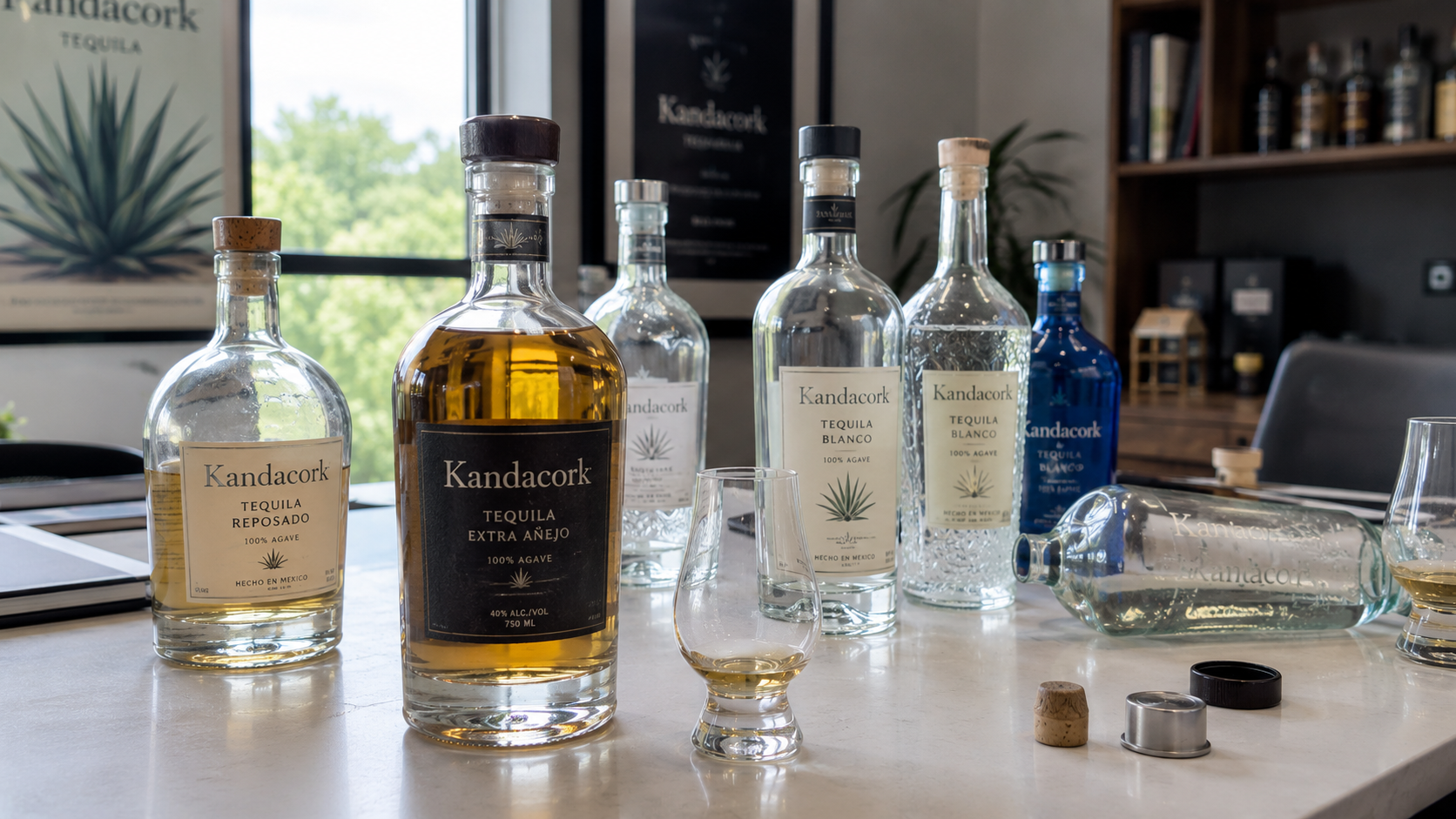
Packaging teams often work with bottle partners at the same time as closure suppliers. For full bottle development, Kandacork Spirits can support spirits bottle packaging direction, while the closure specification should be matched to the final neck finish and production method.
When bottle and closure decisions are separated, risk increases. A closure chosen too late may limit decoration options, require new tooling, or force a compromise in opening experience.
Materials, Liners, and Food-Contact Considerations
A spirits closure may include cork, synthetic cork, plastic, aluminum, liner compounds, adhesives, coatings, gaskets, inks, and decorative materials. These components may contact the product directly or indirectly.
For U.S. food and beverage packaging, the FDA provides resources on packaging and food contact substances. Buyers should request suitable material documentation for closures, liners, gaskets, and coatings when required by the target market.
Alcohol compatibility is especially important. Spirits can interact differently with liners, synthetic shanks, gaskets, and coatings than water-based products. High-proof spirits, flavored products, botanical extracts, sugar-containing liqueurs, and oil-rich ingredients may require additional checks.
A good closure supplier should be able to discuss material selection, sealing behavior, migration considerations, and practical testing before production.
Brand Positioning and Decoration Strategy
The closure is one of the first physical touchpoints a consumer notices. It can make a bottle feel traditional, modern, minimal, secure, artisanal, luxurious, or export-ready.
A craft whiskey may use wood and cork to reinforce warmth and heritage. A vodka brand may use a clean aluminum ROPP cap for precision and clarity. A rum brand may use a dark wood or metal top to create shelf weight. A gin brand may use color-matched caps or detailed neck finishing to connect with botanicals and label design.
For advanced decoration work beyond the closure itself, Kandacork Decor can support branding directions such as bottle decoration, surface finishing, and visual identity coordination. Closure decoration should align with the bottle, label, secondary packaging, and retail environment.
Filling-Line and Production Requirements
A closure must be compatible with how the bottle is filled and capped. A sample may look excellent by hand but still fail during semi-automatic or automatic production.
Screw caps require torque control. ROPP closures require correct roller settings and cap dimensions. Bar-top closures require controlled insertion force and consistent shank sizing. Non-refillable closures may require dedicated application tooling.
For new product development, buyers should test closures on the actual bottle, not only on drawings. A pilot run can reveal issues with cap feeding, stopper insertion, alignment, band break, torque range, leakage, and operator handling.
This is also where supplier experience matters. A specialized partner can help reduce delays by reviewing the bottle drawing, closure tolerance, application method, and decoration plan before final approval.
Tamper Evidence, Security, and Export Readiness
Tamper evidence is a practical requirement for many commercial spirits projects. It supports regulatory planning, retail confidence, consumer trust, and brand protection.
Common solutions include ROPP pilfer bands, shrink capsules, tear bands, security seals, non-refillable inserts, and integrated closure systems. The right choice depends on market, price point, risk level, and bottling equipment.
Export-ready packaging should also consider palletization, case packing, temperature variation, vibration, and handling stress. ASTM International’s D4169 performance testing practice for shipping containers and systems is often referenced when evaluating packaging performance through distribution conditions.
For high-risk markets, tamper evidence alone may not be enough. Premium spirits may require anti-refill protection, controlled pouring, serialization strategy, or additional packaging security features.
Quality Control for Spirits Bottle Closures
Professional closure sourcing should include quality-control checks before and during production. These may include dimensional inspection, visual inspection, torque testing, leakage testing, pull-force testing, compression checks, liner placement review, color comparison, logo alignment, and packing inspection.
Quality management is not only about rejecting defects. It is about creating repeatable processes from sample approval to mass production. ISO describes ISO 9001 quality management systems as a framework for improving performance, meeting customer expectations, and demonstrating a commitment to quality.
For closure buyers, practical quality questions include:
- Does the closure match the approved sample?
- Are dimensions within tolerance?
- Does the closure seal consistently on the final bottle?
- Does the cap open at the expected torque?
- Does the bar-top stopper pull out smoothly?
- Does the tamper-evident band break correctly?
- Does the decoration match the artwork and color standard?
- Is the packing method suitable for export?
Clear inspection criteria reduce disputes and help keep repeat orders consistent.
Sustainability and Packaging Responsibility
Sustainability in spirits packaging should be practical and measurable. Closure choices can affect recyclability, material weight, component separation, refill concepts, and overall packaging complexity.
Glass bottles remain central to spirits packaging because they offer product visibility, shelf weight, and strong brand value. The Glass Packaging Institute states that glass can be recycled endlessly without loss in quality or purity, which makes glass an important material in packaging sustainability discussions.
Closure design should support the broader packaging strategy. A lightweight cap may reduce material use. A reusable stopper may extend consumer value. A mono-material or easier-to-separate component may improve end-of-life handling. A premium closure may be justified when it increases product life, gifting value, or reuse behavior.
For brands exploring greener bottle-and-closure programs, Kandacork Eco Glass can support broader glass packaging considerations, while the closure should be selected to align with product protection, filling performance, and market expectations.
Buyer Checklist Before Ordering Spirits Bottle Closures
Before ordering custom spirits bottle closures, buyers should prepare the key packaging and production information:
- Bottle drawing or neck finish specification
- Bottle photos or physical samples when available
- Bore diameter, thread finish, or ROPP finish details
- Spirit category, alcohol strength, and product characteristics
- Filling method and capping equipment
- Required tamper-evident or anti-refill function
- Preferred closure type, top material, and decoration method
- Logo artwork, color references, and surface finish requirements
- Sample quantity and testing plan
- Target order volume, MOQ expectations, and production timeline
- Destination market and retail channel requirements
This information helps prevent fit problems, production delays, and unnecessary sampling costs. It also helps the supplier recommend a closure that is realistic for the bottle, spirit, and commercial launch plan.
Working With a Custom Spirits Packaging Supplier
Some projects need only a standard stopper or cap. Others need a coordinated packaging program involving bottle, closure, capsule, decoration, carton, and export packing.
For buyers developing complete bottle-and-closure programs, Kandacork Glass can support integrated packaging coordination across bottles, closures, decoration, and sourcing. This type of coordination is useful when the bottle shape, closure material, and decoration method need to be developed together.
A reliable supplier should be able to review drawings, recommend closure structures, explain tooling requirements, provide samples, support testing, clarify MOQ, and plan bulk supply.
For more complex projects, a custom spirits packaging supplier for bottles, stoppers, and closures can help connect technical closure performance with brand presentation and production practicality.
Custom Spirits Bottle Closures from Kandacork Closures
Kandacork Closures helps spirits brands, distilleries, importers, private-label companies, and packaging buyers develop closure systems that combine visual impact with technical reliability.
For new projects, the process usually begins with the bottle drawing, neck finish, spirit category, target market, filling method, and brand positioning. From there, the team can recommend suitable closure types, materials, shanks, liners, decoration methods, and sampling steps.
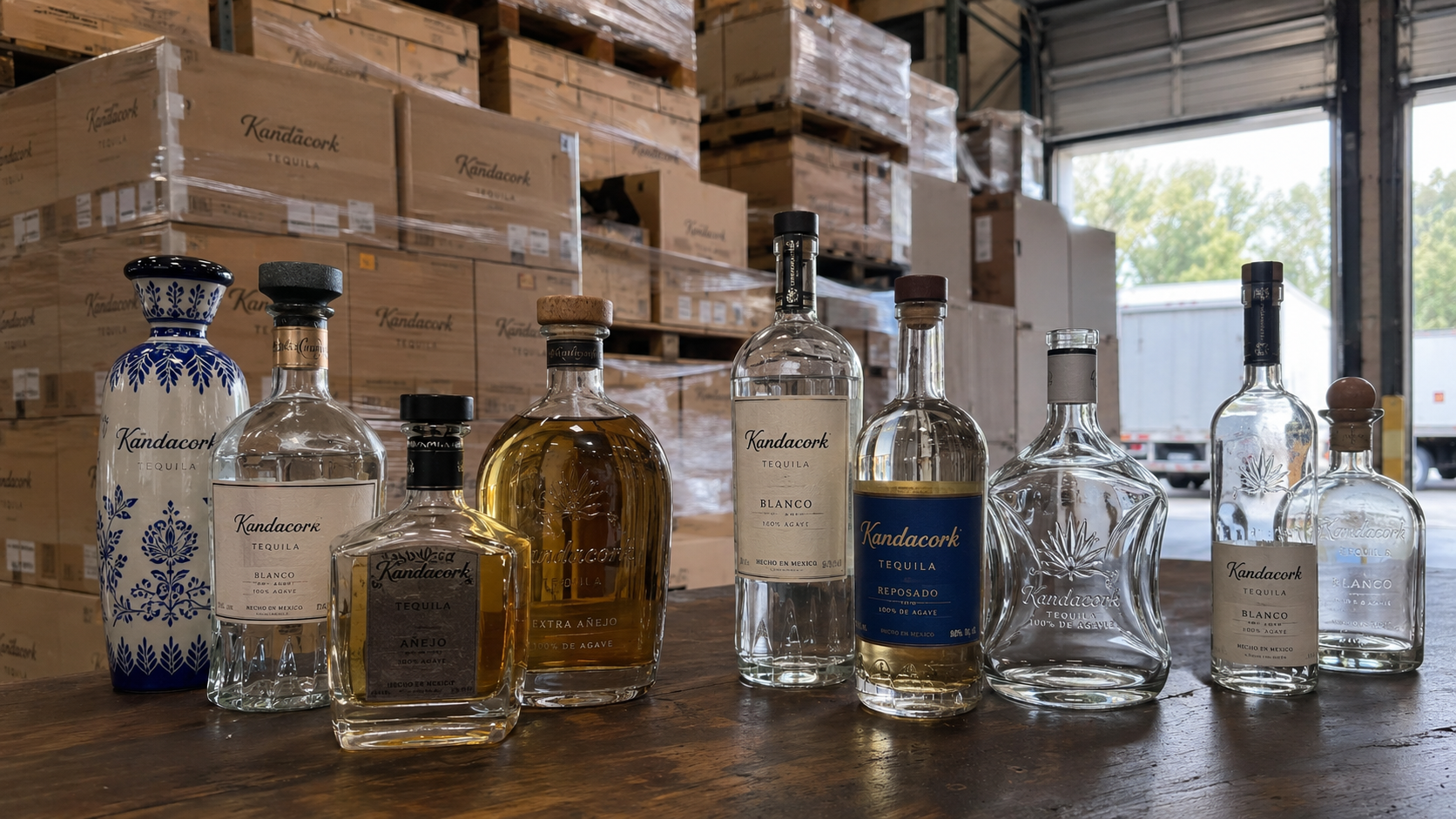
For premium and high-volume projects, custom liquor bottle closure solutions may include bar-top corks, synthetic cork stoppers, natural cork options, screw caps, ROPP closures, capsules, shrink sleeves, non-refillable systems, and decorative tops.
The goal is not only to make the closure attractive. It must seal properly, fit the bottle, support the filling method, pass practical testing, protect the product, and create the right consumer experience.
Frequently Asked Questions
What are the main spirits bottle closure types?
The main spirits bottle closure types are bar-top closures, natural cork stoppers, synthetic cork stoppers, screw caps, ROPP closures, non-refillable closures, glass stoppers, swing-top closures, and decorative custom closure tops.
What is the best closure for spirits bottles?
The best closure depends on the spirit, bottle neck finish, brand position, filling equipment, and market requirements. Whiskey and rum often use bar-top closures. Vodka and gin often use screw caps or ROPP closures. Export and high-value spirits may need tamper-evident or non-refillable systems.
What closure is best for whiskey bottles?
Bar-top closures, natural cork stoppers, synthetic cork stoppers, and glass stoppers are common for whiskey bottles because they support refined presentation, gifting value, and a strong opening ritual.
What closure is best for vodka bottles?
Screw caps and ROPP closures are common for vodka bottles because they support clean design, convenient reclosure, tamper evidence, and efficient high-speed filling.
What is a bar-top closure?
A bar-top closure is a stopper-style closure with a top cap and a cork or synthetic shank. It is inserted into the bottle neck and pulled out by the consumer. Bar-top closures are common for whiskey, rum, tequila, brandy, and craft spirits.
What is a ROPP closure?
A ROPP closure is a roll-on pilfer-proof cap, usually made from aluminum. It is applied with capping equipment that forms the cap around the bottle thread. ROPP closures are widely used because they can provide tamper evidence and efficient production performance.
Are screw caps suitable for premium spirits?
Yes. Screw caps can be suitable for premium spirits when the cap material, decoration, liner, color, and bottle design are well matched. For brands that want a stronger luxury opening ritual, a bar-top closure, glass stopper, or custom decorative stopper may be a better choice.
Are tamper-evident closures required for spirits?
Tamper-evident requirements depend on the market and regulatory environment. In many commercial spirits channels, tamper evidence is expected even when the closure format varies. Brands should confirm local requirements before production.
Can one closure fit all spirits bottles?
No. Closure fit depends on the bottle neck finish, bore diameter, thread profile, shank size, liner, torque, and application method. A closure should always be tested with the actual bottle before mass production.
How should a brand start choosing a custom closure?
A brand should start with the bottle drawing, spirit type, target market, price position, filling method, desired consumer experience, and order plan. Kandacork Closures can then recommend suitable closure structures, materials, decoration options, and testing steps.
Conclusion: Build the Closure Around the Bottle, Spirit, and Brand
The right closure protects the spirit, supports compliance planning, improves shelf appeal, and shapes the consumer’s first physical interaction with the bottle.
When comparing spirits bottle closure types, do not choose based on appearance alone. Consider the bottle neck finish, sealing performance, tamper evidence, filling equipment, distribution route, material compatibility, quality control, and brand positioning.
For custom spirits packaging, Kandacork Closures helps brands develop closure systems that combine design value with technical fit. Whether the project needs bar-top closures, cork stoppers, synthetic shanks, screw caps, ROPP closures, non-refillable systems, capsules, or fully customized decorative tops, the best result starts with a closure built around the bottle, the spirit, and the market.
To begin a project, prepare your bottle drawing, closure preference, production volume, filling method, and target market. Then contact Kandacork Closures for a fit review, sample recommendation, or custom closure development plan.