Quick Answer: How Should Spirits Brands Approve Bar-Top Stopper Samples?
Spirits brands should approve a bar-top stopper sample only after checking bottle-neck fit, shank compression, insertion force, pull-out feel, leakage resistance, decoration accuracy, capsule clearance, filling-line compatibility, export packing, and golden sample sign-off before bulk closure production.
For distilleries, private label buyers, importers, distributors, bottlers, and packaging teams, sample approval is not just a visual review. It is a technical and commercial checkpoint that helps prevent leakage, production delays, packaging mismatch, and quality disputes.
Kandacork Closures supports spirits buyers with sample review, bottle-neck fit analysis, material comparison, custom decoration, golden sample confirmation, and quotation preparation for custom bar-top stopper solutions.
Why Sample Approval Matters Before Bulk Closure Orders
A bar-top stopper is one of the most important touchpoints in premium spirits packaging. It affects sealing performance, opening experience, shelf appearance, consumer confidence, and brand value.
Before bulk production, buyers need to confirm whether the stopper fits the actual bottle, seals reliably, opens with the right hand feel, matches the brand design, and can be reproduced consistently by the supplier.
For export spirits, approval becomes even more important. Bottles may face vibration, pressure changes, temperature variation, long-distance transport, and warehouse storage. A stopper that looks correct in a showroom may still fail during filling, packing, or distribution if it has not been tested correctly.
What Is a Bar-Top Stopper Sample?
A bar-top stopper sample is a physical closure sample used to confirm whether a stopper design is suitable for a specific spirits bottle.
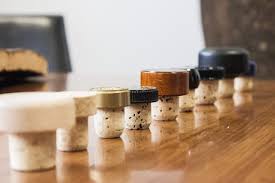
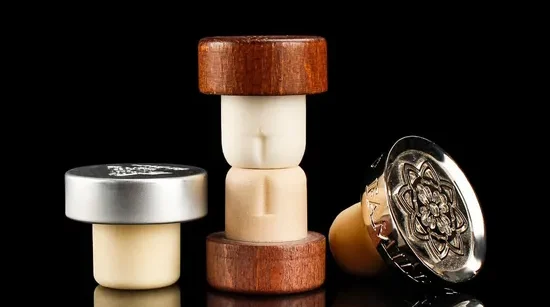
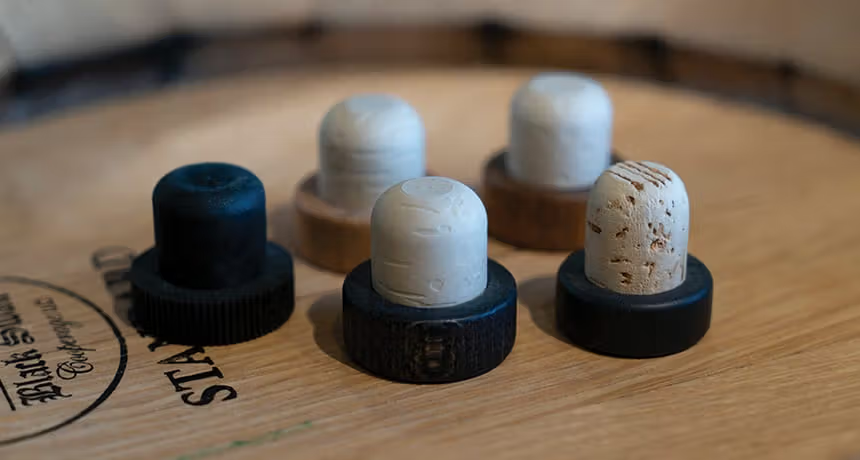
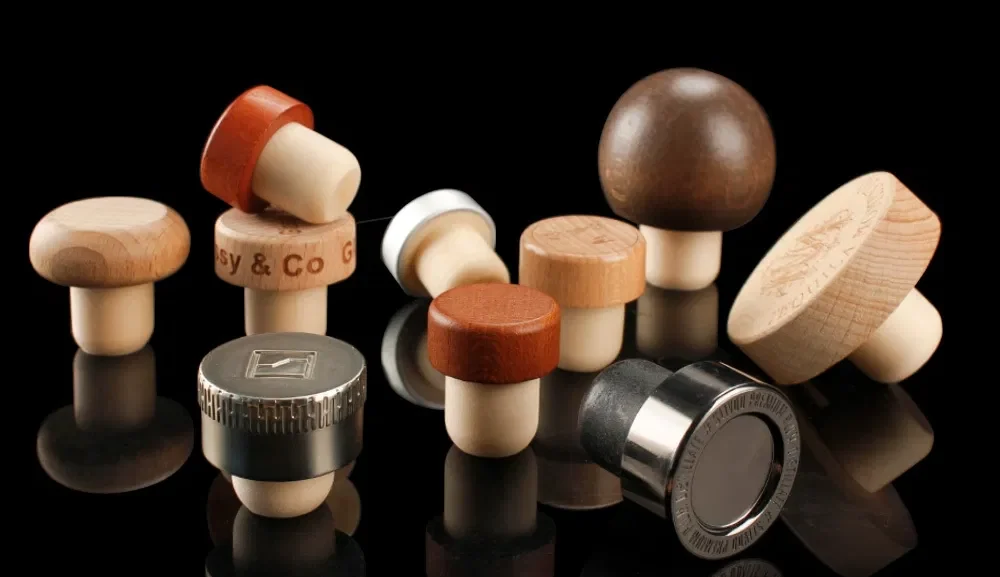
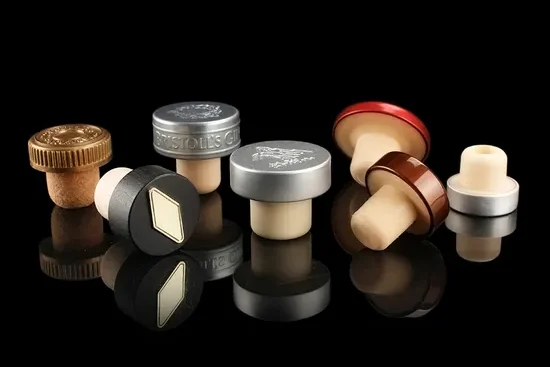
A typical bar-top stopper, also called a T-top stopper, includes two main parts. The top head may be made from wood, plastic, metal, glass, ceramic, or composite material. The shank is inserted into the bottle neck and is often made from natural cork, micro-agglomerated cork, synthetic cork, or another engineered sealing material.
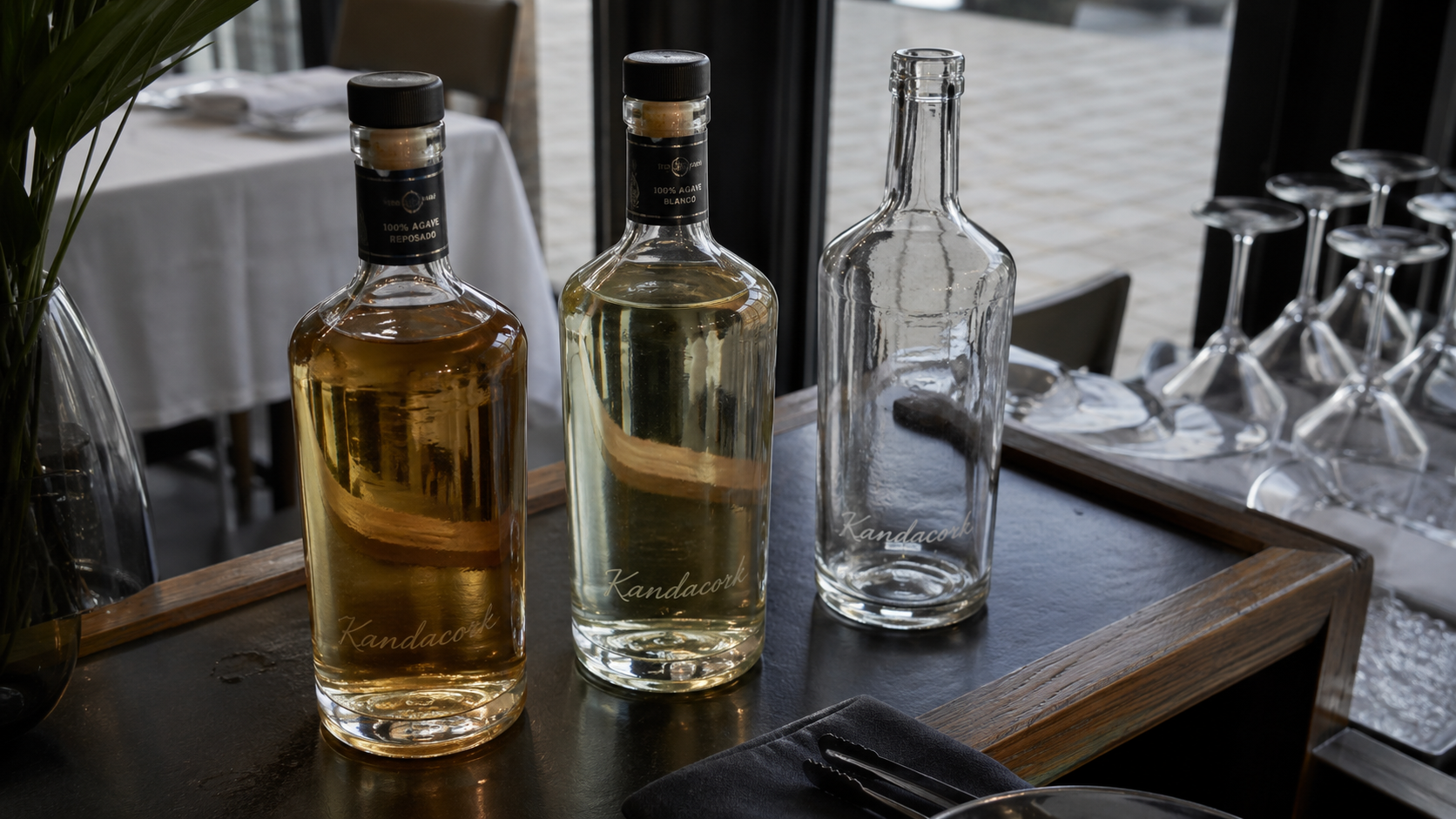
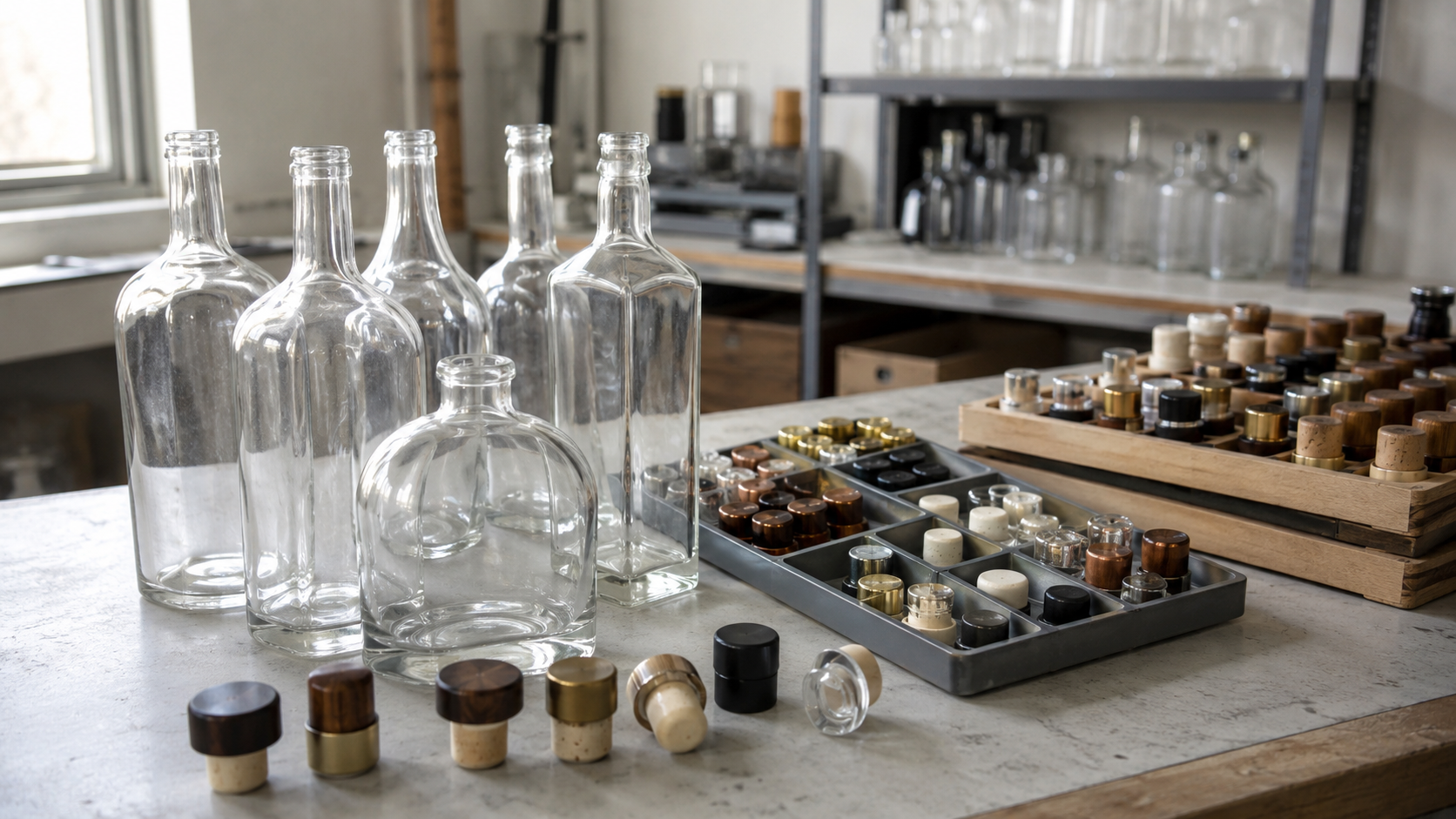
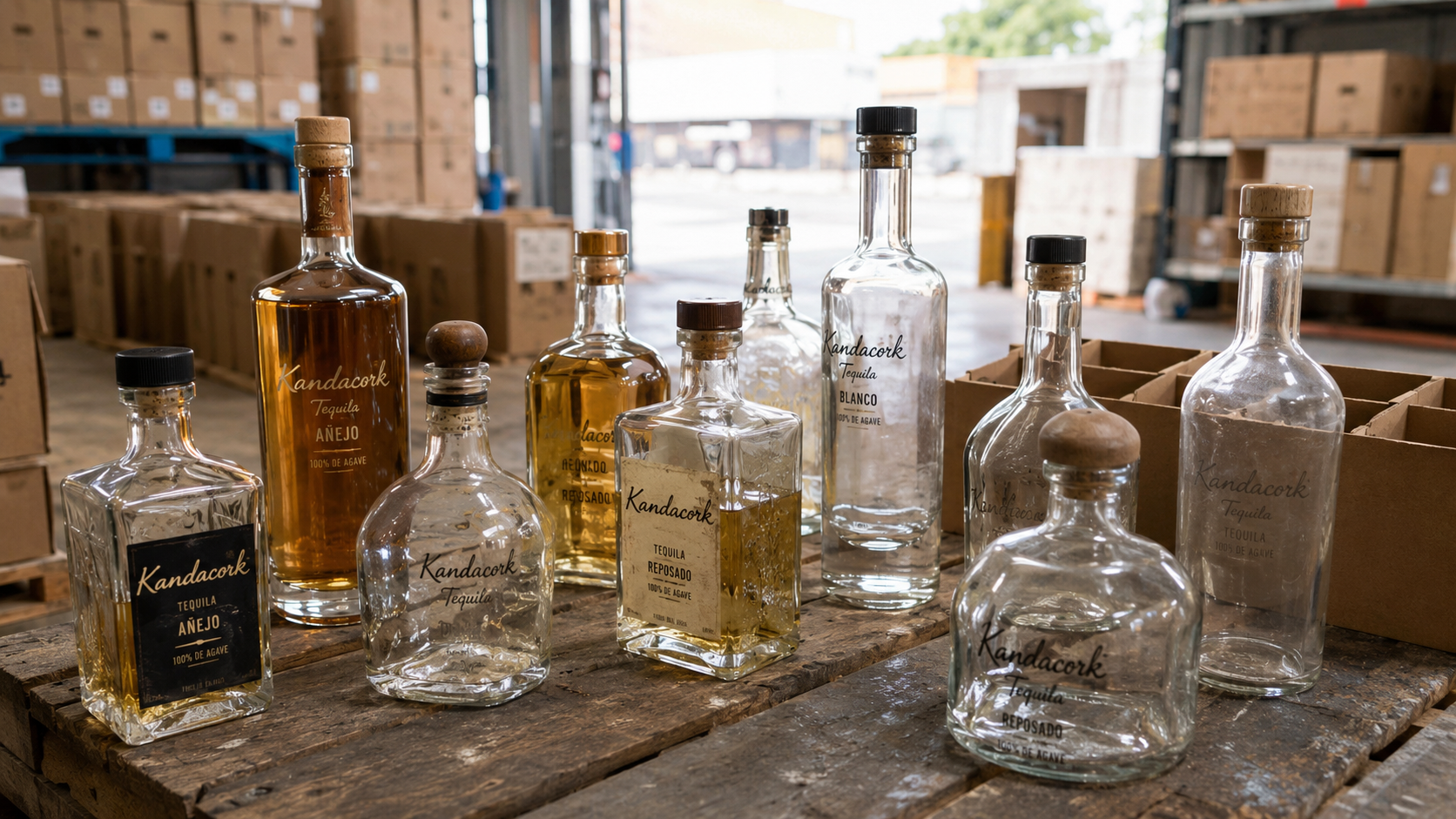
For whiskey, gin, rum, vodka, tequila, brandy, liqueur, and other spirits, the sample should be tested with the actual production bottle whenever possible. Drawings are useful, but physical testing is still needed because bottle-neck bore, ovality, conicity, pinch point, and tolerance variation can affect stopper performance.
Four Sample Types Buyers Should Know
Concept Sample
A concept sample shows the general style, material direction, color, or brand idea. It may not match final dimensions or production decoration exactly.
Concept samples are useful during early packaging development, especially when buyers are comparing wood tops, plastic heads, metalized finishes, glass-look caps, or custom stopper shapes.
Fit Sample
A fit sample is used to test the stopper against the actual bottle neck. It focuses on shank diameter, insertion depth, sitting height, compression, and extraction feel.
In many spirits packaging projects, sample approval problems come from testing only one perfect bottle instead of several production bottles from the same glass batch or mold range.
Pre-Production Sample
A pre-production sample is closer to the final approved version. It should include the intended material, shape, color, logo treatment, surface finish, and shank structure.
For custom bar-top stopper approval, the pre-production sample is one of the most important steps before mass production.
Golden Sample
A golden sample is the final approved physical reference used for production and quality control. It freezes the approved material, dimensions, decoration, color, finish, bottle fit, and overall hand feel.
Both the buyer and supplier should keep matching golden samples. During bulk production, quality teams can compare finished goods against the approved golden sample to reduce disputes.
Information to Send Before Requesting Samples
A supplier can prepare better samples when the buyer provides complete project information at the beginning.
Before requesting bar-top stopper samples or a quotation, spirits buyers should prepare the bottle drawing or physical bottle samples, inner neck diameter, tolerance range, neck finish, bore depth, bottle volume, bottle weight, spirits category, alcohol by volume, filling method, and target market.
Buyers should also send logo artwork, Pantone or color references, desired surface finish, preferred stopper material, target order quantity, sampling quantity, launch schedule, destination country, and export packing requirements.
If the bottle drawing is unavailable, physical bottle samples become especially important. A closure partner can measure the bottle neck, review the bore profile, and recommend possible stopper structures before sample development.
Step-by-Step Bar-Top Stopper Sample Approval Process
Send Bottle Drawing or Physical Bottles
The process should begin with bottle information. The supplier should review the inner bore, neck depth, mouth finish, outer neck diameter, and tolerance range.
For custom glass bottles or multi-mold production, buyers should send several bottle samples. One bottle may not represent the full production range.
Confirm Neck Bore and Tolerance
The inner neck diameter is one of the most important dimensions for bar-top stopper sample approval. However, nominal size alone is not enough.
Buyers and suppliers should also consider bore profile, ovality, conicity, pinch point, insertion depth, and glass tolerance window. A stopper that fits one bottle may not fit another bottle with the same nominal neck size.
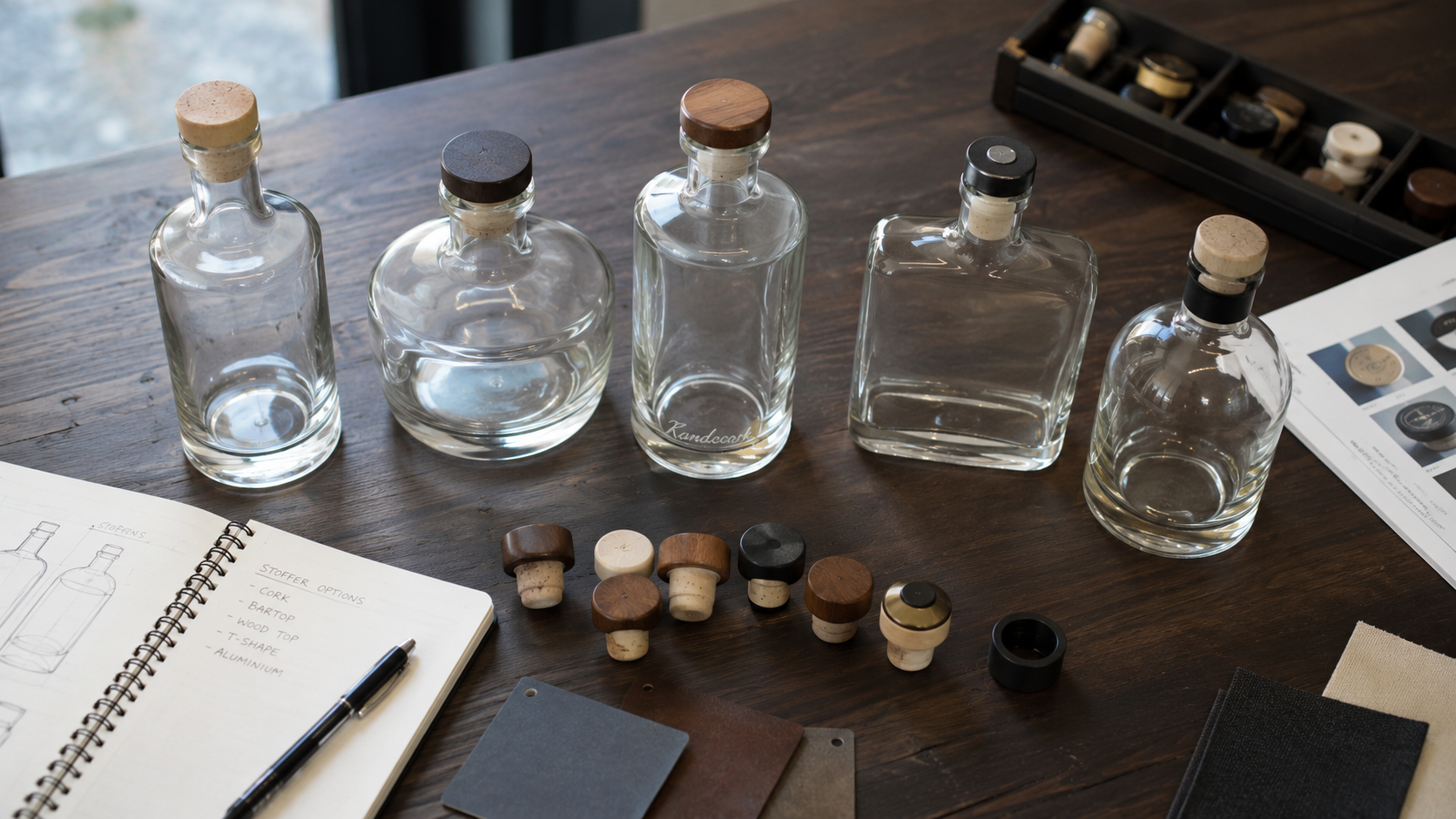
Select Stopper Head and Shank Material
After bottle-neck requirements are reviewed, the supplier can recommend suitable head and shank materials. Buyers who are still comparing different closure systems can also review a practical bar-top stoppers vs screw caps vs ROPP closures guide before confirming the final direction.
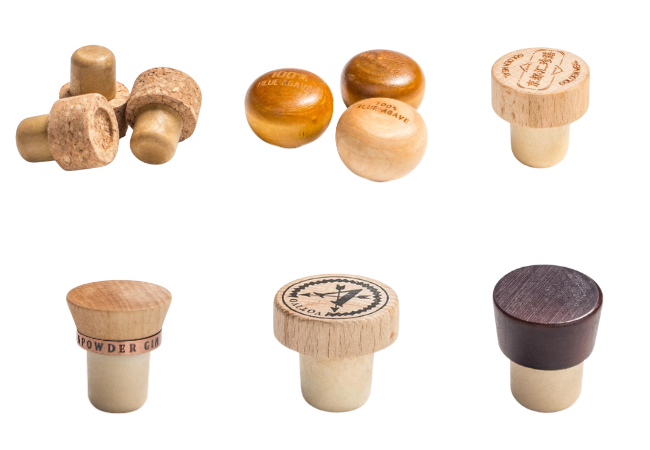
Wood tops create a natural and craft-oriented feel. Metal and metalized finishes support a luxury spirits image. Plastic and synthetic heads offer strong color control and flexible cost options.
For shanks, natural cork, micro-agglomerated cork, and synthetic materials each offer different sealing behavior, compression recovery, appearance, and price positioning.
Develop the Fit Sample
The fit sample should confirm whether the selected shank diameter and insertion depth are suitable for the bottle.
During this stage, the buyer should check whether the stopper inserts smoothly, sits at the correct height, feels secure, removes comfortably, reseals consistently, and works across multiple bottle samples.
This stage should be treated as technical validation, not only sample viewing.
Review Branding, Shape, and Finish
After the fit direction is confirmed, the buyer should review visual and tactile details.
Important approval points include head shape, head diameter, logo position, engraving depth, embossing or debossing accuracy, printed logo clarity, medallion placement, color consistency, coating quality, texture, edge finish, and match with bottle, label, capsule, and carton.
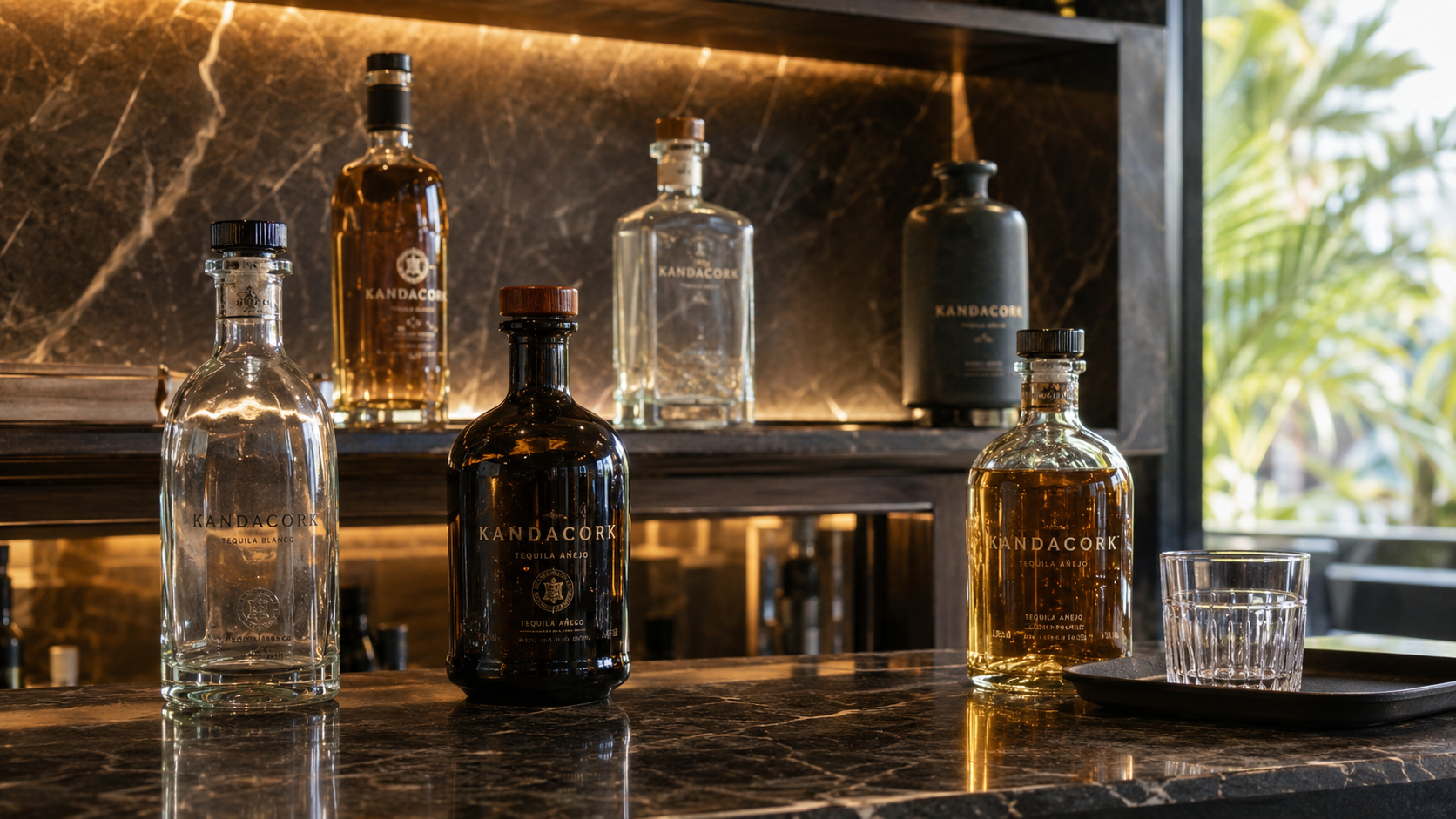
For premium spirits, the stopper should feel aligned with the product price point. A heavy glass bottle may need a more substantial stopper head, while a craft gin or rum bottle may benefit from natural wood texture or tactile branding.
Test Leakage, Pull-Out Feel, and Resealing
A stopper must do more than look good. It must work reliably.
Buyers should test upright storage, tilted storage, and inverted leakage when appropriate. They should also open and close the stopper multiple times to evaluate resealing performance.
Pull-out feel is especially important. A stopper that is too difficult to remove can frustrate consumers. A stopper that comes out too easily can feel unsafe and may increase leakage risk.
Confirm Filling-Line and Packaging Compatibility
For bottlers and large spirits brands, filling-line compatibility should be checked before bulk orders.
The stopper should be tested with the actual insertion process if possible. Buyers should confirm whether the stopper works with existing equipment, whether insertion pressure is reasonable, and whether production speed will be affected.
The complete packaging system should also be tested, including capsules, shrink sleeves, tamper-evident bands, gift boxes, cartons, dividers, and pallet packing. For buyers developing bottles, closures, decoration, and export cartons together, integrated custom spirits packaging programs can help align bottle finish, closure fit, decoration zones, and shipment planning from the beginning.
Sign Off the Golden Sample Before Mass Production
Before bulk production begins, the buyer should approve a golden sample.
The golden sample should confirm top head material, shank material, shank diameter, insertion depth, sitting height, logo size and position, surface finish, color tolerance, opening feel, approved bottle fit, and packaging method.
Once signed off, the golden sample becomes the reference for production inspection and supplier accountability.
Buyer Decision Summary: When Is a Sample Ready for Approval?
| Buyer Question | Approval Evidence Needed | Who Should Confirm |
|---|---|---|
| Does it fit the bottle? | Bottle test, bore measurement, insertion depth check | Packaging team / supplier |
| Will it leak? | Upright, tilted, and inverted checks | QA team / bottler |
| Is it production-ready? | Filling-line insertion test | Bottler / operations team |
| Does it match the brand? | Logo, color, finish, material, hand feel | Brand / design team |
| Can it be reproduced? | Golden sample and QC checklist | Supplier / QA team |
| Is it ready for quotation? | Drawing, artwork, quantity, destination, packing details | Purchasing team |
This decision summary helps buyers avoid approving a stopper based only on appearance. A sample is ready for approval only when it has passed both technical and commercial review.
Bar-Top Stopper Approval Checklist
| Approval Area | What to Check | Risk If Ignored |
|---|---|---|
| Bottle neck | Inner bore, tolerance, bore depth, ovality, conicity | Loose fit, tight insertion, leakage |
| Stopper shank | Diameter, material, compression, recovery | Poor sealing or difficult opening |
| Top head | Shape, weight, finish, grip, balance | Weak shelf appeal or poor hand feel |
| Branding | Logo position, color, engraving, printing | Inconsistent brand presentation |
| Capsule or sleeve | Clearance, shrink fit, tamper-evident band compatibility | Wrinkling, misfit, sealing conflict |
| Filling line | Insertion speed, machine pressure, operator handling | Production delay or stoppage |
| Transport packing | Carton dividers, vibration resistance, temperature exposure | Leakage, damage, claims |
| Golden sample | Final reference for material, fit, color, logo, finish | Quality dispute during mass production |
This checklist can be used by purchasing, packaging, quality, and operations teams during bar-top stopper sample approval.
Key Technical Factors Behind the Checklist
Bottle-Neck Bore Variation
Glass bottles are not perfectly identical. Small tolerance differences can affect cork compression and stopper fit, especially when bottles come from custom molds or multiple production molds.
Insertion Force
Insertion force affects bottling efficiency. If the stopper requires too much force, it may slow production or create operator fatigue.
If machine insertion is used, the stopper must be compatible with the equipment setup before bulk closure production begins.
Pull-Out Force
Pull-out force affects consumer experience. The closure should feel secure but not difficult to open.
For premium spirits, the opening experience should feel controlled and intentional.
Compression Recovery
A cork or synthetic shank should compress during insertion and recover enough to maintain sealing pressure.
Poor recovery may reduce resealing performance after repeated opening.
Alcohol Compatibility
Spirits often contain high alcohol levels. Closure materials should be suitable for the intended product environment, including possible alcohol vapor exposure, headspace interaction, and storage conditions.
Transport Performance
Export shipments may involve vibration, stacking pressure, temperature variation, and long storage periods.
For export projects, buyers may use ISTA packaging test procedures as reference points when evaluating distribution risks such as vibration, compression, stacking pressure, and temperature variation. ISO 9001-style quality management thinking can also support consistent inspection records, golden sample control, and batch-to-batch production discipline.
Do Not Approve the Sample If…
Do not approve a bar-top stopper sample if it passes visual review but fails functional checks. Buyers should pause approval when:
- The stopper fits only one bottle but not several production bottles.
- The shank feels loose after repeated opening and closing.
- The stopper sits unevenly on the bottle neck.
- The insertion force feels too high for manual or machine operation.
- The pull-out force feels too weak or too difficult.
- The logo position differs from the approved artwork.
- The color or surface finish does not match the approved reference.
- The capsule, shrink sleeve, or tamper-evident band cannot fit cleanly.
- The bottler has not confirmed insertion compatibility.
- The golden sample has not been signed, labeled, or retained.
These issues are usually easier to fix before bulk production than after finished closures have been shipped.
Common Sample Approval Mistakes
Approving Samples by Photo Only
Photos are useful for early visual review, but they cannot prove fit, sealing, texture, weight, opening feel, or filling-line compatibility.
Physical samples should be approved before bulk production.
Testing Only One Bottle
One bottle may not represent the full glass production range. Buyers should test multiple bottles, especially for custom bottles or multi-mold production.
Ignoring the Complete Packaging System
The stopper may fit the bottle but conflict with a capsule, shrink sleeve, tamper-evident band, gift box, or carton divider.
Sample approval should evaluate the full packaging system.
Focusing Only on Appearance
A beautiful stopper can still fail if the shank is wrong. Buyers should evaluate appearance, fit, leakage, pull-out force, resealing, and production practicality together.
Skipping Golden Sample Documentation
Without a signed golden sample, production standards can become unclear. A golden sample protects both the buyer and the supplier by creating a shared reference.
How to Evaluate a Bar-Top Stopper Supplier
A reliable supplier should provide more than a catalog. Spirits buyers should evaluate technical capability, sample support, quality control, and communication.
A supplier is more suitable for spirits closure projects if it can review bottle drawings instead of only selling stock sizes, test several real bottles instead of one sample only, explain shank diameter and compression logic, support both fit samples and pre-production samples, keep golden sample records, coordinate logo decoration and surface finishing, understand capsule and gift box compatibility, provide export-ready packing, and support repeat orders for multi-SKU projects.
Kandacork Closures works with spirits brands, distilleries, private label buyers, importers, distributors, and packaging buyers that need bar-top development and fit testing support from sample review to quotation.
What to Include in a Quotation Request
A clear quotation request helps the supplier respond faster and more accurately.
Buyers should include bottle drawing or physical bottle sample, bottle capacity, inner neck diameter, spirits category, target stopper material, top head shape, shank material preference, logo artwork, color and finish reference, sampling quantity, bulk order quantity, destination market, packing requirements, lead time requirement, and compliance or documentation needs.
For spirits entering the U.S. market, buyers should also consider whether closure and packaging details align with applicable distilled spirits requirements from authorities such as the Alcohol and Tobacco Tax and Trade Bureau.
If the buyer is still comparing materials, the request can begin with a sample consultation. A practical closure supplier can review the bottle and recommend suitable options before the final quotation.
Request a Bar-Top Stopper Sample Review
For a faster review, send Kandacork Closures your bottle drawing, physical bottle samples if available, inner neck size, artwork, target material, order quantity, destination market, packing requirements, and launch timeline.
The team can review bottle fit, suggest stopper structures, prepare sample options, compare standard and custom decoration methods, and support quotation planning before bulk orders.
This step is especially useful for new bottle programs, private label spirits, export orders, limited-edition packaging, and projects where the buyer is comparing multiple closure materials or finish directions.
What Evidence Should Buyers Keep After Sample Approval?
After sample approval, buyers should keep a clear record of what was approved. This helps purchasing, quality, production, and supplier teams work from the same standard.
Useful approval records include:
- Approved physical sample
- Bottle drawing version
- Stopper drawing or specification
- Artwork version
- Color reference
- Sample photos
- Fit and leakage test notes
- Filling-line test feedback
- Approved packing method
- Golden sample sign-off date
- Quotation reference number
These records reduce the risk of misunderstanding when the project moves from sample review to mass production.
When Should Spirits Brands Request a Custom Mold?
A custom mold may be useful when the brand needs a unique stopper shape, exclusive logo structure, special premium appearance, or a consistent family design across multiple SKUs.
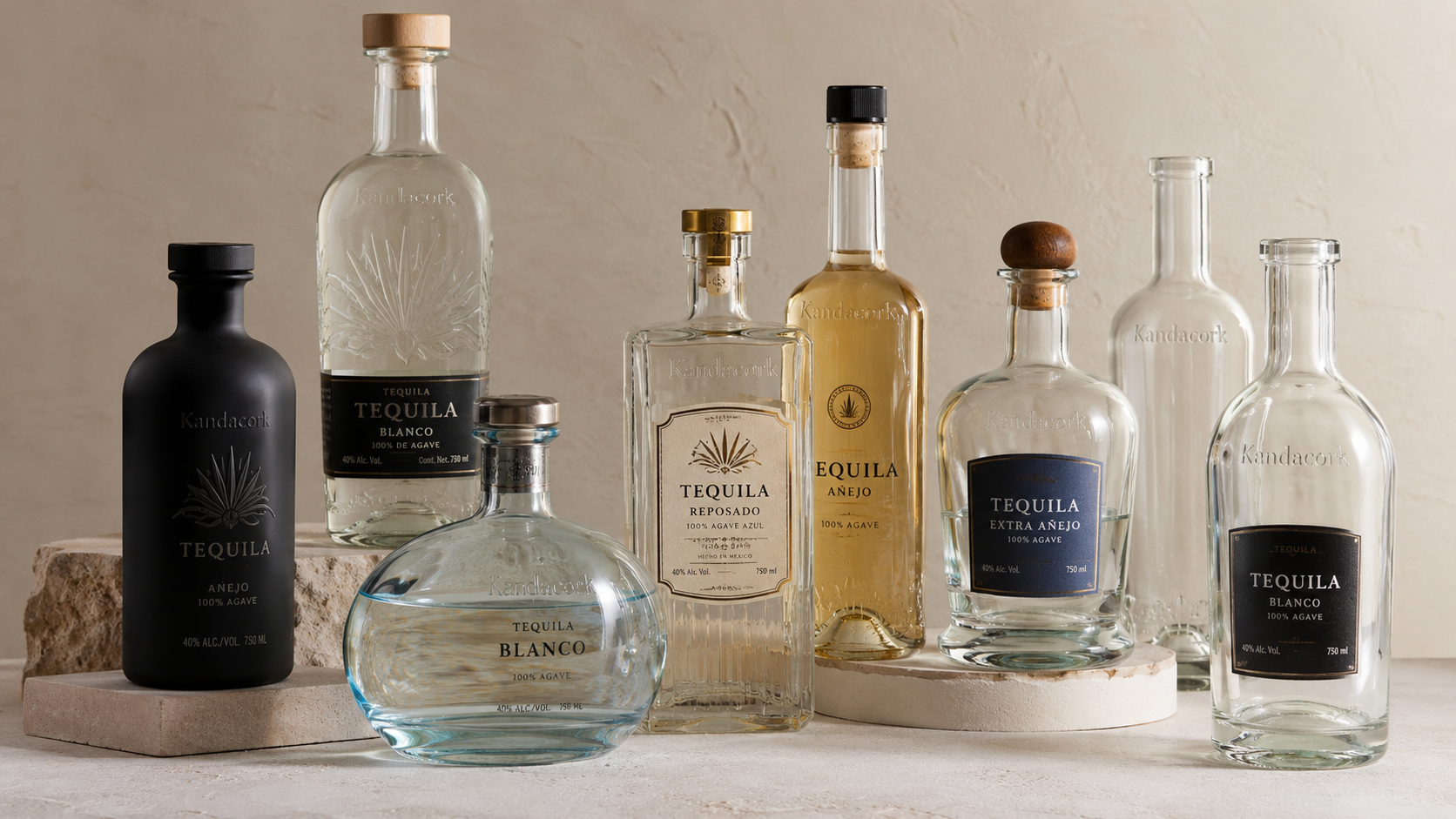
Custom molds are often considered for luxury whiskey packaging, premium rum bottles, craft gin bottle programs, tequila and mezcal gift packaging, private label spirits ranges, limited-edition bottles, collector packaging, and multi-SKU brand families.
However, custom molds require additional cost, lead time, and approval steps. For smaller orders or faster launches, a customized standard stopper may be more efficient.
A practical supplier should help buyers compare standard customization and custom mold development based on budget, MOQ, launch schedule, and brand requirements. For whisky-focused projects, buyers can also review this custom bar top corks guide for whisky brands to compare material, performance, compliance, and sourcing considerations.
FAQ
How many bar-top stopper samples should a spirits brand test?
A spirits brand should test enough samples to represent real bottle variation. For early review, several samples may be enough. For custom bottles, export projects, or filling-line production, buyers should test multiple bottles and multiple stopper samples before final approval.
Can one bar-top stopper fit different spirits bottles?
Sometimes, but buyers should not assume it. Bottles with similar nominal neck sizes may have different inner bore tolerances, bore depth, conicity, ovality, or glass variation. Each bottle model should be tested before using the same stopper across multiple SKUs.
Should buyers approve a bar-top stopper from photos only?
No. Photos can support early design discussion, but physical samples are necessary for bottle-neck fit, sealing, texture, weight, opening feel, and production compatibility.
What is a golden sample for spirits closures?
A golden sample is the final approved physical reference for mass production. It confirms the agreed material, size, logo, color, surface finish, insertion fit, opening feel, and packaging method. Both buyer and supplier should keep golden samples for quality comparison.
What should I send to Kandacork Closures for a sample review or quotation?
Send your bottle drawing, physical bottle samples if available, inner neck size, logo artwork, target material, preferred finish, order quantity, destination market, packing requirements, and launch timeline. These details help Kandacork Closures review fit, recommend stopper options, prepare samples, and provide a more accurate quotation.
Conclusion: Move From Sample Review to Quotation With Confidence
Bar-top stopper sample approval is a critical step in spirits packaging development. It helps buyers confirm fit, sealing, opening feel, branding accuracy, filling-line compatibility, export packing protection, and supplier reliability before committing to bulk closure production.
For premium spirits brands, a stopper should not be treated as a small accessory. It is part of the product experience, brand identity, and technical protection system.
To prepare for a sample request or quotation, send Kandacork Closures your project details, including bottle drawing, physical bottle samples if available, inner neck size, logo artwork, target material, order quantity, destination market, packing requirements, and launch schedule. With the right sample approval process, your custom bar-top stopper project can move from concept to production with greater confidence.