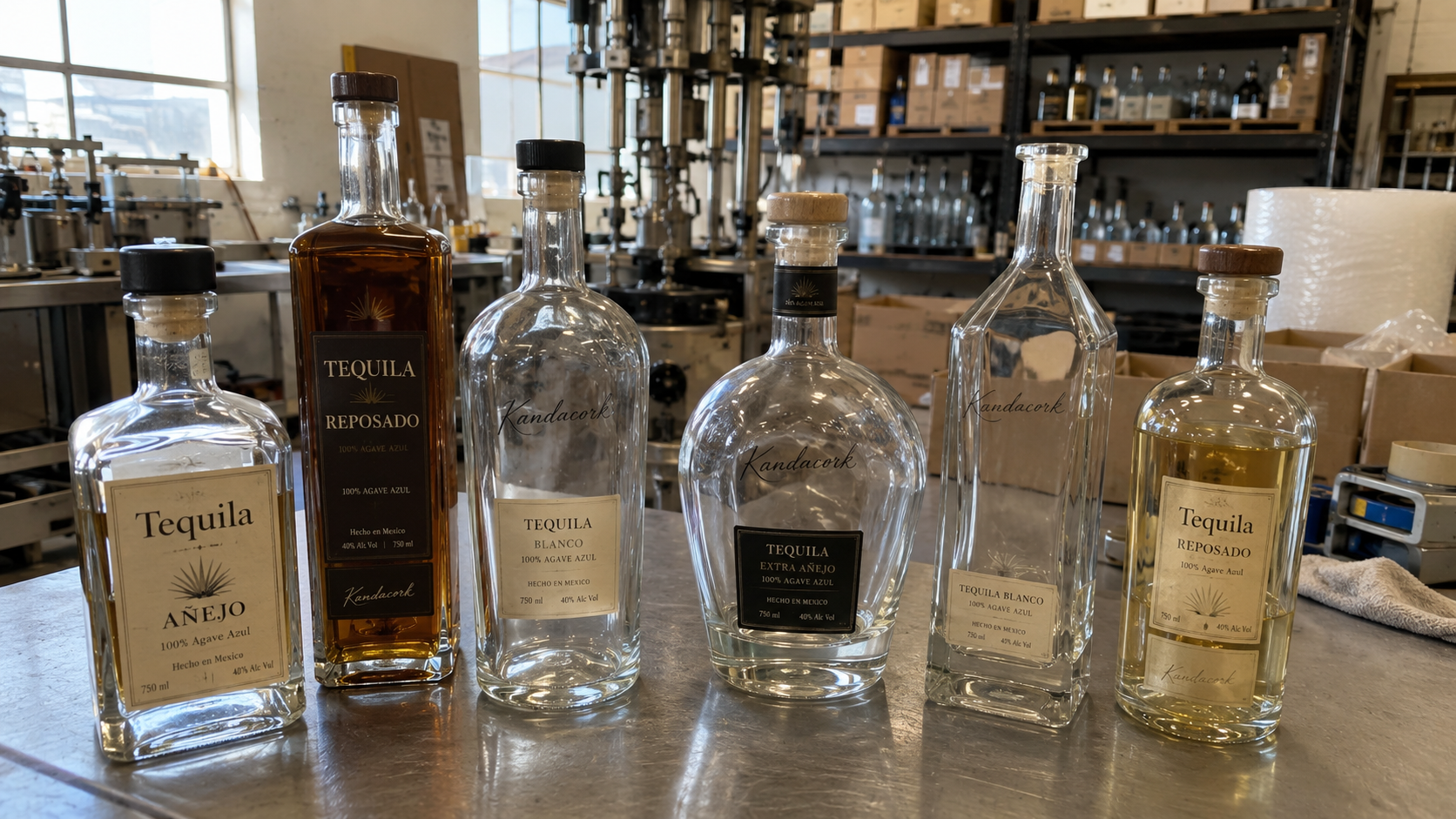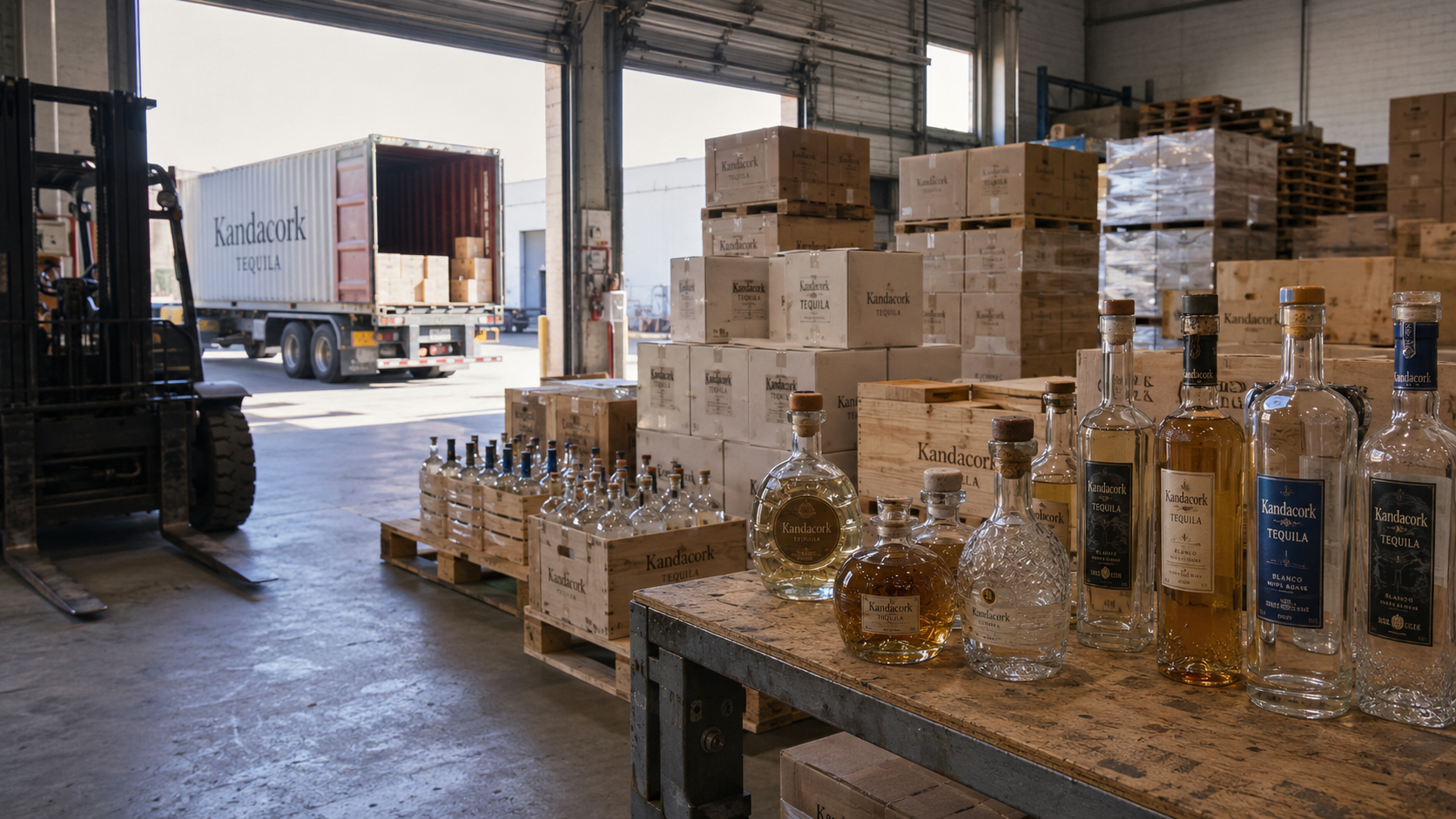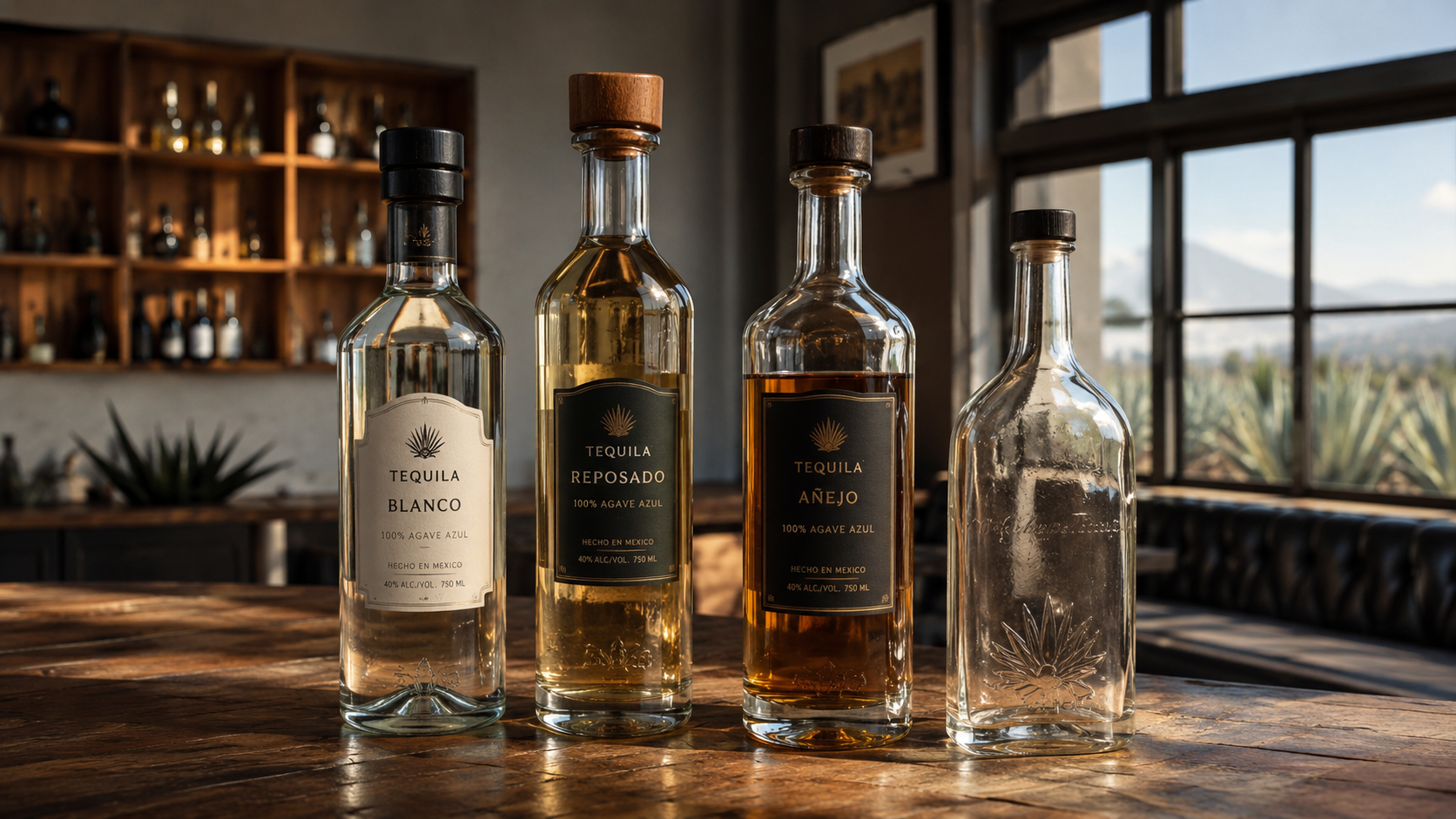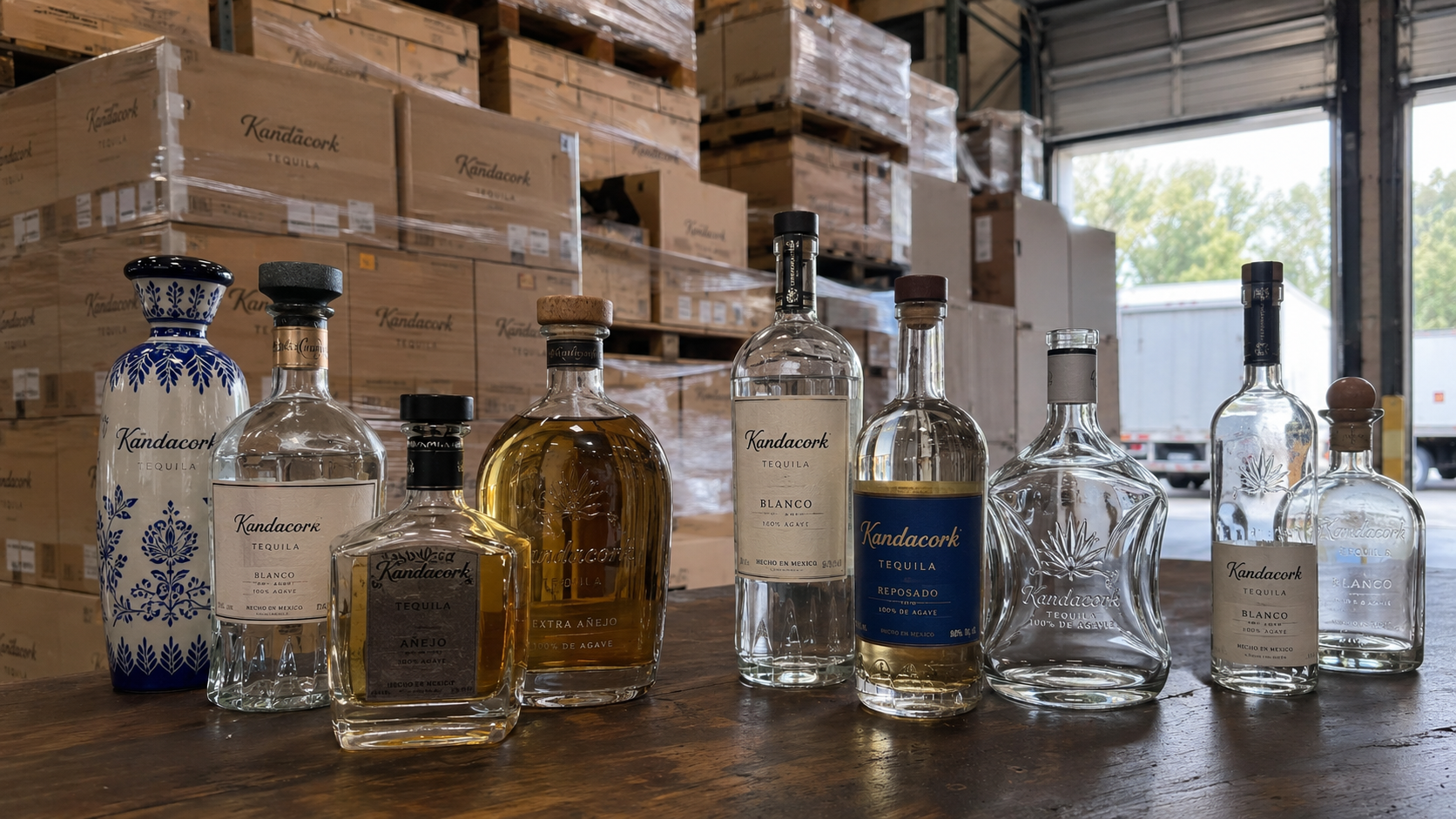
Quick Answer
Printed bar-top stoppers are custom spirits closures with a decorated top and a sealing shank. For private label spirits, buyers should compare material, logo method, bottle-neck fit, leakage testing, tamper-evident compatibility, sample approval, and bulk supply capability before ordering.
Printed bar-top stoppers help private label spirits brands turn a standard bottle into a recognizable branded package. For whisky, gin, rum, vodka, tequila, brandy, and liqueur projects, the right closure must do more than carry a logo. It must fit the bottle neck, seal reliably, work with tamper-evident packaging, match the label design, and remain consistent from sample approval to bulk production.
For distilleries, importers, distributors, bottlers, and packaging buyers, a custom stopper is both a branding component and a technical packaging part. Buyers comparing custom spirits bottle closures and stoppers should consider not only appearance, but also sealing behavior, bottle-neck fit, sampling, export packing, and repeat-order consistency.
What Are Printed Bar-Top Stoppers?
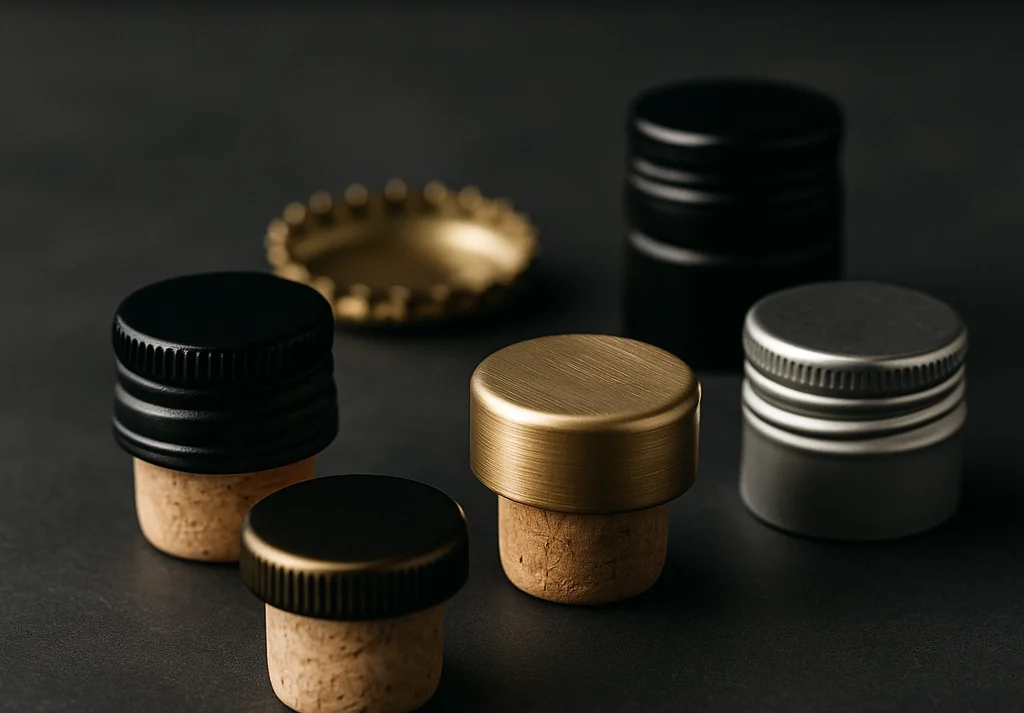
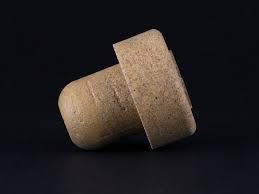
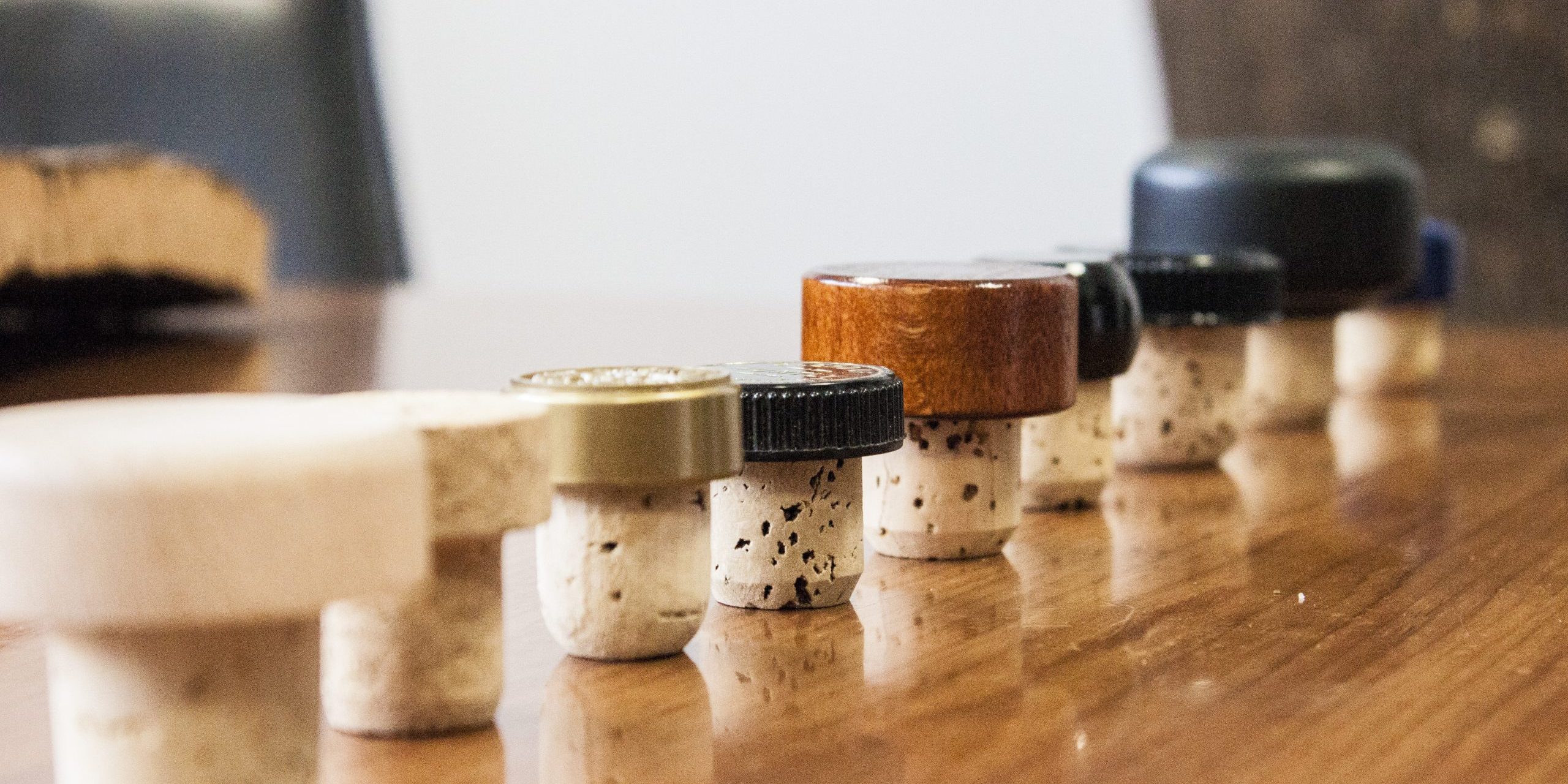
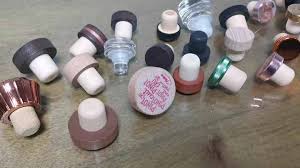
Printed bar-top stoppers are spirits bottle closures with a decorative top and a lower sealing shank. The top can be made from wood, plastic, aluminum, glass, resin, ceramic, or mixed materials. The shank may use natural cork, micro-agglomerated cork, synthetic cork, TPE, or another polymer sealing material.
They are also known as T-top stoppers, bar-top corks, spirits bottle closures, custom bottle stoppers, liquor bottle stoppers, or cork bar-top closures. In private label spirits packaging, the printed area may include a logo, crest, monogram, collection name, color mark, SKU identity, or limited-edition mark.
The main value is flexibility. Printed bar-top stoppers allow buyers to customize the closure without developing a fully custom glass mold. This makes them useful for private label brands, distributor programs, seasonal runs, export projects, and product lines that need one bottle structure with different visual identities.
Why Private Label Spirits Brands Use Printed Bar-Top Stoppers
Private label spirits buyers often manage multiple products, regions, price points, and launch schedules. A printed stopper helps create differentiation while keeping packaging development practical.
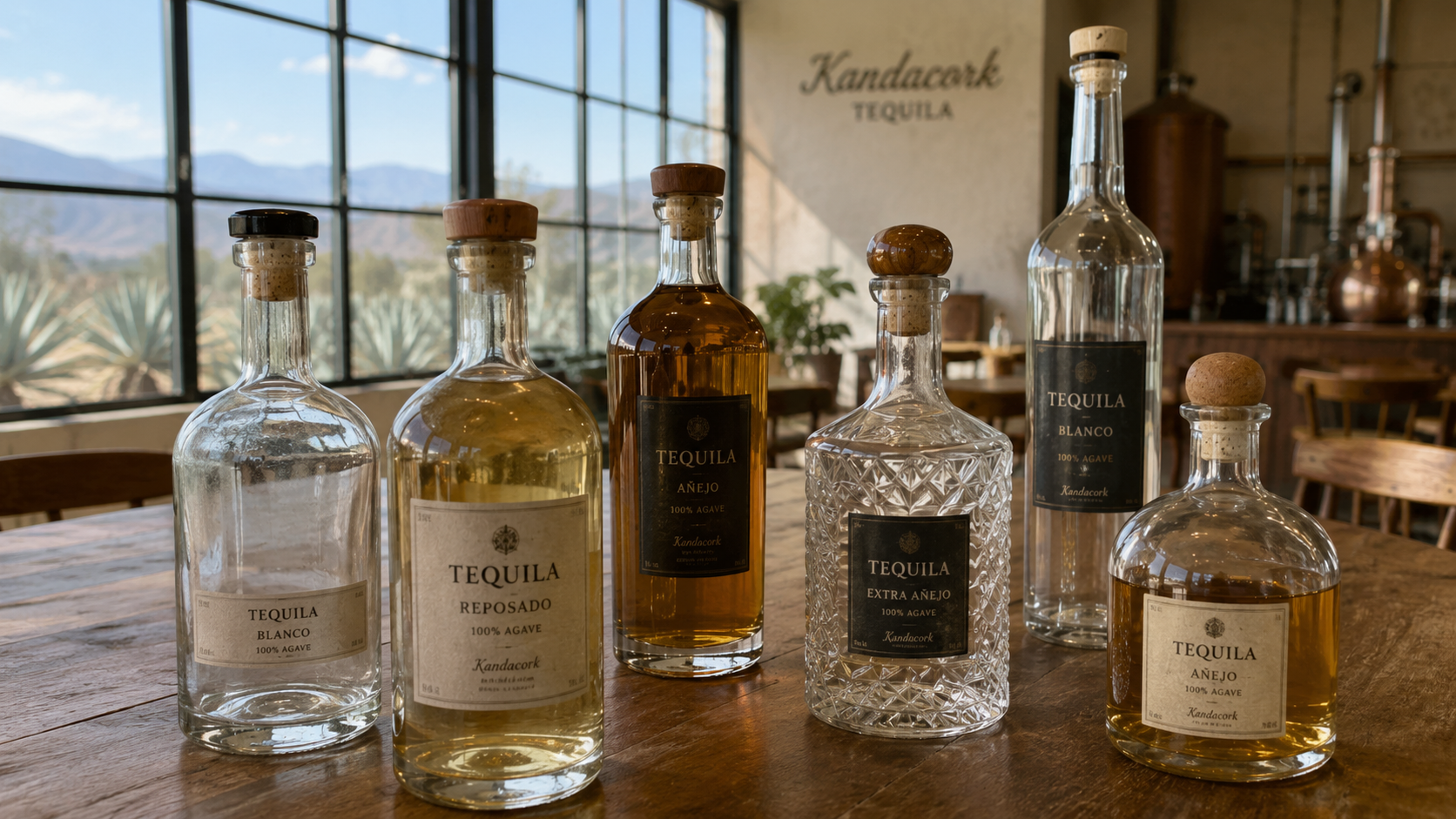
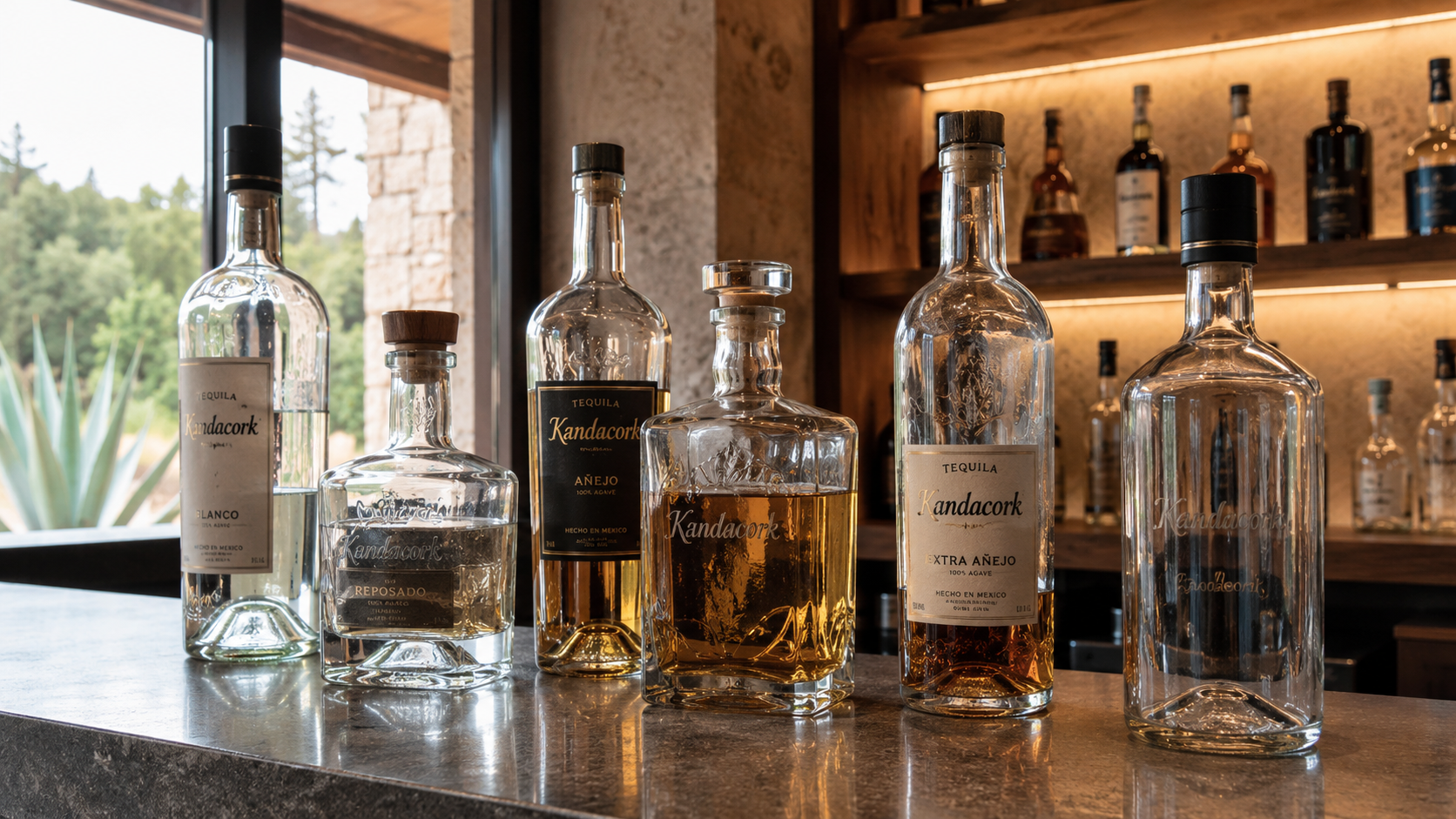
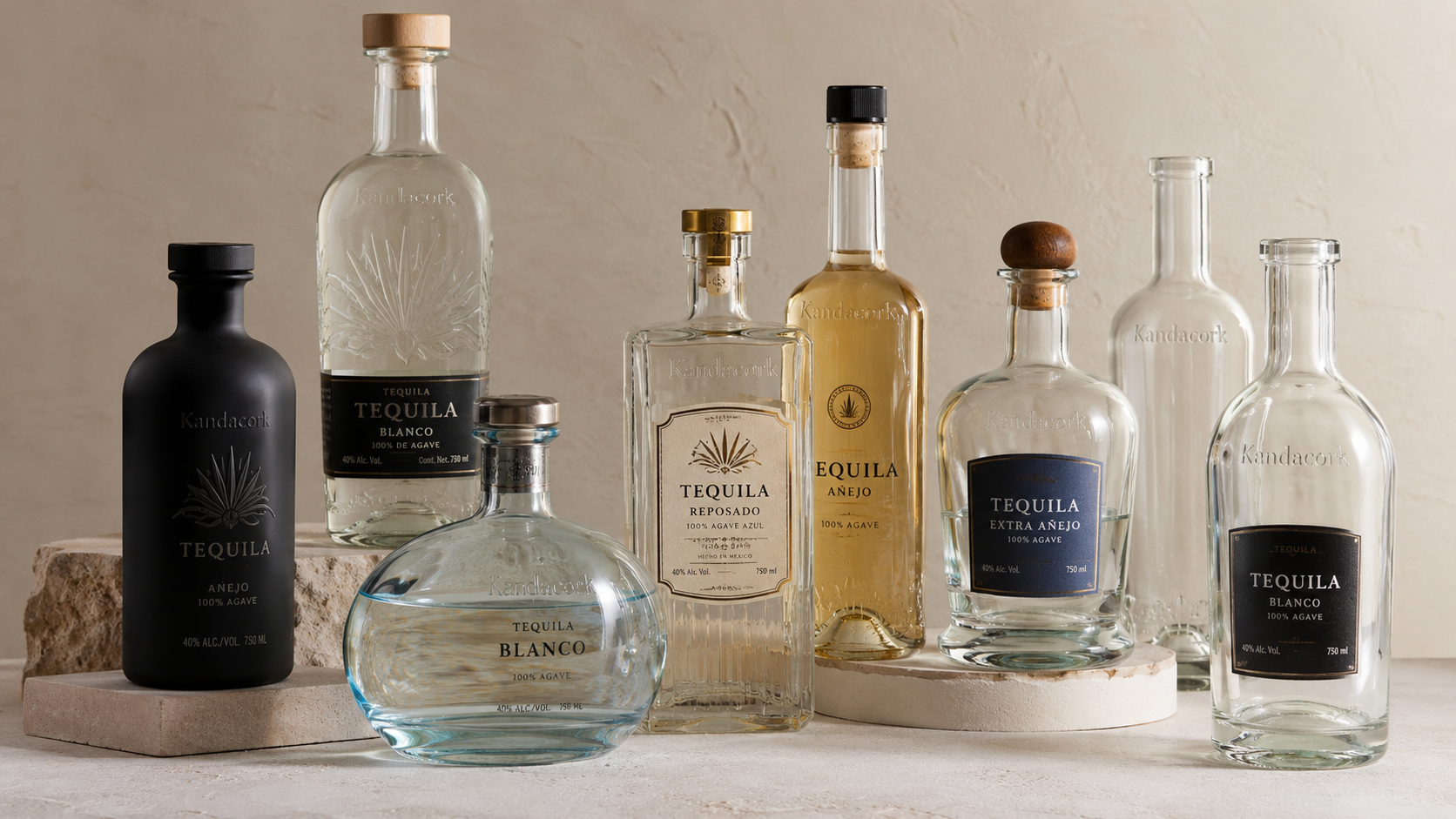
A gin brand may use a clear bottle with a natural wooden top and black logo printing to communicate a craft botanical style. A vodka brand may choose a matte aluminum stopper with a simple printed mark for a clean modern look. A rum brand may use a dark-stained wooden stopper with metallic decoration to support a warmer premium image.
Printed stoppers are especially useful for whisky, rum, gin, vodka, tequila, brandy, liqueur, regional private label programs, distributor-exclusive SKUs, promotional bottle runs, premium upgrades, multi-SKU packaging systems, and sample-based product development.
The stopper should not be selected separately from the rest of the package. It needs to work with the bottle shape, glass color, label stock, capsule, shrink sleeve, carton, and retail display environment. For projects that require bottle, closure, and packaging coordination, buyers may also review broader integrated spirits packaging support before finalizing the full packaging system.
Private Label Buyer Decision Path
If you already have a bottle, start with neck fit, shank testing, and leakage review. The most attractive stopper will still fail if it does not seal correctly or match the bottle neck tolerance.
If you already have artwork, start with print feasibility, logo size, line width, color matching, and surface selection. A label design may need to be simplified before it can be printed clearly on a stopper top or side wall.
If you manage multiple SKUs, start with material consistency, color control, and reorder stability. Private label programs often need closures that support different products while keeping the same brand system.
If the product is for export, start with leakage testing, carton packing, tamper-evident compatibility, and destination-market requirements. Long-distance shipping can reveal closure risks that do not appear in a simple visual review.
Materials and Decoration Options Compared
Different materials create different visual, technical, and commercial results. The best option depends on the spirit category, target price, bottle design, order quantity, and decoration method.
Wooden Printed Bar-Top Stoppers
Wooden stoppers are widely used for craft and premium spirits. Wood creates a warm, natural, and tactile impression, making it suitable for whisky, rum, brandy, craft gin, and heritage-style packaging.
Wood can be natural, stained, varnished, painted, engraved, or combined with cork and synthetic shanks. It supports pad printing, hot foil, laser engraving, embossing, and debossing. The main caution is that grain texture may affect small lettering or fine logo details.
Plastic Printed Bar-Top Stoppers
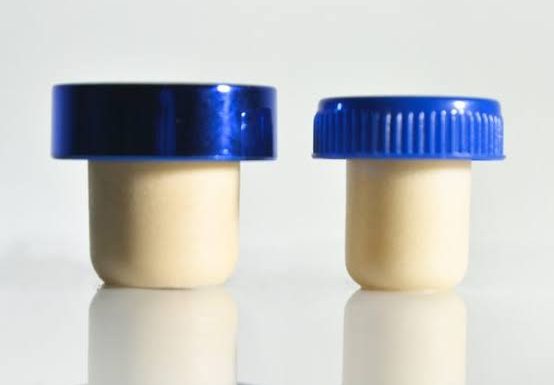
Plastic stoppers are practical for private label programs that need cost control, color consistency, and high-volume repeatability. Plastic tops can be molded into flat, domed, stepped, ribbed, rounded, or tapered shapes.
They are useful when buyers need a consistent color system across several SKUs. Common decoration methods include pad printing, screen printing, side printing, foil effects, coating, and color matching. Buyers comparing plastic closure structures can also review this plastic bar-top stopper design guide when evaluating tooling, appearance, and fit requirements.
Aluminum Printed Bar-Top Stoppers
Aluminum stoppers create a modern and premium appearance. They are often used for vodka, gin, tequila, premium liqueurs, contemporary whisky, and limited-edition spirits.
Aluminum can support matte, brushed, polished, anodized, or metallic finishes. Logo decoration may include screen printing, pad printing, laser marking, embossing, debossing, or metallic effects. The key issues are surface durability, print alignment, and color contrast.
Synthetic and Polymer Stoppers
Synthetic and polymer-based shanks are selected for dimensional consistency, controlled sealing performance, and repeat order stability. They may be paired with wood, plastic, aluminum, resin, or other decorative tops.
For private label buyers managing repeat orders, consistency matters. A stable shank helps maintain similar insertion force, pull-out feel, and sealing behavior across production batches. Buyers should still confirm alcohol compatibility, food-contact suitability, and performance under intended storage and transport conditions.
| Stopper Material | Common Decoration Methods | Best For | Main Advantages | Buyer Caution |
|---|---|---|---|---|
| Wood | Pad printing, hot foil, laser engraving, embossing, debossing | Whisky, rum, brandy, craft gin | Natural look, premium hand feel, craft identity | Wood grain may affect fine detail |
| Plastic | Pad printing, screen printing, side printing, color coating | Vodka, gin, liqueurs, large private label runs | Cost control, color consistency, flexible shapes | Ink adhesion and scratch resistance should be tested |
| Aluminum | Screen printing, pad printing, laser marking, embossing | Vodka, tequila, premium gin, limited editions | Metallic look, modern premium effect | Surface finish and abrasion resistance matter |
| Synthetic / Polymer | Ink printing, hot foil, side decoration, color matching | Multi-SKU programs and repeat orders | Stable dimensions, batch consistency | Alcohol compatibility should be confirmed |
Printing and Decoration Methods
Top printing places the logo on the upper surface of the stopper. It is one of the most common choices because the top surface is visible when the bottle is opened, photographed from above, or displayed in a gift box. It works best for simple logos, initials, emblems, icons, and short brand marks.
Side printing places artwork on the vertical side of the stopper head. It can support brand names, batch identity, collection marks, or color bands. Buyers should confirm whether a capsule or shrink sleeve will cover the side area before approving artwork.
Pad printing is suitable for curved, small, or irregular surfaces. It is widely used for logo printed bottle stoppers because it can transfer detailed artwork onto wood, plastic, aluminum, and synthetic materials.
Screen printing works well for stronger color coverage on flatter or gently curved surfaces. It is suitable for bold logos, simple wordmarks, and high-contrast artwork.
Hot foil and metallic effects add a premium look. Gold, silver, copper, and bronze are common for whisky, rum, brandy, tequila, and gift-box spirits. These effects should be checked on physical samples because metallic color can change under different lighting.
Embossing, debossing, and laser engraving create tactile or permanent brand marks. For projects that need logo placement, color matching, surface finish planning, or artwork preparation, Kandacork Closures provides custom closure branding support to help align the stopper with the full spirits packaging design.
| Decoration Method | Best Use | Buyer Check |
|---|---|---|
| Top printing | Logos, crests, icons, initials | Confirm top surface size and logo detail |
| Side printing | Brand name, color band, SKU mark | Check capsule or shrink sleeve coverage |
| Pad printing | Curved or small stopper surfaces | Test fine lines and ink adhesion |
| Screen printing | Bold artwork and color blocks | Confirm surface flatness and color coverage |
| Hot foil | Premium whisky, rum, and gift packaging | Review abrasion resistance and lighting effect |
| Engraving / embossing | Durable tactile branding | Confirm tooling cost, detail limit, and MOQ |
Bottle Fit, Leakage Testing, and Compliance Checks
The most important technical factor is bottle-neck compatibility. A stopper that looks premium can still fail if the shank does not fit correctly.
Bottle capacity alone is not enough. Two 750 ml spirits bottles may have different neck inner diameters, neck depths, or tolerance ranges. Buyers should provide bottle drawings, neck specifications, or physical bottle samples before sample production.
Quick Fit Note: for many spirits bottles, buyers may start with a shank around 1 mm larger than the inner neck bore, but final sizing must be verified with real bottle samples. Material hardness, neck tolerance, insertion depth, and pull-out feel can all change performance.
For example, an 18.5 mm inner neck bore may often start with a 19.5 mm shank for testing, while a 21.5 mm bore may often start with a 22.5 mm shank. This should not be treated as a fixed rule. Final approval should always depend on real bottle testing and the intended opening experience.
The shank must compress properly inside the bottle neck. Natural cork, micro-agglomerated cork, synthetic cork, TPE, and polymer shanks behave differently under pressure. If the shank is too loose, leakage and weak pull-out resistance may occur. If it is too tight, insertion may become difficult and the opening experience may feel poor.
Pull-out feel also affects consumer perception. A premium spirit should open smoothly, securely, and consistently. Buyers should evaluate stopper fit after sample filling, short-term storage, and transport simulation when possible.
Leakage testing is strongly recommended before bulk approval, especially for export orders, high-proof spirits, long-distance transport, and premium packaging. Useful checks may include inverted bottle testing, vibration review, temperature variation checks, print abrasion review, capsule compatibility, and carton packing inspection.
Printed bar-top stoppers should also be reviewed as part of the full spirits closure system. In the United States, the Alcohol and Tobacco Tax and Trade Bureau provides guidance for distilled spirits containers and tamper-evident closure expectations. The U.S. Food and Drug Administration food-contact materials guidance also helps buyers understand why stopper components, coatings, inks, adhesives, and inserts should be reviewed for intended packaging use.
For buyers, this means the stopper head, shank, ink, coating, adhesive, and insert should be suitable for the spirit type and target market. A printed stopper does not automatically create a complete tamper-evident system. It may still need a capsule, shrink sleeve, seal, tear band, or another tamper-evident component. These parts can cover the printed area, change the opening experience, and affect final packaging approval.
How to Develop a Stopper from Sample to Bulk Order
A structured development process helps private label buyers reduce risk and avoid delays.
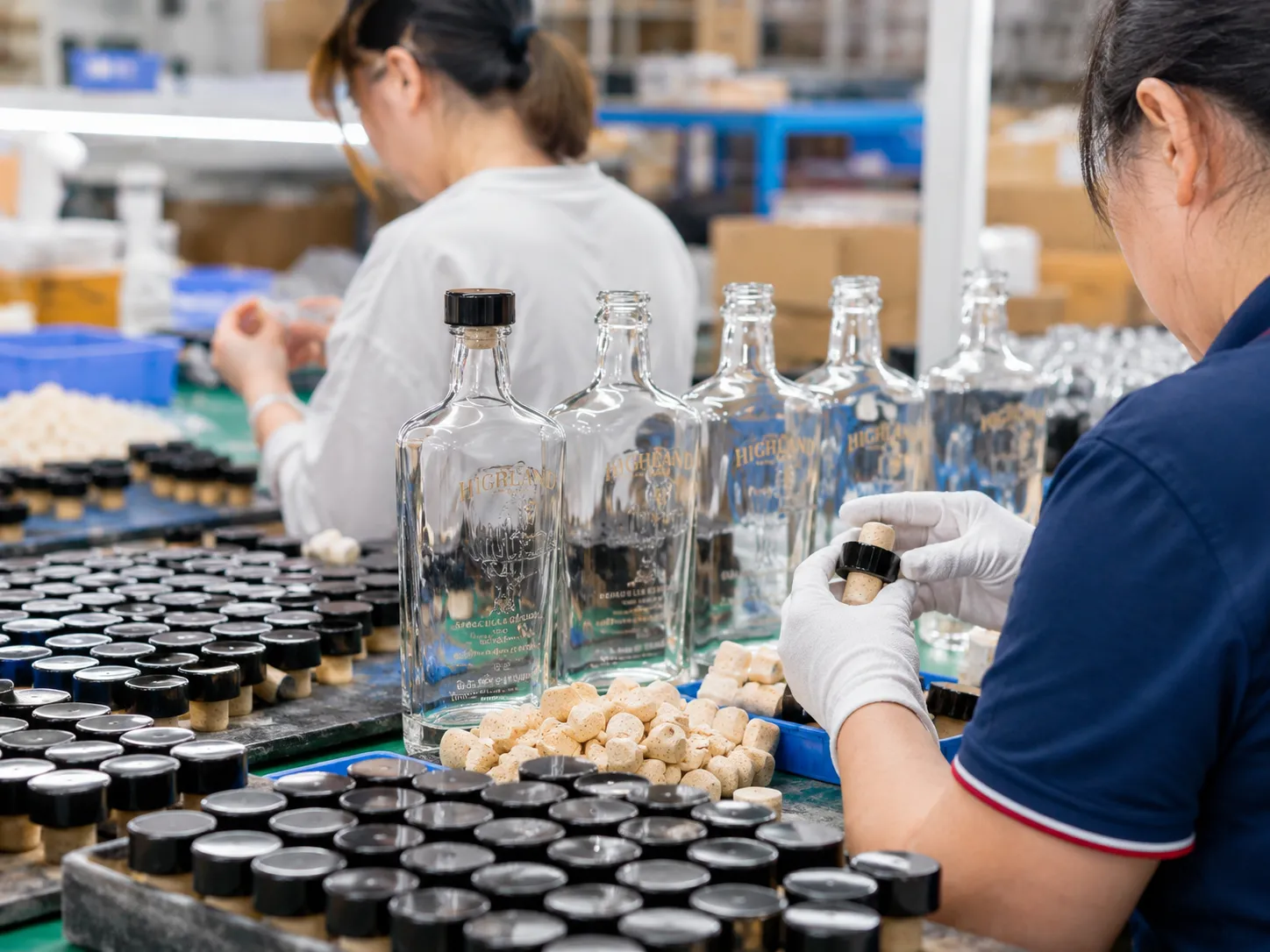
First, the buyer sends bottle information, including bottle drawing, neck inner diameter, bottle capacity, finish details, and physical samples if available. When the neck profile is uncertain, buyers should send two or three real bottle samples rather than relying only on drawings.
The supplier uses this information to recommend the stopper structure and shank size. In some cases, the bottle bore should be checked at more than one depth to identify tapering, pinch points, or tolerance variation.
Next, the buyer and supplier confirm the stopper head material, shank material, decoration method, and target appearance. The choice should match the brand position, bottle design, spirit type, order quantity, and budget.
The buyer then provides vector artwork such as AI, EPS, SVG, or editable PDF. The supplier checks logo size, print area, line width, color count, and decoration feasibility.
After that, a digital mockup can help confirm print position and general appearance. However, final approval should depend on physical samples, not only renderings.
Physical samples allow the buyer to check real color, material texture, logo sharpness, print alignment, stopper fit, insertion force, pull-out feel, capsule coverage, leakage risk, and overall bottle presentation.
Before mass production, the buyer should approve a pre-production sample or final reference sample. This sample becomes the standard for color, fit, decoration, and quality inspection.
Practical Sample Approval Tip
Before approving bulk production, test printed stoppers on filled or simulated-filled bottles, not only empty bottles. Check insertion force, pull-out feel, logo alignment, leakage risk, capsule coverage, carton packing, and appearance after handling. For export programs, keep one approved reference sample for future reorder comparison.
Supplier Capability Checklist
Private label buyers should evaluate a printed stopper supplier based on more than unit price. Closure problems can affect filling schedules, distributor deliveries, product launches, and retail presentation.
A reliable supplier should provide multiple stopper head materials, cork and synthetic shank options, top and side printing capability, pad printing, screen printing, hot foil, embossing, debossing, engraving, bottle drawing review, sample development, leakage checks, capsule compatibility support, export packing, and stable reorder management.
For buyers still comparing closure systems, this bar-top stoppers vs screw caps vs ROPP closures guide can help clarify when a printed stopper is the right direction and when another closure type may be more practical.
What to Send for a Sample or Quotation
Clear project information helps the supplier recommend the right closure and quote accurately.
| Information Needed | Why It Matters |
|---|---|
| Spirit type | Helps evaluate material and packaging compatibility |
| Bottle drawing | Confirms dimensions and neck structure |
| Neck inner diameter | Determines shank fit |
| Physical bottle sample | Allows real fit and leakage testing |
| Stopper material preference | Helps estimate cost and production method |
| Shank material preference | Affects sealing, insertion, and pull-out feel |
| Logo artwork | Needed for print feasibility review |
| Pantone or color reference | Supports brand consistency |
| Print position | Determines top, side, or combined decoration |
| Order quantity | Affects MOQ, cost, and production method |
| Destination market | Helps identify compliance and packing expectations |
| Sample timeline | Supports project planning |
| Tamper-evident requirements | Ensures capsule or sleeve compatibility |
For private label buyers, preparing this information early can reduce sample revisions, prevent sizing mistakes, and speed up the quotation process.
How Kandacork Closures Supports Custom Stopper Projects
Kandacork Closures supports spirits brands, distilleries, importers, distributors, bottlers, and packaging buyers with custom printed bar-top stoppers for private label spirits.
Kandacork Closures can review bottle drawings, neck bore dimensions, artwork files, color references, order quantity, and tamper-evident packaging needs before sample development. This helps buyers confirm whether the project should use wood, plastic, aluminum, synthetic, or mixed-material stoppers before moving into bulk production.
The project process can include material selection, stopper head recommendation, shank matching, logo decoration review, bottle-neck compatibility checking, physical sample preparation, print approval, and bulk production planning.
For different spirits categories, Kandacork Closures can help buyers compare top printing, side printing, pad printing, screen printing, hot foil, embossing, debossing, and engraving. Buyers ready to review samples, specifications, or bulk pricing can request a custom closure quote with bottle drawings, physical bottle samples, logo files, color references, order quantity, destination market, and required timeline.
FAQ
What are printed bar-top stoppers?
Printed bar-top stoppers are spirits bottle closures with a decorated top and a lower sealing shank. The top can carry a logo, emblem, brand name, color mark, or custom graphic, while the shank seals into the bottle neck.
They are commonly used for whisky, gin, rum, vodka, tequila, brandy, liqueurs, and private label spirits packaging.
Are printed bar-top stoppers suitable for private label spirits?
Yes. Printed bar-top stoppers are suitable for private label spirits because they allow flexible branding without requiring a custom glass bottle mold.
They can support different product lines, distributor-exclusive SKUs, seasonal editions, regional labels, and premium upgrades while keeping the bottle structure consistent.
What is the best material for printed bar-top stoppers?
The best material depends on the brand position, bottle design, spirit type, budget, and decoration method. Wood is suitable for craft and premium spirits. Plastic supports cost control and color consistency. Aluminum creates a modern premium look. Synthetic options support repeatable fit and stable production.
Buyers should compare material samples with the actual bottle, label, capsule, and carton before bulk approval.
What is the best printing method for bar-top stoppers?
Pad printing is often suitable for small logos and curved surfaces. Screen printing works well for bold artwork and stronger color coverage. Hot foil adds a premium metallic effect. Engraving, embossing, and debossing are useful for tactile or durable branding.
The best method depends on stopper material, print area, artwork complexity, color requirement, MOQ, and whether the logo needs to appear on the top, side, or both.
Do printed bar-top stoppers need leakage testing?
Yes. Leakage testing is recommended, especially for export projects, long-distance shipping, high-proof spirits, and premium packaging.
Buyers should test physical samples on real bottles and review inverted storage, vibration, insertion force, pull-out feel, print durability, and capsule compatibility before bulk production.
What affects the MOQ for custom printed bar-top stoppers?
MOQ depends on stopper material, decoration method, color matching, tooling, artwork complexity, and order quantity. Printed plastic stoppers may have different MOQ requirements from wooden, aluminum, engraved, or hot-foil stoppers.
Buyers should confirm MOQ during sample planning, especially for private label programs with multiple SKUs, several colors, or different stopper designs.
What information is needed for a printed stopper quote?
Buyers should provide spirit type, bottle drawing, neck inner diameter, physical bottle sample if available, stopper material, shank material, artwork file, Pantone color, print position, order quantity, destination market, sample timeline, and tamper-evident packaging requirements.
Complete information helps the supplier quote more accurately and avoid sample delays.
Recommended Structured Data for Publishing
To help search engines understand the page, the published article can use structured data such as Article, FAQPage, Product, Organization, BreadcrumbList, and ImageObject schema.
FAQPage schema can cover common buyer questions about materials, printing methods, bottle fit, leakage testing, MOQ, and quotation requirements. Product schema can describe the offering as custom printed bar-top stoppers for spirits bottles, with materials such as wood, plastic, aluminum, synthetic cork, natural cork, and polymer shanks.
Image SEO Recommendations
Use clear product and application images near the relevant sections. Recommended image topics include material comparison, logo printing methods, stopper shank and bottle-neck fit, sample approval, and quotation preparation.
Suggested image alt text examples:
- Custom printed bar-top stoppers for private label spirits
- Wood plastic aluminum and synthetic bar-top stopper materials
- Logo printing methods for custom bottle stoppers
- Bar-top stopper shank fit with spirits bottle neck
- Sample request checklist for printed spirits bottle stoppers
Conclusion
Printed bar-top stoppers are small packaging components, but they influence brand identity, shelf appeal, opening experience, sealing performance, and supply reliability. For private label spirits, the best stopper is not simply the most decorative or the lowest priced. It is the closure that fits the bottle, supports the brand, works with the full packaging system, and can be produced consistently at scale.
A successful project should combine material selection, artwork adaptation, print method choice, bottle-neck fit review, leakage testing, food-contact awareness, tamper-evident compatibility, sample approval, and supplier capability evaluation.
For spirits brands, distilleries, private label buyers, importers, distributors, bottlers, and packaging teams, Kandacork Closures can support custom printed bar-top stopper projects from initial design discussion to sample development and bulk supply.
To request samples or a quotation, prepare your bottle drawing, physical bottle sample if available, logo artwork, color reference, order quantity, destination market, and required timeline. This will help Kandacork Closures recommend the right printed bar-top stoppers for your private label spirits project.