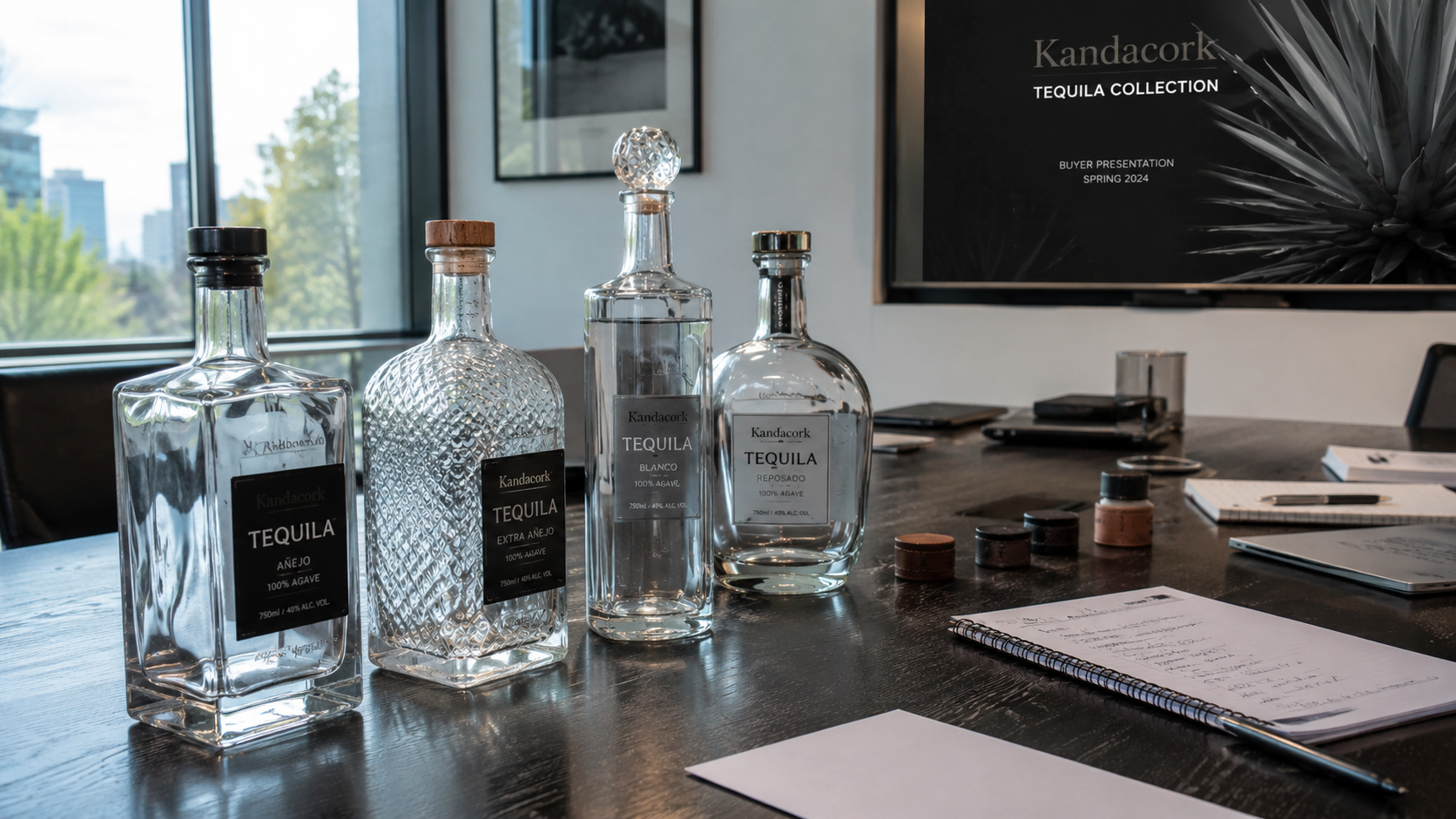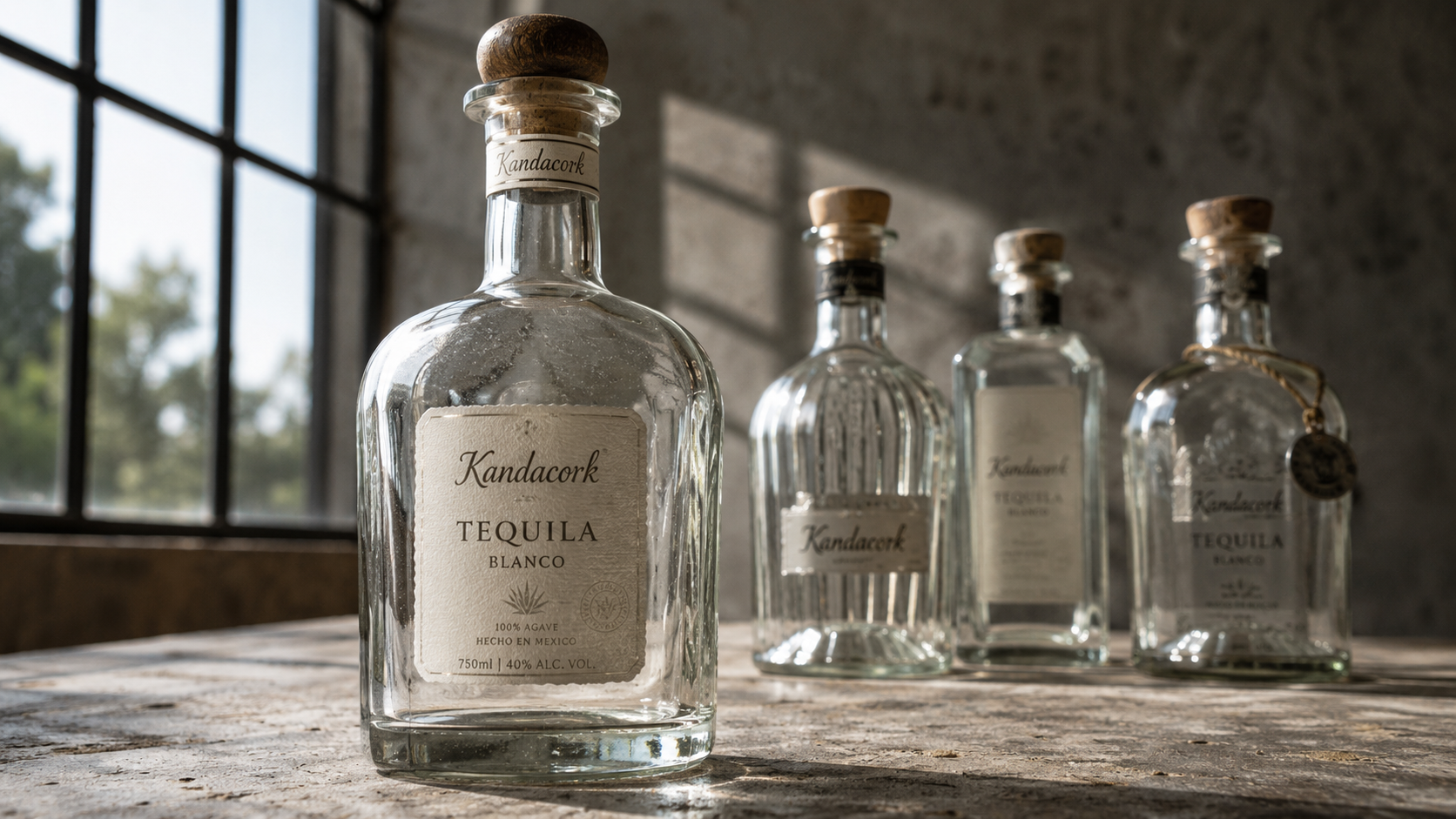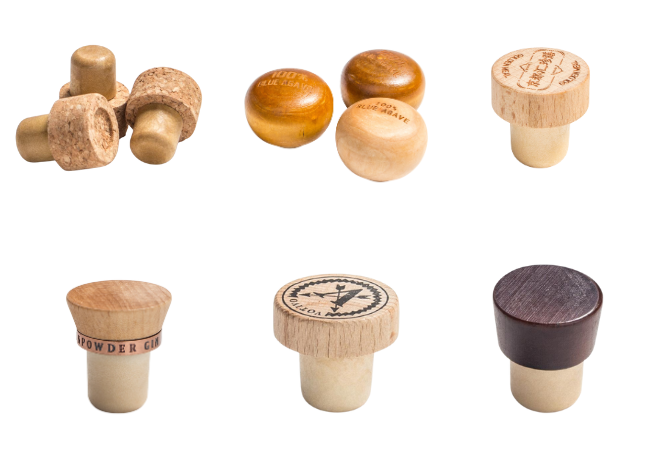
For spirits brands, the closure is more than a sealing component. It is part of the bottle’s first impression, the opening experience, and the way consumers remember the product after purchase. Embossed bar-top stoppers give distilleries, private label buyers, importers, distributors, bottlers, and packaging buyers a tactile way to express brand identity through raised logos, crests, icons, textures, and custom stopper shapes.
A premium whisky, rum, gin, tequila, vodka, brandy, or liqueur bottle may already use heavy glass, textured labels, foil stamping, capsules, and gift packaging. If the stopper looks generic, the packaging system can feel incomplete. A custom embossed closure helps connect the bottle, label, story, and opening ritual into one branded experience. For projects that require bottle structure, closures, decoration and gift packaging to work together, buyers may also review complete spirits packaging support before finalizing the closure direction.
This guide explains how to choose embossed bar-top stoppers for spirits packaging projects, including branding value, material selection, decoration methods, bottle neck fit, sample approval, supplier capability, and quotation preparation.
Quick Answer: What Are Embossed Bar-Top Stoppers?
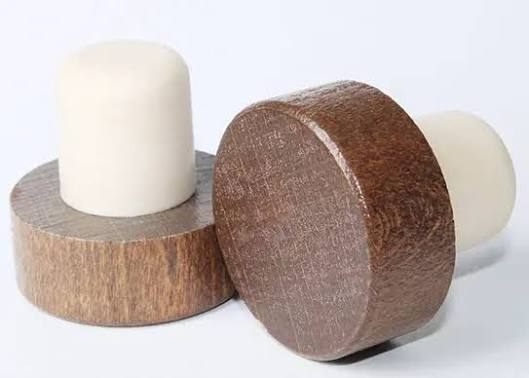
Embossed bar-top stoppers are spirits bottle closures with raised logos, icons, patterns, or decorative details on the stopper head or side surface. They usually include a decorative top and a lower shank made from natural cork, micro-agglomerated cork, synthetic cork, or another insert material. Brands use embossed bar-top stoppers to improve shelf recognition, premium feel, tactile identity, and packaging consistency. Before ordering, buyers should confirm material, bottle neck fit, shank diameter, logo artwork, surface finish, food-contact documentation, sample approval, MOQ, and supplier capability.
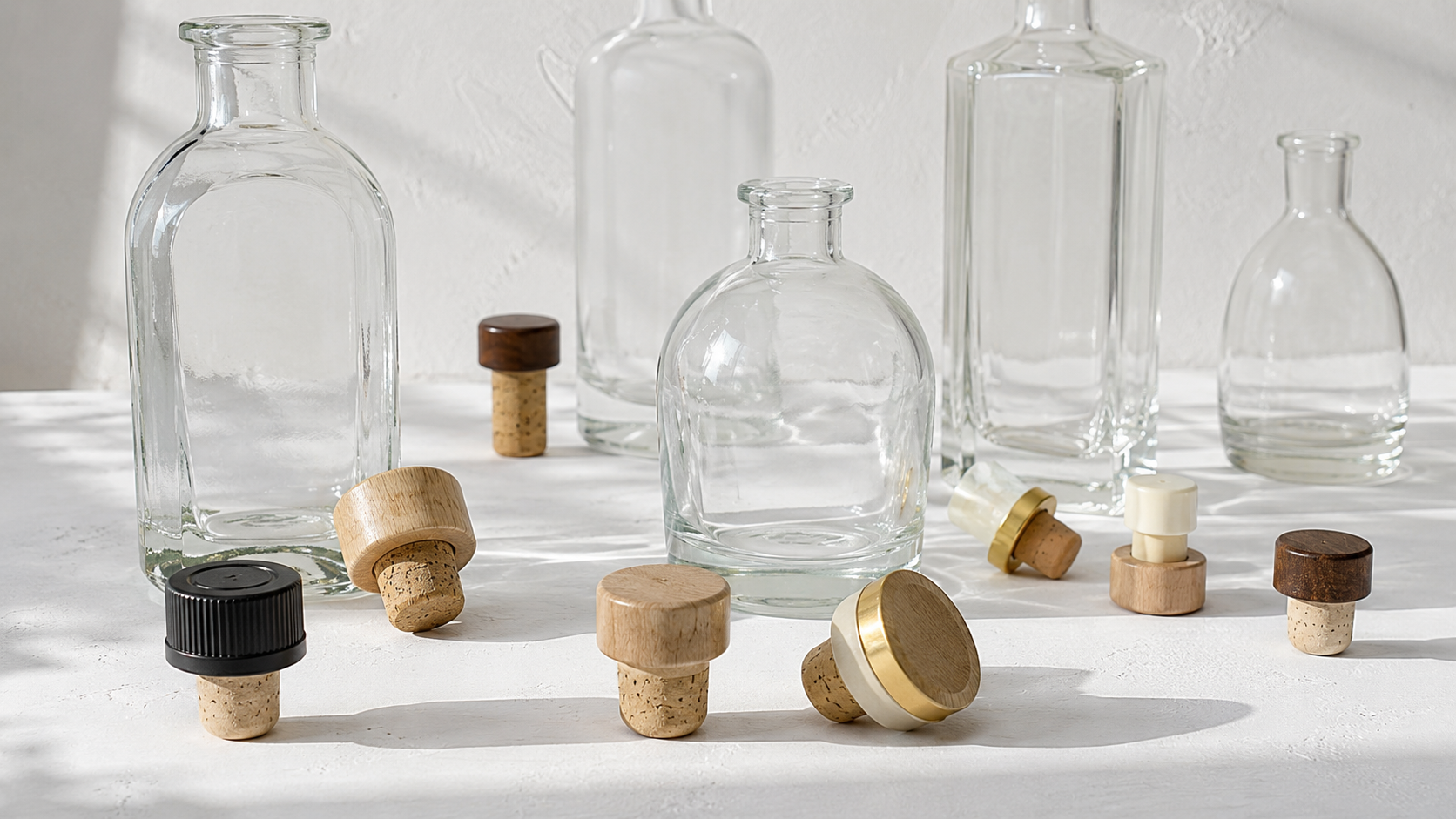
Bar-top stoppers are also commonly called T-top closures, T-stoppers, bartop corks, liquor bottle stoppers, or spirits bottle closures. The terms may vary by market, but the purchasing logic is similar: the closure must fit the bottle, support the brand identity, and perform reliably in production and distribution.
Why Embossed Bar-Top Stoppers Matter for Spirits Brand Identity
Spirits packaging is judged as a complete system. The bottle shape, glass weight, label, capsule, closure, decoration, and gift box all influence perceived value. The stopper is especially important because it is touched every time the bottle is opened.
Embossed bar-top stoppers help brands turn this touchpoint into a visual and tactile asset. A raised logo or crest on the closure can make the bottle feel more established, more intentional, and more premium. This is valuable for luxury spirits, limited editions, craft distilleries, private label collections, and export-focused packaging programs.
For private label buyers, embossed closures can create differentiation without the cost of a fully custom bottle mold. A standard bottle combined with a custom embossed stopper, coordinated label, capsule, and outer box can look more exclusive and brand-owned.
For distributors and importers, the stopper also supports shelf recognition. When bottles are displayed in bars, retail stores, hotel shelves, tasting rooms, or duty-free channels, a distinctive bar-top closure helps the product stand apart from generic packaging.
Embossed vs Debossed vs Engraved vs Printed Stopper Branding
Different logo methods create different brand effects. Buyers should choose the method based on material, budget, design style, durability, and desired tactile impact.
| Branding Method | Visual Effect | Tactile Feel | Suitable Materials | Best For | Key Watch Point |
|---|---|---|---|---|---|
| Embossing | Raised logo or pattern | Strong | Zamak, zinc alloy, aluminum, molded synthetic, polymer | Premium identity, crests, icons, tactile branding | Requires suitable tooling and enough logo thickness |
| Debossing | Recessed logo or pattern | Subtle | Metal, wood, synthetic, coated surfaces | Understated luxury, heritage brands | Fine details may need simplification |
| Engraving | Cut, burned, or laser-marked detail | Medium | Wood, metal, coated materials | Precise marks, batch identity, craft look | Final contrast depends on material and finish |
| Printing | Surface color or graphic | Low | Metal, plastic, synthetic, coated wood | Multi-color logos, Pantone matching, small graphics | Abrasion resistance should be tested |
| Hot Foil / Metallic Marking | Reflective logo or detail | Low to medium | Wood, plastic, coated surfaces | Luxury highlights, gift packaging | Adhesion and rub resistance matter |
Embossing is ideal when the brand wants dimensional identity. Debossing is better for quiet luxury. Engraving suits wood and precise detail. Printing works when color accuracy is more important than texture.
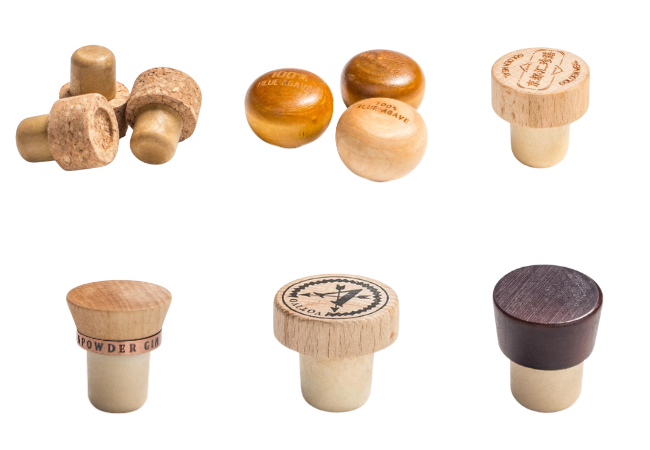
For many premium spirits projects, the best result combines methods. A zinc alloy stopper may use a raised embossed logo with an antique plated finish. A wooden stopper may use engraving plus a metal insert. A synthetic stopper may use molded color plus a raised brand mark.
When Embossing May Not Be the Best Choice
Embossing is powerful, but it is not always the right decoration method. If the logo contains very thin lines, small text, gradients, or complex multi-color artwork, printing, engraving, or a simplified brand mark may work better.
Embossing may also be less suitable when the project is still in early market testing and the buyer wants to reduce tooling cost. In that case, a standard stopper with printed or engraved branding can be a more practical first step.
For tight launch schedules, buyers should confirm whether embossing tooling, finish sampling, and sample approval can meet the production timeline. A raised logo adds brand value only when it can be manufactured clearly, consistently, and on time.
The best supplier should not simply recommend embossing for every project. A practical supplier should compare embossing, debossing, engraving, printing, and semi-custom options based on material, budget, launch date, and brand positioning.
How to Compare Embossed Bar-Top Stopper Materials
Material selection affects cost, weight, logo clarity, tooling, production consistency, and consumer experience. Buyers should choose the material based on both brand positioning and technical requirements.
| Material | Best Spirits Use Cases | Branding Options | Strengths | Watch Points |
|---|---|---|---|---|
| Zamak / Zinc Alloy | Whisky, rum, tequila, mezcal, cognac, limited editions | Embossing, debossing, plating, antique finish, sidewall texture | Heavy feel, premium appearance, strong molded detail | Tooling cost, plating consistency, scratch protection |
| Aluminum | Gin, vodka, liqueur, modern whisky | Printing, laser marking, embossing, debossing, brushing, coating | Lightweight, clean, modern, metallic look | Deep embossing may be limited by construction |
| Wood | Whisky, rum, gin, craft spirits, brandy | Engraving, staining, carving, inserts, printing | Natural, warm, craft-oriented feel | Grain and color variation |
| Synthetic / Polymer | Private label spirits, multi-SKU ranges, promotional lines | Molded logo, color matching, printing, surface texture | Stable color, flexible shape, scalable production | Material documentation and odor control should be confirmed |
| Glass / Ceramic / Specialty | Luxury launches, collectibles, gift packaging | Molded form, inserts, printing, specialty decoration | High visual differentiation | Fragility, packing, MOQ, higher development complexity |
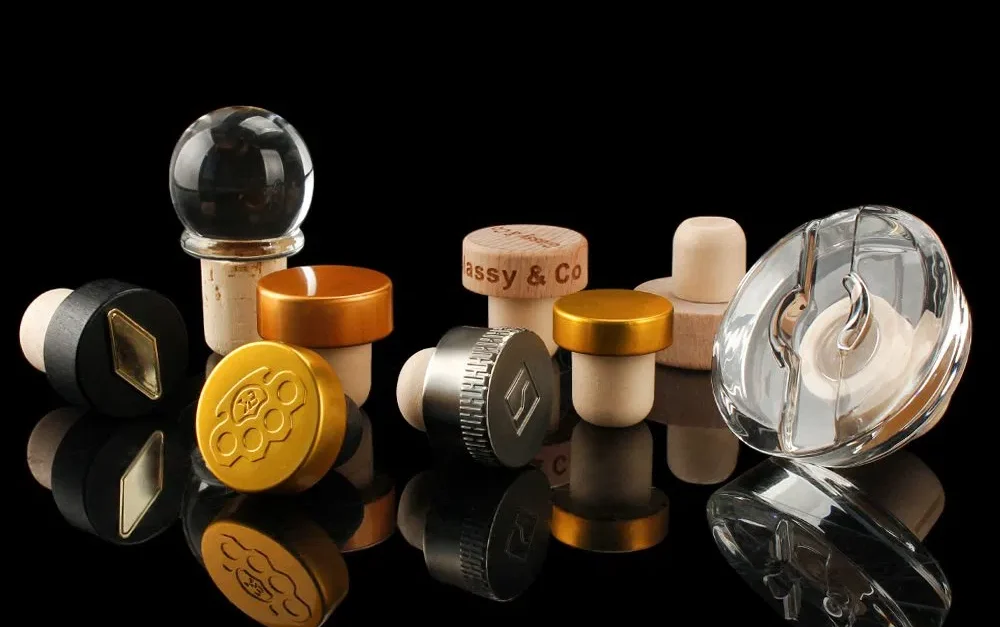
Zamak and zinc alloy are often selected for premium embossed bar-top stoppers because they provide weight, detail, and a luxury hand feel. These materials work well for whisky, rum, tequila, cognac, and limited editions where the stopper should feel substantial. Buyers comparing heavy metal structures, logo effects and finish options can review Kandacork Closures’ custom metal bar-top stoppers for more product-specific directions.
Aluminum is suitable for modern spirits packaging. It offers a clean metallic look without excessive weight, making it useful for gin, vodka, liqueur, and contemporary whisky projects. Buyers should confirm embossing depth, surface protection, and color consistency.
Wooden stoppers create a warm and natural impression. They are strong choices for craft spirits, rum, whisky, gin, and brandy. Wood is often better suited to engraving, staining, carving, or metal inserts than very sharp raised embossing, and buyers should allow for natural grain variation.
Synthetic and polymer stoppers are practical for private label spirits, promotional projects, and multi-SKU ranges. They can support molded logos, custom colors, stable appearance, and scalable production. Buyers should confirm material suitability, odor control, and documentation for the intended market.
Glass, ceramic, and specialty materials can create a high-end or collectible effect, but they require careful review of fragility, packing, production tolerance, and cost.
How to Check Bottle Neck Fit Before Ordering
A beautiful closure can still fail if it does not fit the bottle correctly. Technical fit should be checked before any bulk order.
The supplier should review the bottle neck inner diameter, neck finish drawing, stopper shank diameter, insertion depth, seating height, and opening feel. If possible, buyers should send both bottle drawings and physical bottle samples.
The stopper should feel secure but not difficult to remove. If it is too loose, it may create leakage risk, poor shelf confidence, or transport problems. If it is too tight, it may damage user experience or cause opening difficulty.
For heavy metal stoppers, the relationship between head weight and shank grip is especially important. The stopper must stay stable during handling and shipping while still opening smoothly. For projects requiring neck-fit review, shank matching, branded samples and pre-production approval, Kandacork Closures provides bar-top stopper development and fit testing support before bulk production.
Common Mistakes to Avoid Before Bulk Production
Many stopper problems happen because buyers approve appearance before checking function. The following mistakes should be avoided before confirming bulk production:
Selecting a stopper only from photos without checking bottle neck dimensions.
Using label artwork without adapting it for a small embossed surface.
Approving the visual sample without testing shank fit and pull-out feel.
Choosing a heavy metal head without checking shank grip and transport stability.
Ignoring surface scratch protection for plated, coated, or painted stoppers.
Confirming production before reviewing food-contact documentation or material information.
Approving bulk packing without checking whether stoppers may rub, scratch, or shift during export shipping.
A good sample review should check appearance, fit, opening feel, logo clarity, surface finish, assembly strength, and packing protection together.
How to Prepare Logo Artwork and Approve Samples
Logo design must be adapted for manufacturing. A logo that looks good on a label may not emboss cleanly on a small stopper surface.
Buyers should provide vector artwork such as AI, EPS, or SVG files. The supplier should check minimum line thickness, relief height, edge radius, logo placement, available branding area, and surface curvature.
Very small text, thin lines, complex crests, gradients, and delicate illustrations may need simplification. For best results, brands should prepare a stopper-specific logo version rather than using the full label artwork.
Before mold development or bulk production, the supplier should provide a digital proof, technical drawing, or physical sample. Sample approval helps confirm logo clarity, surface finish, material feel, stopper fit, opening feel, and packing protection.
Food-Contact, Quality and Export Documentation
Spirits closures may include components that contact the bottle neck or product environment. Buyers should ask suppliers about material suitability, food-contact declarations, and destination-market documentation.
For U.S. projects, food-contact substances and packaging components may need to comply with applicable FDA information on food-contact substances and packaging depending on intended use. For EU projects, food-contact materials are generally evaluated under the EU food-contact materials framework, including safety and inertness principles.
Quality control should include dimensional inspection, appearance inspection, logo clarity, finish consistency, assembly strength, fit testing, and packing review. ISO 9001 can be used as a useful quality management reference when buyers evaluate repeatability, process control, and customer requirement management.
For export shipments, packing is not a small detail. Embossed metal, coated, painted, glass, or ceramic stoppers may need protective trays, separators, cartons, or scratch-resistant packing methods.
Supplier Evaluation Scorecard
Before selecting a supplier, buyers should evaluate both product capability and project support.
| Evaluation Area | What to Check | Why It Matters |
|---|---|---|
| Material Options | Metal, aluminum, wood, synthetic, specialty materials | Gives buyers more design and budget flexibility |
| Embossing Capability | Raised logo, debossed logo, sidewall texture, inserts | Confirms whether the brand idea is manufacturable |
| Bottle Fit Support | Neck drawing review, shank recommendation, sample testing | Reduces leakage, looseness, or poor opening feel |
| Artwork Review | Vector file checking, logo simplification, proofing | Improves logo clarity and avoids tooling mistakes |
| Sample Development | Pre-production samples, finish samples, fit samples | Helps buyers approve before bulk order |
| Documentation | Food-contact statements, material information, inspection reports | Supports importers, distributors, and regulated markets |
| Export Packing | Scratch protection, carton design, separation methods | Reduces damage during long-distance shipping |
| Repeat Order Control | Color, finish, dimensions, logo consistency | Important for long-term brand programs |
| Commercial Clarity | MOQ, tooling cost, lead time, quotation details | Helps buyers plan launch schedules and budgets |
A strong closure supplier should ask technical questions before quoting. If a supplier only asks for quantity and logo, the quotation may not reflect real project requirements. Buyers who need a broader closure decision framework can also review this liquor bottle closure system design checklist before choosing between bar-top stoppers, ROPP closures, screw caps, capsules or tamper-evident systems.
Example Stopper Directions by Brand Positioning
A heritage whisky brand may choose an antique zinc alloy stopper with a debossed crest, warm metallic finish, and heavy hand feel. This direction supports age, tradition, and premium shelf presence.
A craft rum project may use dark wood, copper-tone metal, or an antique gold stopper with a raised seal or vintage pattern. These details can communicate warmth, barrel aging, and artisanal character.
A modern gin brand may prefer brushed aluminum, matte black metal, or a clean synthetic stopper with a simplified botanical mark. For this category, precise embossing and a restrained finish can support freshness and clarity.
A private label vodka or liqueur range may choose aluminum or synthetic stoppers with consistent color, simplified logo branding, and scalable production. This approach helps maintain visual consistency across multiple SKUs while controlling development cost.
A limited edition tequila or mezcal bottle may justify a fully custom molded stopper with a sculpted top, sidewall texture, or raised symbolic detail. In this case, the closure becomes part of the collectible packaging value.
How to Choose Embossed Bar-Top Stoppers by Spirits Category
Whisky and cognac packaging often benefits from weight, tradition, and refined detail. Zamak, zinc alloy, antique gold, gunmetal, copper, debossed crests, and embossed emblems can support a premium identity.
Rum brands can use embossed bar-top stoppers to communicate warmth, age, craft, and heritage. Dark wood, antique metal, copper tones, raised seals, vintage patterns, and nautical or tropical cues can work well.
Gin packaging often uses clean, botanical, or modern design language. Aluminum, matte black, brushed silver, soft metallic finishes, botanical embossing, and minimalist raised logos can support premium gin branding.
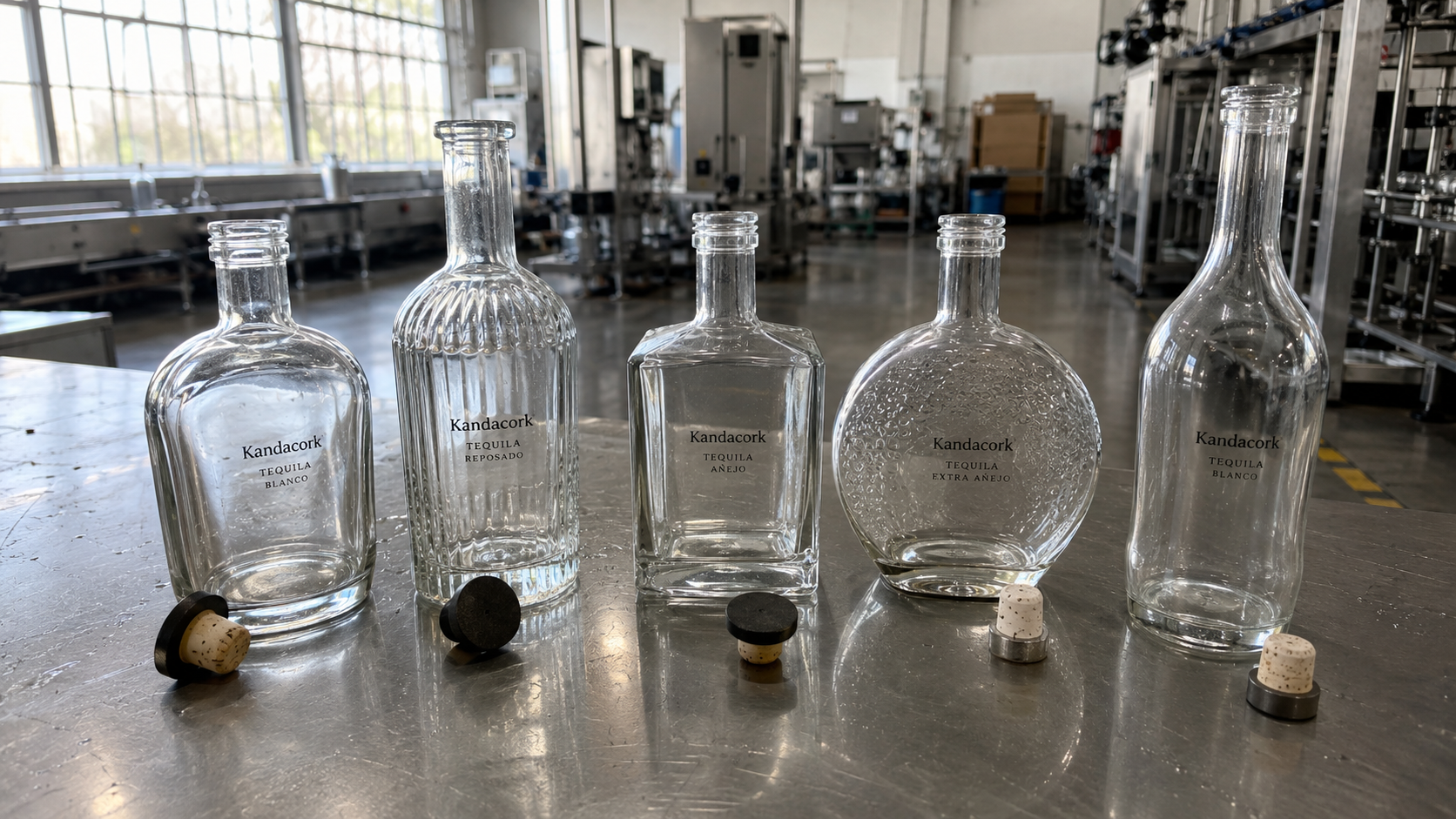
Tequila and mezcal brands often benefit from bold tactile identity. Sculpted metal stoppers, raised symbols, sidewall textures, and custom molded forms can express origin, craftsmanship, and visual strength.
Vodka and liqueur packaging may require clean lines, color consistency, and modern detail. Aluminum, synthetic, crystal-like, or specialty materials can work well, especially when paired with minimalist branding.
For limited editions, the stopper can become part of the collectible value. A fully custom embossed stopper may justify tooling investment when the product targets gifting, collectors, duty-free channels, or premium retail.
Standard vs Semi-Custom vs Fully Custom Stopper
Not every spirits project needs a fully custom stopper. Buyers should match the customization level to budget, timeline, and brand strategy.
| Option | Best For | Advantage | Watch Point |
|---|---|---|---|
| Standard stopper | Fast sampling, cost control, early testing | Low development time and lower cost | Weak brand ownership |
| Standard stopper with logo | Private label, mid-volume projects | Balanced cost and brand customization | Limited shape customization |
| Semi-custom stopper | Mid-premium packaging projects | Custom finish, color, insert, or logo without full mold | Finish consistency must be confirmed |
| Fully custom embossed stopper | Premium launches, limited editions, long-term brand programs | Strongest brand identity and packaging ownership | Higher tooling cost and longer development time |
For many buyers, the best starting point is a semi-custom stopper. It allows the brand to test material, logo effect, finish, and fit before investing in a fully custom closure. For heavier luxury closures, buyers can also study the relationship between weight, plating, assembly and packing through this metal stopper weight and finish guide.
What to Send for an Embossed Bar-Top Stopper Quote
A clear inquiry helps the supplier provide faster and more accurate support. Before requesting samples or a quotation, buyers should prepare:
Bottle drawing or bottle neck dimensions.
Physical bottle samples if available.
Bottle size and spirits category.
Logo file in AI, EPS, SVG, or another vector format.
Preferred stopper material.
Preferred finish, such as matte black, brushed silver, antique gold, copper, wood stain, or custom color.
Embossing position, such as top surface, sidewall, insert area, or custom molded form.
Target order quantity and annual forecast.
Destination market.
Food-contact or documentation requirements.
Sample deadline and launch schedule.
Export packing requirements.
This information helps prevent common problems such as poor neck fit, unclear logo detail, wrong material selection, surface finish inconsistency, and delayed sampling.
To start a sample review, send your bottle drawing, neck dimensions, logo file, preferred material, surface finish, order quantity, and destination market. Kandacork Closures can then recommend a suitable embossed bar-top stopper direction for testing.
Why Work with Kandacork Closures
Kandacork Closures supports custom stopper development for spirits brands, distilleries, private label buyers, importers, distributors, bottlers, and packaging buyers. For embossed bar-top stoppers, the goal is not only to add a logo to a closure. The goal is to create a stopper that fits the bottle, strengthens the brand identity, supports the packaging system, and can be repeated consistently in production.
Kandacork Closures can help buyers compare material options, review bottle neck requirements, evaluate logo decoration methods, develop samples, and prepare bulk production details. Whether the project requires metal, aluminum, wood, synthetic, or specialty stopper options, the development process should connect design intent with technical validation.
If you already have bottle drawings, logo artwork, or reference samples, you can share them for stopper fit review and material comparison. If you are still choosing between Zamak, aluminum, wood, or synthetic options, sample comparison can help identify the most suitable direction before bulk production. To begin, send your project details through the custom closure quote page.
FAQ
Are embossed bar-top stoppers suitable for all spirits bottles?
Embossed bar-top stoppers are suitable for many spirits bottles, but they must match the bottle neck, shank structure, stopper weight, and brand positioning. Buyers should confirm neck diameter, insertion depth, seating height, and pull-out feel before bulk production.
Which material is best for premium embossed bar-top stoppers?
Zamak or zinc alloy is often preferred for premium embossed bar-top stoppers because it provides weight, strong molded detail, and luxury finish options. Aluminum is suitable for modern spirits, wood works well for natural and craft positioning, and synthetic materials are useful for color consistency and private label projects.
What is the difference between embossed and debossed stopper logos?
An embossed logo is raised above the stopper surface. A debossed logo is recessed into the surface. Embossing feels more visible and tactile, while debossing creates a quieter and more refined luxury effect.
Do embossed bar-top stoppers require custom tooling?
Many embossed bar-top stoppers require tooling, especially when the logo, pattern, or stopper shape is custom molded. Some projects can use standard stopper shapes with semi-custom decoration to reduce development cost and lead time.
How long does it take to develop a custom embossed stopper sample?
Sample development time depends on material, logo complexity, tooling needs, surface finish, bottle fit testing, and approval requirements. A standard stopper with logo decoration is usually simpler than a fully custom embossed stopper. Buyers should share artwork, bottle dimensions, quantity, and launch schedule early so the supplier can recommend a realistic sampling path.
What should be included in a quotation request?
A quotation request should include bottle dimensions, bottle samples if available, logo files, preferred material, surface finish, embossing location, order quantity, destination market, documentation requirements, sample deadline, and launch schedule.
Conclusion
Embossed bar-top stoppers help spirits brands connect packaging design with tactile brand identity. The right stopper should look premium, fit securely, support the bottle’s story, and remain consistent in bulk production. By comparing material, logo method, neck fit, documentation, sample approval, and supplier capability, buyers can reduce development risk and move more confidently toward a sample request or quotation.