Quick Answer: Common Bar-Top Stopper Defects
The most common bar-top stopper defects are loose fit, leakage, poor pull-out resistance, over-tight fit, crooked head alignment, weak bonding, shank cracks, cork dust, contamination, surface scratches, color variation, logo misalignment, and export packing damage.
For spirits brands, distilleries, private label buyers, importers, distributors, bottlers, and packaging buyers, these defects can affect sealing performance, consumer opening experience, shelf presentation, shipment stability, and brand trust.
A bar-top stopper should be inspected as both a functional closure and a branded packaging component. It must fit the bottle neck, seal the product, open smoothly, reclose reliably, and match the approved visual standard before bulk production.
Before sample development, prepare your bottle drawing, neck inner diameter, stopper style, artwork, target quantity, and inspection requirements so Kandacork Closures can review fit, decoration feasibility, and packing needs through its closure matching service.
Why Stopper Inspection Matters Before Bulk Production
Bar-top stoppers are widely used for whisky, rum, tequila, gin, vodka, brandy, liqueur, and premium private label spirits. Although the closure may look simple, it combines multiple technical elements: decorative head design, shank diameter, compression behavior, bonding strength, surface finish, decoration accuracy, and export packing protection.
Most bar-top stopper defects become expensive when they are discovered after mass production. A loose stopper may cause leakage during export. An over-tight stopper may create consumer complaints. A crooked head can make a premium bottle look poorly assembled. Poor logo placement can weaken brand identity.
For example, a spirits brand may approve a premium wooden bar-top stopper based only on appearance. During shipment, some bottles may leak because the shank diameter was never tested against the final bottle neck bore. A simple pre-production bottle-fit test, pull-out check, and inverted leakage test could identify the mismatch before bulk production.
Inspection should begin during sample approval. Buyers should test the closure with the actual bottle, confirm the neck bore tolerance, define acceptable defects, and keep approved samples as production references.
What Is a Bar-Top Stopper?
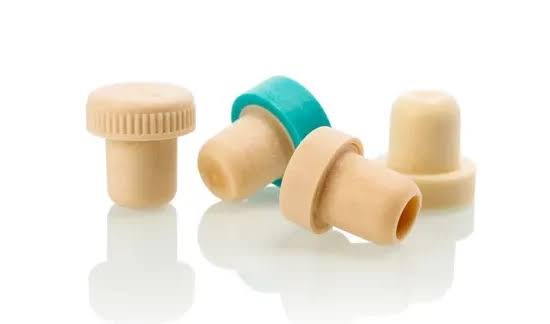
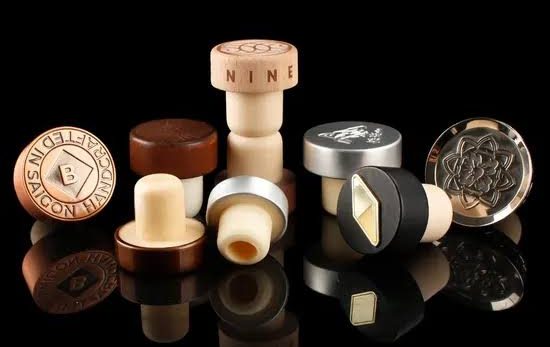
A bar-top stopper, also called a T-top stopper, T-cork, or capsulated closure, is a closure with a decorative top and an inserted sealing shank. The head provides branding and visual value, while the shank provides bottle-neck fit and sealing performance.
For spirits packaging projects that require custom heads, cork or synthetic shanks, logo decoration, and bottle-fit sampling, Kandacork Closures supplies custom bar-top stoppers for whisky, rum, tequila, gin, vodka, brandy, liqueur, and private label bottle programs.
A complete inspection should review the decorative head, shank diameter, bonding area, sealing contact surface, logo position, head alignment, and export packing. Because each area can create different defects, a reliable inspection process should combine visual checks, dimensional measurement, bottle-fit testing, leakage testing, pull-out testing, and packing review.
Critical, Major, and Minor Defect Classification
Buyers should classify stopper defects before approving mass production. This makes supplier communication clearer and reduces disputes during final inspection.
| Defect Level | Meaning | Examples |
|---|---|---|
| Critical | Affects sealing, safety, usability, or shipment reliability | Leakage, contamination, stopper detachment, severe loose fit |
| Major | Affects brand presentation, production consistency, or consumer experience | Crooked head, weak bonding, unstable extraction force, shank cracks |
| Minor | Cosmetic variation within agreed tolerance | Tiny scratches, slight tone variation, small natural cork pores |
For formal incoming inspection, buyers may use an AQL sampling plan based on ISO 2859-1. For cork-based stopper projects, extraction force testing can be discussed together with the bottle type, shank material, closure design, and approved samples. Standards can support inspection planning, but the final acceptance range should still be confirmed by project-specific testing.
Critical Defects: Leakage, Loose Fit, Contamination, and Detachment
Loose Fit or Low Pull-Out Resistance
Loose fit is one of the most serious bar-top stopper defects. A loose stopper may wobble in the bottle neck, pull out too easily, fail during reclosing, or leak during storage and transport.
Common causes include incorrect shank diameter, oversized bottle bore, poor compression recovery, unstable cork density, synthetic material hardness variation, or lack of testing with the actual production bottle.
Buyers should not rely only on nominal bottle neck size. The inner bore diameter, glass tolerance, neck finish, and real bottle sample all influence fit. For more detailed sizing logic, buyers can review the bar-top stopper size guide before confirming samples.
Recommended checks include shank diameter measurement, bottle insertion testing, pull-out testing, reclosing tests, and inverted leakage testing. The goal is controlled resistance. The stopper should feel secure without being difficult to open.
Leakage or Poor Liquid Tightness
Leakage is a critical defect because it can damage cartons, labels, closures, tax stamps, and brand reputation. It may also create complaints from distributors, retailers, and consumers.
Leakage usually happens when the stopper shank does not match the bottle neck bore, the material has poor compression recovery, the insertion depth is inconsistent, or the sealing surface is damaged.
Buyers should test leakage under realistic conditions. Depending on the project, this may include upright storage, inverted testing, side-position testing, temperature variation, vibration, or transport simulation.
For export spirits packaging, leakage testing is especially important because cartons may experience pressure changes, temperature changes, and long-distance handling.
Contamination, Cork Dust, or Abnormal Odor
Contamination is a serious inspection issue. Inspectors may find cork dust, loose particles, fibers, oil marks, adhesive residue, abnormal odor, or foreign material inside the packing bag.
These problems may come from poor raw material storage, dusty assembly conditions, open bags, weak cleaning control, rough cork finishing, or inadequate packing protection.
For spirits packaging, cleanliness matters because the stopper sits close to the product and is part of the consumer experience. Buyers should check visible particles, odor, bag sealing, carton cleanliness, and supplier storage practices.
If the closure material may contact the product or bottle mouth, buyers should review relevant food-contact documentation. For U.S. market projects, FDA guidance on packaging and food contact substances can help buyers understand material safety expectations.
Stopper Detachment or Weak Bonding
A weak bond between the head and shank may cause the top to rotate, loosen, detach, or break during opening. This defect may not be visible during a quick appearance check, so it should be tested.
Common causes include insufficient adhesive, wrong adhesive selection, poor curing time, contaminated bonding surfaces, low assembly pressure, or mismatch between head material and shank material.
Inspection methods include manual pull tests, twist tests, repeated opening and closing, side-load checks, and comparison with approved bonding samples. Heavy stopper heads, such as glass, ceramic, zinc alloy, or thick wood, require stronger bonding control than lightweight plastic heads.
Major Defects: Over-Tight Fit, Crooked Head, Shank Issues, and Inconsistent Opening Feel
Over-Tight Fit or Difficult Opening
A stopper can also be defective if it is too tight. Over-tight fit may make the bottle hard to open, damage the shank, slow bottling operations, or create a poor consumer experience.
Common causes include oversized shank diameter, high-friction surface treatment, incorrect cork coating, excessive insertion depth, or tighter-than-expected bottle bore tolerance.
A premium stopper should feel secure, controlled, and repeatable. Buyers should test both insertion feel and extraction force using actual bottles. The result should match the brand’s target opening experience and the supplier’s approved production sample.
Crooked Stopper Head or Poor Alignment
A crooked stopper head can make a spirits bottle look poorly finished. This is especially visible on premium bottles with short necks, broad shoulders, heavy glass bases, or front-facing retail display designs.
This defect may occur because of inaccurate assembly fixtures, uneven bonding, off-center shank placement, heavy head imbalance, or movement before adhesive curing.
Inspection should include front-view, side-view, and top-view checks. Buyers should also insert the stopper into the actual bottle because a head that looks acceptable alone may appear tilted after bottling.
Shank Cracks, Deformation, or Out-of-Round Shape
The shank is the functional sealing part of the stopper. If it has cracks, broken edges, voids, dusting, deformation, or an out-of-round shape, the closure may not seal consistently.
Different materials have different risk points. Natural cork may show pores or surface variation. Micro-agglomerated cork may show density inconsistency or edge breakage. Synthetic cork and polymer shanks may show molding flash, shrinkage, deformation, or dimensional instability.
For buyers comparing material behavior, the guide on cork shank vs synthetic shank bar-top stoppers can help clarify fit consistency, compression, appearance, and project suitability.
Inspection should include diameter measurement, roundness checks, surface review, compression behavior, and bottle-fit testing.
Inconsistent Opening Feel
Opening feel is part of the premium spirits experience. A bottle of whisky, tequila, rum, or gin should not feel loose in one unit and extremely tight in another.
Inconsistent opening feel may come from shank diameter variation, cork density variation, coating inconsistency, bottle neck tolerance differences, or unstable assembly processes.
Buyers should test multiple samples, not just one perfect unit. A practical method is to open and reclose several bottles from the same sample batch and compare the pull-out feel.
Appearance, Decoration, and Packing Defects
Not all bar-top stopper defects create leakage, but appearance issues still matter for premium spirits. The stopper is often one of the first parts consumers touch and one of the most visible branding details on the bottle.
Common appearance and decoration defects include surface scratches, dents, uneven coating, plating marks, color variation, cloudy finish, off-center logo placement, weak engraving, blurred printing, uneven embossing, poor hot stamping transfer, incorrect logo size, missing artwork details, and low contrast on textured surfaces.
The best prevention method is clear artwork, confirmed decoration technology, and pre-production sample approval. Buyers should confirm whether the design is suitable for engraving, embossing, debossing, laser marking, printing, metal badge application, or custom molding.
Packing can also create defects after production. Poor dividers, loose bulk packing, weak cartons, moisture, pallet pressure, or long-distance vibration may cause scratches, dents, shank deformation, coating abrasion, or contamination. For export orders, packing protection should be part of the inspection plan.
Root Causes of Bar-Top Stopper Defects
Most stopper defects come from a small number of root causes.
Bottle neck mismatch happens when the stopper is developed without accurate bottle drawings, inner bore data, or physical bottle samples. Even small tolerance differences can change leakage performance and opening feel. Buyers reviewing this issue in more depth can use the guide on how bar-top stoppers fit spirits bottle necks as a practical reference before sample approval.
Shank material instability may involve cork density variation, poor compression recovery, synthetic material hardness variation, or polymer dimensional change.
Assembly control issues include off-center bonding, uneven adhesive, poor curing, unstable fixtures, and inconsistent pressure during head-to-shank assembly.
Decoration process limits appear when the artwork is too detailed, the surface is curved, the logo area is too small, or the selected process cannot reproduce the brand design accurately.
Packing and export risks include vibration, carton pressure, moisture, friction, and poor inner protection. These risks often appear after shipment, so they should be considered before mass production.
6-Step Bar-Top Stopper Inspection Workflow
A practical bar-top stopper inspection should follow a clear sequence. This helps buyers and suppliers find defects before bulk production and compare results against the approved sample.
Step 1: Visual Appearance Check
Inspect the head, shank, logo area, coating, finish, and packing condition. Look for scratches, dents, contamination, cork dust, color variation, logo defects, and visible deformation.
Step 2: Dimensional Measurement
Measure shank diameter, head diameter, total height, insertion length, and roundness. Compare the measurements with the approved drawing, bottle neck data, and sample standard.
Step 3: Bottle-Fit Test
Insert the stopper into the actual bottle. Check insertion feel, wobble, seating depth, visual alignment, and reclosing performance. The stopper should feel secure and consistent.
Step 4: Leakage Test
Test whether the stopper protects the product during storage and transport. Depending on the project, use upright, inverted, side-position, temperature variation, or vibration simulation.
Step 5: Extraction or Pull-Out Force Test
Check how much force is needed to remove the stopper. There is no universal ideal pull-out force for every spirits package. The target should depend on bottle neck inner diameter, shank material, closure design, consumer opening experience, and supplier testing data.
Step 6: Packing and Export Protection Check
Review bags, dividers, cartons, pallets, and moisture protection. Packing should prevent abrasion, deformation, dust, and coating damage during long-distance shipping.
Kandacork Closures can support bottle-fit review, stopper sample development, leakage checks, decoration evaluation, and export packing recommendations before bulk production.
Defect Classification Table for Buyers
| Defect | Risk Level | Inspection Method | Likely Cause | Buyer Action |
|---|---|---|---|---|
| Leakage | Critical | Inverted or side-position leakage test | Closure-neck mismatch or poor compression | Reject, retest, or request revised shank sample |
| Loose fit | Critical | Pull-out and bottle-fit test | Shank too small or poor recovery | Request revised shank diameter or material sample |
| Contamination | Critical | Visual and odor inspection | Poor storage or cleaning control | Require corrective action and cleaner packing control |
| Stopper detachment | Critical | Pull and twist test | Weak adhesive or poor curing | Ask for bonding process review and retest samples |
| Over-tight fit | Major | Opening and insertion test | Shank too large or high friction | Adjust shank size, coating, or surface treatment |
| Crooked head | Major | Side-view and bottle-fit inspection | Poor centering or fixture issue | Request improved assembly fixture control |
| Shank cracks | Major | Visual and dimensional check | Material or processing issue | Reject affected units and review material stability |
| Logo misalignment | Major or Minor | Artwork comparison | Decoration setup issue | Confirm artwork size, position, and decoration method |
| Surface scratches | Major or Minor | Visual inspection | Handling or packing damage | Request stronger dividers, bags, or carton protection |
| Color variation | Major or Minor | Reference sample comparison | Finish instability | Approve physical color standard before production |
Sample Approval Checklist
Before approving bar-top stopper samples, buyers should confirm the technical fit and the visual standard.
Recommended checklist:
- Bottle drawing or physical bottle sample
- Neck inner diameter and tolerance
- Shank diameter and insertion length
- Head material and surface finish
- Logo position and decoration method
- Insertion feel and pull-out resistance
- Leakage test result
- Reclosing performance
- Color and finish comparison
- Packing method
- Approved reference sample
Approved samples should be stored for future production comparison. They help control head color, logo placement, shank size, bottle fit, opening feel, and packing method across repeat orders.
Supplier Capability Checklist
A reliable bar-top stopper supplier should do more than provide a unit price. The supplier should help reduce defects before production.
Before choosing a supplier, buyers should ask:
- Can the supplier review bottle drawings and physical bottle samples?
- Can they recommend suitable shank diameter and material?
- Can they test fit, leakage, extraction force, and appearance consistency?
- Can they classify defects as critical, major, and minor?
- Can they provide pre-production samples before mass production?
- Can they support custom logo decoration, color matching, and export packing?
- Can they provide inspection photos or reports before shipment?
- Can they keep approved samples for repeat orders?
These questions help buyers compare supplier capability, not just price.
What to Send for a Stopper Quote
To get an accurate quotation and avoid preventable stopper defects, buyers should send complete project details to Kandacork Closures.
Send the following information:
- Bottle drawing or physical bottle sample
- Neck inner diameter and tolerance
- Spirit category
- Preferred head and shank material
- Logo artwork
- Surface finish or color target
- Target quantity
- Destination market
- Leakage or pull-out requirements
- Packing requirements
This information helps Kandacork Closures review bottle compatibility, recommend materials, develop samples, evaluate decoration options, and prepare a practical quotation.
Why Work With Kandacork Closures
Kandacork Closures supports spirits brands, distilleries, private label buyers, importers, distributors, bottlers, and packaging teams with custom bar-top stopper development and inspection support.
For new projects, Kandacork Closures can help review bottle compatibility, compare stopper materials, develop branded head designs, check shank fit, prepare samples, evaluate logo decoration, and support export packing requirements.
For repeat orders, approved samples and inspection standards help maintain consistency across production batches. This is valuable for brands that need stable shelf appearance, reliable opening feel, and consistent supply for multiple markets.
FAQ
What are the most common bar-top stopper defects?
The most common bar-top stopper defects include loose fit, leakage, poor extraction force, crooked head alignment, weak bonding, shank cracks, contamination, surface scratches, color variation, logo misalignment, and packing damage.
Why do bar-top stoppers leak?
Bar-top stoppers usually leak because of closure-neck mismatch, incorrect shank diameter, poor compression recovery, damaged bottle bore, inconsistent insertion depth, or insufficient sample testing.
How do you inspect bar-top stoppers before bulk production?
Inspect bar-top stoppers through visual inspection, dimensional measurement, bottle-fit testing, leakage testing, extraction force testing, reclosing tests, decoration review, and packing inspection.
What pull-out force should a bar-top stopper have?
There is no single fixed pull-out force for every bar-top stopper. The target should be confirmed based on bottle neck inner diameter, shank material, spirit category, consumer opening feel, supplier testing data, and approved samples.
What should buyers send for a stopper sample or quote?
Buyers should send the bottle drawing, physical bottle sample if available, neck inner diameter, stopper style, logo artwork, target quantity, destination market, packing requirements, and any leakage or pull-out requirements.