Quick Answer: How Do You Test Synthetic Shank Compatibility?
To test synthetic shank compatibility, measure the bottle neck inner diameter, select a starting shank size, check dry fit, insertion force, pull-out force, leakage, alcohol contact, odor neutrality, bonding strength, and transport stability before bulk production.
A synthetic shank closure should not be approved only by catalog size or product photo. It should be tested with the real bottle, real liquid, and real production conditions.
For spirits packaging buyers, the goal is simple: confirm that the closure fits securely, seals properly, opens comfortably, and remains stable during filling, storage, and shipping.
Who This Guide Is For
This guide is for spirits brands, distilleries, private label buyers, bottlers, importers, distributors, and packaging sourcing teams that need to confirm synthetic shank closure fit before sample approval or bulk production.
It is especially useful when you are:
- Developing a new whisky, vodka, gin, rum, tequila, brandy, or liqueur bottle
- Changing from natural cork shanks to synthetic shanks
- Sourcing custom bar-top closures for private label spirits
- Solving leakage, loose stopper, or difficult opening problems
- Preparing bottle samples and closure specifications for quotation
- Checking whether a closure supplier can support testing and repeat-order QC
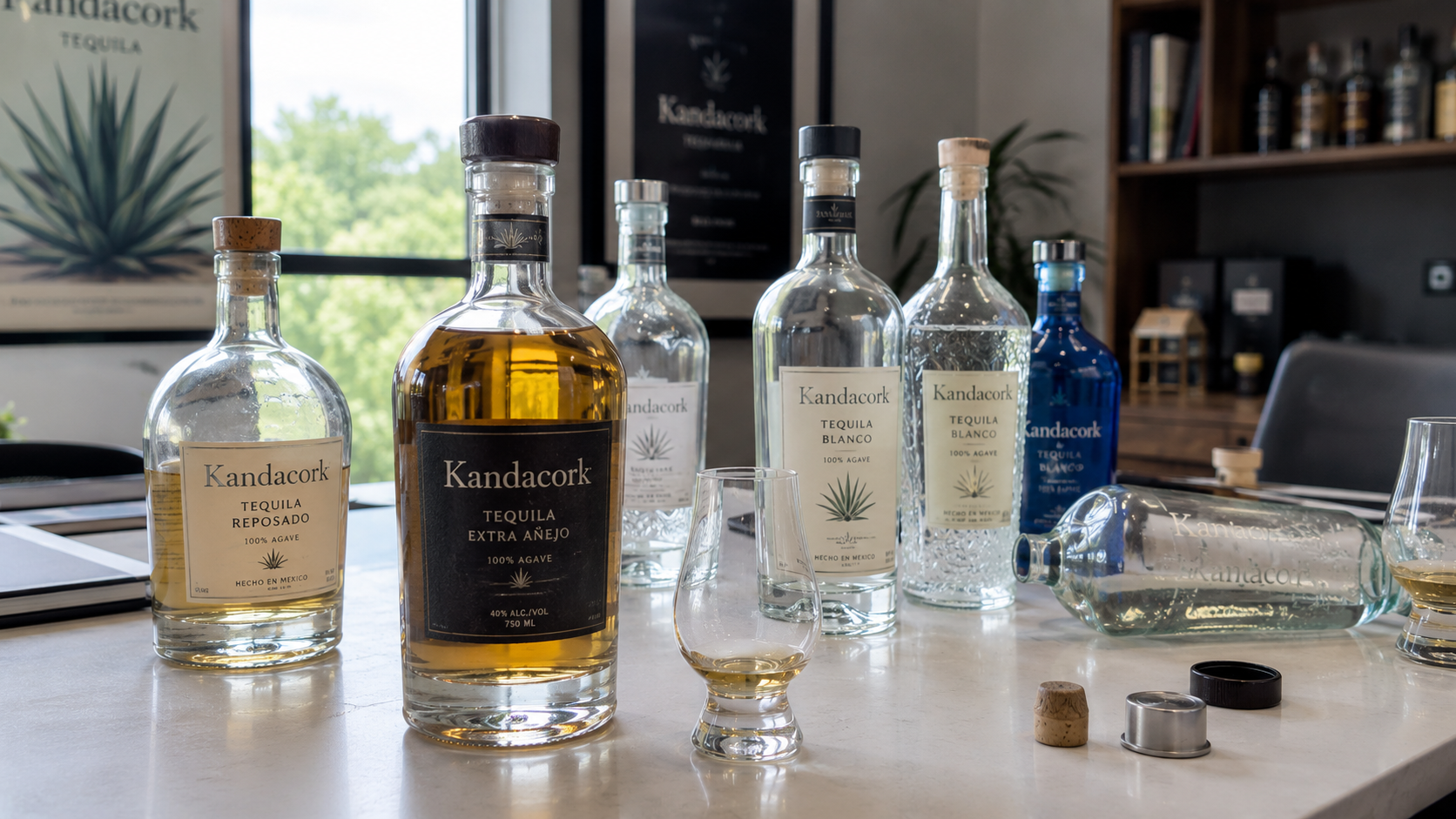
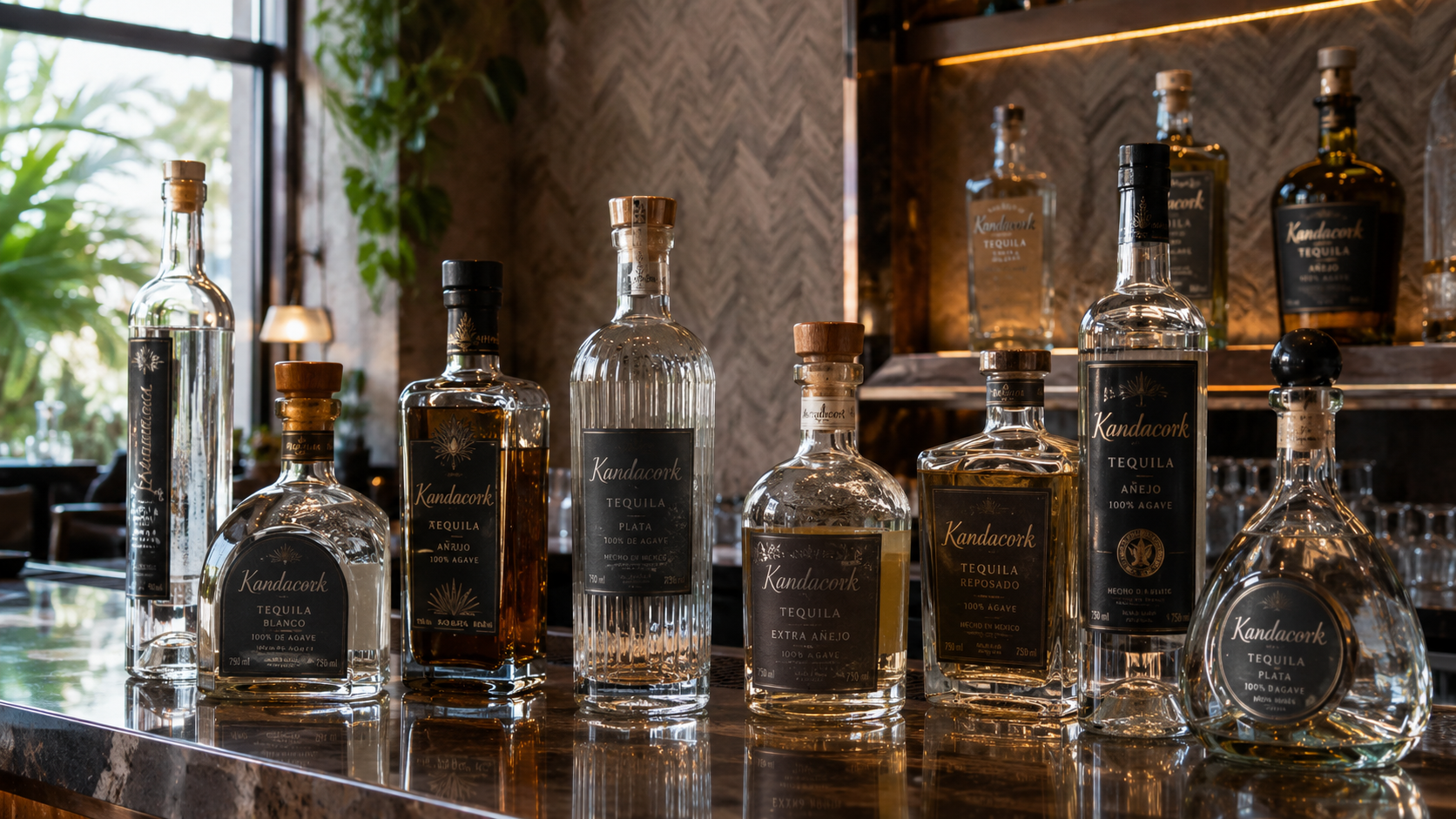
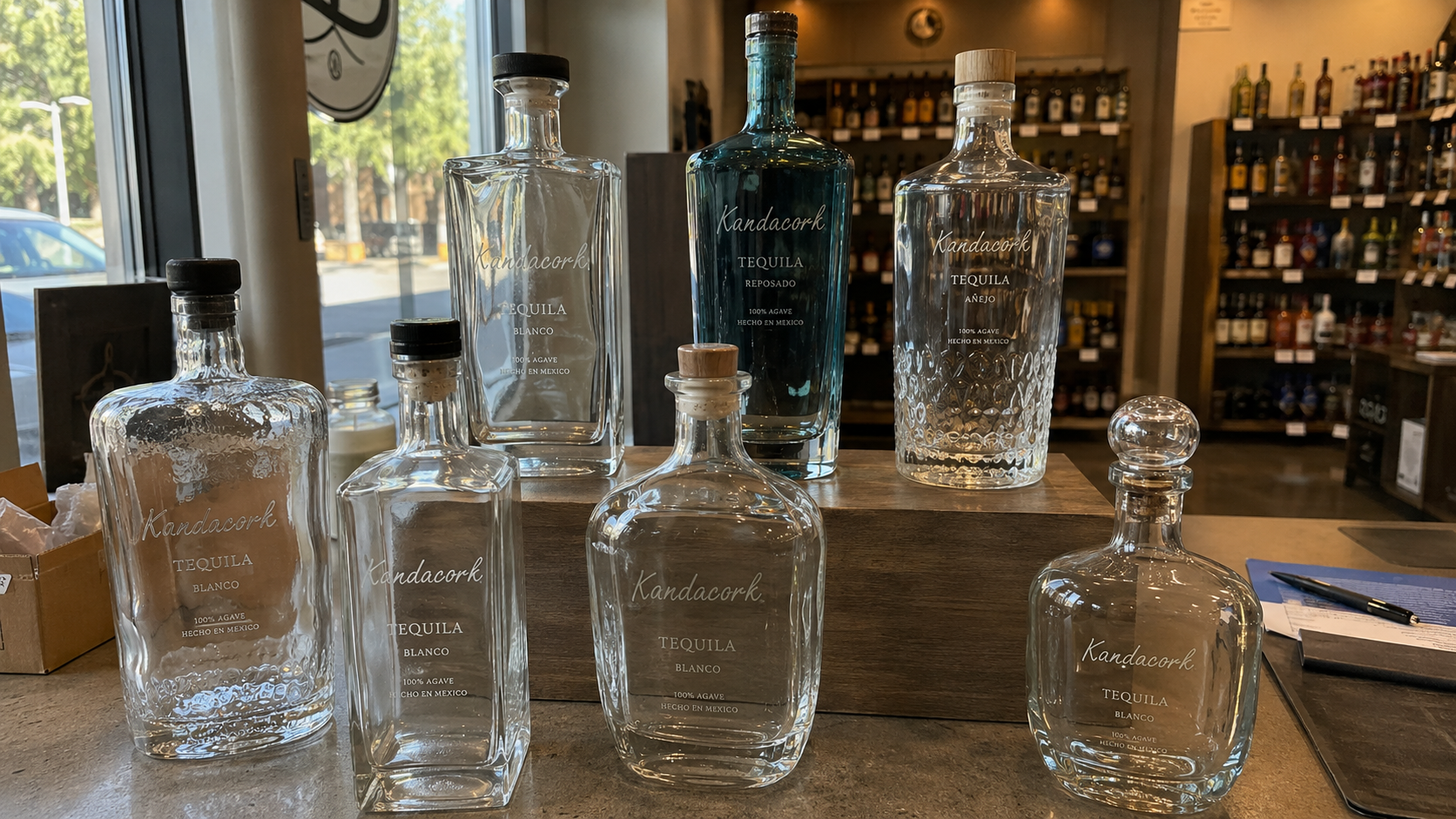
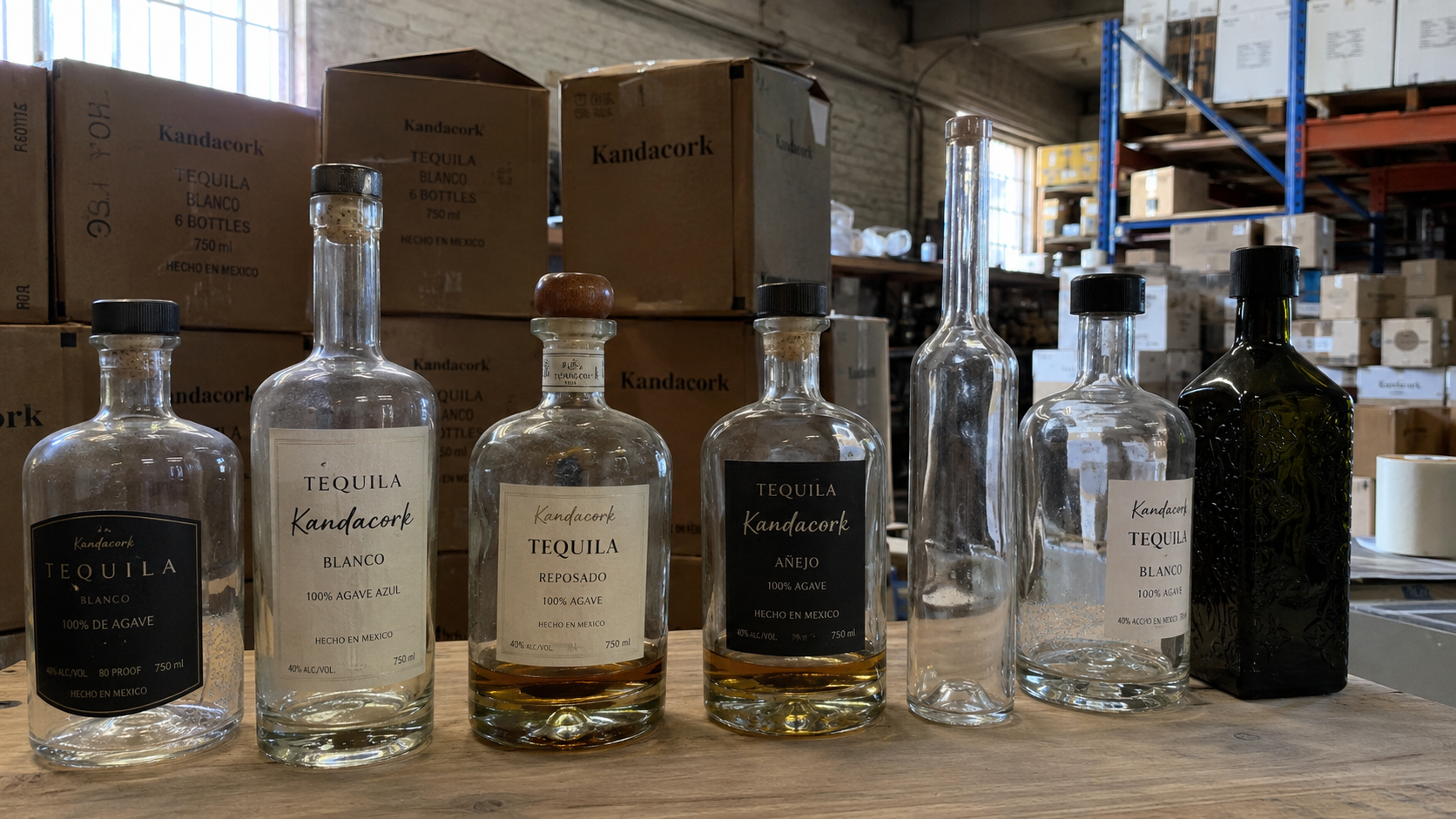
For buyers comparing closure structures, Kandacork Closures & Stoppers offers custom synthetic bar-top stoppers for spirits bottles with options for bottle neck fit review, logo decoration, sample approval, and bulk export supply.
Why Compatibility Testing Matters Before Bulk Production
A spirits closure is not only a decorative top. It is a functional packaging component that affects leakage prevention, shelf appearance, consumer opening feel, filling-line efficiency, and export reliability.
If the synthetic shank is too small, the stopper may loosen or leak. If it is too large, it may be difficult to insert or remove. If the material is not suitable for the spirit, it may cause odor, swelling, poor resealing, or flavor interference.
Common risks include:
- Leakage during storage or transport
- Loose stoppers after vibration
- Difficult consumer opening
- Stopper tilt or uneven seating
- Cap-to-shank separation
- Odor or taste interference
- Inconsistent fit across bottle batches
For premium spirits and export orders, these problems can lead to shipment delays, repacking costs, customer claims, and brand damage.
Food-contact suitability should also be considered when selecting closure materials. The U.S. FDA explains that food-contact substances include packaging and its components, processing equipment, food preparation surfaces, cookware, and similar materials that come into contact with food.
What Is a Synthetic Shank Closure?
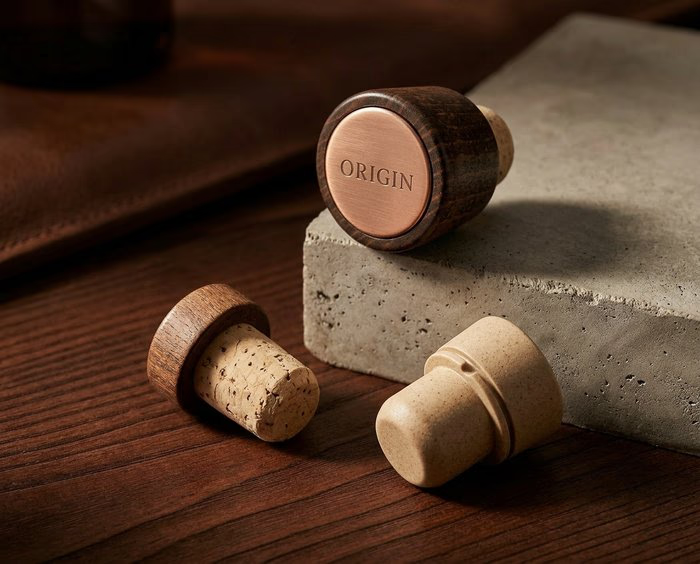
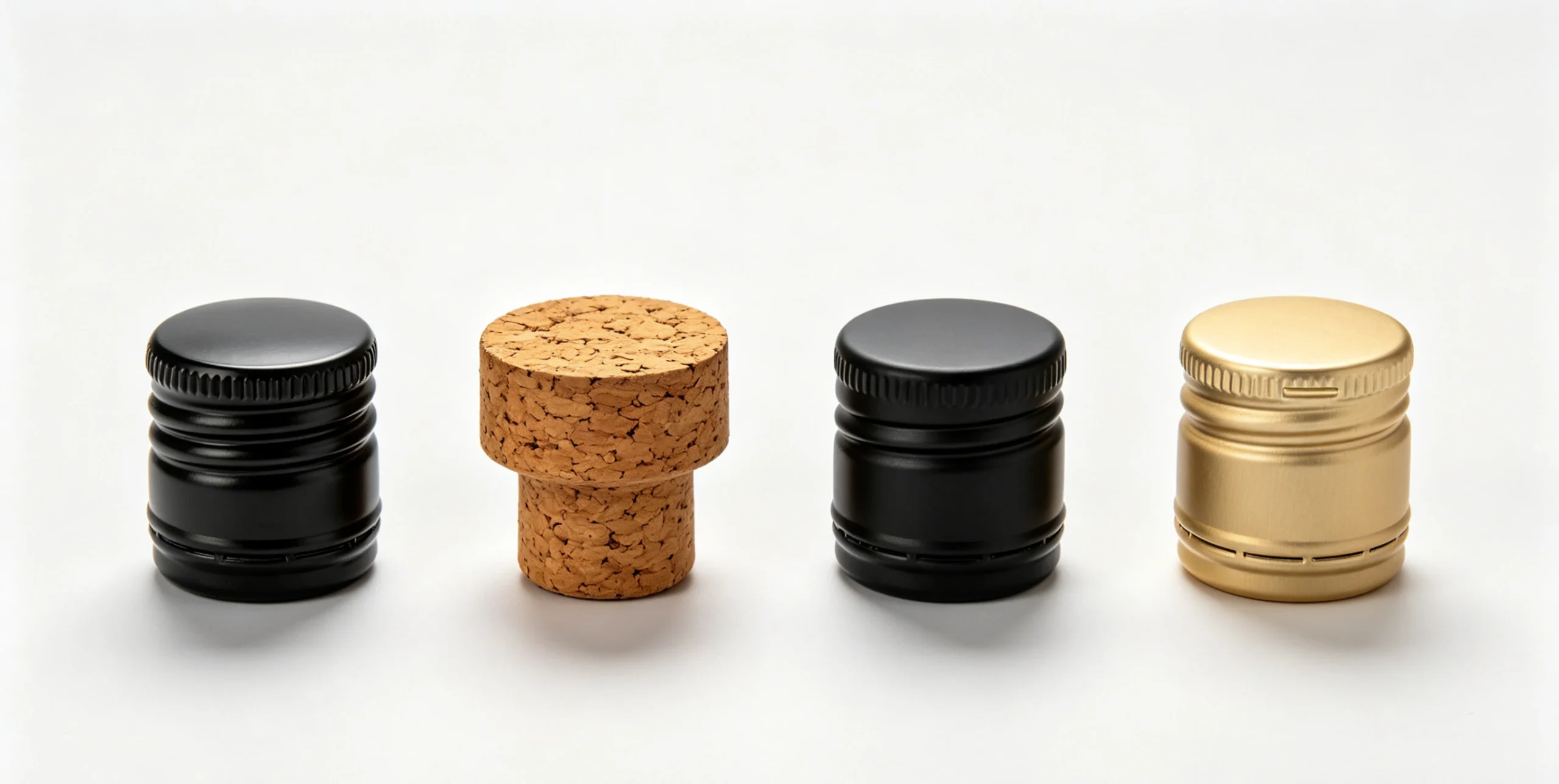
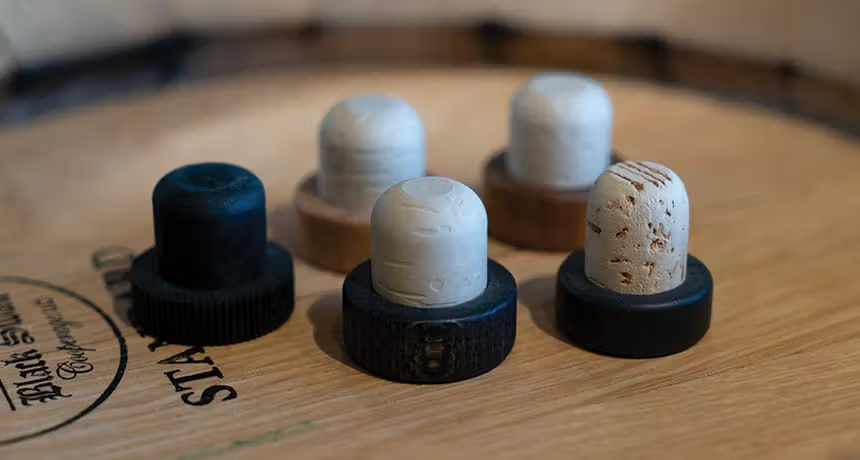
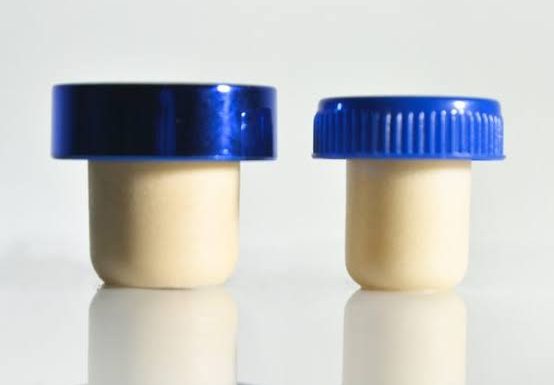
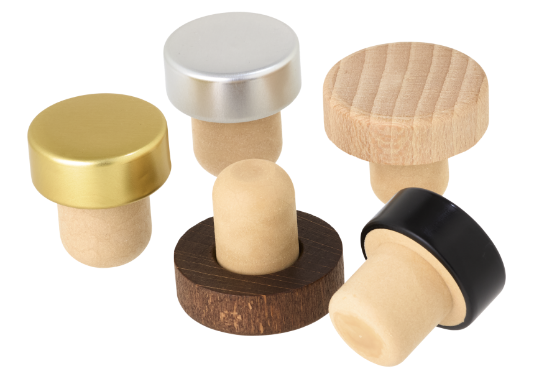
A synthetic shank closure is a bar-top stopper made with a decorative top and a polymer-based lower shank. The top can be wood, plastic, aluminum, zinc alloy, ceramic-style material, glass-style material, or a custom molded design. The lower shank enters the bottle neck and creates friction, compression, and sealing contact.
Synthetic shank closures are widely used for whisky, vodka, gin, rum, tequila, brandy, liqueurs, mini bottles, gift bottles, and private label spirits packaging.
Compared with natural cork shanks, synthetic shanks offer more controlled dimensions, consistent appearance, and repeatable production performance. This makes them suitable for bulk orders, export projects, and custom closure programs.
However, final performance still depends on bottle neck diameter, bore tolerance, shank size, shank hardness, insertion depth, liquid formula, ABV, storage temperature, and shipping conditions.
Start With Bottle Neck Measurements
The bottle neck is the foundation of synthetic shank closure performance. A 700 ml whisky bottle and a 750 ml gin bottle may look similar, but they may require different shank sizes if their internal neck diameters are different.
Before sample approval, check these key details.
Bottle Neck Inner Diameter
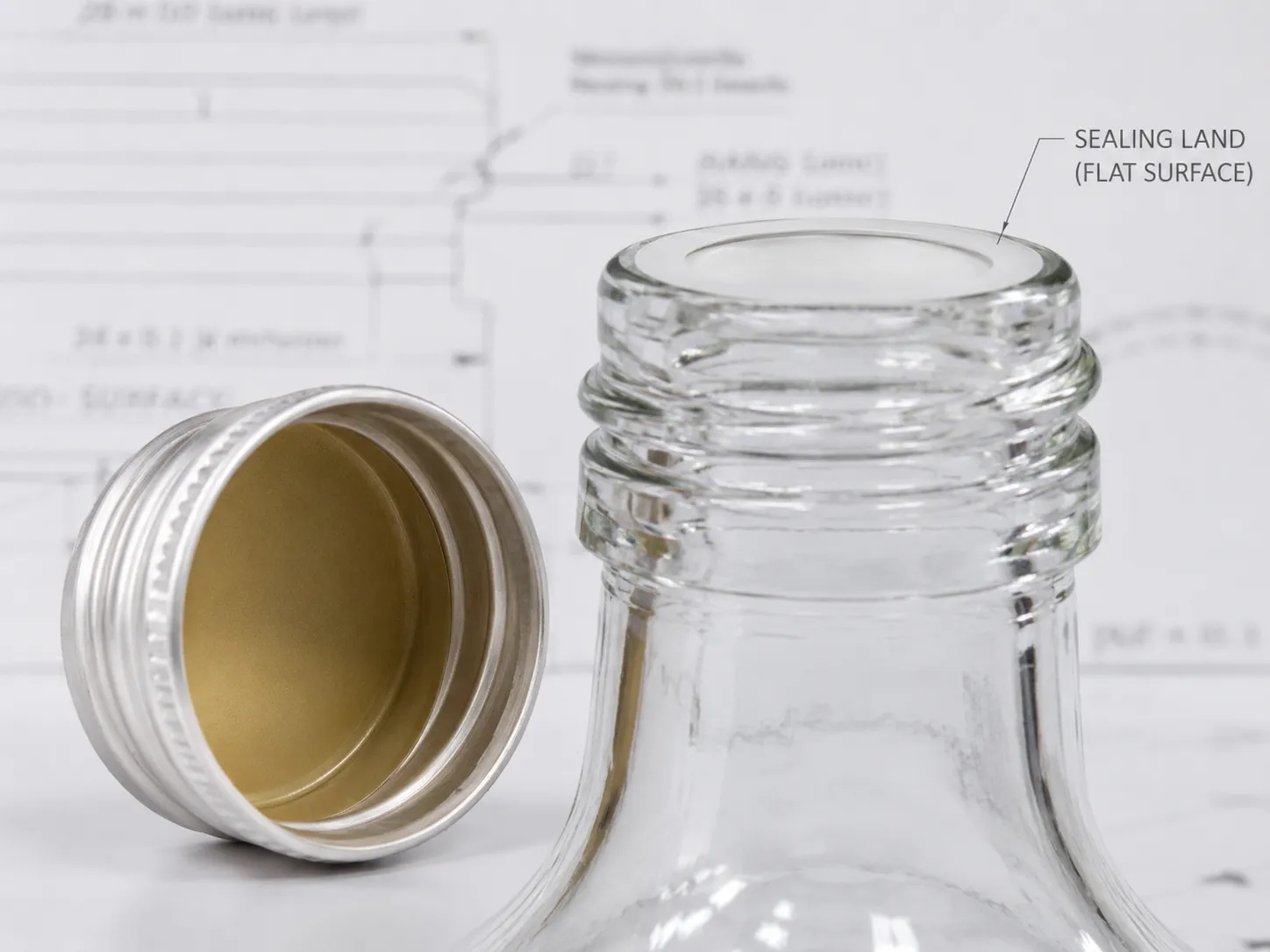
The internal neck diameter, also called bottle bore or neck ID, is the most important measurement. This is the opening where the synthetic shank enters and compresses.
Measure multiple bottles from the same production batch. Glass bottle tolerances may vary, and one sample is not always enough to confirm bulk compatibility.
Neck Finish
The neck finish affects seating height, visual balance, and top alignment. A good closure should sit straight and stable without wobble, tilt, or an obvious gap between the top and bottle mouth.
Bore Tolerance
A bottle drawing may show one nominal value, but real bottles may vary. If the bore tolerance is wide, the same closure may feel secure in one bottle and loose in another.
Insertion Depth
Insertion depth determines how much of the synthetic shank enters the bottle neck. Too little insertion may reduce sealing strength. Too much insertion may make the closure difficult to remove or cause the top to sit too low.
If your project requires technical fit review, Kandacork’s cap-neck compatibility service can review bottle drawings, neck finish details, closure type, sample photos, or physical bottle samples before bulk production.
Synthetic Shank Size Selection Guide
The table below shows common starting points for spirits closure development. These are not final approval standards.
| Bottle Inner Neck Diameter | Common Starting Shank Size | Typical Application |
|---|---|---|
| Around 18.5 mm | Around 19.5 mm synthetic shank | Mini spirits, smaller vodka, gin, rum, and liqueur bottles |
| Around 21.5 mm | Around 22.5 mm synthetic shank | Common 700 ml / 750 ml whisky, gin, vodka, tequila, rum, and brandy bottles |
| Custom bore size | Custom synthetic shank | Premium decanters, special bottle molds, private label projects, limited editions |
A synthetic shank is usually slightly larger than the bottle opening because it needs compression to create a secure fit. But size alone does not guarantee sealing performance, opening feel, or export stability.
For more fitment background, Kandacork’s bar-top stopper fit guide explains how stopper shank fit depends on bottle neck dimensions and sample confirmation.
Why the 1mm Rule Is Not Enough
Many buyers use a simple starting rule: choose a shank about 1 mm larger than the bottle neck inner diameter. This can help with initial size selection, but it should not be used as final production approval.
The 1mm rule does not fully account for:
- Shank hardness and taper
- Bottle bore tolerance
- Insertion depth and top weight
- Alcohol contact and sensory risk
- Temperature change and transport vibration
For example, two bottles may both have a 21.5 mm neck ID. One may work well with a 22.5 mm synthetic shank, while the other may create excessive pull-out force because of bore variation, glass finish design, or shank material hardness.
The 1mm rule can help buyers shortlist a sample, but only compatibility testing can approve a closure for real filling, storage, and shipping conditions.
Synthetic Shank Compatibility Testing Process
A practical testing process should move from measurement to real-use simulation.
1. Review Bottle Drawing and Neck ID
Start with the bottle drawing. Confirm neck ID, neck finish, tolerance, bottle volume, and intended closure type. If the drawing is incomplete, request physical bottle samples before confirming shank size.
2. Measure Physical Bottle Samples
Measure several bottles from the same batch. Record the minimum, maximum, and average neck ID. This helps identify whether the selected closure can perform consistently across real production bottles.
3. Select Starting Shank Size
Choose one or more synthetic shank sizes based on neck ID, shank material, taper, hardness, and target opening feel. For unusual bottle molds, test more than one sample option.
4. Run Dry Fit and Seating Test
Insert the closure into empty bottles. Check seating height, top alignment, stopper tilt, wobble, and overall shelf appearance. This step helps identify obvious fit problems before filled-bottle testing.
5. Test Insertion and Pull-Out Force
Confirm whether the closure can be inserted by hand, semi-automatic equipment, or the planned filling-line process. Then test the opening feel. The closure should feel secure but not frustrating for consumers to remove.
6. Run Filled-Bottle Leak and Alcohol Compatibility Tests
Fill the bottle with the target spirit or a suitable test liquid. Test upright, inverted, tilted, and after repeated handling. For higher-risk projects, use a defined leak-testing method instead of visual inspection only.
ASTM F2338 is a useful technical reference for nondestructive package leak detection by vacuum decay and package sealing evaluation. Spirits closure projects may use adapted test methods depending on bottle structure, liquid, and buyer requirements.
Alcohol compatibility testing is also important. High-proof spirits, botanical gin, flavored liqueurs, cream liqueurs, and products containing oils or extracts may interact differently with closure materials. For material comparison, Kandacork’s synthetic stopper materials guide explains common TPE, PE, silicone, and plant-based options for custom bottle closures.
7. Approve Pre-Production Sample and Keep QC Reference
After testing, approve a final pre-production sample and keep it as a QC reference. This helps control future production for fit, appearance, seating height, pull-out feel, and decoration quality.
When Is a Synthetic Shank Closure Ready for Bulk Production?
A synthetic shank closure is ready for bulk production only after the buyer and supplier confirm the approved sample and testing results.
Use these approval points:
- Bottle neck ID and shank size are confirmed with physical samples.
- The closure sits straight without tilt, wobble, or visible gap.
- Insertion force matches the planned filling or closing method.
- Pull-out force feels secure but not excessive.
- Filled-bottle testing shows no visible leakage or seepage.
- Alcohol contact shows no swelling, odor, deformation, or sensory issue.
- The decorative top remains bonded to the shank after pull and twist checks.
- The approved sample is kept as a QC reference for bulk production.
This section is important because choosing the right size is only one part of the process. Production approval should be based on fit, sealing, opening feel, material compatibility, and repeatability.
Synthetic Shank Testing Matrix
| Test Item | What to Check | Buyer Decision |
|---|---|---|
| Neck ID measurement | Internal bottle bore range | Which shank size should be sampled |
| Dry fit test | Seating height, tilt, wobble | Whether the appearance is acceptable |
| Insertion force | Application pressure | Whether the closure fits the filling process |
| Pull-out force | Consumer opening feel | Whether consumer use is acceptable |
| Leak test | Inversion, tilt, and handling | Whether the closure can move toward production |
| Alcohol compatibility | Swelling, odor, deformation, sensory change | Whether the shank material is suitable |
| Bond strength | Top-to-shank connection | Whether the top structure is reliable |
| Transport simulation | Vibration, carton movement, temperature change | Whether export risk is controlled |
This matrix helps packaging buyers, QA teams, and sourcing managers compare closure options before issuing a purchase order.
Common Problems and How to Fix Them
| Problem | Possible Cause | Recommended Action |
|---|---|---|
| Stopper feels loose | Shank too small, low compression, large bottle bore | Test larger shank diameter or adjusted hardness |
| Leakage after filling | Poor neck contact, shallow insertion, material mismatch | Run filled-bottle leak testing with actual liquid |
| Stopper is hard to remove | Shank too large, high friction, excessive insertion depth | Reduce diameter, adjust taper, or modify material |
| Stopper sits tilted | Uneven bore, short insertion depth, cap imbalance | Review bottle neck, shank length, and top weight |
| Odor or material issue | Material not suitable for target liquid | Run sensory and alcohol compatibility checks |
In supplier-side sample reviews, the most common mismatch is often not the nominal shank size itself, but the difference between the bottle drawing and the actual bottle bore tolerance.
For export spirits orders, closures that pass dry fit testing should still be checked after filled-bottle handling, carton packing, and temperature changes.
Supplier Capability Checklist
A qualified closure supplier should help buyers test, compare, and approve the right closure, not only sell a standard SKU.
Before choosing a supplier, ask:
- Can the supplier review bottle drawings and physical samples?
- Can they recommend shank size based on neck ID and bottle tolerance?
- Can they provide sample closures before bulk production?
- Can they support fit, leak, pull-out, bonding, and alcohol contact testing?
- Can they customize top material, color, logo, and finish?
- Can they keep approved samples for repeat-order QC?
For projects that also involve custom glass bottles, decoration, and full packaging coordination, Kandacork Glass can help buyers understand the broader bottle-and-closure packaging program beyond the stopper alone.
What to Send Before Requesting Samples or a Quote
To receive accurate synthetic shank closure samples and quotations, prepare both technical and commercial details.
Send the supplier:
- Bottle drawing with neck ID and neck finish
- Physical bottle samples
- Target spirit type and ABV
- Closure design reference or existing sample
- Preferred top material, color, finish, and logo artwork
- Order quantity and launch timeline
- Destination market and packing requirements
- Required inspection or compliance documents
A supplier cannot fully confirm compatibility from a photo alone. The best results come from combining bottle drawings, physical samples, target liquid information, and clear design requirements.
How Kandacork Supports Closure Testing and Supply
Kandacork Closures & Stoppers supports spirits brands, distilleries, private label buyers, bottlers, importers, and packaging buyers from closure research to sample approval and bulk quotation.
Kandacork can help with bottle neck review, synthetic shank size recommendation, custom top material selection, logo and decoration development, sample preparation, fit review, leakage evaluation support, bonding review, export packing guidance, and repeat-order quality control.
Not sure whether a 19.5 mm, 22.5 mm, or custom synthetic shank fits your bottle? Send your bottle neck drawing and bottle samples for review.
Request a Sample Recommendation
Before approving a mass order, complete synthetic shank compatibility testing with your actual bottle and target spirit.
To request a more accurate sample recommendation, send Kandacork Closures & Stoppers your bottle drawing, physical bottle sample, spirit type, ABV, closure design reference, quantity, and destination market through the sample and quotation inquiry page.
FAQ
What is synthetic shank compatibility testing?
Synthetic shank compatibility testing is the process of checking whether a synthetic shank closure fits, seals, opens, reseals, and performs correctly with a specific spirits bottle and liquid.
What size synthetic shank fits a 21.5 mm bottle neck?
A 22.5 mm synthetic shank is often used as a starting point for a bottle neck around 21.5 mm. However, physical testing is required because bottle tolerance, shank hardness, taper, and insertion depth affect the final fit.
Is the 1mm rule enough for synthetic shank selection?
No. The 1mm rule can help with initial size selection, but it is not enough for bulk approval. Buyers should also test insertion force, pull-out force, leakage, alcohol compatibility, bonding strength, and transport performance.
How do you test leakage for synthetic shank closures?
Fill the bottle with the target spirit or suitable test liquid, insert the closure, and test upright, inverted, tilted, and after handling or vibration simulation. For higher-risk projects, use a defined leak-testing method instead of visual inspection only.
Can synthetic shanks be used for high-proof spirits?
Yes. Synthetic shanks can be used for high-proof spirits when the material is suitable and tested with the actual liquid. Alcohol compatibility testing is especially important for high ABV spirits, botanical gin, flavored spirits, and liqueurs.
What should I send before requesting samples or a quote?
Send the bottle drawing, physical bottle sample, target spirit type, ABV, closure design reference, preferred top material, logo artwork, order quantity, destination market, and launch timeline.